

Disclosure: This article contains affiliate links. We may earn a commission from purchases at no extra cost to you, which helps our travel content.
When I first landed in Eldoret at 7,000 feet elevation, my event coordinator instincts immediately recognized something special: this wasn't just another African town, but a perfectly calibrated training ecosystem that produces more world-class distance runners than anywhere else on Earth. After coordinating a renewable energy symposium at a nearby wind farm, I stayed an extra two weeks to understand what makes this high-altitude city tick. What I discovered was a community where morning runs are social currency, where sustainability meets necessity, and where living like a local means embracing a rhythm that's both ancient and remarkably forward-thinking.

Understanding Eldoret's Athletic Culture and Daily Rhythm
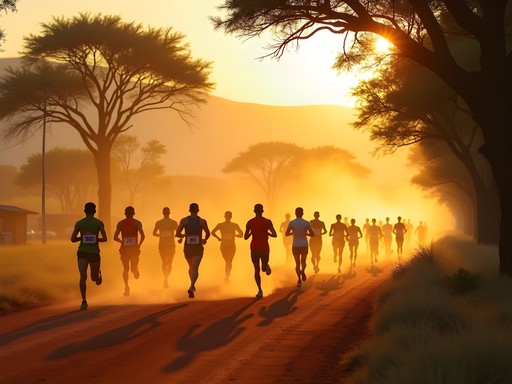
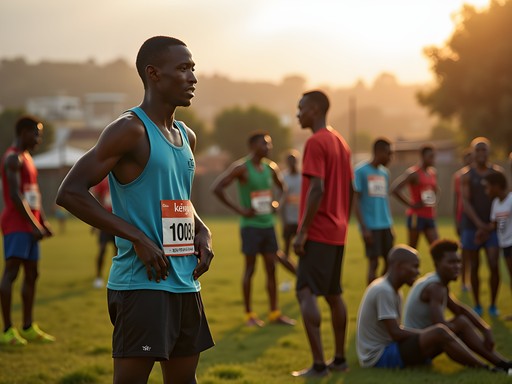
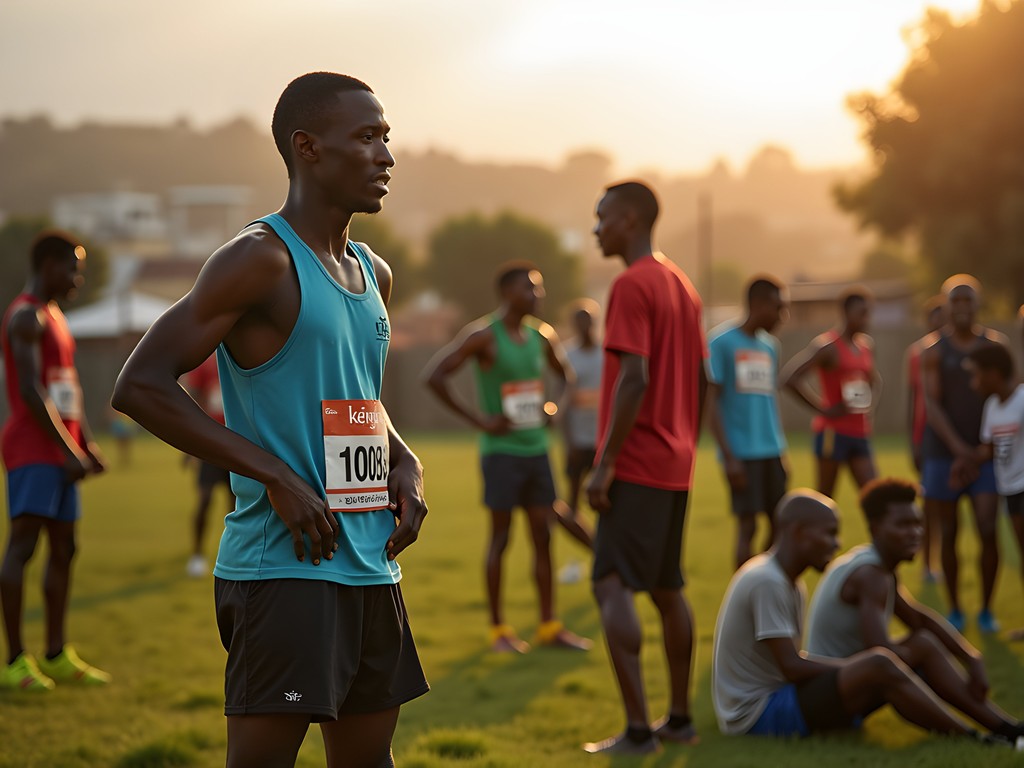
Eldoret operates on what locals call 'champion time.' The city wakes at 5:30 AM when hundreds of athletes begin their morning runs along the famous Kaptagat Road and around the Eldoret Sports Club grounds. This isn't tourism—it's daily life, and as a solo traveler, you're welcome to join. I connected with a training group through the Kimbia Athletics Club by simply showing up at their meeting point near the Eldoret Polytechnic. The elevation hit me hard those first three days (my paragliding background helped with breathing techniques, but altitude is altitude), so I invested in a pulse oximeter to monitor my oxygen levels during runs and hikes—essential for anyone engaging in athletic activities above 7,000 feet.
The local economy revolves around athletics. You'll find physiotherapy clinics, nutrition shops selling chia seeds and energy supplements, and shoe repair vendors who understand running biomechanics better than most sports medicine doctors. Afternoons are quiet—athletes rest, businesses close for lunch, and the pace slows until evening training sessions around 4 PM. Embrace this rhythm rather than fighting it. Your best experiences happen in those early morning hours and evening cooldowns when the community is most active and approachable.

💡 Pro Tips
- Wake by 5:15 AM to catch the morning training groups—most meet between 5:30-6:00 AM at Eldoret Sports Club or along Kaptagat Road
- Bring cash in small denominations (100-500 KES notes)—most local vendors and matatus don't accept cards or large bills
- Learn basic Swahili greetings and the Kalenjin phrase 'Chamge' (hello)—it opens doors and shows respect for the dominant local culture
Budget Accommodation: Where Athletes and Locals Actually Stay
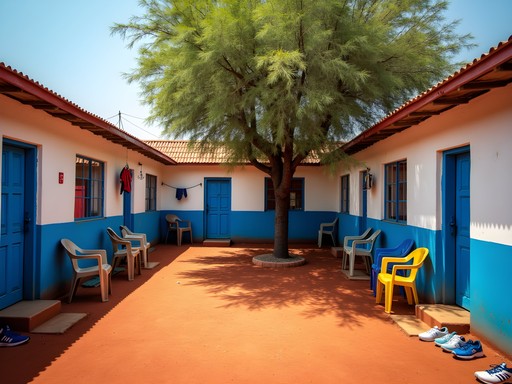
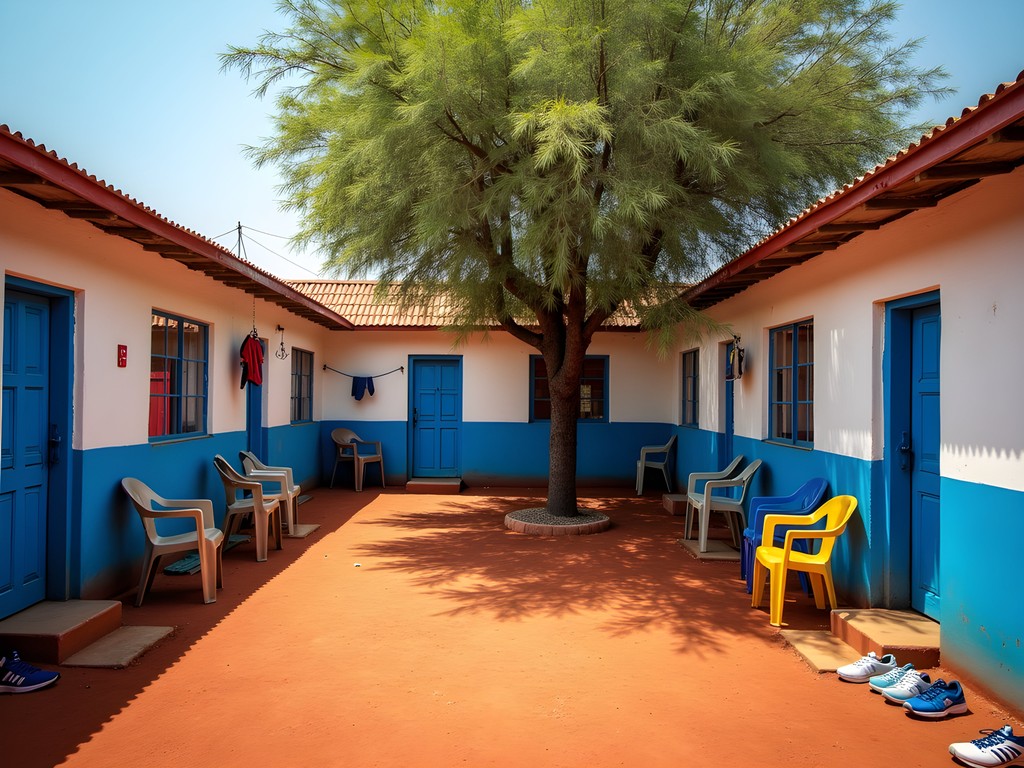
Forget the tourist hotels near the airport. Real Eldoret accommodation happens in the Elgon View and Pioneer estates, where many athletes rent modest rooms in shared compounds. I spent my two weeks at Keellu Guesthouse in the West Indies area (1,200 KES per night, roughly $9 USD), a clean, no-frills spot where three Olympic medalists also happened to be staying during training camp. The owner, Mama Christine, runs it like a training facility—lights out by 9 PM, breakfast at 5 AM sharp, and a strict no-alcohol policy.
For slightly more comfort without breaking your budget, try Sirikwa Hotel (2,500 KES per night) or Poa Place Resort (3,000 KES). Both offer hot showers—crucial after cold morning runs—and reliable WiFi. The real value isn't luxury but location and community. Stay where athletes stay, and you'll naturally integrate into the training culture. Most guesthouses provide basic breakfast (chai, mandazi, and fruit), but lunch and dinner are on you. Budget 500-800 KES per meal at local restaurants.
Pro tip: Many guesthouses have communal kitchens. I picked up a portable water filter at a Nairobi outdoor shop before arriving, which let me safely refill from taps and avoid buying bottled water—better for both my budget and reducing plastic waste in a city still developing its recycling infrastructure.
💡 Pro Tips
- Book accommodation near the Eldoret Sports Club or along Uganda Road for easy access to training routes and local restaurants
- Request a room with morning sun exposure—the natural light helps with the early wake-up schedule
- Always carry toilet paper and hand sanitizer—even decent guesthouses sometimes run short on supplies
Eating Like a Champion: Markets, Meals, and Nutrition Hubs
Eldoret's food scene reflects its athletic population—high-carb, nutrient-dense, and remarkably affordable. Start your mornings at Kipchoge's Breakfast Joint (no relation to Eliud, but the owner claims distant family ties) on Oloo Street for uji (fermented millet porridge), boiled eggs, and sweet potatoes—the exact breakfast many marathoners eat before training. Cost: 150 KES.
For lunch, the Mwariri Market area offers authentic local restaurants where ugali, sukuma wiki (collard greens), and beef stew runs 200-300 KES. I became a regular at Mama Njeri's stall, where she'd prepare extra vegetables knowing I was trying to maintain my plant-forward diet. The athletic community here is surprisingly knowledgeable about nutrition—many runners follow specific diets prescribed by their coaches and nutritionists.
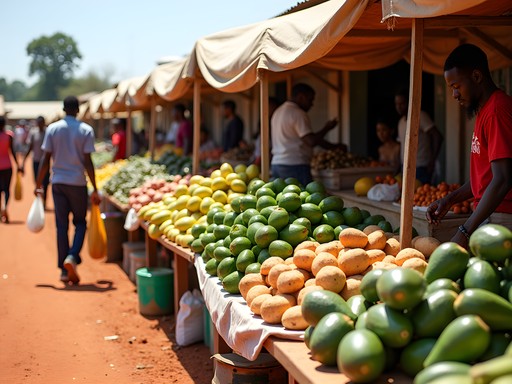
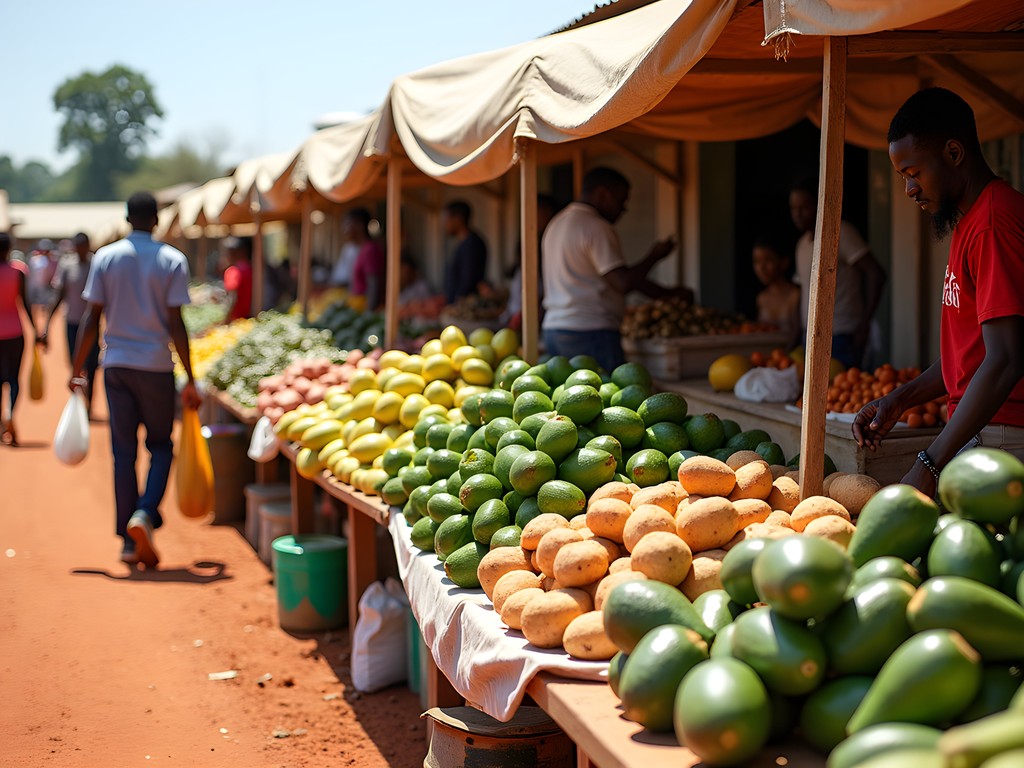
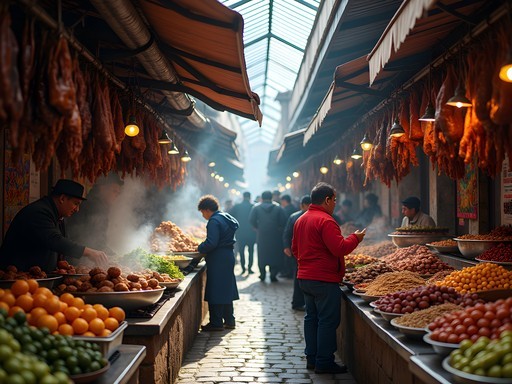
Naivas Supermarket and Tuskys are your go-to for supplies if you're cooking at your guesthouse. Stock up on Kenyan avocados (massive and cheap), passion fruits, sweet potatoes, and the excellent local honey. The Wednesday and Saturday markets near the Municipal Stadium offer the freshest produce at the best prices. I'd fill my reusable produce bags with enough fruits and vegetables for several days, spending maybe 600 KES total—the sustainability angle here isn't trendy, it's practical necessity.
For evening meals, try Kimwa Hotel's rooftop restaurant for nyama choma (grilled meat) and the best sunset views over the Rift Valley. Splurge meal at 1,000 KES, but worth it once a week for the social atmosphere and live music on Fridays.
💡 Pro Tips
- Always eat where you see athletes eating—they're experts at maximizing nutrition per shilling spent
- Ask for 'maji ya kuchemsha' (boiled water) at restaurants if you're concerned about water safety
- Try mukimo (mashed peas, potatoes, and corn)—it's the ultimate runner's fuel and delicious comfort food

Training Routes, Green Spaces, and Sustainable Initiatives
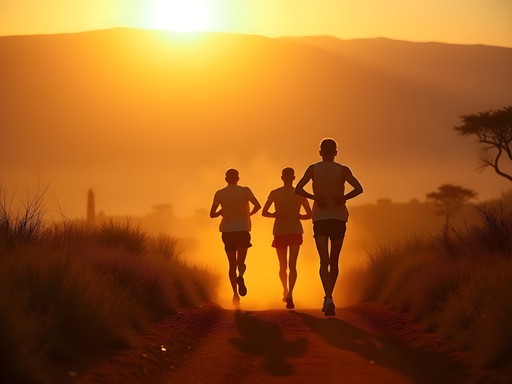
The legendary Kaptagat Forest route, 25 kilometers from Eldoret, is where Eliud Kipchoge and countless other champions do their long runs. Take a matatu (shared minibus) from the main stage for 100 KES, or arrange a boda boda (motorcycle taxi) for 300-400 KES. The forest trails at 8,500 feet elevation will humble you—I managed 10K my first attempt and felt like I'd run a marathon. The thin air is unforgiving but transformative.
Closer to town, the Eldoret Sports Club offers a measured 400-meter track and grass fields. Daily entry is 50 KES, and you'll train alongside national team members. The Chepkoilel University campus also has running trails and welcomes visitors—just check in at the gate.
What impressed me most was Eldoret's emerging green energy infrastructure. The Ngong Hills Wind Farm supplies power to the region, and several training camps now use solar water heating. I visited the Kimbia Training Center, which has installed solar panels and rainwater harvesting systems—a perfect intersection of athletics and sustainability. The center's manager, David Letting, explained how reducing energy costs allows them to invest more in athlete development. It's the kind of practical environmentalism I've championed since my own awakening in Costa Rica.
For recovery days, explore the Kerio Valley viewpoint (45 minutes by matatu) or visit the Sosiani River Walk project, a community-led initiative to clean and beautify the river running through town. I joined a Saturday cleanup session—great way to meet locals and contribute meaningfully.

💡 Pro Tips
- Carry electrolyte tablets or make your own solution (salt, sugar, water)—the altitude and intense sun cause rapid dehydration
- Hire a local runner as a guide for forest routes—costs 500-1000 KES and ensures you don't get lost while learning proper pacing for altitude
- Download offline maps before heading to Kaptagat—cell coverage is spotty in the forest areas
Cultural Integration: Language, Customs, and Making Connections
Eldoret's population is predominantly Kalenjin, with significant Kikuyu, Luhya, and Luo communities. The athletic culture transcends tribal lines—running is the universal language. That said, learning basic phrases shows respect. Beyond standard Swahili, pick up Kalenjin greetings: 'Chamge' (hello), 'Kongoi' (thank you), and 'Serser' (nice/good).
The local custom of 'chai ya macho' (tea for the eyes—essentially a small bribe or tip) comes up occasionally with officials or when asking favors. It's not corruption in the Western sense but rather social lubrication. A 50-100 KES note with a polite request usually smooths interactions.
Church is central to community life here. Sunday services at the numerous evangelical churches are social events as much as religious observances. I attended Eldoret Pentecostal Church with my guesthouse neighbors—three hours of passionate worship, testimony, and community announcements. You'll be welcomed warmly as a visitor, though be prepared for potential requests to share your testimony or greetings.
The athletic community is remarkably open to foreigners who show genuine interest and respect. I was invited to a traditional Kalenjin ceremony celebrating a young athlete's first international medal—an incredible honor. Bring a small gift if invited to someone's home (fruit, bread, or soda is appropriate). Remove shoes before entering homes. Accept offered tea even if you're not thirsty—refusing is considered rude.
For solo travelers, especially those over 50 like myself, you'll find the age respect in Kenyan culture refreshing. Elders are valued for wisdom, and your life experience becomes a conversation asset rather than a liability.
💡 Pro Tips
- Dress modestly—shorts above the knee are fine for running but wear longer pants or skirts in town and especially in rural areas
- Always greet people before asking questions or making requests—jumping straight to business is considered rude
- Accept that you'll be called 'mzungu' (white person)—it's descriptive, not derogatory, though you can politely introduce yourself by name
Practical Logistics: Transport, Money, and Staying Connected
Eldoret International Airport connects to Nairobi (1-hour flight, 8,000-12,000 KES) or take the bus from Nairobi (5-6 hours, 800-1,500 KES depending on company). Modern Coast and Easy Coach offer the most reliable service with the best safety records.
Within Eldoret, matatus are the primary transport—14-passenger minibuses that run set routes for 30-50 KES per trip. They're crowded, chaotic, and essential to understanding local life. Learn the main stages: Eldoret Main (town center), Langas (university area), and Pioneer (residential). Boda bodas work for shorter trips but negotiate price before mounting—50-200 KES depending on distance. Always wear the helmet they provide, sketchy as it might look.
For day trips to Kaptagat, Iten, or Kerio Valley, hire a driver through your guesthouse (3,000-5,000 KES for the day) or take matatus and be prepared for adventure. I picked up a portable phone charger before the trip, which proved essential during long matatu rides and days away from reliable power sources.
Money matters: Bring US dollars or euros to exchange at forex bureaus in town (better rates than banks). KCB and Equity Bank ATMs are reliable and accept international cards, though daily limits are usually 40,000 KES. M-Pesa mobile money is ubiquitous—get a local SIM card (Safaricom is most reliable) and set up M-Pesa. Many vendors, restaurants, and even guesthouses accept M-Pesa, reducing the need to carry cash.
Internet is decent in town but spotty in training areas. Safaricom SIM cards offer the best coverage. I bought 20GB for 2,000 KES, which lasted my entire two weeks with moderate use. Most guesthouses have WiFi, though speeds are variable. Download offline maps, music, and any work materials before arriving.
💡 Pro Tips
- Keep small bills separate from large ones—flashing a thick wallet of cash marks you as a target
- Register your SIM card immediately upon purchase (required by law) at any Safaricom shop with your passport
- Learn the matatu hand signals for your common routes—makes boarding much easier in the chaotic stages
Final Thoughts
Living like a local in Eldoret means surrendering to a rhythm that's simultaneously demanding and deeply restorative. It means waking before dawn not because you have to, but because the community's energy pulls you from bed. It means accepting that your fitness level, however good you think it is, will be humbled by 7,000-foot elevation and runners who make world records look effortless. It means understanding that sustainability here isn't a lifestyle choice but an economic necessity—and there's profound wisdom in that.
My two weeks in Eldoret recalibrated my perspective on what adventure really means. After years of paragliding over volcanic landscapes and coordinating events at cutting-edge green energy facilities, I found something unexpectedly powerful in the simplicity of Eldoret's daily rhythm. The city doesn't cater to tourists because it doesn't need to—it's too busy producing champions.
For solo travelers willing to embrace discomfort, respect local customs, and genuinely engage with the community, Eldoret offers something increasingly rare: authentic cultural immersion with practical life lessons embedded in every interaction. You'll return home fitter, humbler, and with a renewed appreciation for what humans can achieve when environment, community, and purpose align. Just remember to pack your running shoes and leave your ego at home—you'll need one and definitely won't need the other.
✨ Key Takeaways
- Embrace the 5:30 AM rhythm—Eldoret's best experiences happen during morning training hours when the athletic community is most active and welcoming
- Stay in athlete-focused guesthouses rather than tourist hotels for authentic integration and budget savings—expect to spend 1,200-3,000 KES per night
- The altitude is no joke—give yourself 3-4 days to acclimatize before attempting serious training, and monitor your body's response carefully
📋 Practical Information
Best Time to Visit
June-September (summer/dry season with optimal training conditions)
Budget Estimate
$350-500 USD for two weeks (excluding flights)
Recommended Duration
2 weeks minimum
Difficulty Level
Moderate To Challenging




Comments
skybuddy8423
Great post! Been to Kenya 4 times but never made it to Eldoret. The training routes section has me convinced - booking flights for September. Quick tip for anyone going: download offline maps before you arrive. Cell coverage can be spotty outside town center and having offline maps saved me multiple times in rural Kenya.
smarttime
Do you need any special permits or vaccinations to visit? Planning a trip for August
vacationzone
Yellow fever cert required if coming from certain countries. Check the Kenya eVisa site
Amit Sullivan
Owen, this captures something I've been trying to articulate about East Africa's running culture for years. That pre-dawn rhythm you describe - it's almost meditative, isn't it? I spent time in Ethiopia's highlands following a similar thread, and there's this universal quality to these high-altitude training towns. The discipline becomes the culture. One thing I'd add for visitors: bring layers. That 7,000-foot elevation means mornings are surprisingly chilly even near the equator. I learned that the hard way in Addis Ababa! Have you explored any of the tea plantations around Eldoret? I've heard they're spectacular and tie into the local economy in fascinating ways.
escapefan9974
good tip about the layers!
escapefan9974
The altitude training sounds intense! Great photos btw
George Hayes
Owen, this brought back such great memories! We took our kids (12 and 14) to Eldoret in 2025 and it completely changed how they think about dedication and discipline. Watching those pre-dawn training runs, seeing athletes half their age working with such focus - it was more educational than any museum. We stayed at a small family-run place near the town center, and the owner's wife taught my daughter how to make proper ugali. The markets you mentioned are incredible for families too. My son still talks about the fruit vendor who let him practice his Swahili. One practical tip: we took the SGR train from Nairobi to Nakuru, then a matatu to Eldoret. Turned what could've been a stressful drive into an adventure the kids loved. The elevation did hit us hard those first few days though - we learned to plan activities for afternoons after we'd adjusted a bit each morning.
springlover
This is so helpful! The train option sounds perfect
bluebuddy
how much does accommodation actually cost there? thinking about going for a month
Amit Sullivan
When I was researching East African running communities last year, I found guest houses in Eldoret ranging from $10-25 USD per night for basic but clean rooms. The places near Kipchoge Stadium where athletes stay are incredibly affordable. If you're staying a month, you could probably negotiate a weekly rate. The local hospitality is wonderful - I met a Kenyan runner in Nairobi who trained there and he said the community embraces visiting runners completely.
bluebuddy
thanks! thats way cheaper than i thought
greenwalker529
What's the best time of year to visit? And how easy is it to get there from Nairobi?
vacationzone
Love this! Added to my bucket list
springlover
Is it safe for solo female travelers? Really interested but a bit nervous about traveling alone in Kenya.
George Hayes
My wife and daughters visited with me last year. Eldoret felt very safe, especially in the athlete community areas. Standard precautions apply like anywhere, but the running community is incredibly welcoming.
Frank Garcia
Owen, brilliant breakdown of the training culture here. I spent three weeks in Eldoret last year analyzing the economics of athletic tourism, and you've captured something most travel writers miss: the discipline isn't just about running, it's woven into every aspect of daily life. The 5am starts, the communal meals, even the way accommodations are structured around training schedules. One thing I'd add - the cost differential between tourist lodges and athlete guesthouses is massive. I stayed at Kimbia House for about $8/night and had more authentic interactions than any fancy hotel could offer. The altitude adjustment is real though - took me a solid week before I could climb stairs without gasping.
skybuddy8423
Which guesthouse would you recommend for someone not training? Just want the local experience
Frank Garcia
Kimbia House or Kerio View are both welcoming to non-athletes. You'll still be around runners but the atmosphere is relaxed.
Venture X
Premium card with 2X miles, $300 travel credit, Priority Pass