

Disclosure: This article contains affiliate links. We may earn a commission from purchases at no extra cost to you, which helps our travel content.
There's something about Budapest that reminds me of treating trauma patients – beneath the obvious surface lies a complex network of hidden systems that keep the whole thing alive. After my third visit to Hungary's capital last spring – this time on a two-week break from my medical exchange program in Guadalajara – I've finally cracked the code on experiencing this city like a true local. Forget the Instagram-famous Széchenyi Baths and overpriced river cruises. The real Budapest pulses through neighborhood thermal baths where locals soak away their troubles, basement ruin bars where tourists fear to tread, and third-wave coffee shops tucked into crumbling Soviet-era apartment blocks. With a week to explore and a mid-range budget that won't require financial life support, I'll show you how to navigate this dual city (Buda + Pest, get it?) with the precision of an emergency responder and the curiosity of a seasoned mountaineer.

Thermal Bath Culture: Beyond the Tourist Traps
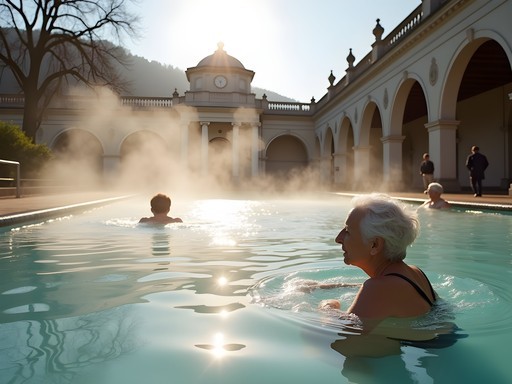
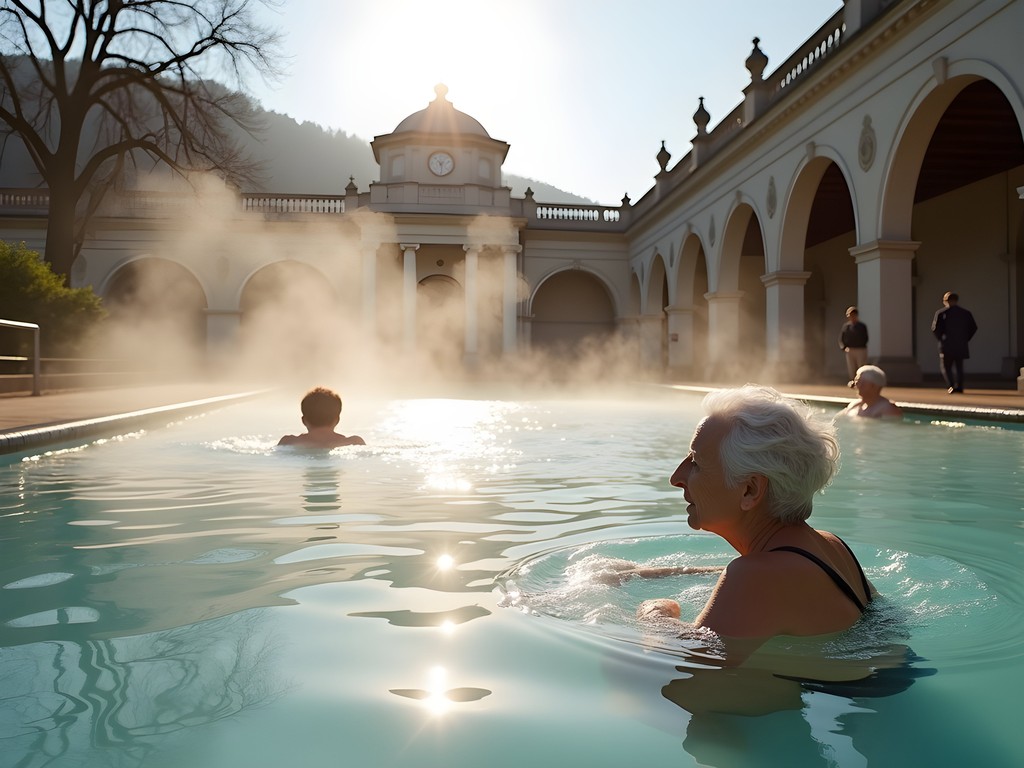
Let me be clear: Széchenyi and Gellért baths are architectural marvels worth seeing, but they're the thermal bath equivalent of eating at Hard Rock Cafe. For an authentic experience, head to Dandár Bath in District IX. This recently renovated neighborhood facility costs half what you'd pay at the famous spots, with locals outnumbering tourists 20-to-1.
My personal favorite is Lukács Bath, where I spent three consecutive mornings soaking away soreness from hiking the Buda Hills. The outdoor section features a circuit of jets that work like hydrotherapy for tired muscles. As an EMT, I appreciate how the different temperature pools (38°C, 32°C, and the bracing 19°C plunge pool) improve circulation and reduce inflammation – basically nature's ibuprofen.
Veli Bej might be the city's best-kept secret – a gorgeously restored Ottoman-era bath hidden inside a hospital complex. Dating back to 1575, its octagonal central pool beneath a domed ceiling feels like time travel. I visited on a Tuesday afternoon and shared the entire facility with just seven locals, all of whom seemed surprised to see a foreigner.
For the truly adventurous, Király Bath offers the most authentic experience, though be warned – facilities are basic and the changing rooms remind me of field hospitals I've worked in. The ancient stone pools contain mineral-rich water pumped from the same thermal springs that feed the luxury baths, but at a fraction of the cost. Bring your own towel, flip-flops, and a quick-dry microfiber towel for maximum convenience.
💡 Pro Tips
- Visit thermal baths before 9am or after 6pm to avoid crowds and experience them with locals
- Bring a water bottle – the mineral water dehydrates you faster than you'd expect
- Most neighborhood baths have different days for men and women, so check schedules online first
Navigating Budapest's Ruin Bar Scene Like a Pro
Everyone's heard of Szimpla Kert – the granddaddy of Budapest's ruin bar scene – but after 8pm, it transforms into a tourist playground with inflated drink prices and bachelor party chaos. Instead, visit before 6pm to appreciate its artistic design and labyrinthine layout, then move on to where locals actually drink.
My recommendation? Start with Ellátó Kert in the Jewish Quarter, a garden bar with Mexican food that reminds me of home in Arizona (though admittedly with much worse tacos). The crowd is predominantly Hungarian students and young professionals who come for the affordable spritz variations and laid-back atmosphere.
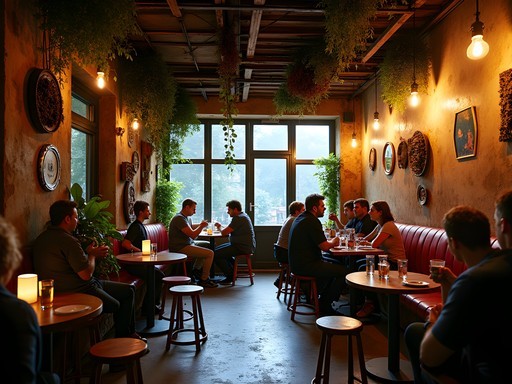
For something truly underground, Kisüzem feels like a neighborhood living room – a dimly lit bar frequented by local artists, writers, and musicians. I struck up a conversation with a Hungarian paramedic here, and we exchanged emergency response stories until 2am. Their pálinka (fruit brandy) selection is exceptional, though proceed with caution – I've seen enough alcohol-related incidents professionally to know when to switch to seltzer.
If you're exploring Buda (the quieter, hillier side of the city), seek out Nemdebár – a tiny hole-in-the-wall with mismatched furniture and local craft beers. The bartender recognized me on my second visit and introduced me to Fóti, a small-batch Hungarian craft brewery that changed my perception of Central European beer.
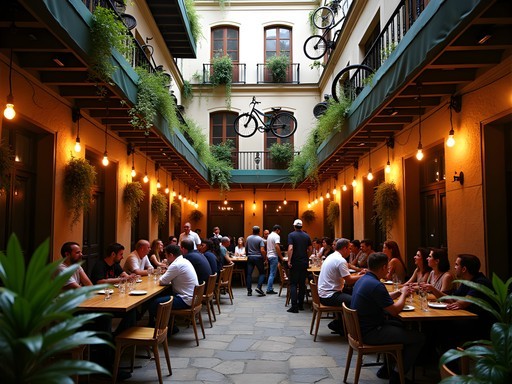
For late-night adventures, Ankert's courtyard transforms into an outdoor dance floor where locals predominate. I recommend bringing a secure anti-theft crossbody bag for these outings – not because Budapest is particularly dangerous (it's actually one of Europe's safest capitals), but because crowded bars anywhere present opportunistic theft risks.

💡 Pro Tips
- Visit famous ruin bars before 6pm to avoid tourist crowds
- Learn 'Egészségedre!' (cheers in Hungarian) – locals appreciate the effort
- Most ruin bars accept card payments, but smaller places prefer cash
Coffee Culture: Budapest's Third Wave Revolution
As someone who works emergency shifts, I've developed a professional relationship with caffeine. Budapest's coffee scene rivals any major European capital, with the advantage of being significantly more affordable. Skip the chains and seek out these neighborhood gems.
My morning ritual became a cappuccino at Espresso Embassy near the basilica – a specialty coffee shop housed in a vaulted brick cellar. Their baristas approach coffee with the same precision I apply to medical procedures. Their single-origin Ethiopian beans produce notes of blueberry and jasmine that I'm still dreaming about back in Mexico.
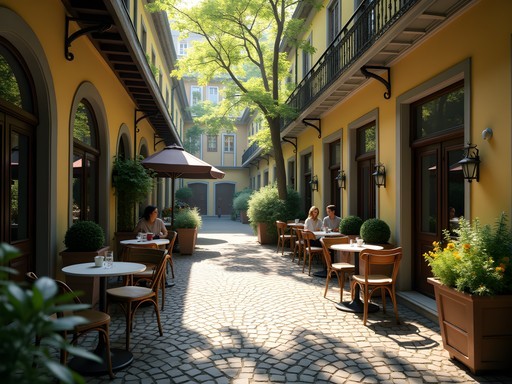
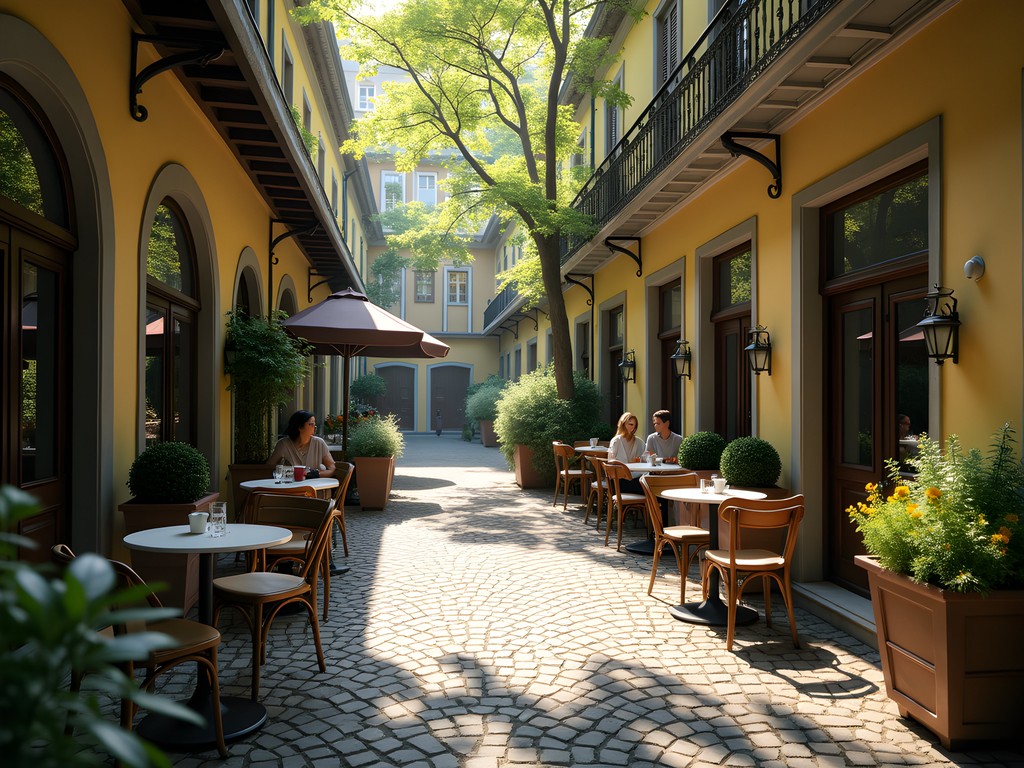
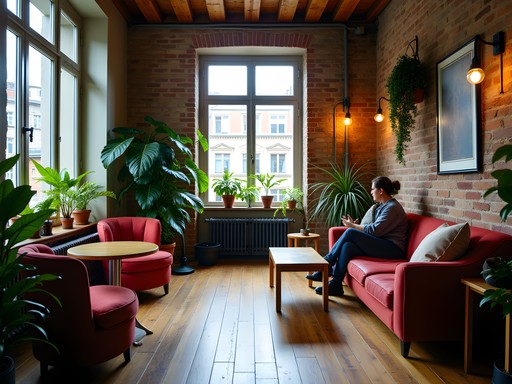
For a workspace with excellent coffee, Budapest Baristas offers fast WiFi, ample outlets, and a courtyard garden perfect for spring mornings. I spent two productive afternoons here planning my hikes in the Buda Hills while fueled by their flat whites and homemade carrot cake.
The most authentic local experience was Kelet Café in the residential VIII district – part coffee shop, part used bookstore, with locals reading newspapers and engaging in hushed conversations. Their cardamom-infused Turkish coffee served in traditional copper cezves delivered the strongest caffeine hit of my trip.
For coffee to brew back at your accommodation, Tamp & Pull's roastery sells beans from Hungarian roasters. I brought back three bags and have been using my portable coffee grinder to enjoy Budapest memories during early morning shifts in Guadalajara.
A quick medical note: Budapest's water is perfectly safe to drink despite its mineral taste. Stay hydrated between coffee shops – the combination of caffeine, thermal baths, and walking can quickly deplete your fluids, especially in spring when temperatures can unexpectedly spike.
💡 Pro Tips
- Ask for 'barna kávé' if you want regular black coffee – American-style drip coffee isn't common
- Coffee shops open early (usually 7:30am) making them perfect for breakfast before sightseeing
- Many cafés offer 'reggeli' (breakfast) specials before 10am with coffee and pastry combinations

Public Transportation Mastery: Moving Like a Local
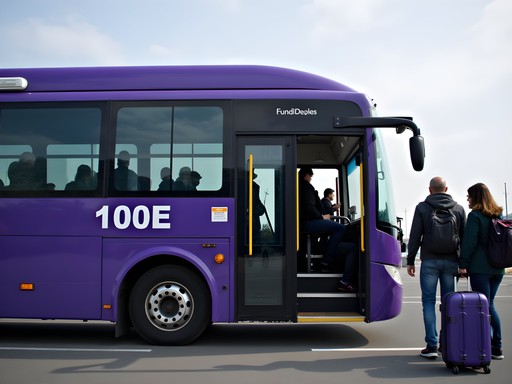
After navigating Mexico City's metro, Budapest's public transportation feels refreshingly organized. The key is purchasing a 7-day travel card (hetijegy) immediately upon arrival – it covers all buses, trams, metros, and even the charming hillside funicular.
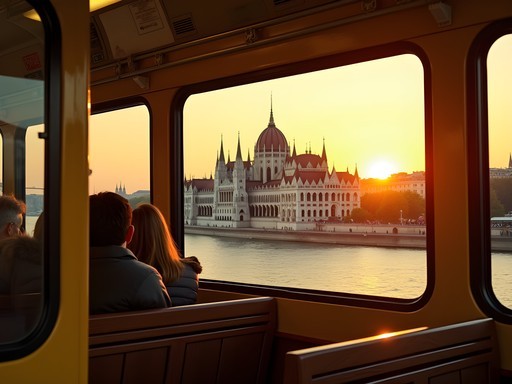
Forget Uber – Budapest's public system is your lifeline. Tram #2 runs along the Danube, offering the same views as €80 river cruises for the price of a transit ticket. I rode it at sunset with my compact camera to capture the parliament building bathed in golden hour light.
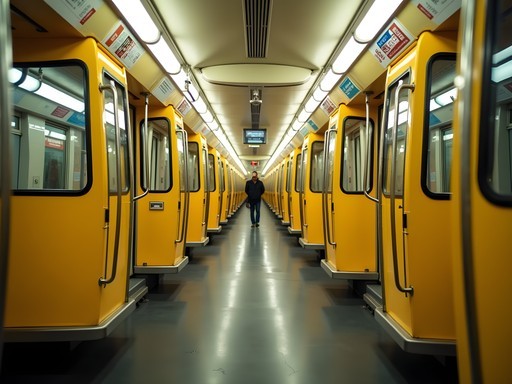
The yellow metro line (M1) is the European continent's oldest underground railway and feels like time travel – tiny vintage cars rumbling beneath Andrássy Avenue. For efficiency, the red metro (M2) connects major sights, while the blue line (M4) features some of the most architecturally stunning stations I've seen worldwide.
But the true local secret is Budapest's extensive night bus network. The 907 saved me after a late night exploring ruin bars – running every 15 minutes even at 3am. Download the BudapestGO app for real-time arrivals and route planning.
For exploring the Buda Hills, take Children's Railway – a narrow-gauge train operated mostly by local kids (under adult supervision). It connects to hiking trails with panoramic city views that rival those from the overcrowded Fisherman's Bastion. As an avid mountaineer, I appreciated how easily accessible these trails were – just 30 minutes from downtown but worlds away from tourist crowds.
My paramedic instincts compel me to add: Budapest's public transportation is generally very safe, but maintain the same awareness you would in any major city. Keep valuables secure, especially on crowded trams during peak hours.

💡 Pro Tips
- Purchase 7-day travel cards at purple ticket machines with English language option
- Validate paper tickets in orange boxes before boarding (except for travel cards which don't need validation)
- Google Maps works perfectly for navigation but BudapestGO app has more accurate timing
Local Food Haunts: Beyond Goulash and Chimney Cake
Hungarian cuisine deserves more international recognition. Yes, goulash is ubiquitous, but there's a whole culinary world beyond the tourist menus.
Start at the Central Market Hall, but skip the overpriced ground floor and head upstairs where locals eat lángos (fried dough with toppings). My go-to became Lángos Land's traditional version with sour cream and cheese – a perfect post-hike refuel with enough calories to power through an afternoon of exploration.
Stand 25 in the market serves the best főzelék in the city – a thick vegetable stew that's essentially Hungarian comfort food. As someone who monitors nutritional intake for athletic performance, I appreciated finding this vegetable-forward option amid heavier Hungarian classics.
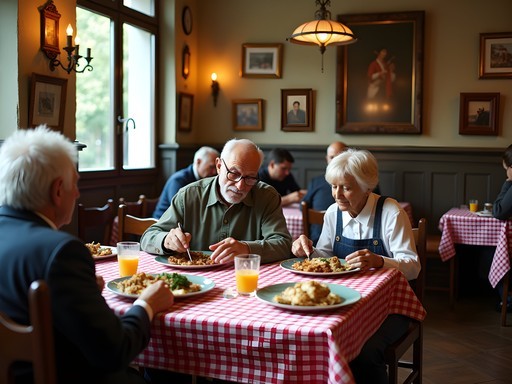
For an authentic neighborhood experience, seek out Kádár Étkezde in the Jewish Quarter – a no-frills cafeteria where elderly locals read newspapers while dining on daily specials. No English menu exists, but pointing works fine. Their Wednesday special of stuffed cabbage leaves transported me straight to my Mexican grandmother's kitchen – proof that comfort food transcends borders.
Budapest's street food scene thrives at Karaván, an outdoor food court next to Szimpla Kert. Skip the international options and head straight for JóKrisz Lángos Sütöde's deep-fried cheese (rántott sajt) served with homemade tartar sauce – a guilty pleasure that makes my EMT brain temporarily ignore everything I know about cholesterol.
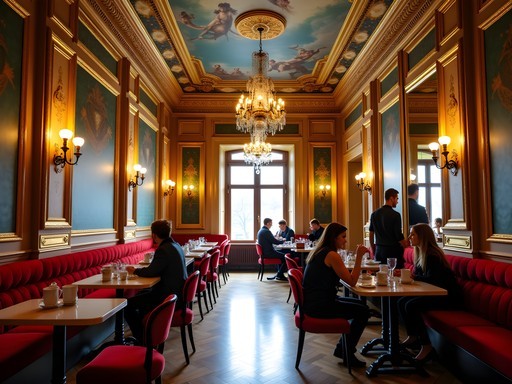
For coffee and cake, New York Café is admittedly stunning but overpriced and packed with tourists. Instead, try Ruszwurm on Castle Hill – Budapest's oldest confectionery (operating since 1827) with the best krémes (vanilla custard slice) in the city.
Budapest's tap water is perfectly safe, but carbonated water dominates. I carried my trusty insulated water bottle everywhere, saving money and reducing plastic waste.

💡 Pro Tips
- Look for 'napi menü' (daily menu) signs for affordable set lunches between 12-3pm
- Restaurants in Hungary typically add 10-15% service charge – check your bill before tipping extra
- Book tables at popular local restaurants through Reservio.com – the Hungarian equivalent of OpenTable
Final Thoughts
As I packed my climbing gear and headed back to Guadalajara, I realized Budapest had worked its way under my skin like few other cities. There's something about witnessing a place's public face and then being invited into its private rooms that mirrors my work in emergency medicine – seeing people at their most vulnerable creates a connection that casual tourism never could. Budapest rewards the curious traveler who ventures beyond TripAdvisor's top ten lists. The city unfolds like a patient history – layers of empire, revolution, occupation, and renaissance that require patience to fully understand. Whether you're soaking in neighborhood thermal baths, sipping pálinka with local artists, or navigating hidden courtyards, Budapest offers an authenticity that's increasingly rare in European capitals. Just remember to approach with respect, learn a few Hungarian phrases, and be willing to get gloriously lost in its labyrinthine streets. Your reward? A Budapest experience that most tourists never discover.
✨ Key Takeaways
- Visit neighborhood thermal baths early morning or evening for authentic local experiences
- Explore ruin bars beyond Szimpla Kert for better prices and local atmosphere
- Public transportation provides better views than expensive river cruises
- Venture to residential districts for the best coffee shops and affordable restaurants
📋 Practical Information
Best Time to Visit
April-May or September-October
Budget Estimate
$40-60 per day excluding accommodation
Recommended Duration
5-7 days
Difficulty Level
Moderate (Hilly Terrain And Language Barrier)

Comments
Megan Martin
Excellent insights here, Gregory. I was in Budapest for a conference last year and managed to extend my stay by a few days to explore beyond the meeting venues. Your point about the public transportation system is crucial - the efficiency really does rival any major European city once you understand the network. I found the Budapest travel card particularly useful for business travelers doing quick visits, as it includes museum entry and unlimited transport. The coffee culture observation is interesting too. I noticed several co-working spaces integrated with third-wave cafés in District V, which seems to be drawing a lot of digital nomads. The city is positioning itself well for the remote work economy.
wanderstar
The trauma patient analogy at the beginning really got me thinking about how we experience cities. Budapest definitely has layers. I spent two weeks there last fall and barely scratched the surface. Your ruin bar section is excellent - Szimpla is obviously the most famous but it's become such a tourist trap. I preferred Instant-Fogas and Kuplung. Also, did you try any of the chimney cake spots? I know they're touristy but I have zero regrets about eating like five of them.
sunnytime
Chimney cakes are the best! No shame in that game.
moonseeker
Going in April, can't wait!
winterzone
Great post! One thing I learned the hard way - get a travel pass for the public transport, don't try to buy individual tickets. The system is confusing and inspectors are everywhere. Also the night trams are surprisingly reliable if you're bar hopping. The thermal bath tip about bringing flip flops is spot on, learned that one the hard way at Rudas!
Savannah Torres
Gregory, this really resonates! We took our kids to Budapest last summer and I wish I'd had your coffee shop recommendations then. We stuck mostly to the tourist spots because I was worried about navigating with a 5 and 7-year-old. The thermal baths were a hit though - even Gellért was magical for them despite the crowds. One thing I'd add for families: the Children's Railway on the Buda side was an unexpected highlight. Run by kids (supervised, of course!) and takes you up into the hills. My daughter still talks about it. Did you get a chance to explore any of the Buda hiking trails during your visit?
moonseeker
The Children's Railway sounds amazing! Never heard of that before.
sunnytime
Love this! Budapest is incredible.
exploremate
This is awesome! I'm planning my first trip to Budapest in March and had no idea about the lesser-known thermal baths. Which one would you recommend for someone who wants to avoid the Széchenyi crowds but still get that authentic experience? Also, are the ruin bars safe to explore at night for solo travelers?
wanderstar
Not Gregory but I've been to Budapest 3 times - try Veli Bej or Király baths! Way less touristy. Ruin bars are totally safe, just stick to the main ones in District VII.
exploremate
Thank you! Adding those to my list now.
Jean Wells
Your observations about Budapest's coffee culture really resonated with me. I spent two weeks there last spring doing a deep dive into the cafe scene, and you're absolutely right about the third wave revolution. The attention to detail at places like Espresso Embassy rivals anything I've experienced in Melbourne or Portland. What struck me most was how the younger generation is reclaiming these historic spaces while honoring the traditional coffeehouse culture. The juxtaposition is fascinating. Did you make it to any of the smaller neighborhood cafes in District VIII? I found some incredible spots there that even locals didn't know about.
citystar
Espresso Embassy was SO GOOD! Best flat white I had in Europe honestly
citystar
Love this! The ruin bars are incredible
happyguy
Going there in March! Which thermal bath did you like best?
citystar
Not the author but I went last year - Rudas is amazing! Way less touristy than Széchenyi
happyguy
Thanks!! Adding that to my list
Venture X
Premium card with 2X miles, $300 travel credit, Priority Pass