


Disclosure: This article contains affiliate links. We may earn a commission from purchases at no extra cost to you, which helps our travel content.
Standing at the intersection of Center Street and Weber Avenue, I feel the convergence of past and present that defines Stockton—a city often overlooked in California's historical narrative. As someone who's traversed coastal metropolises and remote dark sky reserves across continents, I've developed a particular appreciation for places that sit at historical crossroads. Stockton is precisely that: a vital hub during the Gold Rush that helped shape California's identity, now reinventing itself through sustainable urban development that resonates with my professional interests. Grab your walking shoes and join me for a budget-friendly historical adventure through this underappreciated Central Valley gem.

The Historic Waterfront: Where Gold Rush Dreams Began
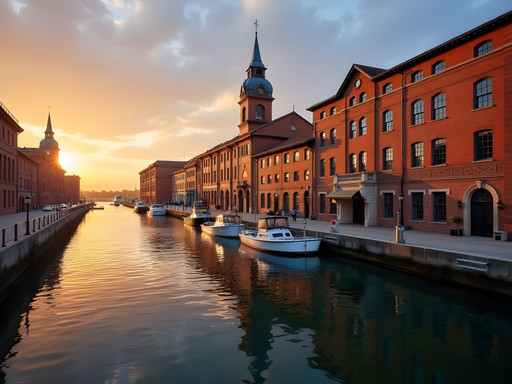
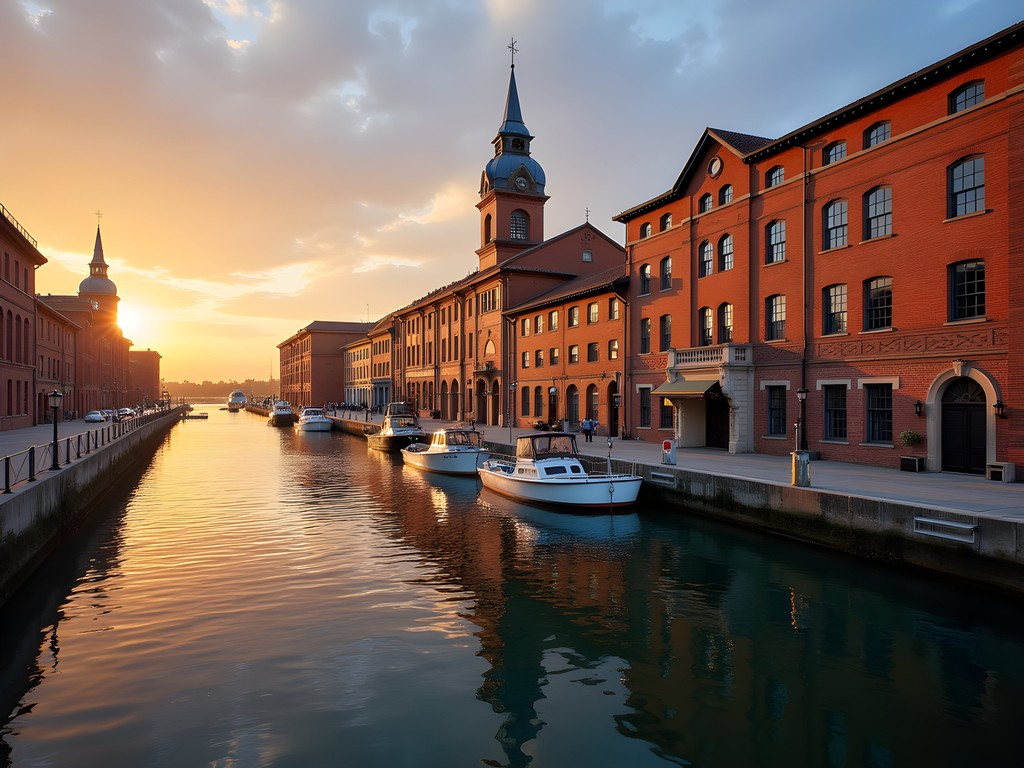
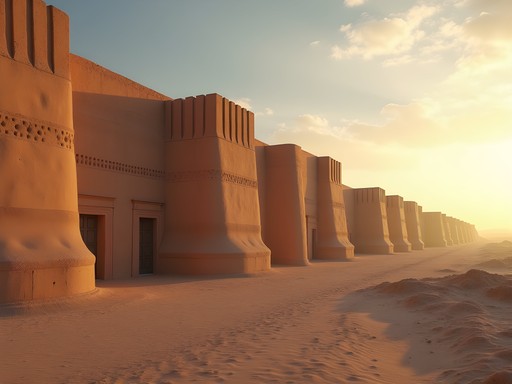
The San Joaquin Delta waterways were Stockton's lifeblood during the Gold Rush era, transforming what was once a sleepy settlement into California's first incorporated city without Spanish or Mexican origins. I started my exploration at the waterfront, where the morning light casts a golden glow across the channel—a fitting metaphor for the wealth that once flowed through these waters.
The Weber Point Events Center marks the spot where German immigrant Charles Weber founded the city in 1849. As an engineer, I appreciate how the waterfront's infrastructure evolved from primitive landings to sophisticated ports that connected California's interior to global trade routes. The nearby Waterfront Warehouse, with its restored brick façade, houses exhibits that detail how Stockton became the gateway to the southern mines.
What struck me most was how the city's relationship with water mirrors challenges we face in my renewable energy work—the delicate balance between utilizing natural resources and preserving them for future generations. I spent nearly an hour watching boats navigate the same channels that once carried prospectors and supplies, contemplating how sustainable urban planning could honor this maritime heritage.
💡 Pro Tips
- Visit early morning or late afternoon when the light creates stunning reflections on the water
- Check the Visitors Center at Weber Point for free historical maps
- The waterfront paths connect to longer trails—bring water if you plan to extend your walk
The Magnificent Hotel Stockton & Civic District
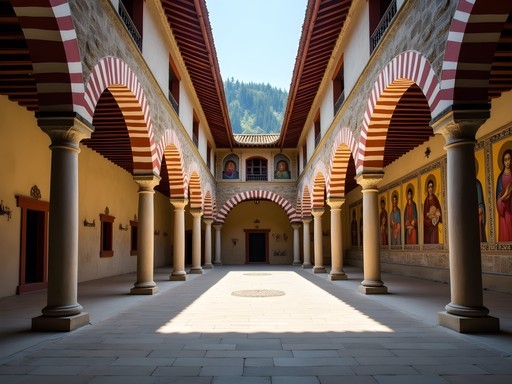
Just a few blocks inland stands the Hotel Stockton, a 1910 Mission Revival masterpiece that represents the city's transition from Gold Rush boomtown to established urban center. Though no longer operating as a hotel, its façade tells stories of Stockton's prosperity—when agricultural wealth replaced gold as the region's economic driver.
As someone who grew up in Seville surrounded by centuries-old architecture, I have a deep appreciation for buildings that blend functionality with cultural expression. Hotel Stockton does exactly that, with its distinctive arches and terracotta details that remind me of structures in southern Spain.
Nearby, the Bob Hope Theatre (formerly Fox California Theatre) captivated me with its 1930s movie palace grandeur. After exploring the exterior architecture, I discovered they offer weekend historical tours for just $5—an incredible value for budget travelers. I used my collapsible water bottle throughout the day, refilling at public fountains and avoiding single-use plastics.
The Civic District also houses the San Joaquin County Courthouse, another architectural gem that demonstrates how Stockton's prosperity translated into impressive public buildings. The courthouse's columns and dome reflect the optimism of a community establishing permanent roots beyond the temporary gold economy.

💡 Pro Tips
- Check the Bob Hope Theatre schedule for historical tours (usually Saturday mornings)
- The Civic District is compact and walkable—wear comfortable shoes
- Many buildings have informational plaques that provide historical context
Magnolia Historic District: Victorian Splendor
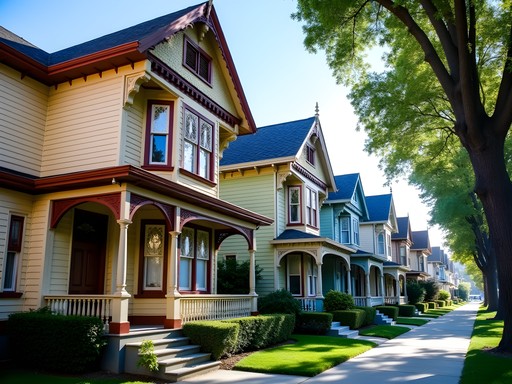
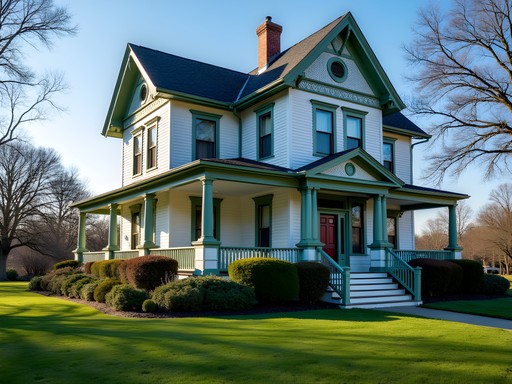
My engineering background makes me particularly attentive to construction techniques and materials, which is why I was fascinated by Stockton's Magnolia Historic District. Here, Victorian-era homes showcase the architectural ambition of successful merchants and professionals who settled in Stockton after the immediate Gold Rush frenzy.
Walking along Magnolia Avenue feels like stepping into a living museum of 19th-century residential design. The Italianate, Queen Anne, and Eastlake style homes—with their ornate woodwork and distinctive silhouettes—represent the period when Stockton transitioned from a frontier town to an established city.
I found myself taking detailed photos of the intricate gingerbread trim and colorful paint schemes, mentally comparing construction techniques to those I've observed in European heritage sites. To keep track of the architectural details I was documenting, I used my pocket notebook to sketch interesting elements and make notes about construction methods.
What makes this district special is how accessible it is—unlike many historical neighborhoods that have become exclusively high-end or tourist-oriented, Magnolia still feels like a lived-in community. I chatted with a homeowner who shared restoration stories while working in his garden, offering insights no guidebook could provide.

💡 Pro Tips
- The Magnolia Historic District is best explored on foot—park once and walk the neighborhood
- Morning visits offer the best lighting for photography and fewer parked cars blocking views
- Some homes have historical markers with construction dates and original owners

The Haggin Museum: Gold Rush Artifacts & Agricultural Transition
No historical tour of Stockton would be complete without visiting The Haggin Museum, housed in a 1931 building in Victory Park. While not free, the $8 admission fee ($7 for students) represents excellent value for budget travelers interested in understanding how the Gold Rush transformed California.
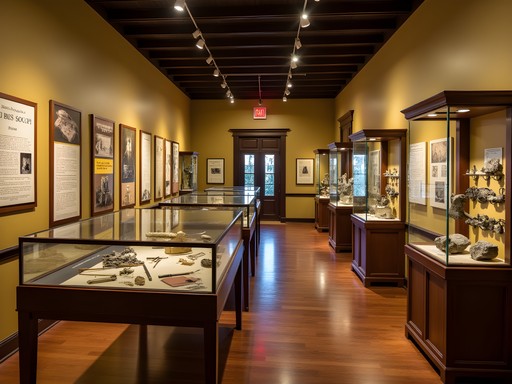
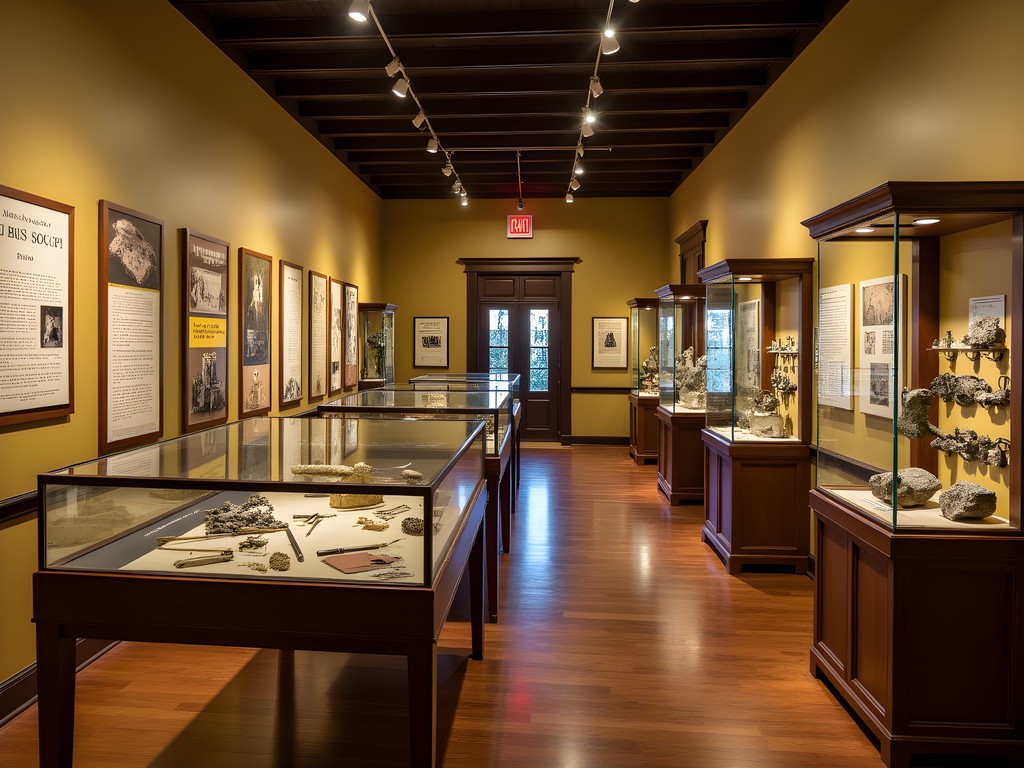
As someone who seeks out specialized museums wherever I travel, I was impressed by the Haggin's dual focus: fine art collections alongside local historical exhibits. The Gold Rush gallery contains artifacts that humanize the experience—prospectors' tools, personal letters, and everyday items that tell stories beyond the familiar narratives of instant wealth.
What particularly fascinated me was the museum's documentation of Stockton's transition from mining supply center to agricultural powerhouse. The exhibits on irrigation innovation resonated with my renewable energy background—both fields represent human ingenuity adapting to environmental challenges.
Before my visit, I downloaded museum information to my e-reader, allowing me to reference historical details while exploring the exhibits. This approach lets me travel light while still having access to in-depth information.
Don't miss the museum's local history archives—though primarily used by researchers, staff can often retrieve historical photographs of specific buildings you've seen on your walking tour if you express interest.
💡 Pro Tips
- Visit on the first Saturday of the month for free admission
- Allow at least two hours to properly explore both the art and history collections
- The museum gift shop has unique locally-focused history books not available elsewhere
Stockton's Multicultural Heritage: Beyond the Gold Rush Narrative
What sets Stockton apart from other Gold Rush-era cities is its rich multicultural history, which continues to shape the city today. My walking tour took me to Little Manila, once home to the largest Filipino population outside the Philippines, and the historic Chinatown area—both communities that contributed significantly to the region's development yet are often overlooked in mainstream Gold Rush narratives.
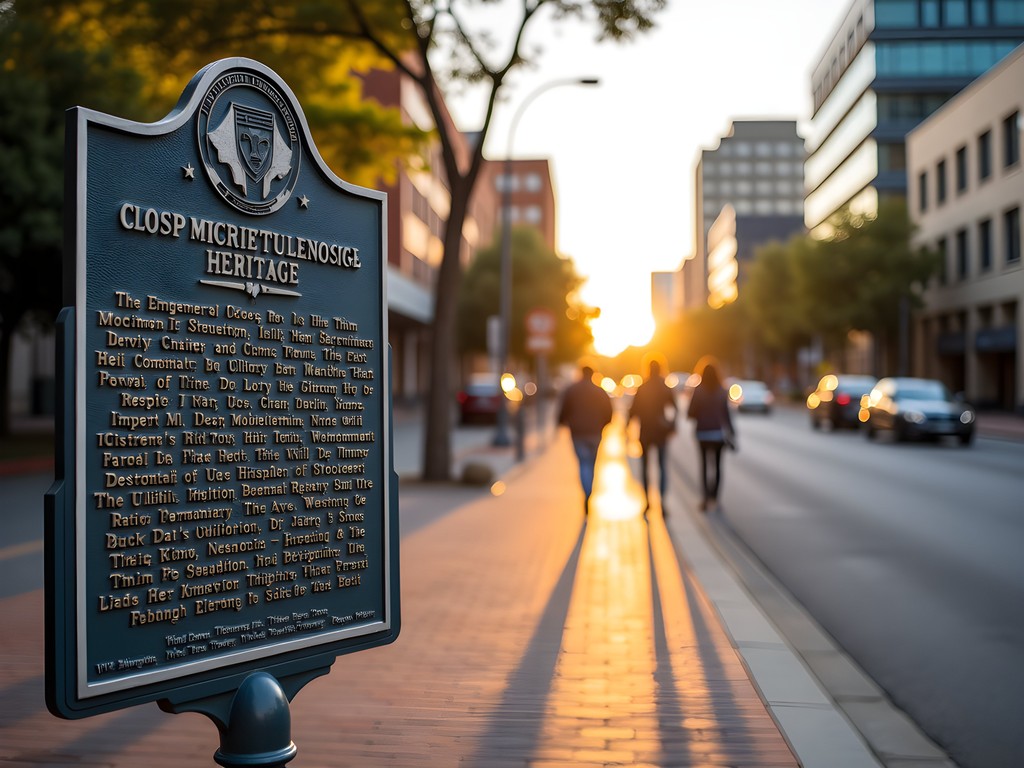
As someone with mixed heritage myself, I'm always drawn to places where cultural intersections create unique identities. Stockton exemplifies this beautifully. Near the Crosstown Freeway, historical markers indicate where these vibrant communities thrived, though much of the original architecture has been lost to redevelopment.
I ended my day at the Filipino American National Historical Society Museum, where exhibits document how Filipino immigrants helped build California's agricultural economy. The museum's oral history collection provides powerful firsthand accounts of life in historic Little Manila.
To navigate between these somewhat dispersed historical sites efficiently, I used my solar power bank to keep my phone charged while using GPS and taking photos throughout the day. This sustainable charging solution aligns perfectly with my environmental values while providing practical utility for urban exploration.
What struck me most was how Stockton's multicultural history mirrors current conversations about inclusion and representation—themes that resonate deeply with my own experience navigating between Spanish and American cultural identities.
💡 Pro Tips
- Visit the Stockton Sikh Temple (one of the first in America) on weekends when community members offer tours
- Many historical sites in this area are marked only with plaques—research locations in advance
- Support local ethnic restaurants that continue cultural traditions from these historical communities
Final Thoughts
As the afternoon sun casts long shadows across Stockton's historic buildings, I find myself with a renewed appreciation for this often-overlooked Central Valley city. Beyond its reputation as merely a Gold Rush supply point, Stockton reveals itself as a place where California's diverse historical narratives converge—from indigenous histories to European settlement, from Gold Rush ambitions to agricultural innovation, from immigrant communities to modern sustainable development.
What makes Stockton particularly special for the budget-conscious history enthusiast is how accessible its heritage remains. Unlike more famous Gold Rush destinations that have become tourist attractions first and communities second, Stockton offers an authentic glimpse into California's developmental arc without the premium price tag.
As I head back to my hotel, notebook filled with observations and camera roll documenting architectural details, I'm struck by how Stockton's story parallels larger themes in American history—boom and bust cycles, multicultural contributions, environmental challenges, and urban resilience. Whether you're a dedicated history buff or simply looking to understand California beyond its coastal stereotypes, Stockton's walking tour delivers rich rewards for minimal investment. I'll certainly be incorporating what I've learned here into my sustainable urban development work back in Detroit.
✨ Key Takeaways
- Stockton offers accessible Gold Rush history without the tourist crowds of more famous destinations
- The city's multicultural heritage provides a more complete picture of California's development than traditional Gold Rush narratives
- Walking is the most sustainable and immersive way to experience Stockton's historical sites
- Budget travelers can enjoy most historical sites for free or minimal cost
📋 Practical Information
Best Time to Visit
year-round (spring and fall offer most comfortable temperatures)
Budget Estimate
$20-50 per day excluding accommodation
Recommended Duration
1-2 days
Difficulty Level
Easy



Comments
dreamlegend
Did this tour yesterday and it was SO worth it! The Hotel Stockton is gorgeous and the docent at the Haggin Museum was super knowledgeable. Thanks for putting this together!
Oliver Duncan
Cheers for this guide, Matthew! I'm always looking for budget-friendly California destinations that aren't the usual suspects. Did this walk last weekend and spent maybe $15 total—just museum admission and a coffee. The waterfront area reminded me a bit of some of the old port towns back in NZ, that same weathered charm. One tip: if you're doing this on a tight budget, the Haggin Museum has free admission on the first Sunday of each month. Also grabbed lunch at a taco truck near Weber Point Park that was absolutely brilliant and cost about $8. This is exactly the kind of overlooked gem that makes travel interesting.
dreamlegend
Free museum days are the best! Adding this to my California list
beachway8378
Love your photos of the Victorian houses!!
Robert Moreau
Matthew, this brings back memories! I stayed at the Hotel Stockton last year during a Central Valley road trip and was blown away by the restoration work they've done. The lobby alone is worth the visit—those original chandeliers are stunning. I had dinner at a little Italian place near the Magnolia District that the concierge recommended, and it was one of those unexpected culinary highlights. Stockton really doesn't get the credit it deserves. The Haggin Museum's Gold Rush collection rivals some of what you'll find in Sacramento, but without the crowds.
beachway8378
What was the name of the Italian restaurant? Going next month!
Robert Moreau
It was called Papapavlo's Bistro—family-run, incredible homemade pasta. Make a reservation though, it's tiny!
greenguide
How long does the full walking tour take? And is parking easy to find near the waterfront?
Matthew Black
Takes about 3-4 hours if you stop at all the sites. There's a public lot on Center Street that's pretty affordable. I'd recommend starting early morning to beat the heat!
greenguide
Perfect, thanks!
bluediver
Wow never thought about visiting Stockton but this looks amazing!!
Ahmed Palmer
What strikes me about Stockton's historical districts is how they represent the transition from Gold Rush boom town to agricultural powerhouse - something often missing in California's popular historical narrative. I spent three days there last month documenting this exact evolution. The Haggin Museum's collection of agricultural implements alongside Gold Rush artifacts tells this story perfectly. I would suggest visitors allocate more time than they might expect for the museum - at least 2-3 hours to properly appreciate both aspects of the collection. The walking tour mapped here creates an excellent chronological journey through Stockton's development, though I'd recommend starting earlier in the day during summer months as shade is limited along parts of the route.
sunsetpro
Love your photos! The golden hour shot of the waterfront is beautiful.
Taylor Moreau
Excellent write-up, Matthew. I visited Stockton during a California business trip last year and was similarly impressed by how underrated it is for historical tourism. The Gold Rush narrative tends to focus on Sacramento and the Sierra foothills, but Stockton's role as a supply hub is fascinating. The waterfront restoration has come along nicely since my last visit in 2019. For anyone planning a visit, I'd recommend picking up a good walking guide that covers Central Valley destinations - it has some excellent context on the agricultural transition period you mentioned.
winterpro
Just did this tour last weekend and it was fantastic! The Victorian houses in the Magnolia District are stunning. We grabbed lunch at one of the cafes on Weber Avenue afterward - made for a perfect Saturday. The Hotel Stockton building is incredible up close, way more impressive than the photos show.
adventureexplorer
Which cafe did you go to? Looking for good lunch spots.
winterpro
It was called Market Tavern I think? Right on Weber. Good sandwiches.
Venture X
Premium card with 2X miles, $300 travel credit, Priority Pass