
Disclosure: This article contains affiliate links. We may earn a commission from purchases at no extra cost to you, which helps our travel content.
The first thing I learned as an EMT is that nourishment is fundamental to healing. The second thing I learned—usually during 3 AM shifts—is where to find the best food when you're running on empty. Stockton, California isn't on most travelers' radar, but this Central Valley hub harbors a food scene as diverse as the agricultural bounty surrounding it. Nestled between the Sacramento-San Joaquin Delta and some of California's most productive farmland, Stockton offers a uniquely unpretentious food adventure that honors both its agricultural roots and multicultural identity. This weekend, I traded my EMT uniform for my favorite hiking boots and notebook to explore how this overlooked city connects people through food traditions that span generations and cross cultural boundaries. What I discovered was a tapestry of flavors that tells a story of resilience, community, and healing that feels strangely familiar to the indigenous food wisdom my Mi'kmaq grandmother once shared with me.

The Heartbeat of Stockton: Downtown Farmers Market
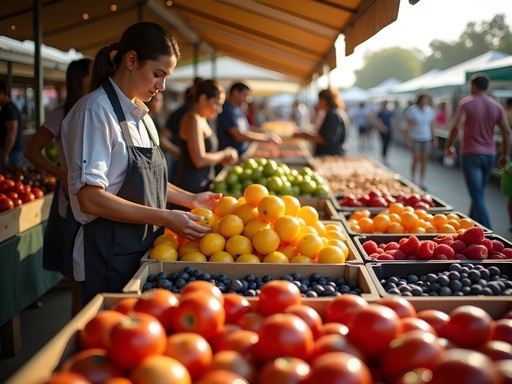
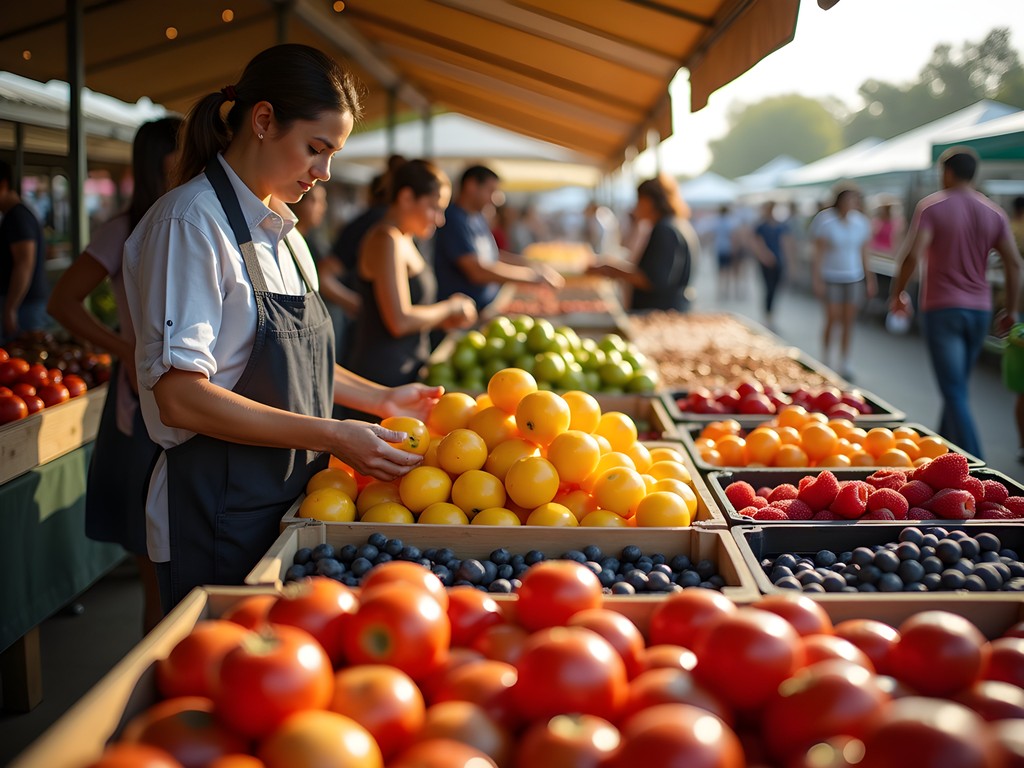
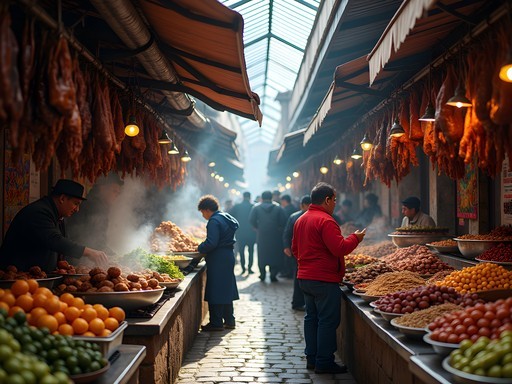
Every Saturday morning under the San Joaquin Valley sun, the Downtown Stockton Farmers Market transforms an ordinary parking lot into a vibrant community gathering space. Unlike the curated, Instagram-ready markets I've encountered in bigger cities, there's an authenticity here that reminds me of the community fish markets back home in Halifax.
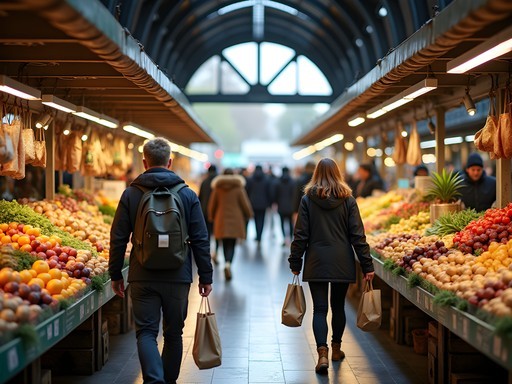
By 8:30 AM, the market was already pulsing with energy. Multi-generational farming families—many who've worked this land for decades—arrange pyramids of stone fruits and tomatoes so vibrantly colored they seem almost artificially enhanced. But there's nothing artificial here; this is simply what produce looks like when it's harvested at peak ripeness and travels mere miles to market.
I struck up a conversation with Elena, a third-generation strawberry farmer whose family has been selling at this market for over 40 years. She handed me a Chandler strawberry that was warm from the morning sun. The burst of sweetness transported me instantly back to childhood summers with my grandmother, gathering wild berries along Nova Scotia's coastline.
"These never see refrigeration," Elena explained proudly. "From field to your hand in less than 24 hours."
The market's cultural diversity mirrors Stockton itself. Southeast Asian farmers offer bitter melons and long beans alongside Mexican vendors selling nopales and tomatillos. I watched as shoppers exchanged not just money but recipes, preparation tips, and stories—the universal language of food transcending any cultural barriers.
I filled my reusable produce bags with Blenheim apricots, heirloom tomatoes, and fresh herbs, already mentally preparing the evening's dinner. The sensory experience here is overwhelming in the best possible way—the perfume of ripe peaches, the vibrant colors, the multiple languages creating a symphony of human connection.
💡 Pro Tips
- Arrive early (before 9 AM) for the best selection, especially in summer when produce sells quickly
- Bring cash as many smaller vendors don't accept cards
- Ask farmers for ripening tips and storage advice—they're incredibly knowledgeable and eager to share
The Sacred Geometry of Cambodian Street Food
In my travels across four continents, I've discovered that some of the most profound healing traditions are preserved not in clinics but in kitchens. Stockton is home to one of the largest Cambodian communities in the United States, and their food traditions—preserved against impossible odds through genocide and displacement—offer both nourishment and cultural continuity.
On a tip from a local paramedic I met during my research, I found myself at a nondescript strip mall on the city's east side. Here, Phnom Penh Restaurant serves what many locals consider the most authentic Cambodian food outside of Cambodia itself.
The restaurant's matriarch, Sophy, greeted me with a slight bow. When I mentioned my interest in traditional food as medicine, her eyes lit up. "My grandmother was a healer in our village," she told me. "She taught me that balance in food creates balance in the body."
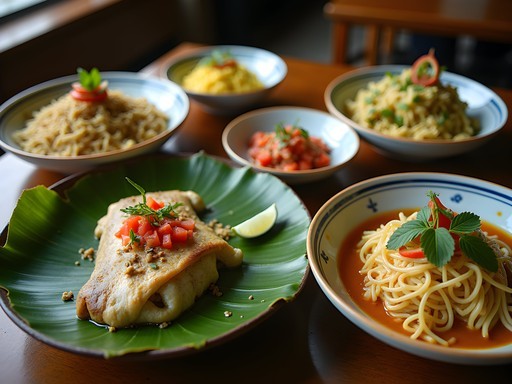
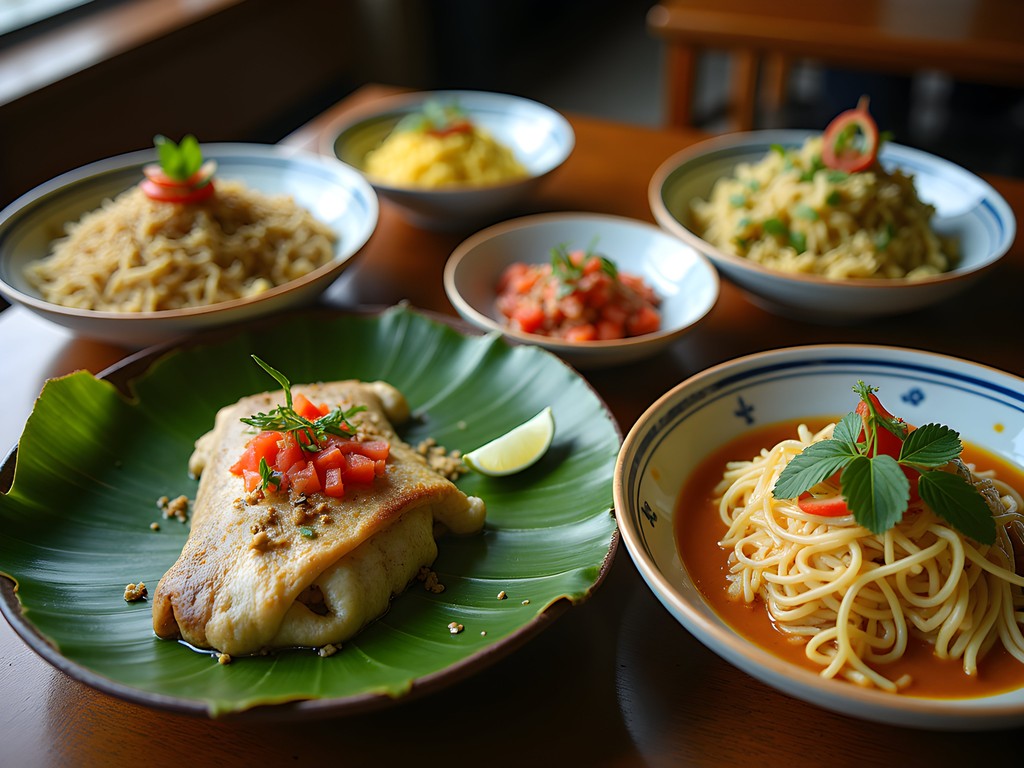
What arrived at my table was a study in sacred geometry—the careful balance of flavors, textures, and healing properties that characterize traditional Cambodian cuisine. The amok trey (fish curry steamed in banana leaves) contained turmeric, lemongrass, and galangal—all powerful anti-inflammatory agents that my paramedic training recognizes for their medicinal properties, but which Cambodian tradition has utilized for centuries.
The dish that truly captured me was nom banh chok—rice noodles in a green fish gravy topped with foraged wild herbs and vegetables. Each herb is selected not just for flavor but for its effect on the body's energy. As I ate, I couldn't help but think of my grandmother's Mi'kmaq teachings about food as medicine and the importance of balance in healing.
"We lost so much in Cambodia," Sophy explained, "but our food knowledge survived. When we make these dishes, we remember who we are."
I've experienced this phenomenon across cultures—from Peruvian Andes to Japanese villages—this understanding that preserving food traditions is about more than taste; it's about preserving identity itself. In Stockton, these traditions find new soil to flourish.
💡 Pro Tips
- Ask about the seasonal specials which often feature harder-to-find traditional ingredients
- Try the weekend-only dishes when family recipes are more likely to be featured
- Don't be afraid to ask about the medicinal properties of herbs and spices in traditional dishes
The Resilient Spirit of Stockton's Food Trucks
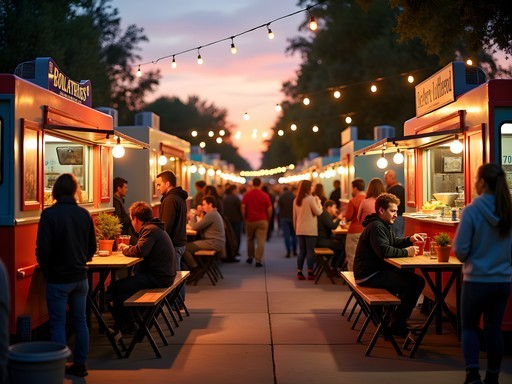
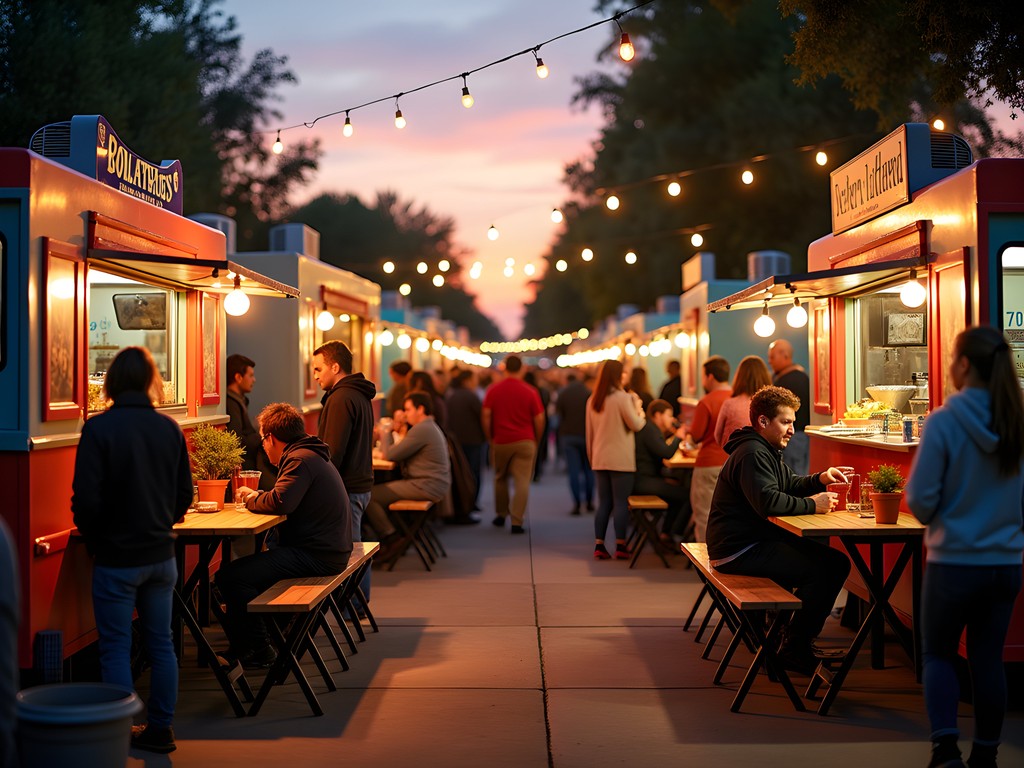
If farmers markets represent Stockton's agricultural heart, then food trucks embody its entrepreneurial spirit. As someone who's documented food trucks near emergency rooms across North America, I've developed a sixth sense for finding these mobile culinary gems. In Stockton, they represent much more than convenient dining—they're incubators for immigrant entrepreneurship and cultural preservation.
My first stop was Smitty's Wings and Things, parked near the Weber Point Events Center. While technically a truck, it's become such a permanent fixture that locals use it as a landmark when giving directions. As an EMT who's worked countless overnight shifts, I've developed a deep appreciation for establishments that understand the concept of proper portion sizes. Smitty delivers with wings that strike that perfect balance between crispy exterior and juicy interior.
What makes Stockton's food truck scene unique is its diversity and accessibility. Unlike the trendy, overpriced food truck rallies I've encountered in larger cities, Stockton's mobile vendors keep their prices reasonable while maintaining exceptional quality. Many represent multi-generational family businesses where recipes have been perfected over decades.
La Picosita, my next stop, exemplifies this tradition. Their handmade tortillas—pressed and cooked to order—create the foundation for tacos that rival any I've had in my travels through Mexico. When I asked about their salsa verde, the owner's grandmother appeared from inside the truck to explain how the proportions of tomatillos, serrano peppers, and avocado create a perfect balance of heat, acidity, and cooling elements.
"This is how we stay healthy," she explained in Spanish, which the owner's daughter translated. "Each ingredient serves a purpose for the body."
I tracked my food truck adventures using my travel journal, noting not just flavors but the stories behind each operation. By evening, I'd visited six trucks and collected enough stories to fill several pages—each one representing a family's journey and cultural heritage preserved through food.
💡 Pro Tips
- Follow Stockton food trucks on social media for location updates as many rotate positions throughout the week
- Bring cash as most trucks offer discounts for cash payments
- Ask about off-menu specials which often feature family recipes not available elsewhere

The Healing Waters: Delta Farm-to-Fork Experiences
The Sacramento-San Joaquin Delta forms Stockton's western edge—a maze of waterways that has shaped both the city's history and its food culture. On my final day, I ventured to this unique ecosystem where land and water create a distinctive microclimate perfect for specialized agriculture.
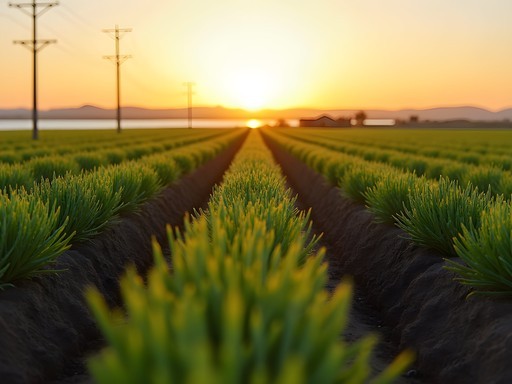
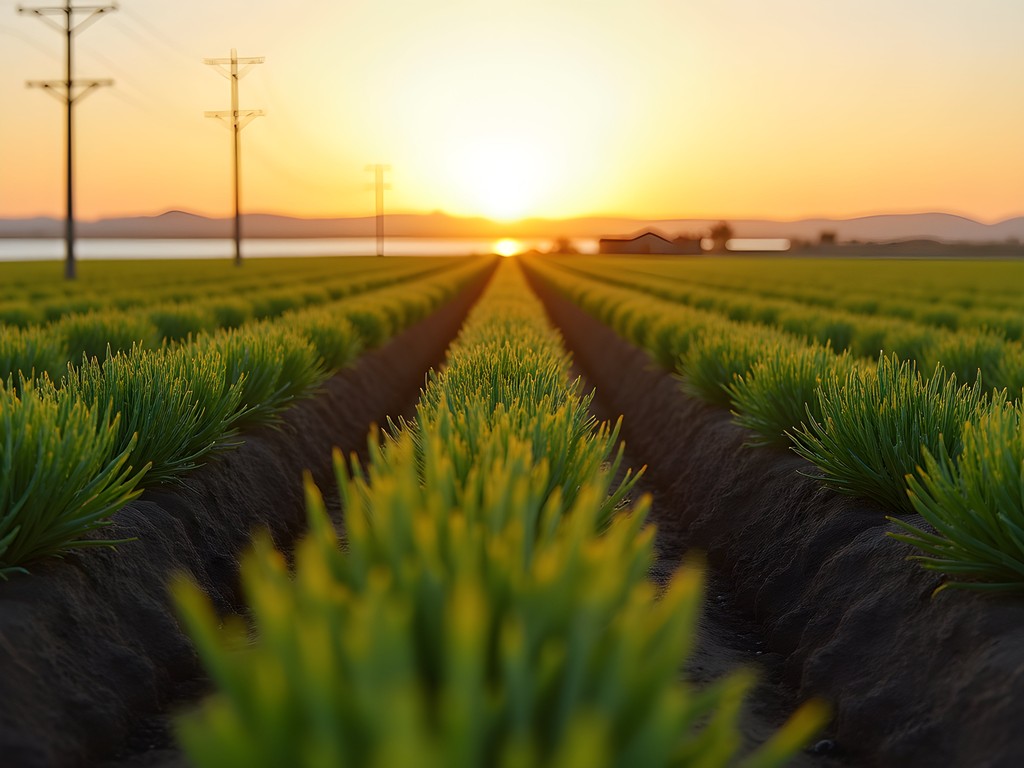
I joined a small-group farm tour organized by Stockton's Visitor Bureau that highlighted the region's asparagus, cherry, and wine production. Our guide, a retired agricultural extension agent named Bill, explained how the delta's rich peat soil—some of the most fertile in the world—creates ideal growing conditions.
"This soil is carbon that's been sequestered for thousands of years," he explained as we walked through an asparagus field. "You're literally seeing the earth's history in what grows here."
The highlight was a visit to Zuckerman's Farm, where the family has grown asparagus since 1924. The delta's unique conditions produce what many chefs consider America's finest asparagus—sweeter and more tender than varieties grown elsewhere. I was reminded of my grandmother's teachings about how plants absorb the energy of the places where they grow.
After the farm tour, we boarded a small boat for a delta excursion that culminated in a waterside lunch at Windmill Cove. The meal featured ingredients sourced entirely from farms we'd visited earlier—a true farm-to-fork experience that connected us directly to the landscape.
As someone who's studied how traditional cultures use food as medicine, I was struck by how the delta's ecosystem creates a natural balance. The waterways provide irrigation while the agricultural practices (at least among the sustainable farms we visited) work to preserve water quality. It's a delicate relationship that mirrors the body's own systems.
I captured the expansive delta landscapes with my compact camera, trying to document not just the visual beauty but the sense of interconnection between water, land, and food that defines this region. The camera's impressive zoom allowed me to capture details of waterfowl and native plants along the shoreline without disturbing this delicate ecosystem.
💡 Pro Tips
- Book delta farm tours at least 2 weeks in advance during peak season (April-June)
- Bring sun protection and insect repellent for delta excursions as there's minimal shade
- Purchase seasonal produce directly from farm stands along Highway 12 for the freshest experience
The Communal Table: Stockton's Multicultural Sunday Markets
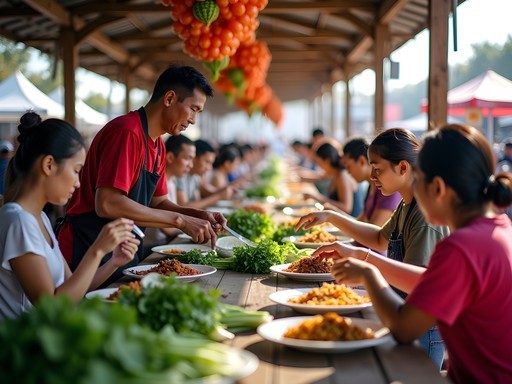
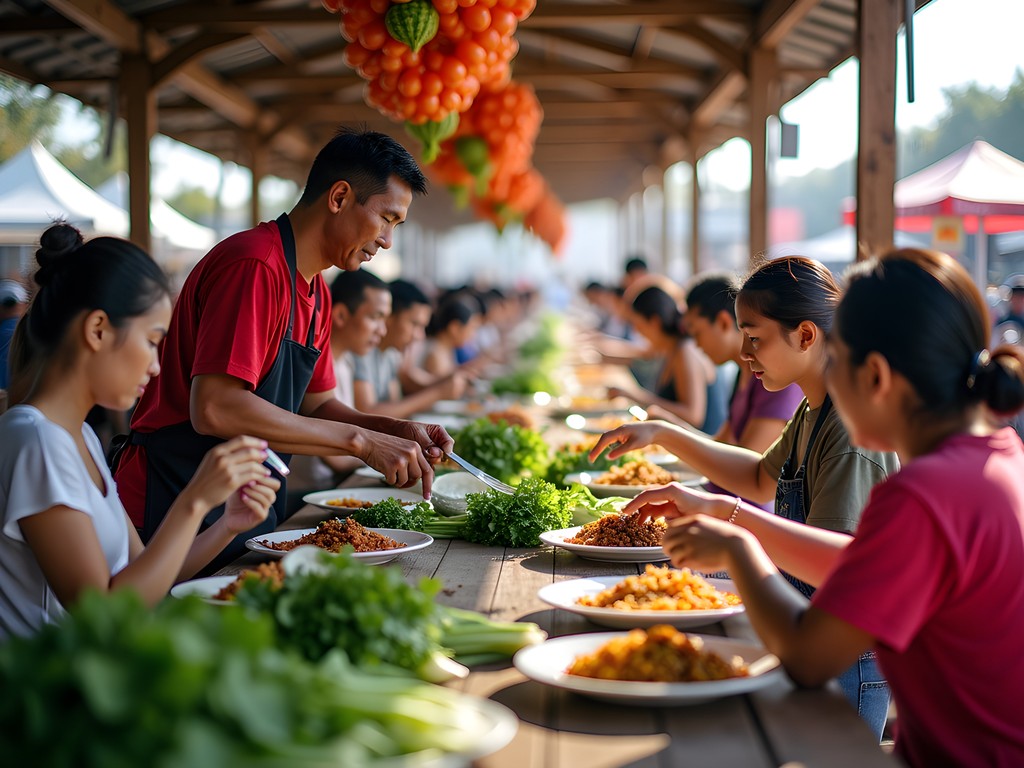
My exploration of Stockton's food scene culminated at the Sunday Stockton Asian Farmers Market—a weekly gathering that transforms the parking lot of a former mall into a celebration of Southeast Asian food traditions. While technically a farmers market, it functions more like an outdoor food festival where multiple generations gather to share meals and stories.
Unlike the produce-focused Downtown Farmers Market, the Asian market emphasizes prepared foods, particularly Hmong, Cambodian, Vietnamese, and Lao specialties that are difficult to find elsewhere. For someone like me who studies how food traditions preserve cultural knowledge, this market is a living library.
I arrived early with my insulated food tote to collect treasures that would travel back to my hotel room. The market's unofficial ambassador—a grandmother everyone called Nai Nai—took me under her wing when she saw me photographing her display of herbs.
"These are not just for cooking," she explained through her granddaughter who translated. "Each one helps different parts of the body."
She showed me herbs I recognized from my EMT training for their medicinal properties—lemongrass for digestion, galangal for inflammation, kaffir lime leaves for respiratory health—all knowledge that parallels what my Mi'kmaq grandmother taught me about native plants in Nova Scotia.
The market's centerpiece is a collection of food stalls where women prepare dishes that have sustained their communities through displacement and resettlement. I tried sour bamboo soup that a Hmong vendor explained was traditionally made during winter months to boost immunity—a concept that aligns perfectly with both traditional wisdom and modern nutritional science.
What struck me most was the communal nature of the dining. Folding tables set up between stalls became gathering places where strangers shared meals and conversations. An elderly man insisted I try his wife's papaya salad, adjusted to what he called "beginner spice level" after seeing my reaction to the first bite.
"Food is how we welcome people," he said simply. "How we make family from strangers."
In that moment, surrounded by generations of families preserving their cultural heritage through food, I understood something essential about Stockton's soul. This is a place where food isn't just sustenance or even pleasure—it's a form of resistance against forgetting, a way of maintaining identity across generations and borders.
💡 Pro Tips
- Bring small bills as most vendors don't make change for large denominations
- Come hungry and plan to eat on-site for the freshest experience
- Ask about the medicinal uses of herbs and ingredients—many vendors are happy to share traditional knowledge
Final Thoughts
As I packed my bags to leave Stockton, I realized that what I'd discovered wasn't just a collection of food destinations but a profound lesson in resilience and cultural preservation. In the farmers markets, food trucks, delta farms, and Sunday gatherings, I witnessed how food traditions become vessels that carry cultural memory across oceans and generations. My Mi'kmaq grandmother once told me that true healing comes when we remember our connection to both the land and each other. In Stockton's unpretentious food scene, I found this wisdom embodied in every bite. Whether you're a dedicated foodie or simply a curious traveler, Stockton offers something increasingly rare in our homogenized world—authentic food experiences that connect us to both place and people. Come hungry, not just for food but for stories, and Stockton will nourish both body and spirit in ways you never expected.
✨ Key Takeaways
- Stockton's diverse food scene reflects its multicultural population and agricultural heritage
- The best experiences come through direct connections with food producers and family-run businesses
- Seasonal eating is both delicious and connects visitors to the region's natural rhythms
📋 Practical Information
Best Time to Visit
Late spring through early fall (May-September)
Budget Estimate
$30-50 per day for food experiences
Recommended Duration
Weekend (2-3 days)
Difficulty Level
Easy

Comments
winterclimber
If you go to the farmers market, get there early! The tamale lady sells out by 10am usually. Also the Delta asparagus in spring is unreal—totally worth timing a visit around April/May if you can. My family stops there every year on our way up to climbing spots in the Sierras.
globeexplorer
Love the photos!
summerqueen
This looks amazing! I'm planning my first California road trip and want to add this to my itinerary. What day is the Downtown Farmers Market? And is parking easy to find? I'm a little nervous about navigating a new city on my own but this sounds too good to miss!
winterclimber
Not the author but I live nearby! It's Thursday evenings in summer and Saturday mornings year-round. Parking is pretty easy, there's a lot on El Dorado Street.
summerqueen
Thank you so much! That's really helpful
Jean Wells
Your observations about the Cambodian food scene really resonated with me. I spent time documenting Southeast Asian diaspora communities in California last year, and Stockton's Cambodian population has created something truly special. The num pang vendors at the weekend markets are doing exceptional work preserving traditional techniques while adapting to local ingredients. I'm curious—did you notice any fusion happening with Delta-grown produce? The agricultural proximity seems ripe for innovation.
Sage Dixon
Yes! One vendor was using Delta asparagus in their spring rolls—it was incredible. The cross-pollination between Cambodian techniques and Central Valley agriculture is really something special.
skyqueen
Never thought of Stockton as a food destination! This is awesome
globeexplorer
Same! I always just drove through on the way to Tahoe
Sage Dixon
That's exactly why I wanted to write this! So many people miss what's right there.
westcoastfoodie
That Cambodian street food section made me so hungry! Great post!
sunsetdiver
Love the photos!
vacationexplorer
How's parking at the downtown farmers market? We're driving through in March with the kids and this sounds perfect for a Saturday morning stop.
citywalker
Pretty easy actually! Street parking nearby or there's a lot on El Dorado. Gets busier after 9am though.
Taylor Moreau
Sage, brilliant piece on Stockton. I've passed through several times for conferences in the Bay Area and always dismissed it as just a stopover. Your perspective on the farmers market and Delta farm-to-fork experiences has completely changed my view. The connection you draw between your EMT background and nourishment is quite profound. Next time I'm in California for business, I'll absolutely make time for the downtown market. The early morning timing works perfectly with my schedule actually.
sunsetdiver
Same! Never thought to stop there.
citywalker
The Cambodian food section really hit home! Been going to those spots for years.
vacationexplorer
Any specific places you'd recommend? Planning a trip soon!
citywalker
Definitely hit up the spots on Pacific Ave. The num banh chok is incredible at most of them.
Venture X
Premium card with 2X miles, $300 travel credit, Priority Pass