


Disclosure: This article contains affiliate links. We may earn a commission from purchases at no extra cost to you, which helps our travel content.
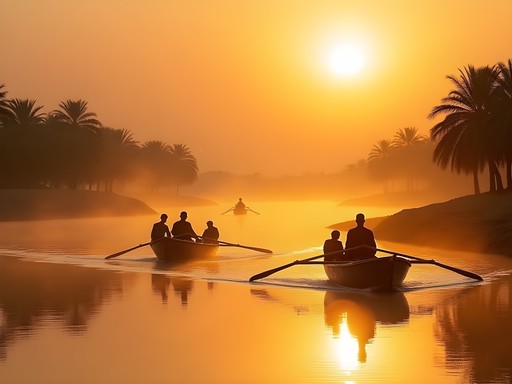
There's something about standing on the banks of the Niger River in Mopti, watching wooden pinasses glide through the morning mist, that makes you forget you're a perpetually broke grad student with a casino dealer's tan. After three years of analyzing historical preservation case studies in fluorescent-lit classrooms, I needed to see living history up close. Mali—with its ancient mosques, vibrant markets, and profound cultural heritage—called to me like a jackpot bell at the end of my shift. What followed was a week of budget-stretching adventure through what locals proudly call 'The Venice of Mali.'

Getting to Mali's Cultural Crossroads
Let me start with the obvious: traveling to Mali requires serious preparation. The country has faced security challenges, particularly in its northern regions, but Mopti—situated at the confluence of the Niger and Bani Rivers—remains accessible with proper planning. I flew into Bamako and arranged ground transportation through my guesthouse owner, a practice I highly recommend over public transport for this route.
The 630 km journey northeast took about 12 hours on roads that ranged from decent to what I can only describe as 'character-building.' My portable seat cushion saved my tailbone during those brutal final hours—worth every penny of its modest price tag. The landscape transition from Bamako's urban sprawl to the Sahel's ochre expanses provided a mesmerizing preview of Mali's geographical diversity.
I'd arranged accommodation at La Maison Rouge, a modest guesthouse near the old town that cost me roughly 15,000 CFA ($25 USD) per night. Nothing fancy, but clean rooms, cold showers (welcome in the winter heat), and a rooftop terrace where I spent evenings planning the next day's explorations while sipping sweet Malian tea.

💡 Pro Tips
- Secure a government-approved guide before arriving in Mali—they handle permits and security concerns
- Exchange currency in Bamako where rates are better than in Mopti
- Download maps.me for offline navigation as cellular service is spotty
The Great Mosque: Mopti's Mud-Brick Marvel
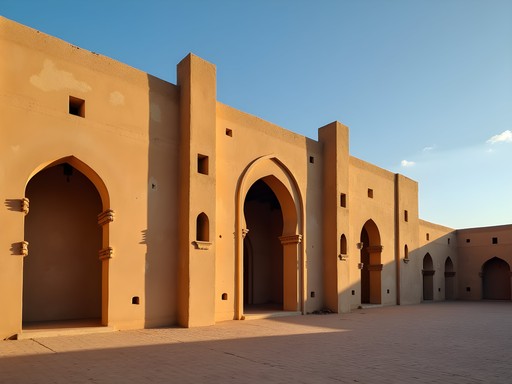
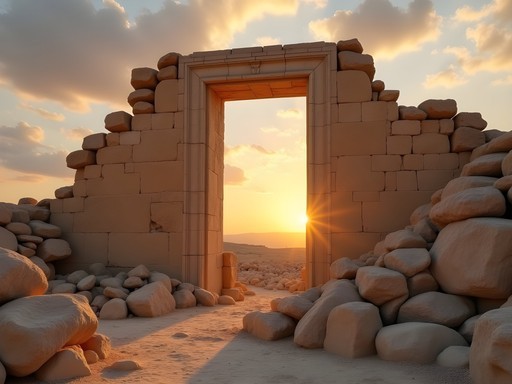
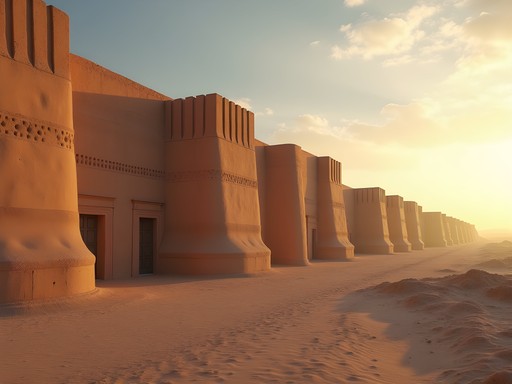
My first morning in Mopti began with a visit to the Great Mosque, a stunning example of Sudano-Sahelian architecture that instantly transported me back to my architectural history seminars—except this wasn't a PowerPoint slide but a living, breathing monument. Built in the 1930s but following ancient construction techniques, the mosque's mud-brick structure with protruding wooden beams (toron) creates a distinctive silhouette against the cloudless blue sky.
My guide Amadou (arrange yours through your accommodation—this isn't a DIY situation) explained the annual re-plastering ritual that keeps the structure intact despite the harsh Sahelian climate. As a preservation student, watching local craftsmen mix mud with rice husks using traditional methods was worth the trip alone.
Non-Muslims can't enter the prayer hall, but the exterior offers plenty to study. I documented the intricate façade patterns with my pocket sketchbook, which earned me curious glances and eventually led to fascinating conversations with local architecture students. They explained how the mosque's design incorporates both practical elements (the wooden beams serve as built-in scaffolding for annual repairs) and symbolic features connecting earthly worship with divine aspirations.

💡 Pro Tips
- Visit early morning (7-8 AM) for the best photography light and fewer crowds
- Dress conservatively with shoulders and knees covered when visiting religious sites
- Consider bringing small prints of your home country to share during conversations with locals—photos create connections where language barriers exist
Navigating Mopti's Port and Markets
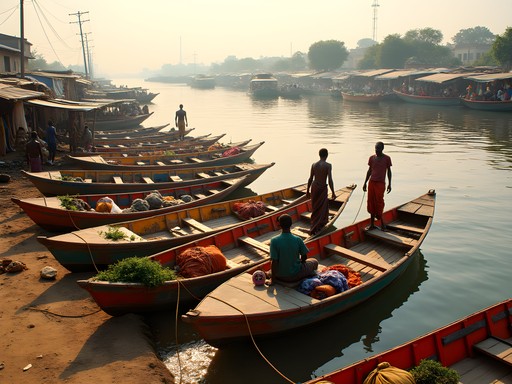
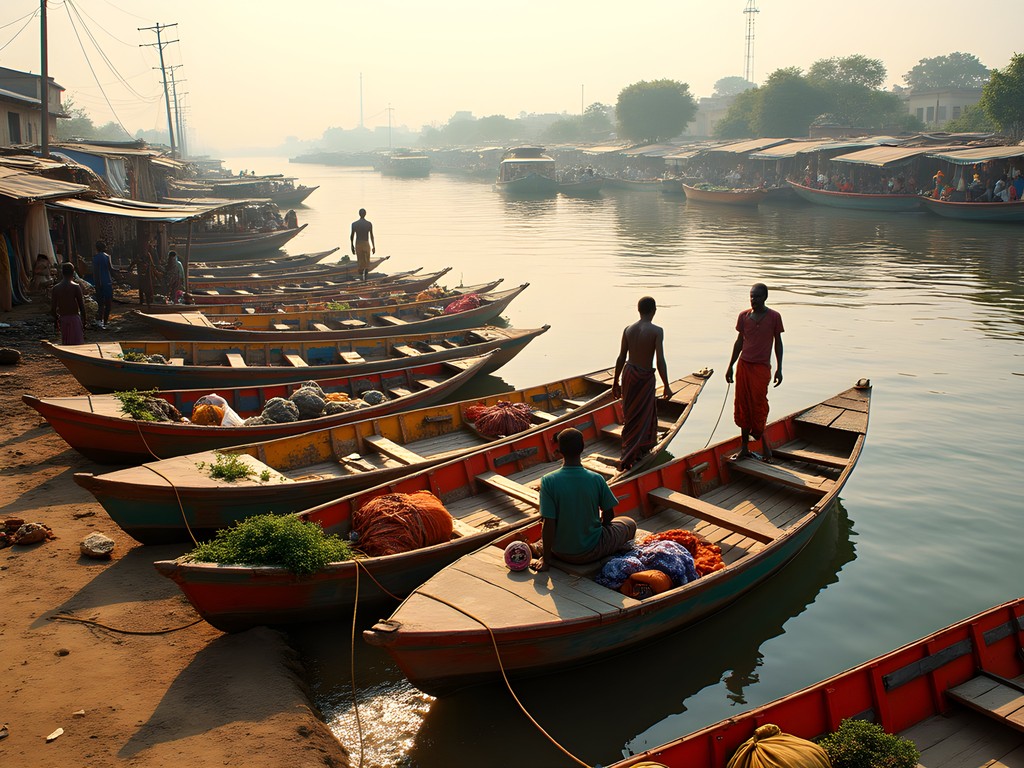
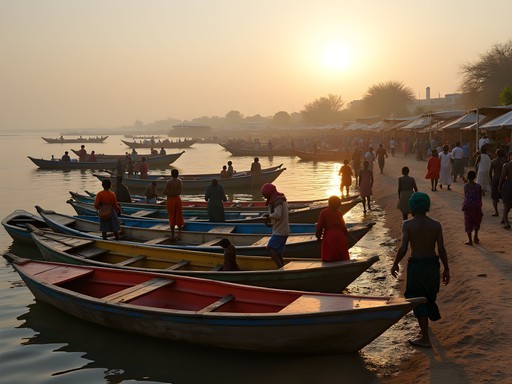
If Mopti's mosque represents its spiritual heart, then the bustling port is undoubtedly its economic pulse. This is where the city earned its 'Venice of Mali' nickname, though I'd argue it has more authentic character than its Italian counterpart (and significantly fewer tourists taking selfies).
The port area transforms throughout the day: dawn brings fishermen returning with their catches, midday sees traders haggling over goods from across West Africa, and dusk welcomes travelers boarding pinasses for multi-day journeys upriver. I spent hours here daily, my travel water purifier saving me from both dehydration and single-use plastic waste in the intense heat.
The adjacent market district is a sensory overload in the best possible way. Vendors sell everything from hand-forged agricultural tools to intricate Dogon country textiles. My preservation-trained eye was drawn to the craftsmanship of traditional items still in daily use rather than produced for tourists. The metalwork section particularly fascinated me—blacksmiths from the Bozo ethnic group create fishing hooks and harpoons using techniques passed down through countless generations.
My budget-conscious approach meant bargaining was essential, but I always remembered my guide's advice: 'The fair price is one where both parties can smile afterward.' This philosophy led me to my prized possession: a hand-carved wooden Dogon mask that now hangs in my Montreal apartment, reminding me daily of Mali's artistic heritage.
💡 Pro Tips
- Learn basic Bambara greetings (I ni sogoma/I ni tile/I ni su) to break the ice with vendors
- Photograph the market only after asking permission and be prepared to tip
- The port is busiest (and most photogenic) between 7-9 AM when fishing boats return

Day Trip to Dogon Country: Cliff Dwellings and Ancient Traditions
No visit to Mopti would be complete without exploring nearby Dogon Country, home to one of West Africa's most fascinating cultural landscapes. While multi-day treks are ideal, my student budget and timeline demanded efficiency, so I opted for a long day trip to the Bandiagara Escarpment, a UNESCO World Heritage site.
The journey begins with a bumpy 3-hour drive southeast from Mopti. My neck pillow prevented whiplash on the rough roads—one of those items that seems unnecessary until you're bouncing through the Sahel at dawn. We reached the escarpment as morning light illuminated the 150km sandstone cliff that has sheltered Dogon communities for centuries.
What makes this area remarkable from a preservation perspective is how the Dogon people adapted to this challenging environment while maintaining cultural continuity. Villages are built directly into the cliff face or at its base, with distinctive mud granaries topped with thatched roofs resembling pointed hats. These structures aren't museum pieces but remain functional storage for the millet harvest that sustains communities through the dry season.
The highlight was witnessing a masked dance performance in Tireli village—not the tourist-oriented versions common in more accessible locations, but an authentic practice connected to agricultural cycles. My academic interest in preservation extends beyond physical structures to these intangible cultural traditions, and seeing the Dogon's animist practices coexisting with introduced religions provided a masterclass in cultural resilience.
The hike between villages demands reasonable fitness and plenty of water. My cooling towel proved invaluable in the winter heat, which still reaches 30°C (86°F) during midday hours.

💡 Pro Tips
- Hire guides from official associations only—they ensure communities receive fair compensation
- Bring small denominations of West African CFA for village entrance fees (typically 5,000-10,000 CFA per village)
- Remove shoes when entering traditional Dogon toguna (men's meeting houses) as a sign of respect
Evening Rituals: Sunset Boat Cruise and Cultural Connections
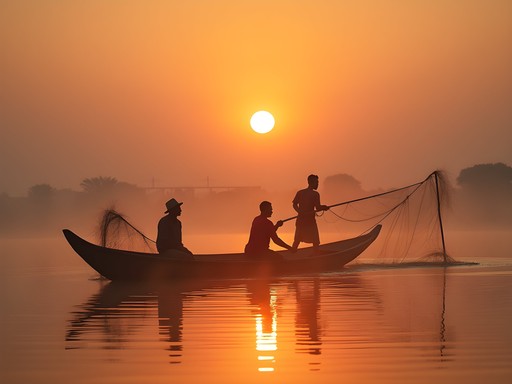
After days of intense historical exploration, I treated myself to one modest splurge: a sunset cruise on the Niger River. For 10,000 CFA (about $17 USD), a local boatman named Ibrahim took me on his pinasse to where the Niger and Bani rivers meet—a confluence that has shaped trade routes for centuries.
As we drifted along, Ibrahim pointed out fishing techniques unique to different ethnic groups: the Bozo with their nets, the Somono with their traps. Each has developed specialized methods adapted to this specific ecosystem, another example of intangible heritage that fascinated my preservation-oriented mind.
The real magic happened when we stopped at a small Bozo fishing village accessible only by water. Here, away from tourist pathways, I witnessed evening rituals unchanged for generations. Women pounded millet for the next day's meals while children practiced casting small fishing nets. An elder invited me to try traditional fish stew served with millet couscous—eaten communally from a single large bowl.
Communication relied on Ibrahim's translation and my rudimentary French, but sharing food transcended language barriers. I'd brought my solar lantern which became an unexpected conversation starter when I gifted it to the village chief. Solar power is precious in communities without electricity, and this small token of appreciation opened doors to genuine cultural exchange.
As darkness fell, we returned to Mopti's twinkling lights, the boat gliding silently through water painted purple and orange by the setting sun. This moment—where ancient river meets contemporary life—encapsulated everything that drew me to Mali: layers of history continuously unfolding in living traditions rather than behind museum glass.

💡 Pro Tips
- Negotiate boat trips directly with boatmen at the port rather than through hotels to get fair prices
- Bring small gifts that are practical rather than trinkets—solar items, quality fishing hooks, or school supplies are appreciated
- Request permission before photographing people during village visits, especially in more remote communities
Final Thoughts
As my flight lifted from Bamako's runway a week later, I found myself already planning a return to Mali. The country had given me something my textbooks couldn't—a visceral understanding of how heritage lives and breathes through daily practices, not just in preserved structures. For the budget-conscious solo traveler willing to embrace some logistical challenges, Mopti offers an unfiltered glimpse into West African cultural traditions that remain remarkably intact despite modernization pressures.
My preservation studies now feel more grounded in reality. I've seen how communities maintain their architectural heritage not as museums but as living spaces adapted to contemporary needs while honoring ancestral techniques. This is the kind of preservation that matters—one that balances conservation with the evolving requirements of the people who inhabit these spaces.
If you're contemplating this journey, know that Mali demands respect, research, and flexibility. Security situations change, so consult current advisories and connect with local guides well in advance. But for those willing to venture beyond conventional destinations, Mopti's ancient treasures offer profound insights into how cultural heritage endures—not frozen in time, but flowing like the mighty Niger itself, carrying traditions forward while constantly renewing.
✨ Key Takeaways
- Mopti offers unique insights into living historical preservation rather than museumized heritage
- Winter visits provide comfortable temperatures for exploration while avoiding the rainy season
- Cultural immersion through river communities provides the most authentic experiences
- Local guides are essential for both security and meaningful cultural interpretation
- Budget travel is possible with careful planning and willingness to embrace local transportation
📋 Practical Information
Best Time to Visit
November to February (dry season with milder temperatures)
Budget Estimate
$30-50 USD per day including accommodation, food, guides, and local transportation
Recommended Duration
5-7 days minimum to explore Mopti and surrounding areas
Difficulty Level
Challenging

Comments
Hunter Thompson
Brilliant post mate! I was in Mopti back in 2023 and absolutely loved it. That morning market scene is unreal - the colours, the energy, everything. Did you manage to take a pinasse trip out to any of the nearby villages? I spent a day visiting a Bozo fishing village and it was one of the highlights of my entire West Africa trip. The mud mosque is stunning too, especially at sunset. Definitely one of the most underrated destinations I've been to!
Chase Johansson
Yes! The Bozo villages were incredible. Wish I'd had more time there honestly. The sunset at the mosque was exactly as you described - absolutely magical
wandernomad
This looks amazing but is it safe to travel there right now? Been wanting to visit West Africa for ages
Chase Johansson
Hey! I traveled there in late 2024 and worked with a local guide. Definitely check current travel advisories for your country and stick to established tourist routes. The Mopti area was fine when I was there, but situations can change. Would recommend connecting with local tour operators who know the current conditions!
wandernomad
Thanks! Will do some research
springrider
That shot of the Great Mosque at sunset is absolutely stunning! What camera setup are you using? The colors are so vivid without looking over-processed.
dreamdiver
Great post! How did you handle the heat? I'm thinking about going in September but I'm worried about temperatures. Also, did you feel safe traveling solo? I've heard mixed things about security in Mali recently.
springrider
Not Chase obviously, but I went last October and found it manageable heat-wise. Brought my water filter bottle which was essential. Safety-wise, stick to tourist areas and get local advice daily as things can change.
Claire Hawkins
Chase, this brought back so many memories! We visited Mali with our kids (ages 8 and 10) last year, and Mopti was definitely the highlight. The boat ride to Dogon country was such an adventure - my kids still talk about how the boatman let them help steer! One tip for families considering this trip: the market can be overwhelming for little ones, so we went very early in the morning when it was less crowded. Also, we found a wonderful guide named Ibrahim who was amazing with children and really brought the history alive. Did you get a chance to see any of the traditional puppet performances? Those were a huge hit with our family!
dreamdiver
Claire, would you mind sharing Ibrahim's contact info? Planning a trip with my niece and nephew next year!
Claire Hawkins
Of course! I'll DM you his WhatsApp. He speaks excellent English and French and was so patient with our kids.
coolgal460
Omg those mud-brick buildings look incredible! Adding Mali to my bucket list right now!
springrider
Same! I've never seen architecture like that before. Those colors against the blue sky... wow.
coolgal460
Right?? And the way Chase described the morning mist on the river... sounds magical!
smartvibes
Really cool post, thanks for sharing!
Casey Andersson
Chase, this brought back memories! I stayed at a boutique hotel overlooking the Niger confluence last year and watching the pinasses at sunrise was magical. The port market is chaotic but absolutely worth navigating - I found the most beautiful indigo-dyed fabrics there. One tip for travelers: negotiate a boat tour price before sunrise. We paid about 15,000 CFA for a two-hour tour and our guide knew all the best spots for photography. The light on those mud-brick buildings is extraordinary. Did you make it to the Fulani villages outside town?
vacationzone
That boat tour sounds perfect! Was it easy to find guides?
Casey Andersson
Super easy - they'll find you at the port! Just make sure to agree on price and duration upfront.
happyfan
Adding this to my bucket list!
Douglas Bradley
Really appreciate this perspective on Mopti, Chase. I visited Mali back in 2019 and the cultural richness is something Western travelers often overlook. The Dogon Country section resonated with me - those cliff dwellings are architecturally fascinating when you consider the engineering without modern tools. Did you get a chance to witness any mask ceremonies? The Dogon cosmology and their astronomical knowledge is remarkable. Also, for anyone planning a trip, learning a few phrases in Bambara goes a long way with locals in the markets.
Chase Johansson
Unfortunately no mask ceremonies during my visit, but I did get to speak with some elders about their traditions. Would love to time a return trip around a festival. And yes - even my broken Bambara got smiles and better prices at the market!
Venture X
Premium card with 2X miles, $300 travel credit, Priority Pass