
Disclosure: This article contains affiliate links. We may earn a commission from purchases at no extra cost to you, which helps our travel content.
Mopti hit me like a complex polyrhythm—layered, intricate, and impossible to decode from the outside. Perched at the confluence of the Niger and Bani rivers, this isn't the Mali you see in travel brochures. Security concerns have kept tourist numbers low, which means what you'll find here is unfiltered authenticity. After two weeks navigating its waterways, markets, and surrounding villages, I learned that Mopti demands patience, cultural sensitivity, and a willingness to disconnect from the digital safety nets we've grown dependent on. This is advanced-level travel, but the rewards are proportional to the challenge.

Understanding the Security Landscape
Let me be direct: Mali isn't on most travel advisory green lists, and Mopti sits in a region with legitimate security concerns. Before I booked my flight, I spent weeks analyzing threat reports, consulting with security professionals in my network, and connecting with NGO workers on the ground. This isn't fear-mongering—it's risk assessment.
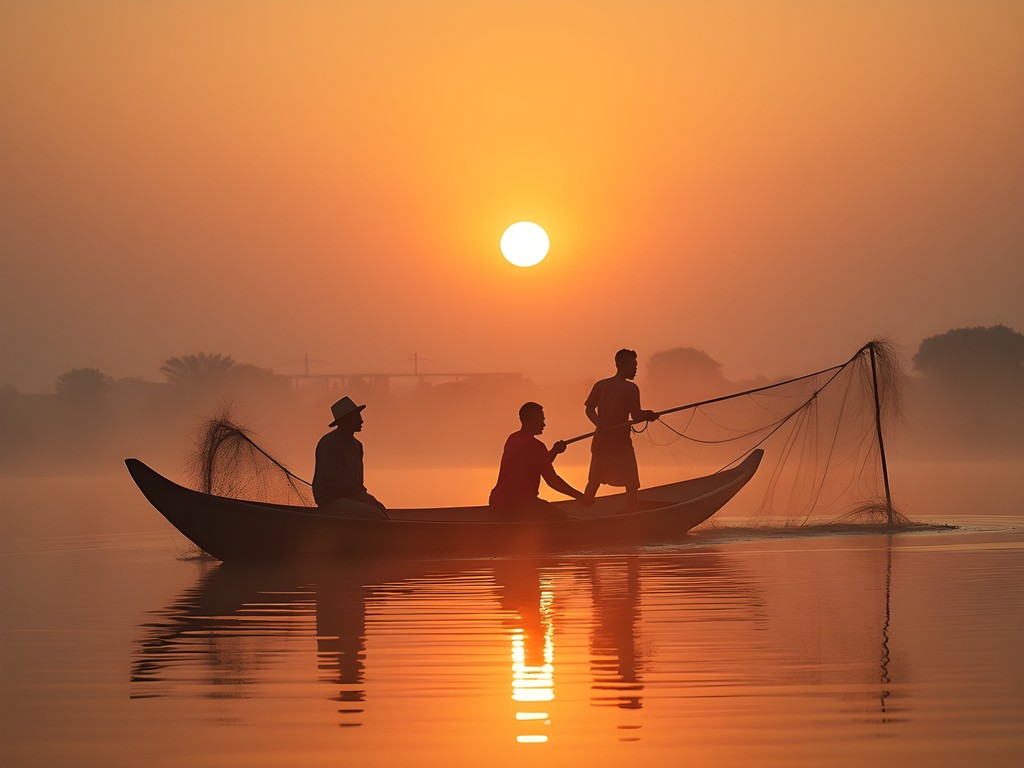
The reality is nuanced. Mopti itself maintains relative stability, but the surrounding regions experience periodic instability. I worked with a local fixer recommended through a trusted contact, registered with my embassy, and maintained daily check-ins via satellite messenger. The Garmin inReach Mini became my lifeline—cellular networks are unreliable at best, and having two-way satellite communication provided both practical utility and peace of mind for my family back home.
This level of preparation might seem excessive, but it's the entry fee for experiencing one of West Africa's most culturally significant cities. The local Malian people I encountered were overwhelmingly welcoming, often going out of their way to ensure my safety and comfort.
💡 Pro Tips
- Register with your embassy before arrival and maintain regular check-ins
- Hire a local guide or fixer through verified contacts, not random street approaches
- Keep multiple communication methods including satellite device for areas without cell coverage
- Stay informed through local contacts rather than solely international news sources
- Respect photography restrictions, especially around military and government buildings
The Rhythm of River Life
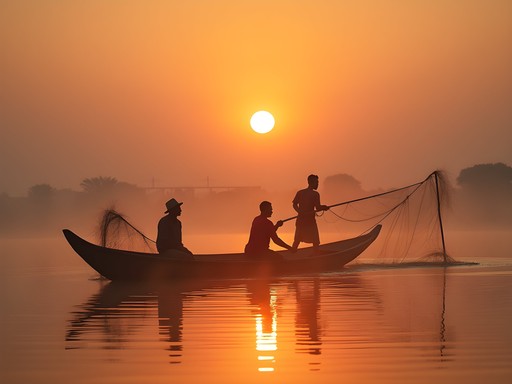
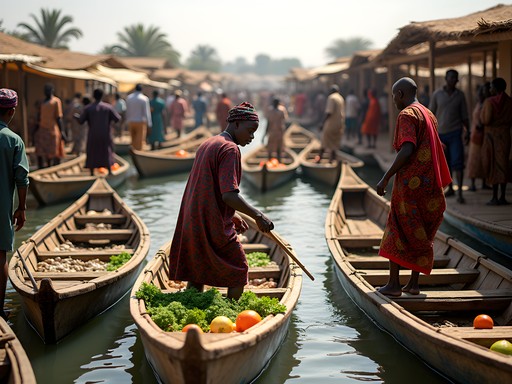
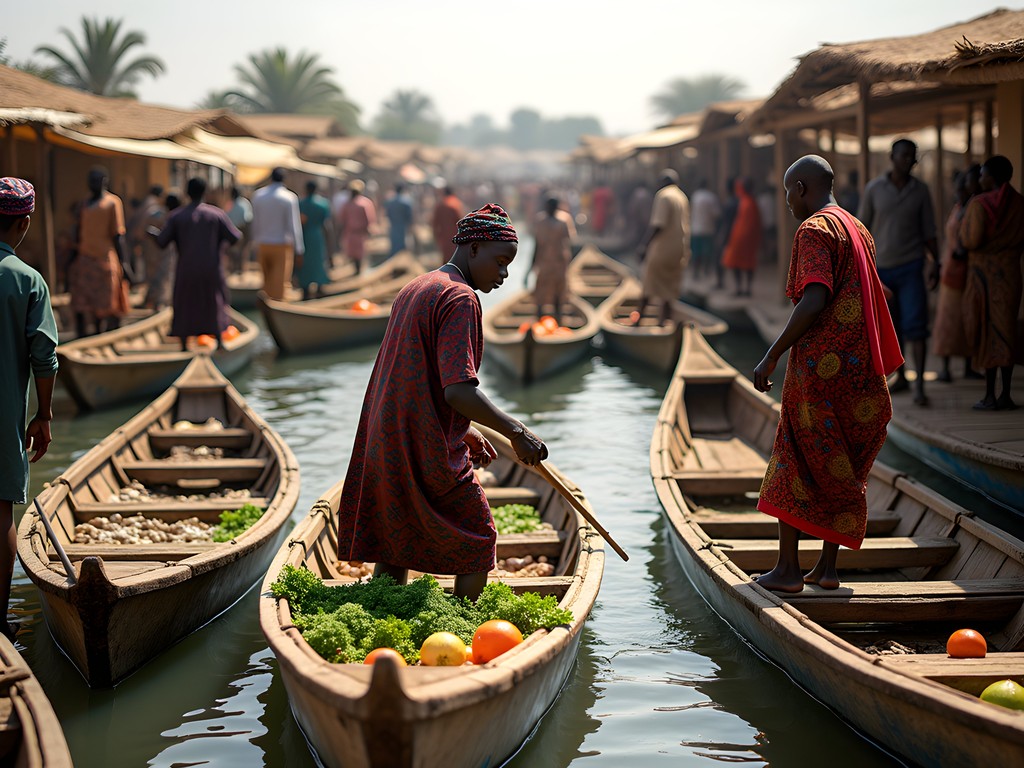
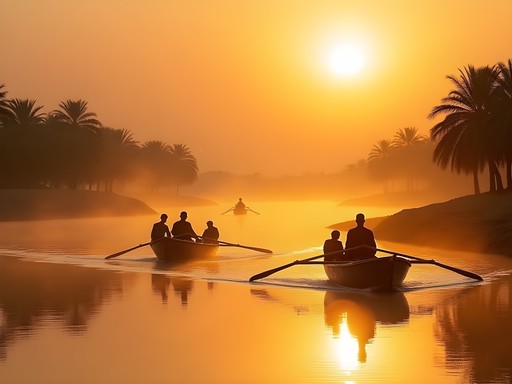
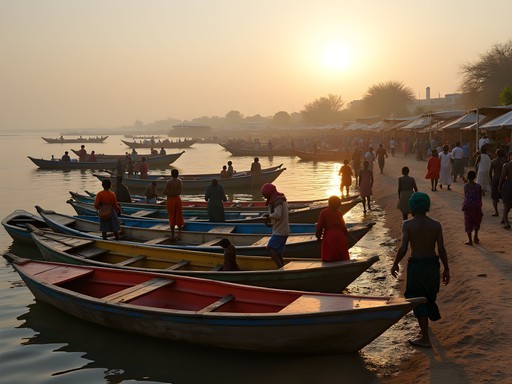
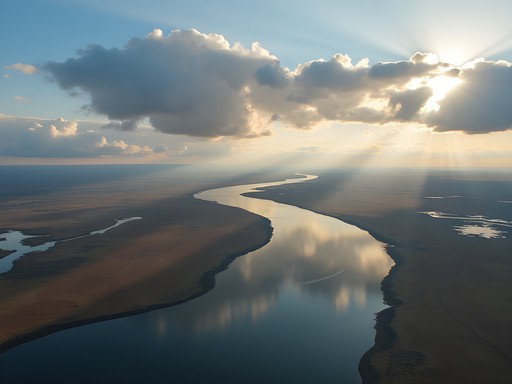
Mopti's identity is inseparable from its waterways. The Grand Marché port becomes a symphony of organized chaos every morning—pinasse boats loaded with vegetables, fish, pottery, and livestock converge from surrounding villages. I spent my first week simply observing the patterns, the unspoken protocols of who docks where, the hand signals between boat captains navigating the crowded channels.
The best way to understand Mopti is from the water. I hired a pinasse and captain for three days to explore the surrounding villages—Konna, Diafarabé, and smaller settlements without names on any map I could find. These boats are the SUVs of the Niger Delta, and spending extended time on one requires preparation. The sun reflects mercilessly off the water, and shade is minimal. A good wide-brimmed sun hat became essential gear, along with serious sun protection.
What struck me most was the technological paradox: villages without electricity where everyone had mobile phones charged via solar panels, fishermen using GPS waypoints passed down through WhatsApp messages, ancient trading routes optimized through modern communication. As someone who works in cybersecurity, watching this integration of old and new systems was fascinating—tradition doesn't mean technophobia.
💡 Pro Tips
- Negotiate pinasse rates before departure and clarify what's included (fuel, captain, duration)
- Bring more water than you think you need—river travel is deceptively dehydrating
- Pack a dry bag for electronics and valuables; water splashes are inevitable
- Learn basic Bambara greetings; French is common but local languages open more doors
- River schedules are fluid—embrace 'African time' and don't over-schedule
The Mosque and Islamic Architecture
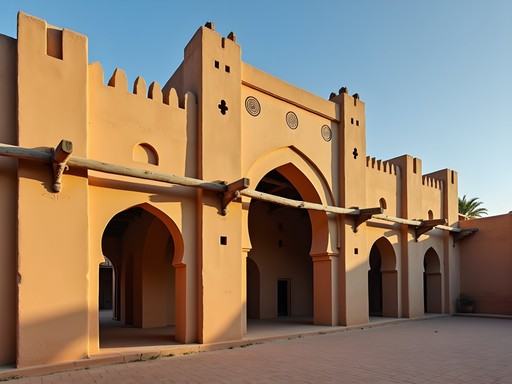
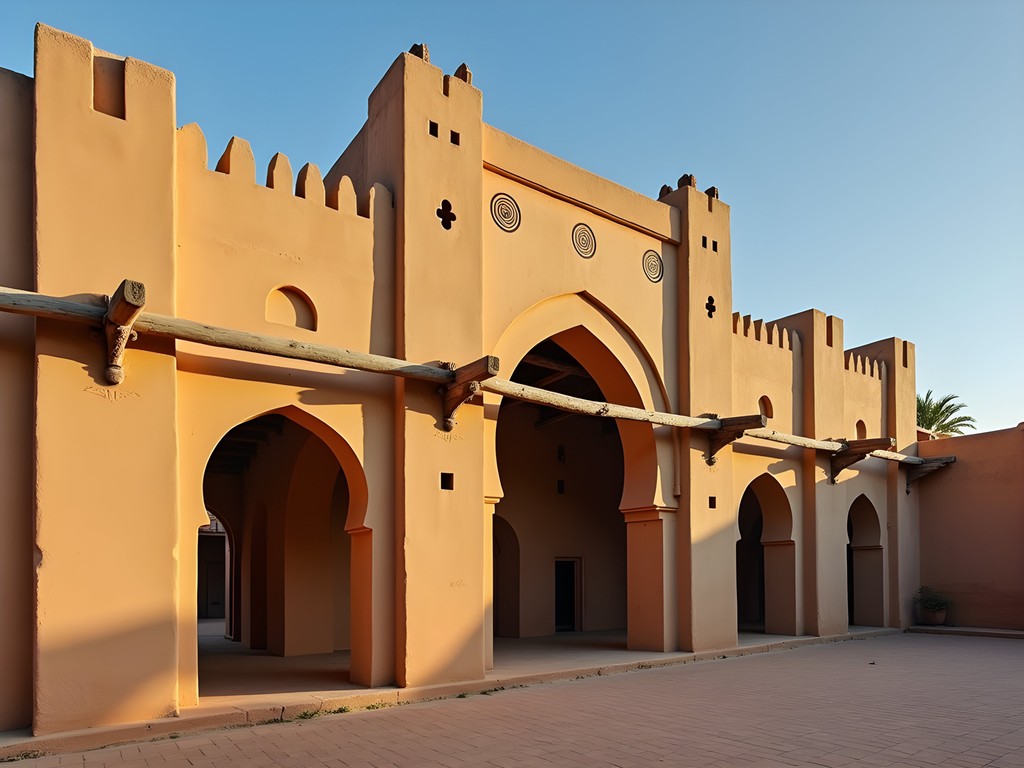
The Grand Mosque of Mopti dominates the skyline—a stunning example of Sudano-Sahelian architecture with its distinctive wooden beams protruding from adobe walls. Non-Muslims can't enter, which I respected, but the exterior itself is worth extended study. I spent an afternoon sketching the geometric patterns and talking with the imam about the mosque's reconstruction history.
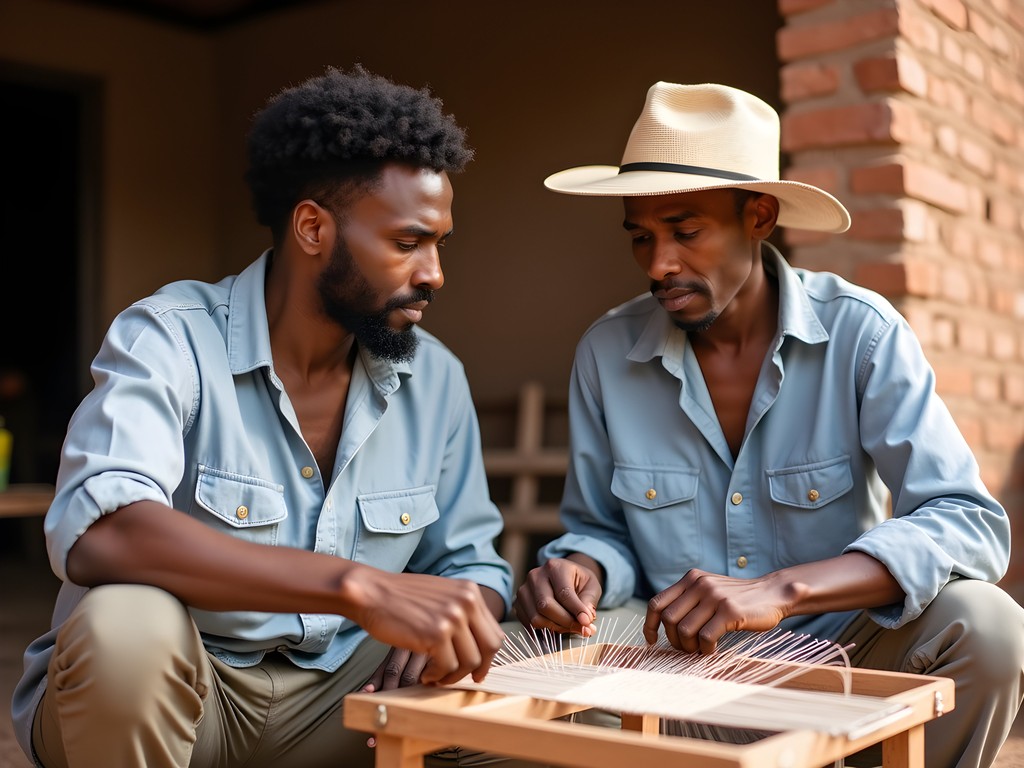
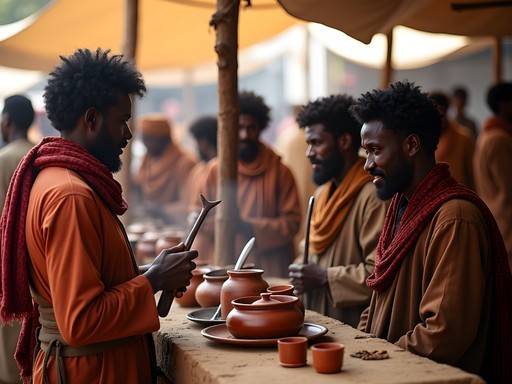
What's less known is the neighborhood surrounding the mosque—a warren of narrow streets where artisans work in traditional crafts. I found a small workshop where a master craftsman was creating silver Tuareg jewelry using techniques unchanged for centuries. We communicated through a mix of French, hand gestures, and his grandson's broken English, but the conversation about craft, precision, and maintaining traditions in a changing world transcended language barriers.
The call to prayer structures daily life in Mopti more than any clock. After a few days, I found myself naturally aligning my schedule to this rhythm—early morning exploration, midday rest during the heat, evening activities as temperatures cooled. It's a more human-centered way of organizing time, responsive to environmental and spiritual needs rather than arbitrary productivity metrics.
💡 Pro Tips
- Dress conservatively throughout Mopti; long pants and covered shoulders are essential
- Ask permission before photographing people or religious sites
- Visit the mosque area during late afternoon for the best light and cooler temperatures
- Hire a local guide to access artisan workshops not visible from main streets
- Bring small denominations of West African CFA franc for purchases and tips

Dogon Country Excursions
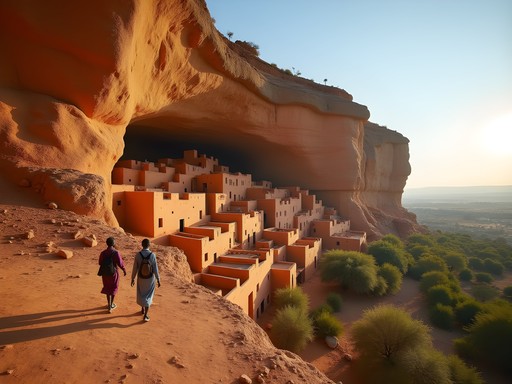
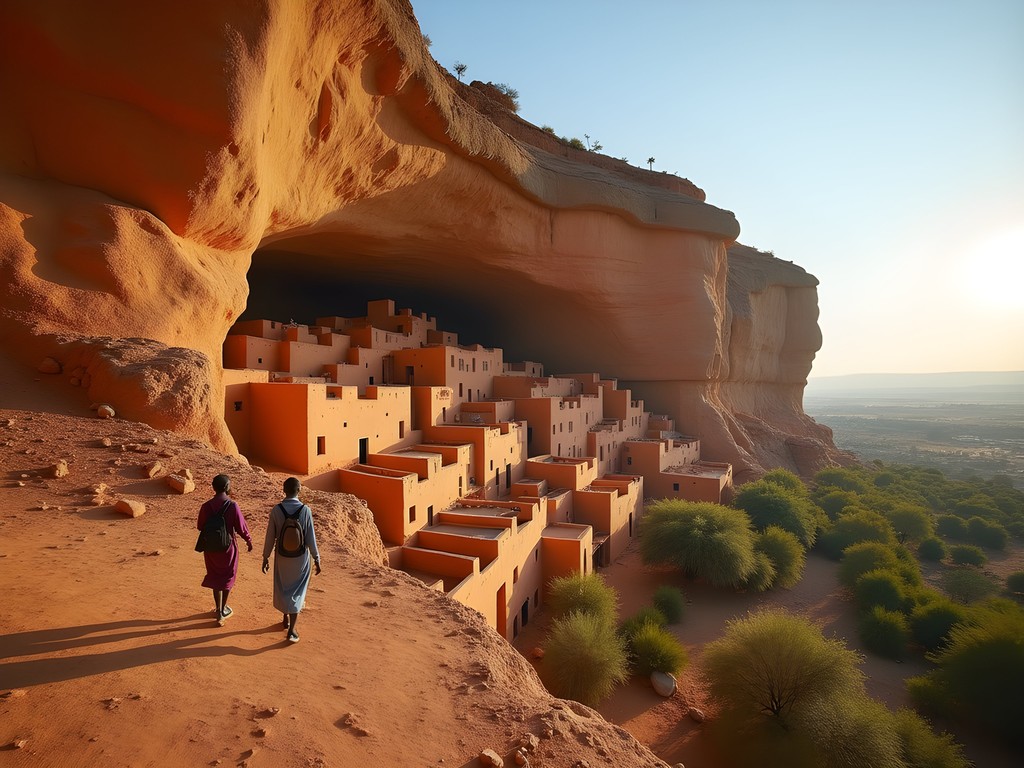
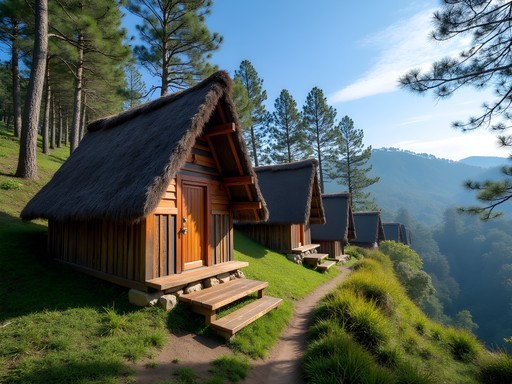
Mopti serves as the gateway to Dogon Country, the cliff-dwelling villages that represent some of West Africa's most unique cultural heritage. The security situation makes some areas inaccessible, but certain villages remain open with proper arrangements. I spent four days trekking between villages with a Dogon guide, sleeping in basic village accommodations, and participating in daily life.
The Dogon cosmology is complex—their astronomical knowledge and creation myths have fascinated anthropologists for decades. My guide explained the significance of the Sigui ceremony and pointed out the Tellem cliff dwellings, ancient structures built into seemingly impossible rock faces. The physical demands are real: temperatures exceed 100°F, trails are rocky and exposed, and facilities are basic.
For this trek, I relied on my Sawyer water filter to purify water from village wells and natural sources. Clean water is the foundation of any extended trek, and this compact system handled everything I threw at it. I also packed a headlamp for navigating village paths after dark—electricity is rare, and a reliable light source is essential for basic tasks and nighttime bathroom trips.
💡 Pro Tips
- Book Dogon treks through established agencies in Mopti, not freelance guides at the bus station
- Physical fitness matters—train before arrival with loaded pack hikes in heat
- Bring gifts for host families (tea, sugar, school supplies) rather than just paying cash
- Respect sacred sites and photography restrictions without exception
- Expect basic conditions: squat toilets, bucket showers, sleeping mats on floors
Practical Survival Guide
Two weeks in Mopti taught me that preparation and flexibility aren't opposites—they're complementary. The infrastructure challenges are real: power outages are frequent, internet is slow and unreliable, ATMs often don't work, and supply chains for basic goods can be unpredictable.
I brought a portable solar charger that proved invaluable during multi-day excursions without electricity. Paired with a high-capacity power bank, I could keep essential devices charged independent of the grid. Cash is king—bring euros to exchange locally, as USD exchange rates are poor and credit cards are essentially useless outside major hotels.
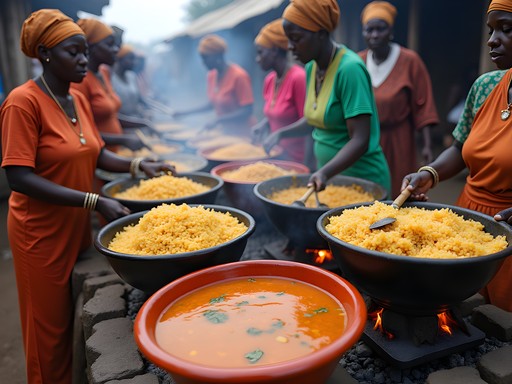
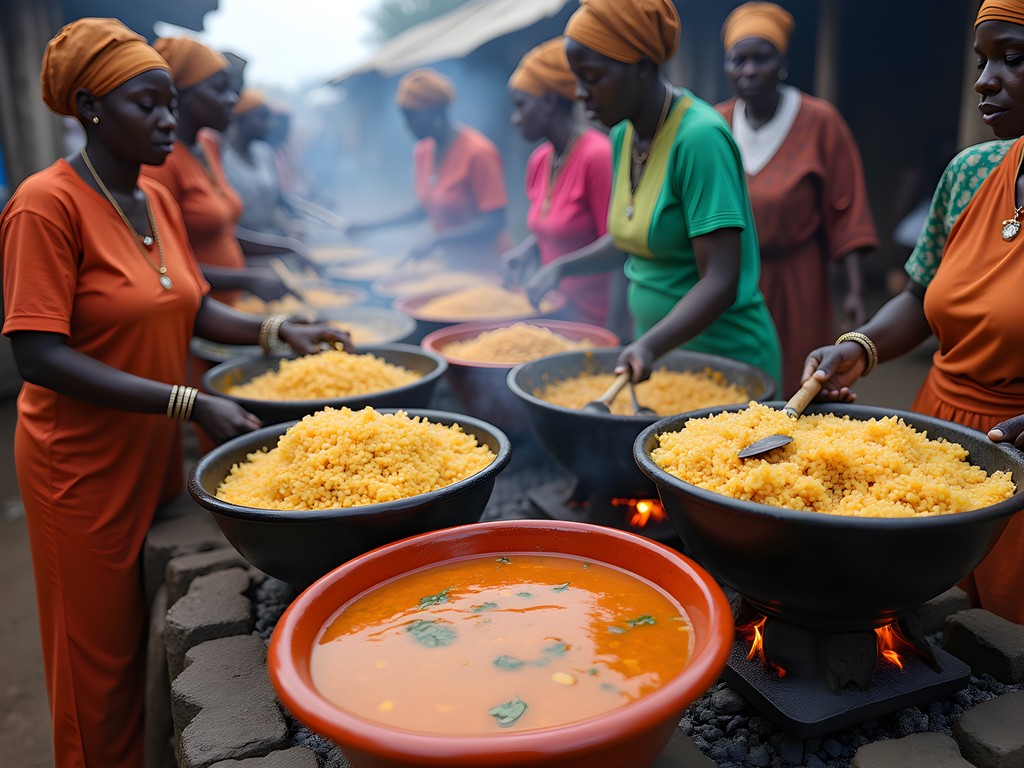
The food scene revolves around rice-based dishes—tigadèguèna (peanut sauce with meat), tô (millet porridge), and kapitaine (Nile perch) fresh from the river. Street food is generally safe if you follow the crowd—eat where locals eat, avoid pre-cut fruit, and stick to thoroughly cooked items. I had one bout of digestive issues (inevitable in extended West Africa travel) but nothing a rehydration salts and a day of rest couldn't handle.
The heat is the constant challenge. November temperatures still hit 95°F regularly, and humidity near the rivers is oppressive. I learned to embrace the local schedule: active early morning, rest during peak heat, resume activities late afternoon. Fighting the climate is futile; adapting to it is the only sustainable approach.
💡 Pro Tips
- Bring more cash than you think you need—ATMs are unreliable and cards don't work
- Download offline maps and essential information before arrival
- Pack a comprehensive first-aid kit including rehydration salts and anti-diarrheal medication
- Bring backup copies of important documents stored separately from originals
- Learn to eat with your right hand—it's standard practice and shows cultural respect
Final Thoughts
Mopti isn't for everyone, and that's precisely what makes it valuable. In an era of over-touristed destinations and Instagram-optimized experiences, this corner of Mali offers something increasingly rare: genuine cultural immersion without the safety net of tourist infrastructure. The challenges—security concerns, basic facilities, communication barriers, physical demands—filter out casual visitors and create space for deeper engagement.
I left Mopti with more questions than answers, which feels appropriate. The experience resisted easy categorization or quick social media summaries. It demanded presence, patience, and constant recalibration of expectations. My cybersecurity work is about protecting digital systems, but Mopti reminded me that the most valuable connections still happen face-to-face, in languages we barely speak, over shared meals and mutual curiosity.
If you're considering this journey, be honest about your experience level and risk tolerance. This isn't a destination to cut your teeth on African travel. But if you've got the skills, preparation, and mindset for advanced cultural immersion, Mopti offers rewards proportional to its challenges. The Venice of Africa isn't trying to be Venice—it's unapologetically itself, and that authenticity is worth the effort to experience.
✨ Key Takeaways
- Mopti requires advanced travel skills, thorough security preparation, and realistic risk assessment
- River-based exploration via pinasse boats provides the best access to surrounding villages and authentic experiences
- Cultural respect and patience are non-negotiable—this is immersive travel, not tourism
- Physical and logistical challenges are significant but manageable with proper preparation and flexible mindset
- The reward is genuine cultural exchange in one of West Africa's most historically significant regions
📋 Practical Information
Best Time to Visit
November to February (cooler dry season, though still hot)
Budget Estimate
$800-1200 for two weeks including flights from West Africa hub, accommodation, food, guides, and activities
Recommended Duration
10-14 days minimum to justify the effort and experience the region properly
Difficulty Level
Challenging (Advanced Travelers Only)

Comments
coolmaster
The river photos are stunning. Really captures the vibe.
journeydiver
For anyone planning this - French language skills are pretty essential. I tried going to Senegal with zero French and really struggled. Been studying since then. Also make sure your vaccinations are sorted well in advance, yellow fever card is mandatory.
Sophia Gomez
The 'Venice of Africa' comparison really resonated with me. I spent three weeks in Mali back in 2024 and Mopti was one of those places that completely shifted my perspective on what travel can be. The Monday market is absolute sensory overload in the best way possible. I remember sitting by the river at sunset watching the pinasses come in, and this elderly fisherman just started telling me stories about how the river has changed over his lifetime. No agenda, no transaction - just human connection. That's what travel should be about.
coolmaster
That sounds amazing. Did you feel safe traveling solo there?
Sophia Gomez
I wasn't completely solo - traveled with a friend and we had a local guide for most of it. Wouldn't recommend going completely alone, especially as a woman, but with proper preparation it's doable.
luckynomad
THIS IS THE CONTENT I'M HERE FOR!! So tired of the same old Europe posts. West Africa needs more love and this is such a great writeup!
redbackpacker
What was your camera setup for the mosque photos? The light in those shots is amazing. Also curious about how locals felt about photography - did you need to ask permission a lot?
Lucas Mason
Always asked permission, especially for portraits. Most people were cool with it. Shot on a Fuji X-T4 with 18-55mm. Early morning light there is unreal.
sunsethero1257
WOW this looks incredible!! Adding to my bucket list!!!
Megan Martin
Lucas, this is exactly the kind of travel writing we need more of - honest, nuanced, and respectful. I've been researching Mali for a potential trip and the security landscape is the biggest question mark. Your approach of working with local contacts and understanding the context rather than just following blanket travel warnings is spot on. Did you arrange your Dogon Country guide through Mopti or beforehand? I've heard mixed things about guide quality there.
Lucas Mason
Thanks Megan! I arranged everything through a contact in Bamako who connected me with a Dogon guide from Sangha. Definitely recommend going that route vs. hiring someone on the spot in Mopti.
luckyrider
How safe is it really?
Lucas Mason
Did extensive research and hired local guides. Security situation is fluid - check your embassy advisories before going. I felt safe but you need to be smart about it.
luckyrider
thanks!
Venture X
Premium card with 2X miles, $300 travel credit, Priority Pass