

Disclosure: This article contains affiliate links. We may earn a commission from purchases at no extra cost to you, which helps our travel content.
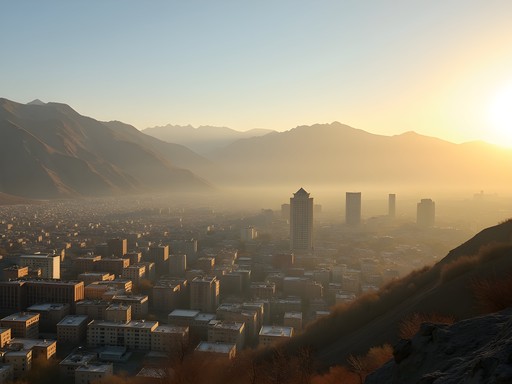
As someone who's spent years examining passports at border control, I've developed a fascination with places that exist primarily as news headlines for most people. Afghanistan—particularly Kabul—has long been such a place. This spring, I finally followed my curiosity and embarked on a solo journey to explore the ancient treasures of a city that has witnessed 3,500 years of human history, conquests, and resilience. What I discovered beyond the security briefings and travel advisories was a cultural tapestry so rich and compelling that it deserves to be experienced firsthand.
Preparing for a Journey Through Time
My border security background made me especially methodical about preparation. While Kabul isn't your typical tourist destination, with proper planning and local guidance, exploring its historical sites can be deeply rewarding.
I began by contacting reputable tour operators who specialize in Afghanistan's cultural heritage. After thorough research, I chose a company with excellent security protocols and guides with archaeological expertise. My guide, Farhad, held a history degree from Kabul University and proved invaluable throughout my journey.
Security considerations meant traveling light but prepared. I packed my trusty Grayl GeoPress Water Purifier, which eliminated the need for plastic bottles while ensuring safe drinking water throughout my trip. For documenting the journey, I relied on my smartphone rather than conspicuous camera equipment, along with a Moleskine City Notebook for journaling observations and sketching architectural details.

💡 Pro Tips
- Book through reputable tour operators with local connections and security expertise
- Register with your embassy before arrival and maintain regular check-ins
- Respect local customs by packing modest clothing that covers shoulders, chest, and knees
The National Museum of Afghanistan: Phoenix from the Ashes
My exploration began at the National Museum of Afghanistan, a testament to cultural resilience. Once housing over 100,000 artifacts spanning 50,000 years of Afghan heritage, the museum suffered devastating losses during the civil war and Taliban era. An estimated 70% of its collection was looted or destroyed.
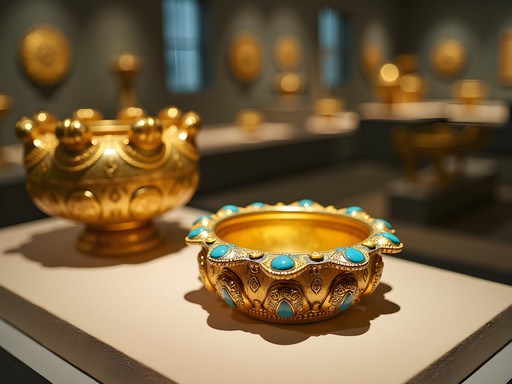
Today, the museum stands renewed. Walking through its halls, I was moved by the painstaking restoration efforts and international cooperation that brought many treasures back home. The Bactrian Gold—a collection of over 20,000 gold ornaments discovered in 1978 and hidden by museum staff during the Taliban years—particularly captivated me. These intricate pieces reflect Afghanistan's position at the crossroads of ancient civilizations.
Farhad explained how museum curators risked their lives to protect these treasures, reminding me that preservation of cultural heritage is an act of resistance and hope. I spent hours examining pottery from the Bronze Age, Buddhist sculptures from Hadda, and Islamic manuscripts that showcase Afghanistan's diverse cultural influences.
To fully appreciate the museum's significance, I had prepared by reading Afghanistan: A Cultural History, which provided crucial context for understanding the exhibits.

💡 Pro Tips
- Hire a knowledgeable guide who can provide historical context beyond the display information
- Visit early in the day when the museum is less crowded
- Bring small denominations of local currency for the museum gift shop
Babur's Gardens: Serenity Amid the City
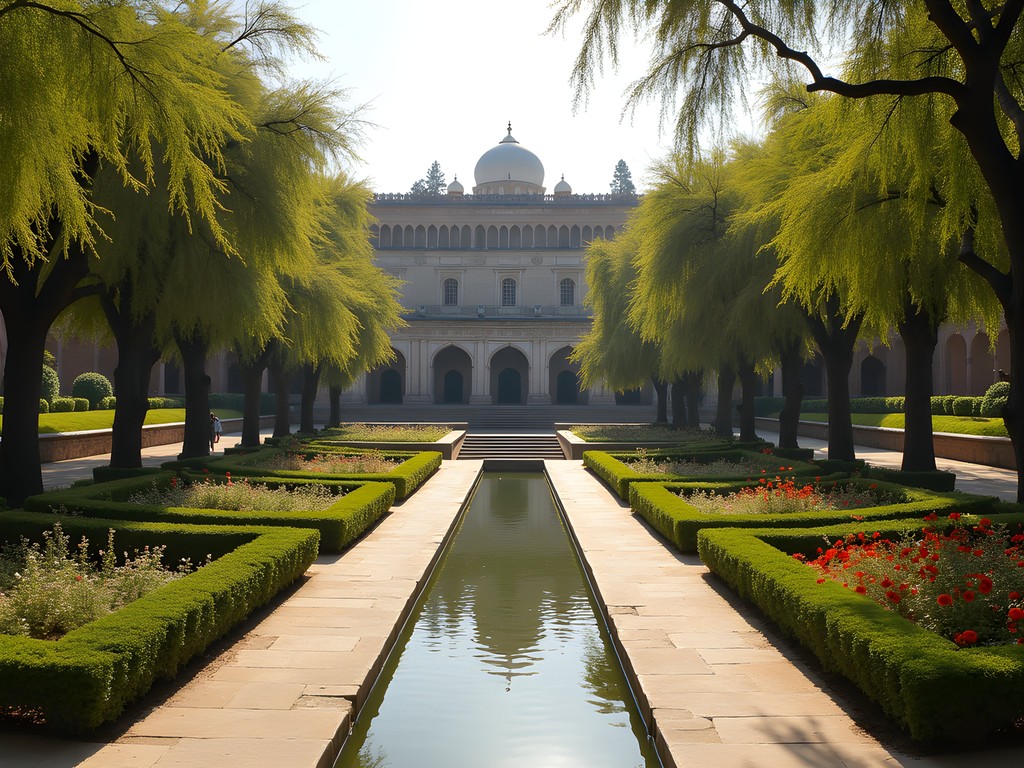
After the museum's intensity, I sought respite in Bagh-e Babur (Babur's Gardens), the final resting place of the first Mughal emperor. This terraced garden, originally laid out in the early 16th century, has been beautifully restored following decades of conflict.
As I climbed the marble steps between perfectly manicured flowerbeds and centuries-old plane trees, I reflected on how this space has served as Kabul's green heart through generations. At the top terrace stands Babur's tomb—simple yet dignified, with inscriptions describing his love for Kabul: 'If there is a paradise on earth, it is this, it is this, it is this.'
The garden follows the traditional char-bagh (four garden) design, with water channels representing the four rivers of Paradise. I spent an afternoon here, observing local families enjoying picnics and children playing—a timeless scene that could belong to any century.
To stay comfortable during the long walk through the gardens, I was grateful for my Tilley LTM6 Airflo Hat, which provided perfect sun protection while exploring the exposed terraces. I also carried a Platypus Softbottle that collapsed when empty, making it ideal for long sightseeing days.
💡 Pro Tips
- Visit in late afternoon when the light is golden and temperatures are cooler
- Bring a picnic to enjoy in designated areas like many locals do
- Take time to sit quietly by Babur's tomb to appreciate the garden's intended contemplative nature

Kabul's Old City and Murad Khani District
The heart of historical Kabul lies in its Old City, particularly the Murad Khani district. This area once faced demolition but has been painstakingly restored through the efforts of Turquoise Mountain, an NGO dedicated to preserving traditional Afghan craftsmanship.
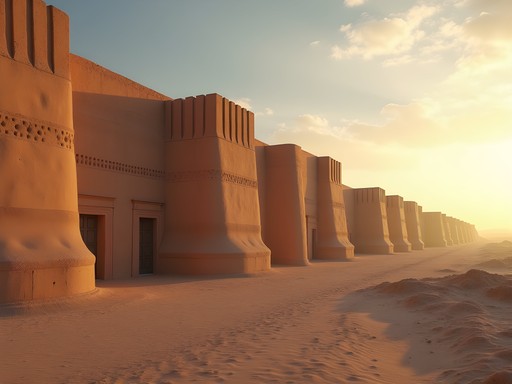
Walking through the narrow, winding streets felt like stepping back centuries. The mud-brick buildings with their ornately carved wooden balconies and colorful doors house workshops where artisans practice crafts passed down through generations. I watched master woodcarvers transform cedar into intricate lattice screens (jali) and ceramicists applying glazes using techniques unchanged since the Timurid period.
The crown jewel of Murad Khani is the restored Peacock House, featuring stunning examples of traditional plastering techniques. My guide arranged for me to meet with a young female jeweler who creates contemporary pieces inspired by artifacts in the National Museum. Her workshop, supported by Turquoise Mountain, exemplifies how heritage preservation can create sustainable livelihoods.
For navigating the labyrinthine streets, I found my Garmin eTrex 22x invaluable, as online maps don't always reflect the complex layout of these ancient neighborhoods.

💡 Pro Tips
- Purchase directly from artisan workshops to support traditional crafts and ensure authenticity
- Visit the Turquoise Mountain Institute to learn about their restoration and training programs
- Wear comfortable closed-toe shoes as streets can be uneven and dusty
Discovering Kabul's Buddhist Past at Tepe Maranjan
Many visitors are surprised to learn about Afghanistan's significant Buddhist history. Before Islam arrived in the 7th century, the region was a center of Buddhist learning and art. One accessible site to explore this heritage is Tepe Maranjan, a hill in eastern Kabul that once housed a major Buddhist monastery.
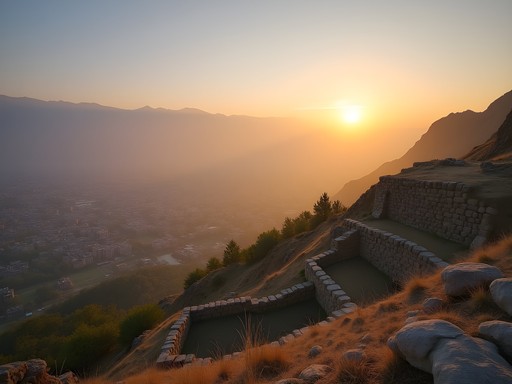
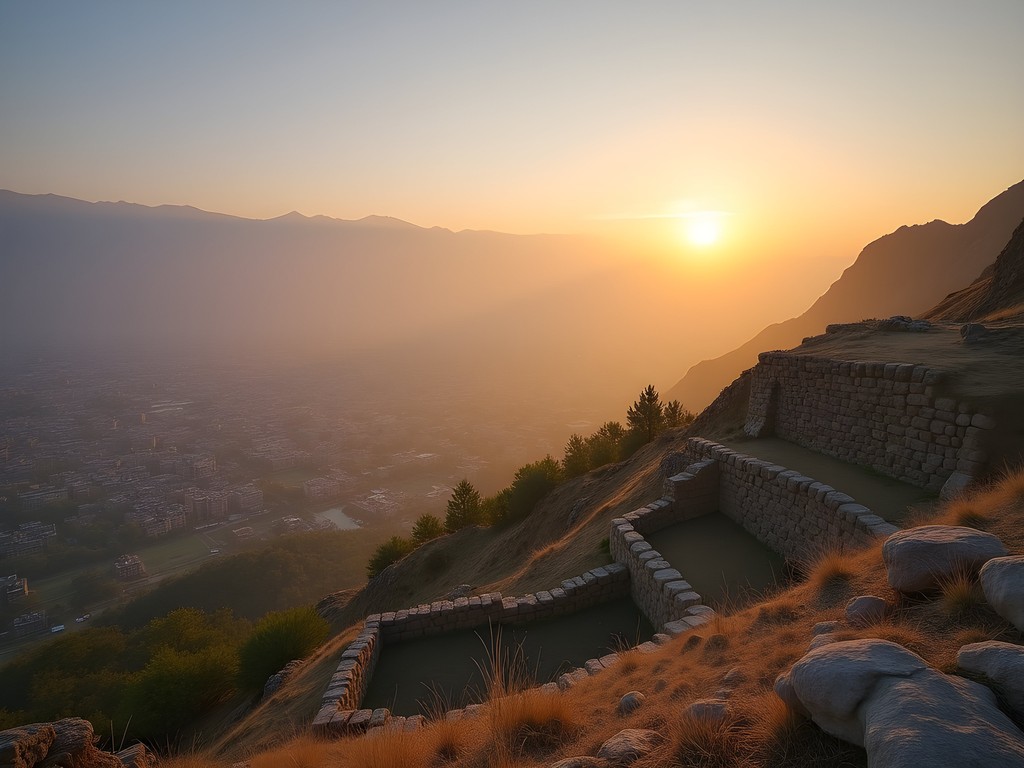
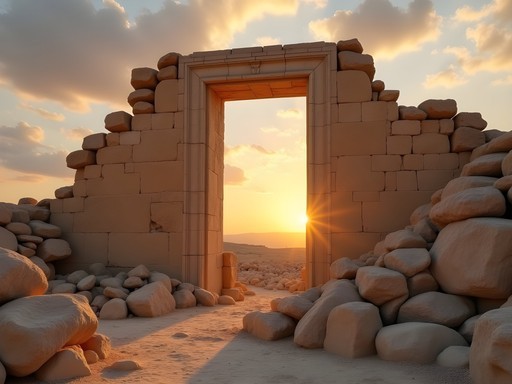
Accompanied by an archaeologist from Kabul University, I climbed the hill early one morning. Though little remains of the original structures, recent excavations have uncovered foundation walls and fragments of statuary. My guide pointed out the stupa base and explained how this site connected to the larger Buddhist complexes at Bamiyan and Hadda.
What made this visit special was the panoramic view of Kabul—a perspective that helped me understand why this location was chosen for spiritual purposes. As the morning fog lifted from the valley, I could trace the ancient trade routes that once brought pilgrims, merchants, and ideas through this landscape.
For this excursion, I was glad to have packed my Celestron Nature DX 8x42 to observe distant architectural details and bird life on the hill. The early start meant chilly temperatures, so my Smartwool Merino 250 Base Layer provided perfect warmth without bulk under my modest outer clothing.
💡 Pro Tips
- Arrange specialized archaeological guides through Kabul University's History Department
- Visit at sunrise for the best photography conditions and to avoid midday heat
- Bring binoculars to appreciate distant architectural details across the city
Final Thoughts
As my week in Kabul drew to a close, I found myself transformed by what I'd experienced. Beyond the security concerns and political narratives that dominate Western perceptions of Afghanistan lies a cultural landscape of extraordinary depth and resilience. The true treasures of Kabul aren't just the gold artifacts behind museum glass but the living traditions and the determination of people who have preserved them through unimaginable challenges.
As someone who examines documents at borders professionally, I'm acutely aware of how political boundaries shape our access to cultural experiences. Yet my journey through Kabul's ancient sites reminded me that the human heritage preserved in these places belongs to all of us. While Afghanistan may not be on many travelers' immediate itineraries, I hope sharing these experiences helps preserve awareness of its irreplaceable cultural significance.
For those considering this journey, proper preparation and respect for local customs are essential. But for the intrepid solo traveler willing to look beyond headlines, Kabul offers historical insights available nowhere else on earth. As my taxi driver predicted on that first morning, I indeed found gold—in the form of experiences and connections that have enriched my understanding of our shared human history.
✨ Key Takeaways
- Kabul's historical sites span over 3,500 years of diverse cultural influences
- Local guides with academic backgrounds provide crucial context for appreciating Afghanistan's complex heritage
- Supporting traditional crafts and restoration projects helps preserve cultural knowledge at risk of being lost
- Proper preparation and respect for local customs makes exploring Kabul's historical sites accessible for solo travelers
- Afghanistan's pre-Islamic Buddhist heritage offers insights into the region's diverse religious history
📋 Practical Information
Best Time to Visit
Spring (April-May) or autumn (September-October)
Budget Estimate
$100-150 per day including guide, accommodation, and meals
Recommended Duration
7-10 days
Difficulty Level
Moderate


Comments
blueway
This is fascinating! What was the weather like when you visited? Planning for a similar trip and wondering about the best time to go.
Priya Hughes
I went in late September and it was perfect - warm days around 75°F/24°C and cool evenings. Kabul sits at high elevation so summers can be hot but not humid, and winters quite cold with snow. Spring (April-May) is also lovely but can be rainy.
luckyzone
I visited Kabul in 2023 and was similarly impressed by the National Museum. The staff there are doing incredible work with limited resources. Did you get a chance to see the Nuristan collection? Those wooden carvings were my highlight. Also found the food scene surprisingly good - especially those kebabs near Chicken Street!
Claire Hawkins
Priya, your post brought back memories of my childhood when my father was stationed at an embassy in Kabul in the late 90s. Though I was young, I still remember the warmth of the Afghan people and the vibrant markets. It's heartbreaking what the country has endured, but encouraging to see the preservation efforts you've highlighted. While I haven't returned as an adult (with my own children now), your post makes me wonder if someday it might be possible to show them this important part of my childhood. The Murad Khani District restoration particularly moved me - tangible hope amid so much challenge. Thank you for this thoughtful perspective beyond the headlines.
luckyzone
Claire, what an incredible experience to have lived there as a child. I hope you do get to return with your family someday.
luckyace2620
Were you ever worried about safety? The news makes it seem so dangerous.
greenway
How did you handle the visa process for Afghanistan? I've heard it's quite complicated.
Priya Hughes
It is definitely involved! I worked through the tour company who handled most of the paperwork. You need a letter of invitation, hotel bookings, and proof of travel insurance. The process took about 8 weeks total.
Douglas Bradley
This is a remarkably nuanced portrayal of Kabul, Priya. Having visited in 2022 myself, I can attest to the duality of the experience - the tension between security concerns and the extraordinary cultural heritage. The National Museum's reconstruction efforts are particularly noteworthy as an example of cultural resilience. I found that using my satellite communicator provided peace of mind for staying in touch with family while exploring more remote areas. Did you venture outside Kabul at all? The Buddhist remains at Bamiyan, despite the tragic destruction of the giant Buddhas, still offer a profound historical experience.
Priya Hughes
Thanks Douglas! I didn't make it to Bamiyan this trip - focusing just on Kabul given the limited time. But it's absolutely on my list for a future visit. The satellite communicator sounds like a smart addition to the packing list.
skywanderer
Beautiful photos! The architecture is stunning.
roamexplorer
Wow Priya, what an incredible post! Afghanistan has been on my bucket list for years but I've always hesitated because of safety concerns. Your descriptions of Babur's Gardens and the National Museum are making me seriously reconsider. The resilience of these cultural treasures despite decades of conflict is truly inspiring. Did you arrange your visit through a local guide or tour company?
Priya Hughes
Thanks for your kind words! Yes, I worked with a local tour company that specializes in cultural tours. They handled all security arrangements and provided incredible guides who knew the history intimately. Definitely the way to go!
roamexplorer
That's great to know! Would you mind sharing which company you used? I'd love to have a similar experience.
WorldExplorer99
Thanks for sharing this perspective. Media only shows one side of Afghanistan.
AdventureSeeker456
How difficult was it to get a visa? I've heard the process can be complicated.
Priya Hughes
It was quite involved - I needed letters of invitation from local contacts, proof of accommodation, and detailed itinerary. The process took about 8 weeks. Definitely start early!
Venture X
Premium card with 2X miles, $300 travel credit, Priority Pass