
Disclosure: This article contains affiliate links. We may earn a commission from purchases at no extra cost to you, which helps our travel content.
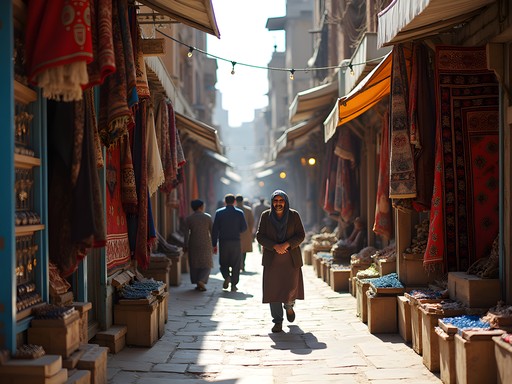
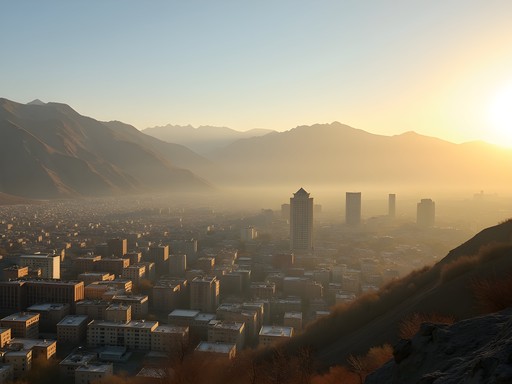
The scent of cardamom-infused tea mingles with wood smoke and leather as I weave through Kabul's labyrinthine markets, where centuries of craft traditions remain alive in weathered hands and vibrant storefronts. As a chef, I've always believed that a culture's soul lives equally in its food and its craftsmanship—both requiring patience, precision, and passed-down knowledge that defies modern shortcuts. Afghanistan's capital reveals itself like a slow-cooked stew, with layers of Persian, Central Asian, and uniquely Afghan influences that have somehow survived decades of turmoil, waiting for curious travelers willing to look beyond headlines.
Preparing for Kabul's Market Maze
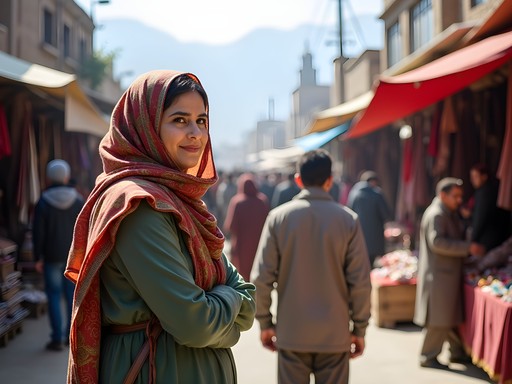
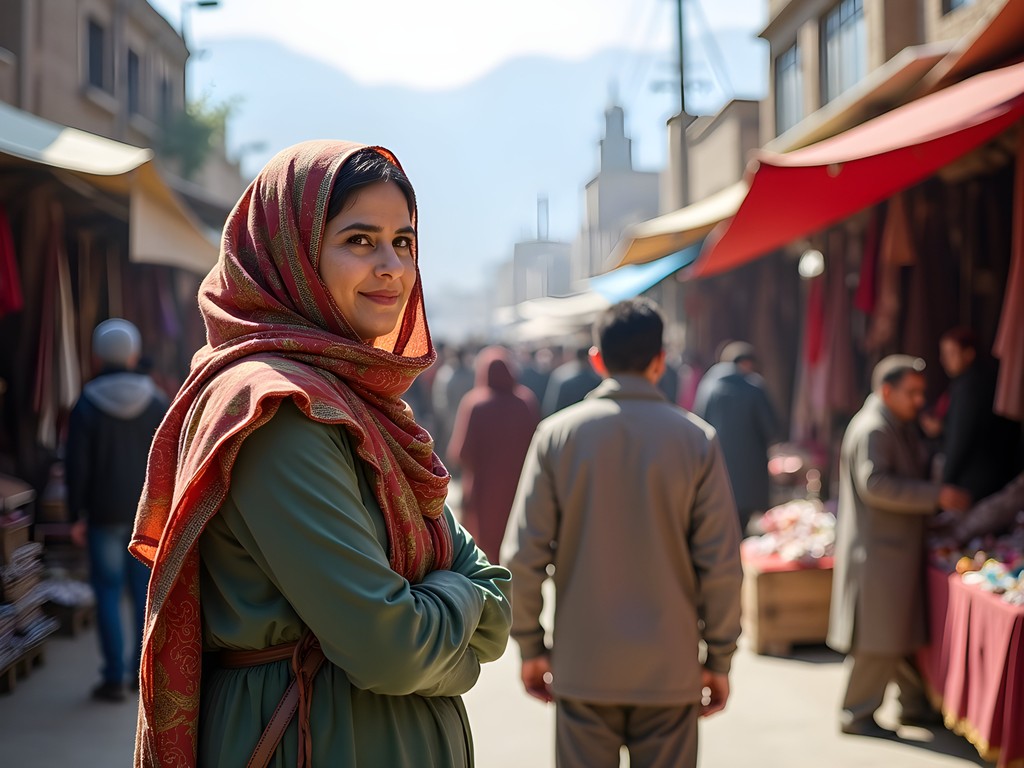
Before diving into Kabul's treasure-filled markets, proper preparation is essential—this isn't your typical shopping destination. As a solo female traveler in a conservative country, I found dressing appropriately was my first ingredient in a successful market experience. Long, loose clothing that covers arms and legs is non-negotiable, and I always carry a large scarf (locally called a dupatta) for additional coverage when needed.
Security considerations can't be ignored. I arranged a local guide through trusted tour service months before arrival—an investment as essential as my passport. My guide Farid not only navigated physical spaces but cultural nuances too, introducing me to artisans who might otherwise have been hesitant with a foreign woman.
Currency management requires thought; while some larger shops accept cards, cash is king in the bazaars. I kept money in a hidden money belt worn under clothing, carrying only small amounts in an accessible wallet for daily transactions. The Afghan afghani fluctuates significantly, so I used the XE Currency app to calculate conversions on the fly—essential when bargaining becomes a rapid-fire exchange!
💡 Pro Tips
- Dress conservatively with arms, legs, and hair covered
- Hire a reputable local guide through established tour companies
- Carry small denominations of afghani currency for easier bargaining
Chicken Street: The Gateway to Afghan Crafts
If Kabul's market scene were a meal, Chicken Street (Kochi Morgh) would be the appetizer—a palatable introduction that hints at deeper flavors to come. Despite its humble name (derived from its history as a poultry market), this famous shopping street has been the foreigner's first stop since the 1960s hippie trail days.
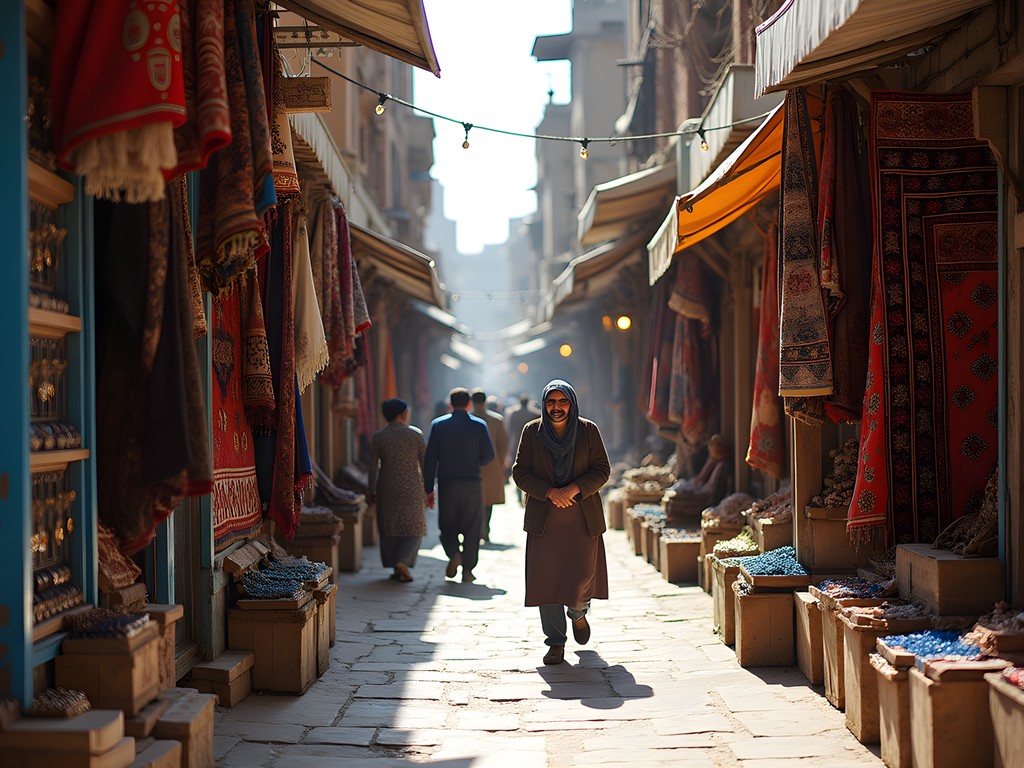
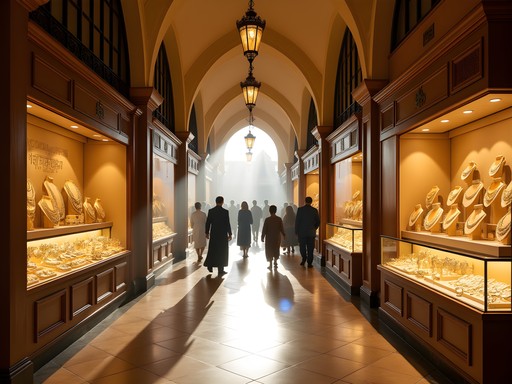
My first afternoon here revealed a concentrated display of Afghanistan's craft heritage: intricately woven carpets in geometric patterns that tell stories through their designs, lapis lazuli jewelry in that unmistakable deep blue that's been treasured since ancient Egypt, and embroidered clothing that puts my knife skills to shame with their precision.
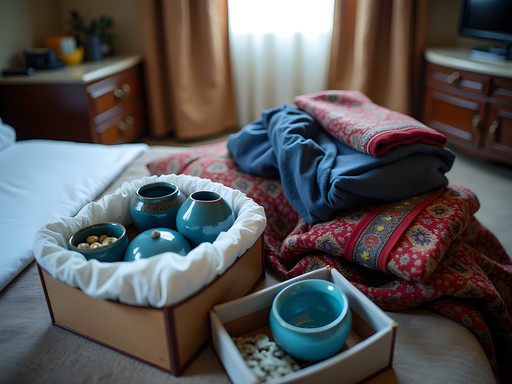
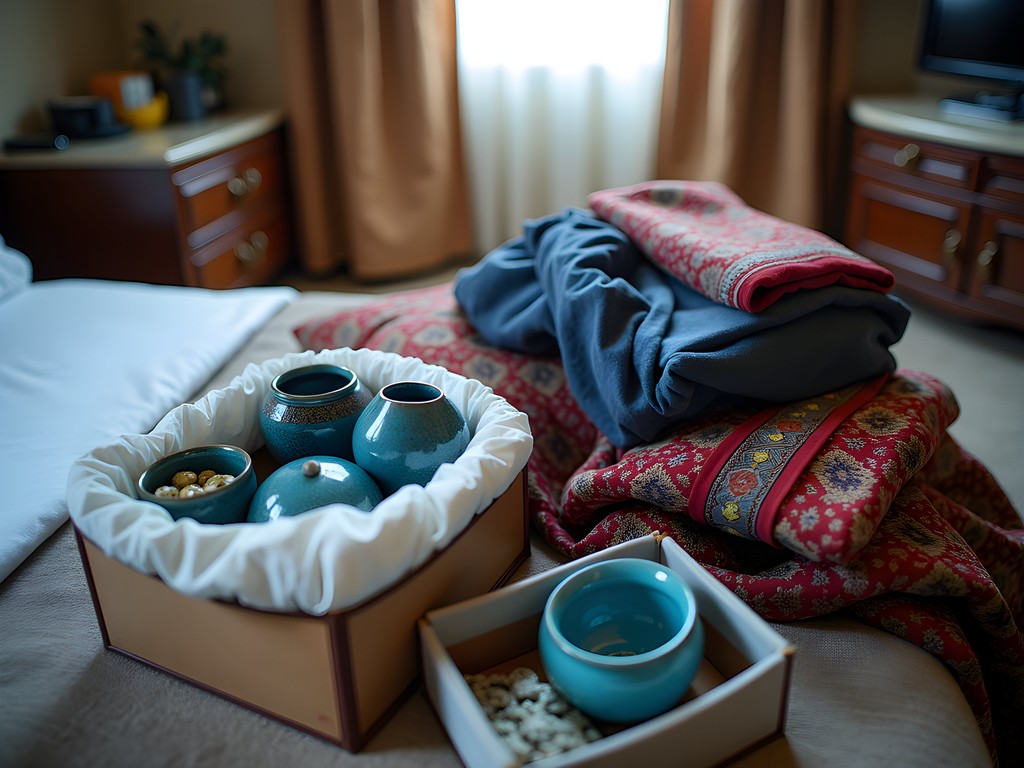
While prices here start higher due to the street's popularity with foreigners and NGO workers, the quality is generally reliable. I found my bargaining rhythm by the second day, learning to offer about 40% of the initial asking price and meeting somewhere in the middle—a dance as choreographed as folding egg whites into a soufflé. My prized find: a small travel tea set with hand-painted blue designs that now travels with me to every destination, a ritual connection to this remarkable place.
💡 Pro Tips
- Start with 40% of the asking price when bargaining
- Visit in morning hours when vendors are more willing to negotiate
- Look for shops where locals are shopping—usually better quality and fairer prices
Mandawi Market: Where Locals Shop
If you want to taste the true flavor of Kabul commerce, Mandawi Market serves it up undiluted. This sprawling commercial heart of Old Kabul makes Chicken Street look like a tourist simulation—here, the real deals happen, the prices drop dramatically, and the experience intensifies tenfold. As Farid guided me through its winding alleys, I felt like I'd stepped into a living museum of trade traditions.
Mandawi organizes itself by craft: entire sections dedicated to fabrics, metalwork, woodcarving, and spices. The textile area became my personal paradise—bolts of silk, cotton, and wool in colors that would make a spring garden jealous. I spent hours selecting fabrics that local tailors transformed into custom pieces within days for a fraction of what I'd pay back home.
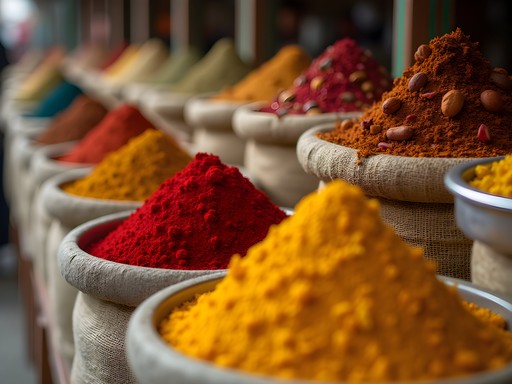
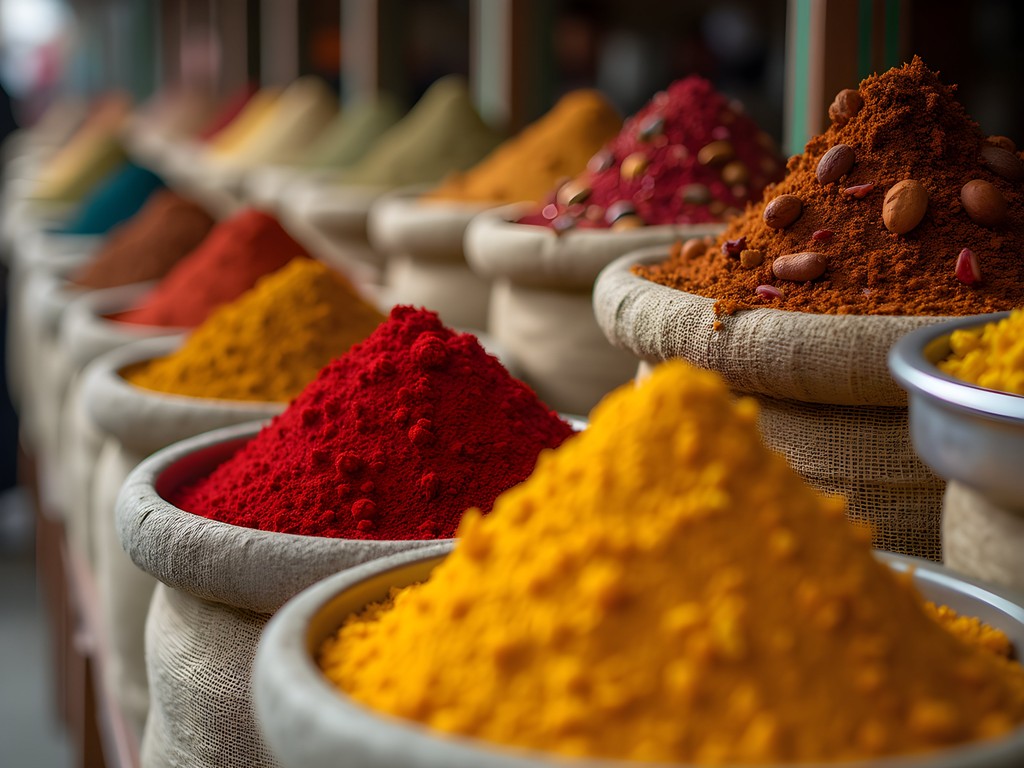
The spice section demanded equal attention from my culinary sensibilities. The cardamom here—oh my goodness—worlds apart from the dusty jars languishing on American supermarket shelves. I filled a spice organizer with treasures to incorporate into my cooking back home: saffron threads at prices that didn't require a small loan, wild cumin with an earthy intensity I'd never experienced, and rose petals for tea that transported me back to Kabul with each sip.
Navigating Mandawi requires stamina and street smarts—it's crowded, intense, and gloriously chaotic. Without Farid, I would have been utterly lost, both geographically and culturally. This is not a place for solo wandering, especially for foreign women, but with proper guidance, it's the most authentic shopping experience Kabul offers.
💡 Pro Tips
- Visit with a trusted local guide who knows the market layout
- Bring your own shopping bags or backpack for purchases
- Shop in the morning when temperatures are cooler and crowds thinner

Ka Faroshi Bird Market: Unexpected Treasures
Sometimes the most authentic experiences happen when you venture off the typical tourist recipe. Ka Faroshi Bird Market, tucked away in Kabul's Old City, represents exactly this kind of delightful detour. While primarily known for its bird sellers (hence the name), this narrow, centuries-old alley holds secrets that most travelers miss completely.
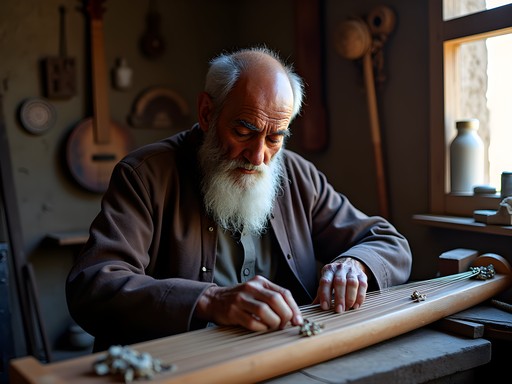
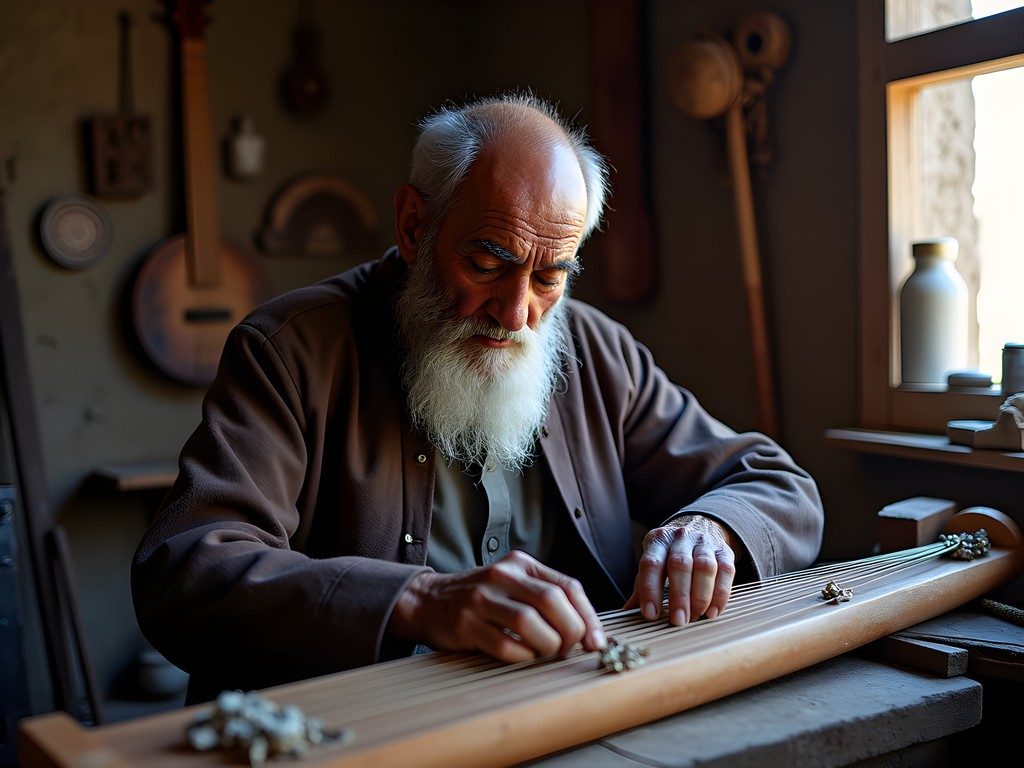
Between cages of colorful finches and songbirds, I discovered workshops where artisans create traditional musical instruments. The rebab (a lute-like string instrument) being crafted before my eyes connected me to Afghanistan's rich musical heritage that predates modern borders. The craftsman, noticing my genuine interest, demonstrated how different woods create distinct tonal qualities—knowledge passed down through generations like a cherished family recipe.
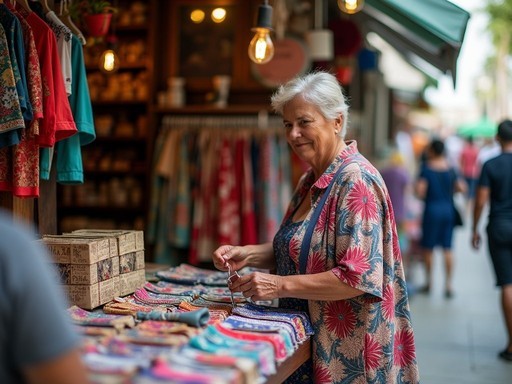
Further along, I found myself in a tiny shop specializing in kuchi embroidery, the intricate needlework of Afghanistan's nomadic peoples. The elderly woman showed me how she incorporates tiny mirrors, beads, and metallic threads into geometric patterns that tell stories of tribal identity and personal history. I couldn't resist purchasing a embroidered wall hanging that now serves as the focal point of my dining room, sparking conversations about Afghan craftsmanship with every dinner guest.
The bird market's narrow passages require a different pace—slow, observant, and respectful. Photos should be taken sparingly and always with permission, as this isn't primarily a tourist space but a living, working market where relationships matter more than transactions. The authenticity here comes precisely because tourism isn't its purpose.
💡 Pro Tips
- Ask permission before photographing artisans or their work
- Bring small denominations for purchases as change can be scarce
- Visit on Thursday mornings when the market is most active but not overcrowded
Shipping Your Treasures: The Final Challenge
The joy of discovering Afghan crafts eventually confronts a practical challenge: how to get your treasures home safely. After accumulating carpets, metalwork, and fragile ceramics, I faced the logistics of international shipping from a country with limited infrastructure.
Larger purchases like carpets required strategic planning. Most reputable carpet dealers offer shipping services, but I recommend thoroughly documenting your purchase with photos and detailed receipts. I used my portable document scanner to digitize all transaction records and certificates of authenticity—especially important for higher-value items that might raise customs questions.
For smaller treasures, packing supplies become precious commodities in Kabul. I brought a packing cube set that proved invaluable for organizing and protecting smaller items within my luggage. The compression feature meant I could fit significantly more into my limited space without adding weight.
Customs regulations present another layer of complexity. Some items (particularly antiques over 100 years old) may be restricted from export, and U.S. customs has specific requirements for goods from Afghanistan. I recommend researching current regulations before shopping and keeping all documentation organized. My strategy of shipping carpets directly through established dealers while carrying smaller items personally worked well, though required advance planning with my airline about baggage allowances.
💡 Pro Tips
- Research customs regulations for both Afghanistan and your home country before shopping
- Bring packing materials from home as they're difficult to find locally
- Consider purchasing extra baggage allowance for your return flight
Final Thoughts
Shopping Kabul's markets isn't merely a transaction—it's participating in the preservation of cultural heritage that has weathered centuries of change and challenge. Each piece I brought home carries stories far heavier than its physical weight: the carpet seller who showed me photos of his family learning patterns that predate written records; the metalworker whose grandfather crafted pieces for royal households; the young embroiderer combining traditional techniques with contemporary designs to support her education.
These markets represent Afghanistan beyond headlines—a place of profound creativity, resilience, and continuity. My kitchen now features copper pots that remind me daily of conversations shared over tea, while textiles brighten my living space with colors that echo Afghanistan's breathtaking landscapes.
If you're considering this journey, know that it requires preparation, patience, and presence. The rewards, however, extend beyond physical souvenirs to a deeper understanding of craft traditions that connect us across seemingly insurmountable differences. Like the perfect meal, Kabul's markets linger in memory long after the experience ends—complex, nourishing, and impossible to replicate.
✨ Key Takeaways
- Hiring a knowledgeable local guide is essential for navigating Kabul's markets safely and effectively
- The best shopping experiences happen in markets where locals shop, not just tourist areas
- Understanding cultural context enhances appreciation for Afghan crafts and improves your bargaining position
📋 Practical Information
Best Time to Visit
Spring (April-May) when temperatures are mild and seasonal goods appear in markets
Budget Estimate
$1,000-1,500/week excluding international flights
Recommended Duration
5-7 days to properly explore different market areas
Difficulty Level
Challenging


Comments
islandace
I spent three weeks traveling through Central Asia last year and honestly the markets in Uzbekistan gave me similar vibes - especially the carpet markets in Bukhara. The craftsmanship in that region is just on another level. I picked up a hand-embroidered suzani that's now the centerpiece of my living room. For anyone hesitant about Afghanistan specifically, the Silk Road cities might be a good alternative to get that authentic market experience with maybe less logistical challenges. Though I have to say, Naomi's post is making me reconsider my hesitations!
skymate
Good point about Uzbekistan. Samarkand markets were incredible when I went
islandlegend
Your photos are gorgeous!
skymate
What's the bargaining etiquette like? Do you start at 50% of asking price or is that offensive?
Nova Rice
Naomi, this post brought back so many memories! I visited Herat's bazaars back in 2019 and the craftsmanship was absolutely stunning. The lapis lazuli jewelry and hand-woven textiles were unlike anything I'd seen elsewhere. Your description of the cardamom tea is so spot on - that scent stays with you! I'm curious about the current accessibility for solo female travelers though. When I went, I had a local guide arranged through my hotel which made everything much smoother. The cultural exchange while bargaining was honestly one of my favorite travel experiences ever.
islandlegend
Wow this sounds incredible!! Adding Afghanistan to my bucket list now
moonrider6654
This looks amazing but is it actually safe to visit right now? Would love to go but nervous about the current situation there.
islandace
I had the same question. Naomi would you mind sharing what precautions you took or if you went with a tour company?
explorerider
Incredible post. Thanks for sharing this perspective.
roamlife
How did you handle currency? USD or local afghani?
Robert Moreau
This brings back memories of shopping the souks in Marrakech and the bazaars in Istanbul - there's something deeply human about these ancient market traditions that no modern shopping experience can replicate. The connection between maker and buyer, the ritual of tea and conversation before business. I've been collecting traditional textiles for years and Afghan carpets are some of the finest in the world. The lapis lazuli pieces must have been tempting too - Afghanistan has some of the best lapis deposits globally. Beautiful documentation of a place few will get to experience.
beachace4409
What's the bargaining situation like? Do you need to haggle hard or is it more fixed prices?
Naomi Fox
Bargaining is expected but be respectful about it. Start at about 60% of asking price and meet somewhere in the middle. These are artisans supporting families, not mass-produced tourist traps, so don't lowball too aggressively.
Hunter Thompson
Massive respect for covering this, Naomi. Afghanistan's been on my list forever but I've been hesitant. The craftsmanship in those photos is incredible - you can see the history in every piece. Did you find the artisans were open to chatting about their work? I'm fascinated by the stories behind traditional crafts and how they've been passed down. Also curious about photography - were people generally okay with cameras in the markets?
Naomi Fox
They were incredibly welcoming once my guide introduced us! Most artisans loved sharing their techniques - some families have been doing this for 5+ generations. For photos, always ask first. Some were fine with it, others preferred not to be photographed directly. Just be respectful and read the room.
Venture X
Premium card with 2X miles, $300 travel credit, Priority Pass