
Disclosure: This article contains affiliate links. We may earn a commission from purchases at no extra cost to you, which helps our travel content.
Standing before the ochre-colored cave paintings of Laas Geel, my fingers tracing the air inches from 5,000-year-old depictions of cattle and human figures, I couldn't help but reflect on my own journey of cultural rediscovery. Somaliland—the self-declared independent region in northern Somalia—remains one of the most fascinating and least-visited corners of Africa, offering a treasure trove of historical sites that rival any ancient wonder I've encountered in my decades of travel. As someone who has spent a lifetime bridging cultural divides, I found unexpected resonance in this land that exists in a state of political limbo yet holds firm to its distinct identity and remarkable heritage.

Laas Geel: Africa's Best-Preserved Rock Art
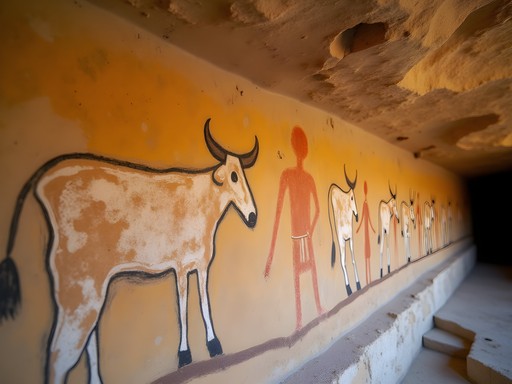
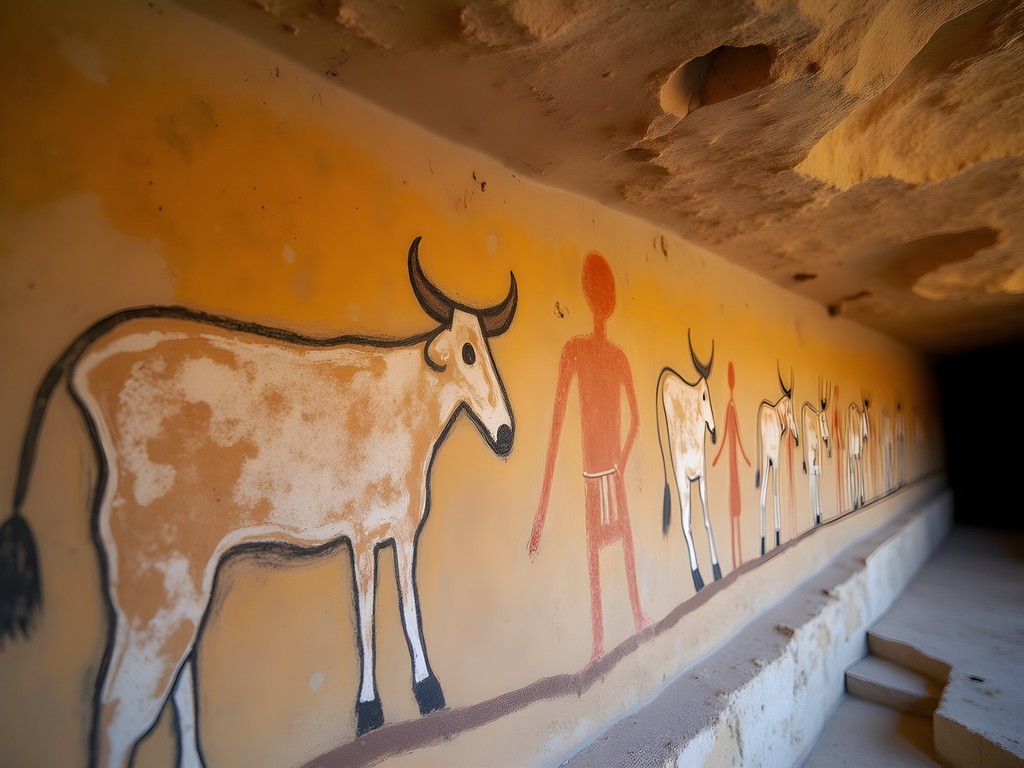
Approximately 50 kilometers northeast of Hargeisa lies what many archaeologists consider Africa's most significant rock art site. Laas Geel (meaning 'water point for camels') consists of about 20 rock shelters adorned with remarkably preserved polychromatic paintings dating back to 3000-4000 BCE.
What struck me most wasn't just the artistic merit—though the stylized cows with elongated horns and human figures in ceremonial poses are undeniably beautiful—but the exceptional preservation. Unlike many ancient rock art sites I've explored from Thailand to the American Southwest, Laas Geel's paintings retain vibrant pigments of red, yellow, white and black, thanks to the overhanging rock formations that protected them from the elements.
Navigating to Laas Geel requires advance planning. You'll need to secure permits from the Ministry of Tourism in Hargeisa and hire an official guide and armed escort—non-negotiable requirements that actually enhance the experience through added context and security. I arranged everything through local tour operator, who handled all paperwork and logistics seamlessly.
The journey across the arid landscape requires a capable vehicle. My rented 4x4 SUV handled the rough terrain admirably, though the final approach involves a short hike up rocky terrain.
💡 Pro Tips
- Arrange permits at least 2-3 days before your planned visit
- Wear sturdy hiking boots as the terrain around the caves is uneven and rocky
- Visit early morning (7-9am) for the best lighting conditions for photography
Navigating Berbera's Ottoman Architecture
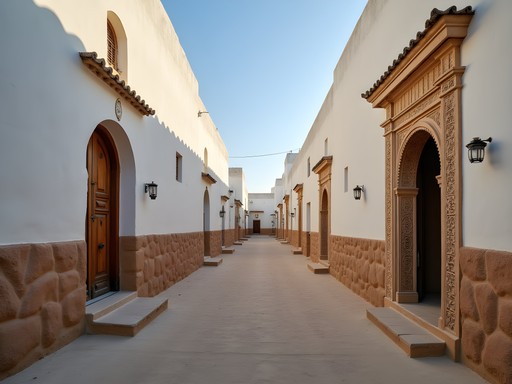
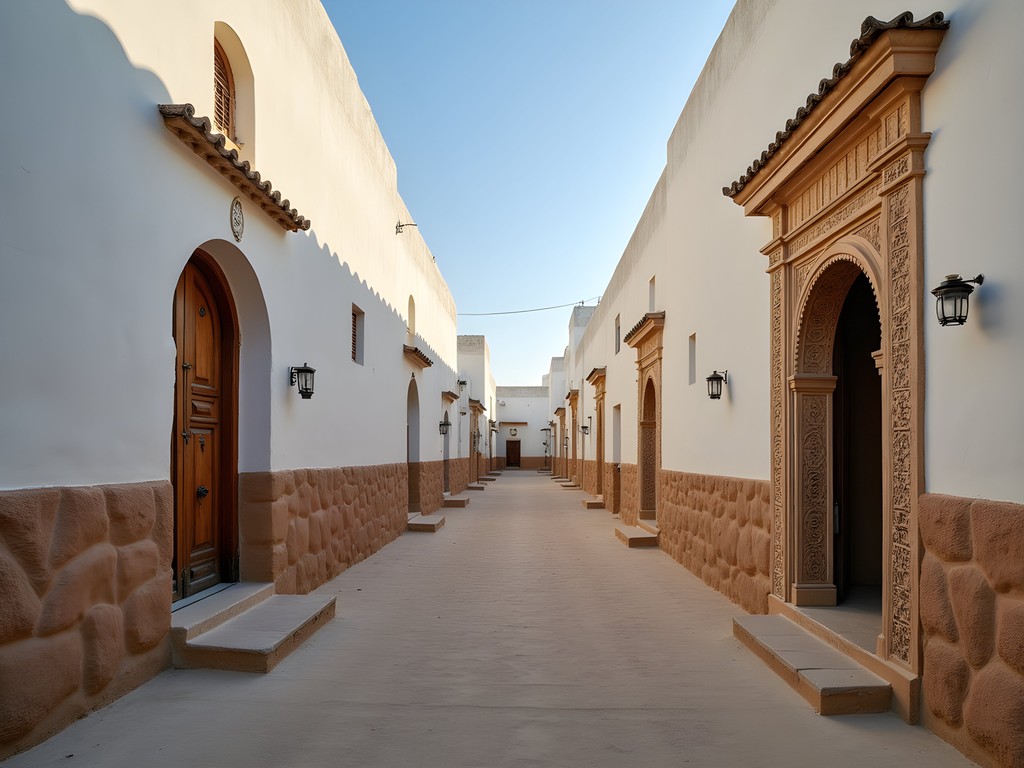
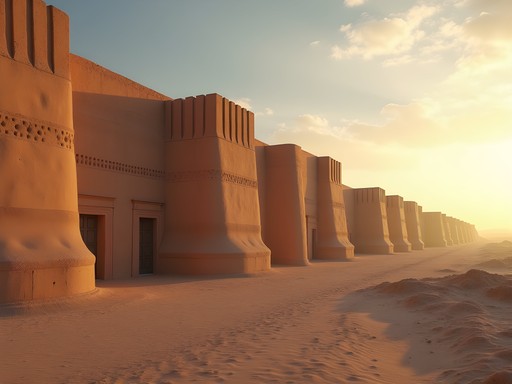
The coastal city of Berbera, about a three-hour drive north of Hargeisa, offers a fascinating architectural journey through Somaliland's complex colonial past. The Old Town district features a compelling mix of Ottoman, British, and traditional Somali architectural elements that have withstood both time and conflict.
Walking the narrow streets between whitewashed buildings with distinctive coral stone foundations, I was transported to another era. The Ottoman mosque with its elegant minaret stands as testament to the Turkish influence that once dominated this important Red Sea port. Nearby, British colonial administrative buildings with their distinctive verandas speak to the later European presence.
Preparing for Berbera's intense coastal heat requires thoughtful packing. My cooling towel proved invaluable during midday explorations, and I was grateful for my wide-brimmed hat which provided crucial sun protection while exploring the architectural details.
My guide, arranged through my hotel in Hargeisa, provided invaluable historical context that connected the architectural styles to the region's complex political history. Without his insights, I would have missed subtle details like the carved wooden door frames that indicate a building's original purpose and importance.
💡 Pro Tips
- Visit between 7-10am or 4-6pm to avoid the worst coastal heat
- Respect local customs by dressing modestly and asking permission before photographing people
- Bring small US dollar bills for entrance fees and tips (Somaliland uses both USD and local shilling)
Sheikh's Mountain Heritage
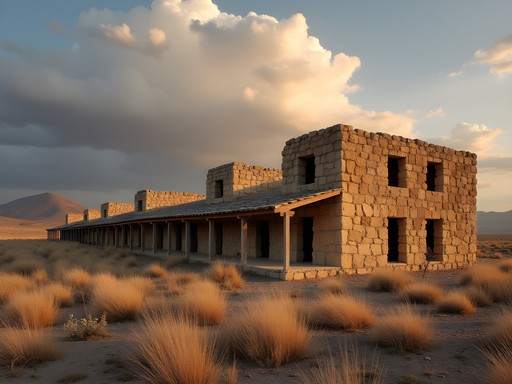
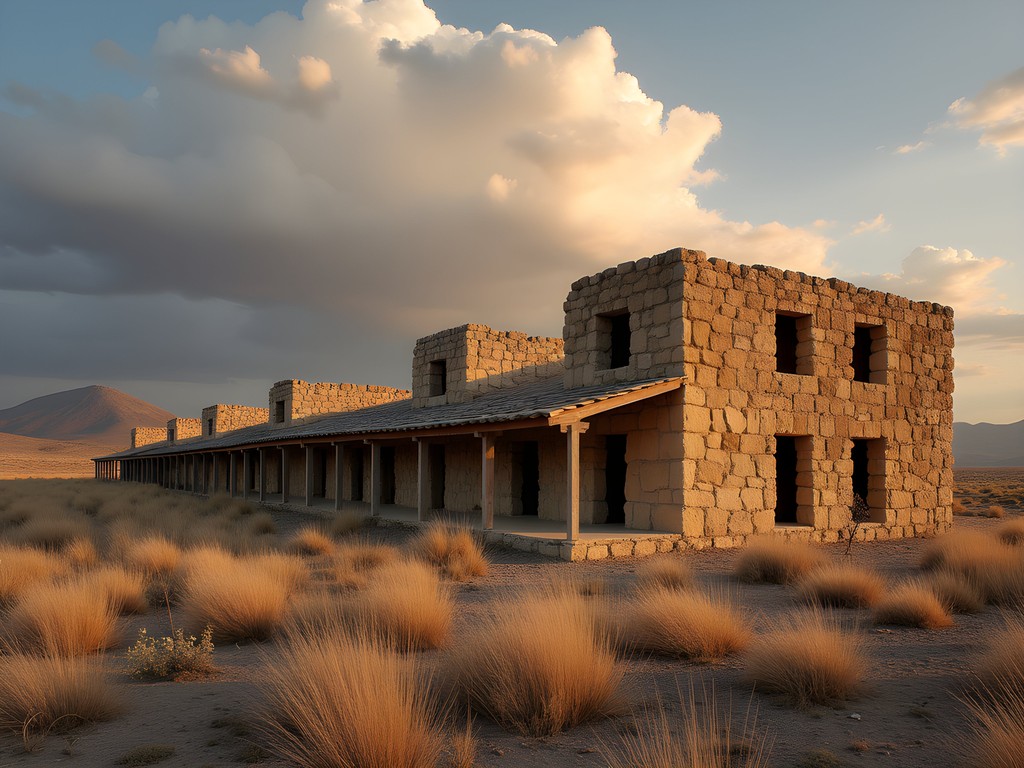
The mountain town of Sheikh, situated between Hargeisa and Berbera at an elevation of about 1,470 meters, offers both respite from the coastal heat and a window into British colonial history in Somaliland. The abandoned British Administrative buildings, including the former Governor's residence, stand as haunting reminders of the colonial era.
What makes Sheikh particularly interesting is how the British colonial architecture adapted to the mountainous environment. Unlike the coastal buildings in Berbera, these structures incorporate local stone with thicker walls for insulation against the cooler mountain temperatures. My compact thermometer registered a 15°C difference between Berbera and Sheikh during my winter visit—a welcome change that makes Sheikh an excellent base for exploring the region.
The winding mountain road to Sheikh demands careful driving but rewards travelers with spectacular vistas across the arid landscape. I stopped frequently to photograph the dramatic terrain, using my polarizing filter to cut through haze and enhance the stark beauty of the mountains.
Beyond the colonial buildings, Sheikh offers insights into traditional pastoral life. The surrounding hillsides are dotted with nomadic settlements, and the weekly livestock market provides a fascinating glimpse into an economic system that has sustained communities here for centuries.
💡 Pro Tips
- Bring layers as mountain temperatures can drop significantly after sunset
- Allow extra time for the mountain drive as road conditions can be challenging
- Consider staying overnight at Sheikh Mountain Hotel to fully experience the change in climate and pace

Hargeisa's War Memorial and National Museum
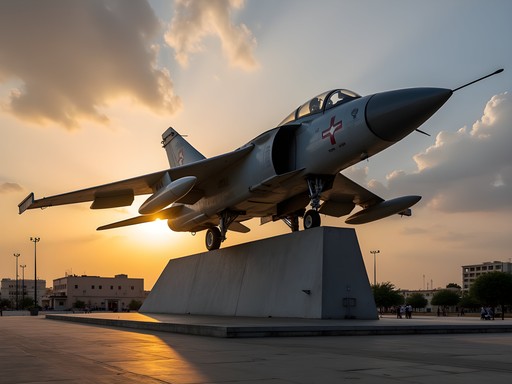
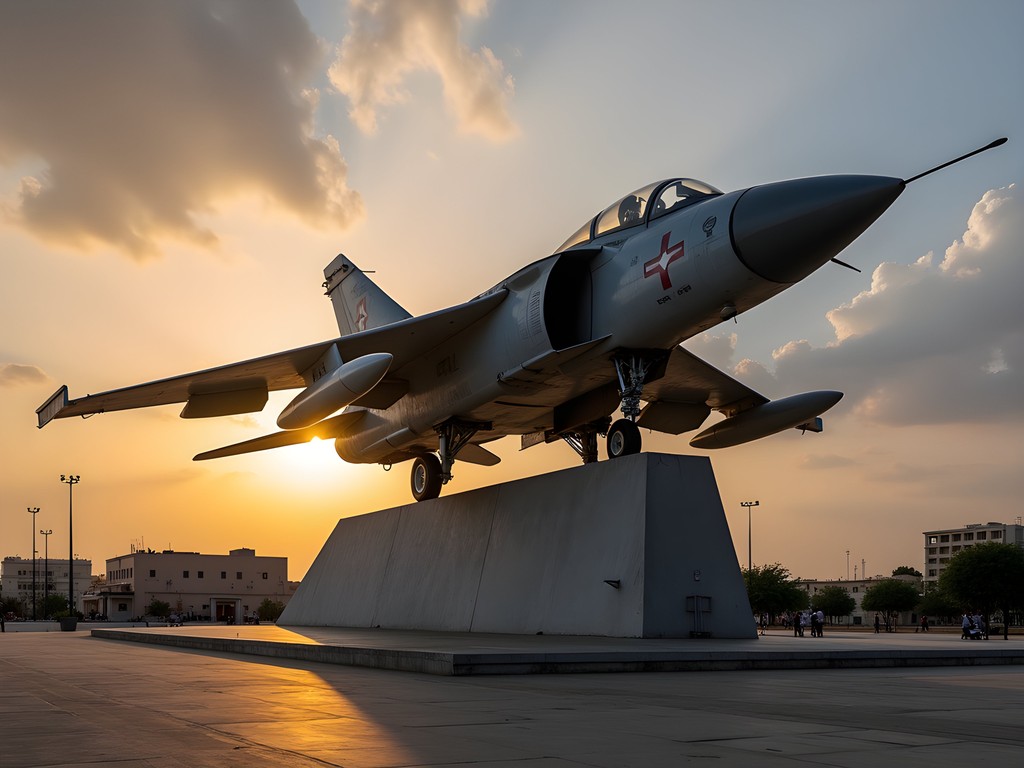
Back in Hargeisa itself, two sites provide essential context for understanding Somaliland's modern identity. The War Memorial in the city center features a MiG fighter jet mounted on a plinth—a sobering reminder of the aircraft used to bomb civilians during the Somali Civil War. Standing beneath this instrument of destruction, now transformed into a monument of resilience, offers powerful perspective on Somaliland's journey to self-declared independence.
Nearby, the Saryan Museum houses a modest but significant collection of artifacts spanning the region's history from prehistoric times through the colonial era and independence struggle. What the museum lacks in high-tech displays it makes up for in authenticity and the passionate knowledge of its caretakers.
Documenting these powerful sites required thoughtful preparation. My waterproof notebook proved invaluable for recording observations and interviews in all conditions, while my portable power bank kept my devices charged through long days of photography and recording.
The museum's collection of traditional nomadic artifacts—including intricately designed portable homes that can be assembled and disassembled for migration—resonated deeply with my interest in how cultural identity persists through displacement, something I've explored in my own Korean-American journey.
💡 Pro Tips
- Visit the War Memorial early or late in the day when the light dramatically highlights the aircraft
- Engage with museum staff who often have personal stories connected to the exhibits
- Consider hiring a local guide who can provide historical context beyond the limited English signage
Preparing for Cultural Immersion in Somaliland
Traveling through Somaliland requires preparation beyond the typical tourist destination. The region operates under strict Islamic customs, and respectful engagement with these practices enhances both safety and cultural experience. Women should plan to dress modestly with long skirts/pants and covered shoulders, while men should avoid shorts in public spaces.
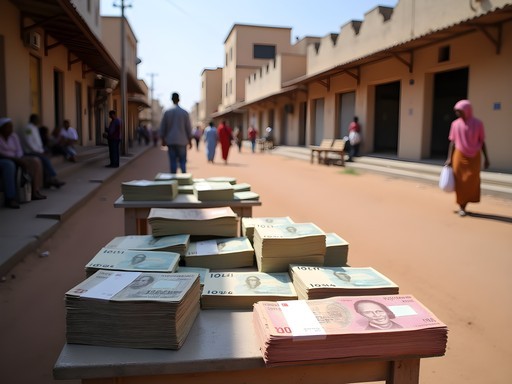
Somaliland uses a combination of US dollars and Somaliland shillings. I found carrying crisp, newer USD bills essential, as torn or older bills are often rejected. For local currency transactions, I used a money belt to securely carry larger amounts of the bulky Somaliland shillings required for everyday purchases.
My satellite communicator provided peace of mind in remote areas where cellular coverage is nonexistent. This compact device allowed me to maintain emergency communication capabilities and share my location with family back home—an essential safety measure when exploring archaeological sites far from population centers.
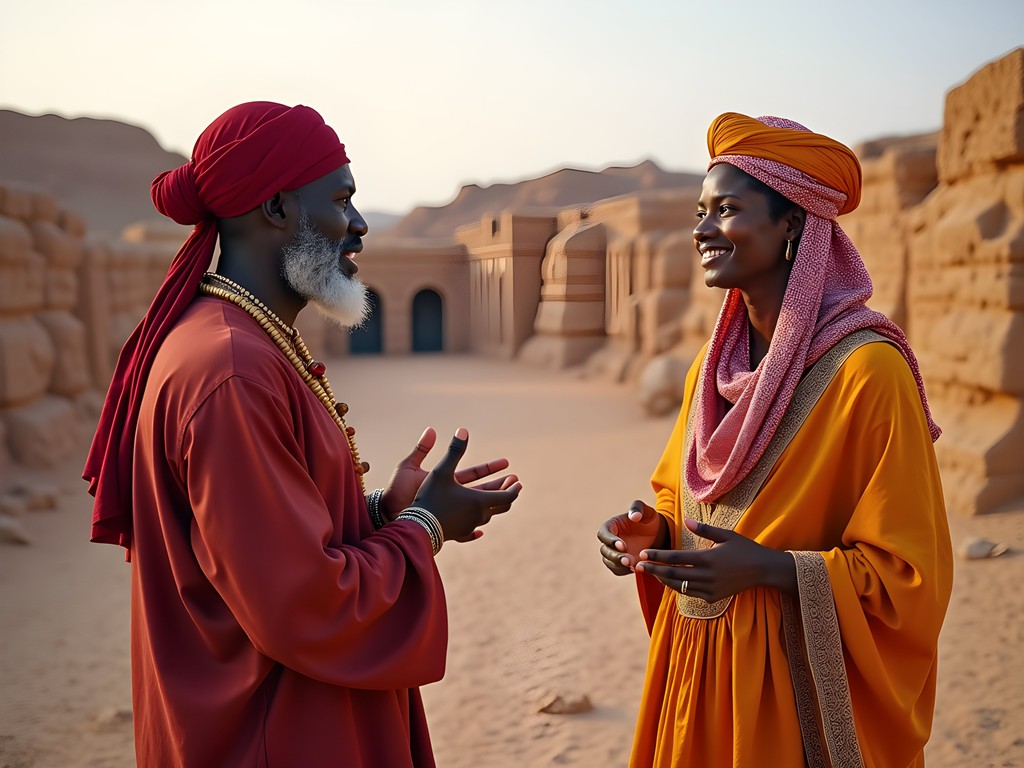
Arranging a reliable driver/guide in advance is non-negotiable. Not only is it required for many sites, but a knowledgeable local guide transforms the experience from simple sightseeing to meaningful cultural exchange. My guide shared personal stories of growing up during the civil war period that provided context impossible to gain from guidebooks alone.
💡 Pro Tips
- Exchange some USD for local shillings upon arrival for small purchases where bargaining is expected
- Download maps and translation apps before arrival as internet connectivity is limited
- Respect prayer times when planning site visits, particularly Friday afternoons
Final Thoughts
As I departed Somaliland after an intensive week of exploration, I carried with me not just photographs of ancient cave paintings and colonial architecture, but a profound appreciation for a place that exists in a peculiar limbo—unrecognized internationally yet functioning with remarkable stability and pride. The historical sites near Hargeisa offer more than archaeological interest; they provide a lens through which to understand resilience, cultural persistence, and the complex interplay of indigenous and colonial influences.
For couples seeking an adventure beyond conventional tourism, Somaliland delivers authentic experiences increasingly rare in our homogenized world. The effort required—securing permits, arranging transportation, adapting to local customs—yields rewards that mass tourism destinations simply cannot match: sites without crowds, genuine cultural exchanges, and the satisfaction of witnessing history relatively untouched by commercial development.
As someone who has spent a lifetime navigating between cultures, I found unexpected resonance in this land that maintains its distinct identity despite external pressures. Perhaps that's the most valuable souvenir from Somaliland—a reminder that cultural heritage endures, even when political recognition does not.
✨ Key Takeaways
- Somaliland's historical sites offer remarkable preservation with minimal tourist infrastructure
- Advance planning including permits and guides is essential but yields authentic experiences
- The combination of ancient rock art and colonial architecture provides a comprehensive view of the region's complex history
- Cultural sensitivity and respect for local customs enhances both safety and meaningful engagement
- Winter visits provide ideal temperatures for exploring both coastal and mountain sites
📋 Practical Information
Best Time to Visit
November through February (winter)
Budget Estimate
$80-120 per day including accommodation, guide, and transportation
Recommended Duration
7-10 days
Difficulty Level
Challenging


Comments
coffeepro
Any recommendations for guides or tour companies? Want to make sure I go with someone reputable who knows the history well.
nomadone
been wanting to visit this region for ages. how long would you recommend spending there? like is a week enough to see the main sites?
Stephen Martin
A week is perfect for the highlights - Laas Geel, Hargeisa city, Berbera coast, and Sheikh. If you want to go deeper into the countryside or visit more remote sites, 10 days would be ideal.
Douglas Bradley
Excellent piece, Stephen. Somaliland really is one of the most underrated destinations for history enthusiasts. What's fascinating is how these sites challenge the typical narratives about African civilizations. The Laas Geel paintings predate many Egyptian dynasties, yet they receive a fraction of the recognition. I was particularly interested in your section about Berbera's Ottoman architecture - that layering of different colonial influences (Ottoman, British) creates such a unique architectural landscape. Did you get a sense of how locals view preservation efforts? When I was researching the region, I read about some concerns regarding funding for archaeological work. The War Memorial in Hargeisa is also incredibly moving - it's rare to see such recent conflict memorialized so openly.
Stephen Martin
Great point about the preservation. Funding is definitely a challenge, but there's genuine local pride in these sites. The government is trying to get UNESCO recognition for Laas Geel which would help enormously. The War Memorial is powerful - they've chosen not to sanitize or hide that painful history.
exploreperson
The photos are stunning! Never even heard of this place before
tripbuddy
how do you even get a visa for this place?
coffeepro
You can get visa on arrival at Hargeisa airport. Super easy, they stamp you in right there. Just bring cash USD for the fee.
tripbuddy
oh nice didnt know that thanks
Savannah Walker
Stephen, this brought back memories! I visited Laas Geel three years ago and it completely changed how I thought about East African history. What struck me most was how vivid those colors still are after millennia. The cows with their distinctive horns, the ceremonial scenes - it's like stepping into a time capsule. I remember our guide explaining how the dry climate helped preserve them. Did you make it to the upper caves too? There's a smaller section most tourists miss that has some fascinating geometric patterns. The whole experience felt like discovering a secret the world has somehow overlooked.
Stephen Martin
Yes! The upper section was amazing. Our guide mentioned they're still finding new panels. The preservation really is remarkable - better than many sites I've seen that get way more attention.
globewanderer
Those cave paintings are incredible!! Adding to my bucket list
winterninja5044
wait is it safe to travel there?? looks amazing but nervous about going
Stephen Martin
I felt very safe throughout my visit! Somaliland is quite different from Somalia - it's been stable and peaceful for years. Locals were incredibly welcoming. Just arrange things through a local guide/agency and you'll be fine.
winterninja5044
ok cool thanks! gonna look into this more
tripninja
This is going straight on my bucket list!
Fatima Sims
Stephen, this brought back so many memories! I visited Laas Geel three years ago and stood in almost the exact same spot you describe. There's something deeply moving about being in the presence of art that's survived millennia. What struck me most was how the ancient artists chose that specific cave - the natural shelter, the way light filters in. I also spent time at the Hargeisa War Memorial and the stories there are heartbreaking but so important. Did you get a chance to meet any of the local historians? I had tea with an elderly man who remembered the city before the war and his stories added so much context to everything I was seeing.
Venture X
Premium card with 2X miles, $300 travel credit, Priority Pass