


Disclosure: This article contains affiliate links. We may earn a commission from purchases at no extra cost to you, which helps our travel content.
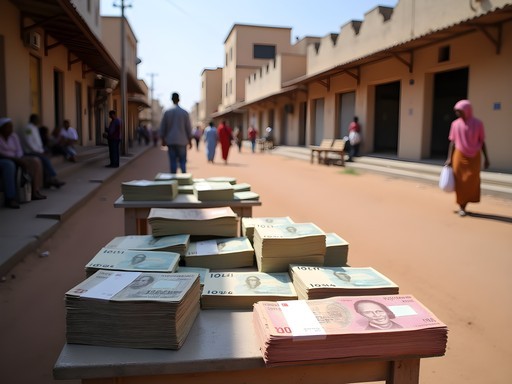
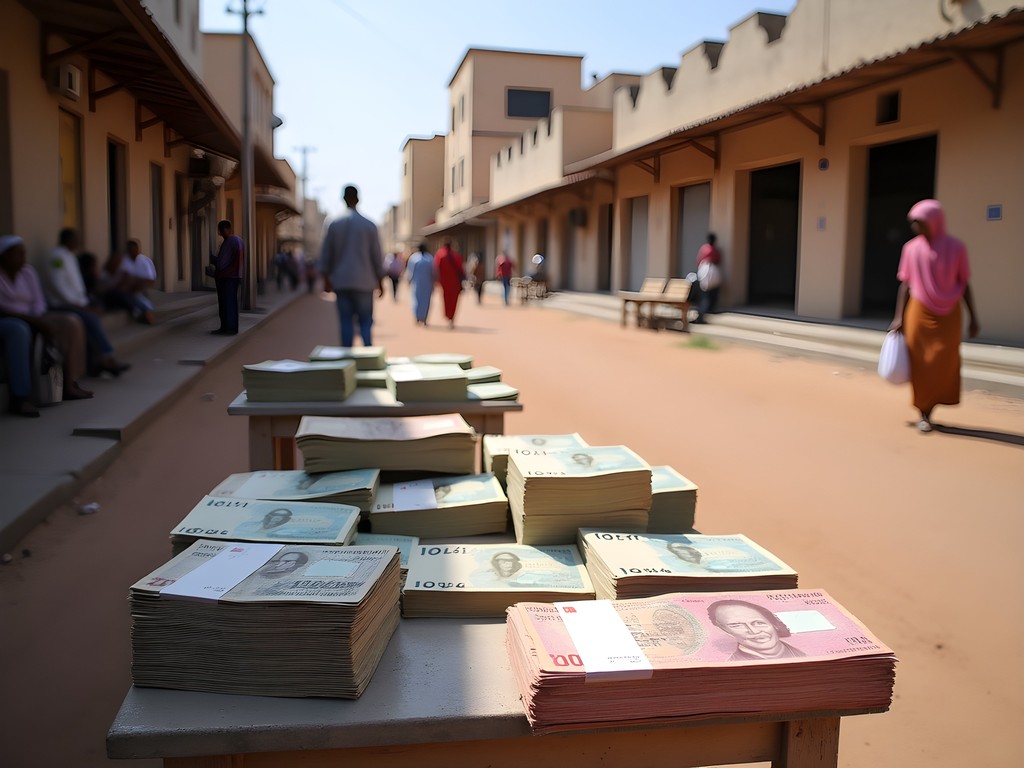
The midday sun beats down on Hargeisa's dusty streets as money changers fan out their Somaliland shilling notes like playing cards on makeshift tables. This is not a scene from your typical business destination, but that's precisely what makes Hargeisa worth the journey. Ten years ago, if you'd told me—a municipal budget analyst from Riverside—that I'd be writing about navigating Somaliland's self-declared independent capital with the same methodical approach I once applied to city budgets, I'd have dismissed the notion entirely. Yet here I am, on my third visit to this resilient phoenix of a city that's risen from civil war ashes to become one of East Africa's most intriguing business frontiers. Somaliland may lack international recognition, but Hargeisa operates with a functional government, its own currency, and a business ecosystem hungry for connection. For the adventurous business traveler willing to navigate beyond the standard circuit, this unrecognized nation offers insights into frontier markets that few destinations can match.
Understanding Somaliland's Unique Position
Before diving into the practicalities of visiting Hargeisa, it's essential to understand what you're stepping into. Somaliland declared independence from Somalia in 1991 following a brutal civil war, yet remains unrecognized by any UN member state—a political limbo that creates both challenges and opportunities.
During my first visit in 2018, I approached Hargeisa with the analytical caution I'd once reserved for municipal budget forecasts. What I discovered was a place operating with remarkable functionality despite its diplomatic isolation. The city maintains its own passport control, currency, and government institutions—all functioning with surprising efficiency.
Somaliland's unique status creates a fascinating case study for anyone interested in emerging markets. The absence of international banking systems means cash is king, and informal value transfer systems like hawala facilitate money movement. I've watched local businesses adapt to these constraints with impressive creativity, developing workarounds that would make any efficiency expert proud.
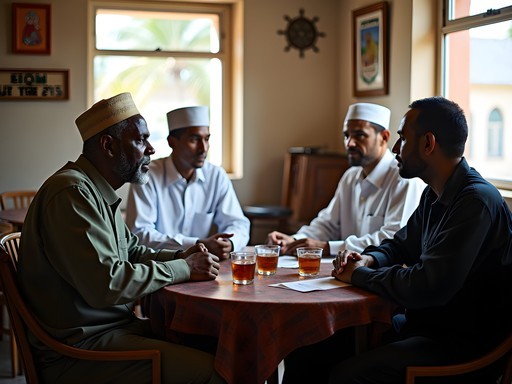
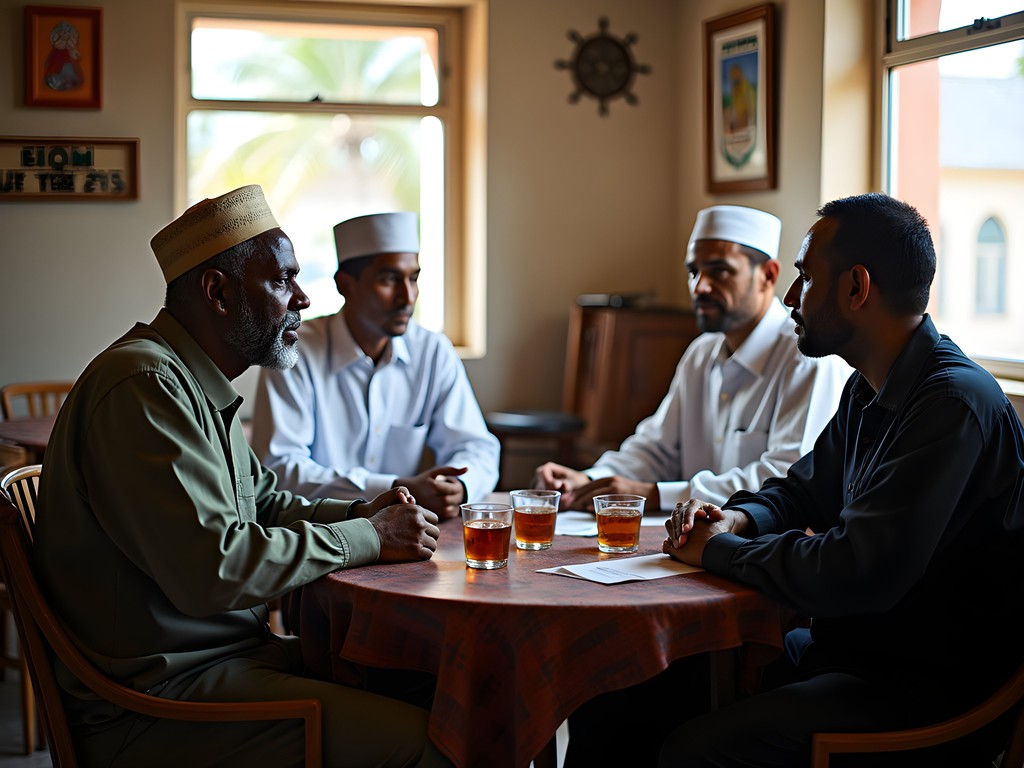
"We don't need recognition to do business," a local entrepreneur told me over shaah bigeys (spiced tea) at a downtown café. "We need partners who see opportunity where others see only risk." This pragmatic resilience permeates Hargeisa's business culture and makes it an educational destination for anyone interested in truly frontier markets.
💡 Pro Tips
- Research Somaliland's political status before visiting to understand the context
- Bring new, crisp USD notes as they're preferred for exchange (no tears or marks)
- Download maps offline as internet connectivity can be unreliable
Practical Preparations & Entry Procedures
Navigating entry to a technically unrecognized country requires preparation that goes beyond the standard pre-travel checklist. My analytical nature served me well here—I approached the visa process with the same methodical attention I once gave to municipal budget reports.
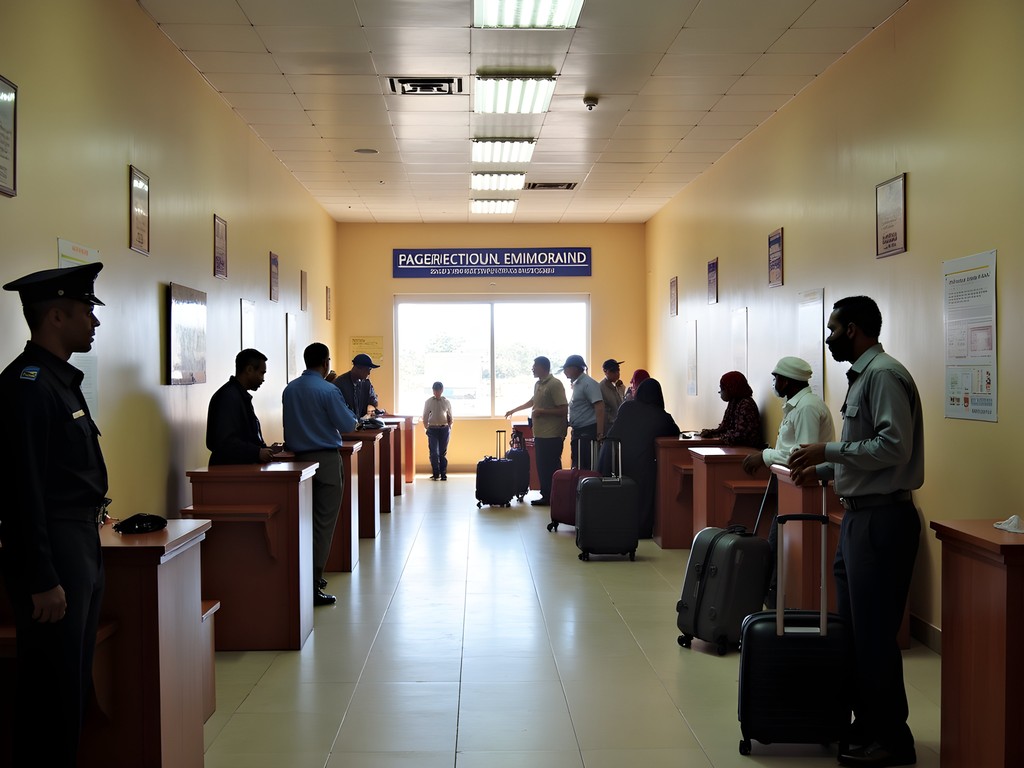
You'll need to obtain a Somaliland visa, which is separate from any Somali visa. This can be arranged through Somaliland diplomatic missions in Addis Ababa, Djibouti, or London, or upon arrival at Hargeisa's Egal International Airport if you've made advance arrangements. During my visits, I've found the process surprisingly straightforward, though the required letter of invitation from a local contact adds an extra step.
For the journey itself, Ethiopian Airlines offers regular flights from Addis Ababa to Hargeisa. I've found my travel vest invaluable during these flights and subsequent border procedures—its multiple secure pockets keep important documents organized and accessible while freeing up my hands for luggage management.
Once on the ground, you'll need local currency (Somaliland shillings) for day-to-day expenses, though USD is widely accepted for larger transactions. Money changers are ubiquitous, but counting enormous stacks of local currency requires patience—the largest denomination is 5,000 shillings (roughly 60 cents USD). I recommend bringing a currency converter app on your phone to navigate these exchanges confidently.
As for accommodations, Hargeisa offers several business-standard hotels in the $40-80/night range. The Oriental Hotel and Ambassador Hotel provide reliable options with generators for the frequent power outages. I've stayed at both and found them to offer reasonable value, though don't expect international chain standards.
💡 Pro Tips
- Arrange a visa invitation letter at least 2 weeks before travel
- Bring multiple copies of your passport and visa documentation
- Book accommodation that includes airport transfers for smoother arrival
Navigating Business Culture & Opportunities
Hargeisa's business landscape operates on principles that might seem archaic to those accustomed to digital transactions and formal banking—yet there's an elegant efficiency to the systems that have evolved here. As someone who spent decades analyzing municipal budgets, I find the economic adaptations fascinating.
Business in Hargeisa runs on relationships and trust networks. Your first priority should be connecting with local partners who can navigate the ecosystem. The Chamber of Commerce (located near the central market) provides a formal starting point, though I've found informal networking at the city's numerous tea shops equally productive.
Mobile money dominates daily transactions through services like Zaad and e-Dahab. Within days of my arrival, I had set up accounts with both—a process that required only my passport and a local SIM card. The speed with which money moves through these systems would put many Western banks to shame.
Key sectors showing promise include livestock export (Somaliland's traditional economic backbone), telecommunications, renewable energy, and construction. The port of Berbera, about 100km from Hargeisa, is undergoing significant expansion and creating ripple opportunities throughout the region.
During meetings, expect a pace that might initially seem frustratingly slow to Western business travelers. Conversations begin with extended pleasantries and personal questions that would seem intrusive in other contexts. This isn't idle chatter—it's relationship building that forms the foundation of all business here.
I keep detailed notes during these meetings using my waterproof notebook, which has proven invaluable in Hargeisa's dusty, sometimes unpredictable environment. The ability to take notes regardless of conditions helps me maintain the analytical approach I developed during my budget analyst days.
💡 Pro Tips
- Set up local mobile money accounts immediately upon arrival
- Bring business cards with your WhatsApp number prominently displayed
- Allow extra time for meetings - rushing is considered rude

Safety Considerations & Cultural Navigation
Contrary to common misconceptions that conflate Somaliland with Somalia proper, Hargeisa maintains a level of safety that surprised me during each visit. The city operates under a security apparatus that's remarkably effective—I've wandered its streets with greater peace of mind than in many recognized capitals.
That said, prudent precautions remain essential. The government requires foreigners to hire armed guards for intercity travel, a regulation I initially found excessive but came to appreciate for its preventative value. Within Hargeisa itself, movement is generally unrestricted during daylight hours, though I recommend arranging transportation through your hotel rather than hailing unknown vehicles.
Cultural sensitivity carries more weight here than in many destinations. Somaliland is a conservative Muslim society where modest dress is expected regardless of gender. For men, this means long pants and sleeved shirts; women travelers should cover hair, arms, and legs. During my visits, I've found my quick-dry travel pants ideal for navigating both the cultural expectations and the warm climate.
Photography requires careful consideration—always ask permission before photographing people or government buildings. I learned this lesson the hard way during my first visit when my camera was temporarily confiscated after I unknowingly photographed a government ministry.
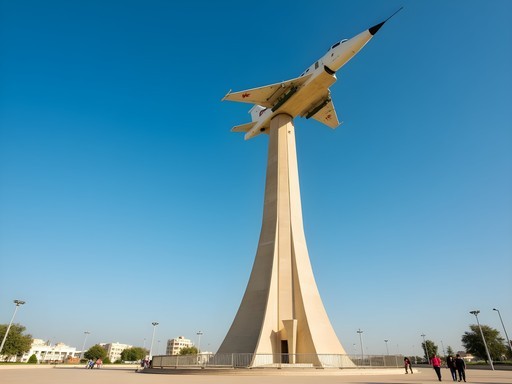
Navigation apps like Maps.me work surprisingly well offline in Hargeisa, though street names are rarely used in practice. Locals navigate by landmarks, making it essential to learn key reference points like the Central Bank, Hargeisa Mall, and the distinctive Independence Monument (featuring a MiG fighter jet mounted on a pedestal—a powerful symbol of the struggle for independence).
Despite language barriers, I've found Hargeisa's residents overwhelmingly hospitable. Basic Somali phrases are appreciated, but English is widely spoken among the business community and younger generation, many of whom have studied abroad or have diaspora connections.

💡 Pro Tips
- Register with your embassy before arrival (though few maintain a presence in Somaliland)
- Arrange a local SIM card immediately for emergency communication
- Learn the locations of major landmarks for navigation rather than relying on street names
Budget Breakdown: The Numbers Behind the Journey
Old habits die hard—once a budget analyst, always a budget analyst. Throughout my Hargeisa stays, I've maintained detailed expense tracking that might seem excessive to some travelers but provides valuable insights for those planning similar journeys.
For a one-week business trip to Hargeisa in winter 2022 (my most recent visit), here's how the numbers broke down:
Accommodation: $350 (7 nights at Ambassador Hotel, mid-range room) Meals: $140 ($20/day average, including business meals) Local Transportation: $105 (primarily hotel car service) Security Escort: $80 (required for one day-trip outside the city) Communications: $15 (local SIM with data package) Miscellaneous: $50 (including tips and small gifts)
Total: $740 (excluding international flights)
This represents a remarkably cost-effective business destination compared to other African capitals. My expense tracker helped me categorize these costs efficiently, something I recommend for anyone needing to report business expenses or simply maintain budget discipline.
Some cost-saving strategies I've developed:
-
Currency exchange: Rates are often better at small exchange bureaus near the livestock market than at hotels, though the difference is marginal.
-
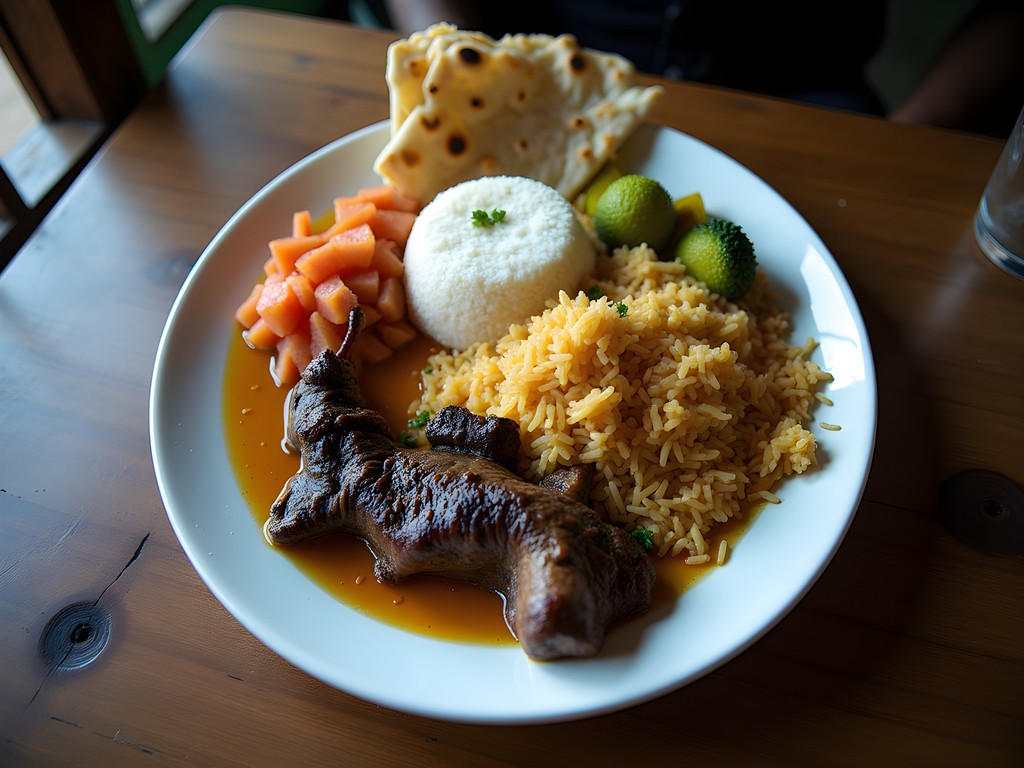
Meals: Local restaurants offer excellent value—a filling lunch of rice, goat meat, and vegetables rarely exceeds $5. The Ambassador Hotel's restaurant serves reliable Western options at slightly higher prices when you need a taste of home.
-
Transportation: Negotiate weekly rates with a single driver rather than paying per trip. This typically saves about 30% and provides the security of a consistent contact.
-
Communications: Local SIM cards with data are inexpensive and essential—expect to pay about $10 for a week of reasonable data usage.
As always, I maintain a cash reserve of $200 in small USD denominations for emergencies. ATMs are non-existent, and credit cards are rarely accepted outside major hotels.
💡 Pro Tips
- Keep a daily expense log - prices can fluctuate based on perceived wealth
- Negotiate multi-day rates for drivers and guides upfront
- Set aside a contingency fund of at least $200 in cash
Final Thoughts
As my week in Hargeisa draws to a close, I find myself reflecting on how this unrecognized capital continues to defy expectations. Like a ship navigating without official charts, Hargeisa has plotted its own course through the complex waters of international politics and regional instability. For the business traveler willing to venture beyond conventional destinations, Somaliland offers insights that can't be gained elsewhere—a masterclass in resilience, informal economics, and relationship-based commerce. Whether you're exploring frontier market opportunities or simply seeking to understand a unique corner of East Africa, Hargeisa rewards those who approach it with respect, patience, and analytical curiosity. The journey requires more preparation than typical business destinations, but the perspectives gained are invaluable. As they say in Somali, "Safar wanaagsan" — may your journey be good.
✨ Key Takeaways
- Hargeisa offers a safe window into truly frontier markets despite lack of international recognition
- Cash economy and mobile money dominate - prepare accordingly with USD and local SIM
- Business moves at a relationship pace - allow extra time for trust-building
- Budget-friendly destination with most expenses significantly lower than other African business hubs
📋 Practical Information
Best Time to Visit
November-February (cooler, dry season)
Budget Estimate
$100-150 per day including accommodation
Recommended Duration
5-7 days
Difficulty Level
Challenging
Comments
mountainpro3920
Thanks for sharing this! Really inspiring
islandfan1464
Is it easy to find accommodation? Do I need to book ahead or can I just show up?
Haley Hamilton
There are several decent hotels in the city center. I'd recommend booking at least your first night ahead just to have peace of mind, but after that you can definitely shop around in person
coolhero
Love the photos!
Nicole Russell
THIS is the kind of content we need more of! I'm so tired of the same old destinations. Hargeisa has been on my radar for a while and your practical approach here is perfect. The section on understanding Somaliland's political situation is crucial - people really need to know this isn't Somalia and the security situation is completely different. I'm definitely going to reference this when I finally make it there. Quick tip for anyone planning - download maps offline because internet can be spotty outside hotels!
mountainbackpacker
Quick question - did you arrange the visa on arrival or get it beforehand? The info online is confusing
globerider
You can do it on arrival at Hargeisa airport. Bring cash USD and a passport photo. Takes like 20 minutes
Haley Hamilton
John, this brings back so many memories! I visited Hargeisa back in 2022 and your description of those dusty streets with money changers is exactly the sensory overload I remember. One thing I'd add for readers - the tea culture there is something special. I spent hours in small tea shops just watching daily life unfold. The conversations I had over cups of sweet shaah were some of the most genuine interactions I've had anywhere. Also, for women travelers wondering about safety - I felt completely comfortable walking around during the day, though I always dressed conservatively and respected local customs.
Nicole Russell
This is so helpful Haley! I'm planning to go solo next year and was worried about being a woman traveling alone there
luckychamp
Great post! Adding this to my list
globerider
YES! Finally someone writing about Hargeisa! I was there in 2024 and honestly it was one of my most memorable trips. The money changers you mentioned are legit - I used them the whole time and never had issues. The business culture section is spot on too. People are incredibly welcoming once you show genuine respect. Also that livestock market is absolutely wild, definitely don't miss it if you go!
mountainpro3920
How long did you stay? Trying to figure out if a week is enough
globerider
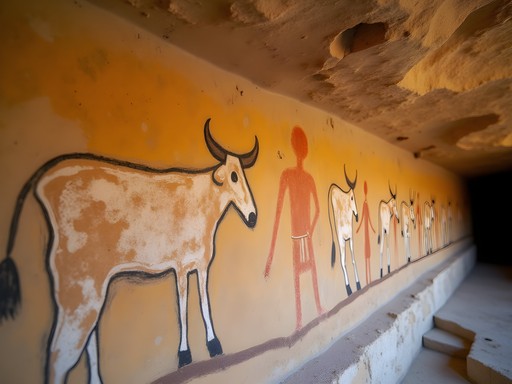
I did 5 days and it felt about right. You could do more if you want day trips to Berbera or the rock art sites
Jean Wells
John, excellent piece on Hargeisa's business culture. I found the tea-before-business ritual absolutely essential during my research trip last year. What struck me most was the generational divide you touched on - younger entrepreneurs educated abroad bringing different expectations while still respecting traditional protocols. One thing I'd add for readers: the currency situation requires real attention. The Somaliland shilling fluctuates significantly, and most substantial transactions happen in USD. I kept my money belt handy since you'll be carrying mixed currencies. The street money changers are legitimate but always count twice. Did you visit the livestock market? That's where Hargeisa's economic heartbeat really shows itself.
backpackclimber
This looks fascinating! How hard is it to get the visa?
Jean Wells
The visa on arrival process is surprisingly straightforward compared to many African destinations. You'll need to arrange an invitation letter beforehand (most hotels can facilitate this), and the actual visa is issued at Egal Airport. I'd recommend having your accommodation confirmation and return flight details printed out. The immigration officers were professional and efficient when I passed through in 2024.
backpackclimber
Thanks! Super helpful
Venture X
Premium card with 2X miles, $300 travel credit, Priority Pass