
Disclosure: This article contains affiliate links. We may earn a commission from purchases at no extra cost to you, which helps our travel content.
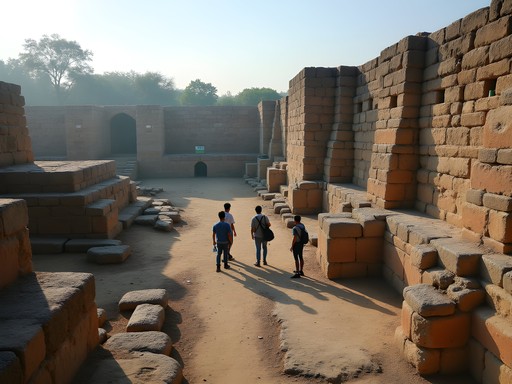
The juxtaposition couldn't be more striking—ancient stone temples standing defiantly amid gleaming glass skyscrapers, traditional flower markets flourishing just blocks from startup incubators. Bangalore (or Bengaluru, as the locals call it) embodies India's remarkable ability to embrace technological revolution while honoring its cultural foundations. As someone who straddles the worlds of academia and digital nomadism, I found this city's duality particularly resonant. Join me as we navigate Bangalore's historical landmarks on a student-friendly budget during the ideal winter season, where every corner reveals the fascinating dialogue between past and future.

Bangalore Palace: Where Royal History Meets Modern Education
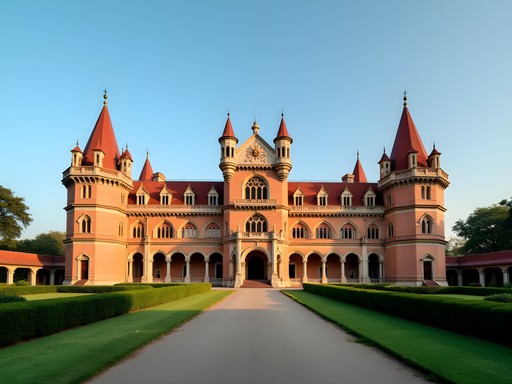
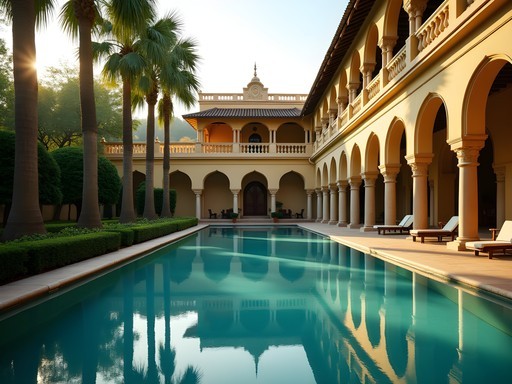
The moment I stepped onto the grounds of Bangalore Palace, I felt transported to another era—albeit one with surprisingly good Wi-Fi. Built in 1887, this Tudor-revival masterpiece was inspired by England's Windsor Castle, yet remains distinctly Indian in its execution.
As an academic who appreciates both historical preservation and functional learning spaces, I was fascinated by how the palace has been repurposed. The audio guide (₹250 for foreigners) offers an excellent historical overview, though I'd recommend the student discount option and bringing your own headphones—the provided ones have seen better decades.
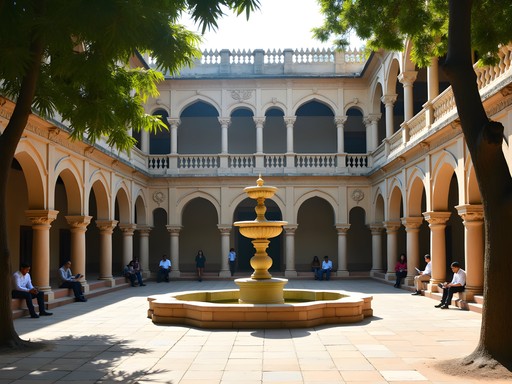
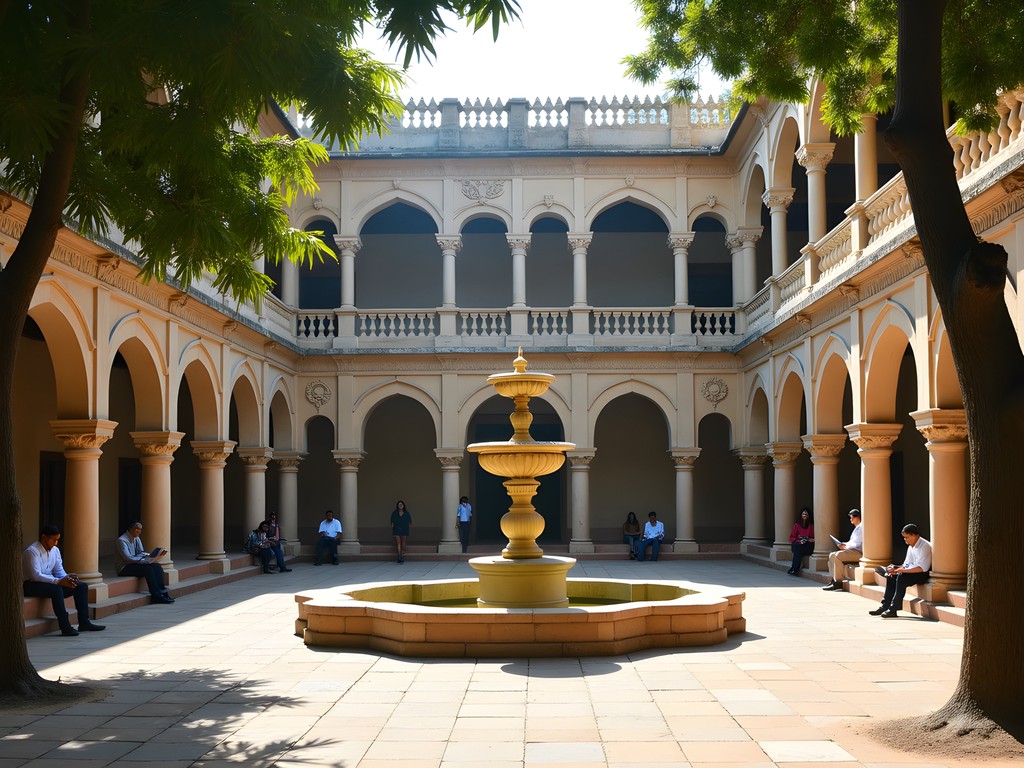
What truly captivated me was the palace's central courtyard, where I spent an afternoon grading papers while surrounded by intricate carvings and turrets. The open-air seating area near the palace café proved perfect for remote work, though you'll want a reliable portable Wi-Fi hotspot as the public network can be spotty.
Don't miss the royal family's extensive collection of nude paintings (yes, really!)—a surprising find that sparked fascinating discussions with local art students who were sketching in the gallery that day.
💡 Pro Tips
- Visit early morning (opens at 10am) to avoid both crowds and midday heat
- The student ID discount is substantial—about 50% off regular admission
- The palace gardens offer excellent natural lighting for video calls or remote work sessions
Tipu Sultan's Summer Palace: Botanical Wonder in a Historical Setting
As someone who seeks out botanical wonders wherever I travel, Tipu Sultan's Summer Palace was an unexpected treasure. This Indo-Islamic architectural gem dates to 1791 and served as the summer residence for the 'Tiger of Mysore'—a ruler known for his resistance against British colonialism.
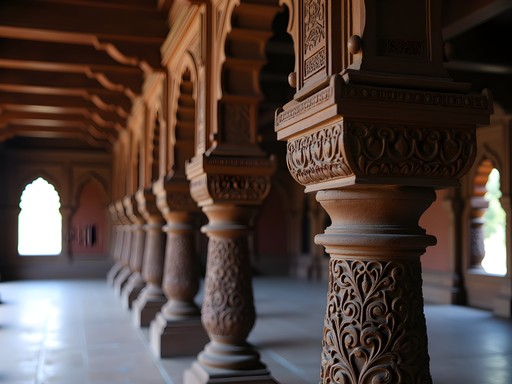
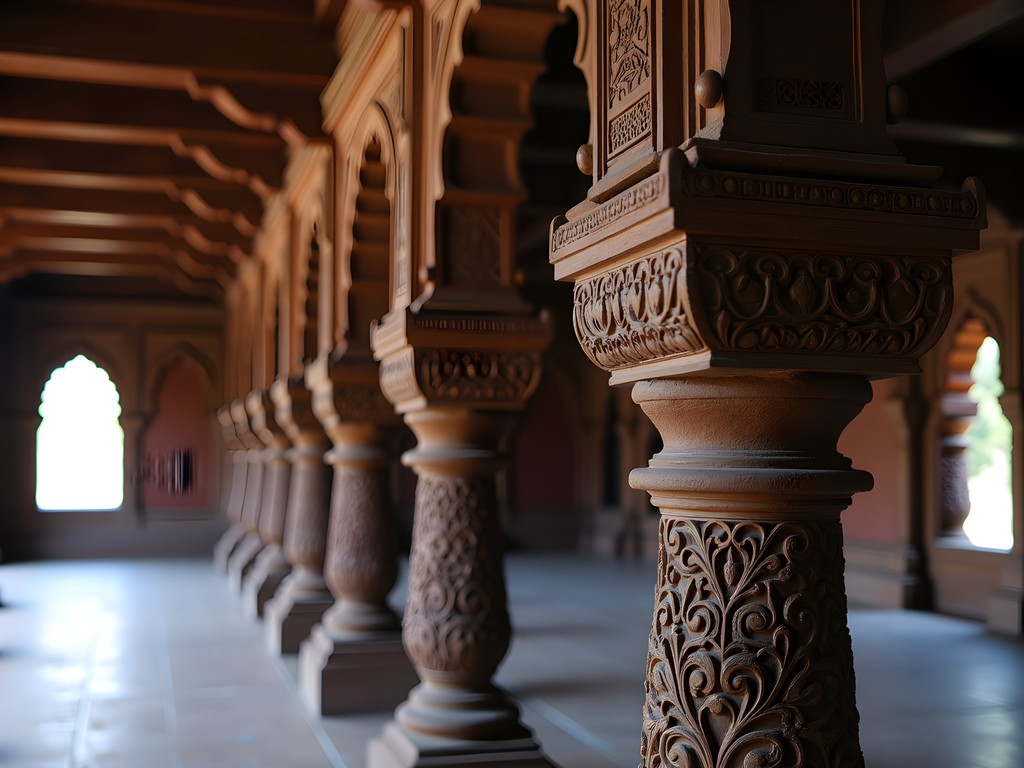
The palace itself is a masterclass in sustainable climate control. Built entirely of teak wood with intricate floral motifs, it maintains a remarkably cool temperature even during warm days. I spent hours examining how the architectural design creates natural ventilation—something my environmental engineering students would appreciate as a case study in pre-industrial climate solutions.
The surrounding gardens feature native plant species that have adapted to Bangalore's unique climate. I documented several specimens with my plant identification app, which works offline—essential since reception inside the thick palace walls is limited.
What truly elevated my experience was bringing my foldable botanical journal. The acid-free paper was perfect for pressing small leaf samples (with permission from the groundskeeper, of course) and sketching architectural details that incorporated botanical elements.
💡 Pro Tips
- Visit during the 11am-1pm window when sunlight streams through the eastern windows, illuminating the intricate wooden carvings
- The small museum inside contextualizes Tipu Sultan's technological innovations—he created early rocket artillery!
- Bring water and snacks as options are limited nearby (though there's a lovely chai stall about 100 meters from the entrance)
Lalbagh Botanical Garden: A Living Laboratory in the City Center
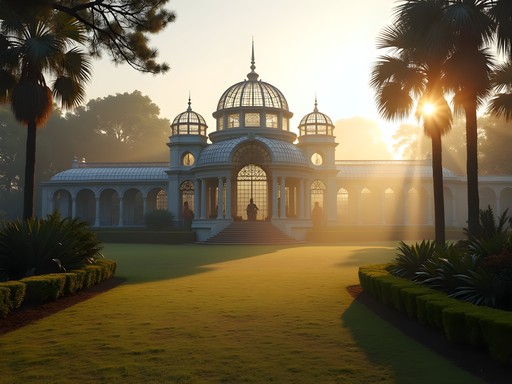
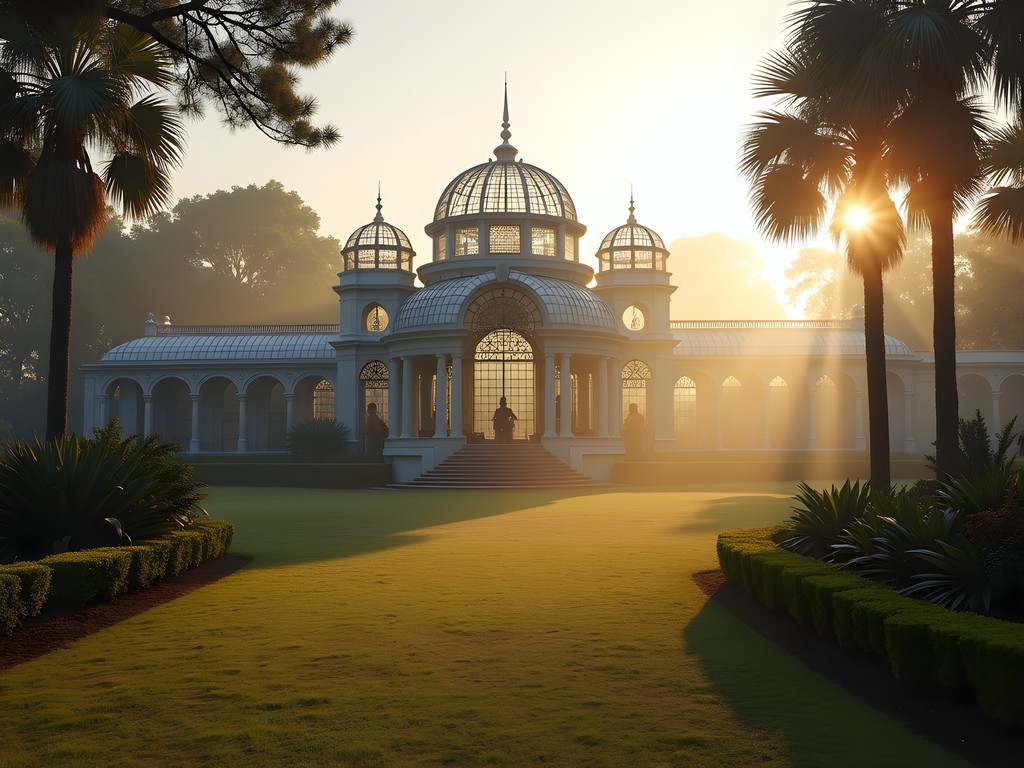
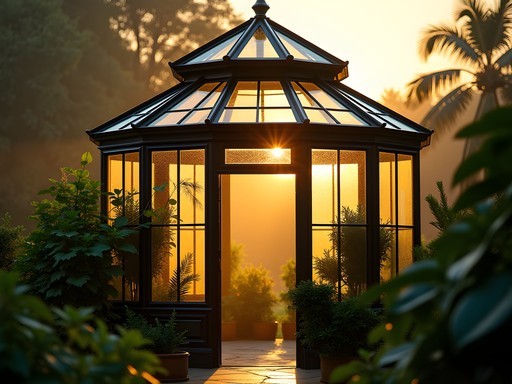
While not strictly a historical monument, Lalbagh Botanical Garden deserves inclusion for its significant historical impact on Bangalore's development and its status as one of India's oldest scientific institutions. Established in 1760 by Hyder Ali and later expanded by Tipu Sultan, this 240-acre garden houses India's first lawn clock and a stunning glass house modeled after London's Crystal Palace.
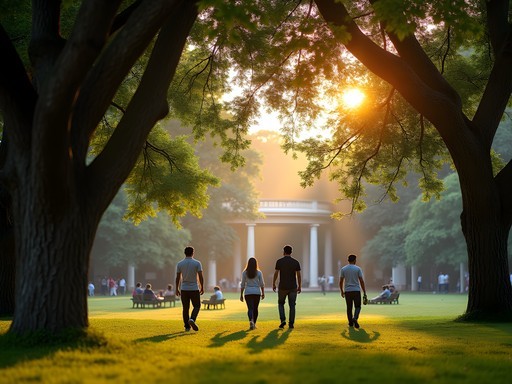
As someone who researches digital learning environments, I was particularly interested in how Lalbagh serves as both recreational space and living classroom. I arrived at 6am (entrance free until 8am) armed with my insulated water bottle filled with cold brew coffee—essential for early morning exploration—and joined locals for their morning exercise routines around the lake.
The historical Kempegowda Tower, built by Bangalore's founder, offers spectacular views and context for understanding the city's growth patterns. I spent an entire morning there with my pocket microscope examining leaf structures from the garden's rare plant collection, which includes species from colonial-era botanical exchanges.
What makes Lalbagh particularly special for students is the intersection of colonial history, botanical science, and contemporary environmental conservation. The garden's librarian allowed me access to their collection of botanical manuscripts dating back to the 18th century—a researcher's dream!
💡 Pro Tips
- Visit during the bi-annual flower show (Republic Day and Independence Day) to see the glass house transformed with elaborate floral displays
- The tree-labeling system includes QR codes linking to detailed botanical information—perfect for self-guided learning
- Pack a picnic breakfast and find a spot near the lake for morning reflection or reading

Bull Temple & Silicon Valley Convergence: Ancient Rituals Meet Modern Innovation
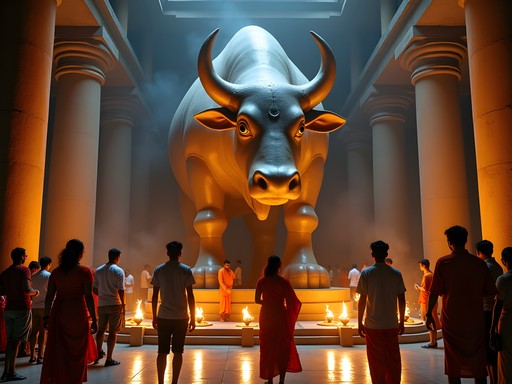
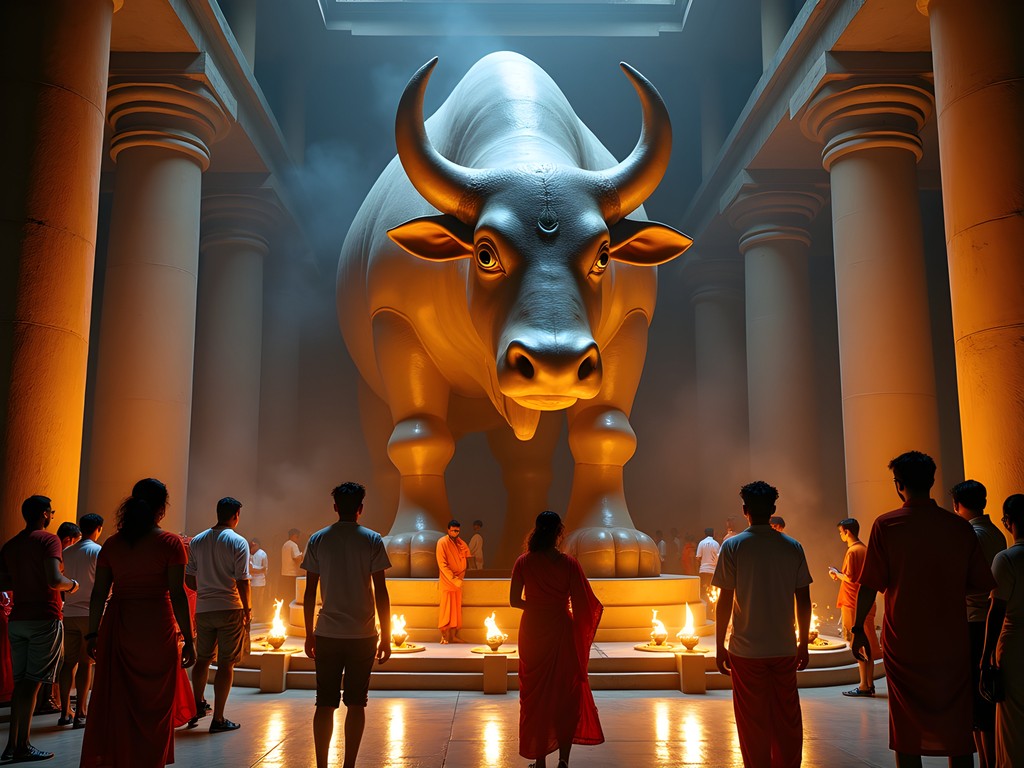
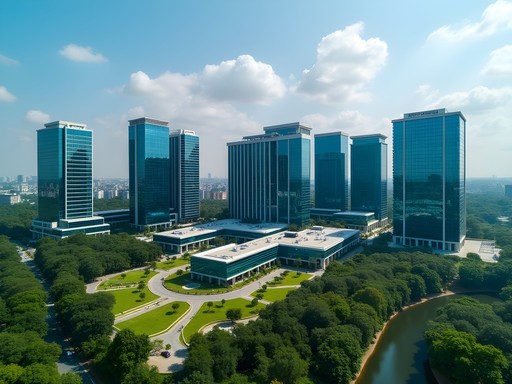
Perhaps nowhere is Bangalore's dual identity more apparent than in the Basavanagudi area, home to the 16th-century Bull Temple (Nandi Temple) and, just a short walk away, several major tech campuses. This monolithic bull statue, carved from a single granite boulder, stands 4.5 meters tall and 6 meters long—a testament to Dravidian sculptural mastery.
What fascinated me was observing how tech workers in corporate attire would stop by the temple during lunch breaks, seamlessly transitioning between writing code and performing traditional pujas (prayer rituals). As someone who studies the integration of traditional and modern knowledge systems, this organic cultural fluidity was remarkable.
I visited during the annual Kadalekai Parishe (groundnut/peanut fair), when farmers offer their first harvest to the bull deity. The temple grounds transformed into a vibrant marketplace selling local agricultural products alongside USB drives shaped like Nandi the bull—a perfect embodiment of Bangalore's blend of agrarian tradition and digital innovation.
To fully appreciate the temple's historical context, I used the audio guide app which offers excellent narration about the temple's mythology and architectural significance. The app works offline after downloading the tour, which proved invaluable in areas with spotty reception.
After exploring the temple, I wandered to nearby Bugle Rock Park, where ancient rock formations provide quiet study spots with excellent views. I met several computer science students from local universities who regularly come here to debug code while surrounded by formations dating back billions of years—perhaps the ultimate example of ancient meets tech!
💡 Pro Tips
- Visit on Monday evenings when special rituals are performed with fewer tourists
- Combine your visit with nearby Food Street for authentic South Indian cuisine at student-friendly prices
- Respectful dress is required (shoulders and knees covered); bring a lightweight travel sarong that doubles as a cover-up
Bangalore Fort & Tipu Sultan Museum: Academic Treasure Troves
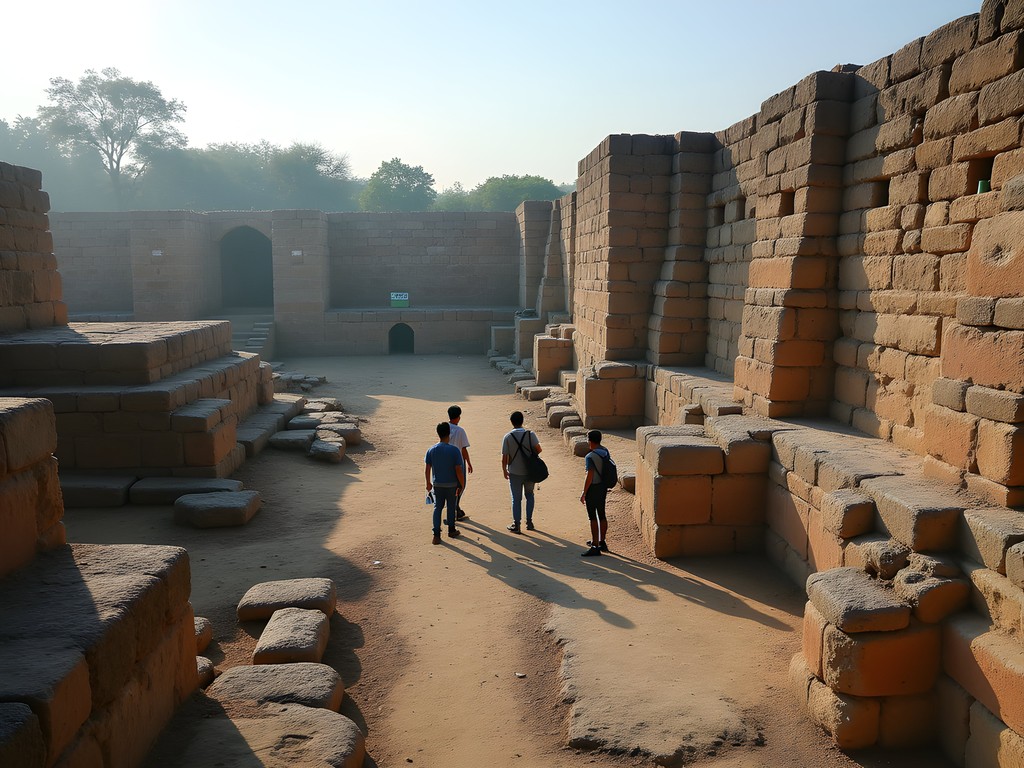
While only fragments remain of the original Bangalore Fort, built in 1537 by Kempe Gowda I, these remnants offer profound insights into the region's military history. The Delhi Gate and remnants of the fort walls have witnessed centuries of power struggles, from the Marathas to Hyder Ali, Tipu Sultan, and finally the British.
As an academic who values primary sources, I was thrilled to discover the Tipu Sultan Museum housed within the fort complex. Tipu's reputation as the 'Tiger of Mysore' comes alive through artifacts including his tiger-themed weapons, coins, and clothing. Most impressive is his 'Tipu's Tiger'—a mechanical organ depicting a tiger mauling a British soldier (though the original is now in London's Victoria and Albert Museum, a replica exists here).
I spent hours examining Tipu's library collection, which included advanced works on mathematics, astronomy, and military science—evidence of his reputation as a learned ruler and innovator. For students of colonial history, the museum contextualizes how technological and scientific exchange occurred even within adversarial relationships.
To document the intricate details of manuscripts and artifacts, I relied on my portable document scanner which allowed me to create high-resolution images of public information displays without using flash photography (which is prohibited). This has been invaluable for creating reference materials for my students back home.
The fort area is also home to several small government-run handicraft shops where I found authentic Karnataka textiles and art at fixed (non-negotiable but fair) prices. My favorite purchase was a handmade journal with paper created using traditional methods—now my dedicated Bangalore research notebook.
💡 Pro Tips
- Visit the fort first thing in the morning when the light is ideal for examining the architectural details
- Combine with a visit to nearby K.R. Market for an immersive local experience afterward
- The museum's documentation is primarily in English but hiring a guide (₹200-300) provides valuable contextual information not found on placards
Final Thoughts
As my week in Bangalore drew to a close, I found myself reflecting on how this city has masterfully preserved its historical identity while embracing its role as India's innovation hub. For students and young professionals, Bangalore offers a unique opportunity to witness the continuity of human ingenuity across centuries—from ancient temple architecture to cutting-edge software development.
What makes Bangalore's historical landmarks particularly valuable is their living nature—these aren't static museums but dynamic spaces where tradition and modernity engage in constant dialogue. As someone who has dedicated my career to bridging traditional academic structures with digital innovation, I found profound inspiration in how Bangalore has navigated similar transitions on a city-wide scale.
I encourage you to experience this remarkable city during winter, when moderate temperatures make exploration comfortable and student discounts abound. Whether you're researching architectural history, botanical sciences, or simply seeking to understand how societies balance preservation and progress, Bangalore's historical landmarks offer invaluable lessons that extend far beyond conventional tourism. As Tipu Sultan might have observed if he could see his kingdom today: innovation doesn't require abandoning our foundations—it builds upon them.
✨ Key Takeaways
- Bangalore's historical sites offer excellent student discounts and academic research opportunities
- Winter provides the ideal climate for exploring outdoor monuments and gardens
- The juxtaposition of ancient sites and tech hubs creates unique learning environments
- Many historical sites have adapted to accommodate digital nomads and remote workers
- Local guides often provide crucial context missing from official documentation
📋 Practical Information
Best Time to Visit
November to February (winter)
Budget Estimate
₹15,000-20,000 ($180-240) for one week including accommodation, food, and entrance fees
Recommended Duration
5-7 days
Difficulty Level
Intermediate
Comments
luckyking
Just got back from Bangalore! Bull Temple was way more impressive than I expected. Loved seeing tech workers stopping by for quick prayers before heading back to their offices.
dreamking
Did you try any street food near the temples? I've heard there are some amazing vendors around there.
luckyking
Yes! Don't miss the masala dosa stands near Bull Temple. Cheap and absolutely delicious!
adventuremaster
Really cool photos!
Gregory Boyd
Excellent write-up, Ella. I spent three weeks in Bangalore last year doing exactly this - exploring the historical core while staying in the Koramangala tech district. What struck me most was how the city's identity crisis (if you can call it that) is actually its greatest strength. The juxtaposition you mention isn't just visual - it's cultural, culinary, linguistic. I'd add Basavanagudi area to your list for anyone interested in old Bangalore architecture. The Pete area (old city) also has incredible 16th-century structures that most visitors miss. Did you make it to any of the heritage walks? The Bangalore Walks company runs some fantastic Saturday morning tours.
Ella Williams
I didn't do the heritage walks but now I'm kicking myself! Adding that to my list for next time. Basavanagudi was lovely - you're right that it deserves more attention.
luckyace
Tipu Sultan's palace is SO underrated! The teak pillars are incredible and barely anyone talks about it. Great post!
explorebuddy
Can you visit the tech campuses too or just the historical stuff?
Stephanie Romano
We visited Bangalore with our two kids (ages 8 and 11) last year and had such a wonderful time! The Bull Temple was definitely a highlight - our youngest was fascinated by the legend of the growing bull statue. Lalbagh was perfect for a family picnic, and the kids loved spotting different bird species. One tip: we hired a local guide through our hotel for the day who was amazing at keeping the kids engaged with stories about Tipu Sultan. Made all the difference! The blend of old and new really does make this city special for families.
exploremood
This is so helpful! Planning my first trip to India and wasn't sure if Bangalore was family friendly. Thanks!
traveltime
is the traffic really as bad as everyone says? trying to figure out how to get around between these spots
luckyace
Use the metro! It's gotten way better in the last couple years and connects most major spots now
Gregory Boyd
The traffic is challenging during peak hours (8-10am, 5-8pm), but honestly manageable if you plan around it. I found the metro + auto-rickshaws combo worked brilliantly. Download the Namma Metro app for real-time updates.
blueperson
Love this!! Been wanting to visit Bangalore forever
adventuremaster
How long did you spend at Bangalore Palace? Worth the entrance fee?
Ella Williams
I spent about 2 hours there and absolutely worth it! The audio guide is included and really brings the history to life.
dreamguy
Great post! How's the public transportation situation for getting between these historical sites?
Ella Williams
The metro is excellent for some routes, but doesn't cover all historical sites yet. I used a mix of metro and ride-sharing apps. Auto-rickshaws are fun for shorter distances too!
Venture X
Premium card with 2X miles, $300 travel credit, Priority Pass