Disclosure: This article contains affiliate links. We may earn a commission from purchases at no extra cost to you, which helps our travel content.
Twenty years of covering cricket matches across the subcontinent taught me one thing: India's true complexity reveals itself in the spaces between the headlines. Nowhere is this more evident than in Bangalore (or Bengaluru, as it's officially known), where ancient temple bells chime in harmony with startup pitch meetings. As someone with Keralite heritage who's spent decades navigating the cultural nuances of both Western and Indian professional environments, I've watched Bangalore transform from the Garden City into India's answer to Silicon Valley. Yet beneath its tech veneer lies a deeply traditional core that Western executives must understand to truly succeed. This guide isn't just about where to stay or which business parks to visit – it's about decoding the cultural context that shapes every business interaction in this fascinating metropolis where innovation and tradition coexist in a delicate dance.

Understanding Bangalore's Business Landscape
Bangalore's evolution from pensioners' paradise to global tech powerhouse represents one of the most remarkable urban transformations I've witnessed in my travels. The city now hosts over 12,000 startups alongside offices for nearly every major tech corporation – from Google and Amazon to Microsoft and IBM.
What makes Bangalore unique isn't just its concentration of technical talent (though with 40% of India's IT professionals calling it home, that's significant). Rather, it's the city's ecosystem approach to innovation. Unlike the competitive atmosphere of Silicon Valley, Bangalore operates more like a cricket team where collaboration often trumps competition.
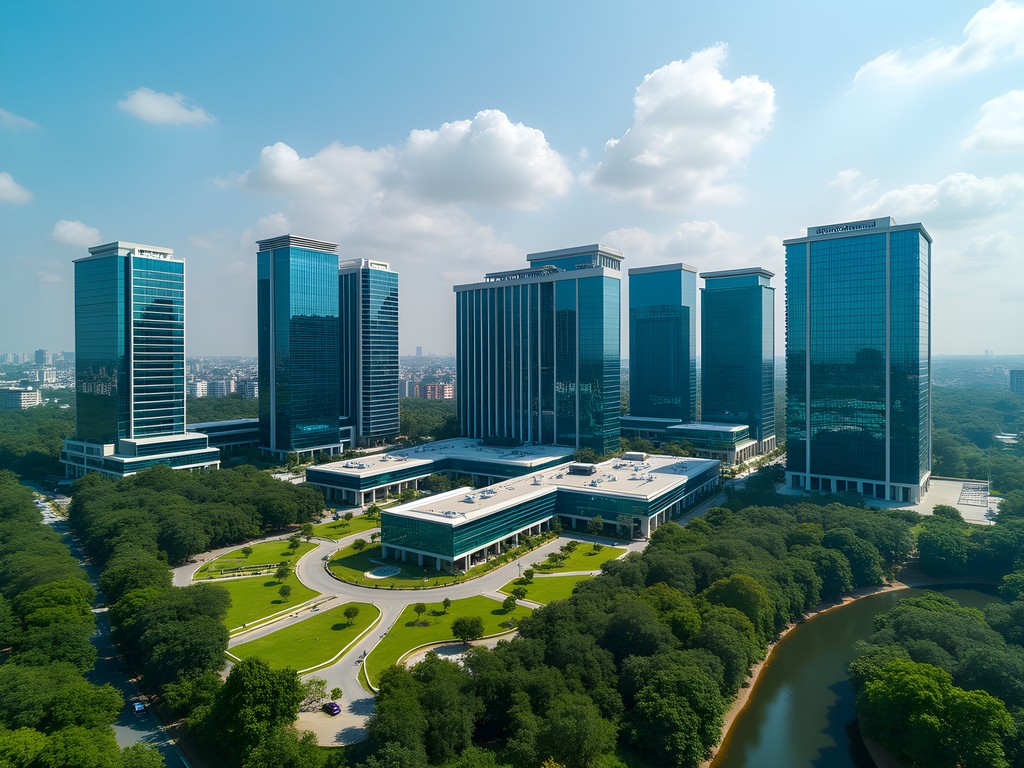
During my most recent visit covering a tech conference at the International Tech Park Bangalore (ITPB), I was struck by how freely information flowed between supposed competitors. "We're building India's future together," explained one startup founder, a sentiment I've rarely encountered in Western business hubs.
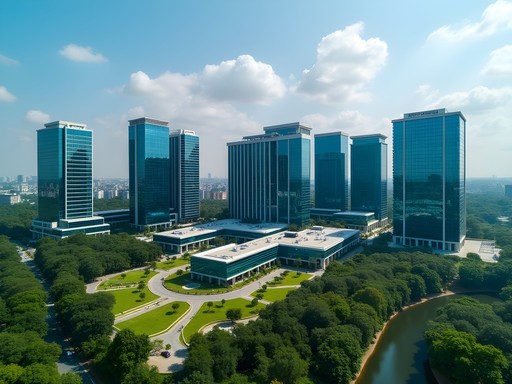
The city divides into distinct business districts, each with its own character. Electronic City in the southeast houses established tech giants in sprawling campuses. Whitefield, once a quiet Anglo-Indian settlement, now buzzes with multinational corporations and luxury hotels. The central business district around MG Road blends colonial architecture with modern office towers. Most recently, the northern corridor toward the airport has emerged as the frontier for new developments.
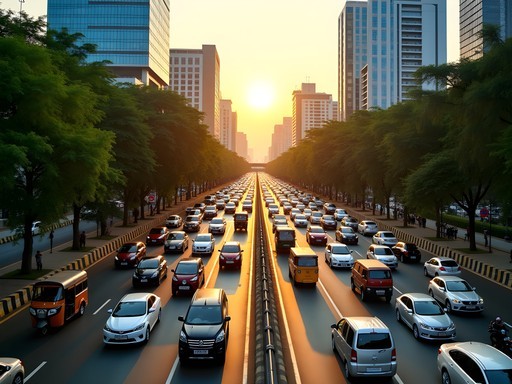
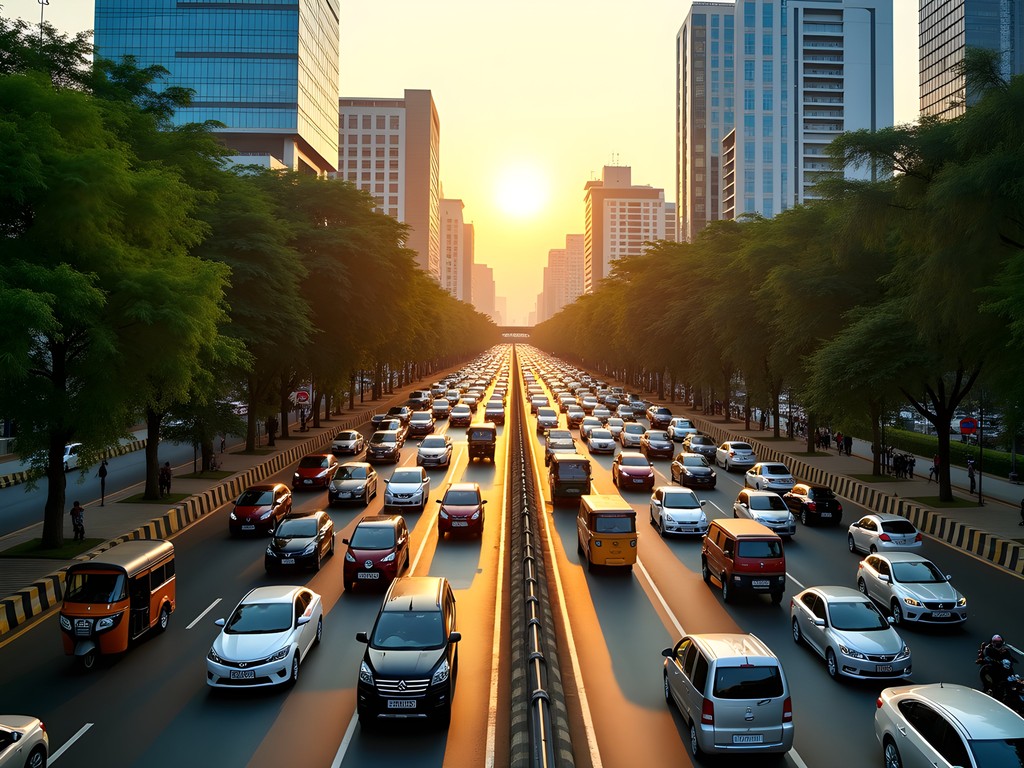
Navigating between these hubs requires planning – Bangalore's traffic is legendary for its unpredictability. I've found that successful executives here don't measure distance in kilometers but in minutes and hours, with meetings often scheduled with generous time buffers.
💡 Pro Tips
- Schedule no more than 2-3 meetings per day due to unpredictable traffic conditions
- Research which tech cluster your contacts are based in before planning your itinerary
- Consider hiring a car and driver rather than relying on ride-hailing services for important meetings
Cultural Intelligence: The Executive's Secret Weapon
In my two decades traversing the cricket grounds and business centers of the subcontinent, I've learned that success in India isn't about what you know, but how you connect. Bangalore may be India's most cosmopolitan tech hub, but business here still operates on foundations of relationship and respect that predate Silicon Valley by millennia.
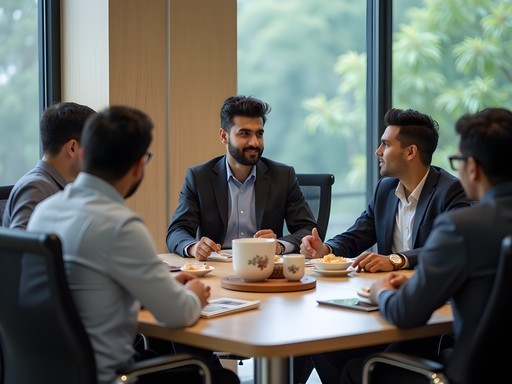
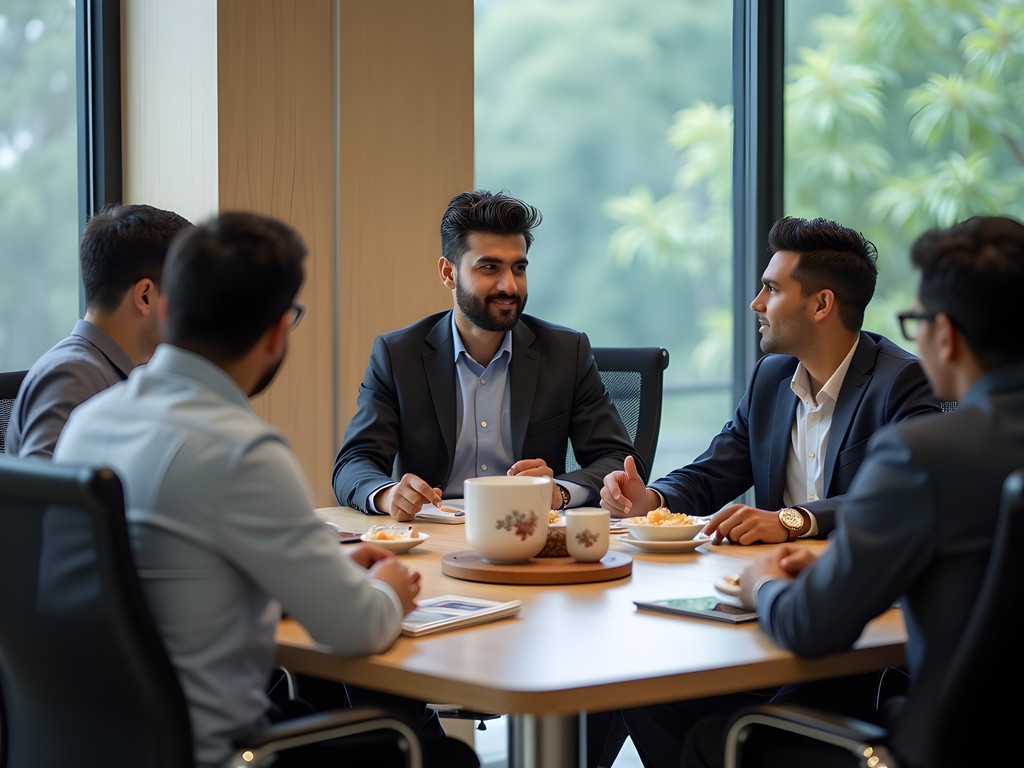
Hierarchy matters immensely in Indian business culture. During a recent meeting with a prominent software development firm, I watched as a visiting American executive created unintentional friction by directly addressing junior team members before the company director had spoken. What seemed democratic to the American read as disrespectful to the Indian leadership.
Time operates differently here too. What New Zealanders or Americans might consider a firm deadline often functions more as an aspirational target in Bangalore. This isn't about inefficiency – it reflects a more holistic approach to time management where relationship maintenance takes precedence over rigid schedules.
Business cards remain surprisingly important despite our digital age. Present and receive them with both hands as a sign of respect. I've seen deals falter when Western executives casually stuffed a senior Indian executive's card into a back pocket – an unintended sign of disrespect.
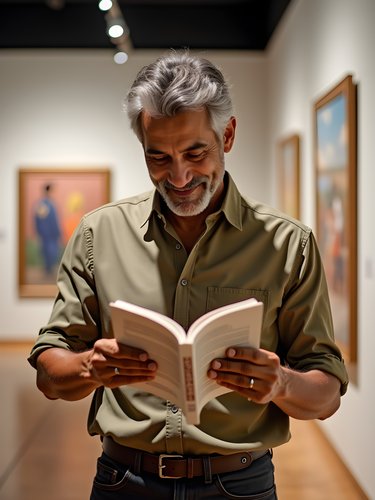
For productive meetings, I've found my travel journal invaluable for taking notes during conversations. Indian colleagues consistently appreciate seeing their insights recorded, and the physical act of writing demonstrates attention and respect in a way that typing on devices doesn't.
Dress codes skew more formal than in Western tech hubs. While Silicon Valley executives might arrive in jeans and hoodies, Bangalore's business environment still values crisp business attire. Men typically wear suits or business casual with collared shirts, while women opt for business suits or elegant sarees/salwar kameez for important meetings.
💡 Pro Tips
- Learn basic greetings in Kannada (Bangalore's local language) – even simple efforts are deeply appreciated
- Allocate time for relationship building before diving into business matters
- Respect hierarchy in meetings by addressing the most senior person first
Luxury Accommodations: Where to Rest Your Deal-Making Mind
After a day navigating Bangalore's complex business landscape, where you lay your head matters significantly. The city's luxury hotel scene has evolved dramatically since my first visit covering the 1996 cricket season, now offering sanctuaries that blend international standards with distinctly Indian hospitality.
Location should drive your selection. For executives with meetings in Electronic City, the Taj Bangalore near the international airport minimizes commute times while offering exceptional service. My corner suite there last winter provided both a productive workspace and restorative comfort, with staff who anticipated needs before I articulated them – a hallmark of Indian luxury hospitality.
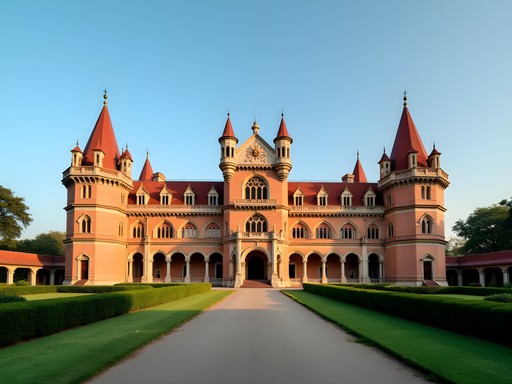
In central Bangalore, The Leela Palace reigns supreme with its old-world opulence. What distinguishes it isn't just the palatial architecture but how seamlessly technology integrates with traditional service. During my stay while interviewing cricket administrators for a conservation fundraiser, I appreciated how the noise-canceling headphones I travel with complemented the room's thoughtful design, creating a perfect environment for preparing presentation materials.
For longer stays, the Shangri-La Bengaluru offers apartment-style accommodations with full kitchens while maintaining five-star service. Their executive floor provides dedicated concierge services particularly attuned to business travelers' needs.
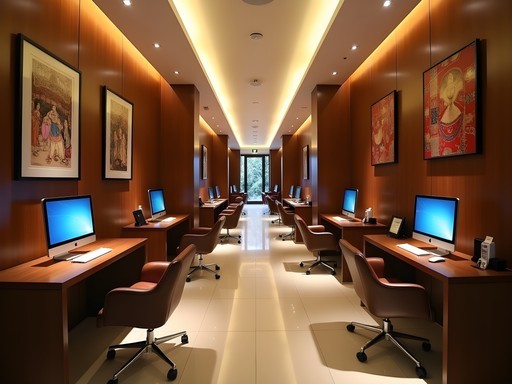
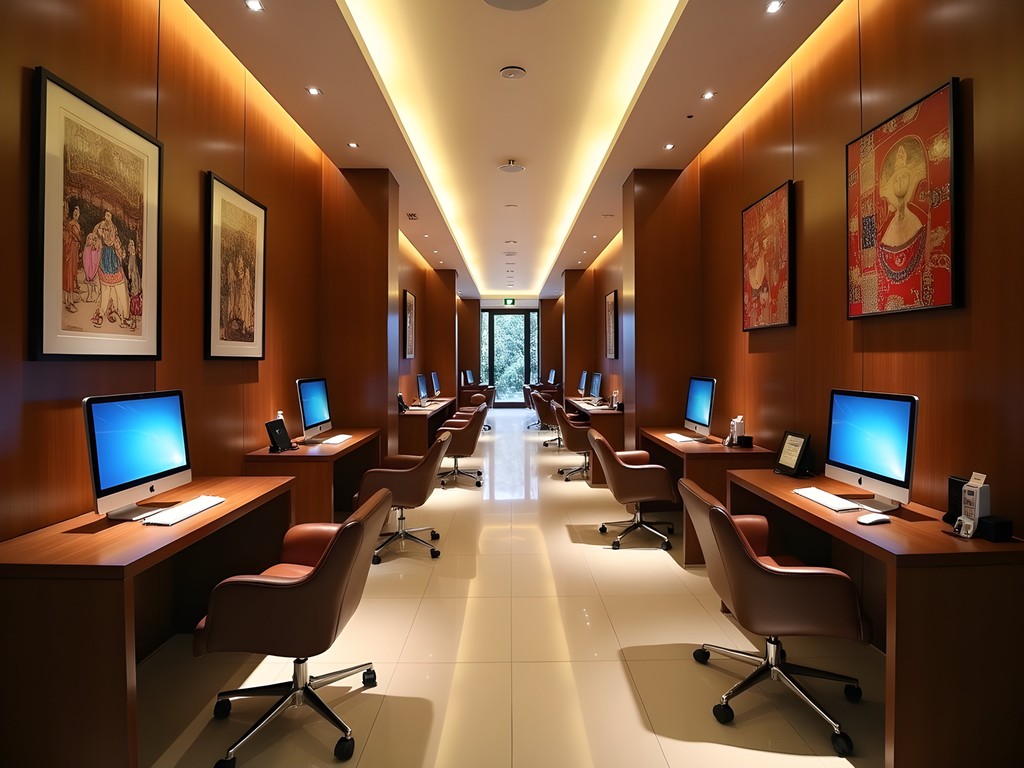
The ITC Gardenia deserves special mention for pioneering sustainable luxury in Bangalore. As someone married to a conservation biologist, I value their responsible approach – the building's design reduces energy consumption by nearly 35% compared to conventional hotels. During my most recent stay, I conducted three virtual meetings from their business center, which offers both privacy and flawless connectivity.
Whichever property you choose, leverage the concierge services. Unlike in Western hotels where concierges primarily handle reservations, Bangalore's luxury hotel concierges function as cultural translators and business facilitators who can navigate local complexities that might otherwise derail your objectives.
💡 Pro Tips
- Request rooms on higher floors to minimize street noise, particularly important for light sleepers
- Book hotels with reliable backup power systems – brief outages remain common even in luxury properties
- Inform the concierge of your meeting schedule so they can advise on optimal departure times accounting for traffic

Navigating Transportation Challenges
If cricket taught me anything about India, it's that timing is everything – a lesson doubly important when navigating Bangalore's notorious traffic. The city's rapid growth has outpaced its infrastructure, creating transportation challenges that can derail even the most carefully planned business itinerary.
Forget what you know about rush hours elsewhere; Bangalore's congestion follows its own rules. The traditional morning (9-11 AM) and evening (5-8 PM) peaks exist, but traffic can materialize seemingly without warning at any hour. I've missed crucial meetings despite leaving my hotel three hours early for what should have been a 30-minute journey.
For executives on tight schedules, I recommend arranging a dedicated car and driver through your hotel for the duration of your stay. While this premium service typically costs ₹5,000-7,000 daily (approximately $60-85 USD), the reliability justifies the expense. Your driver becomes not just a transportation provider but a local navigator who knows alternative routes when main arteries clog.
Ride-hailing services like Uber and Ola operate extensively in Bangalore but come with unpredictability – drivers may cancel when seeing your destination involves heavy traffic areas. During my last visit covering a conservation technology conference, I found myself stranded twice when drivers canceled after accepting my ride to Electronic City during afternoon hours.
The Namma Metro (Bangalore's subway system) offers limited coverage but can be a lifesaver for certain routes, particularly between central Bangalore and the eastern tech corridors. The Purple Line connecting Baiyappanahalli to Mysore Road bypasses significant road congestion.
For executives who value both efficiency and productivity during transit, I've found my portable power bank indispensable. Bangalore's traffic means longer travel times, and this robust power solution keeps multiple devices charged through extended journeys and back-to-back meetings.
💡 Pro Tips
- Add a minimum 60-minute buffer for any critical meetings
- Consider scheduling important meetings at 11 AM or 2 PM to avoid peak traffic times
- Use Google Maps with caution – its time estimates often prove optimistic in Bangalore conditions
Business Dining: Building Relationships Through Gastronomy
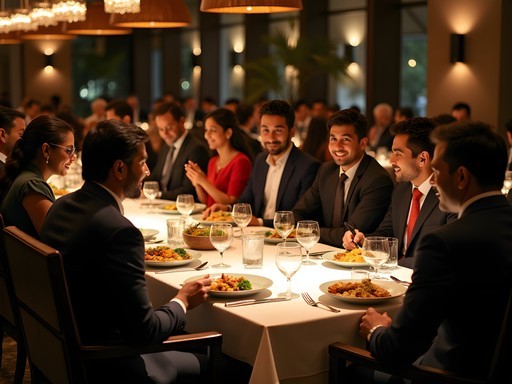
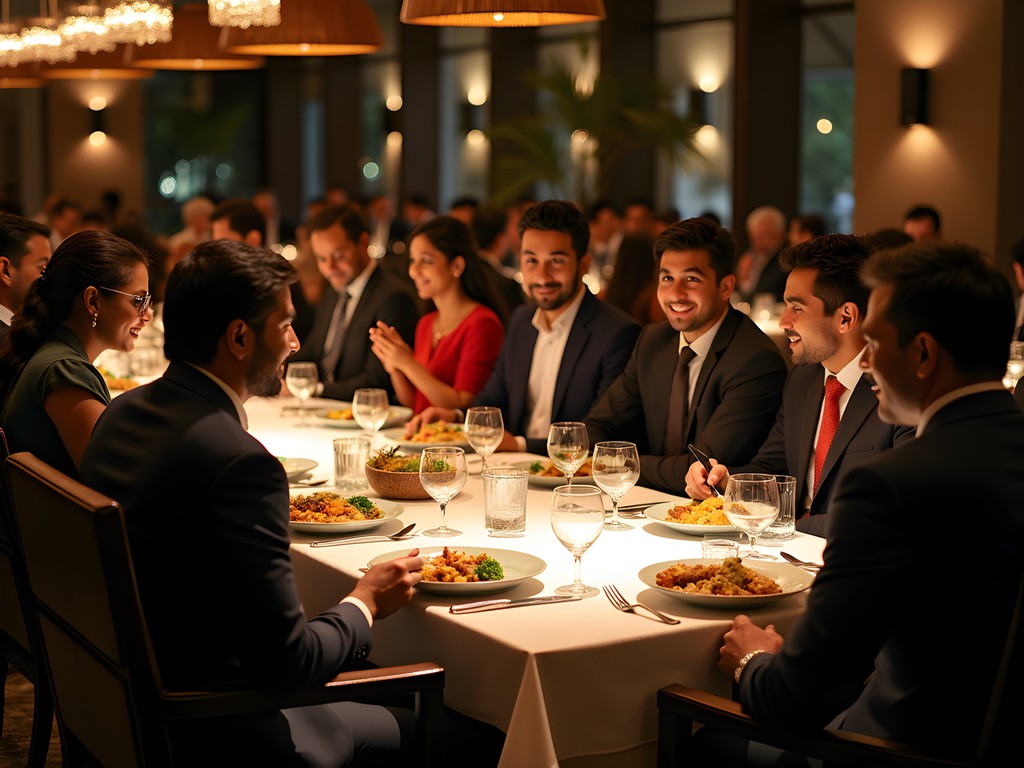
In Bangalore's business culture, meaningful connections often form not across conference tables but dining tables. After two decades covering cricket across India, I've learned that sharing a meal transcends simple nutrition – it's where relationships crystallize and cultural understanding deepens.
For high-stakes business dinners, Karavalli at The Gateway Hotel offers South Indian coastal cuisine in an atmosphere conducive to conversation. Their seafood specialties provide natural conversation starters about regional differences – I've witnessed multiple investment discussions unlock after executives bonded over Mangalorean crab preparations. The private dining areas ensure confidentiality while attentive but unobtrusive service keeps focus on the relationship-building at hand.
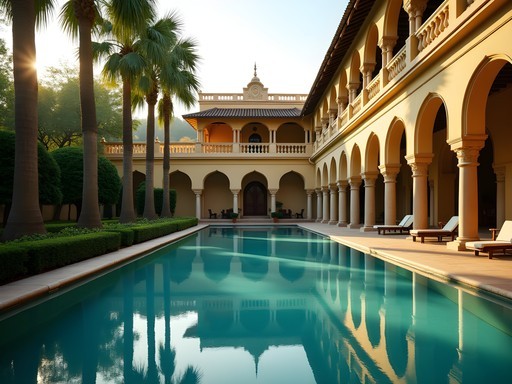
Rim Naam at The Oberoi presents authentic Thai cuisine in a spectacular garden setting. Its outdoor seating around a reflecting pool creates a neutral space where business hierarchies seem to soften, encouraging more candid exchanges. During a recent dinner with tech entrepreneurs and conservation scientists, I noticed how the shared experience of navigating unfamiliar dishes created immediate camaraderie that carried into next-day negotiations.
For showcasing local cuisine to visitors, Oota offers a curated journey through Karnataka's diverse culinary traditions. The restaurant's educational approach to presenting regional specialties provides natural conversation bridges between courses. Their tasting menu format eliminates decision fatigue while ensuring visitors experience authentic flavors.
When dining with Indian colleagues, remember that many observe vegetarian diets for religious or cultural reasons. When hosting, always ensure vegetarian options are available and clearly identified. I've seen Western executives unintentionally create awkward situations by selecting steakhouses for important business dinners.
For keeping track of dietary preferences and conversation topics with various contacts, I rely on my digital notebook to maintain detailed notes on each business contact. This allows me to recall personal details and preferences that demonstrate respect and attention – qualities highly valued in Indian business culture.
💡 Pro Tips
- Allow Indian hosts to order for the table – this is considered part of hospitality rather than controlling behavior
- Business meals typically start later than in Western countries – 8:00 PM is a common dinner time
- Alcohol consumption varies widely based on religious and personal preferences – follow your host's lead rather than initiating drinks orders
Beyond Business: Strategic Downtime in Bangalore
The most successful international executives I've encountered in Bangalore understand that business extends beyond meeting rooms. Strategic downtime – when properly leveraged – builds the cultural context and relationships that distinguish merely transactional visits from truly productive ones.
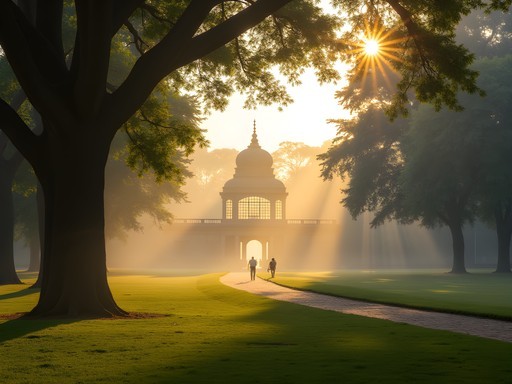
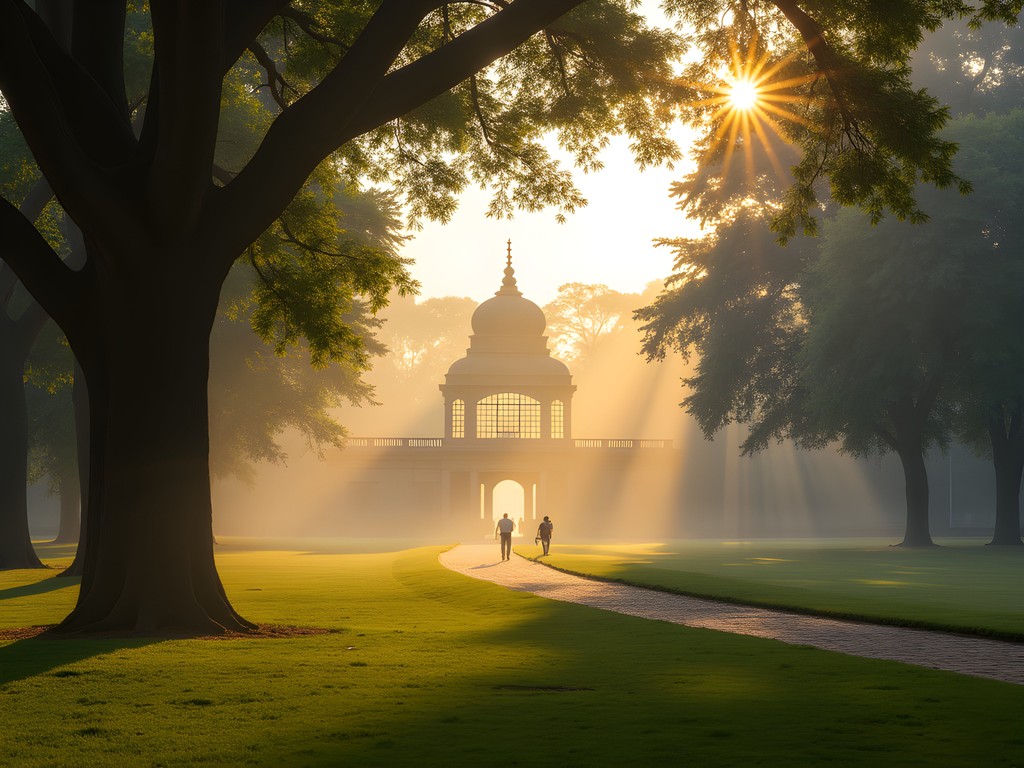
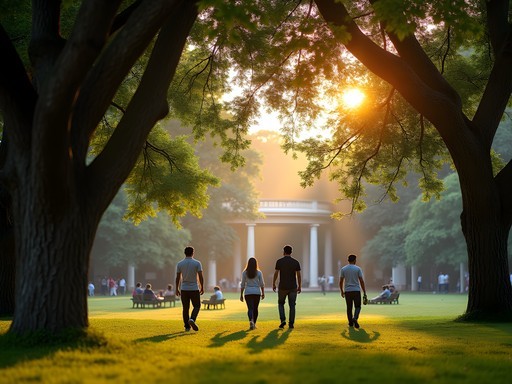
Lalbagh Botanical Garden offers more than just respite from urban intensity. Early mornings here (before 8 AM) provide opportunity for walking meetings with local colleagues in a setting where conversation flows more naturally than in formal offices. The garden's 240-year history and remarkable tree collection offer natural conversation bridges to discussions about sustainability and long-term thinking – themes increasingly relevant to Bangalore's tech ecosystem grappling with environmental challenges.
Cubbon Park similarly functions as Bangalore's green lung but adds proximity to the Karnataka High Court and Vidhana Soudha (state legislature), making it popular with legal and government professionals. I've had some of my most productive conversations with public sector technology officials during morning walks here, where the formal barriers that exist in government offices seem to dissolve.
For cultural immersion that impresses local counterparts, visit the Karnataka Chitrakala Parishath art complex. This cultural institution showcases contemporary Indian art and traditional folk expressions. Mentioning a visit here signals to Indian colleagues your interest extends beyond business transactions to genuine cultural appreciation – a distinction that matters tremendously in relationship-oriented business cultures.
The Bangalore International Centre hosts thought-leadership events where the city's intellectual and business communities converge. Their evening programs on technology ethics, sustainability, and cultural preservation attract Bangalore's most influential thinkers. Attending these events provides natural networking opportunities in contexts where connections form organically around shared interests rather than explicit business agendas.
For longer stays, consider weekend excursions to nearby Nandi Hills or Mysore. These brief journeys provide conversation material that distinguishes you from visitors who never venture beyond hotel and office. My recent trip to Mysore's conservation areas with local technology executives yielded more meaningful connections than weeks of formal meetings could have produced.
💡 Pro Tips
- Schedule at least one cultural activity during your business trip – it provides valuable context and conversation material
- Early mornings (5:30-7:30 AM) offer the most pleasant outdoor experiences before heat and traffic intensify
- Ask local colleagues for recommendations – their suggestions often reveal venues where Bangalore's business community builds relationships outside formal settings
Final Thoughts
Bangalore's transformation from garden city to global tech hub represents one of the most remarkable urban evolutions I've witnessed in my travels across cricket-playing nations. Yet its soul remains distinctly Indian – success here demands understanding both its cutting-edge aspirations and deep cultural foundations. The executives who thrive in this environment are those who recognize that technology merely enables connections; it's cultural intelligence that sustains them. As you navigate this fascinating ecosystem where ancient temples stand in the shadow of glass-walled startups, remember that time invested in relationship-building yields dividends no quarterly report can capture. Bangalore doesn't just want your business – it seeks partners who understand its unique journey and contribute meaningfully to its story. In the words of a local tech entrepreneur I interviewed: 'We're not building companies here; we're building a legacy.' Approach Bangalore with this mindset, and you'll find doors opening far beyond the business district.
✨ Key Takeaways
- Success in Bangalore requires balancing technological understanding with cultural intelligence
- Relationship-building takes precedence over transactional efficiency in Indian business culture
- Strategic time management is essential given Bangalore's unpredictable traffic conditions
- Demonstrating interest in local culture significantly enhances business relationships
📋 Practical Information
Best Time to Visit
November to February (winter)
Budget Estimate
$300-500 per day for luxury business travel
Recommended Duration
5-7 days
Difficulty Level
Beginner

Comments
redstar
Quick question - is Uber reliable there or should I arrange car service through the hotel?
Bryce Diaz
Uber and Ola both work well. I used them constantly. Just make sure you have a local SIM card or data plan because you'll need it for the apps.
starclimber
Ola is actually better there in my experience
redclimber
The photos are stunning! Really captures the vibe
Kimberly Murphy
Absolutely brilliant guide! I was in Bangalore last October for a tech conference and wish I'd had this beforehand. The section on luxury accommodations is spot on - I stayed at the Leela Palace and it was worth every rupee after long days of meetings. One thing I'd add: the weather can be surprisingly pleasant compared to other Indian cities, but the pollution during certain months is real. I always travel with my air purifier now for hotel rooms. Also, the food scene is incredible - don't miss the local South Indian breakfast spots even if your hotel has fancy options!
moonhero
First time traveling to India for business and honestly a bit nervous about the whole thing. Is it really as overwhelming as people say? I'm used to traveling in Europe mostly. Any advice for a first-timer would be amazing!
Kimberly Murphy
Don't be nervous! Yes, it's chaotic but in the best way. Just embrace it and be flexible. Bangalore is actually one of the easier Indian cities for first-timers. Stay hydrated and give yourself time to adjust!
starclimber
Great read, very practical advice
Bryce Diaz
Amit, your point about cultural intelligence really resonates. I spent three weeks in Bangalore last year covering the startup scene, and the biggest lesson I learned was about the pace of relationship-building. Americans (myself included) tend to rush straight to business, but my Indian colleagues taught me the value of those chai breaks and seemingly casual conversations. Some of my best stories came from those moments. The traffic situation you mentioned is no joke though - I once spent 90 minutes going 8 kilometers during peak hour. Now I always schedule meetings with massive time buffers.
redstar
How did you handle the meetings scheduling? Like what time of day worked best to avoid the worst traffic?
Bryce Diaz
I tried to do early morning meetings (before 9am) or late lunch meetings around 2-3pm. Mid-morning and evening rush are brutal. Also, staying near your meeting locations helps a ton.
journeyvibes
This is so helpful!! Going there for work in April!
Jean Wells
Amit's point about cultural intelligence resonates deeply. I've found that business relationships in Bangalore operate on a different timeline than Tokyo or Silicon Valley. The initial meetings are about building trust, not closing deals. One thing I'd add: the coffee culture there is exceptional and many executives prefer cafe meetings to formal conference rooms. The Third Wave Coffee locations are popular neutral ground for first meetings. Also, be prepared for last-minute schedule changes - it's not disrespect, it's just how things flow there.
nomadwanderer
Heading there in March for a conference. Traffic really that bad?
Jean Wells
Yes, the traffic is genuinely challenging. I was there last year for three weeks and learned to schedule meetings either before 9 AM or after 7 PM when possible. The metro system has expanded significantly though - it's reliable and air-conditioned, which makes a huge difference. I'd recommend staying in Indiranagar or Koramangala if you're doing tech meetings, as many startups cluster there. Also, don't underestimate how useful having a local SIM card with good data is for ride-hailing apps.
nomadwanderer
Thanks! Super helpful
Douglas Bradley
Excellent guide that captures the essence of Bangalore's business culture. As someone who's documented the transformation of several Asian tech hubs, I find Bangalore's evolution particularly fascinating. One critical tip I'd add for executives: relationship-building happens outside meeting rooms here. Accept invitations to dinners or cultural events even if they seem peripheral to your business objectives. The real deals often come together during these informal interactions. Also, Koramangala and Indiranagar are worth exploring on weekends - they showcase the cosmopolitan side of the city that's driving its tech innovation. These neighborhoods give you insight into the mindset of the young professionals who might be working for your partners.
luckymood
So true about relationship building! My most productive meetings were actually over coffee outside the office.
Venture X
Premium card with 2X miles, $300 travel credit, Priority Pass