


Disclosure: This article contains affiliate links. We may earn a commission from purchases at no extra cost to you, which helps our travel content.
There's something hauntingly beautiful about abandoned textile mills—their brick facades telling stories of America's industrial awakening. When autumn paints Maine's landscape in fiery hues, these architectural giants stand as stoic witnesses to generations of change. I discovered Auburn's textile heritage trail quite by accident last fall, while researching New England ceramic traditions. What I found instead was a weekend journey through America's manufacturing past that spoke to my soul as both an artist and storyteller.

The Androscoggin's Forgotten Giants
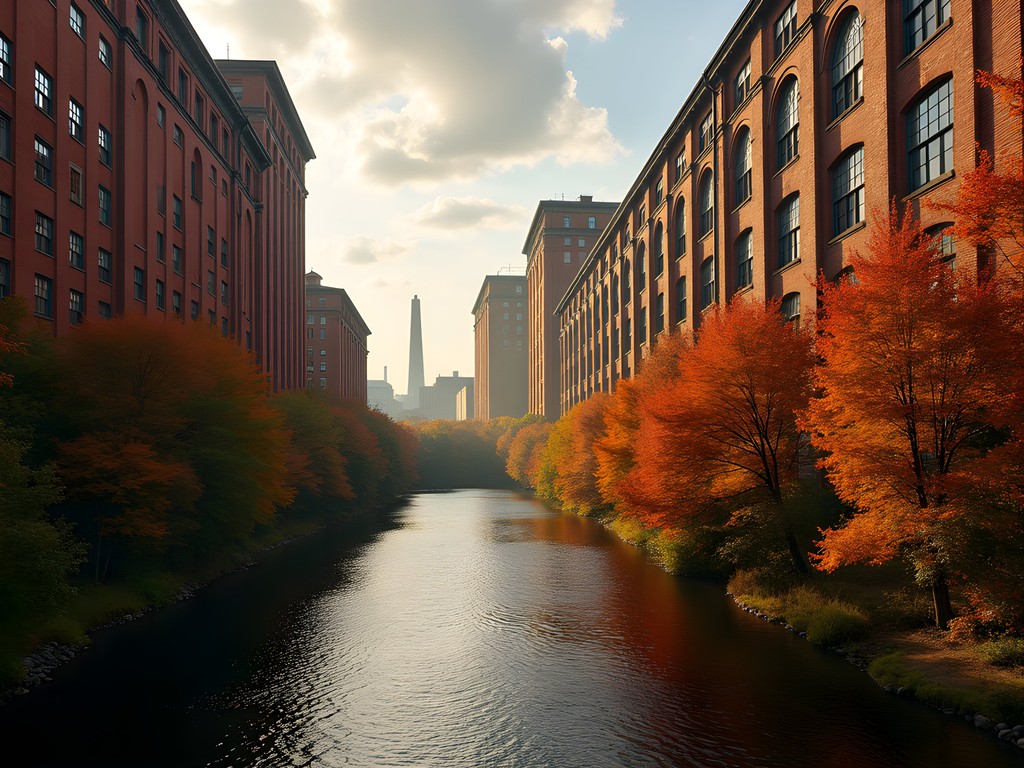
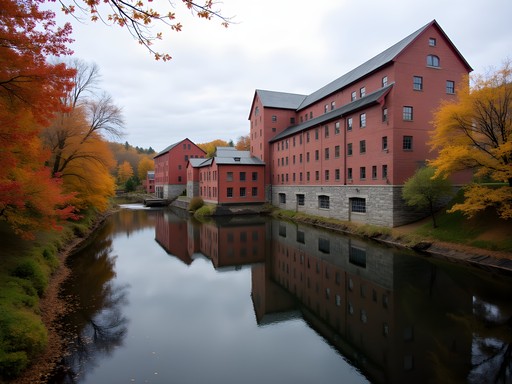
Auburn sits along the Androscoggin River, where rushing waters once powered massive brick complexes that transformed raw cotton into textiles shipped worldwide. The river's edge is lined with these industrial cathedrals—some repurposed, others quietly decaying.
Start your exploration at Museum L-A, housed in the former Bates Mill Complex across the river in Lewiston (Auburn's sister city). The museum's collection of vintage machinery, worker photographs, and oral histories provides essential context for understanding what you'll see throughout the weekend. I spent a mesmerizing hour watching the restored power looms demonstrate how thread became fabric, the rhythmic clacking echoing through the space just as it would have a century ago.
For capturing the industrial scale of these buildings, I found my drone invaluable. With proper permissions (always check local regulations), the aerial perspective reveals the true magnitude of these manufacturing complexes and their relationship to the river that powered them. Even if you're not a drone enthusiast, a good polarizing filter for your camera will help manage reflections when photographing the river and mill windows.
💡 Pro Tips
- Visit Museum L-A first to get historical context before exploring other sites
- Check drone regulations before flying near the river or historic buildings
- The museum offers guided tours at 11am and 2pm—book ahead for the most in-depth experience
Walking in Workers' Footsteps
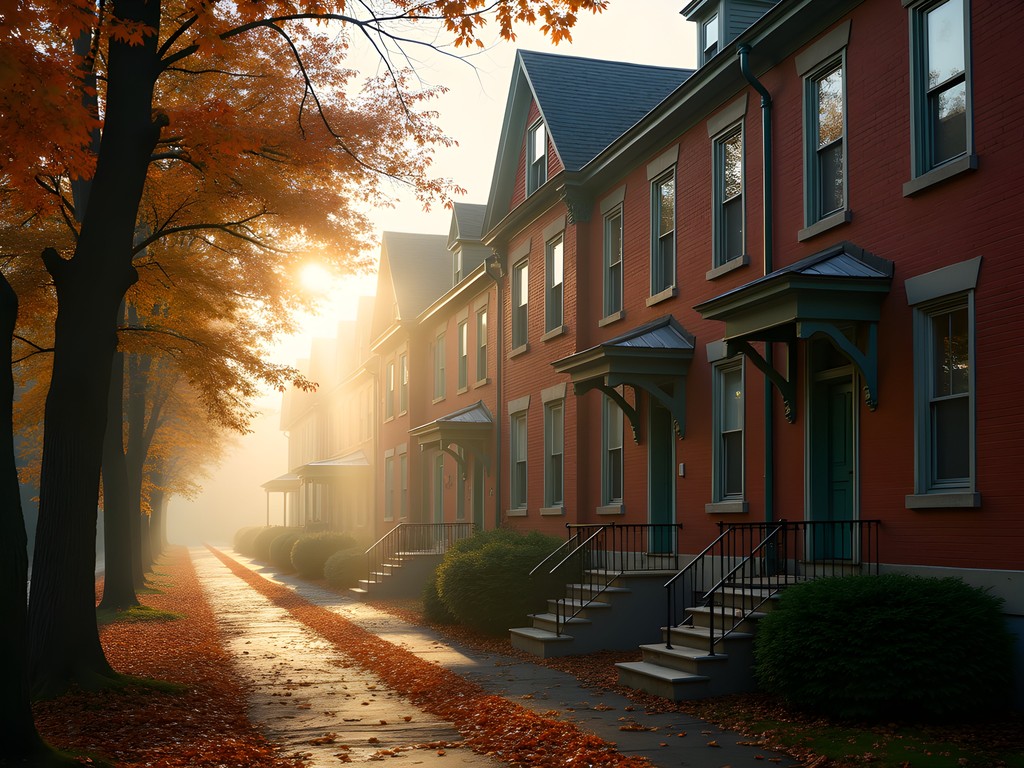
The heart of Auburn's textile heritage is best experienced on foot. The self-guided Textile Heritage Trail (maps available at the Auburn Public Library or downloadable online) takes you through neighborhoods built specifically for mill workers—predominantly French Canadian, Irish, and later, Somali immigrants.
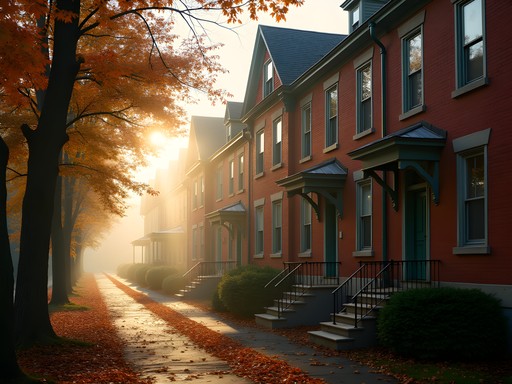
I started my walk at 6:30am with a steaming cup of locally-roasted coffee in my insulated mug, which kept it warm as I explored the morning-quiet streets. The early light revealed architectural details I might have missed later: the intricate brickwork of company housing, communal gardens now repurposed as community spaces, and the spires of churches built to serve specific immigrant populations.
The Little Androscoggin River Park offers a peaceful stretch to contemplate how the rushing waters shaped not just the landscape but entire communities. Bring a packable blanket to spread beneath the maple trees—their autumn colors reflected in the river create a meditation space unlike any other. I spent an hour here sketching the abandoned mill across the water, contemplating how many hands had worked within those walls.
💡 Pro Tips
- Download the heritage trail map before arriving as cell service can be spotty in some areas
- Wear comfortable walking shoes—the full trail covers about 3 miles of varied terrain
- Early morning offers the best light for photography and fewer people in your shots
Meeting Auburn's Modern Makers
What drew me most to Auburn wasn't just its industrial past but how that legacy continues through contemporary artisans. Several former mill buildings now house studios where makers continue traditions of textile arts, albeit on a smaller scale.
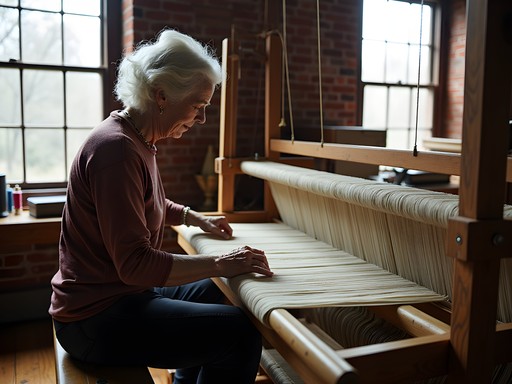
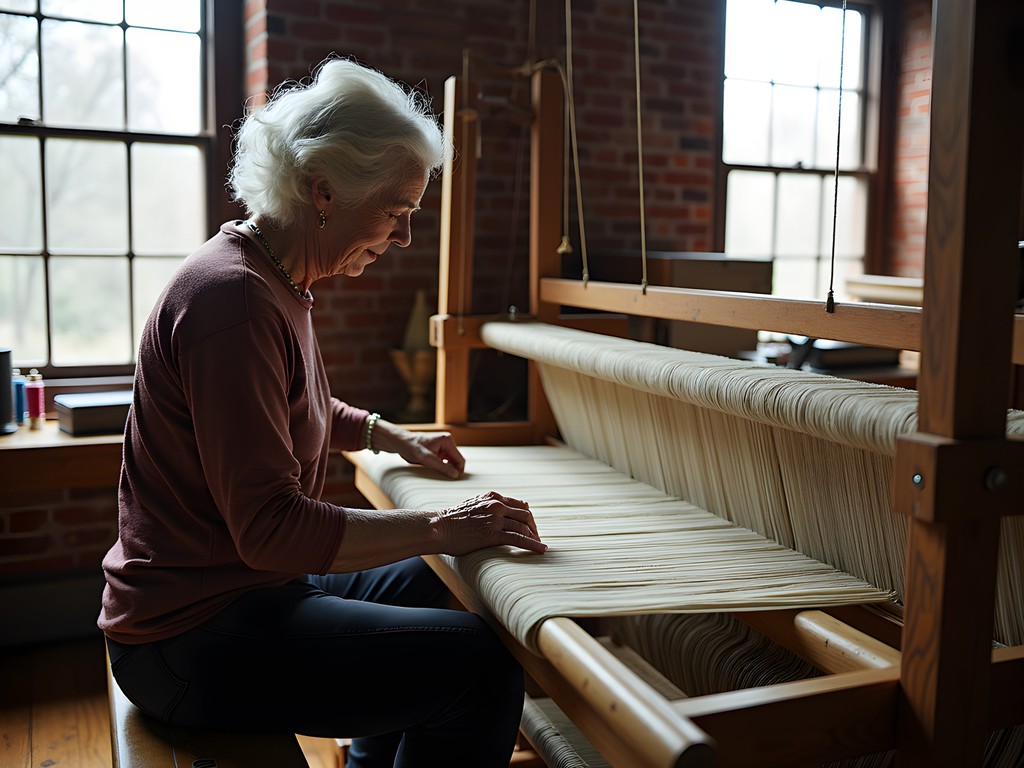
The Stable Gallery, housed in a converted mill outbuilding, showcases local fiber artists who incorporate traditional techniques with modern sensibilities. I spent an afternoon watching a demonstration of traditional loom weaving, mesmerized by the meditative quality of the work—not unlike throwing pottery on a wheel.
For those interested in bringing home a piece of this textile tradition, I recommend visiting Maine Woolens. Their mill store offers factory seconds and samples at significant discounts. I found a gorgeous wool throw for under $50 that now travels with me everywhere in my compression packing cube. It's both a practical souvenir and a tangible connection to Auburn's manufacturing heritage.
The most profound experience came from an impromptu conversation with Marie, a third-generation weaver whose grandmother worked in the Bates Mill during the 1920s. She showed me family photographs and her grandmother's employee identification card, connecting past and present in a way museum exhibits simply cannot.
💡 Pro Tips
- Call studios ahead to confirm open hours—many operate seasonally or by appointment only
- Budget $50-100 if you want to purchase authentic locally-made textiles as meaningful souvenirs
- Ask artisans about their connection to the mills—many have family histories tied to the industry

Affordable Dining with Industrial Flair
Auburn and neighboring Lewiston offer surprisingly diverse dining options that won't strain your budget. Many restaurants occupy repurposed industrial spaces, creating unique atmospheres that honor the area's heritage.
Forage Market, housed in a former textile warehouse, serves artisanal bagels and locally-sourced ingredients that make for perfect picnic provisions. Their maple-sweetened latte and sea salt bagel with herb cream cheese fueled my morning explorations for under $10.
For dinner, Craft Brew Underground occupies a basement space that once stored industrial supplies. Their rotating selection of Maine microbrews pairs perfectly with unpretentious comfort food. The exposed brick walls and repurposed factory fixtures create an ambiance that feels authentically connected to Auburn's working-class roots.
I packed my own trail mix and water in my collapsible water bottle for midday explorations, which helped keep costs down while avoiding single-use plastics. Most heritage sites have water refill stations, making this both an economical and environmentally conscious choice.
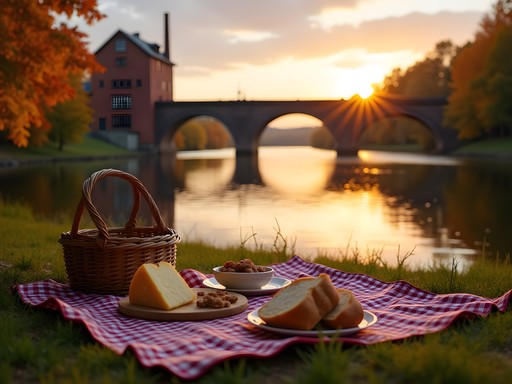
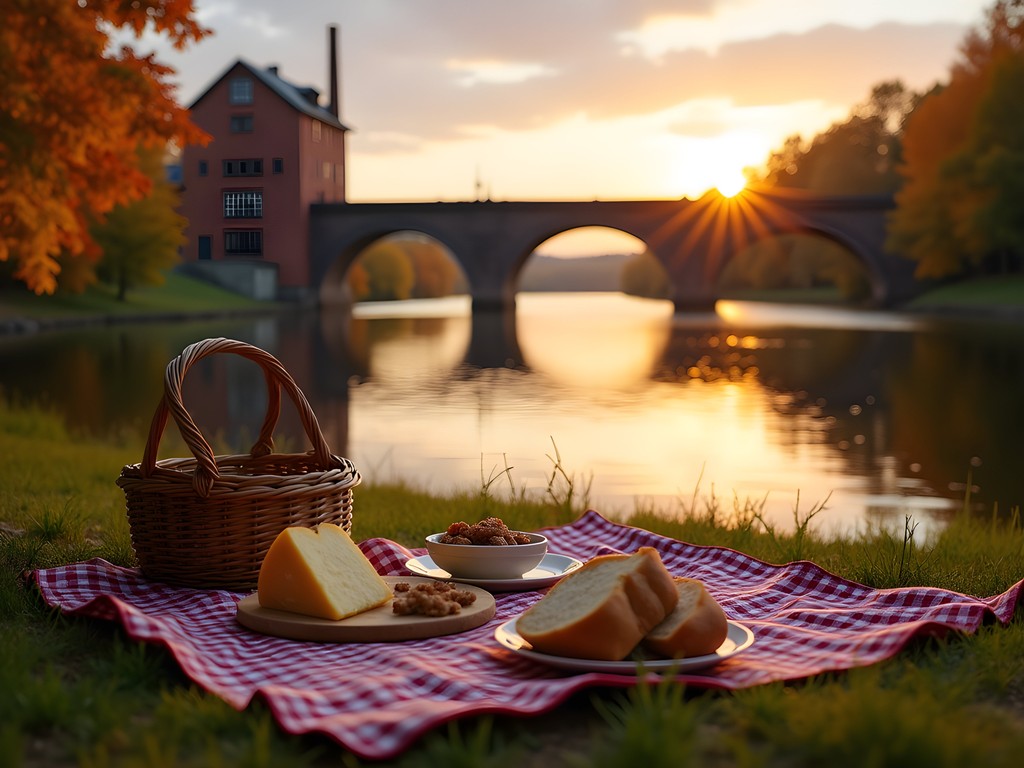
One evening, I enjoyed an impromptu picnic on the banks of the Androscoggin with local cheeses and bread from Forage Market, watching the sunset illuminate the mills' brick facades. Some experiences simply can't be purchased, and this moment of connection with place and history remains one of my most treasured memories of Auburn.
💡 Pro Tips
- Breakfast at Forage Market is a local favorite—arrive before 9am on weekends to avoid lines
- Many restaurants offer early bird specials between 4-6pm
- The farmers market (Wednesdays and Saturdays) offers affordable local produce and artisan foods
Where to Stay: Heritage Accommodations on a Budget
Auburn offers several budget-friendly accommodation options that connect visitors with its industrial past. The Inn at the Agora, a converted rectory, offers rooms starting at $89 during fall weekends—remarkable value considering its historic significance and central location. I stayed in their Writer's Retreat room, which features a vintage writing desk overlooking the neighborhood where mill workers once hurried to morning shifts.
For even more affordable options, the Auburn Fireside Inn offers clean, comfortable rooms from $79 per night. While less historic in character, its location provides easy access to the heritage trail and river walks.
My preference for heritage travel is always accommodations with a story. I'd recommend booking directly with properties rather than through third-party sites—you'll often get better rates and more personalized service. I always travel with my own silk sleep sack, which adds a layer of comfort to any bed while being incredibly lightweight in my luggage.
Budget travelers might consider the nearby Lewiston Ramada, which often has weekend specials under $70. The savings can be put toward experiences that more meaningfully connect you with Auburn's textile heritage, like workshop fees or guided tours.

💡 Pro Tips
- Book accommodations at least 3 weeks in advance during peak fall foliage season
- Ask about heritage packages that might include museum passes or guided tours
- Mid-week stays (Sunday-Thursday) can be 30-40% cheaper than weekend rates
Final Thoughts
As my weekend in Auburn drew to a close, I found myself sitting on a bench overlooking the Androscoggin, the afternoon sun warming the brick facades of mills that once employed thousands. These buildings aren't just architectural relics—they're repositories of stories, of lives lived in the rhythm of industrial production, of immigrant communities finding their American foothold.
Auburn's textile heritage reminds us that the objects filling our lives—the clothes we wear, the blankets warming our beds—were once created by human hands in spaces like these. In our era of instant consumption and disposable goods, there's something profoundly grounding about connecting with this manufacturing past.
Whether you're a history enthusiast, a photographer drawn to industrial aesthetics, or simply a curious traveler seeking authentic New England experiences, Auburn's textile heritage trail offers rich rewards without requiring a rich budget. As you walk these streets and touch these bricks, you become part of the continuing story—observing, documenting, and carrying forward the memory of the hands and machines that helped build America. I invite you to find your own connection to this place where the past is never truly past, but woven into the present like threads in the complex fabric of American identity.
✨ Key Takeaways
- Auburn offers an authentic glimpse into America's industrial revolution that's accessible on a modest budget
- Fall provides the most atmospheric experience with fewer crowds and stunning foliage as backdrop to historic sites
- Connecting with local artisans offers deeper insights than museum exhibits alone
- Early morning and evening light create magical photography opportunities along the river and mill buildings
- The self-guided heritage trail allows for flexible exploration at your own pace
📋 Practical Information
Best Time to Visit
Mid-September to late October for fall foliage and comfortable temperatures
Budget Estimate
$200-300 for a weekend (accommodations, food, and activities)
Recommended Duration
2-3 days
Difficulty Level
Easy



Comments
springbackpacker
This looks so cool! I've never thought about visiting old factory towns before. Is Auburn easy to explore without a car? And would you recommend staying overnight or is it more of a day trip from Portland?
Lily Thomas
Great question! The downtown area with most mills is walkable, but you'd need a car to reach outlying sites. I'd recommend at least one overnight stay - the Heritage Trail deserves a full day, and Lewiston across the river has additional industrial sites worth exploring!
tripace
I did this as a day trip from Portland last year and felt rushed. Wish I'd stayed overnight like Lily suggests. The museum closes at 4pm so plan accordingly!
springbackpacker
Thanks both! I'll look into accommodation options. Any specific place you'd recommend staying?
Lily Thomas
The Hilton Garden Inn downtown is housed in an old mill building - perfect thematic accommodation! For budget options, there are several motels on Center Street.
tripace
Those brick buildings look amazing in your photos! Adding Auburn to my New England road trip this fall!
Lily Thomas
You won't regret it! Try to catch them in late afternoon light - the bricks absolutely glow!
Frank Garcia
Fascinating piece on Auburn's industrial heritage, Lily! I've been documenting post-industrial landscapes across Europe, and there's something universally compelling about these spaces. The way you've traced the economic narrative through physical landmarks is quite effective. I'd be interested to know if you found any differences in how Americans preserve their industrial heritage compared to European approaches? In Belfast, our linen mills have been largely converted to creative spaces and tech hubs, which presents a different preservation model.
Lily Thomas
Thanks Frank! Great observation about preservation differences. I've noticed American mill conversions tend to prioritize mixed-use development with residential components, while European sites often emphasize cultural institutions. Auburn's approach feels somewhere in between - practical yet respectful of history.
Frank Garcia
That's exactly it - the residential component seems distinctly American. Makes me wonder how that shapes the public's relationship with these historical spaces.
Douglas Bradley
If anyone's planning a broader industrial heritage trip through New England, Auburn pairs really well with Lowell, MA and Manchester, NH - you could easily do a long weekend hitting all three cities. Each has its own distinct character in how they're handling their mill legacy. I brought my camera guide on a similar trip last fall and it helped me capture those dramatic brick textures in different lighting conditions. Auburn in autumn must be absolutely perfect for photography.
greenbackpacker
ooh this is super helpful, thanks! might extend my trip now
luckyace
Really cool photos! Thanks for sharing this.
nomadguy
This is EXACTLY the kind of travel content I'm here for!! I'm so tired of the same beach destinations over and over. Industrial heritage tourism is so underrated. Adding Auburn to my New England road trip list for sure. The photos are incredible btw, especially that one of the brick facade with the autumn leaves. Did you use any special camera gear or just phone?
dreammate
Adding this to my list!
Hunter Thompson
Brilliant post! This reminds me so much of the Northern England mill towns—Manchester, Bradford, the whole lot. The difference is Auburn seems way more accessible for exploration. When I was in Lowell, Massachusetts last year, I got similar vibes but Auburn sounds less touristy? The bit about meeting modern makers is spot on—there's something powerful about seeing these spaces get new life. Quick question: are any of the mills actually open for tours or is it more of an external walking trail situation?
luckyace
I was wondering the same thing! Want to know if you can actually go inside any of them.
adventureadventurer
Those photos are incredible!!
escapepro
Going there in October - is autumn really the best time? Also wondering about parking near the mills, did you drive or walk most of it?
skyace
October is perfect! The fall colors make the brick buildings pop.
Venture X
Premium card with 2X miles, $300 travel credit, Priority Pass