
Disclosure: This article contains affiliate links. We may earn a commission from purchases at no extra cost to you, which helps our travel content.
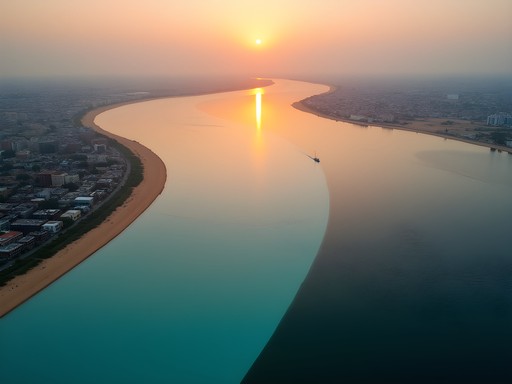
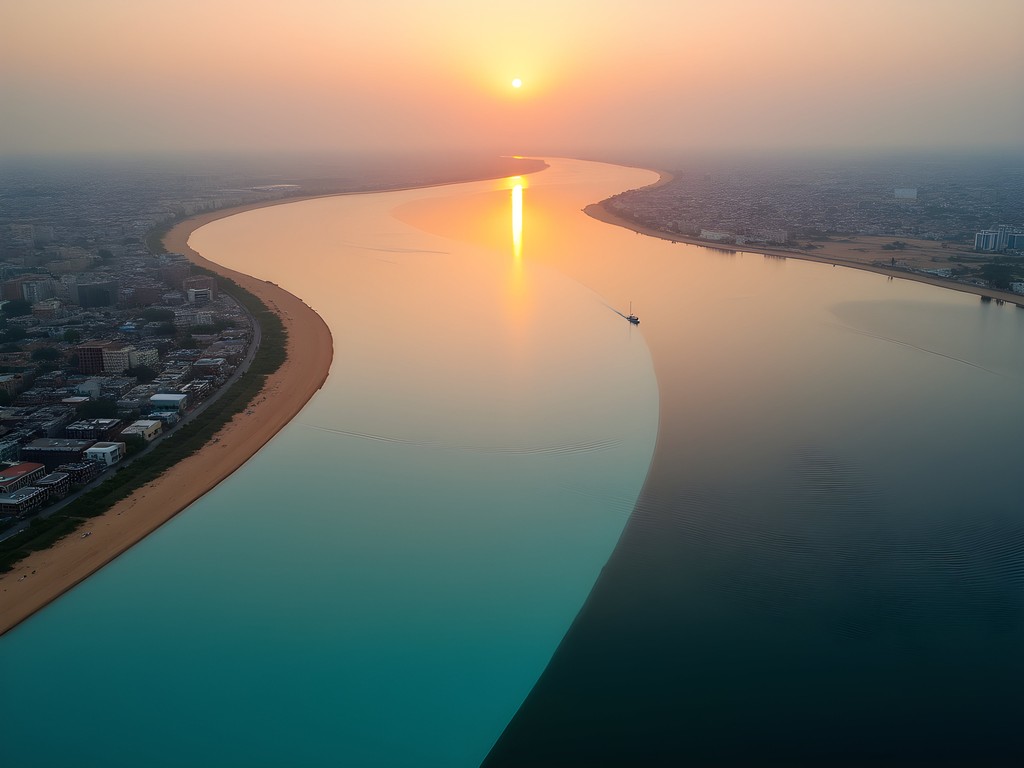
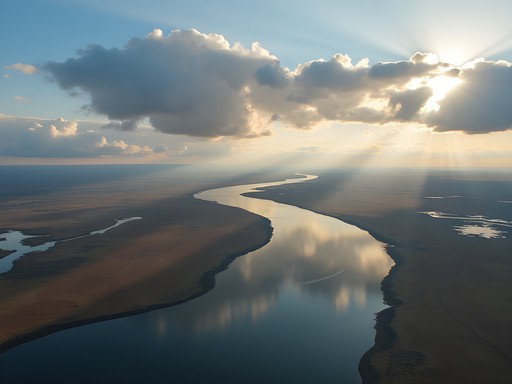
The convergence of the Blue and White Nile rivers forms not just a geographical marvel but also the beating heart of Sudan's cultural identity. As I stood at Al-Mogran, watching the distinct waters merge—one muddy brown, the other a lighter hue—I couldn't help but see it as a metaphor for Khartoum itself: a city where diverse traditions flow together yet maintain their unique characteristics. My journey through Sudan's capital would prove that this metropolis, often reduced to simplistic headlines in Western media, harbors cultural riches that reward the patient, curious traveler willing to venture beyond the obvious.

Navigating Khartoum's Three Cities
Khartoum proper, Omdurman, and Bahri collectively form Greater Khartoum, each area offering distinct cultural experiences that I found fascinating from both anthropological and ecological perspectives.
Omdurman, the largest of the three, houses the vibrant Souq Omdurman, where I spent hours navigating labyrinthine alleys filled with spices, textiles, and handicrafts. Unlike the more tourist-oriented markets I've encountered in Marrakech or Istanbul, this sprawling marketplace primarily serves locals, lending an authenticity that's increasingly rare. The ecological scientist in me couldn't help but notice how the market's architecture—narrow passages and high walls—creates natural cooling in Sudan's intense heat, a traditional adaptation worth studying.
For navigating between these three distinct urban centers, I found having a reliable translation device invaluable. While many educated Sudanese speak English, venturing into local communities often requires Arabic communication, and this device helped bridge numerous linguistic gaps during my explorations.
Khartoum proper, with its colonial-era architecture and governmental buildings, presents a more structured urban environment. Bahri (North Khartoum), meanwhile, offers industrial landscapes interspersed with residential neighborhoods where I found some of the most genuine interactions with locals.
💡 Pro Tips
- Visit Souq Omdurman on Thursday or Friday morning when it's most active
- Hire a local guide for your first visit to navigate the complex urban layout
- Dress conservatively with lightweight fabrics - I recommend linen shirts and pants
Sufi Rituals and Ecological Sanctuaries
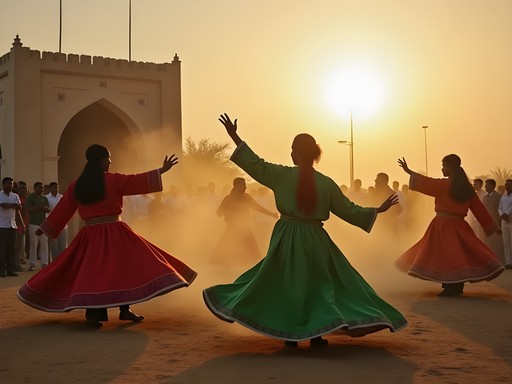
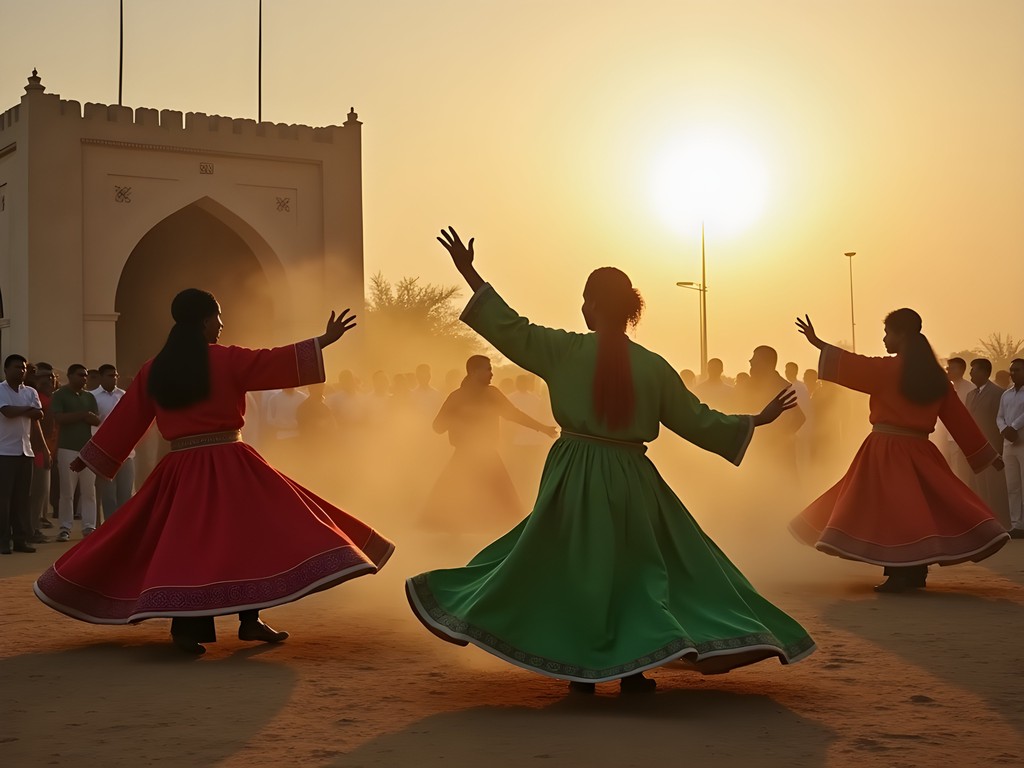
Perhaps the most profound cultural experience I had in Khartoum was witnessing the Sufi whirling dervish ceremonies at Hamed al-Nil tomb in Omdurman. As a biologist accustomed to observing behavioral patterns in ecosystems, watching the Friday dervish ritual was like witnessing a human ecosystem in perfect synchrony—dancers in green and red robes spinning in trance-like states, incense permeating the air, and rhythmic chanting creating an atmosphere of spiritual transcendence.
I arrived early (around 3:30 PM) to observe the gathering crowd and secure a respectful vantage point. By sunset, hundreds of participants and onlookers had assembled, creating an atmosphere electric with anticipation. When photographing such intimate cultural practices, my compact zoom lens proved invaluable, allowing me to capture details without intruding on the ceremony.
Equally captivating was my visit to the less-frequented Tuti Island, accessible by boat or bridge from Khartoum. This agricultural enclave sits at the confluence of the Niles and functions as both cultural time capsule and ecological sanctuary. The island's farms employ traditional irrigation methods dating back centuries, creating a fascinating study in sustainable agriculture practices. Walking through fields of vegetables and fruit orchards, I observed how local farmers have adapted to the Nile's seasonal rhythms—knowledge increasingly valuable in our climate-changing world.
💡 Pro Tips
- Arrive at Hamed al-Nil tomb by 3:30 PM on Friday for the dervish ceremony
- Ask permission before photographing participants in religious ceremonies
- Bring water and sun protection for Tuti Island, as shade is limited in agricultural areas
Culinary Anthropology: Khartoum's Food Landscape
Understanding a culture through its food has always been central to my research methodology, and Khartoum offers rich terrain for culinary anthropology. Sudanese cuisine reflects the country's position at the crossroads of Arab and African cultures, with dishes that blend Middle Eastern influences with local ingredients and techniques.
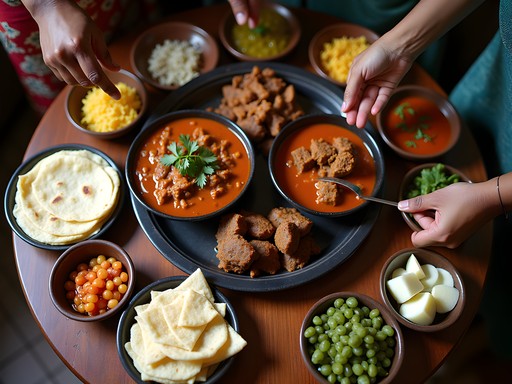
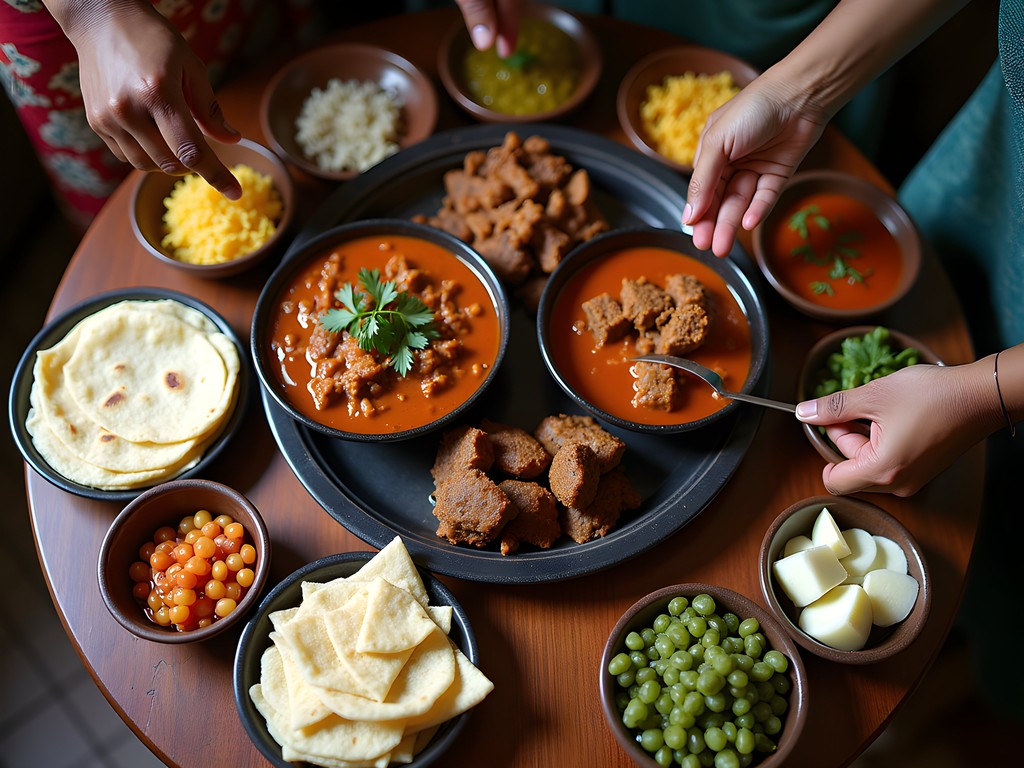
For an authentic experience, I sought out local establishments rather than tourist-oriented restaurants. In the Al-Riyadh district, I discovered family-run eateries serving ful medames (stewed fava beans) for breakfast, often accompanied by fresh bread, cheese, and eggs. The ecological dimensions of this dish fascinate me—fava beans represent a sustainable protein source adapted to Sudan's climate, requiring less water than animal agriculture.
Khartoum's evening meals center around communal dining, with dishes like mullah (beef stew) and kisra (sorghum flatbread) designed for sharing. During my research on local eating practices, I found my digital food scale surprisingly useful for documenting portion sizes and ingredient ratios when learning recipes from local cooks.
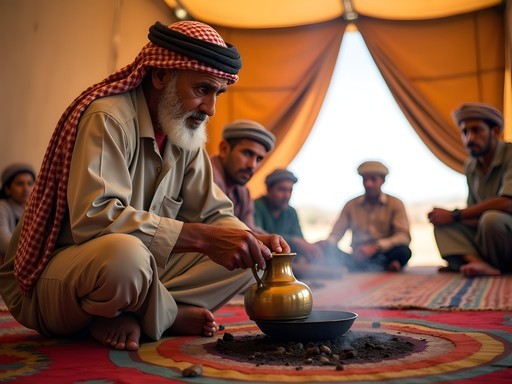
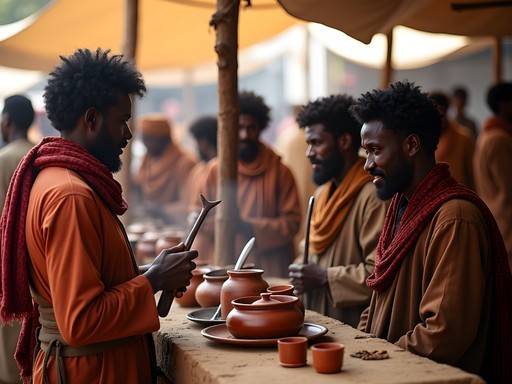
Tea culture deserves special mention—Sudanese jabana (spiced coffee) and chai ceremonies transform beverage consumption into social rituals. Street vendors prepare these drinks with theatrical flair, pouring from height to create froth and serving in small glasses meant for slow sipping and extended conversation. These roadside tea gatherings became my preferred settings for informal interviews about local ecological knowledge.
💡 Pro Tips
- Ask for 'shatta' (chili paste) on the side to adjust spice levels to your preference
- Look for restaurants where locals gather rather than tourist-oriented establishments
- Try the fresh juices available at street stalls - especially 'karkade' (hibiscus) and 'tabaldi' (baobab)

Urban Green Spaces and Ecological Refuges
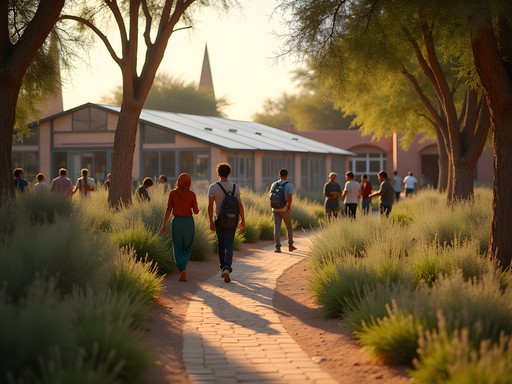
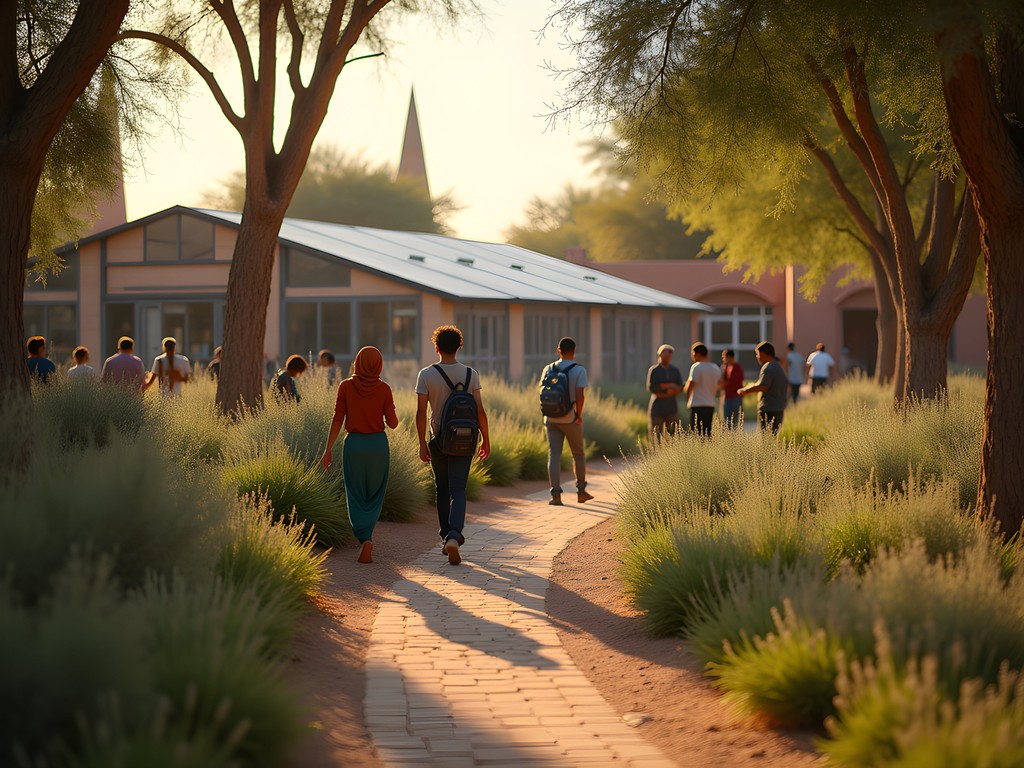
As a wildlife biologist, I'm naturally drawn to green spaces within urban environments. Khartoum surprised me with its pockets of ecological diversity amid the desert metropolis. The Al-Mogran Family Park, situated near the Nile confluence, offers a fascinating study in created ecosystems. The park's carefully maintained gardens feature both indigenous and introduced plant species, creating microhabitats that attract surprising avian diversity.
During early morning visits, I documented numerous migratory bird species using my waterproof field notebook, which proved essential during unexpected rain showers. The park serves as a stopover for birds traveling between Europe and sub-Saharan Africa, making it an unexpected ornithological hotspot.
For a more immersive natural experience, I arranged a day trip to Jebel Aulia Dam, about 40km south of Khartoum. This artificial reservoir has created a wetland ecosystem that contrasts dramatically with surrounding arid landscapes. Local fishermen use traditional methods that have adapted to this human-modified environment—a compelling example of cultural practices evolving alongside ecological change.
Perhaps most surprising was the University of Khartoum's botanical garden, a hidden sanctuary of biodiversity research. Though small, this collection showcases Sudan's native flora, particularly adapted desert species. The garden's researchers generously shared their knowledge of ethnobotanical traditions, including medicinal plants used by various Sudanese communities—information that bridges my interests in ecology and anthropology.
💡 Pro Tips
- Visit Al-Mogran Family Park early morning or late afternoon to avoid peak heat
- Bring a good pair of polarized sunglasses to reduce glare when observing wildlife near water
- Arrange transportation to Jebel Aulia Dam through your accommodation rather than public transport
Accommodation Insights: Cultural Immersion Through Homestays
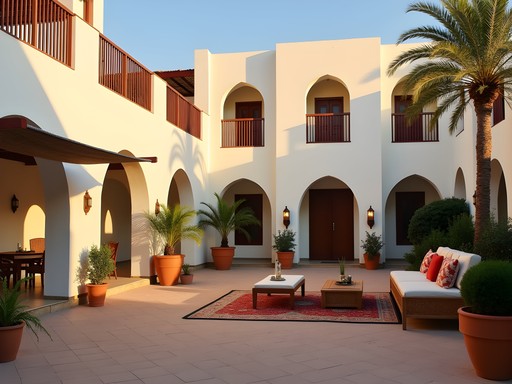
While Khartoum offers standard hotel accommodations, my most enriching experiences came through a carefully arranged homestay in the Al-Amarat district. This middle-class residential area provided insights into daily Sudanese life impossible to gain from commercial lodging. My host family—a professor of agriculture and his wife, a school administrator—offered perspectives on both urban development and traditional practices.
The homestay arrangement came with unexpected research opportunities. The family's courtyard garden demonstrated traditional water conservation techniques adapted to urban settings. Their rooftop sleeping arrangement during summer months (a common practice to escape indoor heat) connected me to astronomical traditions still maintained in Sudanese culture.
For those preferring conventional accommodations, I spent my first three nights at Corinthia Hotel Khartoum, locally known as 'Gaddafi's Egg' due to its distinctive architecture. While comfortable, the experience felt isolated from authentic city life. For mid-range options, Al Salam Hotel offered a better cultural immersion point, with its clientele primarily being regional business travelers rather than Western tourists.
Regardless of accommodation choice, I found my portable door lock provided additional security and peace of mind, particularly in guesthouses with simpler door locks. For extended stays, I recommend seeking accommodations in residential districts like Al-Riyadh or Al-Amarat rather than the commercial center, as these provide better glimpses into authentic Khartoum life.

💡 Pro Tips
- Arrange homestays through verified cultural exchange programs rather than informal arrangements
- Bring small, thoughtful gifts from your home country for hosts
- Request accommodations with rooftop access for cooler sleeping options during summer months
Final Thoughts
As my two weeks in Khartoum drew to a close, I found myself reflecting on the profound disconnect between media portrayals and lived reality in Sudan's capital. The city revealed itself as neither the conflict zone often depicted in Western news nor the sterile urban center shown in tourism brochures, but rather a complex cultural ecosystem where traditions adapt and evolve while maintaining their essence.
The experience reinforced my belief that meaningful travel requires us to approach destinations as students rather than consumers—to observe ecological and cultural patterns with humility and genuine curiosity. Khartoum rewards this approach abundantly, offering insights into sustainable adaptations to harsh environments, cultural resilience, and the harmonious integration of seemingly disparate traditions.
For couples seeking a travel experience that challenges preconceptions and offers genuine cultural immersion, Khartoum provides a compelling alternative to more conventional destinations. The city demands more from travelers—more patience, more cultural sensitivity, more willingness to step beyond comfort zones—but returns these investments with profound experiences unavailable in more tourist-oriented locations. As climate change and globalization continue to transform our world, places like Khartoum offer valuable lessons in adaptation and cultural preservation worth experiencing firsthand.
✨ Key Takeaways
- Cultural immersion in Khartoum requires patience and respect, but rewards with authentic experiences rarely found in mainstream tourism
- The confluence of Arab and African traditions creates unique cultural expressions in food, art, and daily life
- Local ecological knowledge in Khartoum demonstrates valuable adaptations to harsh environments relevant to our changing climate
📋 Practical Information
Best Time to Visit
October to April (fall through early spring)
Budget Estimate
$50-100 USD per day excluding flights
Recommended Duration
10-14 days
Difficulty Level
Challenging
Comments
backpackperson
This is EXACTLY the kind of travel content we need more of!! So tired of the same destinations over and over. The food section especially caught my attention - that asida dish sounds incredible. How easy is it to get around without Arabic? And is it budget-friendly for backpackers?
Haley Hamilton
Super budget-friendly! I was spending maybe $15-20/day when I was there. English is pretty common in Khartoum especially with younger people.
dreamlife5897
Going there in October! Any tips on what to wear? Especially as a woman?
Haley Hamilton
Connor, this resonates so much with my own experiences in places the media writes off. I spent three weeks in Khartoum back in 2019 and the hospitality was unmatched. The Sufi ceremonies you mentioned - absolutely transcendent. I attended one near Omdurman and it completely shifted how I understood Sudanese spirituality. The whirling, the chanting, the sense of community... it's something you can't capture in photos. Did you get a chance to explore any of the archaeological sites outside the city? The pyramids at Meroe are criminally undervisited compared to Egypt's. Also curious about the current visa situation - has it gotten any easier for Americans?
backpackperson
wait Sudan has pyramids?? adding this to my list immediately
cooltime
yeah the visa process is what im worried about tbh
cooltime
wow never thought about Sudan as a travel destination
dreamlife5897
same! this post totally changed my perspective
adventureexplorer
This post has me intrigued about Khartoum! How was the weather when you visited? And did you need any special vaccinations before going?
Connor Gonzalez
Thanks for asking! I went in early spring which was perfect - warm days (30-35°C) but not the extreme summer heat. Regarding health prep, I got typhoid and yellow fever vaccines, plus malaria prophylaxis. The yellow fever certificate is actually required for entry. Bring a good hat and plenty of sunscreen too!
adventureexplorer
Super helpful, thanks Connor! Adding this to my potential destinations for next year.
Nicole Russell
Connor, this post brought back so many memories! I spent 10 days in Khartoum last year and completely agree about the disconnect between media portrayal and reality. The Sufi ritual at Hamed el-Nil tomb was one of the most mesmerizing experiences of my life - the whirling dervishes on Friday evenings are INCREDIBLE. And the food! Did you try the full Sudanese breakfast spread with ful medames, tamiya and that amazing sesame oil? I found carrying a small phrasebook really helped connect with locals who appreciated even my terrible Arabic attempts. For anyone going, don't miss the National Museum - the Nubian artifacts are mind-blowing and it's usually not crowded.
adventureexplorer
How was getting around the city? Did you use public transport or hire drivers?
Nicole Russell
I used a mix! The local minibuses are super cheap but challenging if you don't speak Arabic. For longer trips, I used rideshare app which was affordable and reliable in Khartoum. Most days I just walked around Omdurman market area which was perfectly fine.
springnomad1042
Finally a post about Sudan that isn't just news headlines! Those Nile confluence photos are incredible.
Nicole Russell
Right?! I've been saying this for years - Sudan has so much beauty that never makes the news.
springnomad1042
Did you feel safe traveling there as a solo female traveler? Been curious about adding it to my list.
Nicole Russell
Surprisingly yes! I was there last year and found Khartoum quite safe during daytime. The Sudanese people were incredibly hospitable. Just dress conservatively and be respectful of local customs. Obviously research current conditions before going though!
sunnyexplorer
Just got back from Khartoum last week and your post is spot on! Those urban green spaces were a lifesaver in the heat. For anyone going, the Tuti Island ferry ride Connor mentioned was a highlight for us too. We found this amazing juice stand near the Ethnographic Museum that makes hibiscus and baobab drinks - perfect after walking around all day. One thing to add - bring cash! Card payments aren't widely accepted outside major hotels.
dreamphotographer
Thanks for the cash tip! Did you feel comfortable carrying money around?
sunnyexplorer
Yes, totally fine! Just used a regular money belt and kept smaller bills in my pocket for daily spending. The exchange rates at the airport aren't great though - better to exchange at banks in the city.
wavenomad
Bookmarked! Heading to Sudan in November.
travelguy
You'll love it! Don't miss the Friday night Sufi ceremonies Connor mentioned - truly special experience.
wavenomad
Thanks for the tip! Will definitely check that out.
dreamphotographer
Those photos of the Blue and White Nile confluence are stunning! What time of day did you shoot those? The light is perfect. I've been wanting to photograph Khartoum for years but always hesitated because of the news. This post is really making me reconsider. Did you have any issues with photography permissions at the cultural sites?
Connor Gonzalez
Thank you! I shot those at Al-Mogran around 5:30pm - that golden hour light is magical there. Regarding permissions, always ask before photographing people and religious sites. Most locals were actually quite open to being photographed after a friendly conversation. Official buildings are off-limits though. Bring extra memory cards - the light and colors are incredible!
Venture X
Premium card with 2X miles, $300 travel credit, Priority Pass