
Disclosure: This article contains affiliate links. We may earn a commission from purchases at no extra cost to you, which helps our travel content.
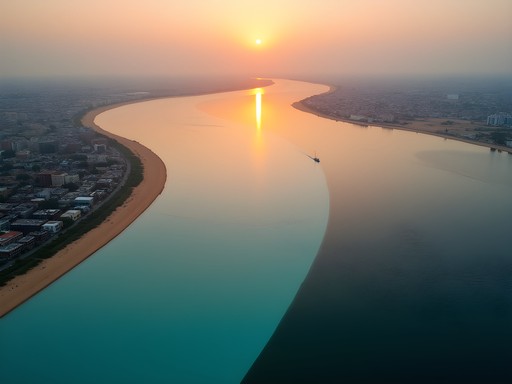
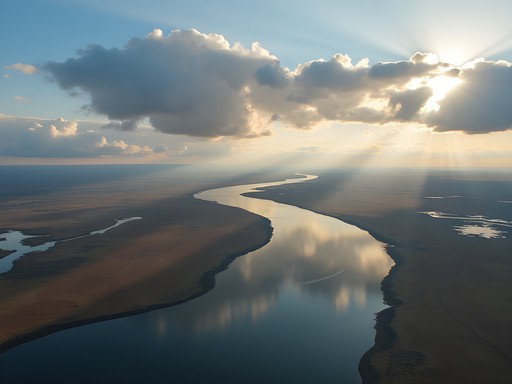
The Nile splits into two mighty veins at Khartoum, a convergence that mirrors the city itself—where ancient traditions flow into contemporary life with surprising harmony. My academic pursuits in indigenous architectural preservation led me here, far from my Adelaide home and even further from my Canadian roots. What I discovered beneath Sudan's often misunderstood surface was a cultural tapestry so rich and complex that two weeks barely scratched its surface. This isn't the Khartoum of tense headlines, but rather a living museum of resilience, architectural ingenuity, and genuine human connection.

Navigating Khartoum's Architectural Timeline
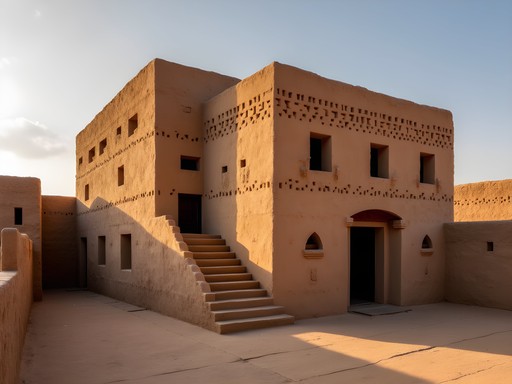
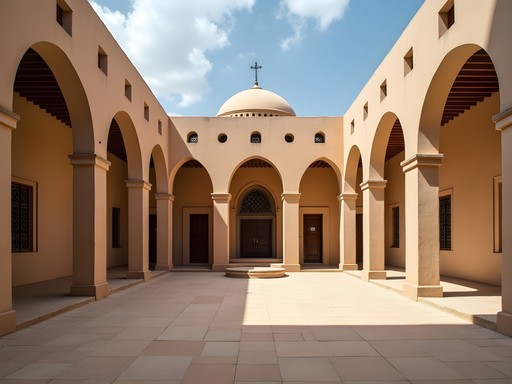
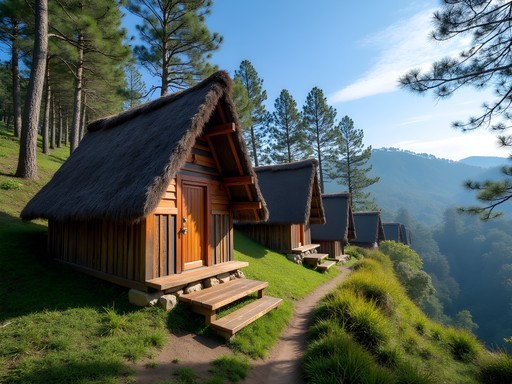
Khartoum's buildings tell stories that textbooks never could. The colonial-era Presidential Palace stands as a testament to British influence, while just kilometers away, traditional Nubian structures showcase indigenous building techniques that have withstood centuries of harsh desert conditions.
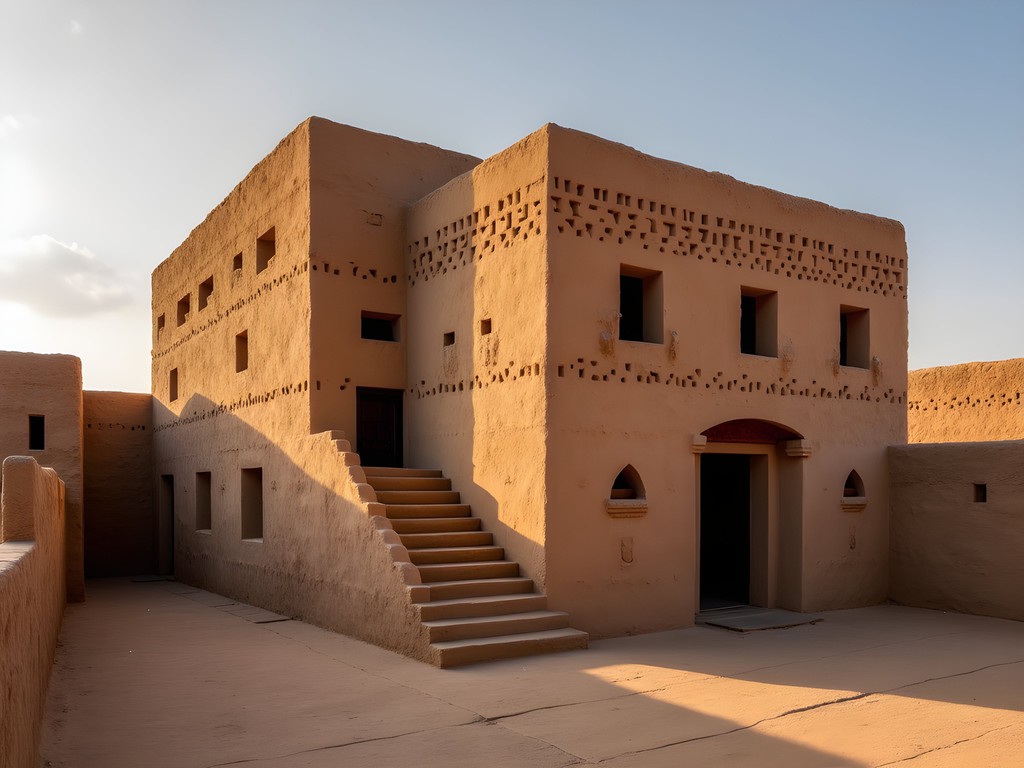
My architectural background drew me first to the National Museum, where I spent hours sketching structural details of ancient Kushite temples. But the real education came from wandering Omdurman's residential neighborhoods, where contemporary adaptations of traditional mud-brick construction demonstrate remarkable thermal efficiency—something my sustainable architecture colleagues back in Adelaide would appreciate.
I was fortunate to connect with Mahmoud, a local architect specializing in heritage preservation, who granted me access to ongoing restoration projects. We spent afternoons discussing the challenges of balancing preservation with modernization while I documented traditional joinery techniques that required no metal fasteners—ingenious solutions born from resource scarcity that remain relevant today.
When documenting structures, my rugged notebook proved invaluable against both dust storms and my perpetually sweaty hands. The waterproof pages preserved my sketches even when caught in an unexpected downpour near the Blue Nile.
💡 Pro Tips
- Visit architectural sites early morning to avoid both crowds and midday heat
- Seek permission before photographing or sketching residential structures
- Connect with the Architecture Department at University of Khartoum for insider access to preservation projects
Cultural Immersion Through Craft and Cuisine
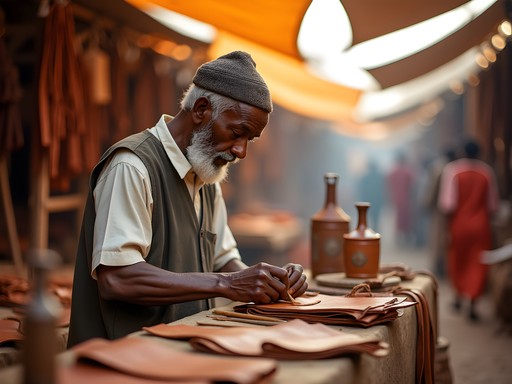
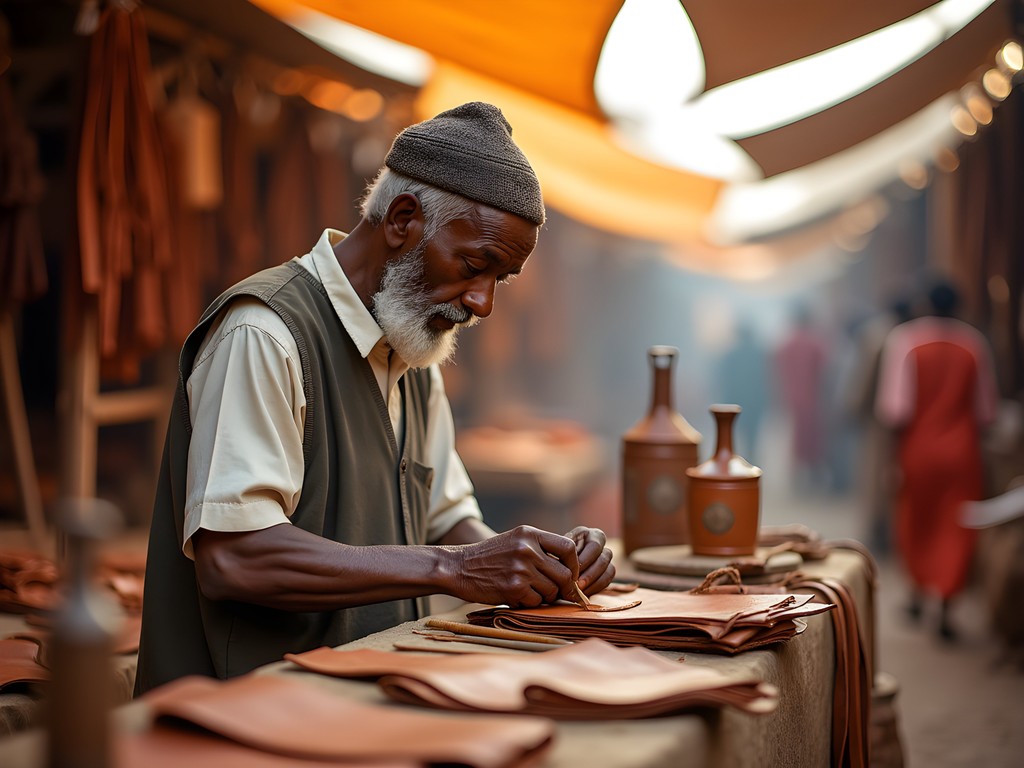
My Métis heritage has taught me that understanding a culture requires working with your hands. In Khartoum, this meant apprenticing myself to local craftspeople whenever possible. At the Omdurman Market, I spent three afternoons with Hassan, a third-generation leatherworker who showed me how to create traditional water vessels from goatskin—a technique remarkably similar to ones my Métis ancestors used in Canada's northern territories.
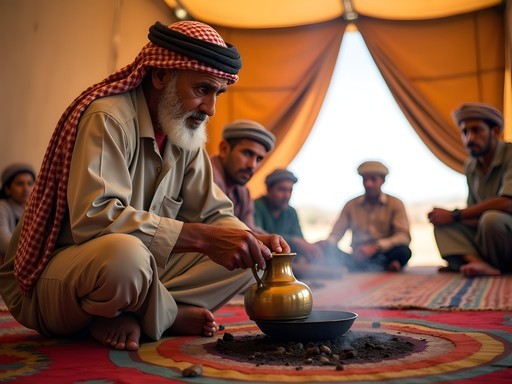
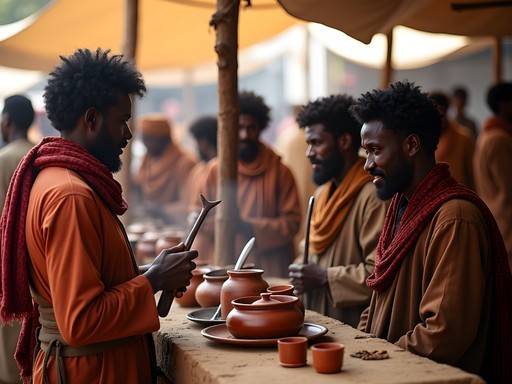
Food became another gateway to cultural understanding. Skip the tourist restaurants and instead find your way to family-owned eateries in Al-Sajana district. Here, I discovered ful medames (fava bean stew) served with fresh bread that became my daily breakfast, always accompanied by jebena buna (Sudanese coffee) prepared in clay pots over charcoal.
The highlight was joining a local family for Eid celebrations, where I learned to prepare kisra (fermented bread) under the watchful eye of three generations of women. My clumsy attempts provided much entertainment, but by the third try, I managed something passably authentic.
During my market explorations, my crossbody sling bag proved perfect for carrying essentials while keeping hands free for examining crafts and taking photos. The slash-proof construction gave peace of mind in crowded areas without screaming 'tourist' like bulkier options.
💡 Pro Tips
- Learn basic Arabic greetings and food terms—efforts are deeply appreciated
- Ask permission before joining craftspeople or taking photos of their work
- Bring small, thoughtful gifts from your country when invited to homes
The Living Heritage of Nile Communities
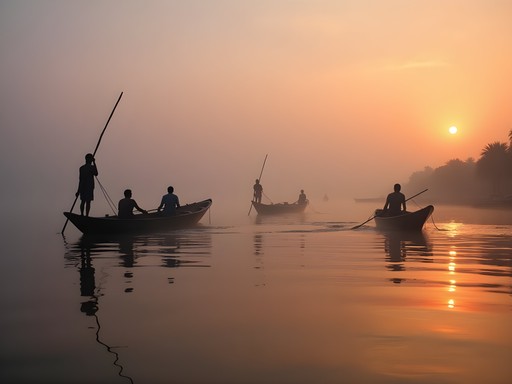
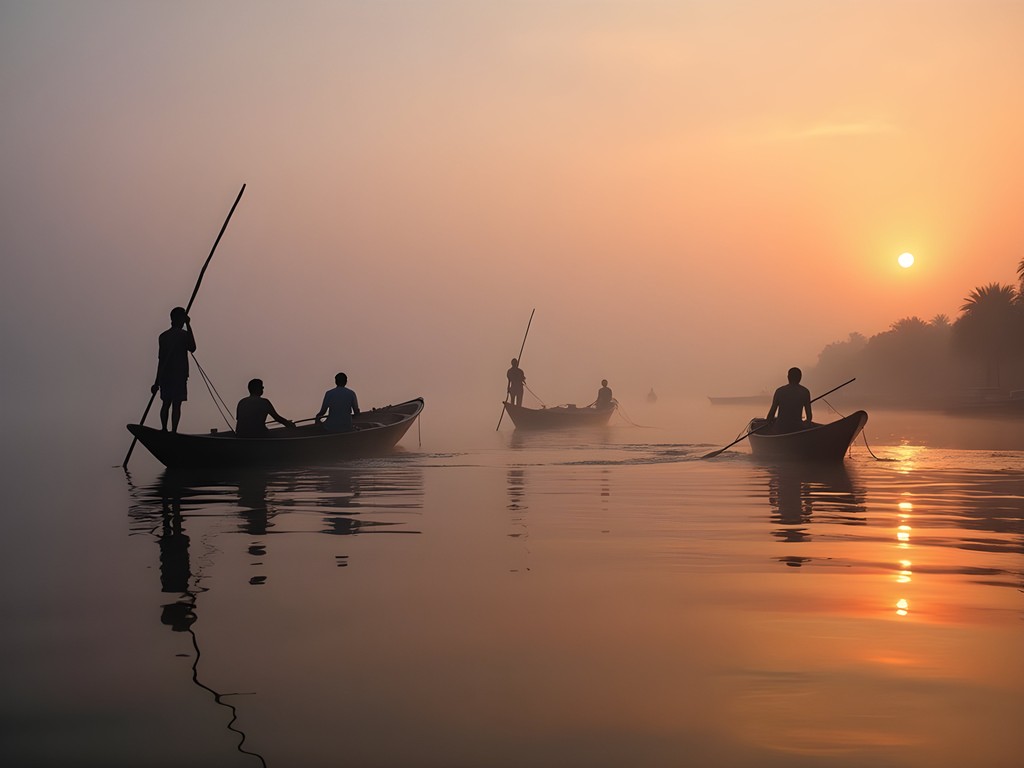
The Nile isn't just a postcard backdrop in Khartoum—it's the lifeblood of communities with distinct traditions. Arranging a small boat tour with local fishermen revealed a perspective of the city invisible from land. We pushed off before dawn, when the water was mirror-calm, equipped with my headlamp that proved essential for navigating the pre-dawn darkness without disturbing the tranquility.
At the confluence of the Blue and White Nile (locally called Al-Mogran), I witnessed fishing techniques unchanged for centuries. Using handwoven nets, fishermen demonstrated sustainable practices that have maintained fish populations for generations. One elder explained how seasonal migrations and lunar cycles inform their fishing calendar—indigenous knowledge that parallels what I've documented among First Nations communities back home.
The riverbanks host communities where architecture directly responds to annual flooding. Homes built on stilts incorporate ingenious adaptable foundations that can be adjusted as the river rises. These practical solutions to environmental challenges reflect the kind of indigenous wisdom that my PhD research focuses on—proving again that formal education often merely documents what traditional knowledge has perfected through centuries of trial and error.
For recording interviews with elders about traditional building methods, my portable recorder captured clear audio even with river sounds in the background. Its compact size didn't intimidate subjects, allowing for more natural conversations.
💡 Pro Tips
- Arrange boat tours through local contacts rather than tourist agencies for authentic experiences
- Bring small denominations of Sudanese pounds for direct payment to fishermen and guides
- Learn about sustainable fishing practices that have maintained Nile ecosystems for generations

Building Bridges Through Traditional Music
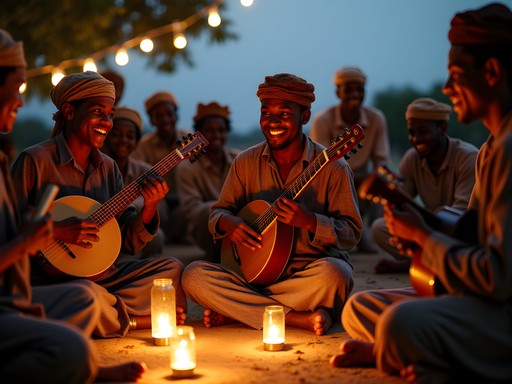
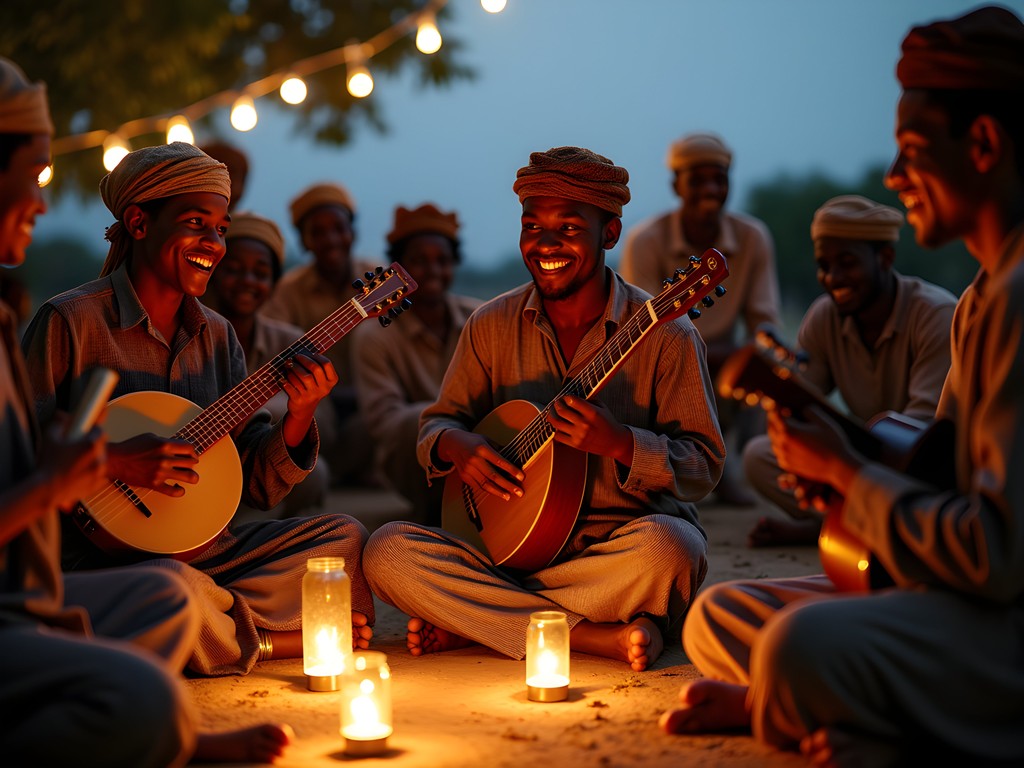
My most profound connections in Khartoum came through music—a universal language that transcended my limited Arabic. In the Tuti Island community, weekly gatherings feature traditional Nubian percussion that bears striking similarities to indigenous drumming traditions I've experienced in northern Canada.
I was invited to a zār ceremony—a traditional healing ritual involving complex rhythmic patterns and trance-like states. Though typically closed to outsiders, my genuine interest in cultural preservation earned me a place as observer. The ceremonial use of music as medicine parallels practices among indigenous communities worldwide, reinforcing my belief in the universality of certain cultural expressions.
For anyone interested in Sudanese music, the Cultural Center in downtown Khartoum hosts weekly performances where traditional instruments like the tambour (five-stringed lyre) and daluka drums take center stage. These aren't tourist shows but authentic gatherings where locals come to maintain connections with their heritage.
During outdoor ceremonies that stretched late into the night, my insect repellent lotion proved essential against Nile mosquitoes. Unlike spray options, the lotion's subtle scent didn't intrude on the ceremonial atmosphere or offend hosts with chemical smells.
💡 Pro Tips
- Approach musical traditions with respectful curiosity rather than expectation
- Ask permission before recording any ceremonial music
- Learn basic rhythmic patterns to participate when invited—participation is valued over observation
Ethical Engagement with Sacred Spaces
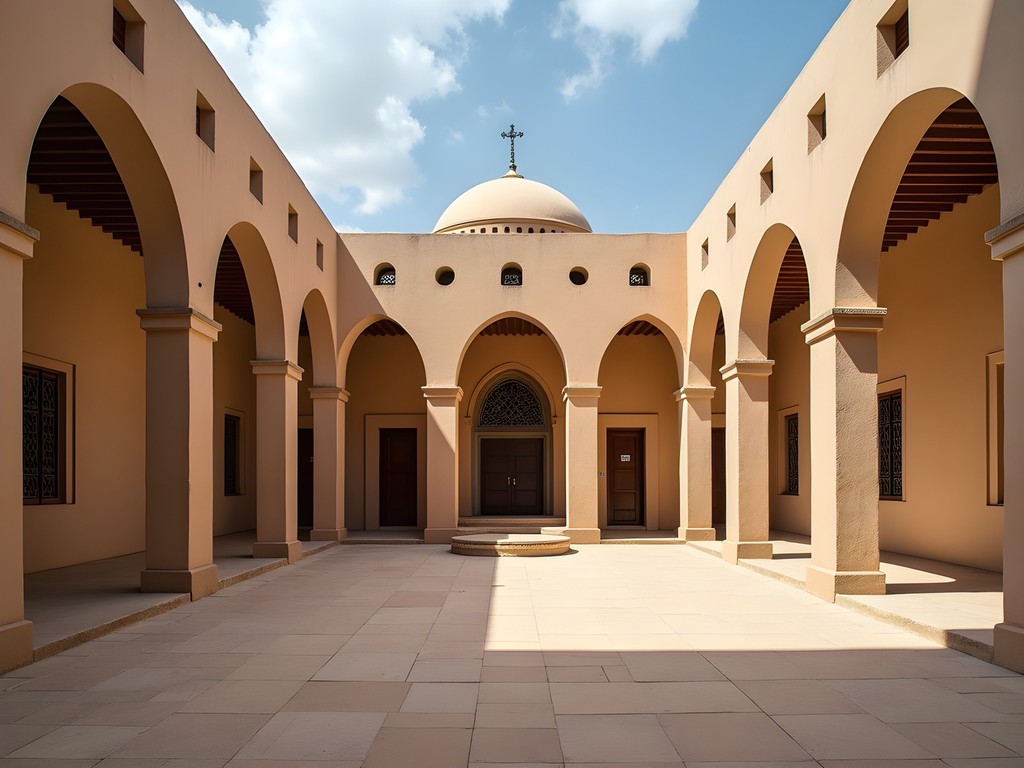
Khartoum's religious landscape offers profound insights into Sudanese cultural identity. While the city is predominantly Muslim, diverse expressions of faith create a complex spiritual ecosystem. The massive Grand Mosque in Omdurman contrasts with neighborhood mosques where local traditions influence religious practice in subtle ways.
As someone who studies the architecture of sacred spaces, I was particularly drawn to how traditional building techniques manifest in religious structures. Many smaller mosques incorporate indigenous cooling systems—strategic ventilation channels and thermal mass—that modern buildings with air conditioning can't match for sustainability.
For non-Muslim visitors, approaching sacred spaces requires preparation. Women should carry a lightweight scarf for covering hair when appropriate. I observed many tourists making avoidable mistakes by arriving unprepared for cultural expectations.
My approach was to connect with local university students who could explain the cultural context of different sites. Mohammed, a architecture student I met through academic contacts, provided invaluable guidance on appropriate behavior and dress while explaining the historical development of mosque architecture in the region—knowledge that transformed my experience from simple observation to meaningful understanding.
💡 Pro Tips
- Research appropriate dress codes before visiting religious sites
- Visit neighborhood mosques outside prayer times if invited by a local guide
- Learn basic religious greetings and respect photography restrictions
Final Thoughts
My two weeks in Khartoum barely scratched the surface of this complex cultural landscape. What began as architectural research evolved into something far more meaningful—a recognition of how indigenous knowledge systems survive despite immense pressure from globalization and political upheaval. The resilience I witnessed in Khartoum's communities mirrors what I've seen among First Nations and Métis peoples in Canada—a determination to preserve cultural identity through practical knowledge and daily traditions.
For the traveler willing to move beyond headlines and approach Khartoum with genuine respect, the rewards are immeasurable. This isn't a destination for those seeking luxury or convenience, but rather for the culturally curious who understand that true travel means temporary discomfort in service of lasting insight. The architectural wonders, living traditions, and genuine hospitality I experienced have fundamentally shifted my understanding of Sudanese culture.
As I continue my PhD research into indigenous architectural preservation, the lessons from Khartoum will inform my approach to documenting disappearing building techniques worldwide. The connections between seemingly disparate cultures—from Métis traditions in Canada's north to Nubian practices along the Nile—remind us that human ingenuity follows similar patterns across continents and centuries. In this recognition lies the true value of cultural immersion.
✨ Key Takeaways
- Connect with local academics and students for deeper cultural context and access
- Focus on neighborhood experiences rather than tourist attractions for authentic engagement
- Document traditional building techniques as they represent centuries of sustainable solutions
- Approach cultural differences with genuine curiosity rather than judgment
- Recognize parallels between indigenous knowledge systems worldwide
📋 Practical Information
Best Time to Visit
October-November or March-April (avoiding extreme heat)
Budget Estimate
$30-50 USD daily (excluding accommodations)
Recommended Duration
Minimum 10 days, ideally 2+ weeks
Difficulty Level
Challenging
Comments
waveperson
YES!! finally someone writing about real Sudan and not just conflict narratives. the music section gave me chills, would love to experience that
Douglas Bradley
Really appreciate the nuanced perspective here, Alex. I've been researching North African destinations beyond the usual Morocco/Egypt circuit, and Khartoum keeps coming up as this fascinating cultural crossroads that's criminally underrepresented in travel media. Your section on the architectural timeline particularly resonated—the way colonial, modernist, and traditional Sudanese elements coexist tells such a complex story. Did you find language barriers significant? I'm assuming Arabic is essential, but curious about English prevalence in cultural spaces versus tourist areas (not that there are many of the latter).
Alex Bell
Thanks Douglas! Arabic definitely opens doors—I had basic conversational skills which helped enormously. English is spoken in some hotels and by younger educated folks, but in craft workshops and traditional neighborhoods, not so much. That said, people were incredibly patient and creative with communication. Having a good phrasebook and translation app made a huge difference in deeper conversations.
Douglas Bradley
Perfect, that's what I figured. Time to brush up on my Arabic!
starlife
this looks amazing but is it safe to visit right now?? really want to go but nervous about the headlines
Alex Bell
Great question! I visited during a relatively stable period. Definitely check current travel advisories and connect with local guides before planning. The situation can change, so staying informed is key. When I was there, people were incredibly welcoming and I felt safe in the areas I visited.
starlife
thanks! will do more research
beachmood
I've traveled through Ethiopia and Egypt but never made it to Sudan. Reading this makes me realize what I missed. The cultural depth you describe sounds incredible. Question though - how challenging was the language barrier? Did you find many English speakers or did you rely on translation tools?
Alex Bell
English is fairly common in the city, especially among younger people and in tourist areas. That said, learning basic Arabic phrases goes a long way. I used my translation app for more complex conversations and it helped a lot.
redmood
Been following your work for a while and this might be your best post yet. The way you describe the confluence of the Niles as a metaphor for the city is beautiful. Really makes me want to explore more off-the-beaten-path destinations in Africa. Bookmarking this for future reference.
Nicole Russell
This is EXACTLY the kind of content we need more of! I'm so tired of the same old tourist trail posts. Your approach to cultural immersion through music and craft really shows how travel can be about genuine connection rather than just ticking off landmarks. The section about traditional music gave me chills - I can only imagine experiencing that in person. How did you find your local guides? Did you arrange everything beforehand or just show up and network?
greenchamp
What was the food scene like? Any dishes you'd recommend?
Nicole Russell
Not Alex but I've been dying to try Sudanese cuisine! The ful medames and kisra look incredible from what I've seen.
Alex Bell
The street food is phenomenal. Definitely try ful, and don't miss the grilled meat at the local souqs. The coffee ceremony is also an experience you shouldn't skip.
beachmaster
Love the photos!
Sarah Powell
The architectural timeline section really resonated with me. I've been researching Ottoman and Mahdist influences across North Africa, and your observations about how these layers coexist in Khartoum's urban fabric are spot-on. The way you connected the Nile communities' living heritage to the broader cultural narrative was particularly insightful. Did you get a chance to document any of the traditional building techniques still being used in the older neighborhoods? I'm curious about the preservation efforts, if any.
Alex Bell
Yes! I spent time in Omdurman observing mud-brick construction methods that haven't changed in centuries. The challenge is that formal preservation is minimal, so it's really the communities themselves maintaining these traditions. I have some great photos I didn't include in this post.
escapewanderer
Is it safe to travel there right now?
Alex Bell
I visited in early 2024 before the current situation escalated. Please check current travel advisories and local conditions before planning any trip. The situation has changed significantly since my visit.
Venture X
Premium card with 2X miles, $300 travel credit, Priority Pass