
Disclosure: This article contains affiliate links. We may earn a commission from purchases at no extra cost to you, which helps our travel content.
While most travelers flock to Cox's Bazar for its claim to fame as the world's longest natural sea beach, my recent business trip to Bangladesh revealed a far more compelling narrative hiding in plain sight. The fishing villages dotting this coastline offer a masterclass in cultural resilience, traditional practices, and community economics that deserve equal attention. Having grown up with dual cultural lenses—my French mother's archival precision and my African-American father's appreciation for community storytelling—I found myself magnetically drawn to these coastal communities where history and daily life intertwine in fascinating ways.

The Hidden Economy Behind the Tourist Facade
As a management consultant specializing in sustainable business practices, I've developed a professional habit of looking beyond surface attractions to understand the economic ecosystems that sustain destinations. Cox's Bazar's fishing villages represent a perfectly preserved example of circular economics that predates our modern corporate buzzwords by centuries.
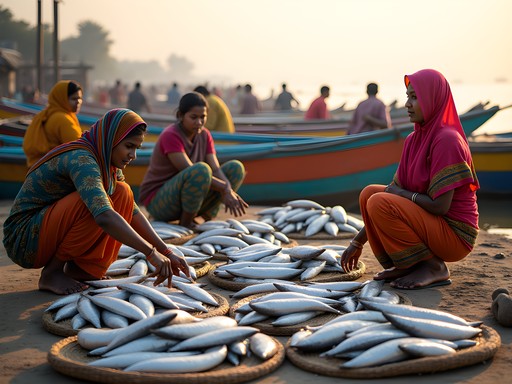
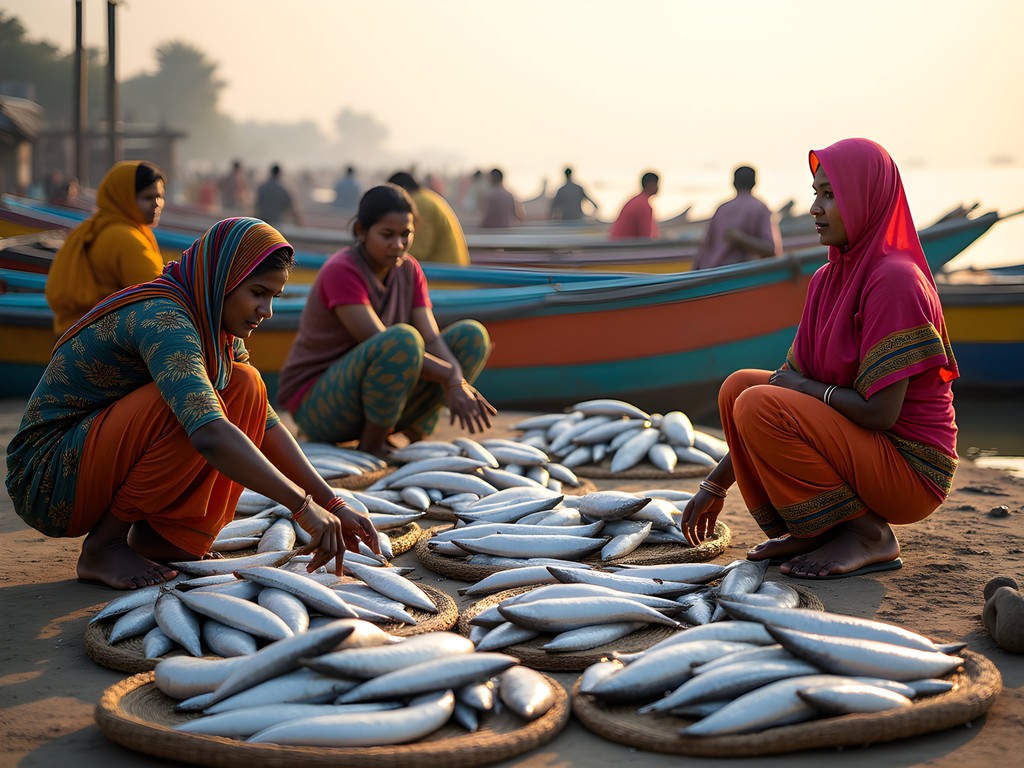
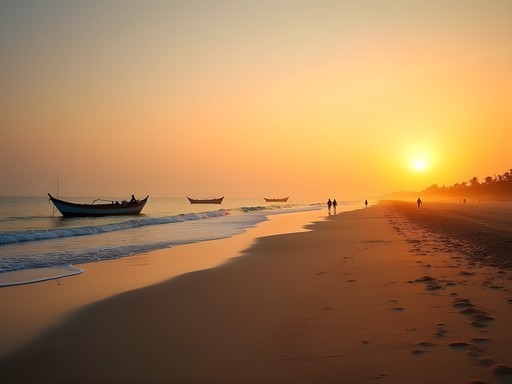
In Nazirartek village, just 7km north of the main beach, I witnessed the entire supply chain in action. Pre-dawn fishing expeditions return by mid-morning, where an intricate network of processors, preservers, and marketers (predominantly women) transform the catch into economic opportunity. What struck me most was the zero-waste approach—fish heads become curry, bones make broth, and even scales are collected for cottage industries producing trinkets for tourists.
The experience reminded me of similar practices I'd documented in Norwegian coastal communities near my husband's ancestral home, though with distinctly different cultural expressions. For travelers seeking authentic experiences, this economic microcosm offers insights no resort experience can match.
💡 Pro Tips
- Visit the fish landing sites between 7-9am for the most vibrant activity
- Bring small denomination taka notes if you wish to purchase directly from fishmongers
- Ask permission before photographing people at work—a simple gesture and smile goes a long way
Living History: The Boat Builders of Moheshkhali
My consulting work has taken me to shipyards across four continents, but nothing prepared me for the masterclass in traditional craftsmanship I witnessed on Moheshkhali Island. A short ferry ride from the mainland, this island hosts communities of boat builders who construct the distinctive wooden fishing vessels that define the Bay of Bengal's seascape.
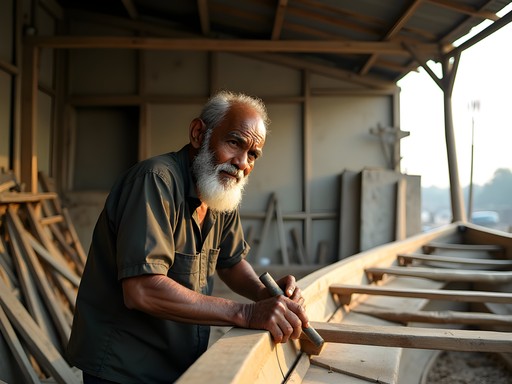
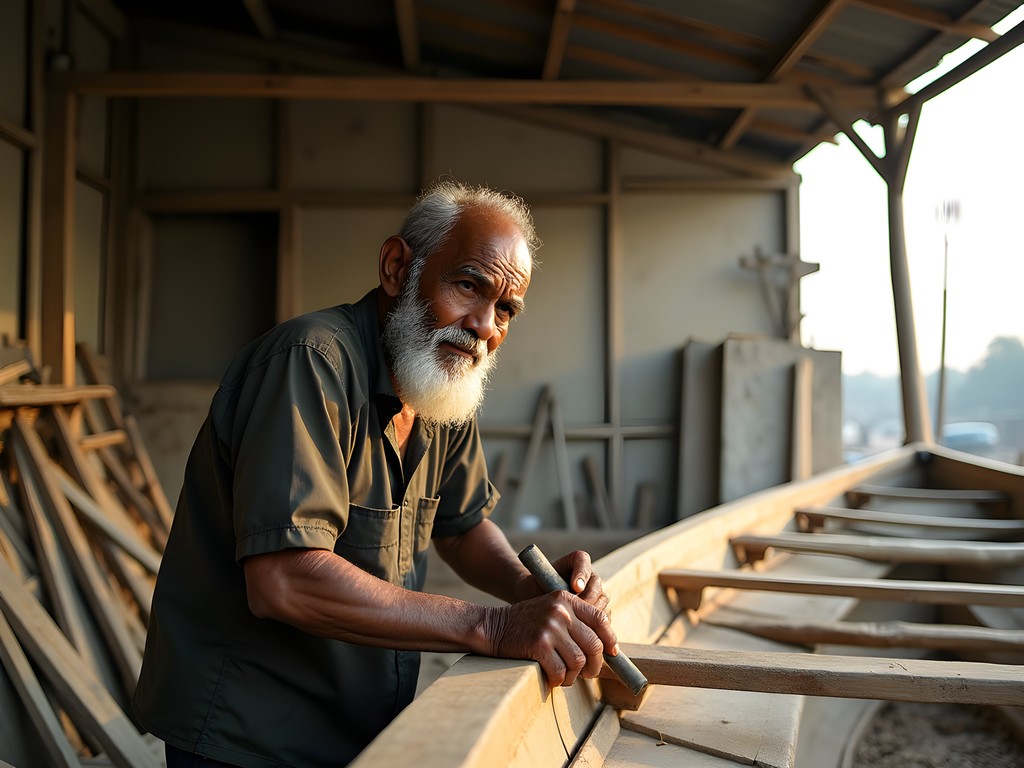
In an age of fiberglass and carbon composites, these artisans maintain woodworking traditions passed through generations. Each boat takes 3-4 months to complete using techniques that have remained largely unchanged for centuries. What fascinated me most was their sustainability model—they harvest wood from managed forest plots their ancestors established specifically for boat building.
I spent an afternoon with master builder Abdul Rahman, whose calloused hands moved with surgical precision as he shaped planks without power tools. When I mentioned my interest in forest conservation (a passion inherited from childhood explorations in France's woodlands), he showed me their timber management system that would impress any modern sustainability consultant.
For protection against the elements during my island explorations, my quick-dry hat proved invaluable—offering UPF 50 protection while being breathable enough for the humid climate.
💡 Pro Tips
- Hire a local guide who speaks Bengali to translate the boat builders' explanations
- Visit early in the day before the afternoon heat becomes uncomfortable
- Bring a small gift if you plan to spend significant time with craftspeople—quality tea is always appreciated
Culinary Anthropology: The Rakhine Kitchen
My Franco-American upbringing instilled in me a belief that food reveals more about cultural identity than any museum exhibit ever could. In Cox's Bazar, the indigenous Rakhine communities maintain culinary traditions that tell a complex story of migration, adaptation, and resilience.
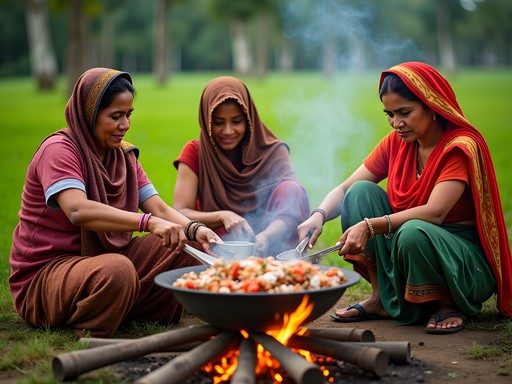
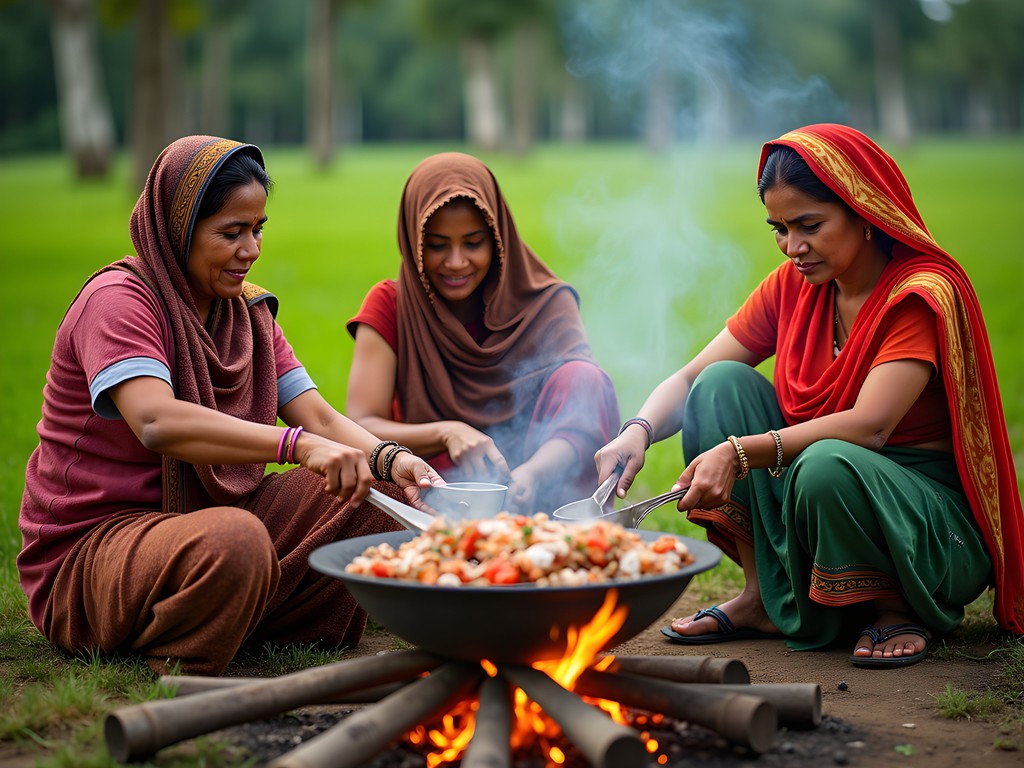
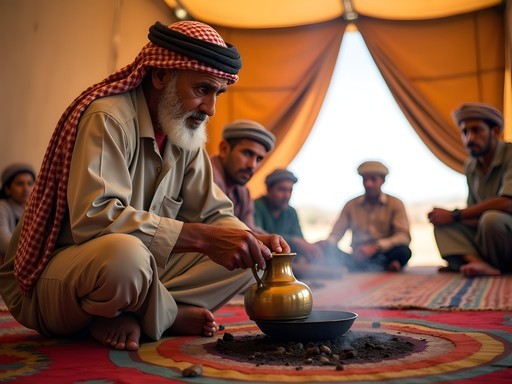
I arranged a cooking demonstration in a Rakhine household in Ramu, where three generations of women shared their kitchen wisdom. The distinctive flavors—heavy on fermentation, dried fish, and bamboo shoot preparations—reflect both their historical migration from Myanmar and their adaptation to local ingredients.
What business travelers often miss in their rush between meetings is this kind of immersive experience. I've found that understanding local food systems provides invaluable insights into community values and economic priorities. The Rakhine approach to preservation techniques developed from necessity but continues as cultural pride.
For documenting recipes and cultural observations, I relied on my waterproof notebook, which proved essential when an unexpected rain shower hit during our outdoor cooking session. The pages remained intact despite the downpour, preserving the culinary knowledge I'd gathered.
My host insisted I try nappi, a pungent fermented shrimp paste central to their cuisine. While admittedly challenging to my French-trained palate, understanding its cultural significance enhanced my appreciation for this complex flavor foundation.
💡 Pro Tips
- Arrange cooking demonstrations through your guesthouse or local tour operators with community connections
- Express genuine interest in techniques rather than just final dishes
- Bring a small food gift from your own culture as a conversation starter

Navigating Cultural Boundaries as a Solo Female Traveler
As someone who regularly navigates business environments across cultures, adapting to local norms while maintaining personal authenticity has become second nature. However, Cox's Bazar presented unique considerations as a predominantly conservative Muslim region where foreign solo female travelers remain relatively uncommon outside resort areas.
My approach combined respectful adaptation with thoughtful preparation. I packed a versatile scarf that served multiple purposes—covering my head when visiting religious sites, providing sun protection during beach walks, and offering an extra layer of modesty when visiting traditional communities.
Rather than viewing cultural differences as limitations, I found them to be opportunities for deeper connection. Local women were often more willing to share their stories precisely because I demonstrated respect for local customs. In Teknaf, the southernmost fishing village before the Myanmar border, this approach led to an invitation to join a women's cooperative where they create traditional textiles using techniques dating back centuries.
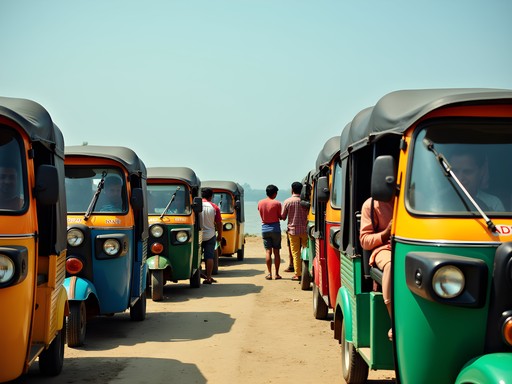
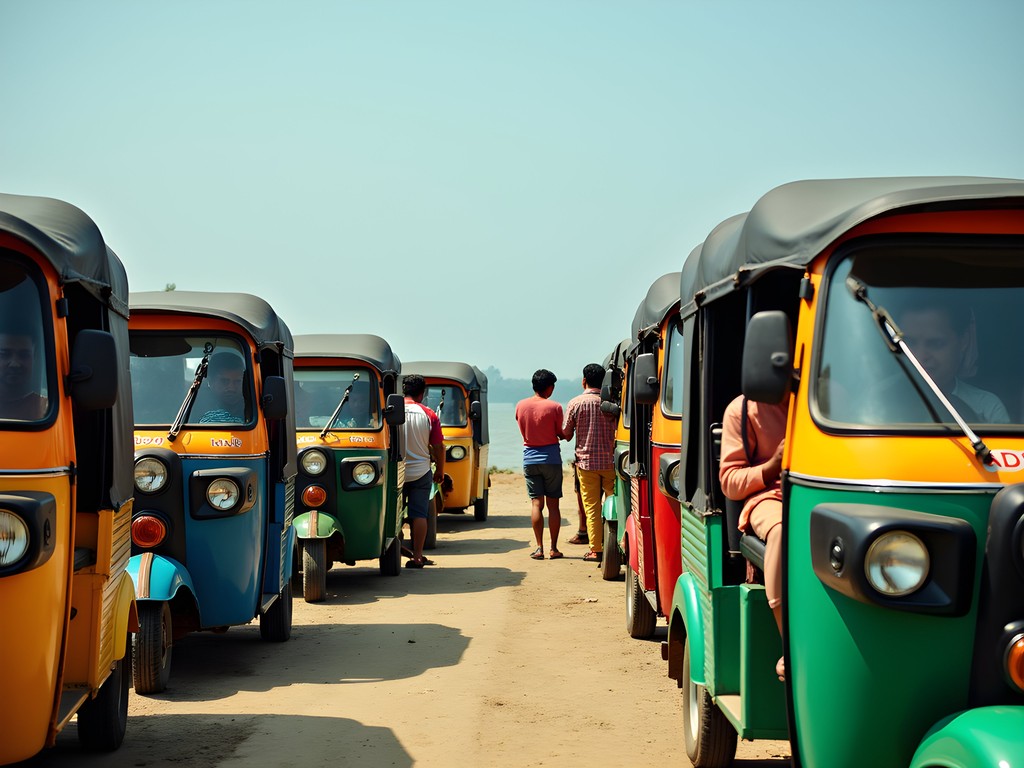
Navigating transportation between villages required flexibility. While rideshare apps work in the main Cox's Bazar town, reaching outlying communities meant relying on local transportation. My portable translator device became invaluable for communicating with tuk-tuk drivers and negotiating fair prices when my rudimentary Bengali reached its limits.
💡 Pro Tips
- Dress modestly with shoulders and knees covered, even in warm weather
- Learn basic Bengali greetings to establish rapport before attempting English
- Consider hiring a local female guide for deeper access to women's spaces and activities
Final Thoughts
As my week in Cox's Bazar's fishing communities drew to a close, I found myself reflecting on how these experiences had fundamentally shifted my perception of Bangladesh. What began as a brief extension to a Dhaka business trip had evolved into a profound lesson in cultural sustainability and resilience.
Perhaps the greatest insight came from observing how these communities maintain their cultural identity while adapting to changing economic realities. As a management consultant, I often advise businesses on sustainable adaptation—yet here were living examples that had perfected this balance through generations of practical wisdom.
For travelers willing to venture beyond the admittedly spectacular beaches, Cox's Bazar offers a masterclass in living history. The fishing villages represent Bangladesh's past and present simultaneously, providing context that no resort experience can match. Whether you're a business traveler with a few extra days or a dedicated cultural explorer, I encourage you to seek out these authentic experiences. The wooden boats, fragrant kitchens, and skilled hands of Cox's Bazar's fishing communities tell stories that deserve to be heard—and might just change how you understand this remarkable corner of the world.
✨ Key Takeaways
- Cox's Bazar's fishing villages offer more authentic cultural experiences than its famous beaches
- Local transportation between villages is manageable but requires flexibility and basic communication skills
- Respectful dress and behavior opens doors to deeper cultural exchanges, especially for female travelers
- The traditional fishing economy demonstrates sustainable practices that predate modern environmental movements
📋 Practical Information
Best Time to Visit
November to February (winter)
Budget Estimate
$30-50 per day (excluding international flights)
Recommended Duration
5-7 days
Difficulty Level
Moderate

Comments
beachguide
Love the fishing boat photos! Really cool perspective.
Jean Wells
Your observations about the boat building traditions in Moheshkhali align perfectly with what I documented during my 2024 visit to similar communities in Myanmar's Rakhine State. The cross-border cultural continuity is fascinating. I'm curious about your methodology for the cultural boundary navigation section - did you work with a female local contact, or were you able to navigate these spaces independently? In my experience, having a local woman facilitate introductions made a significant difference in access to domestic spaces and candid conversations. The economic analysis you touched on regarding tourist vs. fishing economies deserves deeper exploration.
islandguide
This is really helpful context, thanks Jean!
islandguide
How did you arrange the visit to the Rakhine kitchen? Can you just show up or do you need a guide? Going in March and really interested in this part.
dreamperson
Also curious about this! Did you hire a local guide Michelle?
dreamperson
This is exactly what I'm looking for! So tired of just beach content.
coffeeexplorer
Beautiful photos and great storytelling!
Casey Andersson
What a refreshing perspective, Michelle! I'll admit Cox's Bazar wasn't on my radar, but this changes things. I've been focusing more on cultural immersion experiences lately rather than just luxury resorts, and this hits that sweet spot. The boat building tradition in Moheshkhali sounds fascinating - reminds me of the dhow builders I met in Oman. There's something profoundly moving about witnessing these ancient skills that are slowly disappearing. The culinary aspect really intrigues me too. Were you able to participate in cooking or just observe? I find hands-on experiences create the deepest connections.
Michelle Washington
I was invited to help prepare a meal in one home - learned to make traditional Rakhine mohinga. It was definitely the highlight of my trip!
islandperson
Love the photos!
explorerider
Quick question - is it safe for solo travelers? Especially in the more remote villages?
Michelle Washington
I felt very safe! The communities are incredibly welcoming. Just dress modestly and be respectful of local customs. Going with a local guide initially helped me understand the social dynamics.
globequeen5520
I've traveled solo through Bangladesh twice and honestly felt safer than in many European cities. People are so hospitable!
Sophia Gomez
Michelle, this resonates so much with my own experience in coastal Vietnam last year. There's something profound about watching traditional boat building - it's like witnessing living history. Your section on navigating cultural boundaries as a solo female traveler is particularly valuable. I found similar challenges in fishing communities, but the warmth and hospitality once trust was established made it all worthwhile. The Rakhine kitchen experience sounds incredible. Did you find language barriers challenging, or were people generally accommodating?
Michelle Washington
Sophia, yes! Language was definitely a barrier, but gestures and smiles go a long way. The cooking experience was mostly hands-on demonstration, which actually made it more immersive. Would love to hear more about your Vietnam experiences!
coolblogger
This whole thread is making me want to book a trip right now!
globequeen5520
LOVE THIS!! Finally someone writing about the real Bangladesh! The Rakhine kitchen section has me drooling. Adding this to my Southeast Asia itinerary for sure!
Venture X
Premium card with 2X miles, $300 travel credit, Priority Pass