

Disclosure: This article contains affiliate links. We may earn a commission from purchases at no extra cost to you, which helps our travel content.
When most Americans think of South Korea, their minds immediately jump to K-Pop, high-tech cities, and perhaps kimchi. But just as a smart investment portfolio needs diversification, so too does your cultural experience in this fascinating country. Last fall, I spent a week in Busan – South Korea's second-largest city – and discovered a world where ancient traditions thrive alongside modern innovations. Let me share how to experience the depth of Korean culture that most tourists never see.

Finding Spiritual Balance at Beomeosa Temple
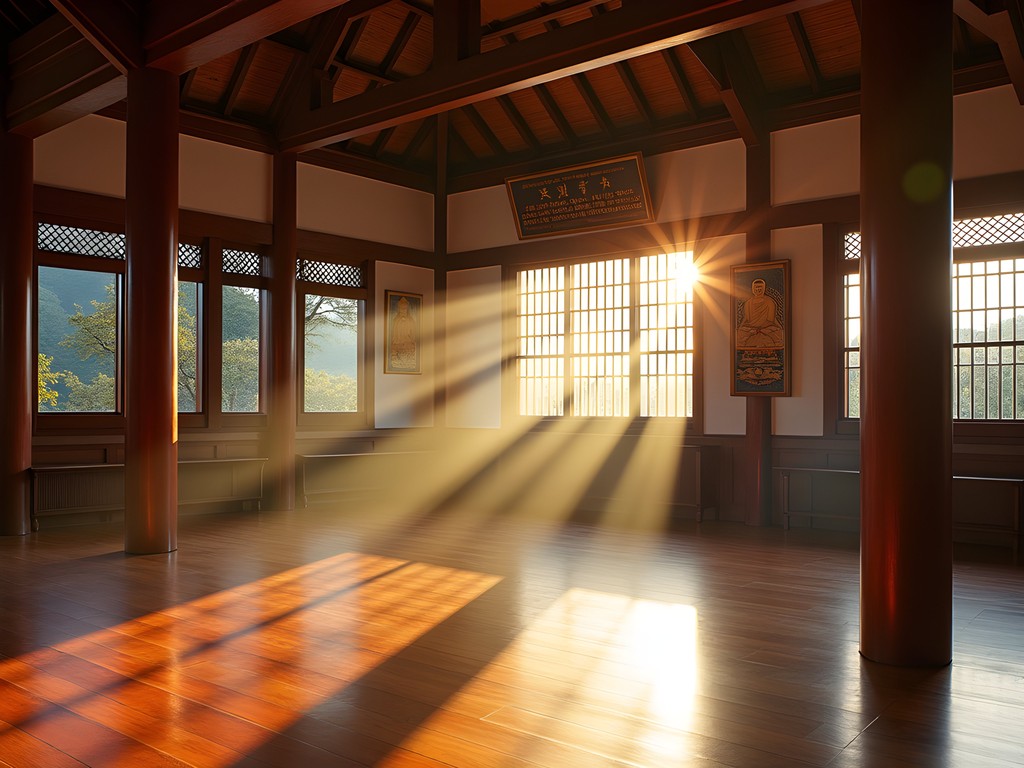
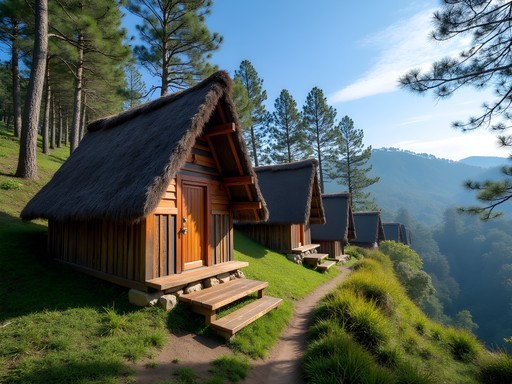
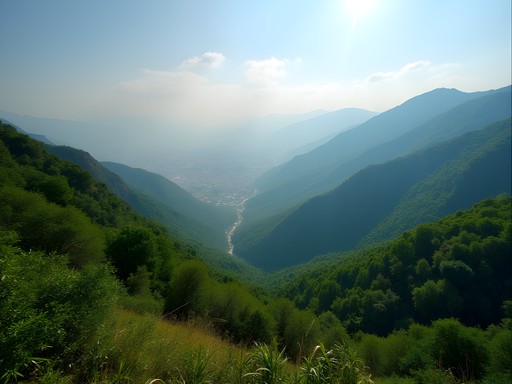
My Busan journey began with a temple stay at Beomeosa, a 1,300-year-old Buddhist sanctuary nestled in the mountains north of the city. Unlike the quick temple visits most tourists make, a temple stay immerses you in the daily rhythms of Korean Buddhist life.
I arrived with my travel meditation cushion (a game-changer for these experiences) just before the afternoon meditation session. The monks welcomed me with surprising warmth, providing simple cotton robes that would be my uniform for the next 24 hours.
The 4:30 AM wake-up call came via wooden percussion instruments echoing through the complex – no gentle smartphone alarms here. Pre-dawn meditation in the main hall, surrounded by intricate paintings of Buddhist cosmology, created a profound stillness I rarely experience in my financial planning office back in Austin.
The communal meals follow Buddhist temple cuisine principles – completely vegetarian, with an emphasis on mindful eating. No word is spoken during meals; instead, you focus entirely on appreciating each bite and leaving no waste – a philosophy that would benefit many of our consumption habits back home.
💡 Pro Tips
- Book your temple stay at least two weeks in advance through the Templestay website
- Pack slip-on shoes as you'll be removing them frequently
- Bring warm layers for fall evenings – mountain temperatures drop significantly after sunset
Tea Culture: The Korean Art of Mindful Drinking
Baseball has its seventh-inning stretch, and Korean culture has its tea ceremonies – both offering a moment of pause in our hurried lives. In Busan, I discovered that Korean tea culture rivals Japan's in its depth and mindfulness.
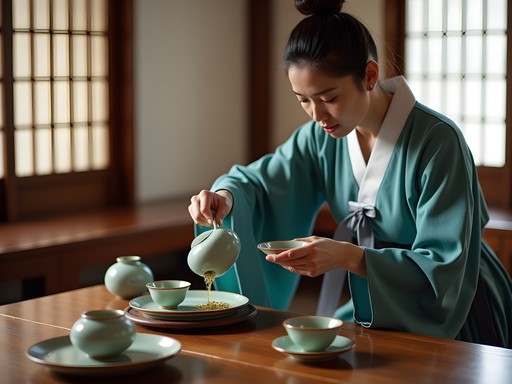
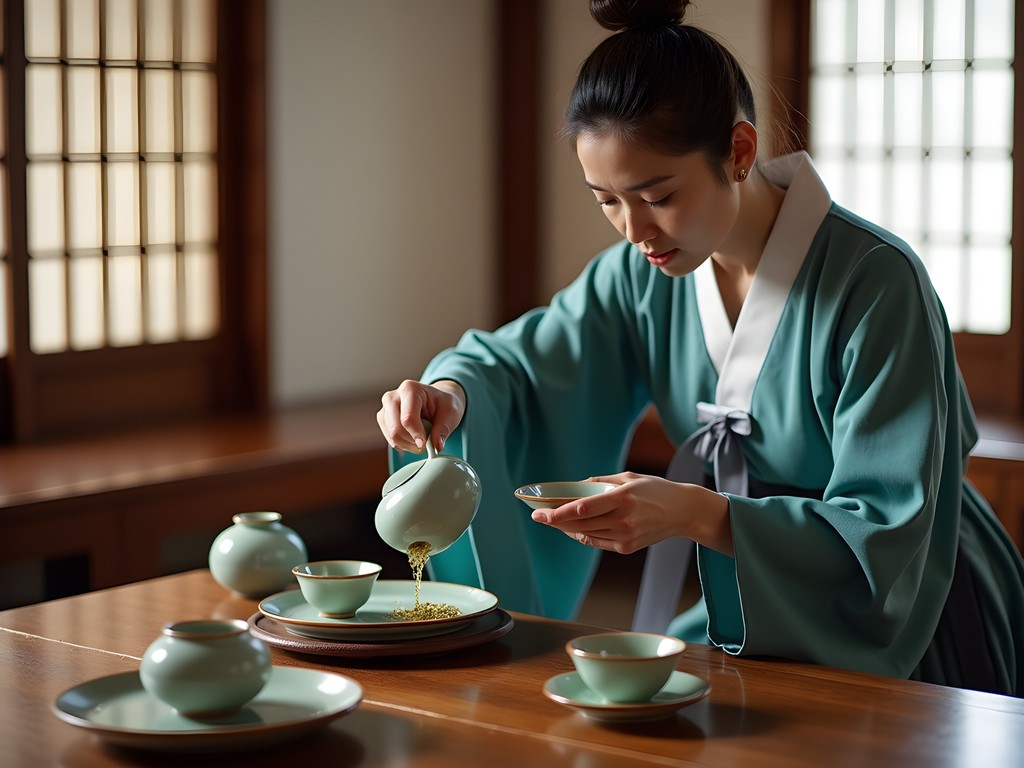
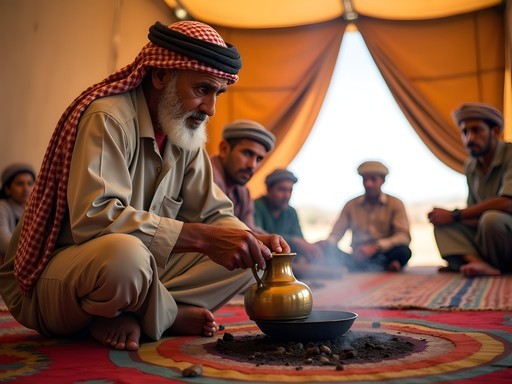
My recommendation is to visit Daehan Dawon Tea House near Busan Tower. Here, I participated in a traditional Korean tea ceremony led by a tea master who has practiced this art for over 40 years. The ceremony involves specific hand movements, precise water temperatures, and an appreciation for the subtle flavor profiles that develop with each steeping.
The tea master first introduced me to sejak (세작), a delicate green tea harvested in late April. Using my travel tea thermometer, I noted the precise 175°F water temperature needed to avoid bitterness. The ceremony unfolded with the deliberate pace of compound interest – slow, methodical, but ultimately rewarding.
For couples visiting Busan, this shared experience creates a meaningful connection point. There's something intimate about sitting in silence together, focusing on the same sensory experience, that builds understanding beyond words. My fellow travelers – a couple celebrating their 30th anniversary – mentioned it was one of their most meaningful experiences in Korea.
💡 Pro Tips
- Make reservations for tea ceremonies at least 3 days in advance
- Try both green tea and traditional medicinal teas like ginseng or jujube
- Purchase some loose-leaf tea to take home – it makes both a great souvenir and gift
Hands-On Cultural Workshops: From Pottery to Kimchi
If you're like me, you learn best by doing. Busan offers numerous hands-on cultural workshops where you can try traditional Korean crafts and culinary arts.
At the Busan Cultural Center, I joined a hanji (traditional Korean paper) workshop. Using mulberry bark paper, I created a small lamp that now sits proudly on my desk back home. The instructor explained that hanji is so durable that some 1,000-year-old documents written on it remain perfectly preserved – a testament to Korean craftsmanship.
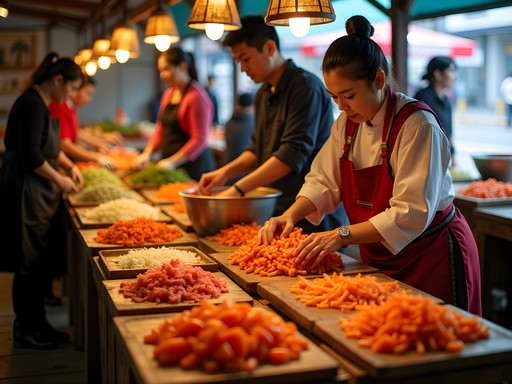
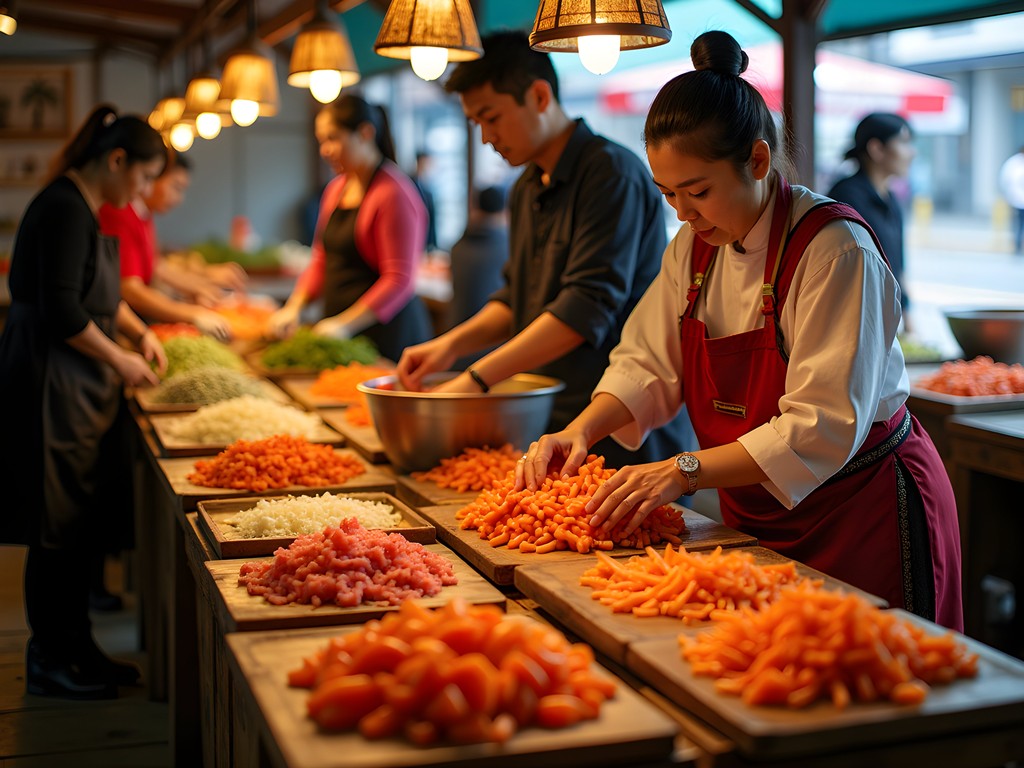
For culinary enthusiasts, kimchi-making workshops provide insight into Korea's most famous food preservation technique. At Gijang Market, a grandmother with 60 years of kimchi-making experience taught our small group her family recipe. I brought my fermentation kit which allowed me to start my batch during the class and continue the fermentation process back at my accommodation.
Perhaps my favorite workshop was learning the basics of Korean traditional drumming (samulnori). As a rhythm-challenged financial advisor, I was initially hesitant, but the instructor at the Busan National Gugak Center was patient and encouraging. By the end of the two-hour session, our group of strangers had formed a surprisingly cohesive percussion ensemble – proving it's never too late to develop new skills.
💡 Pro Tips
- Book workshops through Visit Busan website for English language options
- Many workshops can accommodate couples with advance notice
- Wear comfortable clothes you don't mind getting dirty for hands-on activities

Jagalchi Fish Market: Where Tradition Meets Daily Life
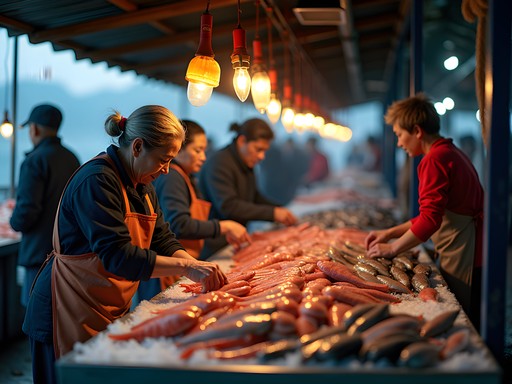
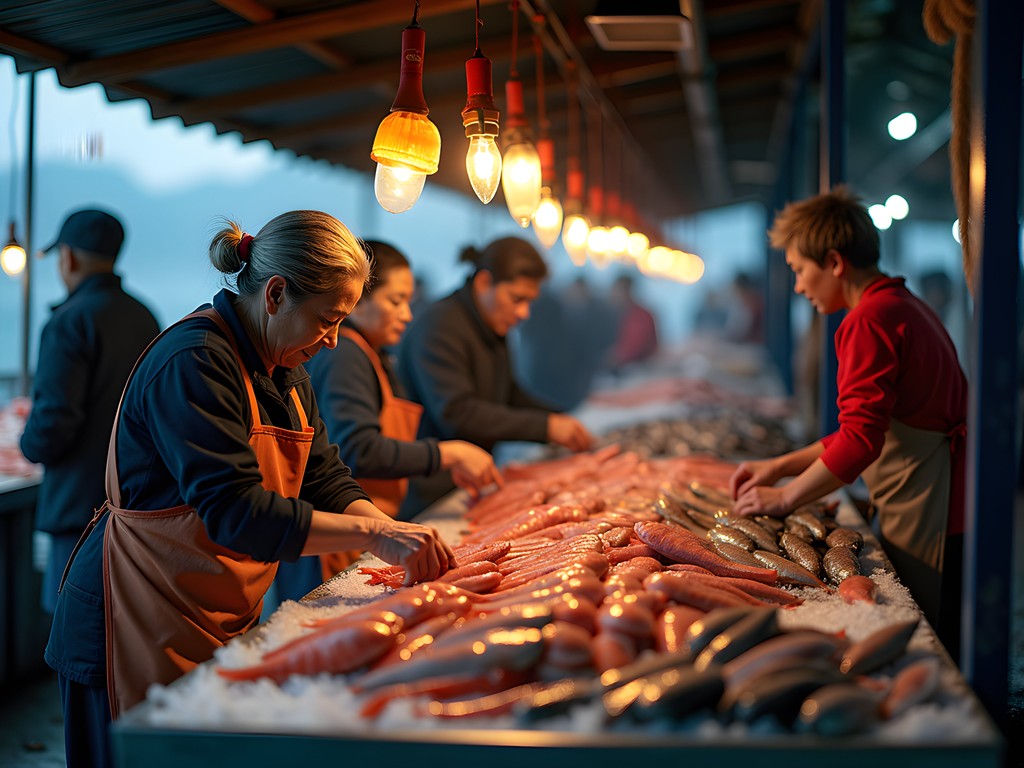
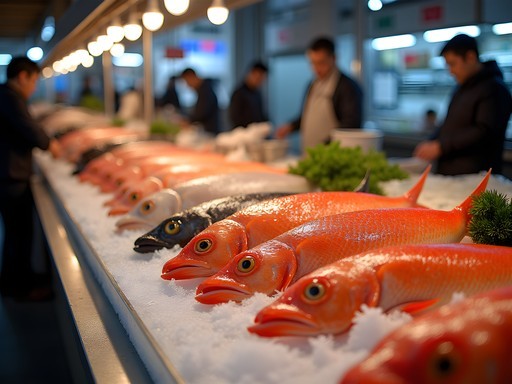
No cultural immersion in Busan would be complete without experiencing Jagalchi Fish Market – Korea's largest seafood market and a living museum of coastal traditions. Unlike the sanitized tourist experiences you'll find elsewhere, Jagalchi represents authentic daily life for Busan's residents.
I arrived at 5:30 AM with my insulated market tote (essential for any serious food market exploration) to witness the morning auction. The scene was pure controlled chaos – weathered fishermen and fierce female vendors (many in their 70s and 80s) haggling over the day's catch with the intensity of Wall Street traders.
What struck me most were the haenyeo – female free divers who continue the centuries-old tradition of harvesting seafood without oxygen tanks. These remarkable women, many well into their senior years, can hold their breath for over two minutes while diving in cold waters. When I expressed my admiration to one diver in her 70s, she laughed and said through my translation app, 'You think that's impressive? I raised five children too!'
The second floor houses small restaurants where you can select fresh seafood from the market below and have it prepared on the spot. My recommendation: the raw fish bibimbap, a Busan specialty that combines the city's famous fresh seafood with Korea's iconic mixed rice dish. Come hungry and with an open mind – this is as authentic as Korean cuisine gets.
💡 Pro Tips
- Visit between 5-7 AM to see the most authentic market action
- Bring cash as many vendors don't accept cards
- Use a translation app to communicate with vendors – most speak limited English but appreciate the effort
Traditional Korean Baseball: A Cultural Fusion
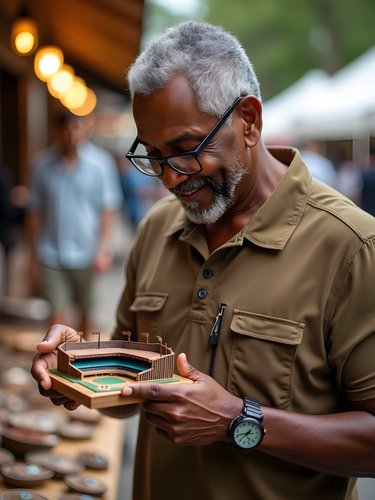
As a lifelong baseball enthusiast, I couldn't visit Busan without catching a Lotte Giants game at Sajik Stadium. While baseball might seem distinctly American, the Korean approach to the game offers fascinating cultural insights.
Unlike the sometimes subdued atmosphere of American ballparks, Korean baseball games are constant festivals of organized cheering, complete with team-specific songs and synchronized movements. I brought my compact stadium seat (a must for the hard plastic seats) and settled in for what would be one of the most entertaining sporting events I've ever witnessed.
The real cultural experience happens in the outfield seating sections, where dedicated fan clubs lead elaborate cheers for the entire game. A friendly local taught me the basics of the Giants' cheering routines, and by the 7th inning, I was fully participating in the plastic bag hat tradition – where fans wear orange plastic bags on their heads and wave them in unison during rally chants.
The food options reveal a fascinating cultural fusion. Alongside hot dogs and beer, vendors sell dried squid, kimchi, and makgeolli (rice wine) – a perfect metaphor for how Korea has adapted foreign influences while maintaining its cultural identity. For couples, the shared excitement of the game creates natural bonding moments, even if you're not typically sports fans.

💡 Pro Tips
- Purchase tickets in sections 123-125 for the full cheering experience
- Learn the basic team chants before attending (available on YouTube)
- Try the kimchi-topped hot dogs for a perfect Korean-American fusion snack
Final Thoughts
When planning your Busan itinerary, remember that the most meaningful travel experiences often come from stepping away from the tourist trail and into the authentic rhythms of local life. Like any good investment strategy, cultural immersion requires patience, research, and willingness to step outside your comfort zone – but the returns are immeasurable.
As a financial advisor, I've spent decades helping clients build wealth. But in my sixties, I've realized that our most valuable assets aren't found in our portfolios but in our experiences and perspectives. Busan offered me a perfect balance of accessibility and authenticity – ideal for couples seeking meaningful connections with both Korean culture and each other.
Whether you're meditating alongside Buddhist monks at dawn, mastering the art of kimchi fermentation, or joining thousands of baseball fans in synchronized cheers, Busan reveals that tradition isn't just preserved in museums – it's alive in the daily practices of its people. And that, my friends, is an investment in understanding that will continue paying dividends long after you return home.
✨ Key Takeaways
- Temple stays offer the most immersive spiritual experience but require advance planning
- Participatory workshops provide deeper cultural understanding than passive sightseeing
- Early morning market visits reveal authentic daily life rarely seen by tourists
- Korean baseball games showcase the perfect blend of tradition and modern entertainment
📋 Practical Information
Best Time to Visit
September-October (fall)
Budget Estimate
$100-150 per day per person (mid-range)
Recommended Duration
7 days
Difficulty Level
Moderate




Comments
nomadninja
How many days would you recommend for doing all these experiences?
springmood3221
I'd say at least 3-4 days to really soak it in without rushing!
springmood3221
YES to Jagalchi Market!! I was nervous about going at first because I don't speak Korean but everyone was so friendly and patient. We tried the live octopus (not for everyone lol) and had the most incredible grilled fish upstairs at one of the restaurants. Pro tip: bring cash because some vendors don't take cards. Also the market is way less crowded on weekday mornings. The energy there is just unreal - it feels like the real Busan!
Nicole Russell
Frank, this is such a refreshing take on Busan! I spent two weeks there solo last fall and the tea ceremony experience at a traditional hanok was honestly one of my favorite memories from the entire trip. The slow, intentional movements and the way the tea master explained each step - it was like meditation. I also did a pottery workshop in Gamcheon Culture Village and still use the bowl I made! For anyone planning a trip, I'd recommend booking cultural workshops in advance, especially during peak season. They fill up fast!
nomadninja
Which pottery place did you go to? I'm heading there in September!
Nicole Russell
It was called Gamcheon Pottery Studio - small place run by a local artist. Super hands-on and she spoke decent English!
wanderlustseeker
Beomeosa Temple looks amazing! Adding this to my list.
springmood3221
Right?? I went last spring and it was SO peaceful. Get there early before the tour groups!
wanderlustseeker
Good tip, thanks!
Jean Wells
Excellent post, Frank. I've been to Busan four times from Yokohama and the tea culture section really resonates. What struck me most about Korean tea ceremony versus Japanese is the conversational element - it's less about rigid protocol and more about connection. The pottery workshops in Dalmaji are exceptional if you have 3-4 hours. Regarding Jagalchi Market, I'd add that going around 5:30am gives you a completely different perspective - watching the auction process is fascinating. The ajummas are incredibly welcoming once you show genuine interest. Just be prepared for assertive sales tactics!
bluerider
5:30am wow that's early but sounds worth it
bluerider
This is awesome! Heading to Busan in March. Any dress code for the temple visit?
Jean Wells
Modest clothing is appreciated - covered shoulders and knees. Remove shoes before entering buildings. I'd recommend going early morning around 6am for the morning chanting ceremony if you're interested in the spiritual aspect.
bluerider
Perfect, thanks!
summerace
Thanks for showing the non-touristy side of Busan! Saved for my trip.
roamninja
Is the pottery workshop suitable for kids? Taking my 10yo daughter in December.
Lillian Diaz
I took my niece (9) to a similar workshop last year and she loved it! Most places are super accommodating to kids. Just email them beforehand to make sure they can adjust the difficulty level. Your daughter will come home with an awesome souvenir she made herself!
roamninja
Thanks so much! Will definitely book this then.
luckytime
Those temple photos are STUNNING! 😍 Can't wait to visit next year!
Lillian Diaz
Frank, this post captures exactly what I love about travel - going beyond the surface! During my backpacking trip through Korea last year, I stumbled upon a traditional music performance at Busan Cultural Center that completely mesmerized me. The haegeum (like a vertical violin) brought me to tears even though I didn't understand a word. For anyone heading to Beomeosa, there's a little-known hiking trail behind the temple that leads to the most incredible viewpoint over the entire city. It's about 40 minutes up, moderately difficult, but the sunset view is worth every step. Just bring mosquito repellent if you go in summer! Also, the kimchi workshop mentioned was one of my favorite experiences. The grandmothers teaching it barely spoke English but somehow we communicated perfectly through food and laughter. My kimchi was apparently "too spicy for a foreigner" which made everyone crack up. These are the moments that stay with you forever.
Venture X
Premium card with 2X miles, $300 travel credit, Priority Pass