
Disclosure: This article contains affiliate links. We may earn a commission from purchases at no extra cost to you, which helps our travel content.
As a doctor who practically lives in scrubs and sterile environments, there's something profoundly therapeutic about immersing myself in a completely different ecosystem. My recent solo journey to Busan, South Korea's vibrant coastal metropolis, provided exactly the cultural and environmental refresh my mind needed between hospital rotations and family responsibilities. Having guided my siblings through numerous educational trips, I found myself craving the freedom of solo exploration while still maintaining my methodical approach to travel. Busan offers a fascinating symbiosis of natural coastal beauty and pulsating urban energy – not unlike the delicate balance we observe in the human body. This spring adventure allowed me to document a perfectly balanced 7-day itinerary that combines cultural immersion, outdoor exploration, and the rejuvenating power of solitude. Whether you're an experienced solo traveler or considering your first independent journey, this comprehensive guide will help you navigate one of South Korea's most captivating destinations with confidence.

Day 1: Acclimating to Busan's Rhythm
Landing at Gimhae International Airport after my 14-hour journey, I immediately recognized the importance of a gentle first day – much like how we ease patients into new treatment protocols. Rather than rushing into a packed itinerary, I focused on establishing my bearings and allowing my circadian rhythm to adjust.
I checked into my strategically located accommodation in Seomyeon, Busan's central district that offers excellent subway connections to all major attractions. For solo travelers, I highly recommend staying in this area for its perfect balance of convenience, safety, and vibrant energy. My travel backpack proved invaluable once again – its organizational compartments keeping my medical travel kit, electronics, and essentials perfectly accessible.
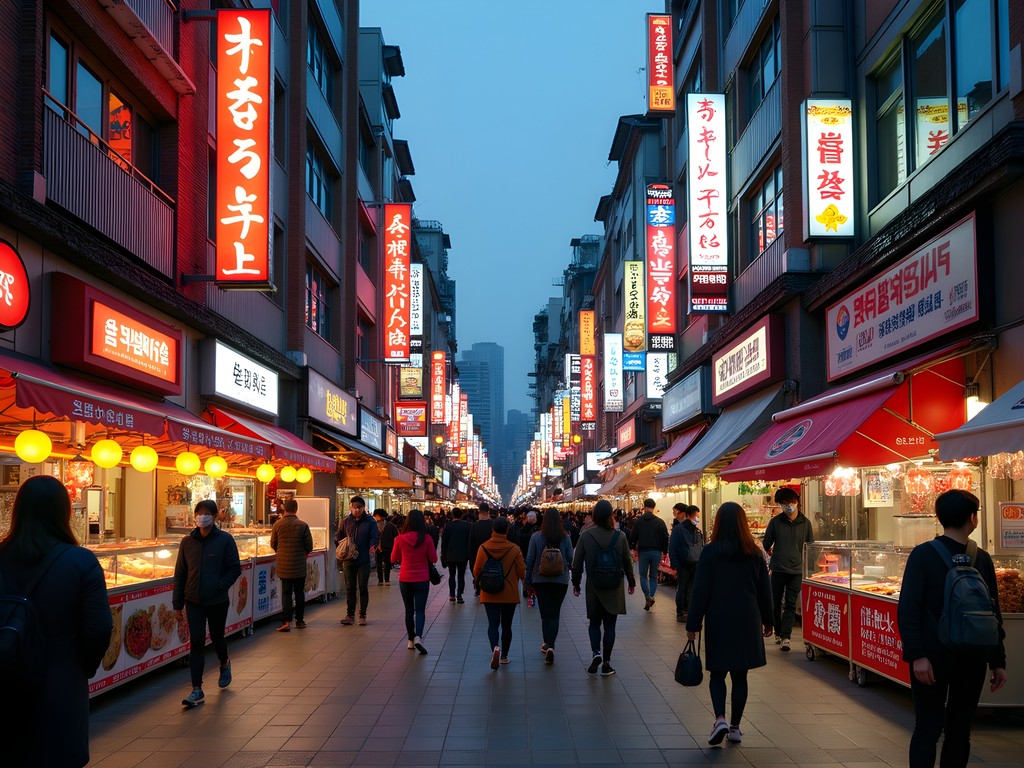
After settling in, I ventured out for a leisurely afternoon walk through Seomyeon's bustling streets, allowing my senses to absorb the symphony of sights, sounds, and aromas. The neighborhood's pedestrian-friendly design makes it ideal for solo exploration. I eventually found myself at the Bujeon Market, where I sampled local street food specialties, including the delicious eomuk (fish cake) that Busan is famous for.
As evening approached, I joined a free walking tour organized by local university students – an excellent way to meet fellow travelers and gain cultural insights from residents. We concluded at a traditional tea house where I learned about Korean tea culture while making my first travel connections. This gentle immersion set the perfect foundation for the adventure ahead.
💡 Pro Tips
- Book accommodation in Seomyeon for central location and excellent transportation options
- Download Naver Maps and KakaoMap apps before arrival - Google Maps isn't as reliable in South Korea
- Purchase a T-Money card at the airport for seamless public transportation use throughout your stay
Day 2: Coastal Exploration - Haeundae Beach & Gwangalli
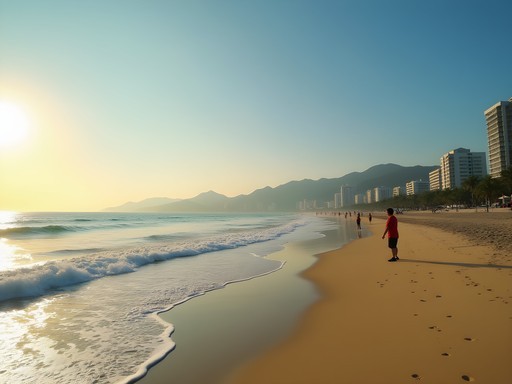
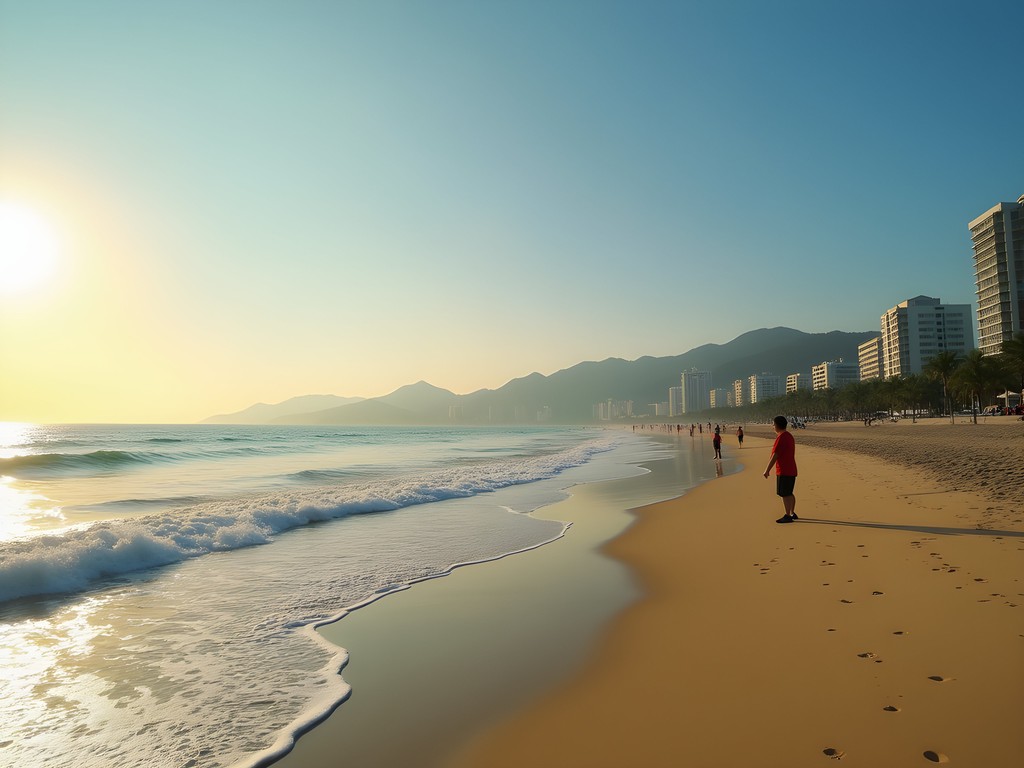
As a doctor who studies human systems, I'm equally fascinated by coastal ecosystems – and Busan offers some of Asia's most impressive urban beaches. I dedicated my second day to exploring the city's famous coastline, beginning with an early morning visit to Haeundae Beach. Arriving at 7 AM allowed me to witness local culture in action as elderly Koreans performed their morning exercises and brave swimmers took their daily ocean dips despite the cool spring temperatures.
The beach's perfectly curved shoreline reminded me of anatomical precision – a natural bay formed over millennia of geological processes. Walking barefoot along the morning sand provided a grounding experience that I often recommend to patients dealing with stress. I spent several hours simply observing the interplay between human activity and natural coastal elements.
After a light breakfast at a beachside café, I followed the coastal pathway to explore the Dongbaekseom Island peninsula. This small wooded area juts into the sea, offering spectacular views of the coastline and the iconic Nurimaru APEC House. The maritime pine trees here have adapted remarkably to the salty conditions – a beautiful example of environmental adaptation that parallels human physiological responses.
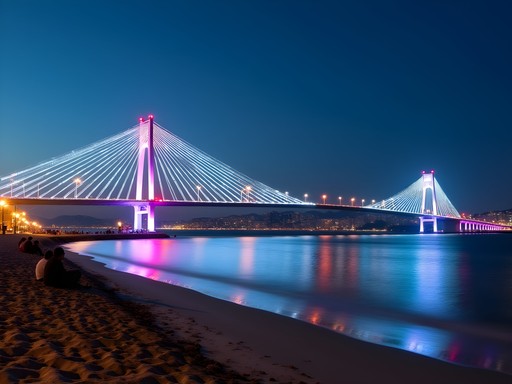
As afternoon approached, I took the metro to Gwangalli Beach, which offers a more laid-back atmosphere and the spectacular view of the Gwangan Bridge. This is where I unpacked my compact camera, which proved perfect for capturing both sweeping landscapes and detailed shots without weighing me down. The camera's zoom capabilities allowed me to document interesting coastal bird species while its low-light performance became invaluable as sunset approached.
I ended this day with dinner at a seafood restaurant along Gwangalli, where I practiced my limited Korean phrases with patient servers who seemed genuinely appreciative of my efforts. The fresh fish dishes here demonstrate Busan's deep connection to its maritime environment – a relationship that has shaped both the city's economy and cultural identity.
💡 Pro Tips
- Visit beaches early morning or evening to avoid crowds and experience local culture
- The coastal walk between Haeundae and Gwangalli is approximately 5 miles - wear comfortable shoes and bring water
- Many seafood restaurants display live catches - point to what you want if language is a barrier
Day 3: Cultural Immersion - Gamcheon & Temples
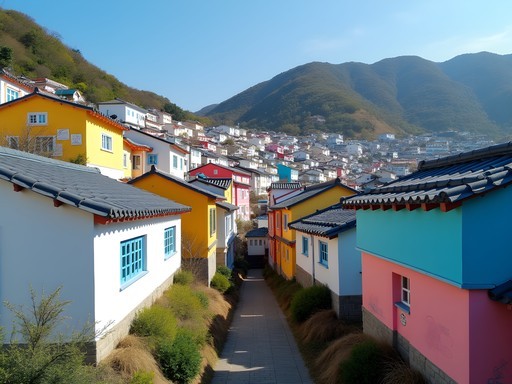
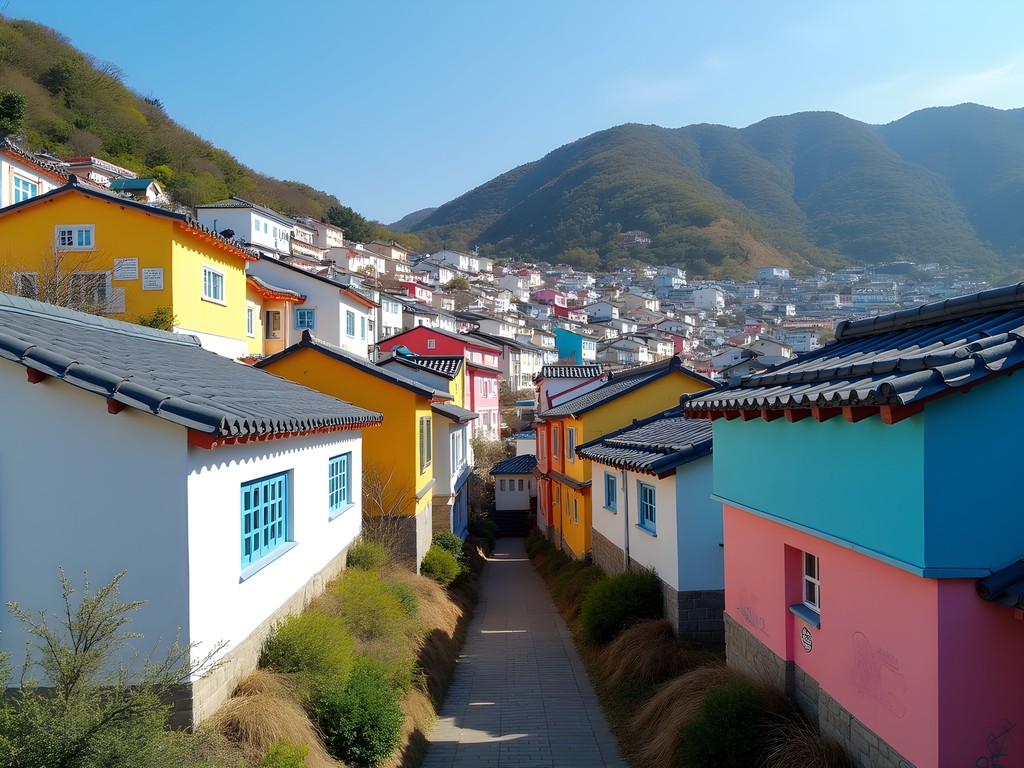
My third day focused on Busan's cultural landscape, beginning with what many call the 'Machu Picchu of Korea' – Gamcheon Culture Village. As someone who studies both physical and social determinants of health, I find cultural districts particularly fascinating for what they reveal about community resilience and adaptation.
Gamcheon's history as a refugee settlement following the Korean War has transformed into a vibrant artistic community, with colorful houses cascading down the hillside in a pattern that reminds me of cellular organization. I arrived early to avoid crowds, armed with my travel journal to document observations and sketch interesting architectural details. This analog approach to travel documentation helps me process experiences more deeply than digital methods alone.
Navigating the narrow alleyways revealed countless murals, small galleries, and craft shops. I spent nearly four hours exploring, occasionally stopping to chat with local artists who shared stories about the village's transformation. These personal connections often become the most meaningful souvenirs of solo travel.
In the afternoon, I shifted focus to Busan's spiritual heritage by visiting Haedong Yonggungsa Temple. Unlike most Korean Buddhist temples located in mountains, this spectacular complex perches dramatically on coastal rocks, creating a unique convergence of spiritual and natural elements. The sound of waves crashing against rocks provided a natural meditation soundtrack as I observed temple rituals and architectural details.
As a doctor, I'm trained to notice patterns and connections – and I couldn't help but observe how the temple's architectural elements mirrored natural forms found in the surrounding environment, demonstrating the deep relationship between Korean spiritual practices and nature. The dragon motifs throughout the temple complex symbolize protection and prosperity, similar to how certain anatomical structures protect vital organs in our bodies.
I concluded this culturally immersive day with a visit to Busan Museum, where exhibits on traditional medicine particularly captured my interest, showing how historical Korean healing practices incorporated natural elements and holistic approaches that modern medicine is only beginning to reintegrate.
💡 Pro Tips
- Purchase a Gamcheon Culture Village map (small fee) at the entrance - the complex layout is easy to get lost in
- Wear shoes with good traction for Gamcheon's steep slopes and Haedong Yonggungsa's many stairs
- Visit Haedong Yonggungsa mid-afternoon when tour groups typically depart

Day 4: Natural Healing - Taejongdae & Igidae Coastal Walks
Having spent years studying how natural environments affect human physiology, I dedicated my fourth day to exploring Busan's more rugged natural spaces. The Taejongdae Resort Park on Yeongdo Island offers exactly what the doctor ordered – literally, as I often prescribe nature immersion to my patients dealing with stress and anxiety disorders.
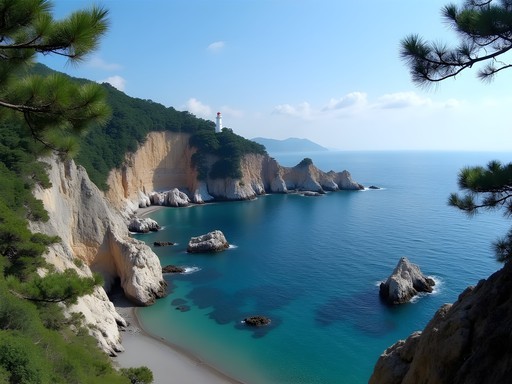
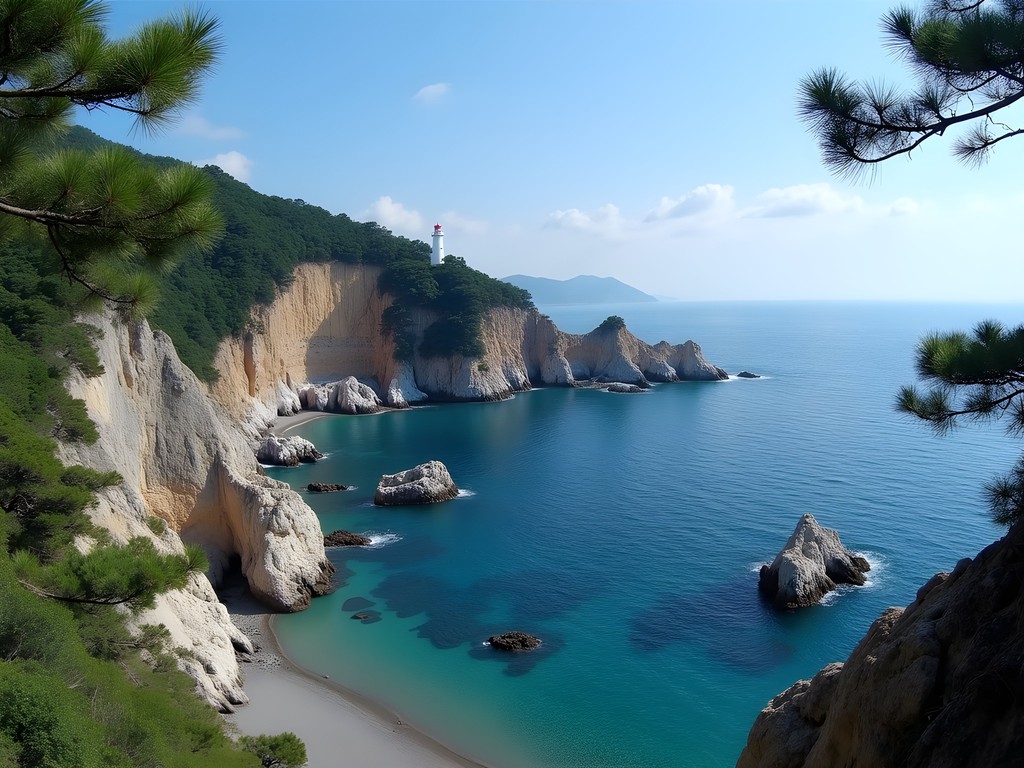
I arrived at Taejongdae early, taking the first bus from Nampo Station to maximize my time in this coastal nature preserve. Rather than using the tourist trolley, I opted to hike the circular trail that winds through dense pine forests before revealing dramatic cliffs and ocean vistas. The ecosystem here functions much like specialized tissue in the human body – each element from the wind-sculpted pines to the resilient cliff vegetation playing a specific role in maintaining balance.
The lighthouse observation point provided spectacular views of the East Sea, and on this clear spring day, I could even glimpse Japan's Tsushima Island on the horizon. I spent nearly an hour here, using my compact binoculars to observe seabirds and distant ships. These lightweight binoculars have accompanied me on countless family educational trips and continue to enhance my solo adventures without adding significant weight to my daypack.
After a simple lunch of dweji gukbap (pork soup with rice) at a small restaurant near the park entrance, I headed to my afternoon destination – the Igidae Coastal Walk. This less-visited trail offers a more rugged hiking experience along Busan's southeastern coastline. The 4km path hugs dramatic cliffs while revealing hidden coves and unusual rock formations shaped by centuries of oceanic forces.
What fascinated me most was observing the specialized plant adaptations along this trail – species that have evolved to withstand salt spray, strong winds, and minimal soil. It reminded me of how human populations similarly adapt to environmental pressures over generations. I collected small samples of interesting leaves (being careful not to disturb protected species) to press in my journal – a practice I began when teaching my siblings about biodiversity on our family trips.
As the afternoon light softened, I found a quiet outcropping to sit and simply observe the rhythmic patterns of waves against the cliffs – a natural meditation that restored my mental energy after several days of active exploration.
💡 Pro Tips
- Start Taejongdae hikes early to avoid midday heat and crowds
- The complete Igidae trail takes 2-3 hours - bring water and sun protection
- Download offline maps before visiting these areas as cellular service can be spotty in more remote sections
Day 5: Urban Exploration - Markets & City Center
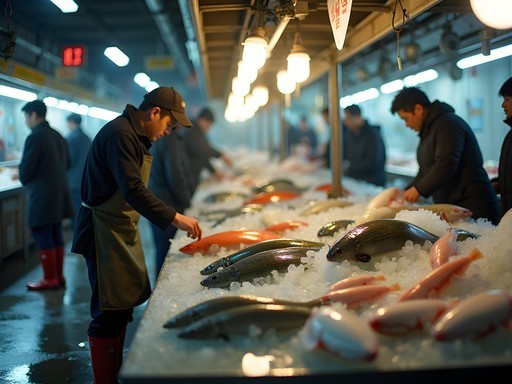
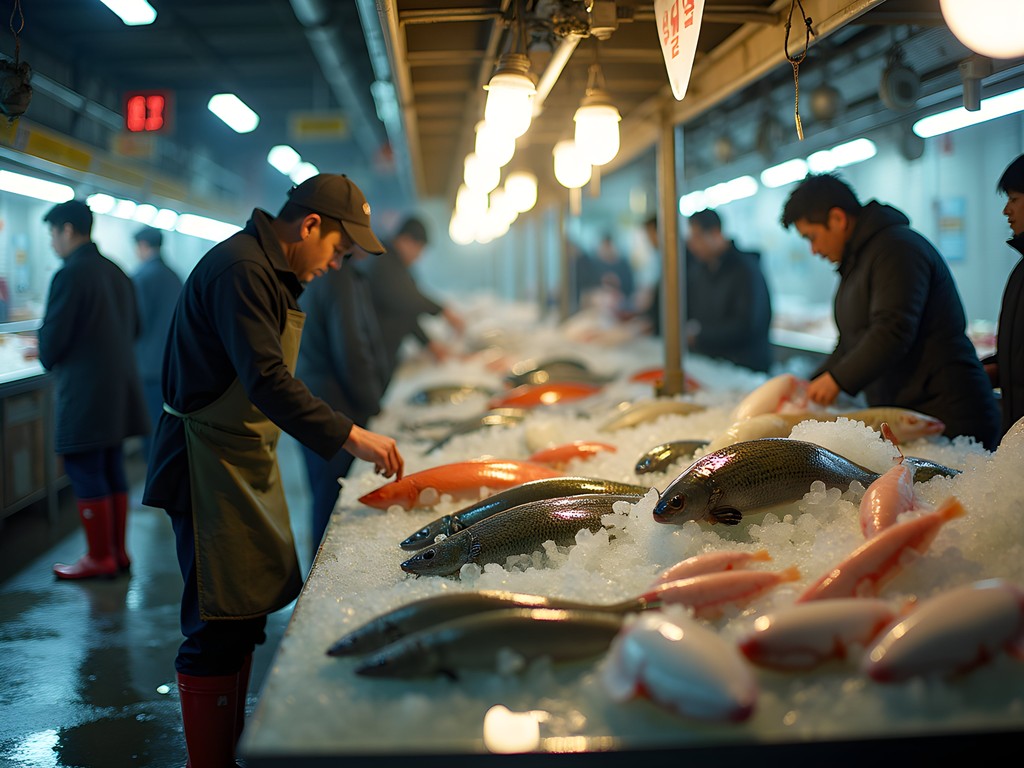
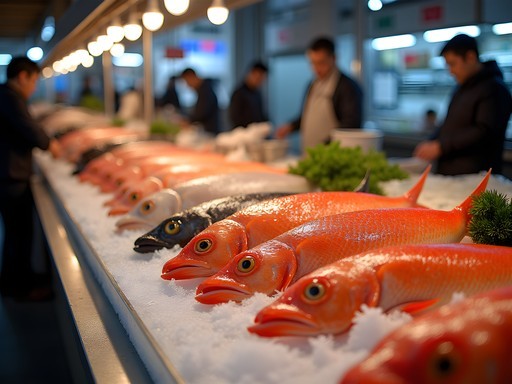
No comprehensive understanding of a destination is complete without examining its urban systems – how people gather, exchange goods, and create community spaces. Day five focused on Busan's vibrant markets and urban core, beginning with an early morning visit to Jagalchi Fish Market, Korea's largest seafood market.
Arriving at 7 AM allowed me to witness the market's intense morning activity – an organized chaos reminiscent of a hospital emergency department during a busy shift. Fishmongers expertly processed their catches with precision that would impress any surgical resident, while buyers negotiated with practiced efficiency. The market represents a complex economic ecosystem that has sustained itself for generations, adapting to changing conditions while maintaining cultural traditions.
I wandered through the stalls, photographing unusual marine species and observing preservation techniques that have remained largely unchanged for centuries. When a friendly vendor noticed my interest, she explained how certain fish are prepared for medicinal purposes in traditional Korean medicine – a fascinating intersection of my professional knowledge and local cultural practices.
From Jagalchi, I walked to nearby Gukje Market, where the narrow alleyways overflow with everything from household goods to vintage clothing. This market emerged after the Korean War as a place for refugees to rebuild livelihoods – a testament to human resilience that continues today. I purchased a handmade tea set as a gift for my youngest sister, who has developed an interest in global tea traditions through our family travels.
After lunch, I explored BIFF Square (Busan International Film Festival area) and the trendy Nampo-dong shopping district. The contrast between traditional markets and these modern commercial spaces illustrates Busan's layered urban development – much like how newer neural pathways build upon existing structures in the brain.
As afternoon transitioned to evening, I made my way to Busan Tower in Yongdusan Park for panoramic sunset views of the city. This elevated perspective revealed Busan's unique topography – a city embraced by mountains and sea, with neighborhoods flowing through valleys like vascular systems. I used my travel tripod to capture stable long-exposure shots of the cityscape as lights began to illuminate the urban landscape. This compact carbon fiber tripod has been worth every penny for solo travelers like myself who want professional-quality travel photography without excessive weight.
💡 Pro Tips
- Visit fish markets in morning hours for the most authentic experience and freshest selections
- Bring cash for traditional markets as many vendors don't accept cards
- For the best Busan Tower experience, time your visit for 30 minutes before sunset to see both daytime and nighttime views
Day 6: Modern Busan - Haeundae & Centum City
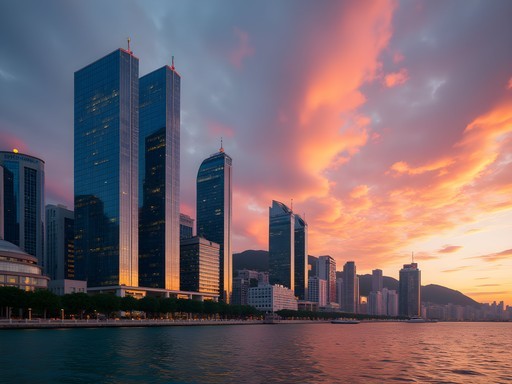
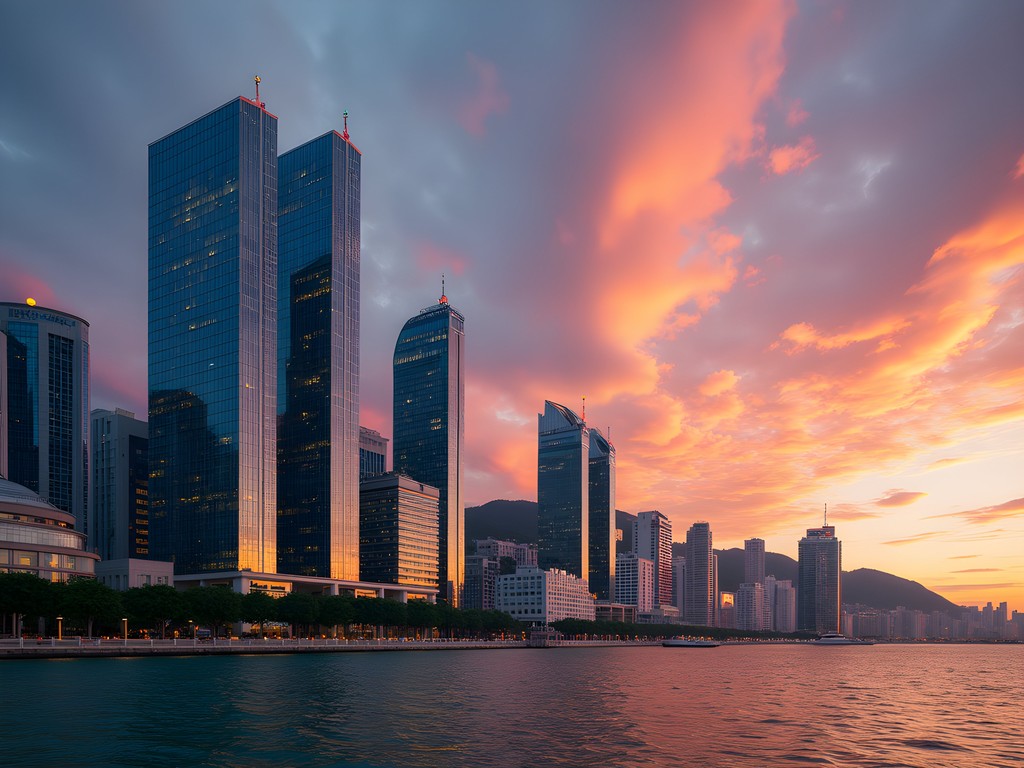
Understanding a city requires examining both its historical foundations and its contemporary evolution. My sixth day focused on modern Busan, beginning in the upscale Marine City area near Haeundae. This district of gleaming skyscrapers and luxury developments represents Busan's transformation into a global city – a process similar to how specialized cells differentiate to serve new functions as organisms evolve.
I started with a morning visit to the striking Busan Cinema Center, headquarters of the Busan International Film Festival. Its dramatic cantilevered roof – the world's largest – demonstrates architectural principles that parallel structural adaptations in nature. As someone who teaches my siblings about engineering and design during our travels, I was particularly impressed by how this structure balances aesthetic beauty with functional requirements.
Next came Shinsegae Centum City, officially the world's largest department store according to Guinness World Records. Rather than shopping, I was more interested in studying this space as a modern social ecosystem – observing how people interact within carefully designed commercial environments. The building's interior organization reminded me of organic systems, with specialized zones connected by efficient circulation pathways.
For lunch, I elevated both my meal and perspective at one of Haeundae's rooftop restaurants, where floor-to-ceiling windows framed dramatic views of the coastline and Marine City's architectural skyline. This visual juxtaposition of natural and built environments perfectly encapsulated Busan's identity.
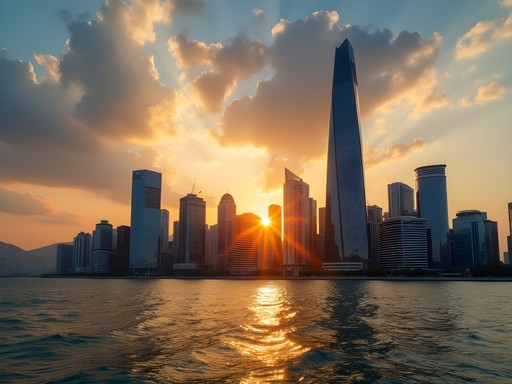
In the afternoon, I explored the Haeundae Market area, where traditional street food vendors operate in the shadow of luxury high-rises – another example of Busan's layered development. As evening approached, I boarded a yacht tour from Haeundae Marina, giving me yet another perspective on the city's relationship with its coastal environment. Watching the sunset illuminate Marine City's glass facades from the water was truly spectacular.
For solo travelers interested in photography, I recommend bringing a lens cleaning kit for these coastal adventures. The combination of sea spray, sand, and urban pollution can quickly compromise image quality, and this compact cleaning system has repeatedly saved my photography sessions in challenging environments.
💡 Pro Tips
- Visit Busan Cinema Center even outside festival season - the architectural lighting display after dark is spectacular
- Rooftop restaurants in Haeundae require reservations - book 1-2 days ahead for sunset time slots
- For the best yacht tour experience, choose smaller vessels (10-15 passengers) rather than larger tourist boats
Day 7: Mountain Medicine - Geumjeongsan Fortress
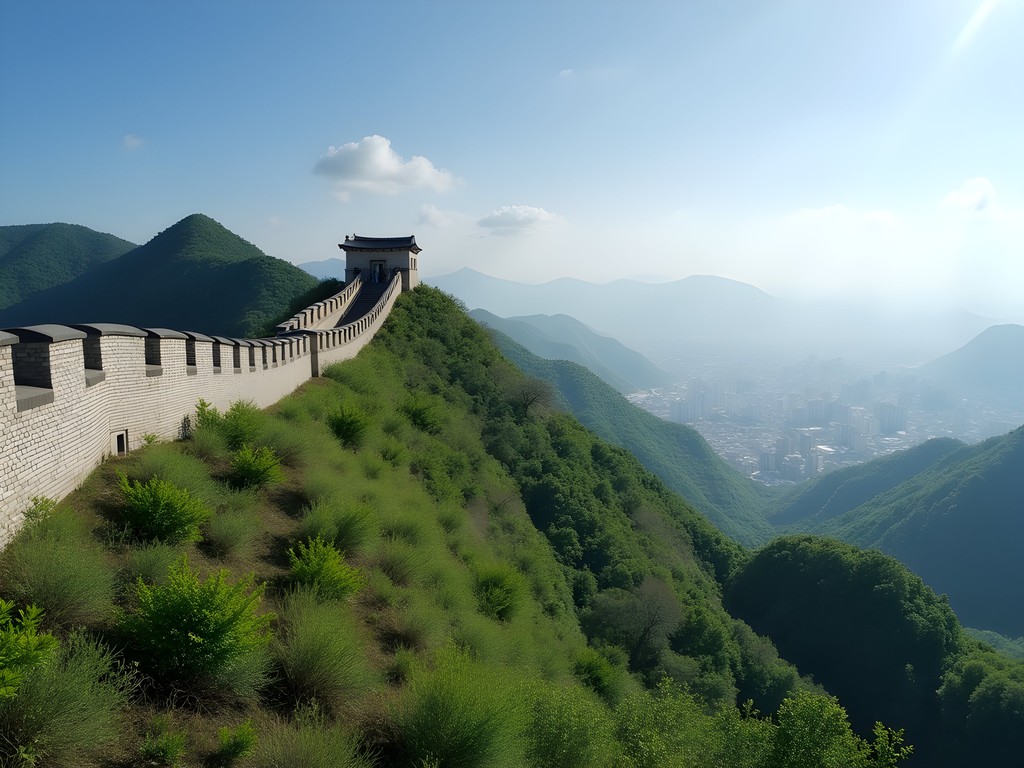
For my final day in Busan, I prescribed myself the most powerful medicine I know – mountain air and historical perspective. Geumjeongsan Mountain offers both, with its ancient fortress walls and panoramic views that contextualize everything I'd experienced throughout the week.
I began early, taking the first cable car up from Oncheonjang Station to maximize hiking time. While many visitors simply enjoy the cable car views and nearby lookout points, I was determined to hike a section of the fortress walls that stretch nearly 18km around the mountain peaks. These stone fortifications, originally built in the 1700s, represent ingenious adaptation to topography – much like how biological systems conform to environmental constraints.
The northern wall section offered the most rewarding hiking experience with fewer tourists and spectacular views across Busan and beyond to the surrounding mountains. As a doctor who spends most days in climate-controlled environments, I felt profound physiological benefits from the combination of elevation gain, variable terrain, and oxygen-rich mountain air. I carefully documented plant species along the trail, noting several medicinal herbs that appear in traditional Korean pharmacopeia.
At Seokbulsa Temple, carved directly into the mountainside, I witnessed a perfect integration of spiritual practice with natural landscape. The massive Buddha reliefs carved into the stone cliffs demonstrate how human creativity can enhance rather than dominate natural features – a lesson in sustainable design that modern development often overlooks.
During my descent via the eastern ridge trail, I encountered an elderly Korean hiker who, upon learning I was a doctor, enthusiastically shared his belief that these mountain hikes were responsible for his longevity and health. His vigorous pace and clear eyes at 82 years old made a compelling case! This chance meeting reinforced my own medical philosophy that preventive health practices and connection with natural environments are foundational to wellbeing.
I concluded my Busan journey with a visit to Geumgang Park's traditional tea house, where I reflected on the week's experiences while enjoying medicinal tea made from locally gathered herbs. My hiking daypack had served me perfectly throughout the day, with enough capacity for water, layers, lunch, and camera equipment while maintaining excellent ventilation during the more strenuous sections of the hike.
💡 Pro Tips
- Start Geumjeongsan hikes early as the fortress trail takes 4-5 hours to properly explore
- Bring more water than you think you need - refill options are limited on the mountain
- Download offline trail maps as signage is primarily in Korean on less-traveled sections
Final Thoughts
As my week in Busan concluded, I found myself mentally cataloging the experience much like I would a comprehensive patient assessment – examining how each element contributed to the whole. This coastal metropolis offers a remarkably balanced urban ecosystem where historical depth, natural beauty, and modern development coexist in dynamic equilibrium. For the solo traveler, Busan provides both the stimulation of discovery and opportunities for meaningful reflection.
What makes Busan particularly special is how its geography creates natural boundaries between distinctly different neighborhoods, allowing you to experience dramatically varied environments within a single day. This diversity makes it ideal for independent travelers who appreciate both structure and spontaneity in their journeys.
As I prepare to return to my medical practice and family responsibilities, I carry with me not just photographs and souvenirs, but a refreshed perspective that will inform both my professional and personal life. Solo travel, like preventive medicine, offers benefits that extend far beyond the immediate experience. I hope this itinerary inspires your own healing journey to this remarkable Korean coastal city.
✨ Key Takeaways
- Busan offers an ideal balance of urban exploration, cultural immersion, and natural experiences for solo travelers
- Spring provides optimal conditions with comfortable temperatures and blooming landscapes before summer crowds arrive
- Strategic accommodation in Seomyeon provides excellent access to transportation connections throughout the city
- Early morning starts maximize authentic experiences at popular destinations before tour groups arrive
- Combining coastal areas with mountain exploration provides a comprehensive understanding of Busan's unique geography
📋 Practical Information
Best Time to Visit
Spring (April-May) or Fall (September-October)
Budget Estimate
$75-120 per day excluding flights
Recommended Duration
6-8 days
Difficulty Level
Moderate


Comments
bluequeen
Did you need to book temple visits in advance or just show up? Planning my own trip for April
Drew Gordon
Just show up! No reservations needed. Get there early morning for fewer crowds and better light for photos.
travelninja
Taejongdae is incredible. Best views in Busan hands down
Nova Rice
Love this perspective from someone in the medical field finding that therapeutic escape! I spent 10 days in Busan last spring and your Day 2 coastal route brought back memories. The sunset at Gwangalli with the bridge lighting up is absolutely magical. For anyone reading this who wants to elevate the experience, I stayed at the Park Hyatt Busan and their spa overlooking the ocean was worth every penny after long days of walking. Drew, did you make it to any of the jjimjilbangs? That's where I found my real healing – nothing like a Korean bathhouse after hiking Taejongdae.
bluequeen
which jjimjilbang would you recommend for a first timer?
Nova Rice
Spa Land in Shinsegae is tourist-friendly and absolutely gorgeous. Perfect for first-timers!
backpackmood5909
what was your total budget for the week? trying to figure out if I can afford this trip
Raymond Hassan
Solid itinerary, Drew. I appreciate how you've structured the days with a balance between cultural sites and natural spaces. Having done similar solo trips in Seoul and Tokyo, I'd argue Busan offers a more manageable pace for first-time Korea visitors. The coastal walks you mentioned at Igidae are criminally underrated compared to the more touristy spots. One observation: Day 3 might be ambitious if you're planning to hit both Gamcheon and multiple temples. The village alone can easily consume 4-5 hours if you're photographing properly. Consider splitting that across two half-days if your readers have flexibility.
Drew Gordon
Great point about Day 3! I did feel a bit rushed. You're right that splitting it would have been smarter. Gamcheon deserves more time than most people give it.
escapechamp
How safe did you feel traveling solo there? Especially at night around Gwangalli?
Drew Gordon
Extremely safe! I walked around Gwangalli late at night multiple times. Korea has one of the lowest crime rates I've experienced. Just use common sense like anywhere.
escapechamp
Thanks! That's reassuring
coffeechamp
This looks amazing!! Adding Busan to my list right now 😍
foodie_travels
Just got back from Busan and followed parts of this itinerary - the seafood at Jagalchi Market was INCREDIBLE! Pro tip: go early morning for the freshest catches. Also, don't miss the dwaeji gukbap (pork soup) - it's a Busan specialty and perfect for chilly days. The locals at the stall I visited were so friendly despite the language barrier. They kept giving me extra side dishes when they saw how much I was enjoying the food!
sunsetchamp
Did you try any of the live octopus? I've seen videos but not sure I'm brave enough!
foodie_travels
I did! It's more about texture than taste honestly. The sensation of the suction cups still moving in your mouth is... unique 😂 But they usually serve it chopped small so it's manageable. Just chew well!
adventure_mom
How's the WiFi situation in Busan? Need to stay connected for work while traveling.
techNomad
WiFi in Korea is amazing! But I still recommend getting a portable WiFi at the airport. Saved me multiple times when exploring more remote areas.
solo_wanderer
Heading to Busan next month as a solo traveler too! Anyone recommend a good area to stay in? I'm torn between Haeundae for the beach vibes or Seomyeon for city convenience.
kimchi_lover
I stayed in Seomyeon and it was perfect - central for transportation and tons of food options. But if beach is your priority, definitely Haeundae!
Drew Gordon
I actually split my stay between both areas! Started in Haeundae for that beach relaxation, then moved to Seomyeon to be more central for exploring. If you have to pick one, I'd go with Seomyeon for better transport connections.
Venture X
Premium card with 2X miles, $300 travel credit, Priority Pass