
Disclosure: This article contains affiliate links. We may earn a commission from purchases at no extra cost to you, which helps our travel content.
When I told friends I was planning a solo trip to Northern Nigeria, eyebrows raised faster than flight prices during holiday season. But beneath the misunderstood exterior of Kaduna lies a cultural treasure trove that rivals more frequented African destinations—at a fraction of the cost. After spending years exploring colonial architecture across continents, I found myself drawn to this confluence of traditional Hausa culture, British colonial history, and stunning natural landscapes that few Western travelers ever experience.

Finding My Footing in Kaduna City
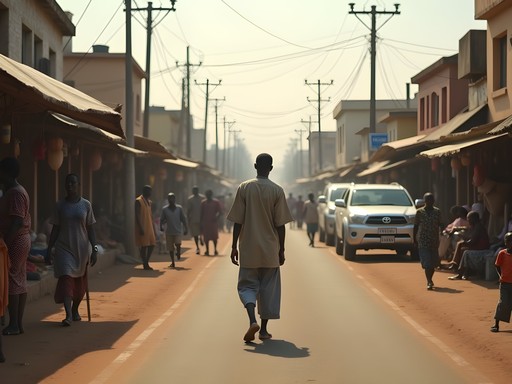
My adventure began in Kaduna's bustling center, where the Kaduna River cuts through the city like a liquid timeline separating colonial history from modern Nigerian life. I chose to stay at the budget-friendly Asaa Pyramid Hotel, which at roughly $30/night offered clean rooms and a central location perfect for exploration.
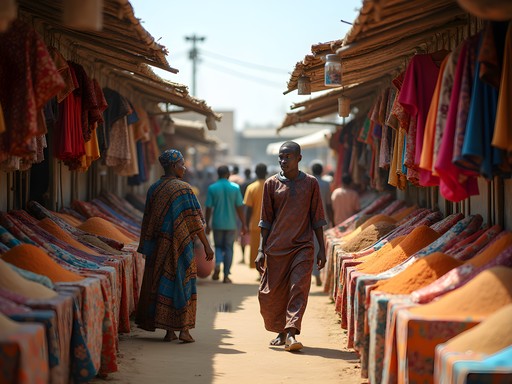
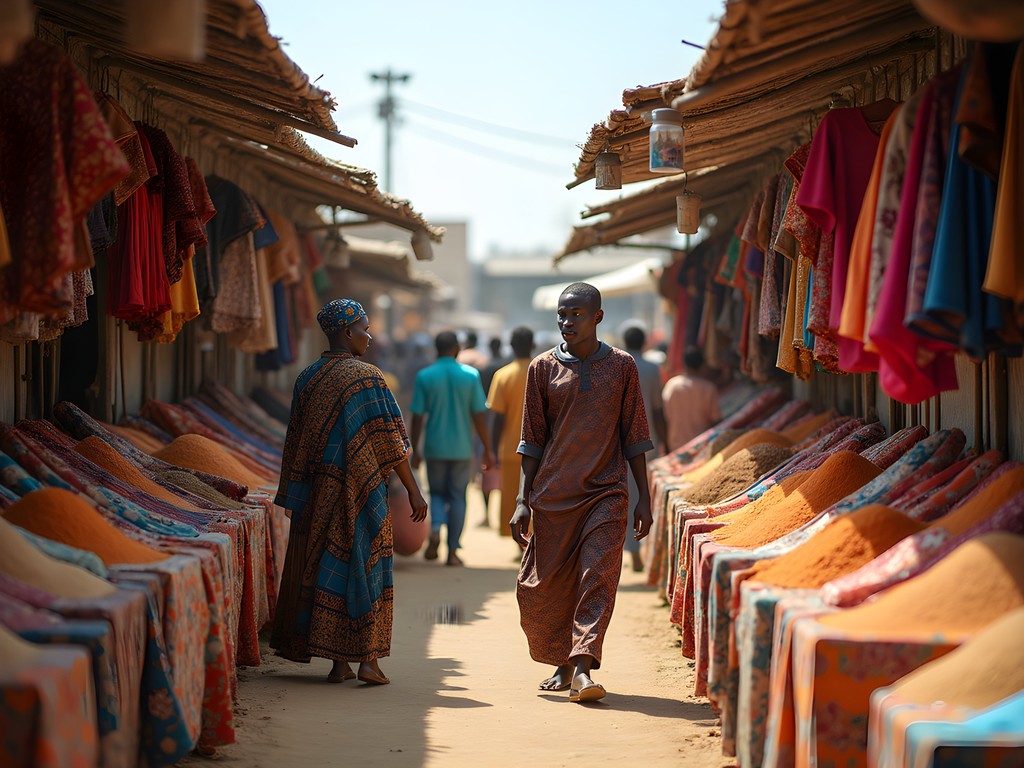
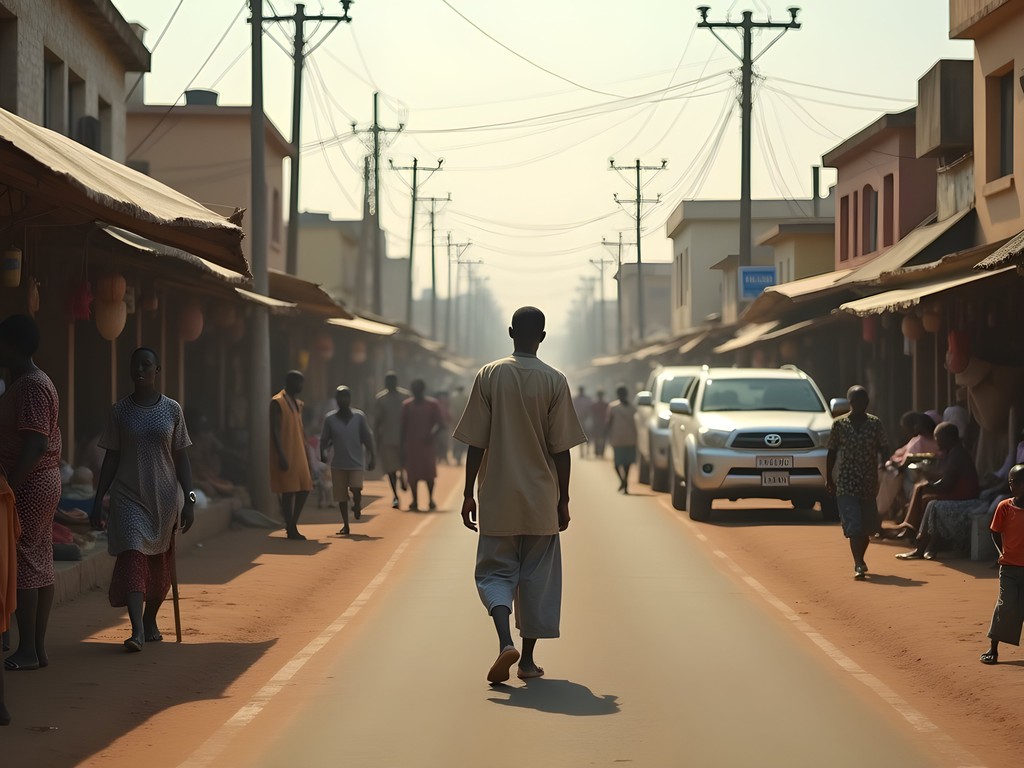
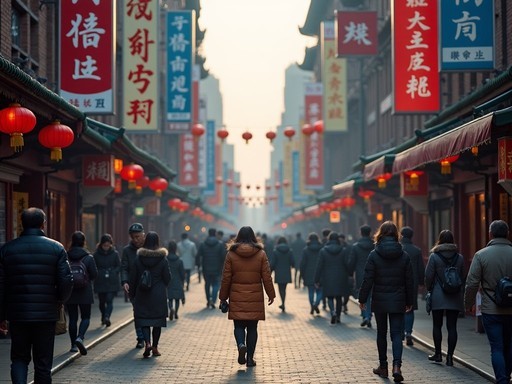
My first morning, I wandered through Kaduna Central Market—a sensory explosion that makes Western farmers markets seem like quiet libraries. Vendors called out prices for everything from handwoven textiles to aromatic spices, while I practiced my embarrassingly limited Hausa phrases to the amusement of local shopkeepers.
After picking up a colorful handmade headscarf (which quickly became essential under the Nigerian sun), I hired a local guide named Ibrahim through my hotel. At $15 for a half-day tour, this was the best money I spent all trip. Ibrahim showed me hidden corners of the city I'd never have found in guidebooks, including a small workshop where artisans craft traditional leather goods using techniques passed down for generations. I left with a beautiful leather journal that cost less than a fancy coffee back home but holds infinitely more value.
💡 Pro Tips
- Learn a few basic Hausa greetings—locals genuinely appreciate the effort
- Negotiate prices at markets but remain respectful—I typically start at 60% of the initial asking price
- Hire local guides through your accommodation rather than approaching strangers for more reliable experiences
Colonial Echoes & Cultural Crossroads
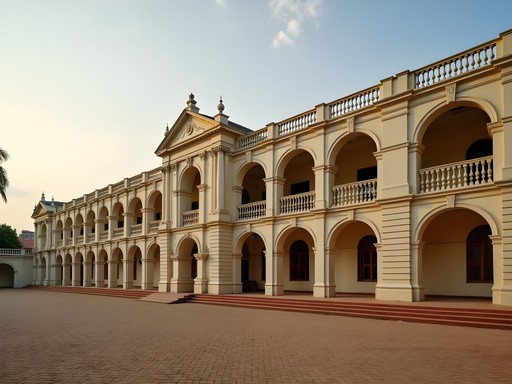
As an instructional designer with a history degree, Kaduna's colonial architecture speaks my language. The city served as the capital of Northern Nigeria under British colonial rule, leaving behind architectural remnants that tell stories of imperial ambition and local resistance.
The Lord Lugard Hall, named after Nigeria's first colonial governor, stands as a testament to this era. While the exterior maintains its colonial grandeur, the interior now houses government offices where modern Nigerian politics unfolds. The juxtaposition wasn't lost on me—a building designed to project imperial power now serves a sovereign nation.
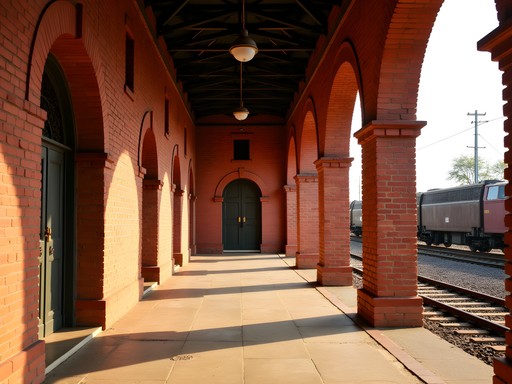
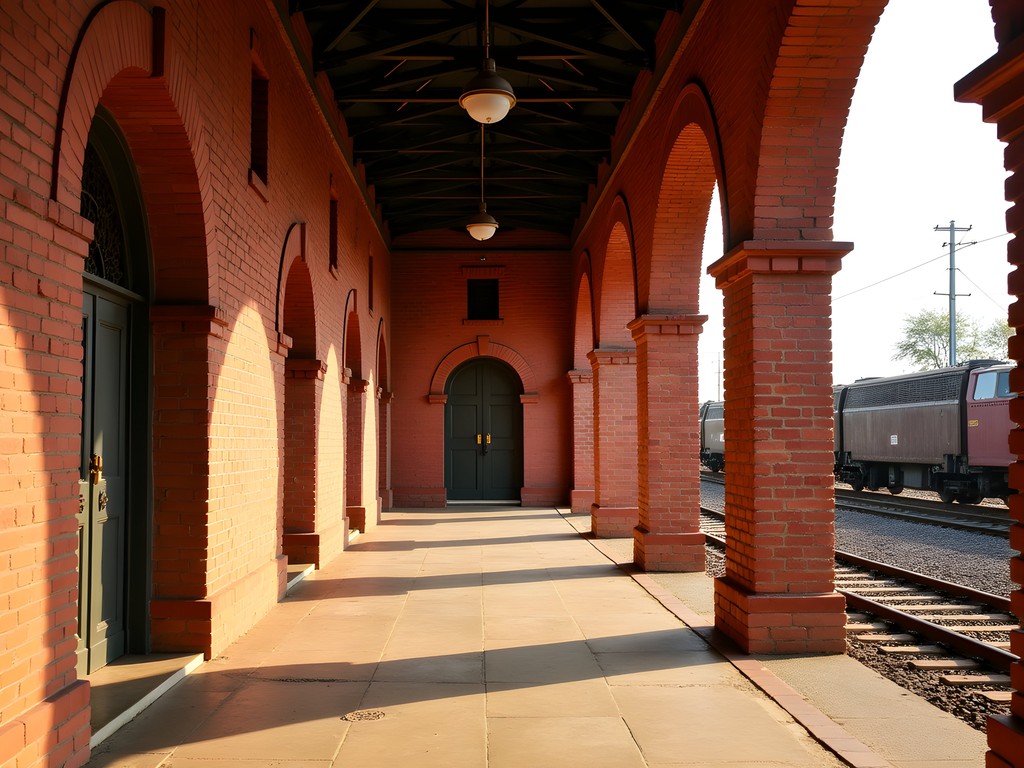
Nearby, I discovered the Kaduna Railway Station, built in 1911, which remains remarkably functional. The station's weathered wooden benches and ticking analog clocks transported me back a century. I spent an afternoon sketching the architecture in my travel watercolor set, drawing curious onlookers who eventually shared stories about the station's history that no guidebook could provide.
For history buffs, the Kaduna National Museum offers an impressive collection spanning from pre-colonial artifacts to civil war memorabilia. The entrance fee (500 Naira, about $1.30) is absurdly reasonable for the quality of exhibits. I spent three hours exploring the collections, which offer context crucial to understanding modern Nigeria.
💡 Pro Tips
- Visit the National Museum early on weekdays to avoid school groups
- Photography is restricted in government buildings—always ask permission first
- The Railway Station is still operational—consider taking a short journey to experience colonial-era train travel
Nok Culture & Ancient Mysteries
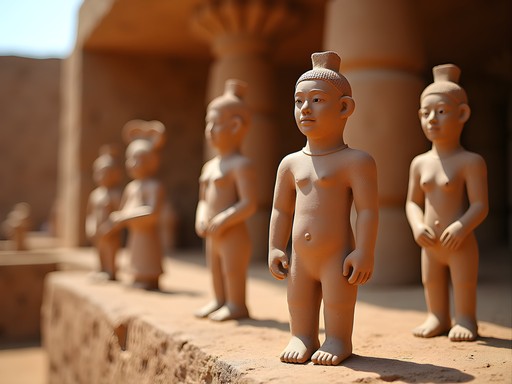
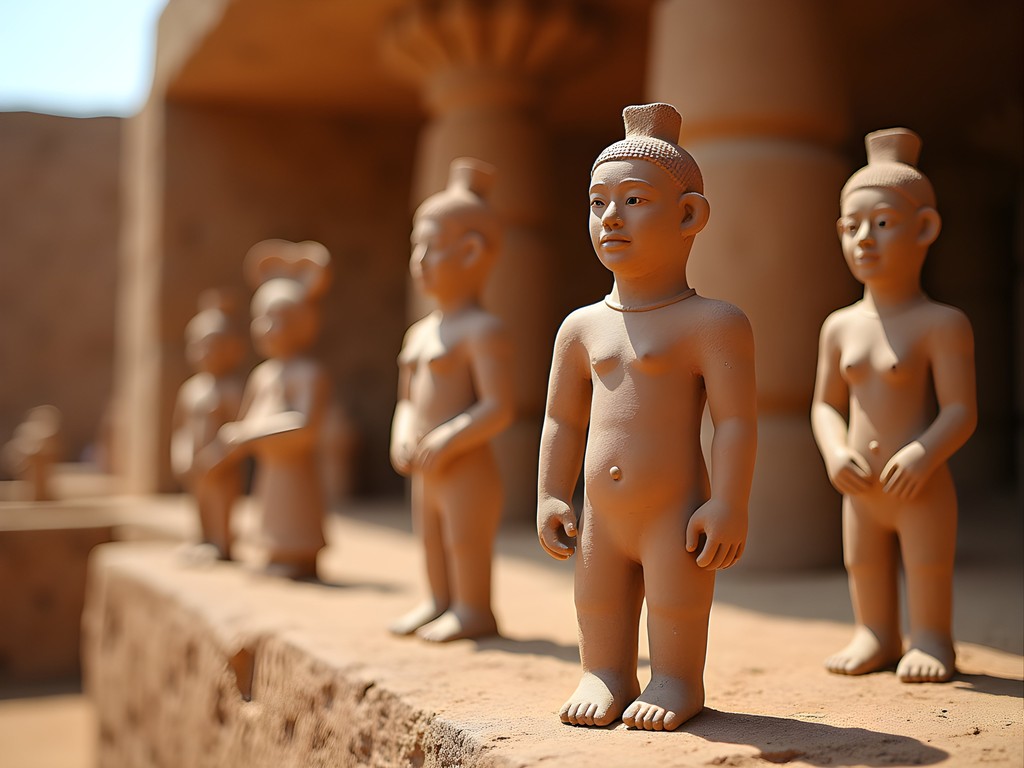
My history-loving heart nearly exploded when I ventured to the outskirts of Kaduna state to explore the mysteries of the ancient Nok civilization. Dating back to 1000 BCE, the Nok culture produced some of Africa's earliest known terracotta sculptures, yet remains criminally underappreciated in world history.
Reaching the archaeological sites requires effort. I arranged transportation through my hotel (about $40 for the day) and packed my insulated water bottle which proved essential as temperatures climbed and drinking water became scarce.
The journey takes you through stunning countryside where rocky outcroppings punctuate savanna grasslands. We passed small villages where children waved enthusiastically at the rare sight of a foreign visitor. My driver, Joseph, doubled as an informal cultural interpreter, explaining how contemporary communities maintain connections to their ancient heritage.
At the main Nok site, I was struck by both the sophisticated artistry of the terracotta figures and how casually they're presented. Unlike European archaeological sites where ancient artifacts are kept behind bulletproof glass, here the connection between past and present feels more immediate and authentic.
The modest site museum displays replicas of the famous Nok terracottas (most originals are in the National Museum in Jos or international collections). What the museum lacks in modern presentation, it makes up for with the passion of its caretakers, who share detailed knowledge of excavations and findings.
💡 Pro Tips
- Bring cash for the site entrance fee (about 1000 Naira) as cards aren't accepted
- Pack plenty of water and snacks as there are limited facilities
- Wear sturdy shoes suitable for uneven terrain around the archaeological sites

Savoring Northern Nigerian Cuisine
If you think your palate is adventurous, Northern Nigerian cuisine will put that claim to the test. Kaduna's food scene offers intense flavors that reflect its position at the crossroads of West African and Sahelian culinary traditions.
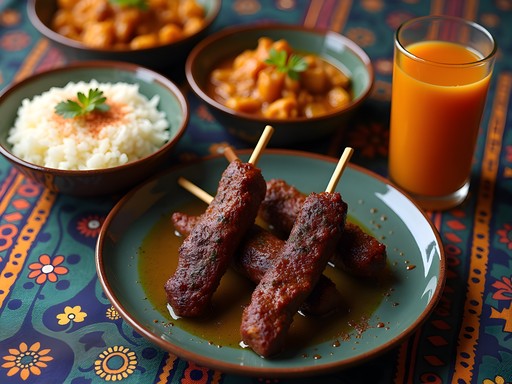
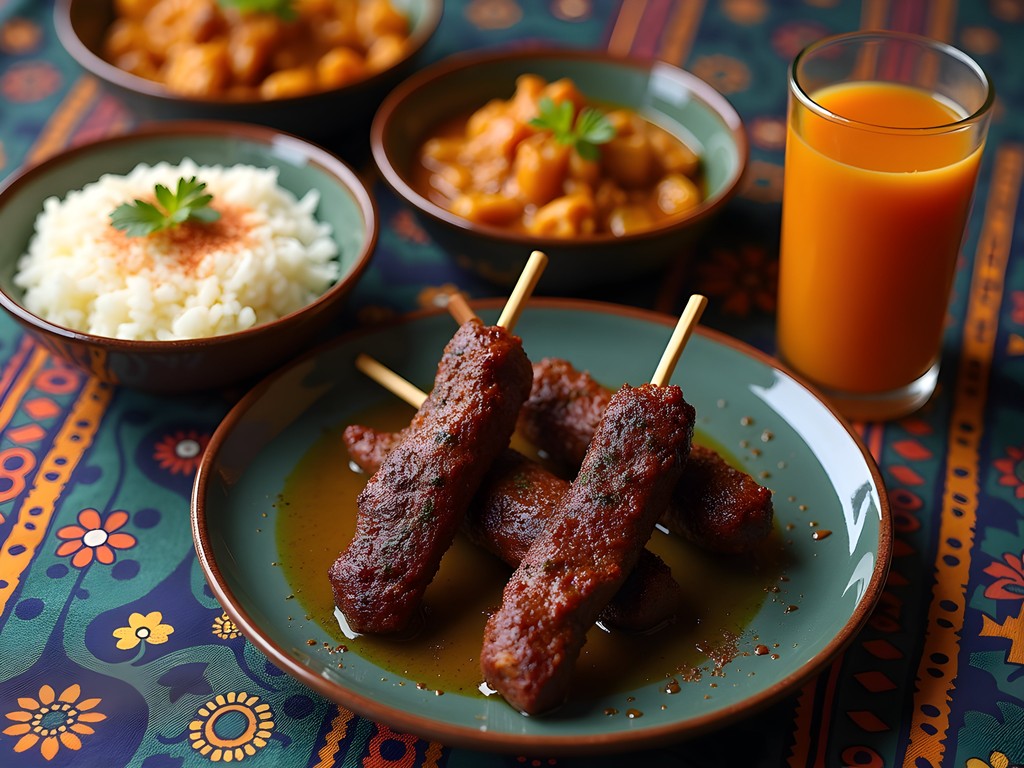
Street food proved both the most economical and authentic dining option. My favorite discovery was suya—thinly sliced beef skewers coated in a complex spice mixture heavy on ground peanuts and chili. At about 500 Naira ($1.30) per generous portion, it's a budget traveler's dream. Just be warned: when vendors ask if you want it spicy, they mean actually spicy, not Western-restaurant spicy.
For a more substantial meal, I fell in love with tuwo shinkafa (rice pudding) served with various stews. The best version I found was at a small family restaurant near Ahmadu Bello Way, where a hearty meal cost under 1000 Naira ($2.60). I recorded the flavors and cooking techniques in my food journal to attempt recreating them back home (though I'm certain my versions will pale in comparison).
To stay hydrated in Kaduna's heat, I became addicted to kunun aya, a refreshing drink made from tiger nuts. Street vendors sell it in plastic bags for just 100 Naira (about 25 cents), and it's both delicious and easier on foreign stomachs than tap water.
For those concerned about food safety, I followed my usual developing-world protocol: hot foods, peeled fruits, and bottled water. With these precautions, I experienced zero digestive issues throughout my stay.
💡 Pro Tips
- Eat where locals eat—restaurants busy with Nigerian customers are usually both safer and more authentic
- Carry small bills for street food purchases as vendors rarely have change
- Try kunun aya (tiger nut milk) for a refreshing, stomach-friendly drink option
Safety & Solo Female Travel in Kaduna
Let's address the elephant in the room: safety concerns often overshadow Northern Nigeria in travel discussions. While parts of the region face security challenges, Kaduna city itself proved navigable with proper precautions.
As a solo female traveler, I maintained a higher level of situational awareness than I might in European destinations. I dressed modestly with long skirts or pants and kept my shoulders covered, which both respected local customs and reduced unwanted attention. My anti-theft crossbody bag stayed close to my body in crowded areas, though I never felt targeted as a tourist.
I avoided nighttime exploration and instead used evenings to plan the next day's adventures from my hotel. When moving around the city, I primarily used drivers recommended by my accommodation rather than hailing random taxis. This added slightly to my costs but provided peace of mind.
Staying connected proved essential. I purchased a local SIM card (MTN offered the best coverage) immediately upon arrival, which gave me data access throughout my stay. This allowed me to use mapping apps and stay in touch with family—I sent daily check-in messages with my location to loved ones back home.
The most surprising aspect of safety in Kaduna was the genuine concern locals showed for my wellbeing. When I accidentally took a wrong turn near the market, a shopkeeper not only redirected me but insisted his son walk me back to a main road. This kind of community watchfulness made me feel protected rather than vulnerable.
💡 Pro Tips
- Register with your country's embassy before arrival and keep emergency contacts handy
- Use a money belt for important documents and extra cash, separate from your day bag
- Stay informed about local conditions through both official travel advisories and on-the-ground sources like hotel staff
Final Thoughts
Kaduna won't make most travelers' bucket lists, which is exactly what makes it special. In a week of exploration, I encountered exactly three other Western tourists—a stark contrast to the selfie-stick armies of more popular destinations. What I found instead was a genuine cultural immersion that challenged my preconceptions and rewarded my curiosity.
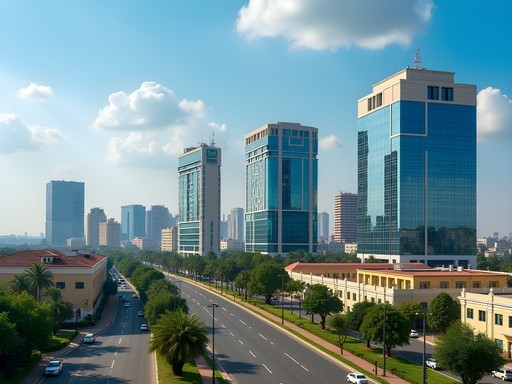
The city exists at fascinating intersections: traditional and modern, Islamic and Christian, colonial past and independent present. These juxtapositions create a dynamic energy unlike anywhere else I've visited. And for budget travelers, the value is undeniable—my entire week in Kaduna cost less than two nights in Paris.
As instructional designers, we're taught to create learning experiences that transform perspectives. Kaduna was my teacher this trip, offering lessons in resilience, hospitality, and the complex beauty of Northern Nigerian culture. For those willing to step beyond conventional tourism paths, Kaduna offers rewards that can't be measured in Instagram likes but rather in the depth of understanding you'll gain about a remarkable corner of West Africa.
✨ Key Takeaways
- Kaduna offers authentic cultural experiences without the crowds of more touristy African destinations
- Budget travelers can experience rich historical sites, vibrant markets, and delicious cuisine at remarkably low prices
- With proper preparation and awareness, solo female travelers can safely navigate and enjoy Northern Nigeria's cultural capital
📋 Practical Information
Best Time to Visit
October-March (dry season)
Budget Estimate
$30-50/day including accommodation, food, and activities
Recommended Duration
5-7 days
Difficulty Level
Intermediate
Comments
photohero
Those market photos are STUNNING! What camera setup were you using? The colors are so vibrant!
Danielle Arnold
Thanks so much! Just using my mirrorless camera with the kit lens. The markets in Kaduna are so colorful that they practically photograph themselves!
photohero
Nice! Great composition too. Did you have any issues taking photos in the markets? Sometimes people can be sensitive about that.
Douglas Bradley
Fascinating piece on Kaduna, Danielle! Northern Nigeria is severely underrepresented in travel media. I spent time in Jos and Kano back in 2023, but missed Kaduna entirely - clearly a mistake. Your section on the Nok terracottas was particularly enlightening. The archaeological significance of that region deserves more attention. Did you hire a local guide for your visit to the Nok sites? I found that historical context from locals transformed my understanding of Northern Nigerian heritage sites. Also, how did you navigate the language barriers outside the urban areas?
hikingwanderer
I'm also curious about language barriers! Planning a Nigeria trip for next year and wondering if English is enough or if I should learn some basic Hausa phrases?
Douglas Bradley
Great writeup, Danielle. Northern Nigeria is criminally underrepresented in travel content. I spent time in Kano a few years back and the cultural depth is remarkable. The Nok terracotta pieces you mentioned are absolutely fascinating - some of the oldest sculptural art in sub-Saharan Africa. Did you make it to Kajuru Castle? It's a bit touristy but the juxtaposition of a medieval-style castle in the Nigerian landscape is surreal. Also curious about your experience with the local languages - did you find Hausa helpful or was English sufficient in most interactions?
Danielle Arnold
Douglas! Yes, I visited Kajuru - didn't include it in this post but planning a follow-up. You're right about the surreal factor. English worked fine in the city but learning basic Hausa greetings (sannu, yaya dai?) opened so many doors. People really appreciated the effort. Kano is definitely on my list for next time!
oceanhero
This is really cool! How did you handle safety concerns as a solo traveler there? I've been wanting to explore more of West Africa but nervous about Nigeria.
Danielle Arnold
Hey! Honestly I felt pretty safe in Kaduna city itself. I stayed in contact with my hotel staff, they helped arrange trusted drivers. The usual precautions - don't flash valuables, be aware of surroundings. People were incredibly welcoming once they realized I was genuinely interested in their culture. Would recommend connecting with locals through your accommodation first!
oceanhero
Thanks! That's really helpful
GlobeHopper
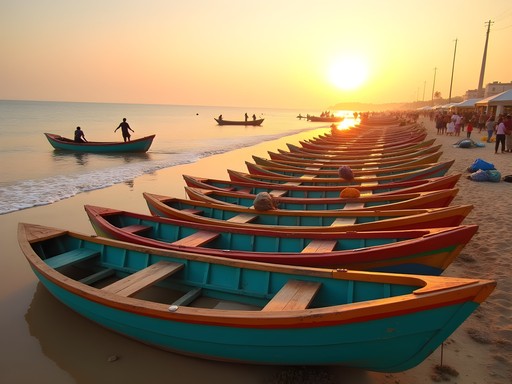
That shot of the sunset over the Kaduna River is absolutely stunning! What camera did you use?
Danielle Arnold
Thank you! Just my phone camera actually - Google Pixel with some minor editing in Lightroom mobile. The light there does all the work!
Oliver Duncan
Danielle, your post brought back memories of my backpacking days through Nigeria in 2022! I remember arriving in Kaduna after an epic 14-hour bus journey from Lagos that involved three breakdowns, a goat giving birth in the aisle, and making lifelong friends with the family sharing my row. The Nok cultural sites were a highlight for me too - something magical about standing where people created those incredible terracotta figures over 2,500 years ago. Did you try tuwo shinkafa with miyan taushe? That pumpkin stew changed my life! I used my offline translation app constantly since my Hausa is nonexistent, but found smiles worked just as well most times. Kudos for highlighting this underappreciated region!
photolife
Your photos of the traditional architecture are stunning! What camera setup did you use? The lighting in that sunset shot of the old city walls is perfect.
Danielle Arnold
Thanks! Just my trusty Sony A7III with the 24-70mm f/2.8 lens. The light in Northern Nigeria is a photographer's dream - that golden hour lasts forever!
sunsetqueen
How did you get around the city? Is there good public transport or did you need to hire drivers?
Danielle Arnold
I used a mix! Within the city center, I mostly walked or used keke napep (motorized tricycles). For longer distances, I hired a driver through my hotel - not too expensive and they knew all the best spots!
nomadninja
OMG I was in Kaduna last year!! So weird to see it on a travel blog lol. If you go back you HAVE to check out Kajuru Castle. It's this random medieval-style castle built by a German expat in the 90s about an hour from Kaduna city. Super bizarre but amazing views and you can stay overnight!
Danielle Arnold
What?! How did I miss a CASTLE? Adding this to my list for next time - sounds incredible!
coffeerider
Those food pics have me drooling! Suya is the best!
Venture X
Premium card with 2X miles, $300 travel credit, Priority Pass