
Disclosure: This article contains affiliate links. We may earn a commission from purchases at no extra cost to you, which helps our travel content.
When my tax advisory work unexpectedly brought me to Kaduna for a consulting project with a Nigerian infrastructure development firm, I discovered a vibrant city that rarely makes international travel lists. Between spreadsheets and client meetings, I carved out time to explore this northern Nigerian metropolis on two wheels—yes, I managed to find a segway tour operator!—and uncovered architectural treasures that reflect both colonial influence and indigenous design principles. After three visits in two years, I've compiled my methodical guide to experiencing Kaduna beyond the standard tourist itinerary.

Navigating Kaduna's Architectural Timeline
As someone who approaches travel with the same precision I apply to tax regulations, I've developed a systematic way to appreciate Kaduna's architectural evolution. The city's buildings tell the story of Nigeria's transition from colonial outpost to independent nation.
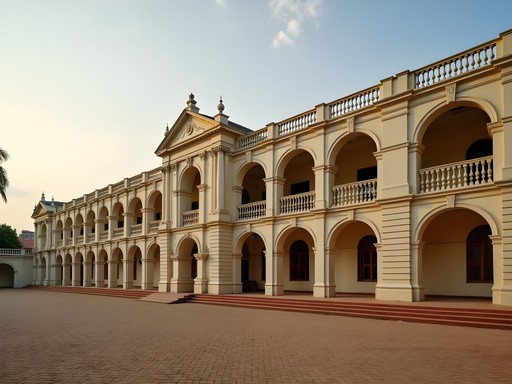
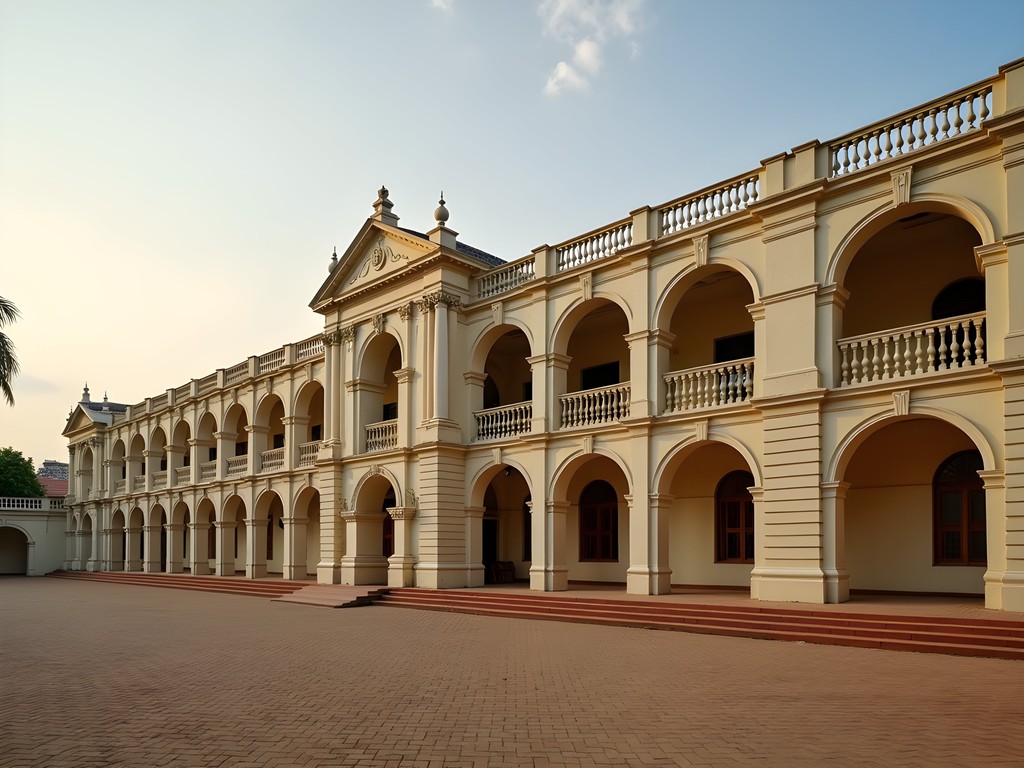
Start at the Lord Lugard Hall, a magnificent colonial-era structure built in 1914 and named after Nigeria's first colonial governor. The symmetrical façade with its arched entrances exemplifies British administrative architecture adapted for the tropical climate. What fascinated me was the ingenious passive cooling system—high ceilings and strategically placed windows create natural ventilation without modern air conditioning.
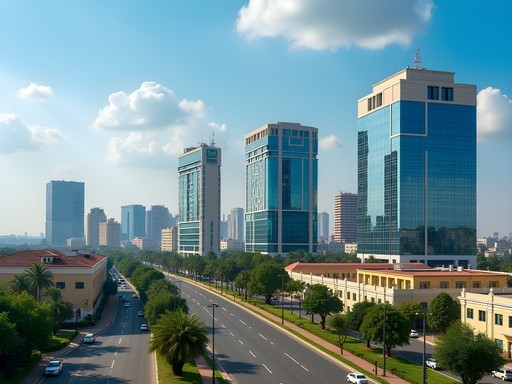
For contrast, visit the ultra-modern Kaduna Millennium City, where contemporary glass-and-steel structures showcase Nigeria's economic aspirations. The juxtaposition of these architectural periods provides insight into the nation's development trajectory far more effectively than any history book.
For architectural photography, I rely on my portable tripod which fits perfectly in my daypack and stabilizes shots in low-light conditions inside historical buildings.
💡 Pro Tips
- Visit Lord Lugard Hall early morning for the best lighting and fewer crowds
- The Kaduna State House of Assembly building offers free guided tours on Thursdays—book 48 hours in advance
- For comprehensive architectural context, download the Nigeria Architecture Archive app before your visit
Local Transport: The Analytical Traveler's Approach
After three visits to Kaduna, I've optimized my transportation strategy with the efficiency that my tax clients would appreciate. Forget the tourist bubble—local transport offers both practicality and cultural immersion.
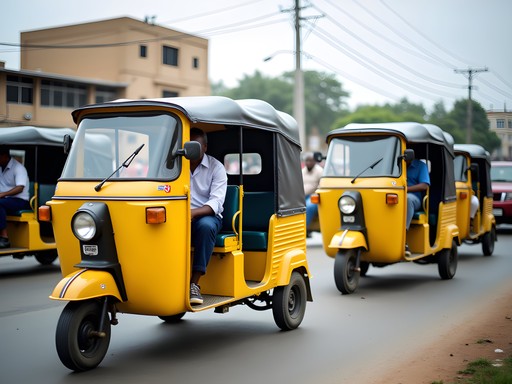
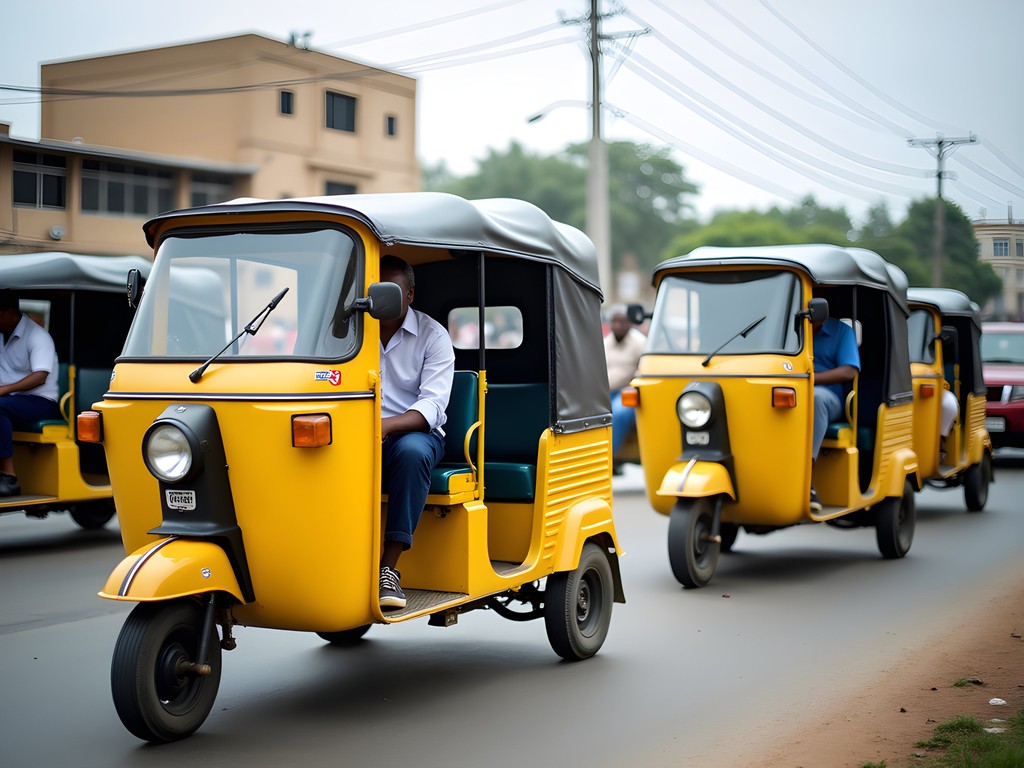
Keke napeps (auto rickshaws) are Kaduna's workhorses and my preferred mode for short distances. Establish prices before boarding—expect 200-300 Naira for trips within central Kaduna. I've developed a spreadsheet of standard fares between common destinations to avoid overcharging (download link in the practical info section).
For longer journeys, shared taxis operate on fixed routes. Look for cars with yellow-painted sides and destinations written on cardboard in the windshield. At approximately 150 Naira per seat, they're remarkably economical.
When navigating Kaduna's bustling streets, my crossbody anti-theft bag has proven invaluable. The RFID-blocking compartments and slash-resistant construction provide peace of mind while keeping essentials accessible.
For solo female travelers, I recommend using bolt (Nigeria's equivalent to Uber) after dark. The app functions similarly to ride-sharing services worldwide, with the added security of driver tracking and fare estimates.
💡 Pro Tips
- Download the Bolt app before arrival and set up payment with a travel-friendly credit card
- Learn basic Hausa greetings—'Sannu' (hello) and 'Na gode' (thank you) go a long way with drivers
- For keke napeps, always confirm the fare before entering and have small denominations ready
Culinary Mapping: A Systematic Approach to Kaduna's Food Scene
My analytical nature extends to culinary exploration, where I've developed a methodical approach to Kaduna's food scene. Rather than random sampling, I organize my dining experiences by neighborhood, price point, and authenticity metrics.
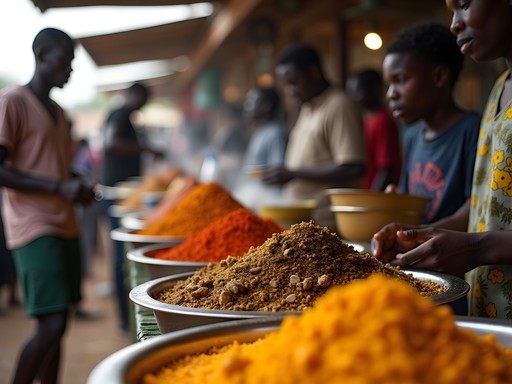
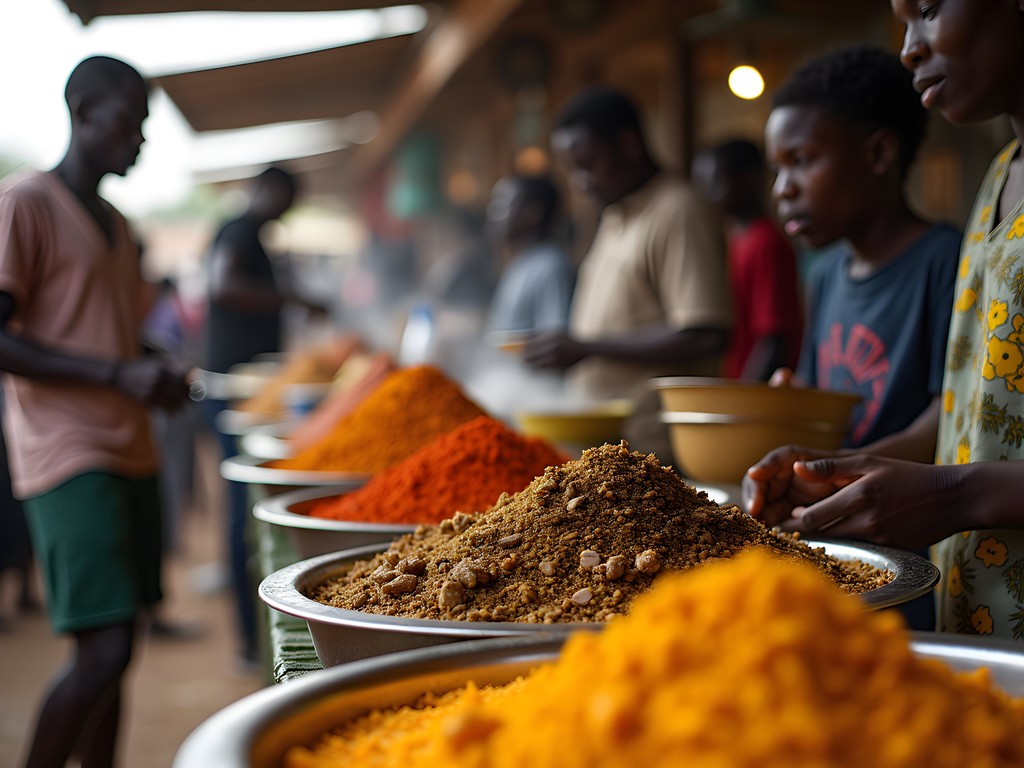
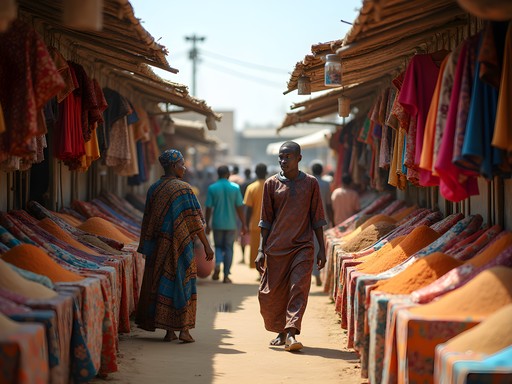
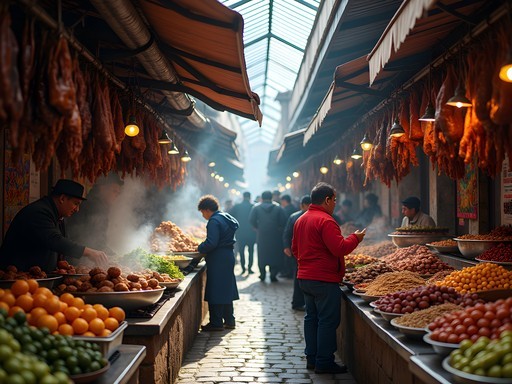
Kaduna's Central Market food stalls offer the most authentic northern Nigerian cuisine. Start with tuwo shinkafa (rice pudding) paired with miyan kuka (baobab leaf soup)—a combination that perfectly balances starchy comfort with tangy complexity. The market's eastern section hosts the most skilled vendors, identifiable by the longest local queues.
For a mid-range dining experience that balances authenticity with comfort, Hammana Restaurant on Ahmadu Bello Way serves excellent suya (spiced grilled meat). Their preparation method involves a precise 24-hour marinade in groundnut paste and complex spice mixtures.
I track my culinary discoveries using a food journal which includes sections for recipes, flavor profiles, and restaurant details. This systematic documentation has proven invaluable for recommending specific dishes to fellow travelers.
Hydration is crucial in Kaduna's climate. My insulated water bottle with built-in UV purification technology has been worth every penny, allowing me to safely refill at restaurants without relying on single-use plastic bottles.
💡 Pro Tips
- At local eateries, observe how food is prepared—freshly cooked items at high temperatures are safest
- Kaduna's specialty is *dambu nama* (shredded spicy beef)—the version at Arewa Restaurant includes 17 different spices
- Most restaurants close between prayer times; plan meals around 1-3pm and after 7pm for the best selection

Urban Exploration: Segway Tours and Walking Routes
Combining my passion for urban mobility with architectural appreciation, I've mapped several optimal routes for exploring Kaduna that maximize efficiency while showcasing the city's structural diversity.
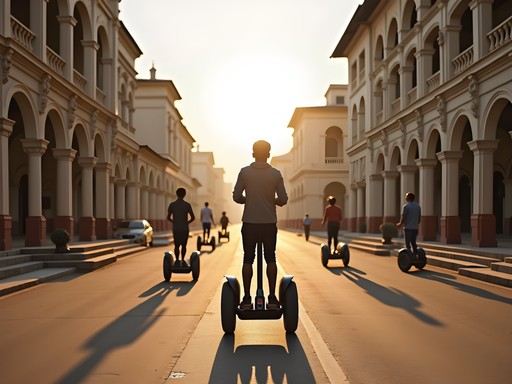
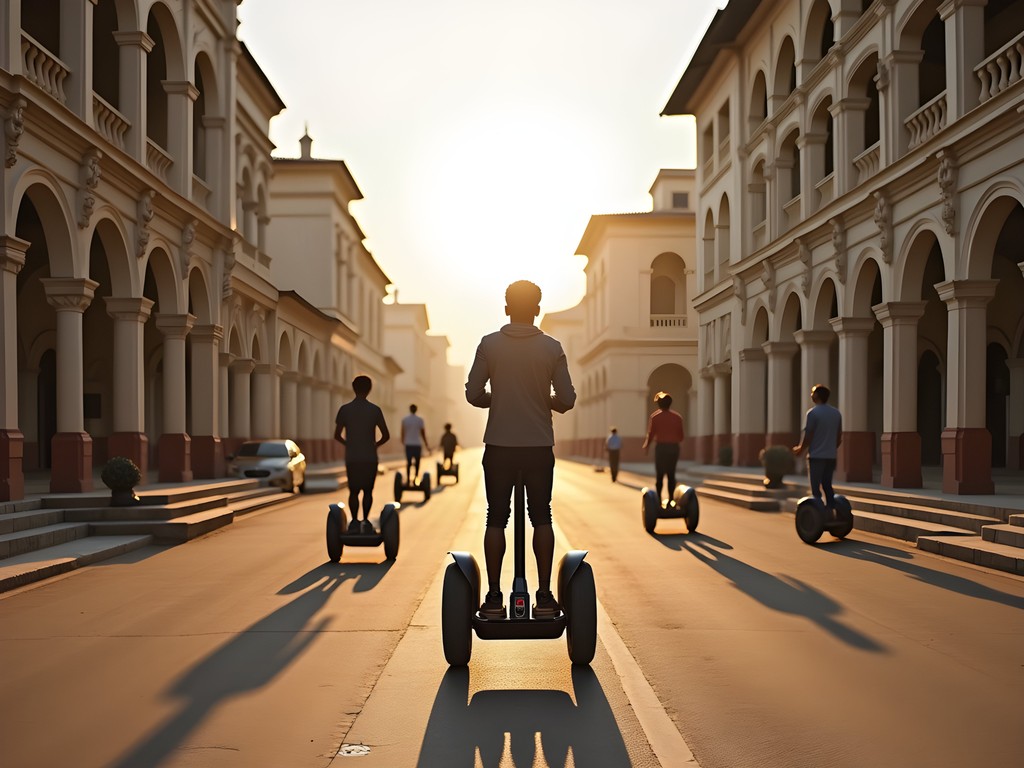
Contrary to expectations, Kaduna does have a segway tour operator—Kaduna City Gliders—though you'll need to book at least 48 hours in advance. Their 2-hour architectural heritage tour covers colonial-era buildings along Independence Way and costs 15,000 Naira (approximately $20 USD). The tour provides unique perspectives on building facades that would be missed at street level.
For self-guided exploration, I've developed three walking routes (downloadable GPX files available below) that showcase different architectural periods:
- Colonial Heritage Loop (2.5km): Starting at Lugard Hall, circling through the old European Reservation Area
- Independence Era Circuit (3km): Focusing on 1960s modernist government buildings
- Contemporary Kaduna Route (4km): Showcasing recent urban development projects
During my walks, my portable sun umbrella has been essential for Kaduna's intense sunlight. Unlike regular umbrellas, it's designed specifically for UV protection while being lightweight enough for all-day carrying.
For early morning architectural photography sessions, I recommend the viewpoint from Kabala Hill, where you'll capture the distinctive silhouette of Kaduna's skyline with the perfect morning light.
💡 Pro Tips
- Book segway tours through WhatsApp rather than email for faster response
- Walking is best limited to early morning (6-9am) or late afternoon (4-6pm) to avoid peak heat
- Most architectural sites are closed on Fridays until 2pm—plan accordingly
Cultural Immersion Through Structured Interaction
My approach to cultural immersion follows the same methodical pattern I apply to tax advisory—systematic engagement with clear objectives. Rather than random encounters, I seek structured interactions that provide deeper insights into Kaduna's social fabric.
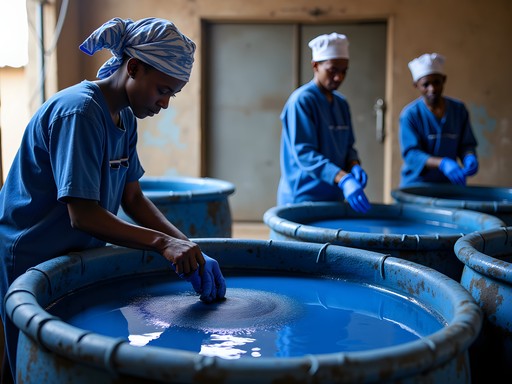
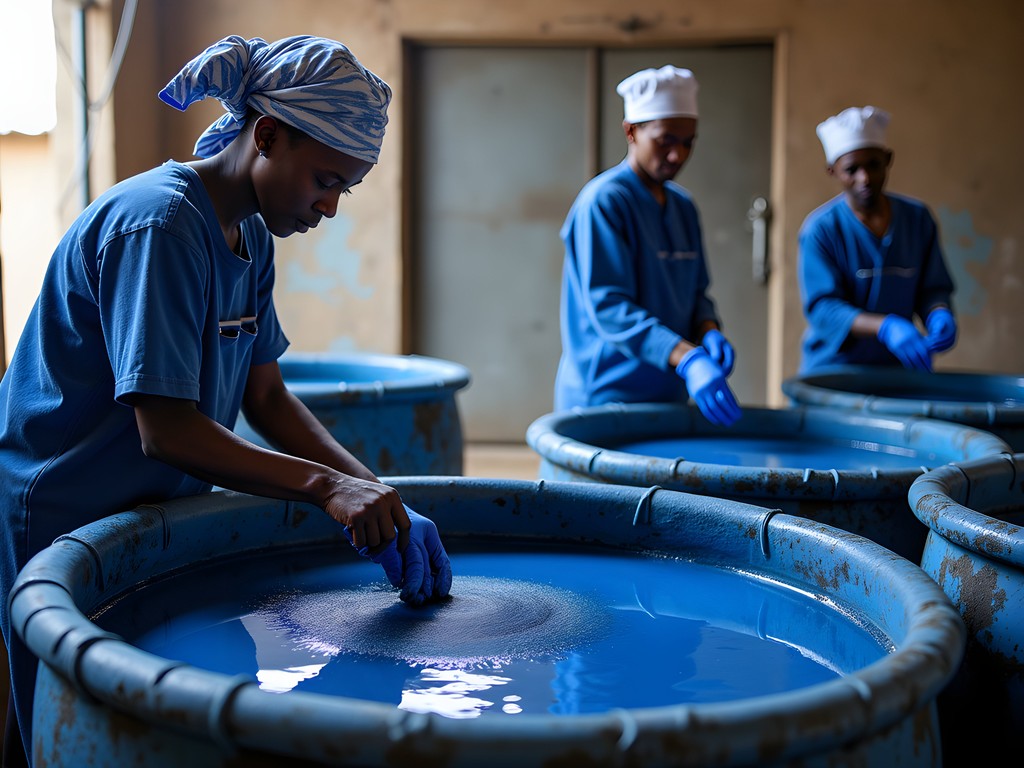
The Kaduna Arts Council hosts weekly workshops where visitors can learn traditional dyeing techniques using locally-sourced indigo. For 5,000 Naira (approximately $13 USD), you'll create your own textile piece while engaging with master artisans. Book through their Facebook page at least three days in advance.
For language enthusiasts, the American Corner at Kaduna State University offers free 'Language Exchange Thursdays' where you can practice basic Hausa with students eager to improve their English. These sessions provided me with vocabulary that proved invaluable in markets and local transportation.
During my second visit, I discovered the analytical value of language flashcards for quickly mastering essential phrases. The systematic organization by category (greetings, numbers, transportation terms) aligned perfectly with my learning approach.
Perhaps my most insightful cultural experience came through the Kaduna Homestay Network, which pairs visitors with middle-class local families. My three-night stay with the Ibrahim family included participating in meal preparation, accompanying them to a wedding, and lengthy discussions about Nigeria's economic development. The 15,000 Naira nightly fee ($40 USD) includes meals and cultural activities.
💡 Pro Tips
- When participating in homestays, bring small gifts from your home country—I brought Australian honey which was greatly appreciated
- Dress modestly when visiting local homes—covered shoulders and knees are appropriate for both men and women
- Learn the basic etiquette of eating with your right hand before attending a traditional meal
Final Thoughts
Kaduna represents the perfect case study of a city in transition—where architectural heritage meets rapid development and traditional practices coexist with modern aspirations. As a tax advisor who's developed an unexpected passion for urban infrastructure, I found Kaduna's systematic growth patterns fascinating to analyze through multiple visits. The city rewards the methodical traveler who approaches exploration with clear objectives and documentation strategies.
What surprised me most was how my analytical approach to travel enhanced rather than diminished the emotional connection to Kaduna. By understanding the structural underpinnings of the city—both architectural and cultural—I developed a deeper appreciation for its complexity. Whether you're mapping architectural periods via segway or categorizing culinary experiences by neighborhood, a systematic approach to Kaduna yields rich insights that casual tourism might miss.
I encourage you to approach Kaduna with both an open heart and an organized mind. Download my transportation spreadsheet, map your exploration routes, and document your discoveries. The city's patterns will reveal themselves to the observant traveler who looks beyond the obvious.
✨ Key Takeaways
- Kaduna's architectural heritage spans colonial, independence, and contemporary periods—each telling a different chapter of Nigeria's development story
- Local transportation options like keke napeps provide both practicality and cultural immersion when approached systematically
- Structured cultural interactions through workshops, language exchanges, and homestays offer deeper insights than casual tourism
- The contrast between traditional practices and modern development makes Kaduna a fascinating case study of urban evolution in West Africa
📋 Practical Information
Best Time to Visit
October-March (dry season)
Budget Estimate
$30-50 USD/day excluding accommodation
Recommended Duration
5-7 days
Difficulty Level
Moderate

Comments
summerchamp
The photos are amazing!! Really makes me want to book a trip. How long did you stay there?
Ana Ahmad
Thank you! I was there for about 3 weeks for the consulting project, which gave me time to really explore beyond the surface level.
oceandiver
This is SO helpful!! Going there in March and was worried about being stuck doing just the typical tourist stuff. The walking routes section is exactly what I needed. Do you have a map or route details you could share?
summerchamp
Same here! Would love more specific route info.
Jean Wells
Your systematic approach to exploring the food scene resonates with me. I've found that mapping out culinary experiences by neighborhood really helps understand a city's cultural layers. Did you notice significant differences between the traditional northern Nigerian cuisine in older districts versus the more cosmopolitan areas? I'm planning a West African research trip for 2027 and Kaduna is now definitely on my list. The architectural timeline section was particularly insightful—that juxtaposition of colonial and modern infrastructure sounds fascinating from an urban development perspective.
Ana Ahmad
Absolutely! The contrast is striking. The older Tudun Wada area has incredible traditional suya spots and local markets, while areas like Ungwan Rimi have more fusion restaurants. Each neighborhood really tells its own story. Would love to hear about your research trip when you go!
coolfan
Love this! Never thought about Kaduna before.
citymaster910
How safe is the public transport for solo travelers? Thinking about visiting but want to know what to expect with the local buses and taxis.
Ana Ahmad
Great question! I found it quite manageable. Stick to registered taxis during evening hours and the daytime buses are generally fine. The Segway tours I mentioned are also a good way to get oriented first.
citymaster910
Thanks! That helps a lot.
adventurebackpacker
really cool photos, thanks for sharing
exploremood
which food spot was your favorite?
Ana Ahmad
Hard to choose! But the suya spot near Ahmadu Bello Way was incredible. Also loved the small breakfast place in Ungwan Rimi for masa and kosai.
adventurebackpacker
suya is the best!
adventurevibes
Love this! Never thought about Kaduna before
Jean Wells
Ana, your systematic approach to exploring Kaduna resonates with my own travel methodology. I spent three weeks in northern Nigeria last year and found that mapping out architectural landmarks chronologically—as you suggest—provides remarkable context for understanding urban development patterns. The contrast between colonial-era structures and modern infrastructure is particularly striking in Kaduna. Did you have the opportunity to visit the old railway compound? The preservation efforts there are noteworthy. Also, your point about food mapping is spot-on; I maintain similar databases for cities I visit extensively.
Ana Ahmad
Jean, yes! The railway compound was fascinating. I spent an entire afternoon there documenting the architectural details. Would love to compare notes on your northern Nigeria findings—sounds like we approached it similarly.
cityfan
how safe is the public transport there? thinking about visiting but not sure about getting around on my own
Ana Ahmad
Hi! I found it quite manageable during daytime hours. Stick to the main routes and keke napep (tricycles) during the day. I'd recommend arranging transport through your hotel for evening activities though. Happy to share more specific routes if you decide to go!
cityfan
thanks! that helps a lot
Venture X
Premium card with 2X miles, $300 travel credit, Priority Pass