
Disclosure: This article contains affiliate links. We may earn a commission from purchases at no extra cost to you, which helps our travel content.
As someone who's spent decades studying how civilizations adapt to their environments, I find Incheon absolutely fascinating. This coastal city has transformed from a humble port to South Korea's gateway to the world, while preserving layers of history that tell a remarkable story of resilience. On my recent spring journey, I discovered that Incheon offers the perfect alternative introduction to Korean culture—less overwhelming than Seoul but equally rewarding, especially for families watching their won. Let me share how to make the most of 48 hours in this underrated treasure.

Day 1: Coastal Heritage and Colonial Architecture
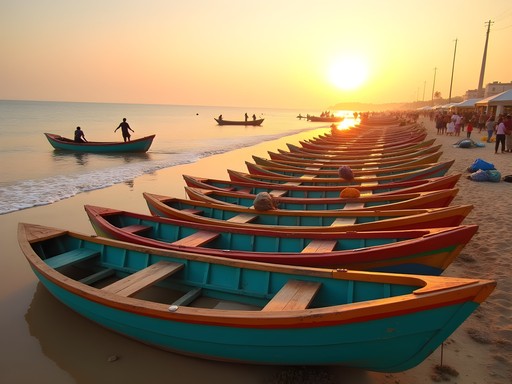
My Incheon adventure began where Korea's modern history took a dramatic turn—Wolmido Island. Connected to the mainland by a causeway, this strategic point witnessed General MacArthur's famous landing during the Korean War. Today, it's transformed into a delightful seaside park where local families gather for weekend picnics.
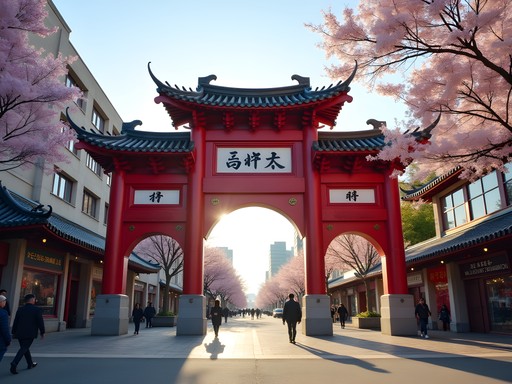
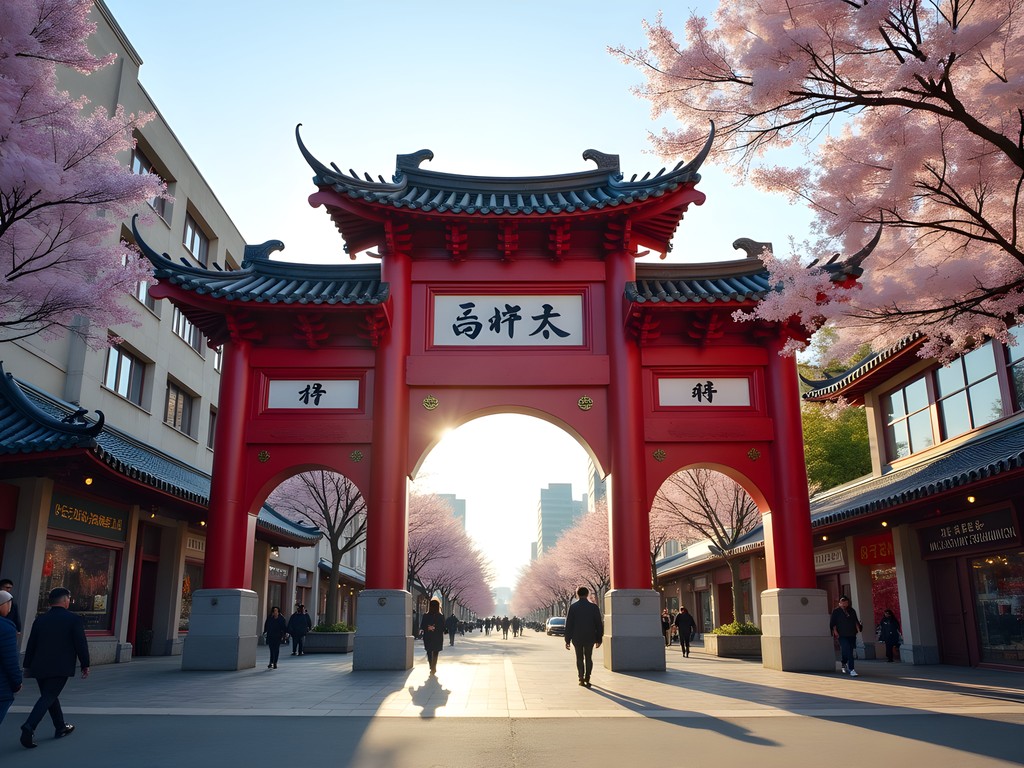
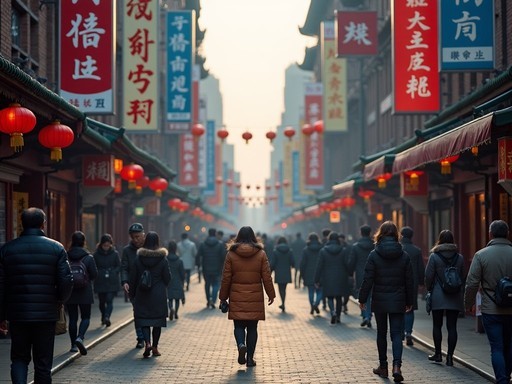
From there, I made my way to Incheon's crown jewel: Chinatown and the adjacent Jayu (Freedom) Park. Established in 1884 after the port opened to foreign trade, this vibrant district showcases stunning Chinese-influenced architecture painted in characteristic red and gold. The paifang gates stand as proud sentinels marking cultural boundaries that have grown increasingly fluid over generations.
Walking through the narrow streets, I couldn't help but notice how the weather—mild with gentle spring breezes—perfectly complemented the historical exploration. My pocket translator proved invaluable as I chatted with elderly residents about how the neighborhood has evolved over decades.
For lunch, I savored authentic jjajangmyeon (black bean noodles) at one of Chinatown's century-old restaurants. This dish, adapted from Chinese cuisine but thoroughly Korean in its current form, perfectly symbolizes Incheon's role as a cultural crossroads.
💡 Pro Tips
- Visit Wolmido Island early morning to avoid weekend crowds and enjoy clearer views of the harbor
- Many Chinatown museums offer discounted family tickets if you ask at the counter (not always advertised)
- Wear comfortable walking shoes as the colonial district features many hills and stairs
Architectural Time Travel: Songdo vs. Open Port Area
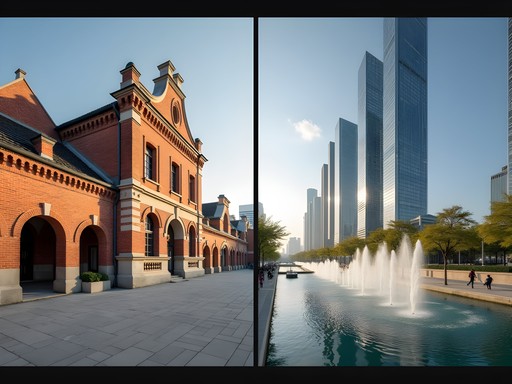
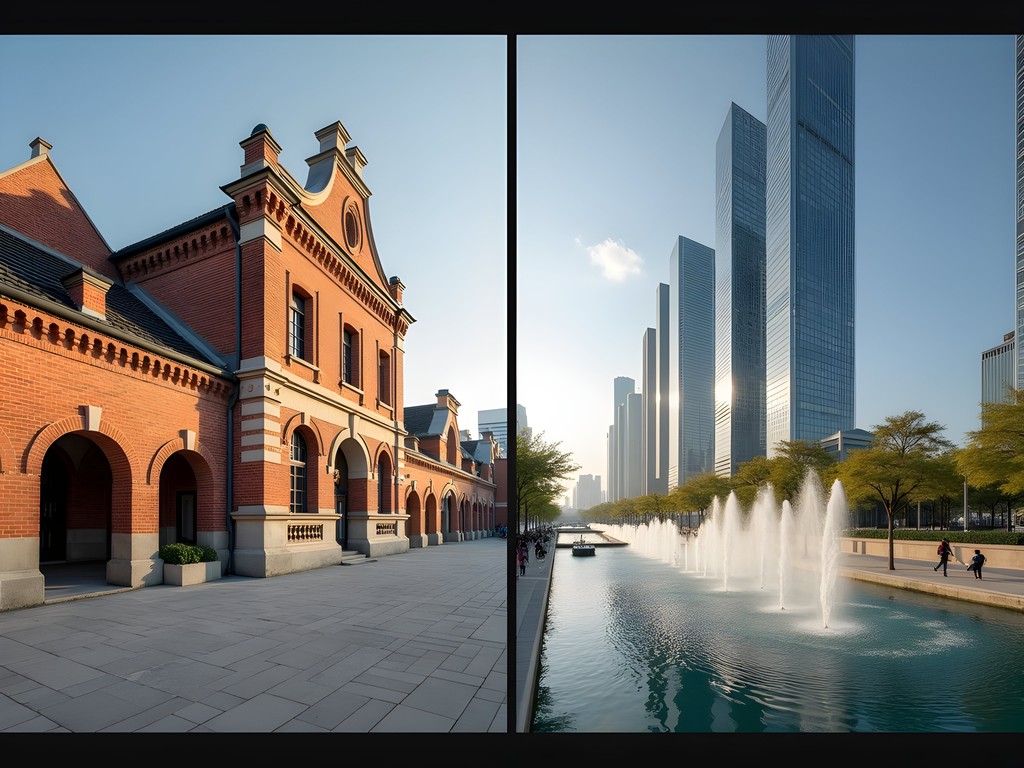
Incheon presents a fascinating study in architectural contrasts that speaks to my background in real estate development. In the afternoon, I headed to the Jung-gu Open Port area, where late 19th and early 20th century Western-style buildings stand as silent witnesses to Korea's opening to international trade. The former Japanese Bank building, Customs House, and various consular offices form an open-air museum of colonial architecture.
I was particularly struck by the adaptive reuse of these structures—many now house museums, cafes, and cultural spaces. As someone who's studied how buildings reflect changing social conditions, I found myself analyzing construction techniques that blended Western designs with local materials and climate considerations.
For contrast, I took a quick subway ride to Songdo International Business District—Incheon's futuristic smart city built entirely on reclaimed land. The juxtaposition is striking: within 30 minutes, you travel from 1890s colonial architecture to a 21st-century urban experiment with LEED-certified skyscrapers and floating parks.
As evening approached, I returned to the Open Port area where the historic buildings are beautifully illuminated. My lightweight travel tripod allowed me to capture stunning long-exposure shots of these architectural treasures against the twilight sky.
💡 Pro Tips
- The Incheon Open Port Modern Architecture Tour app offers free self-guided routes in multiple languages
- Visit Songdo Central Park around sunset when the G-Tower lights create stunning reflections on the water
- Many historic buildings close at 5pm, but exterior night photography is often more dramatic
Day 2: Islands, Markets and Cultural Immersion
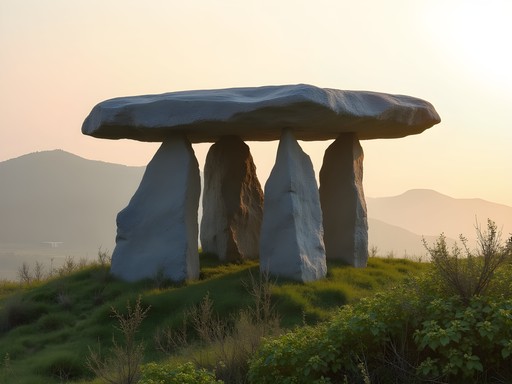
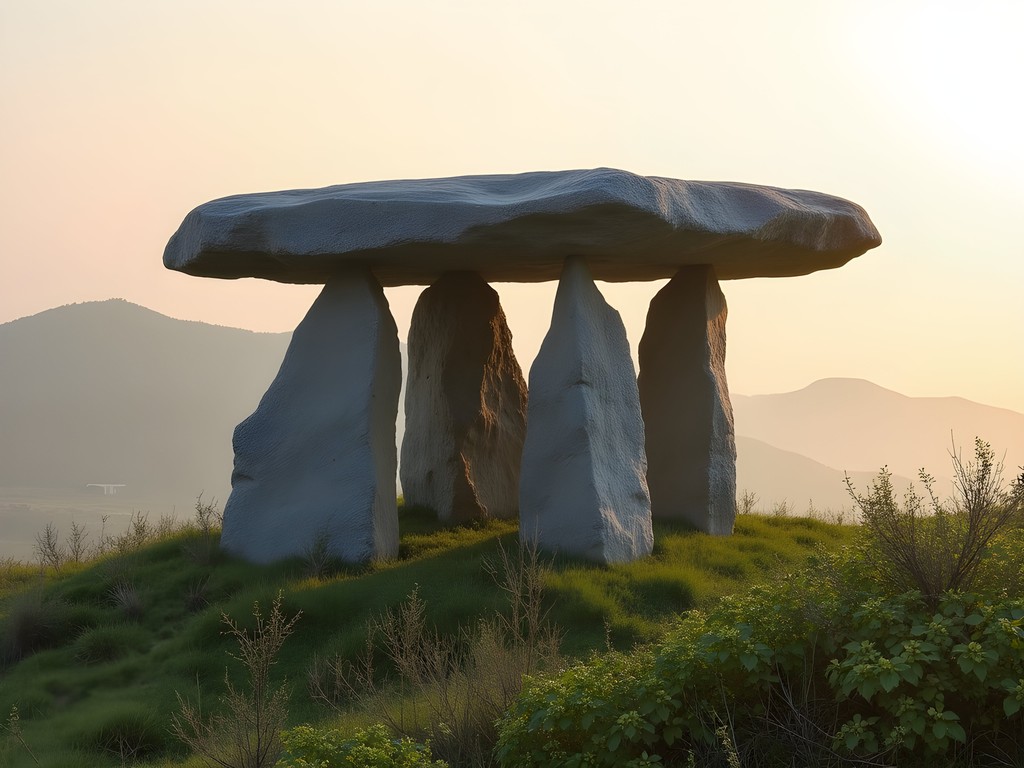
My second day began with an early ferry to Ganghwado Island—Korea's fifth-largest island and a treasure trove of archaeological sites. As someone fascinated by how ancient peoples adapted to coastal environments, I was eager to explore Ganghwa Dolmen Sites, where prehistoric stone structures dating back to the Bronze Age stand remarkably preserved. These UNESCO World Heritage monuments remind me of similar megalithic structures I've studied in Central America, though built by cultures separated by vast oceans.
The dolmens typically consist of two or more upright stones supporting a large horizontal capstone, creating what archaeologists believe were burial chambers for elite members of society. What makes Ganghwado's dolmens particularly interesting is their coastal positioning—likely chosen to maximize visibility and establish territorial claims.
After exploring the dolmens, I visited nearby Jeondeungsa Temple, one of Korea's oldest Buddhist temples, founded in 381 CE. The temple's wooden structures have been rebuilt numerous times following wars and invasions, with the current buildings dating primarily to the 17th century. I was struck by how the builders oriented the structures to maximize natural ventilation—a clever adaptation to Korea's humid summers that predates modern climate control by centuries.
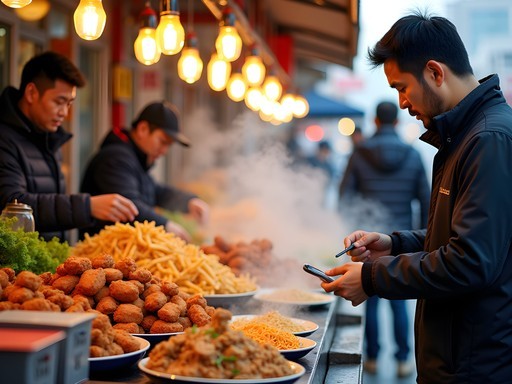
For lunch, I returned to mainland Incheon and headed straight to Sinpo International Market, where food stalls offer affordable delicacies that reflect the city's multicultural heritage. I found the perfect market companion in my insulated food container, which allowed me to save some delicious dakgangjeong (sweet crispy chicken) for an evening snack without worrying about food safety.
💡 Pro Tips
- Ferry schedules to Ganghwado can change seasonally—double-check times at the terminal rather than relying solely on online information
- Many dolmen sites require moderate hiking, so pack a collapsible water bottle to stay hydrated
- At Sinpo Market, look for stalls with long local queues rather than those with English signs targeting tourists

Family-Friendly Afternoon: Wolmi Theme Park and Sunset at Incheon Bridge
While I traveled solo on this trip, Incheon offers wonderful family experiences that I noted for friends planning visits with children. The afternoon of day two is perfect for embracing Incheon's playful side at Wolmi Theme Park. This compact amusement park offers impressive value with reasonably priced rides and attractions that provide excellent harbor views. Even budget-conscious families can enjoy several hours here without breaking the bank.
For families with young children, I'd recommend the kids waterproof camera, which I've gifted to several friends' children. It allows young ones to document their travels while being durable enough to survive inevitable drops and splashes at the nearby Wolmi Traditional Park's water features.
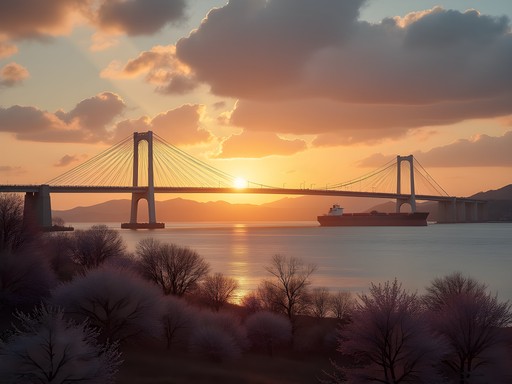
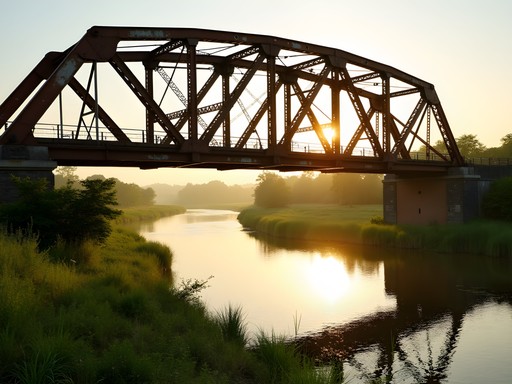
As afternoon turns to evening, there's no better way to conclude your Incheon adventure than watching the sunset from Incheon Bridge Park. This engineering marvel stretches 21.38km across the sea, connecting Yeongjong Island (home to Incheon International Airport) with the mainland. The observation deck offers spectacular views of ships entering and leaving the harbor against the backdrop of a golden sunset.
I found myself reflecting on how this modern bridge symbolizes Incheon's eternal role as Korea's gateway—from the first Western ships entering the newly opened port in the 1880s to today's massive container vessels and international air travelers. The weather patterns that have shaped this coast for millennia continue their dance, now witnessed by structures of steel and concrete rather than traditional wooden ships.

💡 Pro Tips
- Visit Wolmi Theme Park on weekdays to avoid long lines and save on admission fees
- The free shuttle bus from Incheon Station to Incheon Bridge Park runs hourly until 6pm
- Bring a light jacket even in spring as the coastal breeze can be surprisingly chilly at sunset
Final Thoughts
As my 48 hours in Incheon drew to a close, I found myself reluctant to leave this multifaceted city that so perfectly balances history and innovation, tradition and progress. While Seoul rightfully commands attention as South Korea's pulsing heart, Incheon offers something equally valuable—a more intimate introduction to Korean culture that doesn't overwhelm first-time visitors or strain modest travel budgets.
What struck me most was how Incheon's architectural landscape tells the story of Korea's remarkable journey: from ancient dolmen builders to global trade pioneers, from colonial subjugation to economic powerhouse. As someone who's spent his career analyzing how built environments reflect human adaptation, I found Incheon to be a masterclass in resilience and reinvention.
For families, budget travelers, or anyone seeking an alternative gateway to South Korean culture, I cannot recommend Incheon highly enough. This coastal gem deserves far more than its common reputation as merely Seoul's airport city or day-trip destination. Give Incheon the 48 hours it deserves, and I promise it will reveal layers of history, culture, and innovation that will enrich your understanding of South Korea far beyond what most travelers experience.
✨ Key Takeaways
- Incheon offers an ideal, less overwhelming introduction to Korean culture than Seoul, especially for families and budget travelers
- The city presents a fascinating study in contrasts: ancient dolmens to smart city technology, traditional markets to futuristic architecture
- With strategic planning, 48 hours is sufficient to experience Incheon's highlights while staying within a modest budget
📋 Practical Information
Best Time to Visit
Spring (April-May) or Fall (September-October)
Budget Estimate
$50-100 per day excluding accommodation
Recommended Duration
2-3 days
Difficulty Level
Easy
Comments
starfan
Going in March! Is 48 hours really enough or should I plan 3 days?
Fatima Sims
48 hours hits the highlights but 3 days lets you really soak it in without rushing. Depends on your pace!
escapeninja
def do 3 days if you can
Fatima Sims
Benjamin, this brings back memories! I love how you captured the architectural contrast - it really is like time traveling between neighborhoods. When I was there, I stayed in a hanok guesthouse near the Open Port area and would walk to Chinatown every morning for jjajangmyeon. The sunrise from Wolmido was absolutely stunning. One thing I'd add for families - the Incheon Children's Museum near Songdo is fantastic if you have kids and need an indoor activity. The whole city feels like Korea's best-kept secret, honestly.
wanderadventurer
Great post! I actually did a similar itinerary last spring. One tip - if you're doing the islands, try to go on a weekday. Muuido Island was packed when we went on Saturday but I heard it's super peaceful during the week. Also the seafood at Soraepogu Fish Market is incredible, way cheaper than Seoul and fresher too. Did you try the live octopus? That was an experience lol
starfan
how do you get to the islands? is there a ferry?
wanderadventurer
Yeah there's a ferry from Jamjin dock. Takes like 10 minutes and it's pretty cheap, maybe 5000 won round trip? Super easy
escapeninja
Incheon is so underrated!! Everyone just rushes to Seoul
Fatima Sims
Right?? I spent three days there last year and could have stayed longer. The contrast between old Chinatown and futuristic Songdo is wild.
adventureclimber
Just got back from SK and used this guide for our Incheon day trip! The Sinpo International Market was a highlight - we went around 4pm and many vendors were offering free samples. Try the hotteok (sweet pancakes) there! We also found the Incheon City Tour Bus useful for hitting multiple spots without navigating public transit between them. It stops at most places mentioned in this article and you can hop on/off all day.
Benjamin Sanchez
Great tip about the City Tour Bus! I should have mentioned that in the transportation section. And yes, the hotteok at Sinpo Market is incredible - especially on a chilly day!
photoseeker
That sunset shot from Incheon Bridge is absolutely stunning! Definitely adding this to my Korea itinerary for next spring. Your 48-hour breakdown makes it seem so manageable as a side trip from Seoul.
nomadbuddy
Great post! How easy is it to get around Incheon without speaking Korean? Planning a trip there in November and a bit nervous about the language barrier.
photoseeker
Not the author but I was there in spring! Most signs in tourist areas and transportation hubs have English translations. Download Naver Map app (works better than Google Maps there) and the subway system is super easy to navigate. I got by with just basic phrases and pointing. People were really helpful despite the language gap!
nomadbuddy
Thanks so much! Downloading Naver Map now. Any specific phrases you found helpful?
photoseeker
"Kamsahamnida" (thank you) goes a long way! Also, I used my Korean phrasebook constantly - it has phonetic pronunciations that really helped. Most restaurants have picture menus too, so ordering food wasn't an issue.
Gregory Boyd
Excellent breakdown of Incheon, Benjamin. As someone who's visited South Korea multiple times, I'm always surprised how many travelers skip Incheon entirely or just use it as an airport transit point. The architectural contrast you highlighted between futuristic Songdo and the colonial heritage areas provides such a fascinating lens into Korea's rapid development. I spent a week there last year researching for my 'Port Cities of Asia' series and found the islands particularly compelling. If readers have an extra day, I'd recommend extending your Day 2 itinerary to include Ganghwado Island - the fortifications there tell an incredible story about Korea's historical attempts to maintain independence. The public ferry system is remarkably efficient for island hopping.
dreamwalker
Just got back from Incheon last month and totally agree about the contrast between Songdo and the old port area! It's like time travel in one city. We spent an extra day exploring Wolmido and the food stalls there were incredible - try the fried chicken at the waterfront if you go. The sunset from Incheon Bridge was absolutely magical, though we got lucky with clear weather. Did you make it to Chinatown? The dumplings there were a highlight for us.
Benjamin Sanchez
Thanks for reading! Yes, Chinatown was wonderful - I mentioned it briefly in the Day 1 section. Those dumplings are unforgettable! Glad you enjoyed the Wolmido food scene too.
dreamwalker
Oops, missed that part! Reading on my phone during lunch break. 😊 Your itinerary is spot on though!
globeking
Those street food photos look amazing! What was your favorite thing to eat there?
Benjamin Sanchez
The hotteok (sweet filled pancakes) near Sinpo International Market were incredible - especially the ones with brown sugar and nuts! Also don't miss the fresh seafood pancakes.
Venture X
Premium card with 2X miles, $300 travel credit, Priority Pass