
Disclosure: This article contains affiliate links. We may earn a commission from purchases at no extra cost to you, which helps our travel content.
When most travelers think of shopping in South Korea, Seoul's glittering Gangnam district or the youthful energy of Myeongdong typically come to mind. Yet just 30 kilometers west lies Incheon, a coastal metropolis where the shopping experience proves equally compelling but refreshingly distinct. Having spent considerable time exploring South Korea's retail landscape over the past decade—most recently during an extended stay last autumn—I've developed a particular fondness for Incheon's blend of old-world charm and contemporary luxury. The city serves as a fascinating microcosm of Korea's rapid development: centuries-old markets operate in the shadow of gleaming shopping complexes, while artisanal workshops and international luxury flagships coexist in surprising harmony. Whether you're seeking handcrafted souvenirs with authentic provenance or the latest designer collections, Incheon rewards the discerning shopper with experiences that transcend mere transactions.

Sinpo International Market: A Sensory Journey Through Time
Dating back to the Japanese colonial era, Sinpo International Market remains the beating heart of Incheon's traditional shopping scene. Unlike the more polished markets that cater primarily to tourists, Sinpo retains an authenticity that resonates with locals and visitors alike. The market's narrow, labyrinthine alleys house over 700 vendors, many representing businesses that have been family-operated for generations.
On my first visit five years ago, I stumbled upon an elderly artisan crafting traditional hanji paper goods using techniques passed down through eight generations. Last autumn, I returned to find him still there, his weathered hands working with the same precision while his granddaughter managed their newly established online presence—a perfect metaphor for Korea's blend of tradition and innovation.
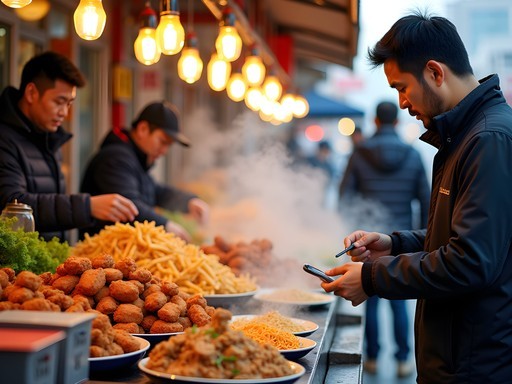
The market's culinary offerings deserve special mention. Sinpo is famous for its dakgangjeong (sweet crispy chicken) and the local interpretation of jjajangmyeon (black bean noodles), a dish with Chinese origins that was transformed in Incheon's Chinatown into a uniquely Korean staple. For the full experience, arrive hungry and follow your nose.
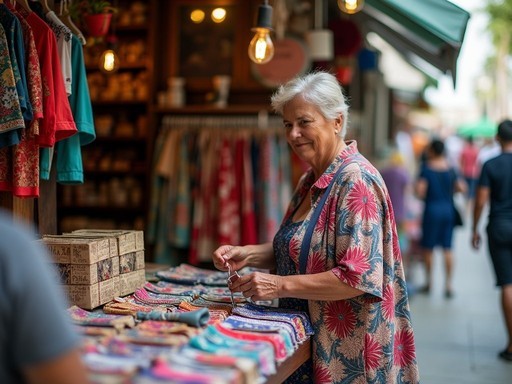
While exploring the market's extensive textiles section, I was particularly impressed by the quality of the handwoven fabrics. I purchased several bojagi (traditional wrapping cloths) that now serve as elegant table runners in my Christchurch home. If you're interested in Korean textiles, bring along a reliable translation app to communicate with vendors about materials and techniques—most speak limited English but are eager to share their knowledge.

💡 Pro Tips
- Visit between 10am-2pm on weekdays for fewer crowds and more attentive service from vendors
- Bring cash in small denominations as many stalls don't accept cards
- Look for the red awning at the market's east entrance for the original dakgangjeong stall
Songdo Premium Outlets: International Luxury with Korean Flair
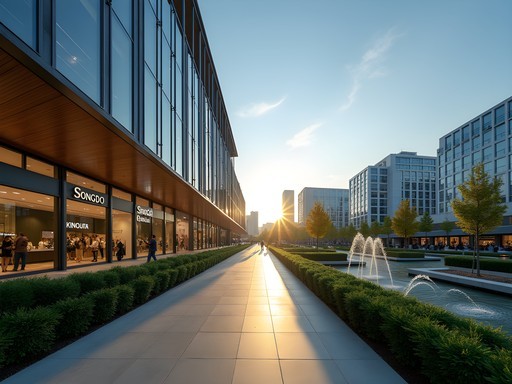
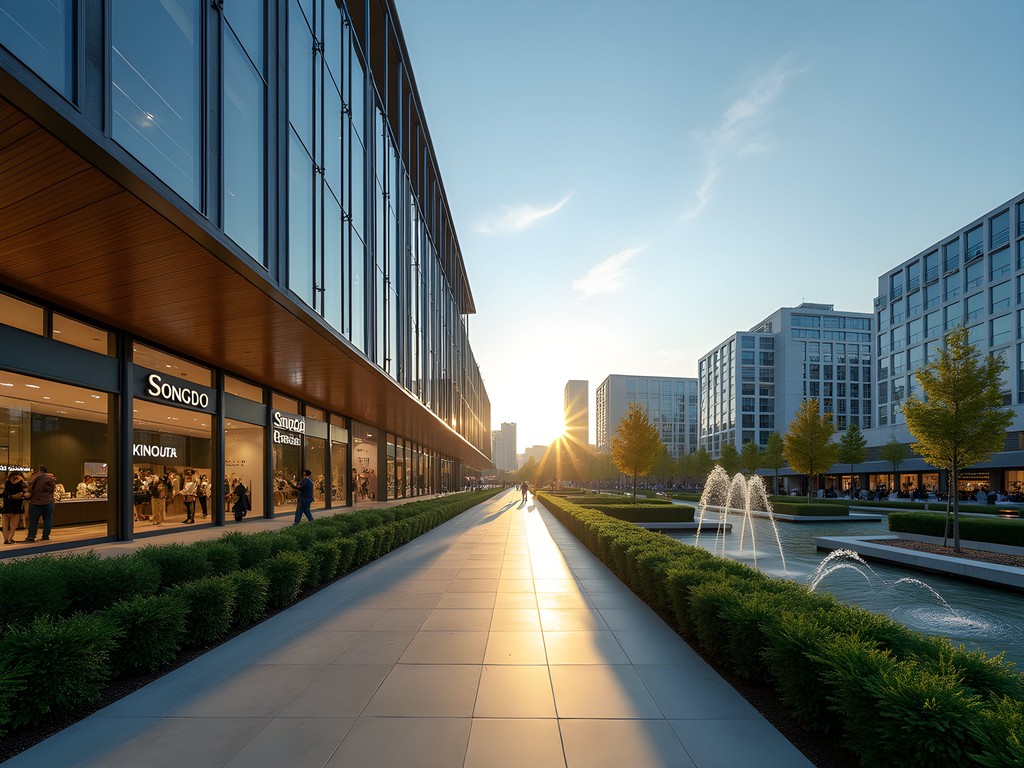
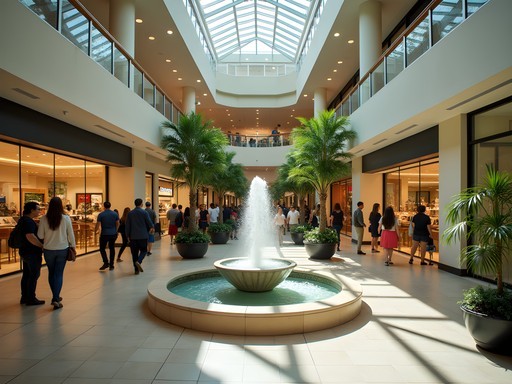
For those seeking international brands at attractive prices, Songdo Premium Outlets presents a compelling proposition. Located in Incheon's futuristic Songdo International Business District—a marvel of urban planning built entirely on reclaimed land—this sprawling complex houses over 180 premium and luxury brands.
What distinguishes Songdo from similar outlet experiences worldwide is its distinctly Korean approach to luxury retail. The architecture blends Western commercial design with subtle nods to traditional Korean aesthetics, while the shopping experience itself is elevated by impeccable service that puts many full-price department stores to shame.
During my recent visit, I was particularly impressed by the outlet's curation of both international powerhouses and emerging Korean designers. While the usual suspects—Burberry, Ferragamo, and Coach—are well represented, it's the dedicated section for Korean heritage brands and contemporary designers that warrants extended exploration.
The complex's layout encourages leisurely browsing, with thoughtfully placed cafés and rest areas throughout. I found myself particularly grateful for my packable tote, which easily accommodated my growing collection of purchases while remaining lightweight enough to carry comfortably throughout the day.
Beyond shopping, the surrounding Songdo district merits attention. This planned city represents South Korea's vision for sustainable urban development, complete with extensive parks, LEED-certified buildings, and an impressive underground waste disposal system. Take time to stroll along Central Park's waterways after your shopping expedition—the contrast between nature and architecture provides a fascinating glimpse into Korea's urban future.
💡 Pro Tips
- Visit on weekday mornings to avoid weekend crowds from Seoul
- Register at the information desk for an additional 3-5% discount at participating stores
- The best seasonal sales align with Korean holidays rather than Western ones—research accordingly
NC Cube Canal Walk: Retail Therapy Along Waterways
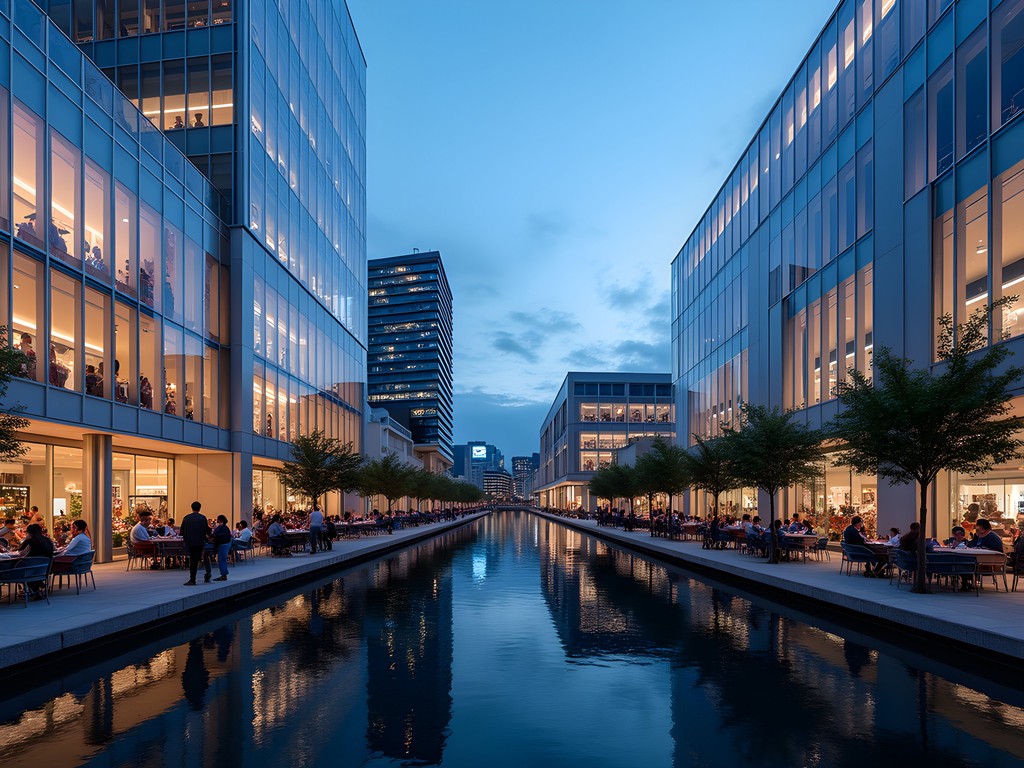
Perhaps the most architecturally distinctive shopping destination in Incheon, NC Cube Canal Walk represents South Korea's innovative approach to retail environments. This remarkable complex stretches along a series of man-made waterways in Songdo, creating a Venice-inspired shopping experience where sleek modern buildings frame picturesque canals.
The multi-level structure houses an impressive mix of mid-range and premium brands, with particular strength in Korean cosmetics and fashion labels that have yet to achieve widespread international distribution. For visitors seeking to discover emerging Korean designers before they gain global recognition, Canal Walk offers unparalleled opportunities.
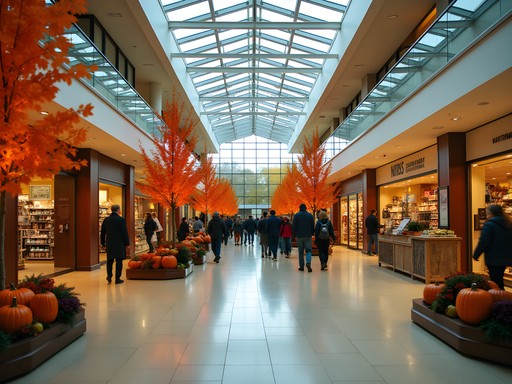
What truly distinguishes this complex is its integration with surrounding water features and green spaces. Unlike the hermetically sealed shopping malls common throughout Asia, Canal Walk embraces its environment, with numerous terraces and outdoor seating areas where shoppers can pause to enjoy the scenery. The effect is a remarkably civilized shopping experience that never feels overwhelming.
During my autumn visit, I was particularly taken with the complex's seasonal programming. A temporary exhibition showcased collaborations between Korean craftspeople and contemporary designers, highlighting the country's commitment to preserving traditional techniques while embracing innovation. I purchased a stunning leather wallet featuring traditional Korean dyeing techniques applied to modern minimalist design—a perfect souvenir that combines functionality with cultural significance.
The complex's fourth floor houses an exceptional food court that transcends typical mall dining. Rather than international fast-food chains, you'll find carefully selected local concepts offering refined versions of Korean classics. The mandoo (dumplings) at the unassuming corner stall near the eastern entrance merit a special detour.
💡 Pro Tips
- Visit in the evening when the canal-side areas are illuminated with subtle lighting
- The information desk offers English-language maps highlighting Korean brands not available internationally
- Many stores offer tax refunds for purchases over 30,000 won—bring your passport

Moraenae Traditional Market: Authentic Local Commerce
For travelers seeking an unvarnished glimpse into everyday Korean life, Moraenae Market offers a refreshingly authentic alternative to the city's more polished retail environments. Unlike markets that have been repackaged for tourism, Moraenae exists primarily to serve local residents, creating an experience that feels genuinely rooted in community.
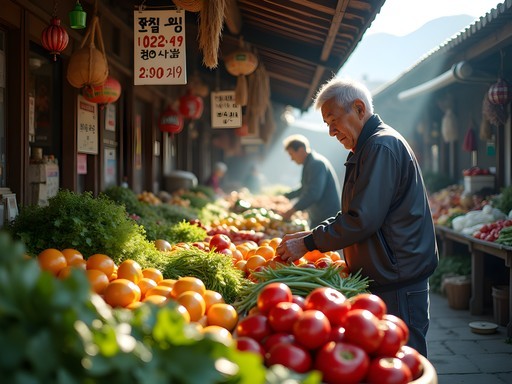
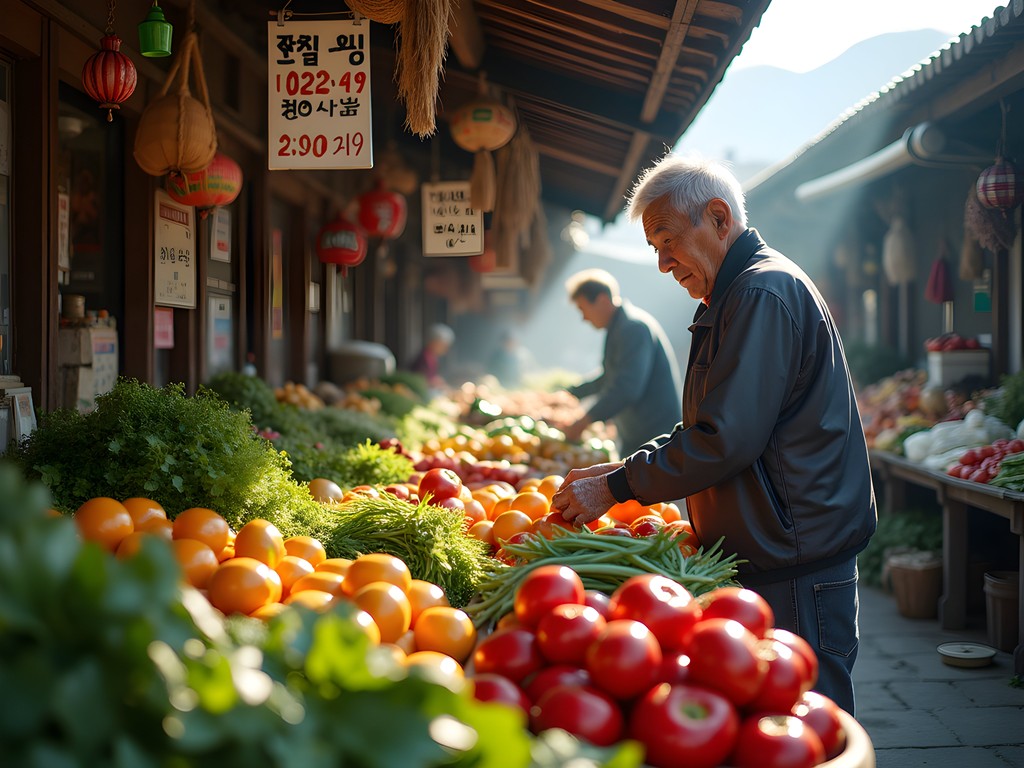
Established in 1960, this sprawling complex houses over 600 vendors selling everything from fresh produce and seafood to household goods and affordable clothing. Prices are remarkably reasonable, particularly for seasonal fruits and vegetables, which often cost half what you'd pay in supermarkets.
What I find most compelling about Moraenae is the social ecosystem it sustains. Elderly neighbors gather at modest tea stalls to exchange news, merchants call out to regular customers by name, and multi-generational families operate stalls side by side. During my most recent visit, I spent an enlightening hour conversing with a fishmonger who had inherited his business from his father some forty years earlier. His insights into changing consumption patterns and the challenges facing traditional markets in the age of e-commerce were more valuable than any formal economic analysis.
The market's food section deserves special attention. Toward the back, you'll find a collection of humble eateries serving regional specialties at prices that seem improbable. The bindaetteok (mung bean pancakes) at the corner stall with the faded blue awning are particularly noteworthy—crisp exterior giving way to a savory interior studded with kimchi and spring onions.
While exploring, I found my crossbody bag invaluable for keeping essentials secure while leaving hands free to examine merchandise. The market's narrow pathways can become crowded, particularly on weekends, so a secure bag that stays close to your body proves extremely practical.
💡 Pro Tips
- Visit early morning (6-8am) to watch vendors setting up and selecting the freshest produce
- Bring small Korean bills as vendors rarely have change for large denominations
- Look for stalls with queues of elderly Korean women—they invariably lead to the highest quality vendors
Paradise City: Integrated Luxury Retail Experience
For those who prefer their luxury shopping experiences with a side of entertainment, Paradise City presents an intriguing proposition. Located just minutes from Incheon International Airport, this integrated resort complex combines high-end retail with art installations, dining, and accommodation in a setting that feels distinctly Korean despite its international ambitions.
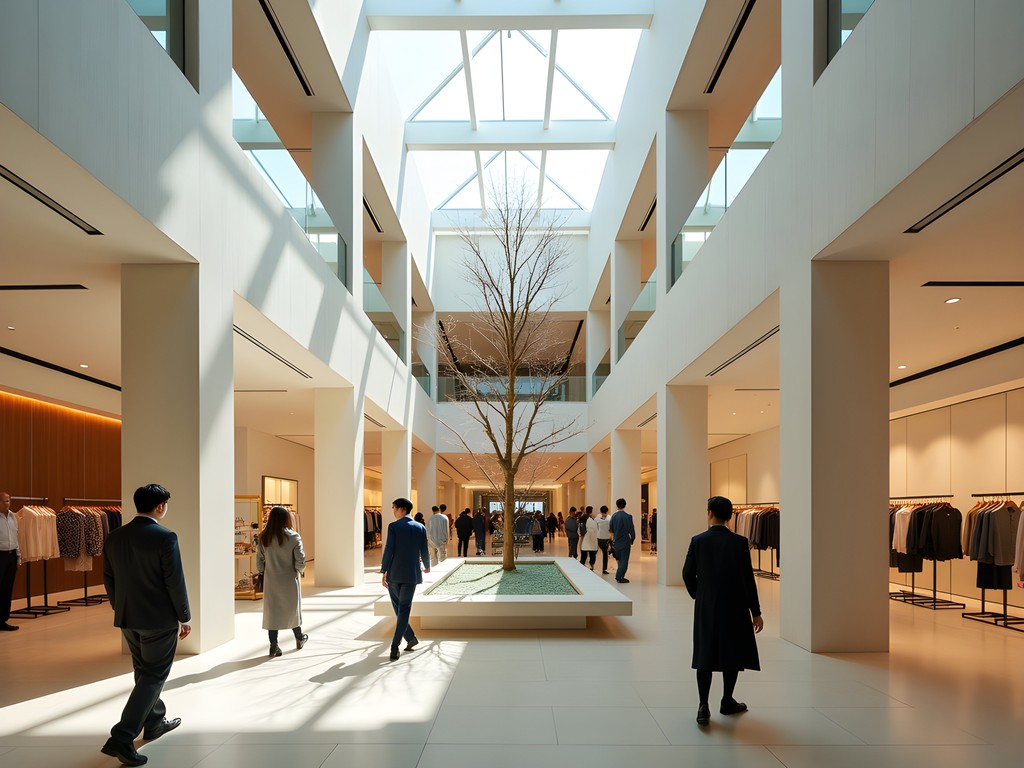
The retail component, while not as extensive as Seoul's luxury enclaves, offers a carefully curated selection of premium brands in an environment that privileges space and aesthetic harmony. Unlike the frenetic atmosphere of many Asian luxury malls, Paradise City maintains a sense of tranquility that allows for contemplative browsing.
What truly distinguishes this complex is its commitment to contemporary art. The property houses an impressive collection of works by both Korean and international artists, effectively blurring the line between commercial space and gallery. During my visit, I was particularly struck by an installation of suspended fabric panels by a prominent Korean textile artist, creating a dialogue between traditional craftsmanship and contemporary expression.
The complex's design merits attention in its own right. Award-winning architecture firm MVRDV collaborated with local partners to create spaces that reference Korean aesthetics without resorting to pastiche. The result is a thoroughly modern environment that nonetheless feels connected to its cultural context.
Beyond shopping, Paradise City offers exceptional dining options that showcase Korea's increasingly sophisticated culinary scene. The Japanese-Korean fusion restaurant on the second floor serves a tasting menu that rivals many Michelin-starred establishments I've visited globally.
For travelers with early departures or late arrivals at Incheon Airport, Paradise City offers a civilized alternative to conventional airport hotels. I've found their rooms exceptionally comfortable, with thoughtful amenities including noise-canceling headphones available upon request—perfect for adjusting to a new time zone while enjoying the room's curated music selection.
💡 Pro Tips
- Request a Paradise City VIP Card at the concierge desk for additional discounts at participating retailers
- Visit the Art Gallery between 2-4pm on weekdays when tour groups are least likely to be present
- The complex offers complimentary shuttle service from Incheon Airport—reserve in advance during peak travel seasons
Final Thoughts
Incheon's retail landscape offers a remarkably comprehensive snapshot of South Korea's commercial evolution—from traditional markets that have sustained communities for generations to forward-thinking developments that hint at retail's future. What makes shopping here particularly rewarding is the authenticity that persists even in the most contemporary settings. Unlike destinations where traditional markets have been sanitized for tourist consumption or luxury malls feel interchangeably global, Incheon maintains a distinct sense of place throughout its retail environments. Whether you're haggling over the price of kimchi at Moraenae Market or browsing international designer collections at Paradise City, you're participating in a commercial tradition that remains unmistakably Korean. As development continues to transform this dynamic city, I can only hope it retains the compelling contrast between old and new that currently makes shopping here such a multifaceted pleasure. For travelers seeking retail experiences that transcend mere acquisition, Incheon rewards with cultural insights that linger long after purchases have been unwrapped.
✨ Key Takeaways
- Incheon offers an authentic spectrum of Korean shopping experiences from traditional markets to cutting-edge luxury complexes
- The city's proximity to the international airport makes it ideal for first or final shopping days in South Korea
- Local markets provide cultural insights that high-end malls cannot, making a balanced itinerary essential
- Many shopping areas double as architectural destinations, particularly in the forward-thinking Songdo district
📋 Practical Information
Best Time to Visit
year-round, though spring (April-May) and fall (September-October) offer the most pleasant weather for exploring outdoor markets
Budget Estimate
$200-500 per day excluding major purchases
Recommended Duration
2-3 days
Difficulty Level
Easy
Comments
Riley Griffin
We visited Incheon last fall with our three kids (ages 7, 10, and 13) and honestly, it was such a refreshing change from the Seoul shopping madness. The Moraenae Traditional Market was our favorite - my youngest was fascinated watching the ajummas haggle over fresh seafood, and we found these incredible handmade slippers for like $5 each. Pro tip: hit the markets in the morning before they get crowded, then do the air-conditioned malls in the afternoon when everyone's tired. The NC Cube Canal Walk was perfect for our older kids who needed their 'modern mall fix' after all the traditional shopping. David, you nailed it with this guide - wish we'd had it before our trip!
sunnymood
This looks amazing! How long should I budget for Sinpo Market?
Riley Griffin
I'd give yourself at least 2-3 hours! We spent a whole afternoon there with our kids and still didn't see everything. The food stalls alone are worth an hour of grazing.
sunnymood
Perfect, thanks!
adventurequeen
Love the photos! Bookmarking this for my Korea trip.
Fatima Sims
This post perfectly captures what I love about Incheon! Last spring, I was there covering the street food scene and stumbled into Sinpo Market completely by accident. What started as a quick lunch stop turned into five hours of wandering through alleyways, chatting with vendors, and filling my camera roll. The contrast between the old markets and those sleek modern malls really does tell Korea's story in miniature. I picked up this gorgeous ceramic tea set at Moraenae that now sits on my kitchen counter back in Ottawa—every time I use it, I'm transported back. For anyone heading there, bring cash for the traditional markets and comfortable shoes. You'll walk way more than you planned!
nomadzone9536
Five hours!! I love it 😂 That's totally going to be me
vacationclimber
Been to Incheon 3 times now and totally agree with this guide. Moraenae Market is criminally underrated - got some incredible hanbok fabric there for like 1/3 of Seoul prices. The subway from Seoul is super easy too, just take line 1. Pro tip: go on weekday mornings to avoid crowds at the traditional markets!
bluelegend
What are the opening hours for Sinpo Market? Planning to visit on a Sunday.
Casey Andersson
David, this brings back memories! I spent an afternoon at Songdo Premium Outlets last year and was blown away by how different the vibe was from Seoul's shopping districts. There's something wonderfully relaxed about it—less crowded, easier to navigate, and the waterfront setting is just gorgeous. I found the luxury brands were priced better than in Seoul too. The NC Cube Canal Walk was my favorite though. I sat by the water with a coffee after shopping and watched the sunset. It felt like a proper escape from the usual tourist chaos. Have you tried the seafood restaurants near Sinpo Market? That's where the real magic happens after a day of shopping!
adventurequeen
Ooh which seafood place did you go to? Need recommendations!
Casey Andersson
There's a grilled eel spot just outside the main market entrance - no English sign but you'll see the smoke. Worth it!
nomadzone9536
This is SO helpful!! Been planning Seoul but maybe I should add Incheon to the itinerary. Those traditional markets look amazing 😍
Casey Andersson
Definitely worth it! You can easily do a day trip from Seoul.
backpackguide
Had no idea Incheon had this much shopping!
summerlife
Great post! How long would you recommend spending at Sinpo Market? Is it more of a quick visit or a half-day thing?
Claire Hawkins
From my experience with similar markets, I'd say at least 2-3 hours if you want to really explore and eat there! The food stalls alone can take up quite a bit of time as you'll want to try multiple things. I always use my Lonely Planet Korean Phrasebook at markets - it has all the food terms which helps a lot when ordering!
summerlife
Thanks Claire! That's helpful. I'll definitely plan for a longer visit then. The food is half the reason I'm going! 😋
Venture X
Premium card with 2X miles, $300 travel credit, Priority Pass