

Disclosure: This article contains affiliate links. We may earn a commission from purchases at no extra cost to you, which helps our travel content.
The moment you step onto Havana's streets, time does this peculiar dance – simultaneously lurching backward and pulsing with an unmistakable now-ness that gets under your skin faster than the Caribbean humidity. My first marathon in Cuba three years ago was supposed to be just another continent checked off my running list, but something about this place – the way music spills from doorways like water, how strangers call to each other across balconies draped with laundry, the persistent rhythm of life despite decades of isolation – it pulled me back twice more. Havana isn't a city you merely visit; it's a heartbeat you synchronize with, even if just for 48 whirlwind hours. This isn't your glossy brochure Cuba. This is the real deal – where $30 a day gets you further than you'd imagine, where spiritual centers whisper stories that tourist traps never could, and where even the shopping malls (yes, they exist) offer windows into Cuban resilience that no museum could capture. Lace up your walking shoes, friends – we're about to make every minute count.

Day 1: Morning – Old Havana's Rhythmic Awakening
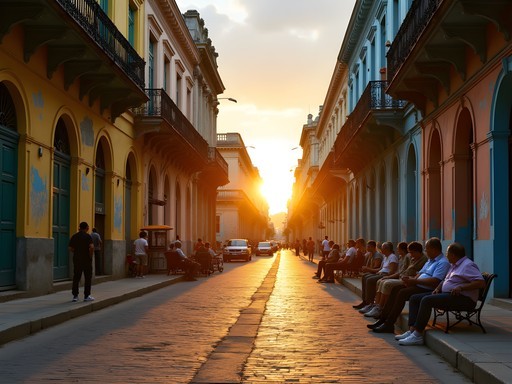
Start where Havana herself began – in the cobblestoned heart of Habana Vieja. I've learned from countless city marathons that the early morning reveals a place's true character, before it dons its tourist face. By 7 AM, I'm already weaving through Plaza Vieja, watching vendors set up coffee carts and elderly Cubans gather for their morning debates. The air carries the scent of baking bread and the first hints of coffee – follow your nose to Café El Escorial for what might be the most honest espresso you'll ever drink.
From here, let your feet carry you without too rigid an agenda. The four main plazas – Plaza Vieja, Plaza de Armas, Plaza de la Catedral, and Plaza de San Francisco – create a natural walking circuit. But the magic happens in between, in the narrow streets where laundry flutters overhead like prayer flags and impromptu rumba sessions might erupt at any moment.
By mid-morning, make your way to the Museo Nacional de Bellas Artes (entrance fee: 5 CUC, about $5 USD). The Cuban art collection houses works that tell the nation's complex story more eloquently than any history book. I spent two hours here during my last visit, mesmerized by the revolutionary-era pieces that somehow manage to be both politically charged and deeply personal.
Before lunch, stop by the San José Artisans' Market along the harbor. Yes, it's where tourists shop, but it's also where local artists display remarkable creativity despite material shortages. I found my favorite running playlist inspiration here – a hand-carved wooden flute that a musician let me try (and ultimately buy) after demonstrating traditional Afro-Cuban rhythms that still guide my marathon cadence.

💡 Pro Tips
- Arrive at the plazas before 9 AM to avoid crowds and experience local life
- Carry a refillable water bottle – Havana is hot year-round, and staying hydrated is essential
- Learn basic Spanish phrases – even simple greetings open doors to authentic interactions
Day 1: Afternoon – Spiritual Havana and Revolutionary Echoes
After fueling up on a hearty lunch at Doña Eutimia (budget around 10-15 CUC for their legendary ropa vieja), it's time to explore what I call Havana's spiritual backbone. While most visitors hit the Revolution Square for the obligatory photo, I suggest starting at the often-overlooked Iglesia de San Francisco de Paula. This restored 18th-century church isn't just architecturally stunning – it's where I witnessed an impromptu choir practice that stopped me in my tracks during my second visit to Havana.
From there, make your way to Callejón de Hamel, a vibrant alleyway transformed into an Afro-Cuban art project by Salvador González. Sunday afternoons feature rumba performances, but any day offers a window into Santería spiritual practices that blend Catholic saints with Yoruba deities. The artwork here speaks to resilience and spiritual resistance – themes that resonated deeply with me after spending time in Buddhist monasteries across Southeast Asia.
As afternoon slides toward evening, take a classic car taxi to Revolution Square (Plaza de la Revolución). Yes, it's touristy, but standing before the massive outline of Che Guevara's face as the sun begins to set provides essential context for everything else you'll experience. The square itself feels curiously empty most times – a vast concrete expanse that speaks volumes about monumentalism and power.
Before dinner, I recommend stopping by Fábrica de Arte Cubano if it's open during your visit (check schedules as they vary). This former cooking oil factory turned cultural complex represents Cuba's evolving identity – part art gallery, part performance space, part nightclub. The entry fee of 2 CUC is the best cultural value on the island. During my last visit, I struck up a conversation with a local photographer whose work captured marathon runners against Havana's decaying grandeur – a serendipitous connection that led to an impromptu photoshoot for my running blog the next day.
For capturing these moments, I rely on my compact camera – its low-light capabilities have proven invaluable in Havana's dimly lit venues and evening streets.

💡 Pro Tips
- Visit Callejón de Hamel on Sunday at noon for authentic rumba performances
- Bring cash everywhere – credit cards are rarely accepted, and ATMs can be unreliable
- Ask permission before photographing locals – a simple gesture and 'puedo?' (can I?) shows respect
Day 1: Evening – Malecon Magic and Musical Immersion
As Havana's relentless sun finally relents, the city's true evening character emerges. Start your night with dinner at a paladar (private restaurant) like La Guarida – yes, it's famous from the film Strawberry and Chocolate, but the rooftop views justify the splurge (budget 25-30 CUC per person). If that exceeds your budget, El Chanchullero offers equally delicious food with more local flavor at half the price.
After dinner, it's time for what I consider a spiritual practice as profound as any monastery meditation – joining locals along the Malecón seawall as night falls. This 8km stretch of seawall is Havana's living room, where generations of Habaneros have gathered to socialize, philosophize, flirt, and escape the heat of cramped apartments. Bring a small bottle of Havana Club rum to share (the 3-year aged variety at around 6 CUC is perfect), and you'll soon find yourself in conversations that no guided tour could facilitate.
Something about the rhythm of waves against the seawall creates a percussion backdrop that makes even the shyest visitors open to connection. During my first Havana visit, a group of university students invited me to join their impromptu guitar circle after noticing me tapping along to their music. That night taught me more about Cuban politics, dreams, and frustrations than any museum could.
As the evening deepens, follow the music. Casa de la Música hosts exceptional live salsa, though the cover charge (10 CUC) and drinks can add up. For a more budget-friendly option, La Tropical brewery often features live music with a more local crowd. My personal favorite remains the Jazz Café in Vedado – watching masterful Cuban jazz musicians improvise reminds me of what I've observed in marathon runners: that highest form of discipline that eventually transcends into pure freedom.
For those late-night walks back to your casa particular (homestay), I always pack my headlamp – Havana's street lighting can be sporadic, and navigating those charming but uneven cobblestones safely requires some illumination.

💡 Pro Tips
- Skip the tourist-heavy Floridita bar in favor of more authentic local spots
- The Malecón is most lively between 7-10 PM – arrive early to catch the sunset
- Learn basic salsa steps before your trip – locals appreciate the effort even if you're not skilled

Day 2: Morning – Markets, Monasteries, and Music Shops
Rise with the roosters – literally, as Havana's neighborhoods echo with their calls by 6 AM. Start your second day with a jog or brisk walk through Vedado neighborhood if you're staying nearby. As a marathon runner, I find morning movement the best way to orient myself in a new city, and Havana's streets come alive with locals doing the same – from elderly folks practicing tai chi in parks to young athletes training despite limited equipment.
After your movement practice, seek out a local market – not the tourist-oriented craft markets, but the agricultural markets where Cubans shop. Mercado Agropecuario Egido in Centro Habana offers a fascinating glimpse into Cuba's food system and the ingenuity required to create meals amid periodic shortages. Practice your Spanish by asking vendors about unfamiliar fruits – I discovered the delicious mamey this way, a salmon-colored fruit that's now my go-to pre-marathon snack when in season.
Mid-morning, make your way to one of my specialty interests – Havana's record shops. While not monasteries in the traditional sense, these spaces hold similar reverence for me. Tienda Serrano near the Capitol building houses dusty vinyl treasures that tell Cuba's musical history. During my last visit, I spent two hours here, listening to the owner's stories about the golden era of Cuban jazz while hunting for rare Benny Moré recordings. For digital nomads, I capture these audio treasures with my portable recorder, which fits easily in my pocket and preserves the sonic textures that photos alone can't capture.
Before lunch, visit the Iglesia y Monasterio de San Francisco de Asís near the harbor. While no longer functioning as a monastery, this restored 16th-century complex houses exceptional acoustics and often hosts classical music performances. The peaceful courtyard provides a contemplative counterpoint to Havana's energetic streets – a place where I've found the same centered stillness that Buddhist monasteries in Thailand offered during my post-college volunteering days.

💡 Pro Tips
- Bring small denominations of CUC for market purchases – vendors rarely have change for large bills
- Ask permission before recording music or performances – most musicians appreciate the interest if approached respectfully
- Visit markets early (before 10 AM) when produce selection is best and temperatures are cooler
Day 2: Afternoon – Beyond Tourist Havana
After refueling with lunch at El Café in Old Havana (budget-friendly at 5-8 CUC for excellent sandwiches and coffee), it's time to venture where fewer tourists tread. Take a collective taxi (shared classic car) to Jaimanitas neighborhood on Havana's western edge to visit Fusterlandia – artist José Fuster's neighborhood-wide mosaic installation that's often called the 'Gaudí of the Caribbean.' What began as decorating his own home expanded to neighbors' houses, creating a living art community that demonstrates how creativity thrives despite material limitations.
From there, ask your taxi driver to take you to the Universidad de La Habana. The campus architecture rivals any European university, and if classes are in session, you'll witness the energy of Cuba's educational system firsthand. During my second Havana visit, I joined a pickup basketball game here with local students that evolved into a fascinating discussion about their professional aspirations amid Cuba's changing economy.
As afternoon progresses, seek out one of Havana's lesser-known cultural treasures – the Callejón de los Peluqueros (Hairdressers' Alley) in Old Havana. This revitalized street showcases community transformation through art and entrepreneurship. The project's founder, Gilberto Valladares (known as 'Papito'), trained local youth in hairdressing to create sustainable employment while beautifying a formerly neglected alley. Stop for a coffee at the adjacent café and witness this grassroots economic model in action.
If shopping interests you, skip the obvious souvenir markets and visit Almacenes San José near the harbor – not just for purchases but to observe how Cuba's limited retail economy functions. Unlike the malls I've documented across Southeast Asia, Cuban shopping spaces reveal a complex story of scarcity and adaptation. Look beyond the tourist trinkets to the practical items locals seek out – their ingenuity in repairing and repurposing is a masterclass in sustainability that our consumption-driven societies could learn from.
For capturing these off-the-beaten-path experiences, my travel notebook goes everywhere with me – sometimes the most authentic moments don't want to be photographed, but quick notes preserve impressions that might otherwise fade.

💡 Pro Tips
- When visiting Fusterlandia, offer a small donation (1-2 CUC) to support ongoing community art projects
- University visits are best on weekdays when classes are in session
- Learn about Cuba's dual currency system before shopping – prices in CUC (tourist currency) versus CUP (local peso) reveal much about the economy
Day 2: Evening – Sunset Rituals and Farewell Rhythms
As your 48 hours in Havana draw to a close, honor the city with a proper farewell ritual. Begin at El Cañonazo ceremony at La Cabaña fortress (entrance fee: 8 CUC), where soldiers in 18th-century uniforms fire a cannon at 9 PM sharp – a tradition dating back to colonial times when the blast signaled the closing of the city gates. The fortress offers spectacular panoramic views of Old Havana across the bay, especially as the city lights begin to twinkle on.
For dinner, skip the state-run restaurants and seek out a casa particular that offers home-cooked meals. These family dining experiences (typically 10-15 CUC per person) provide not just authentic Cuban cuisine but also conversations that tourist establishments can't match. During my last visit, a host family in Centro Habana prepared a feast of fresh fish, congri (rice and black beans), and tostones (fried plantains) while sharing stories of how their neighborhood had changed across three generations.
After dinner, return to the Malecón for one last communion with Havana's soul. Find a spot near Hotel Nacional where local musicians often gather, and simply listen. The improvised songs that emerge here – sometimes political, often romantic, always soulful – create a soundtrack that will stay with you long after you've left the island.
If energy permits and you're visiting on a weekend, end your Havana experience at an authentic rumba venue like El Gran Palenque, where percussion-driven Afro-Cuban traditions continue every Saturday night. The raw energy here reminds me of what I seek in marathon running – that transcendent state where physical exertion becomes spiritual experience.
As midnight approaches, take a slow walk back to your accommodation, allowing Havana's nighttime symphony to imprint itself on your memory – the distant drums, occasional vintage car honks, laughter spilling from open windows, and always, always music. This is the Havana that will call you back, just as it did me.

💡 Pro Tips
- Arrive at La Cabaña fortress by 8:30 PM to secure a good viewing spot for the cannon ceremony
- For authentic rumba, follow local recommendations rather than guidebooks – venues change frequently
- Bring a small flashlight for evening walks as street lighting can be inconsistent
Final Thoughts
Forty-eight hours isn't nearly enough to fully embrace Havana's contradictions and charms, but it's enough to fall under her spell. What stays with me isn't the classic cars or colonial architecture that fill Instagram feeds – it's the resilience etched in every conversation, the ingenuity born of necessity, and rhythms that somehow turn hardship into celebration. Like the best marathon courses, Havana demands something from you – presence, patience, and willingness to adapt. In return, she offers connection that transcends tourism's transactional nature. Whether you're drawn to the spiritual quiet of monastery courtyards or the pulsing energy of rumba circles, Havana holds space for contemplation and jubilation alike. As you plan your own weekend in Cuba's capital, remember that the most authentic experiences rarely appear in guidebooks – they emerge when you slow your pace, venture beyond comfort, and synchronize your heartbeat with the city's own persistent rhythm. Until next time, Havana – keep the vinyl spinning and the stories flowing.
✨ Key Takeaways
- Connect with locals along the Malecón for authentic cultural exchange
- Explore both spiritual sites and music venues to understand Cuba's complex identity
- Budget travelers can experience Havana deeply by prioritizing local interactions over tourist attractions
- Morning and evening offer the most genuine glimpses of Havana's character
📋 Practical Information
Best Time to Visit
November through April (dry season)
Budget Estimate
$30-50 per day excluding accommodation
Recommended Duration
Minimum 48 hours, ideally 3-4 days
Difficulty Level
Easy

Comments
photozone
Your composition in that Plaza Vieja shot is perfect. What lens were you using?
Mason Sullivan
Thanks! Just a 35mm prime. Havana's colors do all the work!
freeblogger
Been to Havana 3 times - pro tip: bring toiletries and any meds you need. Hard to find there!
Frank Garcia
Solid itinerary for first-timers! I spent a month in Cuba last year, and I'd suggest adding Callejón de Hamel on Sunday around noon for amazing rumba performances. Also, for anyone following this itinerary - skip the tourist restaurants and eat at paladares (family-run restaurants in homes). La Guarida is famous but El del Frente has better food and atmosphere IMO. For photography enthusiasts, bring extra batteries and SD cards as they're nearly impossible to find there. I relied on my portable charger daily since power can be unpredictable. Mason - did you make it to Viñales? Would be a great follow-up post for those staying longer than a weekend.
photozone
Thanks for the photography tips! Any specific time of day you found best for shooting in Old Havana?
Frank Garcia
Golden hour (about 5-6pm) gives those buildings an incredible glow, but early morning (7-8am) has the best light and fewer tourists in your shots!
islandrider
Did you do the classic car tour? Wondering if it's worth the money or just a tourist trap
starwalker
totally worth it imo. we negotiated with a driver and did an hour tour for like $40. way better than walking in that heat
wildrider
Those classic cars are such a vibe! Did you get to ride in one?
Mason Sullivan
Yes! Took a sunset cruise in a pink '57 Chevy - touristy but worth every penny!
travelbackpacker
Great post! I'm planning a trip to Cuba in February. How did you handle internet access while there? I've heard it can be tricky. Also, did you feel safe walking around at night, especially along the Malecon? Trying to decide if I should join a tour or go solo like you did.
Mason Sullivan
Internet is definitely spotty! I bought ETECSA cards (about 1 CUC/hour) from hotels and used WiFi in public parks. As for safety, I felt completely comfortable walking the Malecon at night - lots of locals and tourists. Just use normal city awareness. Solo is doable but having a local guide for at least one day helps navigate the cultural nuances.
wildrider
I went solo last summer and felt super safe. The internet thing is real though - just embrace being offline!
Michael Cook
Mason, this is a well-structured itinerary that hits the essential cultural touchpoints. I visited Havana last year and would add that the currency situation requires some planning. The dual currency system has officially ended, but tourists still navigate a complex reality. I'd recommend bringing euros rather than USD to avoid the 10% penalty exchange fee. Also, the Museum of the Revolution deserves more than the brief mention - the bullet holes in the staircase tell a visceral story that contextualizes everything else you'll see. Did you make it to Fábrica de Arte Cubano? It's a fascinating intersection of contemporary Cuban art and nightlife.
Mason Sullivan
Thanks Michael! Great point about the euros - I should have mentioned that. And yes, FAC was incredible but it was closed for renovations during my last weekend there. Definitely a must-visit spot when it's open!
cityking
Those Malecon sunset photos are incredible! Definitely on my bucket list now.
citynomad5088
This is perfect timing! Booking my trip for next month and this is exactly what I needed!
Amit Sullivan
Wonderful itinerary! I've been to Havana three times over the past decade and it never stops fascinating me. The revolutionary sites you mentioned are essential, but I always encourage people to also visit the Museum of the Revolution if they have time. The building itself (the former Presidential Palace) is stunning, and it provides crucial context for understanding modern Cuba. Also, for anyone interested in Hemingway, the Finca Vigía is worth the short trip outside the city. His typewriter is still there on the desk, exactly as he left it. Those small details really bring history alive.
Venture X
Premium card with 2X miles, $300 travel credit, Priority Pass