

Disclosure: This article contains affiliate links. We may earn a commission from purchases at no extra cost to you, which helps our travel content.
The first thing that strikes you in Havana isn't the classic cars or the colonial architecture – it's the rhythm. Not just the music spilling from doorways and windows, but the actual pulse of the city itself. After five visits to Cuba's capital, I've developed a relationship with Havana that goes beyond the postcard-perfect scenes in Vieja. The real magic happens when you step away from the Malecón crowds and venture into the labyrinthine streets where locals live their daily lives. This autumn marked my return after a three-year absence, and while some things had changed, Havana's soul remains gloriously intact. Join me as I share the hidden corners, architectural treasures, and community spaces that most travelers miss – the places where Havana's complex identity truly reveals itself to those patient enough to look beyond the guidebook.

The Architectural Time Capsules of Centro Habana
Centro Habana sits like a fascinating middle child between touristy Old Havana and upscale Vedado. It's here, among the crumbling yet magnificent buildings, that I found the city's most authentic architectural storytelling.
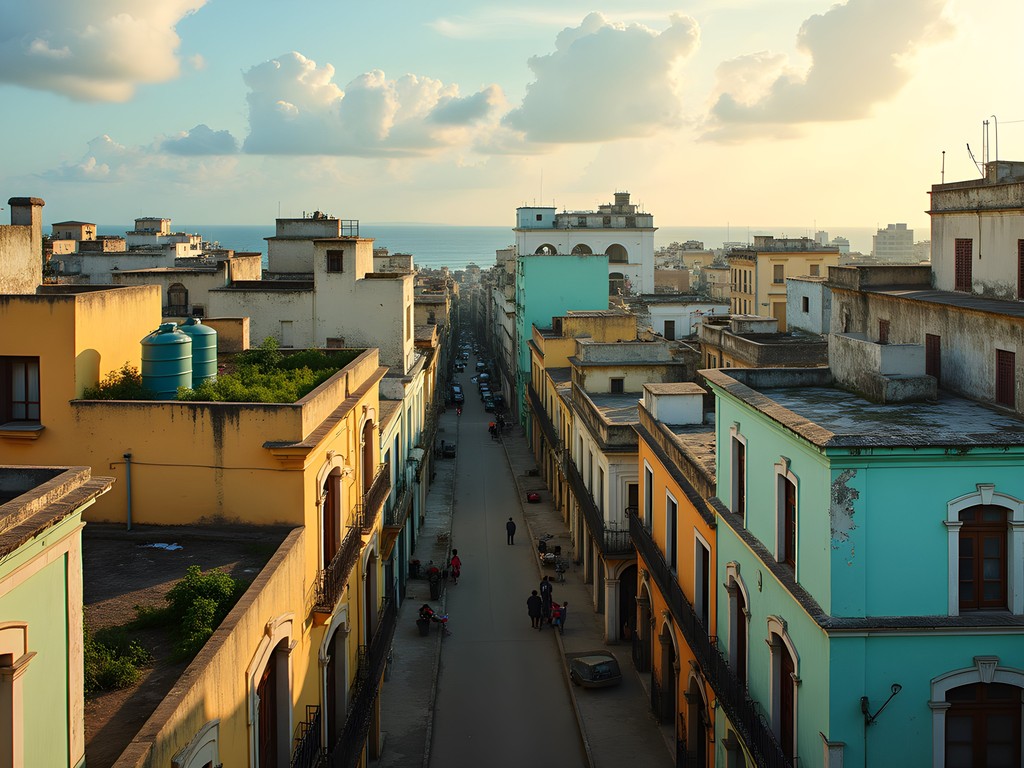
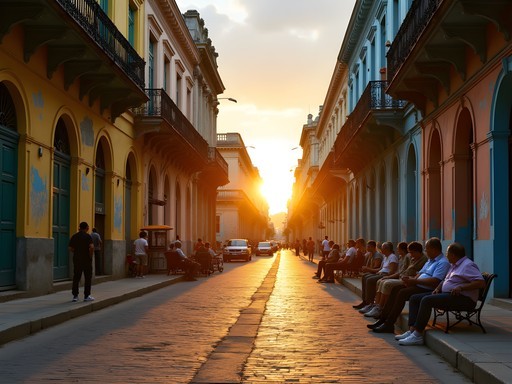
My favorite discovery was the forgotten micro-district surrounding Calle Neptuno. These streets showcase a stunning collision of architectural styles – neo-classical façades with Art Deco elements, revolutionary-era modifications, and ingenious DIY repairs. The buildings tell Cuba's complex history more honestly than any museum.
One afternoon, I befriended Julio, an elderly resident who invited me to his rooftop terrace. 'Most tourists never see our city from above,' he told me as we climbed six flights of stairs. The reward was breathtaking – a 360° view of Havana's urban tapestry, with laundry fluttering between buildings like prayer flags and rooftop gardens creating patches of green amid the concrete.
The most remarkable structure was an abandoned theater on Calle San Rafael, its ornate ceiling partially collapsed but still displaying fragments of celestial murals. Local artists have reclaimed the space for impromptu exhibitions, turning architectural decay into a canvas for contemporary expression.
For photographers, I recommend visiting during the golden hour when the low sun transforms even the most weathered buildings into glowing testimonies of resilience. My travel tripod proved invaluable for capturing the dramatic light and architectural details without camera shake.
💡 Pro Tips
- Visit Centro Habana early morning or late afternoon when residents are out socializing on stoops and in doorways
- Look up constantly – some of the best architectural details are above street level
- Bring small denomination CUC to offer if locals invite you to see inside buildings or climb to rooftops
The Secret Passageways of Habana Vieja
Old Havana (Habana Vieja) is undeniably beautiful but often suffocatingly touristy. However, even here, secrets await those willing to venture beyond the four main plazas.
My favorite discovery came through a chance encounter with a local architecture student who showed me a network of interior passageways connecting several colonial-era buildings. These pasajes date back to when wealthy families owned entire blocks and created private shortcuts between properties.
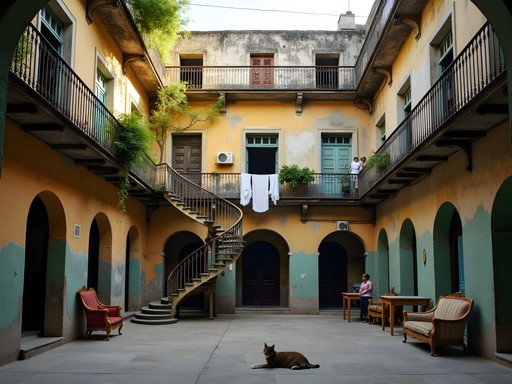
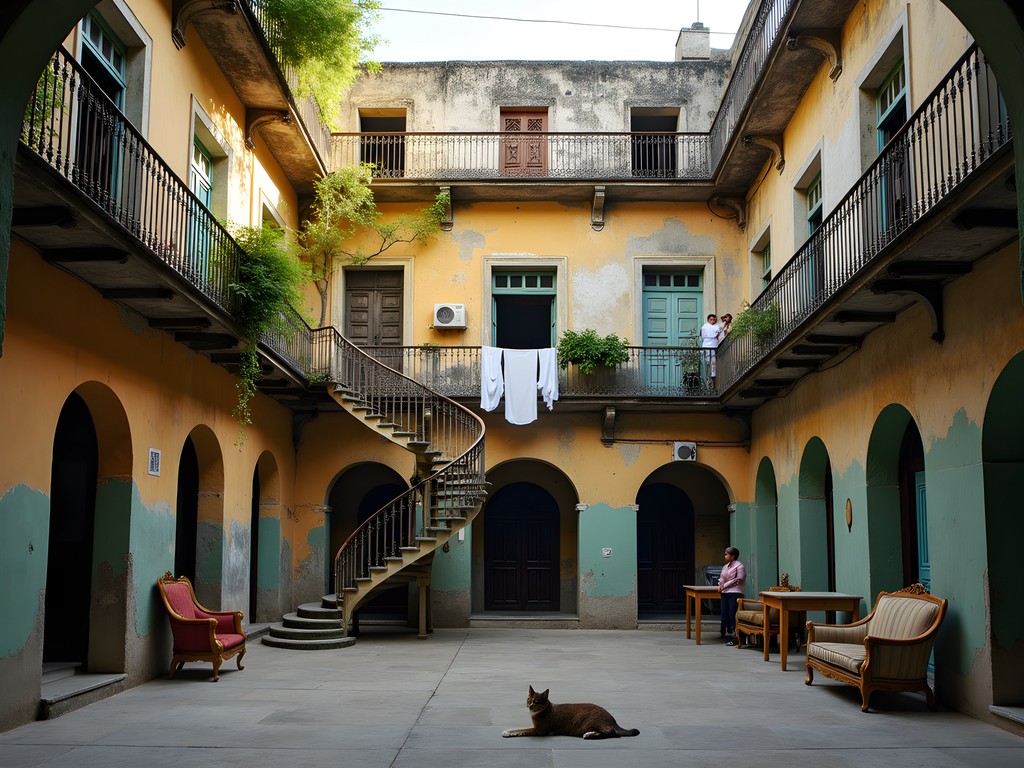
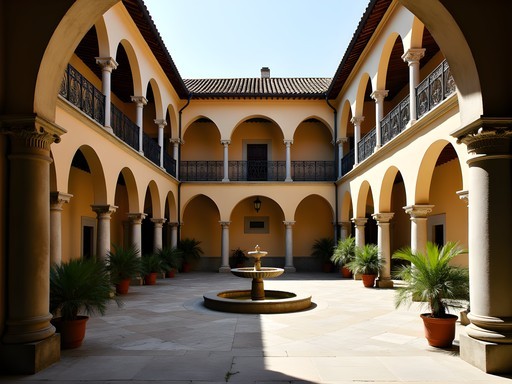
The most fascinating is Pasaje Enrique, accessible through an unmarked wooden door on Calle Obispo. This narrow corridor opens into a series of connected courtyards where families have created vertical neighborhoods, with makeshift apartments stacked four stories high around central light wells.
Nearby, I stumbled upon Casa-Estudio Julián Schnabel, a partially renovated colonial mansion where the American artist lived while filming in Cuba. The caretaker occasionally allows curious visitors to see the ground floor with its blend of original features and contemporary art installations.
Perhaps the most magical hidden space is the rooftop of the Edificio Gómez Vila on Calle O'Reilly. The building houses a dance school, and if you visit around sunset, you might catch students practicing on the rooftop with the cathedral dome silhouetted against the darkening sky – a scene that captures Havana's essence better than any postcard.
For these explorations, comfortable footwear is essential. My walking shoes have been perfect companions for Havana's uneven cobblestones and countless stairs, providing both support and breathability in the tropical heat.
💡 Pro Tips
- Bring a small flashlight for exploring dimly lit passageways and stairwells
- Learn basic architectural terms in Spanish to better communicate your interest to locals
- Visit the Film Institute (ICAIC) on Calle 23 for maps of historical buildings open to the public
Community Art Spaces Beyond the Galleries
Havana's official art scene is well-documented, but the most exciting creative spaces exist in the margins, where community and creativity merge organically.
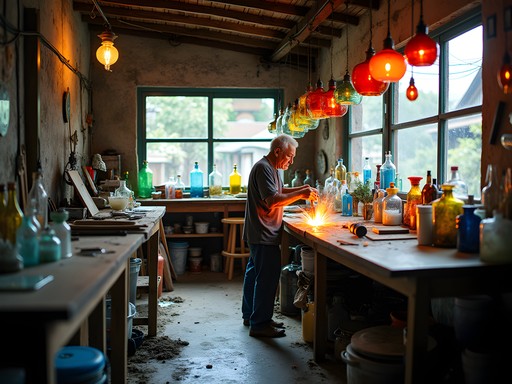
In the often-overlooked neighborhood of Casablanca (across the bay from Old Havana), I discovered Casa Taller Chullima, a community art initiative housed in a former warehouse. Local artists have transformed the space into studios and exhibition areas where they create work from recycled materials found throughout the city. What makes this place special is its integration with the neighborhood – residents drop by to participate in workshops or simply chat with artists while children play among the sculptures.
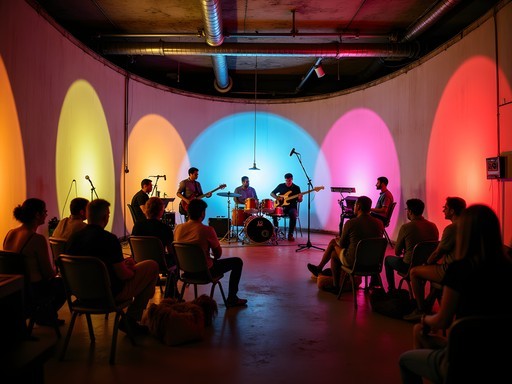
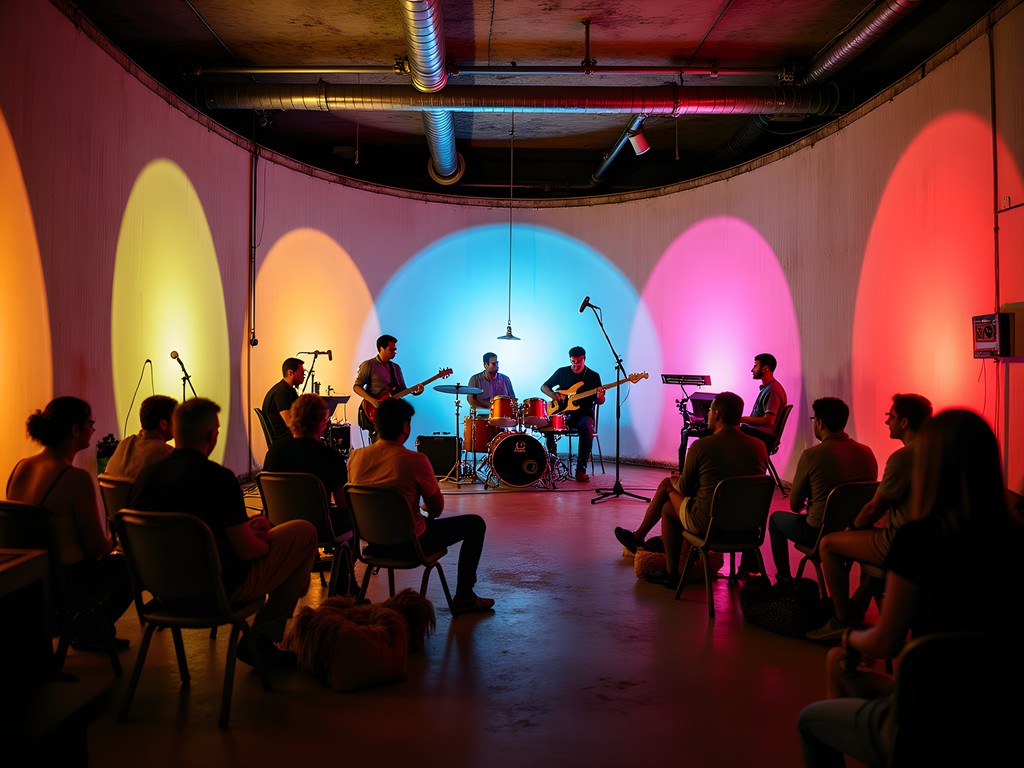
Back in Centro Habana, El Tanque has emerged as one of the most innovative cultural spaces in the city. This former water tank now hosts experimental music performances, film screenings, and art installations. I attended an impromptu jazz session where musicians from three countries collaborated while projections transformed the circular walls into a canvas of moving light.
Perhaps the most surprising discovery was a series of micro-galleries operating out of people's living rooms in Vedado. These casas-galería represent a new wave of independent art spaces where artists display work outside the state system. The addresses circulate by word of mouth – ask at the University of Havana's art department or at established galleries like Fábrica de Arte Cubano for current locations.
During my explorations, I found my compact camera ideal for documenting these spaces without being intrusive. Its excellent low-light performance captured the atmosphere of dimly lit galleries and evening performances without requiring a flash.
💡 Pro Tips
- Follow street art to find emerging cultural spaces – murals often lead to community art centers
- Attend university art shows to connect with students who know the underground scene
- Bring art supplies to donate to community centers – materials are extremely valuable and hard to source locally

Havana's Hidden Transport Networks
As someone who's built a career around exploring urban transport systems, Havana presents a fascinating case study in mobility adaptation and improvisation.
Beyond the famous classic car taxis lies a complex network of transportation options that most tourists never discover. The almendrones (shared fixed-route taxis) are Havana's unofficial public transport backbone. These 1950s American cars follow set routes for just 10 pesos (about 40 cents) per journey. I spent a day mapping the main routes and discovered they offer the most efficient way to traverse the city while interacting with locals.
Even more intriguing are the ruteros – converted trucks with makeshift passenger compartments that connect outer neighborhoods to the city center. Riding these reveals a Havana that tourists rarely witness, from the Soviet-style apartment blocks of Alamar to the industrial zones beyond the tourist map.
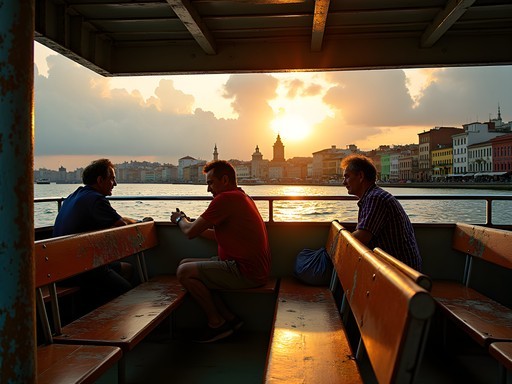
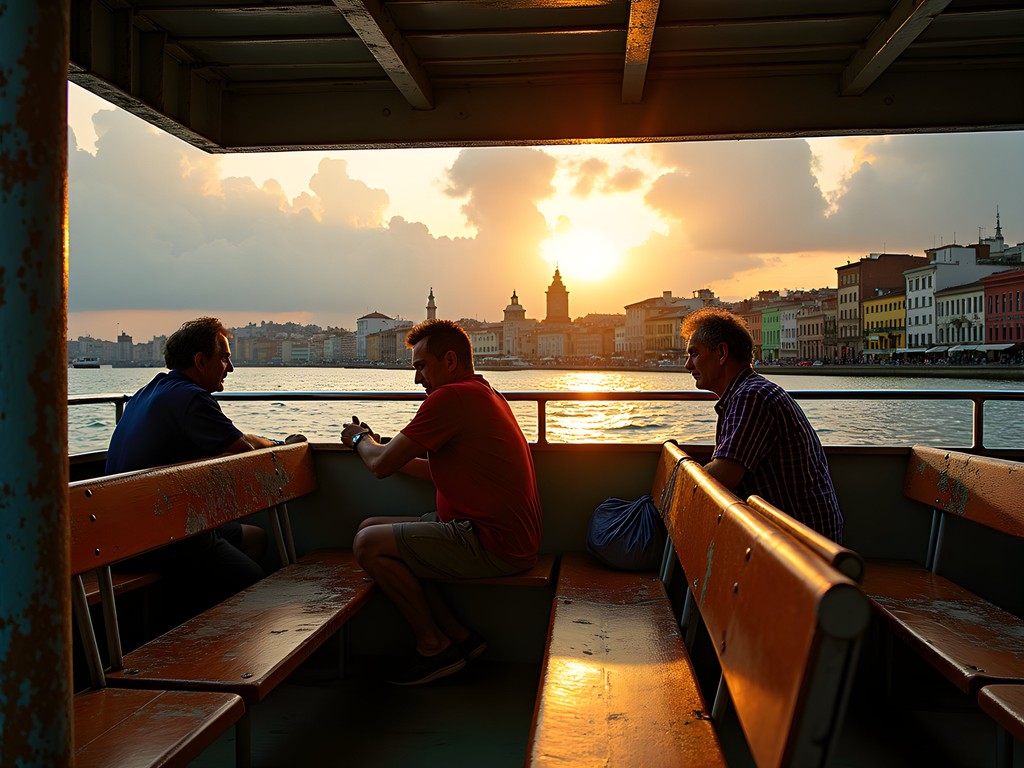
The most surprising transport discovery was Havana's ferry system. The lanchita connecting Old Havana to Casablanca and Regla offers not just practical transportation but the city's best views. For 1 peso (about 4 cents), you join workers, students, and locals in a brief journey that provides breathtaking perspectives of the harbor and city skyline.
During my ferry explorations, I was grateful for my waterproof backpack which protected my camera gear during an unexpected afternoon downpour. The old ferries aren't exactly weatherproof, and Havana's tropical showers can appear without warning.
Perhaps my favorite transport experience was joining the bicycle commuters along the Malecón at dawn. While Havana isn't particularly cycle-friendly, a growing community of cyclists has established informal routes that offer a unique perspective on the awakening city.
💡 Pro Tips
- Download maps.me before your trip and mark the main almendron routes for easy reference offline
- Ride the Casablanca ferry just before sunset for spectacular photography opportunities
- Learn the hand signals locals use to hail shared taxis heading in specific directions
The Neighborhood Cafés Where Locals Actually Eat
Forget the state-run restaurants in tourist areas – Havana's culinary revolution is happening in small private establishments (paladares) and hole-in-the-wall cafés where locals gather.
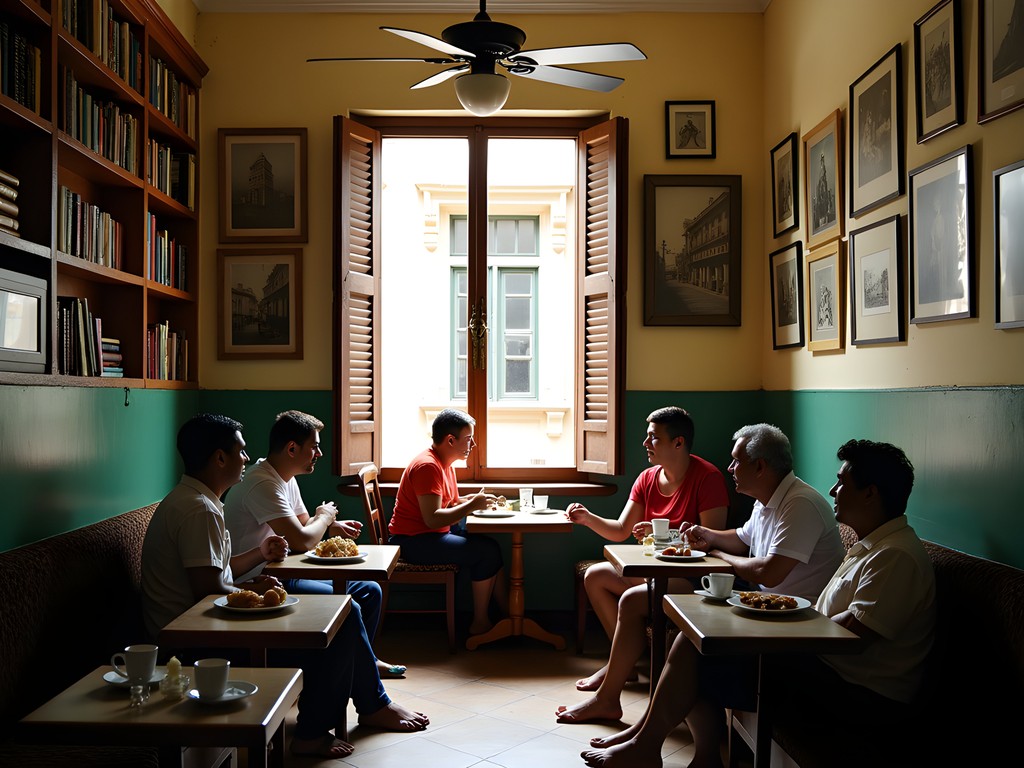
In Vedado, I discovered Café Fortuna Joe on Calle 23D, a quirky spot decorated with vintage typewriters and record players. Unlike the more famous paladares, it's primarily frequented by university students and young Cubans. Their coffee ceremony – where beans are ground at your table and brewed using traditional methods – offers both theater and exceptional flavor.
Deeply hidden in Centro Habana is Café Madrigal, occupying the front room of filmmaker Rafael Rosales' apartment. What began as friends gathering for discussions has evolved into an intimate café-bar where Havana's intellectual and artistic community congregates. The walls display rotating photography exhibitions, and impromptu poetry readings often break out in the evenings.
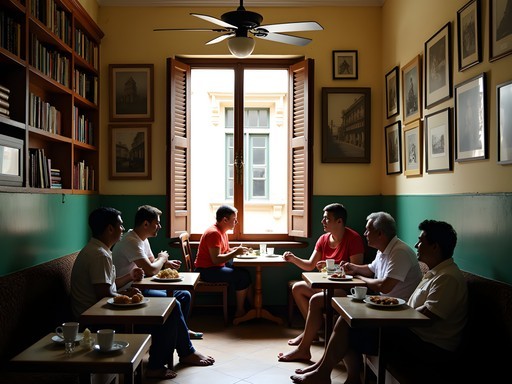
For authentic Cuban home cooking, nothing beats the unmarked comedor (dining room) I found on Calle Aguacate in Old Havana. Run by an elderly couple in their front room, it serves just one dish daily to a handful of tables. There's no menu – you eat what's cooking, typically a hearty stew with rice, beans, and plantains. The couple's grandson practices English with visitors while his grandmother insists you haven't eaten enough.
Perhaps the most special food experience was joining a domino food club – informal gatherings where neighbors contribute dishes for Sunday afternoon domino games. I was invited after helping a local carry groceries home. These aren't commercial establishments but represent the true heart of Cuban hospitality.
💡 Pro Tips
- Look for places with handwritten menus in Spanish rather than tourist-oriented picture menus
- Ask for the 'plato del día' (plate of the day) for the most authentic and economical option
- Timing matters – visit local cafés around 3-4pm when Cubans take their coffee breaks
Final Thoughts
As I left Havana after my week of urban exploration, I realized that the city had once again transformed me more than I could ever document it. The true Havana exists in the spaces between – in the conversations with elderly domino players, in the ingenuity of makeshift rooftop communities, and in the resilience reflected in every repurposed building. This city demands more than passive observation; it requires active participation in its daily rhythms and challenges. The Havana that exists beyond the guidebook isn't just a collection of hidden spots but a lesson in how cities adapt, survive, and maintain their soul against all odds. If you visit, bring curiosity rather than expectations, and be prepared to let the city reveal itself slowly, on its own terms. The reward is a connection to one of the world's most fascinating urban landscapes – one that continues to evolve while somehow remaining gloriously, defiantly itself.
✨ Key Takeaways
- The most authentic experiences come through connections with locals rather than following tourist routes
- Havana's architectural treasures tell complex historical stories that aren't always reflected in official narratives
- Transportation systems used by locals offer both practical advantages and unique cultural insights
- Community art spaces and neighborhood cafés provide windows into contemporary Cuban life beyond stereotypes
📋 Practical Information
Best Time to Visit
October-December
Budget Estimate
$40-60 USD per day
Recommended Duration
7-10 days
Difficulty Level
Moderate

Comments
wanderingfoodie
Did you find any great local food spots in those hidden areas? Going next month!
coffeemood
Not the author but when I went, there was an amazing little place near the art district that served the best ropa vieja I've ever had. Look for places where locals eat - usually no sign, just a door and maybe a small menu outside.
travelseeker22
Love the photos of those hidden courtyards! The colors are incredible.
Frank Garcia
Brilliant piece that captures Havana's soul beyond the tourist facade. I spent 3 weeks there last summer and your section on Centro Habana's architectural time capsules is spot-on. For anyone heading there, I'd add exploring the residential areas around Calle Neptuno where I found incredible home-based restaurants (paladares) that aren't in any guidebook. The transport section was particularly insightful - I navigated the entire city using the local collective taxis and buses with my pocket phrasebook and had some of my most memorable conversations that way. Jerry, did you make it to any of the rooftop gatherings in Vedado? The sunset jazz sessions were a highlight of my trip.
Jerry Kelley
Thanks Frank! I did catch a few rooftop gatherings in Vedado - that whole neighborhood has such a different energy than the more touristy areas. There was one rooftop near the university where local musicians would gather informally around sunset. No advertising, just word-of-mouth. Those paladares around Neptuno are fantastic finds too!
summerwalker
This looks amazing! I'm planning a trip to Havana in January. How did you find those community art spaces? Were they welcoming to visitors? Also, any safety concerns when exploring the hidden transport networks you mentioned?
Jerry Kelley
Thanks for reading! The community art spaces were mostly found through conversations with locals. Start at FAC (Fábrica de Arte Cubano) and ask around - artists there will point you to smaller spaces. As for safety, I felt completely comfortable on local transport, just keep valuables secure as you would anywhere. The almendrones (shared taxis) are perfectly safe and a great way to meet locals!
summerwalker
Thanks so much for the tips! I'll definitely check out FAC. Really excited to experience the local side of Havana now.
coffeemood
This post brought back so many memories! I spent two weeks in Havana last year and completely agree about the rhythm of the city. Those hidden passageways in Habana Vieja were my favorite discovery - especially that little bookstore you mentioned that opens into a courtyard cafe. Did you try the coffee there? The owner told us he roasts the beans himself using techniques passed down for generations. Centro Habana at sunset was magical too!
Frank Garcia
That bookstore-cafe was a highlight for me too! The owner actually showed me his roasting setup in the back when I expressed interest. Did you notice the collection of vintage Cuban poetry books they keep behind the counter?
coffeemood
Yes! I bought one of those poetry collections as a souvenir. Such a special place that most tourists never find.
Adam Nichols
Jerry, this resonates deeply. I spent three weeks in Centro Habana last year documenting the architectural decay-meets-preservation phenomenon you described. Those Art Deco facades hiding behind crumbling plaster are absolutely haunting. The contrast between tourist-heavy Habana Vieja and the lived-in authenticity of Centro is stark. Did you explore the rooftop access points near the Malecón? Some buildings have informal pathways between roofs that locals use as shortcuts - completely invisible from street level. The community art spaces are the real treasure though. I found a collective operating out of a converted cistern that wasn't in any guide. The transport networks are fascinating too - those shared taxis (almendrones) operate on routes that make perfect sense once you understand the city's flow, but seem chaotic at first.
summerlover
Rooftop shortcuts?? That's wild! Are they safe to use or just for locals?
Adam Nichols
I'd say ask locals first and go with someone who knows them. Structural integrity varies a lot. But it's an incredible perspective of the city.
beachqueen
Going there next month! Did you use the public buses or mostly walk? Trying to figure out transportation
sunsetlife
We did the public transportation and it was great! Just be patient and have small bills ready. The guaguas are an experience themselves lol
beachqueen
Thanks for the tip!
summerlover
This is amazing! Going in March, can't wait!!
Adam Nichols
You'll love it! March is perfect weather-wise. Don't skip Centro Habana like most tourists do.
summerlover
Thanks! Any tips on the transport networks Jerry mentioned? Sounds confusing lol
sunsetlife
Love this!! Been to Havana 4 times and still discovering new places every visit. Your photos are gorgeous btw
Marco Flores
Jerry, this resonates so much with my own experience in Havana last year! I spent three days just in Centro Habana and barely scratched the surface. The community art spaces you mentioned - are you talking about the ones near the Malecón? I stumbled into this incredible studio where local artists were teaching kids to paint murals. The owner invited me for coffee and we talked for hours about how neighborhoods are preserving their identity despite all the changes. That human connection is what makes urban exploration in Cuba so different from anywhere else. The rhythm you describe in your intro is exactly it - you can't rush Havana, you have to move with it.
Jerry Kelley
Yes! That's exactly the kind of experience I'm talking about. Those spontaneous invitations and conversations are where the real magic happens. The studio scene in Centro is incredible.
Venture X
Premium card with 2X miles, $300 travel credit, Priority Pass