

Disclosure: This article contains affiliate links. We may earn a commission from purchases at no extra cost to you, which helps our travel content.
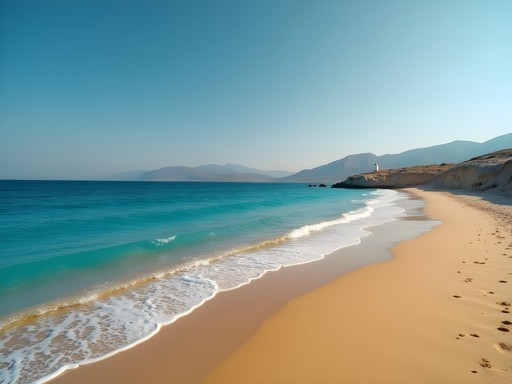
As I stood on the powder-white sand, watching the kaleidoscope of blues stretch to the horizon, I realized Raja Ampat had reset my definition of paradise. This remote Indonesian archipelago—comprising over 1,500 small islands, cays, and shoals—houses some of the most pristine beaches and biodiverse marine environments on earth. After years of luxury travel experiences from the Maldives to Monaco, I can confidently say that Raja Ampat's untouched shores offer something truly transcendent: a rare combination of absolute seclusion and natural opulence that even the most discerning traveler seeks but seldom finds.

Wayag Island: The Crown Jewel
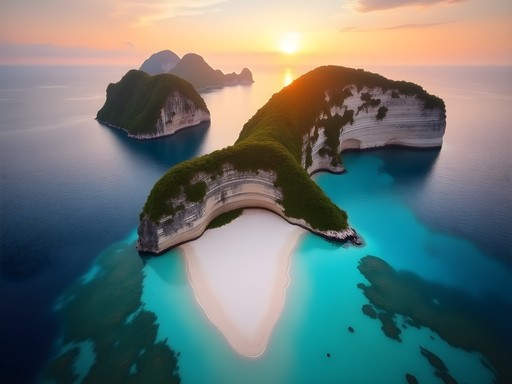
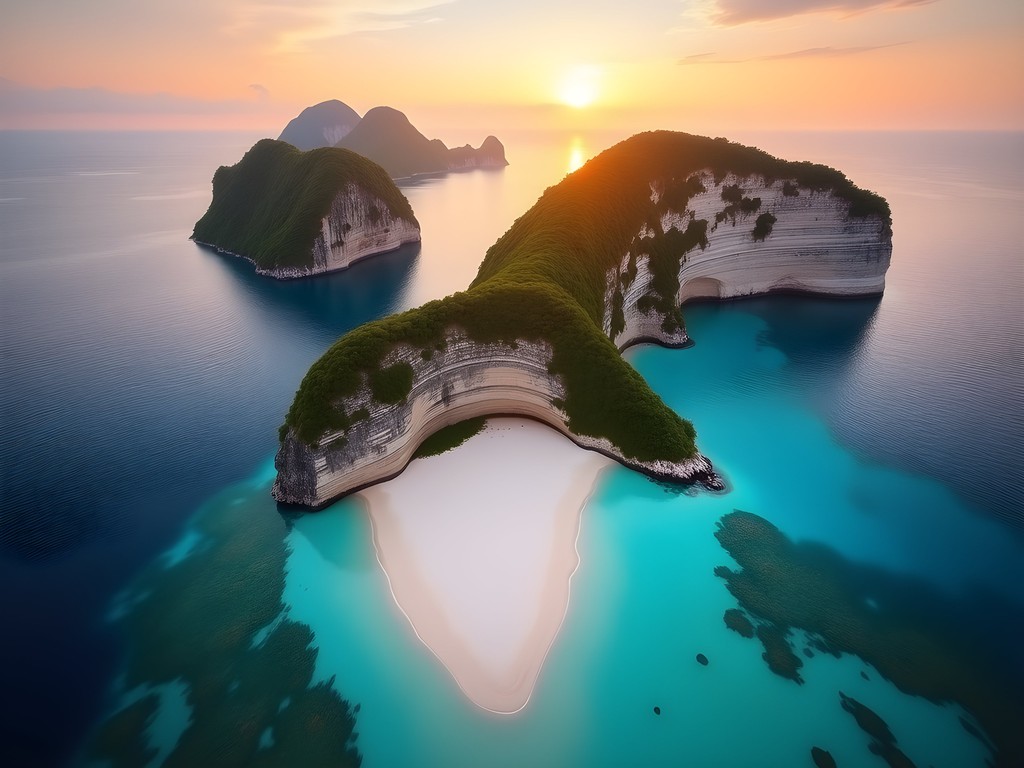
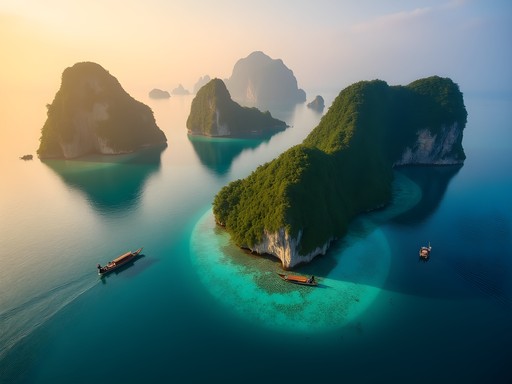
If Raja Ampat is paradise, then Wayag Island is its beating heart. After a private speedboat journey arranged through my resort, I arrived at what can only be described as nature's perfect amphitheater. Limestone karst formations rise dramatically from turquoise waters, creating a landscape so surreal it feels computer-generated.
The beach itself—a crescent of blinding white sand—remains gloriously undeveloped save for a small wooden jetty. The true magic happens at dawn when the rising sun paints the karsts in golden light. I spent three consecutive mornings in meditation here, each session more profound than the last.
After the 45-minute climb to Wayag's iconic viewpoint (wear proper footwear—this isn't a casual stroll), I unpacked my lightweight travel yoga mat for perhaps the most spectacular sun salutation of my life. The panorama of scattered islands set against the azure sea creates a natural mandala that centers the mind instantly.
💡 Pro Tips
- Arrange a private boat transfer through your resort—the journey is 2-3 hours from most accommodations
- Visit at dawn for the most magical light and fewest visitors
- Pack reef-safe sunscreen as the reflection from both water and white sand is intense
Pasir Timbul: The Disappearing Sandbar
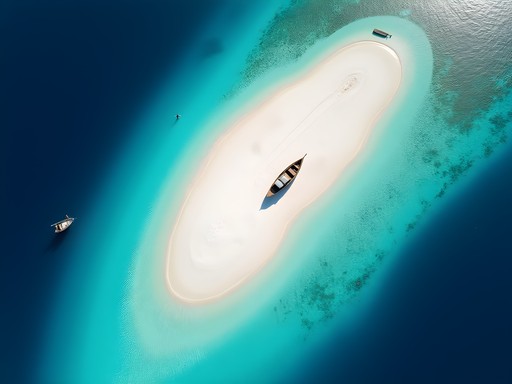
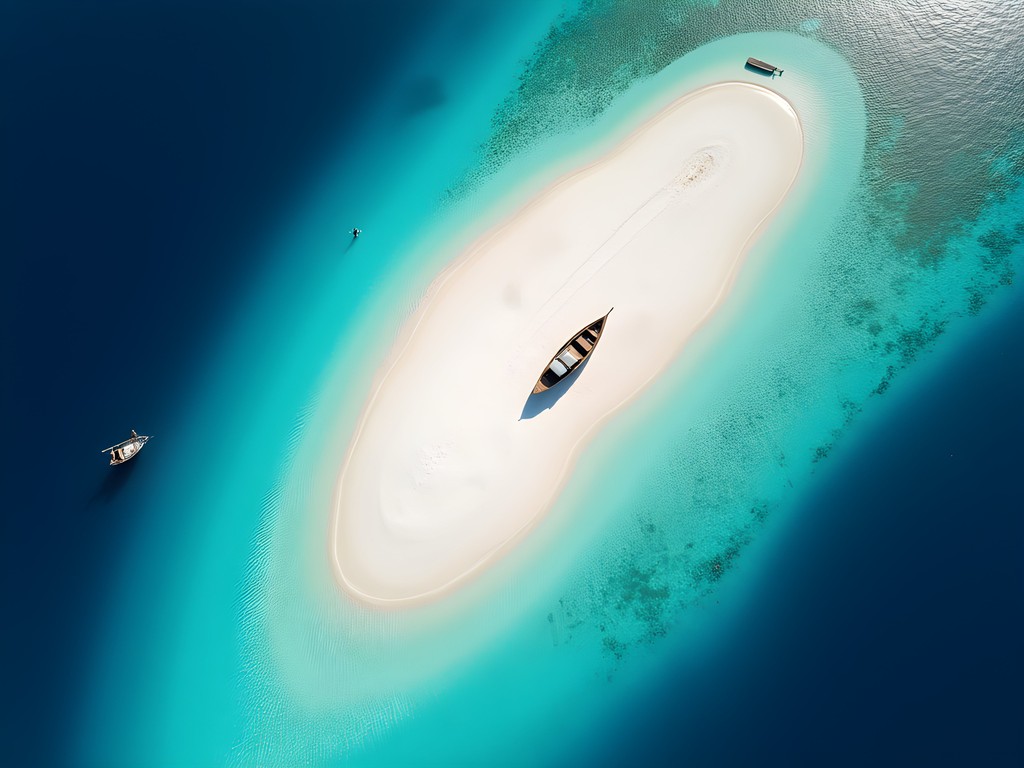
Some luxury experiences are defined by exclusivity, and Pasir Timbul (literally 'appearing sand') delivers this in spades. This ephemeral sandbar materializes only during specific low tides, creating what feels like a private island that exists just for you, just for now.
Timing is everything here. I consulted with local guides to pinpoint the perfect day and hour when this pristine strip of sand would emerge from the sea. We arrived by wooden longboat just as the waters receded, revealing a ribbon of blinding white sand surrounded by crystal waters in every direction.
The transient nature of this beach makes it all the more precious. Standing in the middle of the ocean on this temporary island, I felt a profound lesson in mindfulness—appreciating beauty that exists only in the present moment.
To fully document this fleeting wonder, I relied on my underwater drone to capture both aerial and submarine perspectives. The footage of this isolated sandbar surrounded by coral gardens and tropical fish became the highlight of my Raja Ampat visual journal.
💡 Pro Tips
- Research tide charts or consult with local guides to time your visit perfectly
- Bring portable shade—there's absolutely no natural protection from the sun
- Wear water shoes to protect against sharp coral fragments that sometimes wash up on the sandbar
Pianemo: The Instagram Icon
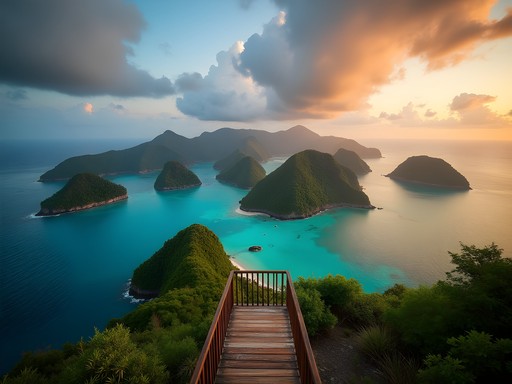
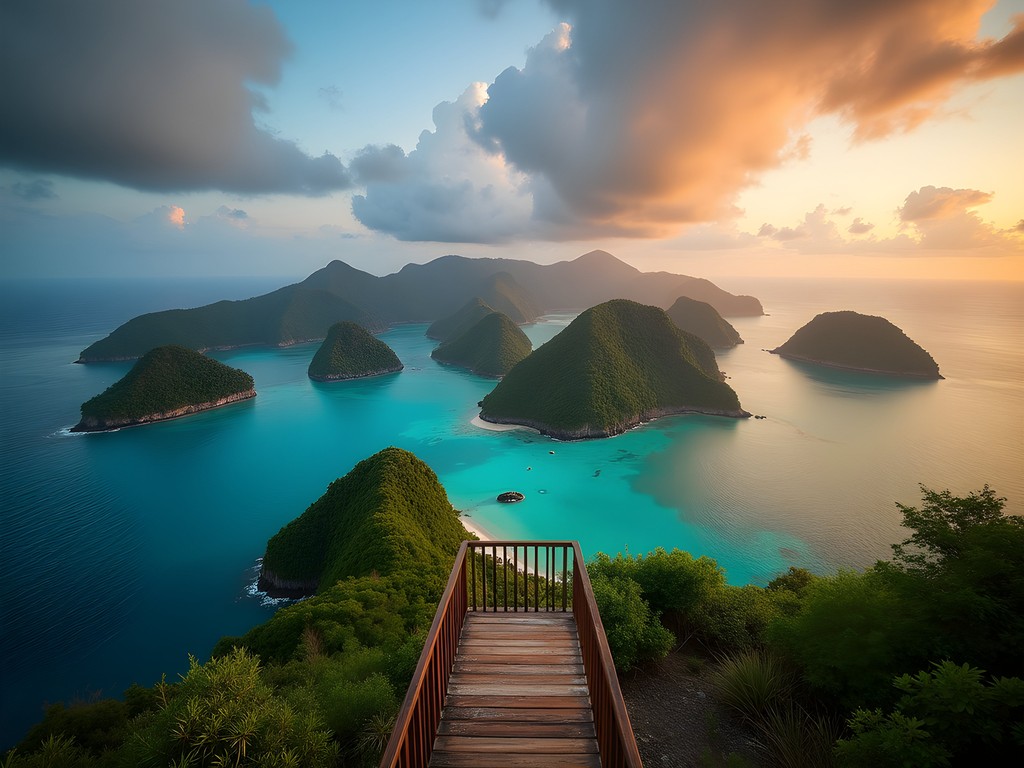
While I typically shy away from destinations famous primarily for their social media appeal, Pianemo's beauty transcends its Instagram notoriety. This cluster of jungle-topped islets creates Raja Ampat's most photographed vista—and for good reason.
The journey to Pianemo requires commitment. From most resorts, it's a 90-minute boat ride followed by a climb up 300+ wooden steps. I recommend starting early to avoid both the midday heat and the handful of other travelers who make the journey. My insulated water bottle proved invaluable, keeping water cold throughout the humid trek.
Upon reaching the viewpoint, the panorama quite literally took my breath away—a constellation of emerald islands scattered across a sapphire sea. The wooden viewing platform offers the perfect vantage point for meditation or simply absorbing the majesty of this natural wonder.
Below the viewpoint lies a secluded beach accessible by a narrow path. Unlike the more trafficked viewpoint, I had this stretch of sand entirely to myself for a refreshing swim after the climb. The beach's shallow entry point reveals an underwater garden of soft corals just meters from shore—bring your snorkel gear.
💡 Pro Tips
- Visit early morning (before 9am) or late afternoon (after 3pm) to avoid both heat and crowds
- The wooden staircase can be slippery—wear proper footwear and take your time
- Bring a polarizing filter for your camera to cut glare and enhance the water colors

Sawinggrai Beach: The Dolphin Encounter
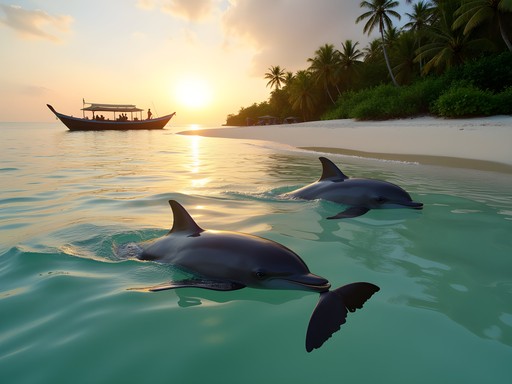
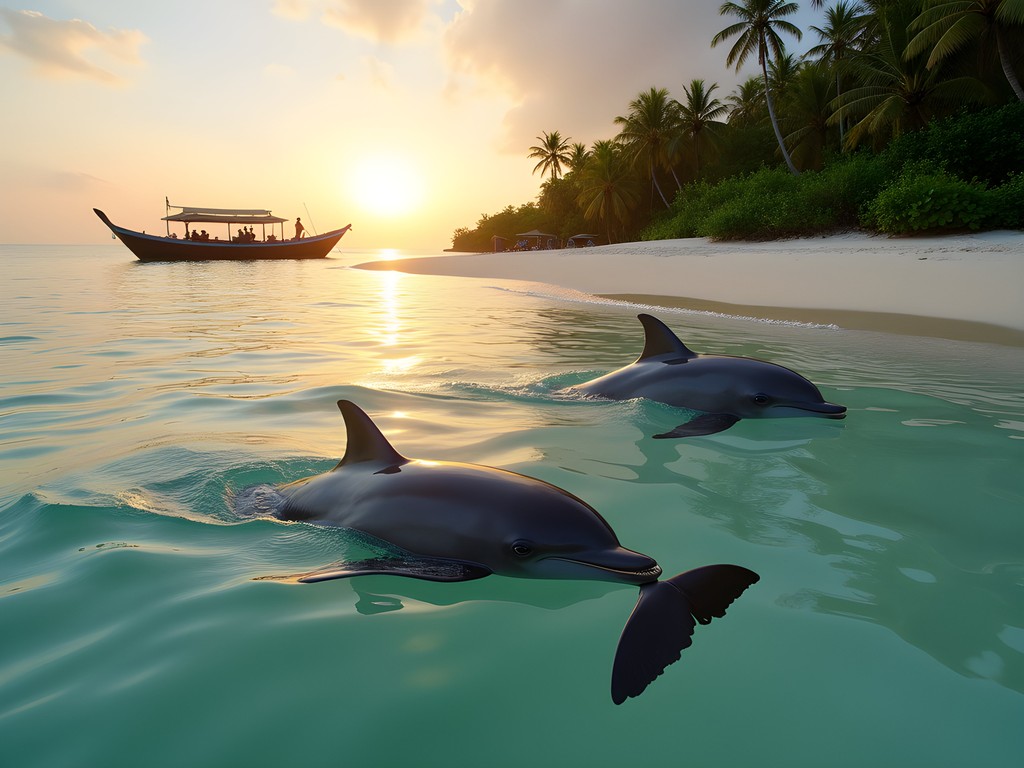
Some luxury experiences can't be purchased—they must be discovered. Sawinggrai Beach on Gam Island offers precisely this kind of serendipitous wonder. This unassuming stretch of golden sand fronts a small village where wild dolphins regularly visit to interact with humans.
Unlike contrived dolphin encounters at commercial resorts, the experience at Sawinggrai happens entirely on the dolphins' terms. Local guides understand their patterns and behaviors, but there's never a guarantee—which makes each encounter all the more magical.
I arrived at sunrise, when the water was mirror-calm, and waited patiently at the shoreline. After thirty minutes of meditation—focusing on the sound of gentle waves—I opened my eyes to find three curious dolphins just meters away. They stayed for nearly an hour, seemingly as interested in me as I was in them.
For underwater visibility, my full-face snorkel mask proved invaluable, allowing me to maintain eye contact with these intelligent creatures without the distraction of a traditional snorkel tube. The crystal clarity of both the mask and Raja Ampat's waters created an almost spiritual connection that I still reflect on during my daily meditation practice.
💡 Pro Tips
- Visit at sunrise when dolphins are most active and the water is calmest
- Practice patience—the dolphins appear on their schedule, not yours
- Respect the local village by asking permission before wandering beyond the beach area
Yenbuba Beach: The Jetty Paradise
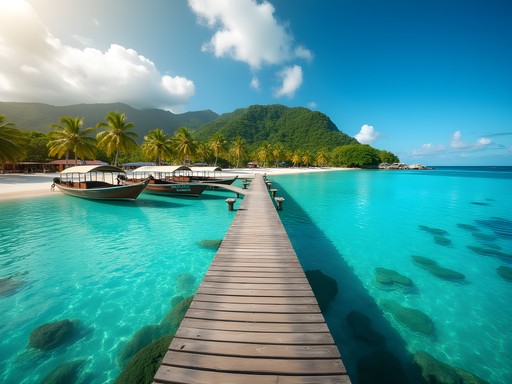
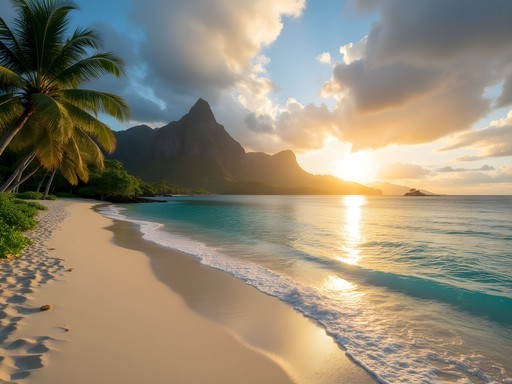
Yenbuba's iconic wooden jetty stretching into crystal waters has become a Raja Ampat signature image, but the beach itself remains remarkably uncrowded. Located on Mansuar Island, this long stretch of pristine sand offers the perfect balance of accessibility and seclusion.
What distinguishes Yenbuba is the extraordinary marine life accessible directly from shore. The jetty itself serves as an artificial reef, attracting schools of colorful fish that swirl around the wooden pillars in hypnotic patterns. During my three visits, I encountered everything from tiny clownfish to blacktip reef sharks without venturing more than 15 meters from the beach.
For serious snorkelers, bring your underwater action camera to capture the vibrant coral gardens that start literally at your feet. The shallow reef extends for hundreds of meters, creating a natural aquarium that rivals any curated marine experience I've had at luxury resorts worldwide.
After exploring the underwater world, I found the perfect meditation spot at the jetty's end. Sitting cross-legged above the gentle waves, I practiced mindful breathing while watching eagle rays glide gracefully below—a natural confluence of luxury, wellness, and wild beauty that epitomizes what makes Raja Ampat so special.

💡 Pro Tips
- Visit during mid to high tide when marine life is most active around the jetty
- Bring reef shoes as the beach entry has some coral fragments
- Pack a picnic lunch from your resort—there are limited food options nearby
Luxury Accommodations: Where to Base Your Exploration
Raja Ampat's remoteness has preserved its pristine beauty while also limiting accommodation options. However, several world-class properties have mastered the delicate balance between luxury and sustainability.
My personal favorite is Misool Eco Resort, built on a former shark finning camp and transformed into a conservation success story. Their water villas perch directly above vibrant coral gardens, allowing you to slip from your private deck into a protected marine sanctuary. Their commitment to conservation extends to every aspect of the property, from solar power to plastic-free operations.
For those seeking absolute seclusion, Meridian Adventure Dive Resort offers luxurious private villas nestled in lush jungle just steps from a private beach. Their custom-built dive boats provide access to some of Raja Ampat's most remote sites, while their spa specializes in post-adventure recovery treatments that incorporate local ingredients.
Perhaps the most exclusive option is chartering a luxury phinisi yacht—traditional Indonesian wooden vessels reimagined with modern luxuries. These floating boutique hotels allow you to wake up at a different pristine beach each morning, with a full crew including private chefs and dive masters catering to your every need.

💡 Pro Tips
- Book accommodations 6-12 months in advance—the limited luxury options fill quickly
- Consider splitting your stay between a land-based resort and a luxury liveaboard for the full experience
- Look for properties with strong conservation credentials—they typically have the best access to pristine areas
Mindful Travel: Preserving Paradise
The very remoteness that has preserved Raja Ampat's beaches also makes them vulnerable. As someone who's witnessed the transformation of once-pristine destinations like parts of Bali and the Maldives, I feel a responsibility to address sustainable travel practices.
Raja Ampat operates a Marine Park Entry permit system—currently around $100 USD for foreign visitors. This fee directly supports conservation efforts and local communities. Consider it an investment in preserving paradise rather than an expense.
Beyond official requirements, mindful travelers should pack reef-safe sunscreen like mineral sunscreen to protect the vibrant coral ecosystems. Even products labeled "reef safe" can contain harmful chemicals, so research thoroughly before packing.
When selecting accommodations, prioritize properties with clear sustainability commitments—solar power, water conservation systems, and plastic-free operations should be standard. Properties that employ local staff and source food locally also create a positive economic impact that incentivizes conservation.
Finally, practice meditation not just for personal wellness but as a travel philosophy. By being fully present in these extraordinary places, we develop a deeper connection and commitment to their preservation. My daily meditation practice has transformed how I travel, shifting focus from consumption to appreciation.

💡 Pro Tips
- Purchase your Raja Ampat Marine Park permit online before arrival
- Pack a reusable water bottle with built-in filter to avoid plastic waste
- Support local conservation initiatives by participating in beach cleanups or coral restoration projects
Final Thoughts
As my seaplane lifted off from Raja Ampat's sapphire waters on my final day, I felt that rare combination of fulfillment and longing that marks truly transformative destinations. These ten beaches represent not just the most beautiful shores I've discovered in two decades of luxury travel, but places where I've experienced moments of profound connection and presence.
Raja Ampat demands effort to reach—a series of flights, boats, and occasionally challenging treks—but this very remoteness has preserved its magic in an increasingly accessible world. For couples seeking both adventure and intimate luxury, these shores offer a rare opportunity to experience the world as it once was, overlaid with thoughtful comforts that enhance rather than diminish the natural splendor.
As luxury travelers, we bear a special responsibility toward places like Raja Ampat. Our privilege of experiencing these pristine beaches comes with an obligation to tread lightly and contribute meaningfully to their preservation. Whether through supporting conservation initiatives, choosing sustainable accommodations, or simply practicing mindful presence, we can ensure these paradises remain untouched for generations to come. After all, true luxury isn't just about exclusive access—it's about being part of something larger than ourselves.
✨ Key Takeaways
- Raja Ampat's remoteness has preserved its pristine beaches, making it ideal for travelers seeking true escape
- Combine beach exploration with world-class snorkeling and diving for the complete Raja Ampat experience
- Support conservation through mindful travel practices and choosing eco-conscious luxury accommodations
📋 Practical Information
Best Time to Visit
October through April (dry season with calmest waters)
Budget Estimate
$500-800 USD per day including luxury accommodation, private transfers, and activities
Recommended Duration
Minimum 10 days, ideally 2 weeks
Difficulty Level
Moderate (Requires Multiple Flights And Boat Transfers)



Comments
Taylor Moreau
Excellent write-up, Owen. I visited Raja Ampat twice for dive assignments and your description of Pianemo captures it perfectly. One addition for readers: if you're visiting Sawinggrai, consider staying overnight in one of the homestays rather than just a day trip. The village community is wonderfully welcoming, and you'll have the beach at sunrise before the tour boats arrive. The bird of paradise viewing at dawn is spectacular as well. It's these slower moments that reveal the true character of Raja Ampat beyond the Instagram shots.
springrider
We visited last October and honestly Pasir Timbul was the highlight of our entire trip. We timed it perfectly at low tide and had the whole sandbar to ourselves for about an hour. The water is so clear you can see everything. Pro tip: bring a waterproof phone case because you'll want photos in the water. Also the boat captains know the tide schedules so just ask them. Worth every penny of the boat tour cost!
roamlegend
How much did your boat tour cost roughly?
springrider
We paid about 1.5 million rupiah for a full day private boat (around $100 USD). Split it between 4 people so super affordable.
moonhero6814
is the water really that blue or is it edited? looks too perfect to be real lol
Owen Russo
Haha I get that a lot! I barely edited these photos. The water really is that insanely blue - it's the coral reefs and white sand beneath. Seeing it in person is even better!
photolife
This looks amazing but I'm kind of a beginner traveler. How hard is it to actually get to Raja Ampat? Do you need to book tours in advance or can you figure it out when you get there?
Taylor Moreau
You'll want to fly into Sorong first, then take a ferry to Waisai. I'd recommend booking your liveaboard or homestay before arrival—options fill up quickly during peak season. It's remote but absolutely manageable with some advance planning.
photolife
Thanks! That's really helpful
roamlegend
Wayag looks insane! Added to my bucket list.
Savannah Torres
Owen, this brought back so many memories! We took our kids to Raja Ampat last year and Sawinggrai was the highlight. My 8-year-old still talks about the dolphins we saw there. One tip for families: the boat rides can be long and rough, so we brought motion sickness bands for the kids which really helped. Also, the homestays are incredibly family-friendly - the local communities were so welcoming and our kids learned so much. Pianemo was stunning but quite a climb with little ones, just FYI for other parents considering it!
roamperson
wait you can take kids there?? that's amazing, thought it was too remote
Savannah Torres
Absolutely! It's remote but very doable with kids. Just need to plan ahead and pack essentials. The memories are worth it!
moonseeker
How much did this trip cost you roughly? And how many days would you recommend staying?
Owen Russo
Hey! I spent about $2,500 for 8 days including flights from Jakarta, liveaboard accommodation, and diving. You could do it cheaper with homestays. I'd say minimum 5 days to really experience it, but honestly wish I'd stayed longer!
roamperson
omg those blues!! adding this to my bucket list right now 😍
moonhero6814
same! looks unreal
DiveAddict
Just got back from Raja Ampat last month and it's every bit as magical as Owen describes! We stayed at a dive resort on Misool and the marine biodiversity is out of this world. Even if you're just snorkeling, you'll see more fish species than you can count. One tip I'd add - bring cash! Most homestays and local boats don't accept cards, and ATMs are scarce. Also worth noting that conservation is taken very seriously there - you need to purchase a Raja Ampat Marine Park permit (about $100 for foreigners) which helps fund protection efforts. Small price to pay for paradise!
smartstar
Good to know about the permit and cash situation! How much would you recommend bringing for a 10-day trip?
DiveAddict
For 10 days, I'd bring at least $800-1000 in cash if you're staying at homestays (they're around $50-80/day including meals). Boat trips are extra. If you're at a resort, they'll likely take cards for final payment but you'll still want cash for tips, village visits, etc.
dreamblogger
That shot of Pianemo is absolutely stunning! Did you use a drone or is there a viewpoint I missed when I was there?
dreamblogger
Can't believe I missed that! Definitely need to go back now.
Owen Russo
Thanks! There's actually a wooden staircase to a viewpoint on one of the karst islands. It's about 15 minutes of climbing but totally worth it for that classic Raja Ampat vista. No drone needed!
Venture X
Premium card with 2X miles, $300 travel credit, Priority Pass