

Disclosure: This article contains affiliate links. We may earn a commission from purchases at no extra cost to you, which helps our travel content.
I've installed HVAC systems in five-star resorts across three continents, but nothing prepared me for the raw, untouched beauty of Raja Ampat. This remote Indonesian archipelago isn't just another beach destination—it's where limestone karsts pierce impossibly turquoise waters, where coral reefs pulse with more marine life than anywhere else on Earth, and where luxury means disconnecting completely from the world you know. After two weeks exploring these islands with my climbing partner turned travel companion, I can tell you: Raja Ampat demands effort, rewards patience, and delivers experiences that redefine what paradise actually means.

1. Pianemo Beach: The Postcard That Started It All
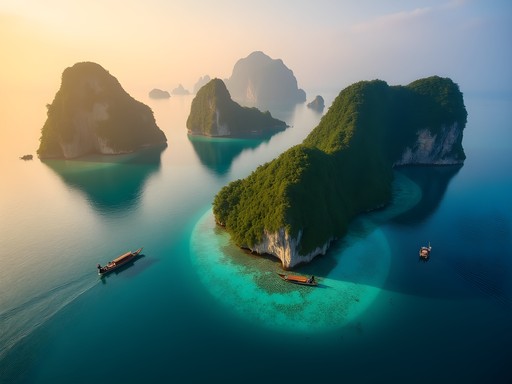
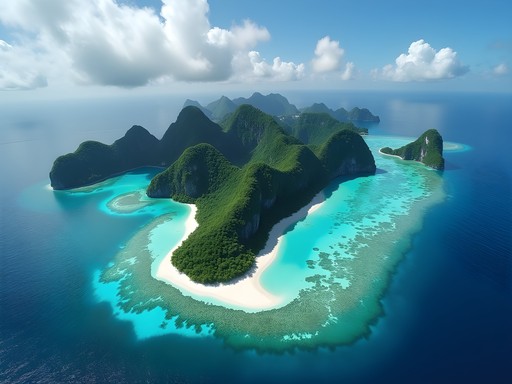
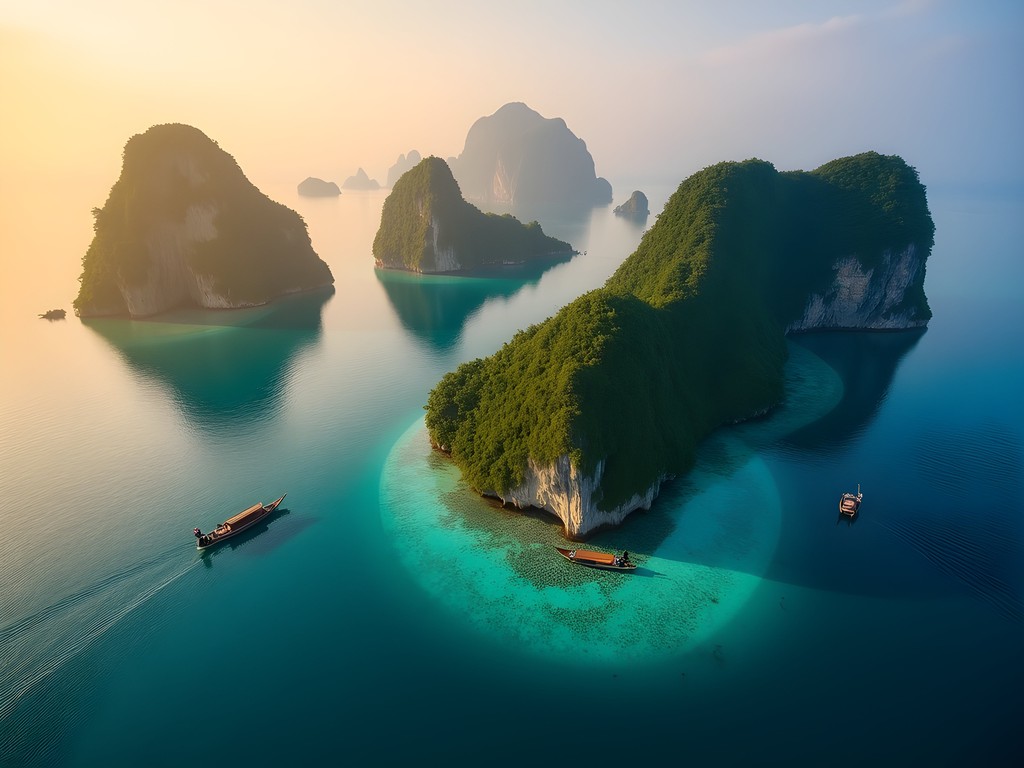
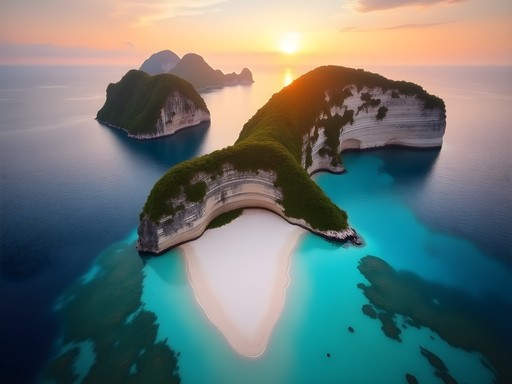
Let's address the elephant in the room: yes, you've seen this view on Instagram. Those iconic mushroom-shaped karst islands rising from mirror-still lagoons? That's Pianemo, and I'm here to tell you it's even more spectacular in person. The catch? You'll earn this view with a 320-step climb up wooden stairs that would make my rock-climbing muscles burn.
The beach itself sits in a protected cove where the water transitions from pale jade to deep sapphire within meters. What struck me most wasn't just the visual drama—it was the engineering behind preserving this place. The viewing platform uses traditional techniques combined with modern load distribution, ensuring minimal environmental impact while supporting hundreds of daily visitors during peak season.
Pro tip: arrive at 6:30 AM before the tour boats. The light is softer, the water calmer, and you'll have those iconic viewpoints virtually to yourself. I brought my underwater housing and captured footage of blacktip reef sharks patrolling the shallows—something impossible to see once the crowds arrive.
💡 Pro Tips
- Climb the viewpoint stairs early morning when temperatures are coolest and lighting is optimal for photography
- Bring reef-safe sunscreen only—regular sunscreen damages the coral systems that make these waters so pristine
- Hire a local guide from Waisai who can navigate the complex channel systems and knows which tides reveal hidden sandbars
2. Pasir Timbul: The Disappearing Sandbar Phenomenon
Here's where my technical mind went into overdrive: a sandbar that appears and disappears with tidal cycles, creating a temporary beach in the middle of the ocean. Pasir Timbul (literally 'emerging sand') materializes during low tide as a pristine white ribbon stretching 200 meters across turquoise shallows.
The precision required to time your visit correctly is remarkable. We worked with our boat captain to calculate the optimal window—arriving 90 minutes before dead low tide gave us nearly three hours on this ephemeral paradise. The sand composition itself is fascinating: pulverized coral and shells create a texture unlike any beach I've walked. It's softer than standard silica sand but firmer than you'd expect, perfect for that iconic 'walking on water' photograph.
What makes this spot exceptional for couples is the complete isolation. During our visit, only two other boats appeared, and the surrounding waters were so clear we could see eagle rays gliding past from 50 meters away. Pack a quality dry bag for your valuables—you'll be wading through knee-deep water to reach the sandbar, and protecting your electronics is crucial.

💡 Pro Tips
- Coordinate with your boat operator using tide charts—the sandbar is only accessible 2-3 hours around low tide
- Bring a beach umbrella or sun shelter as there's zero natural shade once the sandbar emerges
- The surrounding waters are ideal for snorkeling—we spotted three different shark species within 100 meters of the sandbar
3. Friwen Wall Beach: Where Jungle Meets Coral Cathedral
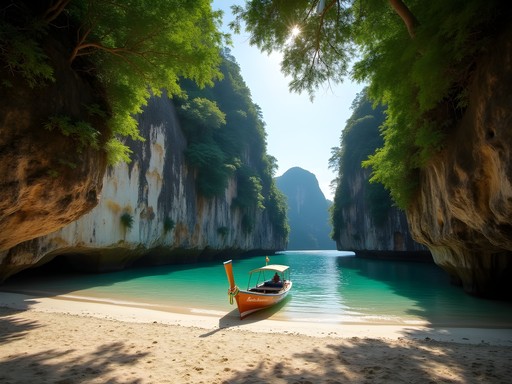
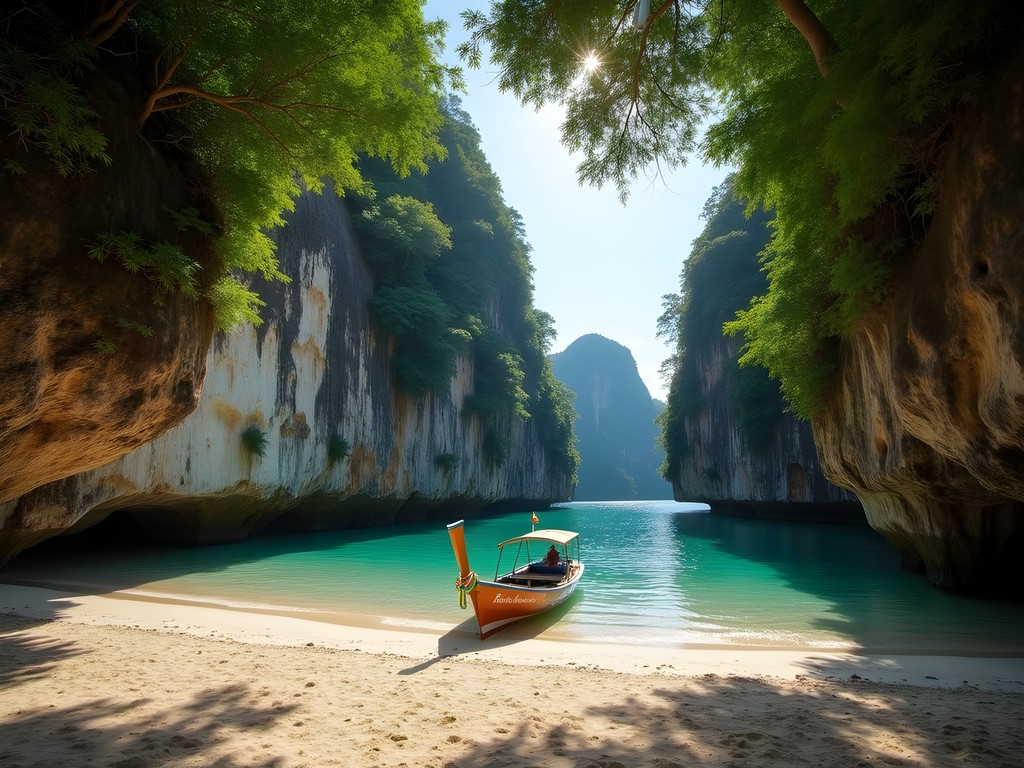
If Pianemo is Raja Ampat's poster child, Friwen Wall is its best-kept secret. This beach sits at the base of a dramatic cliff where rainforest cascades down to meet one of the world's most spectacular wall dives. The beach itself is small—maybe 30 meters of coarse sand and coral fragments—but what happens beneath the surface is extraordinary.
I've always approached luxury travel through the lens of craftsmanship, and Friwen's underwater wall represents nature's masterwork. The reef drops vertically from 3 meters to beyond 40, creating a living tapestry of hard and soft corals. Even from the beach, snorkeling the wall's upper sections reveals schools of barracuda, Napoleon wrasse, and reef sharks patrolling the blue.
The beach experience here is intimate and wild. There are no facilities, no other tourists during our full-day visit, just primary rainforest sounds mixing with gentle waves. We anchored our boat in the protected cove and spent six hours alternating between beach relaxation and underwater exploration. For serious snorkelers, a full-face snorkel mask transformed the experience—the wide field of vision let me track a hunting cuttlefish without constantly clearing my traditional mask.
💡 Pro Tips
- Bring a reef identification guide—the biodiversity here is overwhelming and having names for what you're seeing enriches the experience
- The wall creates upwelling currents that can be strong—stay close to the reef face and use it as a natural current break
- Pack a complete picnic lunch as there are no facilities within an hour's boat ride

4. Kri Island's Long Beach: The Social Hub
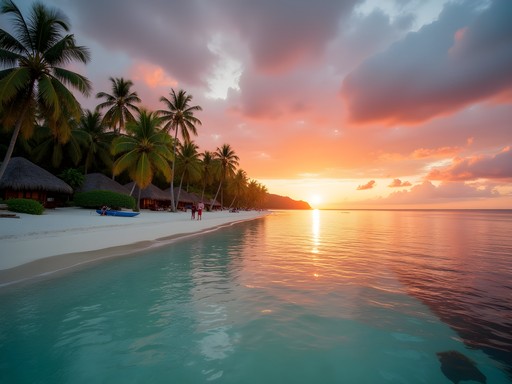
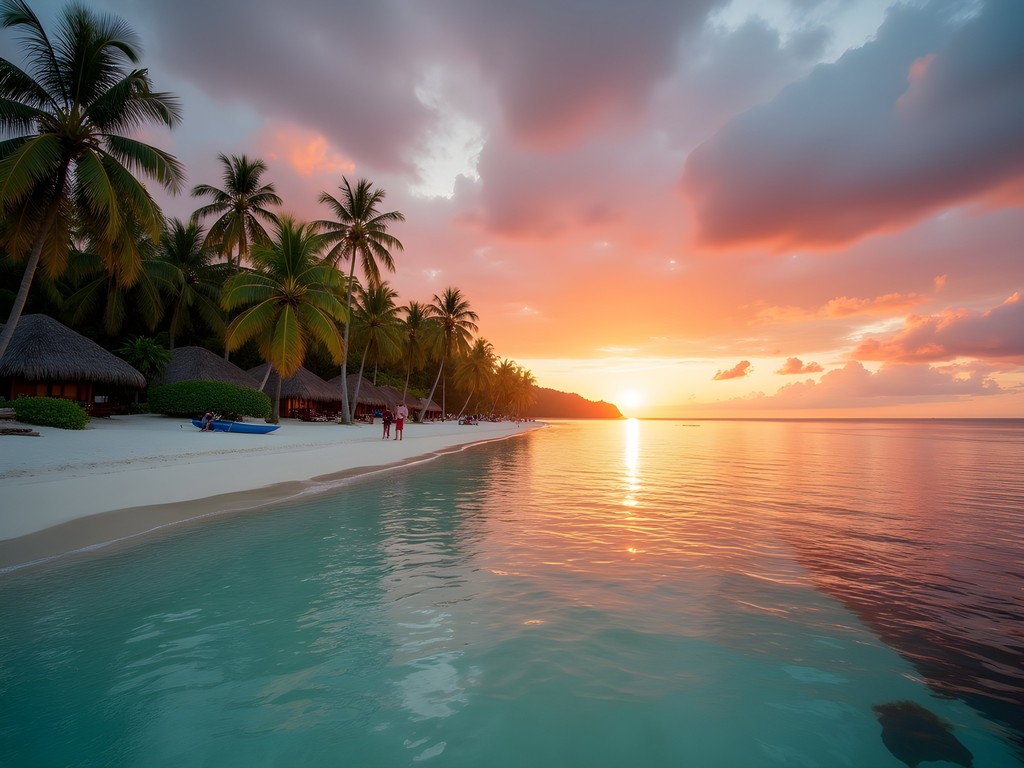
After days of remote exploration, Kri Island's three-kilometer stretch of white sand felt almost cosmopolitan. This is Raja Ampat's most developed beach area, hosting several eco-resorts and homestays, but don't let 'developed' fool you—there's still no WiFi, no roads, and electricity runs on solar and generators.
What makes Kri special is the community. We met dive instructors from six countries, marine biologists conducting coral surveys, and Indonesian families running homestays with genuine warmth. The beach itself curves gently, backed by coconut palms and pandanus trees, with house reefs accessible directly from shore. During our four-night stay, I walked this beach at different times and never saw the same conditions twice—morning calm gave way to afternoon breezes perfect for cooling off, while sunset brought that golden hour light that makes every photograph look professionally edited.
The practical side of me appreciated Kri's infrastructure. After a week of boat-based camping, having a proper bed, consistent meals, and the ability to charge devices felt luxurious. The island's position also makes it an ideal base for day trips to surrounding sites. We kept our snorkel gear organized in a mesh equipment bag that dried quickly between dives and kept sand out of our expensive gear.
💡 Pro Tips
- Book accommodation at least six months in advance—the handful of quality resorts fill up quickly during dry season
- Rent fins and masks on-site rather than bringing your own—saves luggage space and supports local businesses
- The house reef is best snorkeled during incoming tide when visibility peaks and larger fish move into the shallows
5. Yenbuba Jetty Beach: Architecture Meets Nature
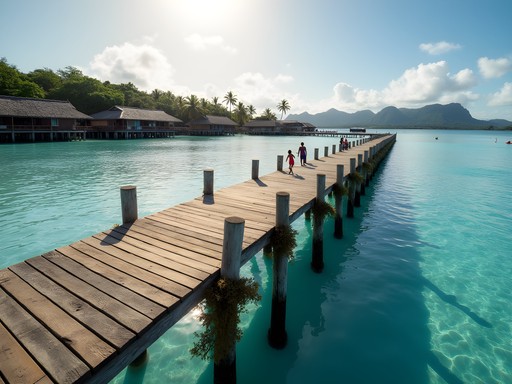
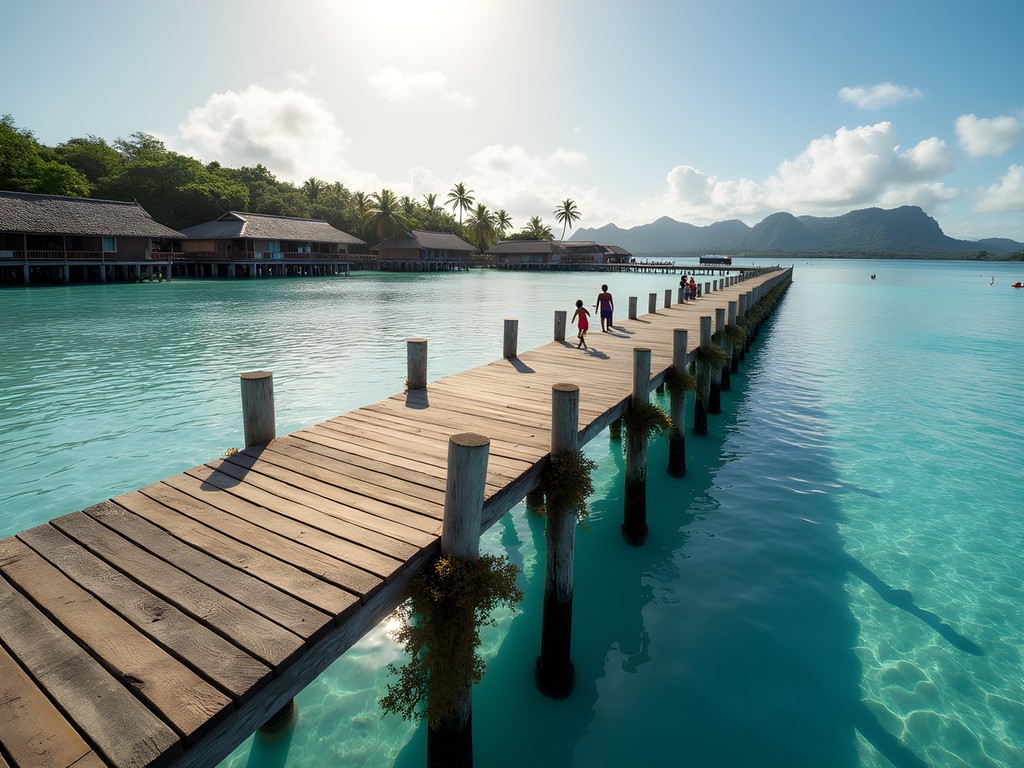
My HVAC background means I notice structures others might overlook, and Yenbuba's century-old wooden jetty is an engineering marvel. This beach on Gam Island combines natural beauty with human craftsmanship—a weathered pier extends 100 meters over crystalline shallows, creating an artificial reef that attracts incredible marine life.
The beach curves around a protected bay where traditional Papuan villages dot the shoreline. What fascinated me was watching local children use the jetty as their playground, diving off posts worn smooth by generations of hands and feet. The wood itself—ironwood harvested sustainably from the forest behind the village—has survived decades of salt water and tropical weather without modern preservatives.
Underwater, the jetty posts host soft corals, sponges, and cleaning stations where you can float motionless as fish queue up for parasite removal. The shallow water (2-4 meters) makes this ideal for less confident swimmers, while the proximity to the village adds cultural dimension often missing from remote beach experiences. We were invited to share afternoon tea with a family whose homestay overlooked the jetty—these authentic interactions are what transform good trips into unforgettable ones.
💡 Pro Tips
- Visit during late afternoon when village life is most active and you can observe traditional fishing methods
- Ask permission before photographing people—most villagers are welcoming but appreciate the courtesy
- The jetty provides excellent shade during midday heat—bring a book and spend a few hours just watching marine life below
6. Wayag Lagoon Beaches: The Ultimate Reward
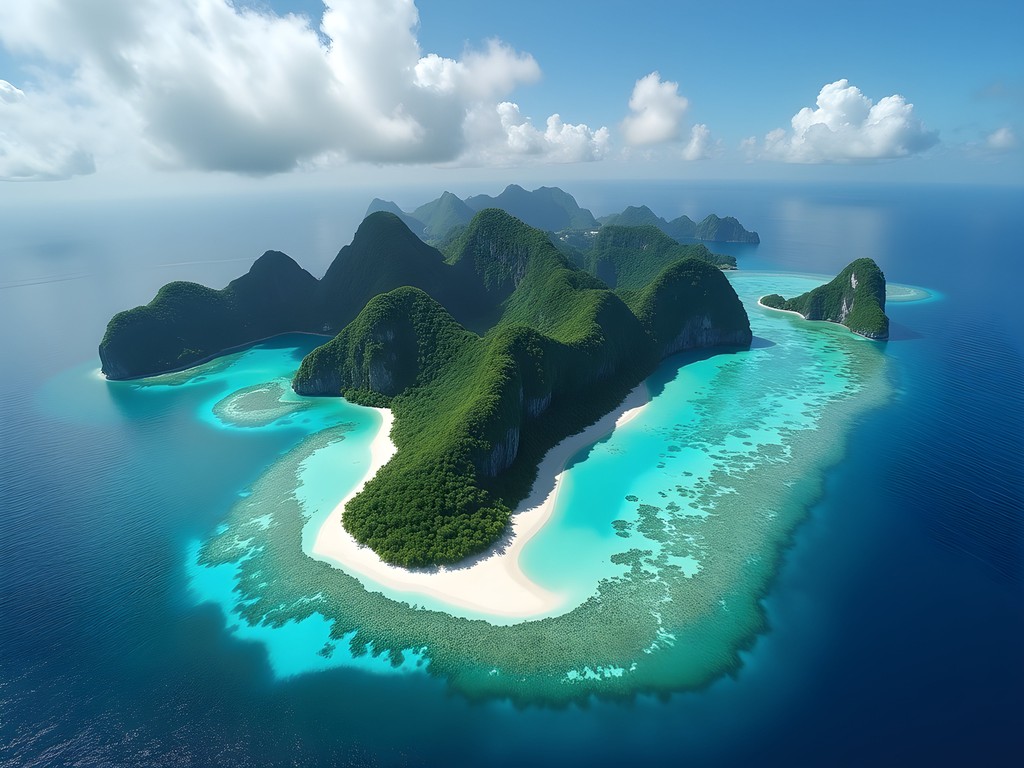
Getting to Wayag requires commitment: a 6-hour boat journey from Waisai through open ocean, camping on uninhabited islands, and accepting that weather might strand you for extra days. But if Pianemo is Raja Ampat's postcard, Wayag is its masterpiece—a labyrinth of karst islands creating dozens of hidden lagoon beaches accessible only by kayak or small boat.
We spent three days exploring Wayag's complex geography, discovering new beaches each time we rounded another limestone tower. Some were tiny—barely 10 meters of sand between jungle and water. Others stretched 50 meters, backed by caves where swiftlets nested. The constant was that electric blue water, so clear that depth perception became impossible.
The famous viewpoint climb (similar to Pianemo but more challenging) rewards you with a panorama that seems computer-generated in its perfection. From 200 meters up, you can see the entire lagoon system, count dozens of beaches, and understand why this remote corner of Indonesia appears on every 'world's most beautiful places' list. The physical effort required to reach Wayag filters out casual tourists—during our three days, we encountered only one other group, making the experience feel genuinely exploratory.
For multi-day camping trips like this, a quality portable water filter is essential. We filtered water from freshwater streams on uninhabited islands, eliminating the need to carry days' worth of bottled water.
💡 Pro Tips
- Book Wayag trips only with experienced operators who have reliable boats and proper safety equipment—this is serious open ocean travel
- Pack for self-sufficiency: all food, water, camping gear, and emergency supplies must come with you
- The viewpoint climb is steep and exposed—start at dawn before heat becomes dangerous and bring twice the water you think you'll need
7. Arborek Island Beach: Perfection in Miniature
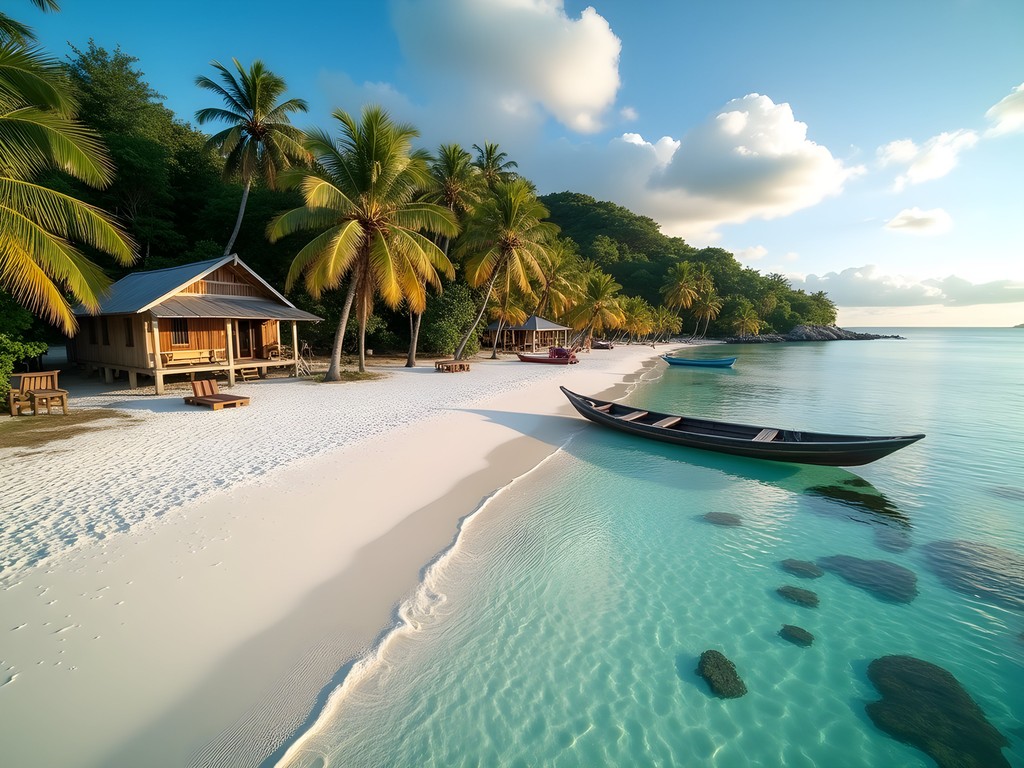
Our final beach was Arborek, a tiny island you can walk around in 20 minutes. The village occupies most of the landmass, leaving a crescent of white sand on the eastern shore that might be the most perfect beach I've encountered anywhere. Perfect not because it's the largest or most dramatic, but because every element—sand quality, water clarity, reef health, cultural authenticity—exists in ideal proportion.
Arborek is famous among divers for manta rays that visit a nearby cleaning station, but the beach itself deserves equal recognition. The sand is powdery white, the water transitions through every shade of blue, and the fringing reef starts just meters from shore. We spent our last afternoon here alternating between snorkeling and lounging under borrowed umbrellas, watching local women weave palm fronds into roof thatch with techniques unchanged for centuries.
What makes Arborek special is how the village has embraced tourism without losing identity. Women run a cooperative selling handicrafts, homestays provide income while maintaining traditional architecture, and visitors are welcomed as guests rather than customers. After two weeks of increasingly remote beaches, Arborek felt like coming full circle—a reminder that paradise isn't just about pristine nature, but about communities that preserve their culture while sharing their home.
💡 Pro Tips
- Support the women's handicraft cooperative—their woven bags and necklaces are genuine local work, not mass-produced souvenirs
- The manta cleaning station is a 10-minute boat ride away—combine your beach day with an early morning manta snorkel
- Stay overnight if possible—the village at sunset and sunrise reveals rhythms you'll miss on day trips
Final Thoughts
Raja Ampat isn't easy luxury—it's earned luxury. You'll spend hours in boats, sleep in basic accommodations, and surrender control to weather and tides. But for couples seeking genuine adventure wrapped in unparalleled natural beauty, these seven beaches represent something increasingly rare: places that haven't been optimized, sanitized, or simplified for mass tourism.
My HVAC work taught me that the best systems are invisible—they create perfect conditions without drawing attention to themselves. Raja Ampat operates on similar principles. The infrastructure is minimal, the human footprint light, but the experience it enables is profound. These beaches aren't just beautiful; they're reminders of what Earth looked like before we paved paradise.
Two weeks gave us enough time to move slowly, weather delays, and truly absorb each location. We returned to Valencia sunburned, exhausted, and already planning our return. Because once you've seen water that color, walked sand that pristine, and experienced isolation that complete, every other beach becomes a comparison. Start planning now—Raja Ampat isn't getting any less remote, but it is getting more discovered.
✨ Key Takeaways
- Raja Ampat requires significant planning and physical capability—this is advanced-level beach exploration, not resort relaxation
- Two weeks allows proper exploration of the archipelago's geography while building in weather contingency days
- The best experiences come from balancing famous sites like Pianemo with lesser-known gems like Friwen Wall and Yenbuba
📋 Practical Information
Best Time to Visit
October through April (dry season with calmest seas and best visibility)
Budget Estimate
$4,500-7,000 per person for 2 weeks including domestic flights, liveaboard or resort accommodation, boat charters, and meals
Recommended Duration
14 days minimum to properly explore multiple islands and account for weather delays
Difficulty Level
Advanced - Requires Physical Fitness, Comfort With Basic Conditions, And Flexibility With Unpredictable Logistics




Comments
travelclimber
When's the best time to visit? Trying to plan around monsoon season.
Marco Flores
October to April is generally the dry season for Raja Ampat. I'd aim for October-November before the crowds pick up!
happyseeker
I'm a beginner diver (just got certified last summer) and this is exactly the kind of place I dream about! Is Raja Ampat suitable for someone with only 15 dives under their belt or should I get more experience first? The currents look pretty intense in some of your photos. Also practically speaking, what's the wifi situation like? I work remotely so need to stay somewhat connected.
escapechamp
The Pianemo photo is stunning!
Megan Martin
Excellent write-up, Maya. I appreciate your honest take on the 'earned luxury' aspect - too many travel blogs gloss over the logistics of reaching these remote destinations. For readers planning a trip, I'd recommend allocating at least 10 days if you're flying internationally. The journey from major hubs like Jakarta involves multiple connections and weather delays are common. Also worth noting: dive insurance is essential here. The nearest recompression chamber is hours away. I learned this lesson the hard way during a press trip to the Maldives. Your HVAC background probably gave you great problem-solving skills for these unpredictable travel situations!
luckylegend
Good point about the dive insurance, didn't even think of that.
luckylegend
How difficult is it to get between the different beaches? Do you need to hire private boats or are there scheduled services?
Kimberly Murphy
Maya, I love that you mentioned the 'earned luxury' aspect! So many people expect Raja Ampat to be like the Maldives and get disappointed by the basic accommodations. But that's exactly what makes it special - you're there for nature, not fancy hotels. The Friwen Wall dive was probably the most incredible underwater experience of my life. One tip for anyone planning: book your liveaboard well in advance (like 6+ months) if you're going during peak season. And definitely bring a good underwater camera - you'll regret it if you don't!
Marco Flores
Maya, your description of Friwen Wall Beach really resonates! I had a similar experience diving in the Banda Islands last year - that moment when you surface and realize you're completely alone with nature, no other boats in sight. The remoteness of Eastern Indonesia is what makes it so special. Did you get to do any night dives? The bioluminescence in these waters is absolutely magical. Also curious about your HVAC background - that's such an interesting path to travel writing!
happyseeker
Wait night dives with bioluminescence?? That sounds amazing, tell me more!
triptime
Adding this to my bucket list right now!
roambackpacker
Wow those photos are insane! Adding this to my bucket list
Kimberly Murphy
Do it! I went last year and it's absolutely worth the journey. The boat rides are long but the scenery makes up for it!
roambackpacker
How long did you stay? Trying to figure out if 5 days is enough
Kimberly Murphy
I did 7 days and honestly could've stayed longer. 5 days would work if you focus on just a few islands, but the weather can be unpredictable so give yourself buffer time!
nomadadventurer
This looks absolutely incredible! Quick question - you mentioned basic accommodations, what kind of budget should someone realistically plan for a week there? I'm used to backpacker prices in SE Asia but not sure if Raja Ampat is on another level.
escapechamp
Not the author but I looked into this last year - it's definitely pricier than mainland Indonesia. Expect $80-150/night for homestays and boat trips add up fast.
nomadadventurer
Thanks! Yeah that's what I was afraid of lol. Still worth it though from these photos.
Venture X
Premium card with 2X miles, $300 travel credit, Priority Pass