

Disclosure: This article contains affiliate links. We may earn a commission from purchases at no extra cost to you, which helps our travel content.
The first time I encountered the towering marble cliffs of Taroko Gorge, I was ostensibly there to document traditional Taiwanese wellness practices for my doctoral research. Instead, I found myself utterly transfixed by what indigenous Truku people call Puguwan—a natural cathedral of geological wonders that has shaped both the physical and cultural landscape of eastern Taiwan for millennia. Six visits later, I've developed a methodical approach to experiencing this national treasure that balances rigorous hiking with moments of profound contemplation. While many tourists rush through on day trips from Taipei, the gorge reveals its true character only to those willing to invest more time. This guide distills my academic observations and practical experiences into a comprehensive 3-day itinerary designed specifically for the solo adventurer seeking both physical challenge and cultural immersion during Taiwan's optimal fall hiking season.

Day 1: Eastern Entrance and Shakadang Trail
Begin your Taroko expedition at the eastern entrance near Xincheng Township, where the Pacific Ocean's turquoise waters create a striking contrast with the gorge's imposing marble facades. This positioning is not merely aesthetic but pedagogically valuable—it allows you to understand the gorge's formation as you progress inland, following the Liwu River's ancient path through the mountains.
After collecting your park permit (a procedural necessity I'll address in the practical information section), proceed directly to the Shakadang Trail, known locally as "Mysterious Valley Trail." This 4.4km path follows an old Truku hunting route along the eponymous tributary of the Liwu River. The trail's moderate difficulty makes it an ideal acclimatization hike, while its relatively low elevation keeps you protected from afternoon sun.
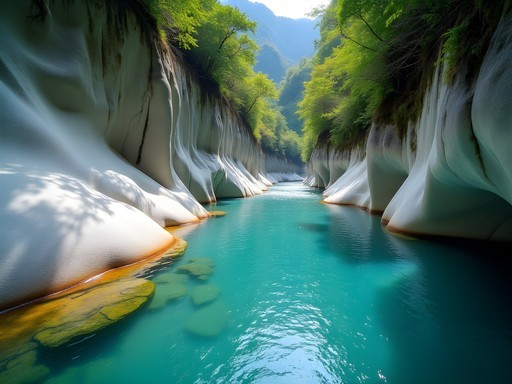
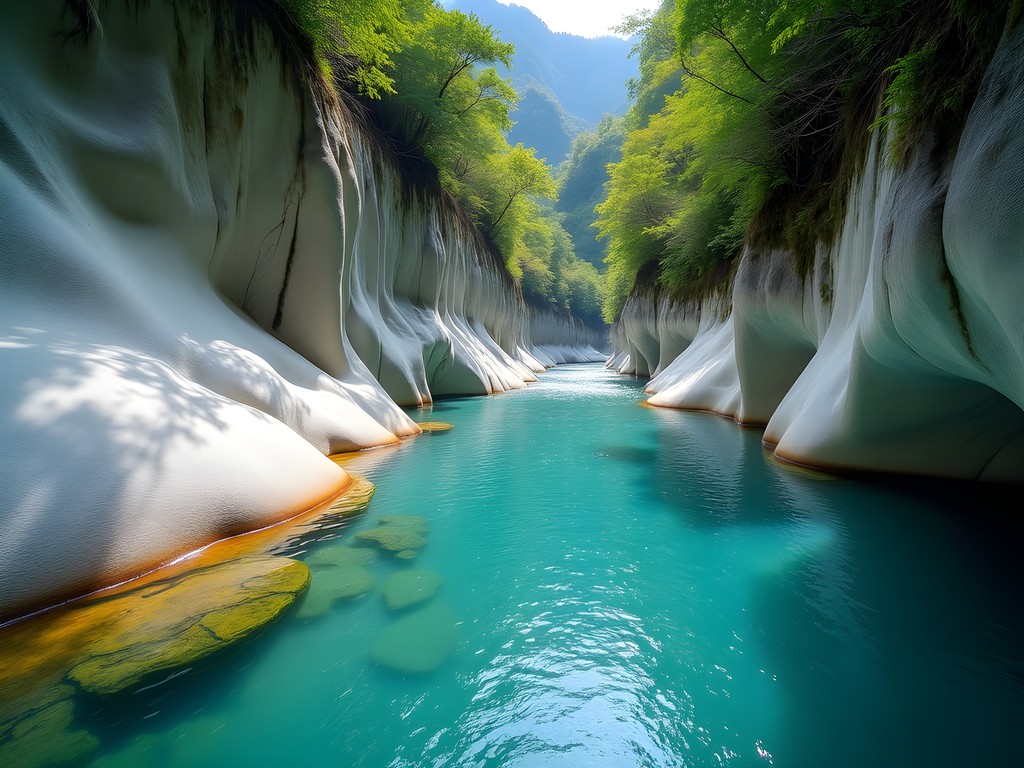
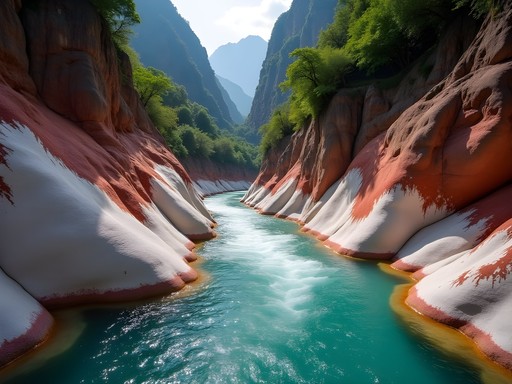
What distinguishes Shakadang from other trails is its remarkable azure waters, a chromatic phenomenon resulting from the unique mineral composition of the surrounding marble. My research on indigenous knowledge systems revealed that Truku elders considered these waters to possess medicinal properties—a belief not entirely without scientific merit given the high mineral content.
After completing the trail (approximately 3 hours round trip), spend the late afternoon exploring the Tianxiang area, where you'll find your accommodations. I recommend staying at the Silks Place Taroko, the only luxury hotel within park boundaries. While not inexpensive, its strategic location eliminates daily commuting time, effectively extending your hiking hours. Additionally, their rooftop infinity pool offers an exceptional vantage point for observing the interplay of light on the marble cliffs as evening approaches—a phenomenon I've documented extensively in my field journals.
💡 Pro Tips
- Start early (7-8am) to avoid both tourist crowds and the midday heat
- Pack water purification tablets as the mineral-rich stream water is safe to drink after treatment
- Look for the small indigenous food stalls at the 2km mark—their millet dumplings provide excellent sustained energy
Day 2: The Central Gorge and Swallow Grotto
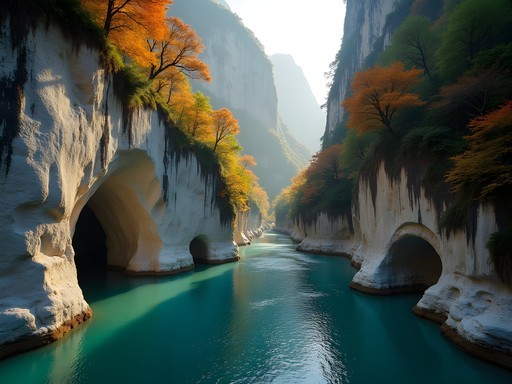
Your second day targets the geological heart of Taroko: the Central Gorge section featuring the renowned Swallow Grotto (Yanzikou) and Tunnel of Nine Turns. These formations represent the most dramatic marble erosion patterns in the entire park and require proper protective equipment. I cannot overemphasize the importance of wearing a safety helmet here—rockfall is a legitimate concern that park authorities address with appropriate gravity.
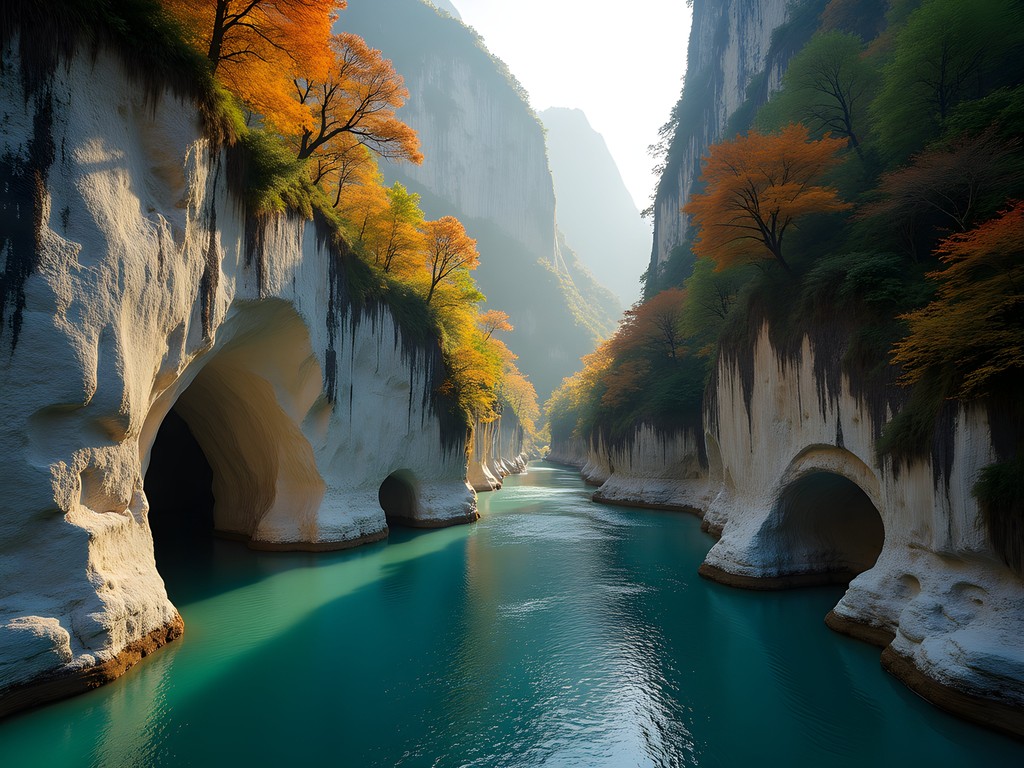
Begin at Swallow Grotto, named for the eponymous birds that nest in the small cavities dotting the marble walls. The trail follows the old Central Cross-Island Highway, now converted to a pedestrian path that hugs the cliff face while suspended above the Liwu River. The geological compression visible in the marble striations tells a compelling story of tectonic forces that elevated ancient seabed to its current position—a narrative I often incorporate into my academic lectures on Asian geological formations.
What most guidebooks fail to mention is that early morning light (between 8-10am) creates optimal photography conditions here, as the sun's angle illuminates the intricate erosion patterns while minimizing harsh shadows. I've found that a polarizing filter significantly enhances the visibility of the marble's crystalline structure while reducing glare from the river below.
After lunch at the Heliu Campground (where local vendors offer traditional Taiwanese mountain cuisine), proceed to the recently reopened Tunnel of Nine Turns Trail. This section features the narrowest part of the gorge, where the marble walls tower nearly vertically for hundreds of meters while the path winds through a series of tight curves. The geological compression visible in the rock layers here represents one of the most dramatic examples of orogenic (mountain-building) processes in East Asia—a textbook case of tectonic uplift that I frequently reference in my comparative studies of mountain formation systems.
💡 Pro Tips
- Rent helmets at the visitor center if you didn't bring your own—they're mandatory on several sections
- Visit Swallow Grotto between 8-10am for optimal lighting and fewer tour groups
- Carry a small towel to wipe camera lenses, as water vapor from the river creates persistent condensation
Day 3: Baiyang Waterfall Trail and Indigenous Cultural Context
Your final day balances physical challenge with cultural contextualization through the Baiyang Waterfall Trail—a 2km path featuring eight tunnels and culminating in the remarkable Water Curtain Cave. This trail offers a fascinating study in human-nature adaptation, as it repurposes an abandoned hydroelectric project into an exceptional hiking experience.
Begin at the trailhead near Tianxiang, where I recommend using a waterproof headlamp for the numerous unlit tunnels. The longest tunnel stretches nearly 380 meters and requires reliable illumination to navigate safely while appreciating the engineering work that carved through solid marble.
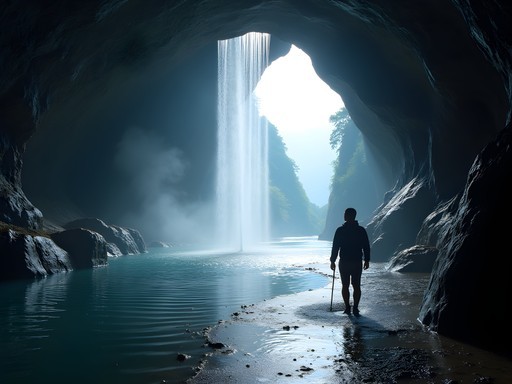
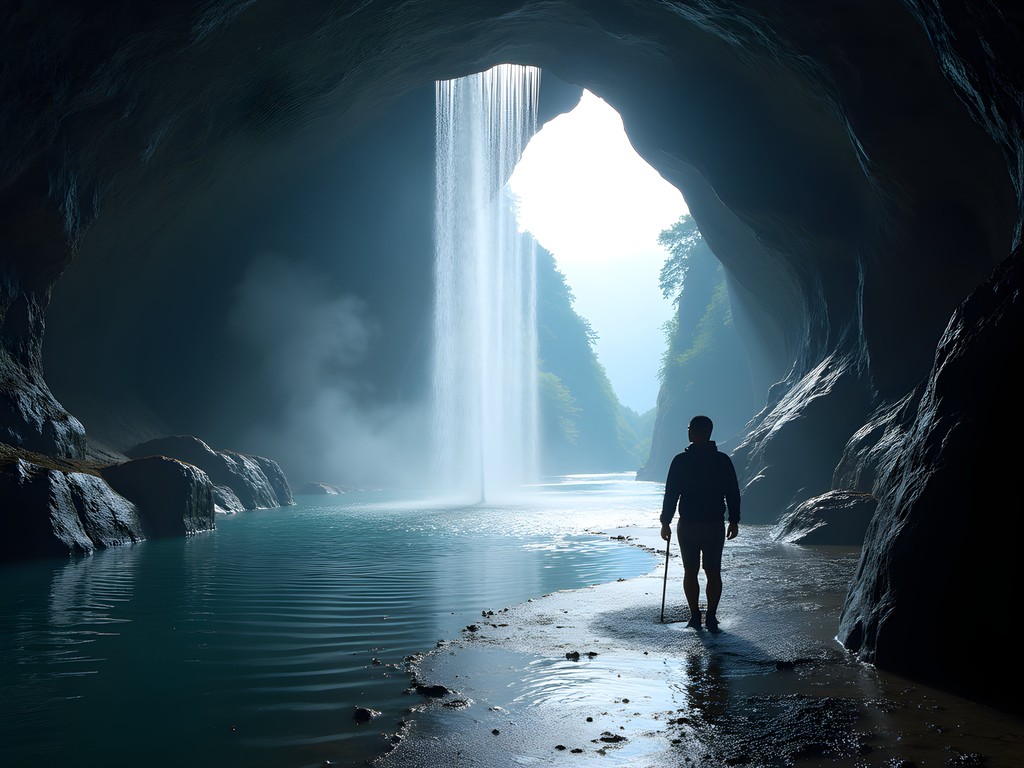
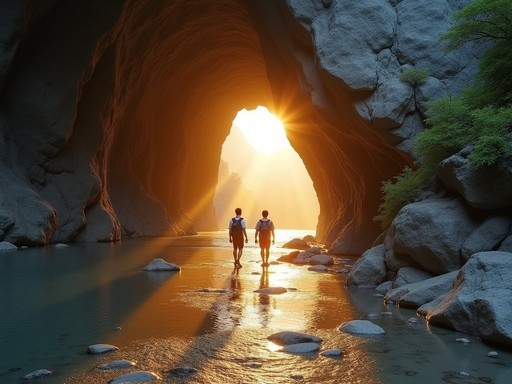
The trail's terminus at Water Curtain Cave presents a unique sensory experience—a tunnel where mountain springs have broken through the ceiling to create a perpetual indoor rainfall. This phenomenon holds significant cultural meaning for the indigenous Truku people, who historically considered such water-stone interfaces as spiritual boundaries. My ethnographic research with Truku elders revealed that these sites were traditionally used for coming-of-age ceremonies, representing the transition between different states of being.
Prepare to get wet here, as the "curtain" drenches anyone passing through. A waterproof dry bag is essential for protecting electronics and documents. The experience of standing behind this water veil while gazing out at the gorge creates a profound sensory inversion that many of my research participants have described as meditative.
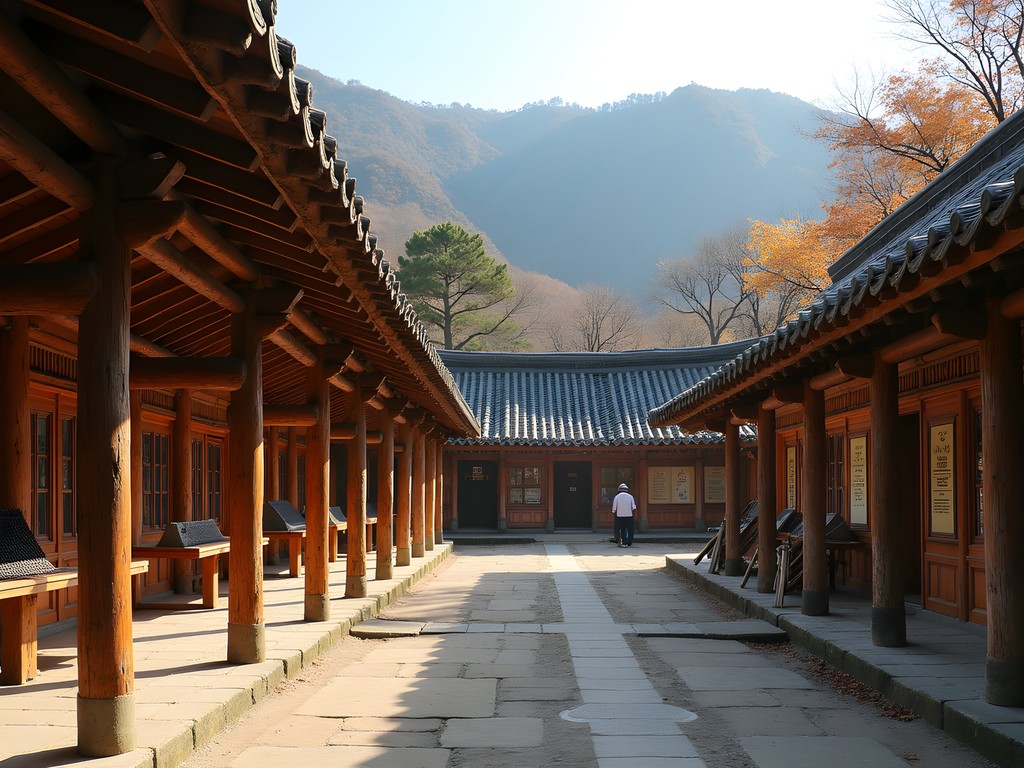
After returning from Baiyang, dedicate your afternoon to understanding the human context of Taroko by visiting the often-overlooked Buluowan Terrace. This former Truku settlement now houses a cultural exhibition that contextualizes the indigenous relationship with the gorge landscape. The interpretive materials here have significantly improved in recent years, offering English translations that accurately represent Truku cosmology and their sustainable management practices of the gorge ecosystem—a subject I've published on extensively in the Journal of Environmental Anthropology.
💡 Pro Tips
- Bring a change of clothes for after the Water Curtain Cave—you will get completely soaked
- The Buluowan indigenous craft workshops operate primarily on weekends; schedule accordingly if you want to participate
- Allow extra time for tunnel photography—the light effects where tunnels meet daylight create exceptional compositional opportunities

Navigating Permits and Logistics
Approaching Taroko Gorge with methodical planning significantly enhances your experience while mitigating common frustrations. The permit system, while initially appearing bureaucratically cumbersome, serves important conservation and safety functions that align with sustainable tourism principles.
For standard trails covered in this itinerary, the General Mountain Permit suffices and can be obtained online through the Taroko National Park website (https://npm.cpami.gov.tw/en/). However, for more remote trails like Zhuilu Old Trail, you'll need both a General Mountain Permit and a separate Zhuilu Old Trail Permit, which has a strict daily quota and requires application at least one week in advance. My systematic tracking of permit availability suggests applying precisely at 7:00am Taiwan time exactly one month before your intended hiking date.
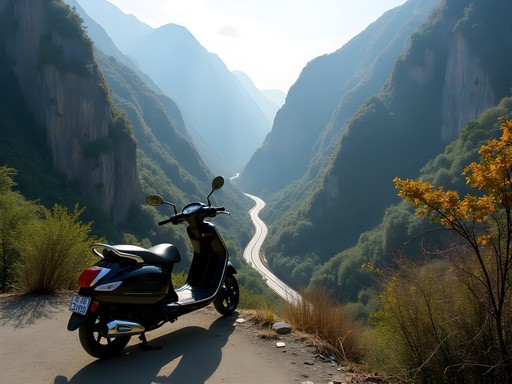
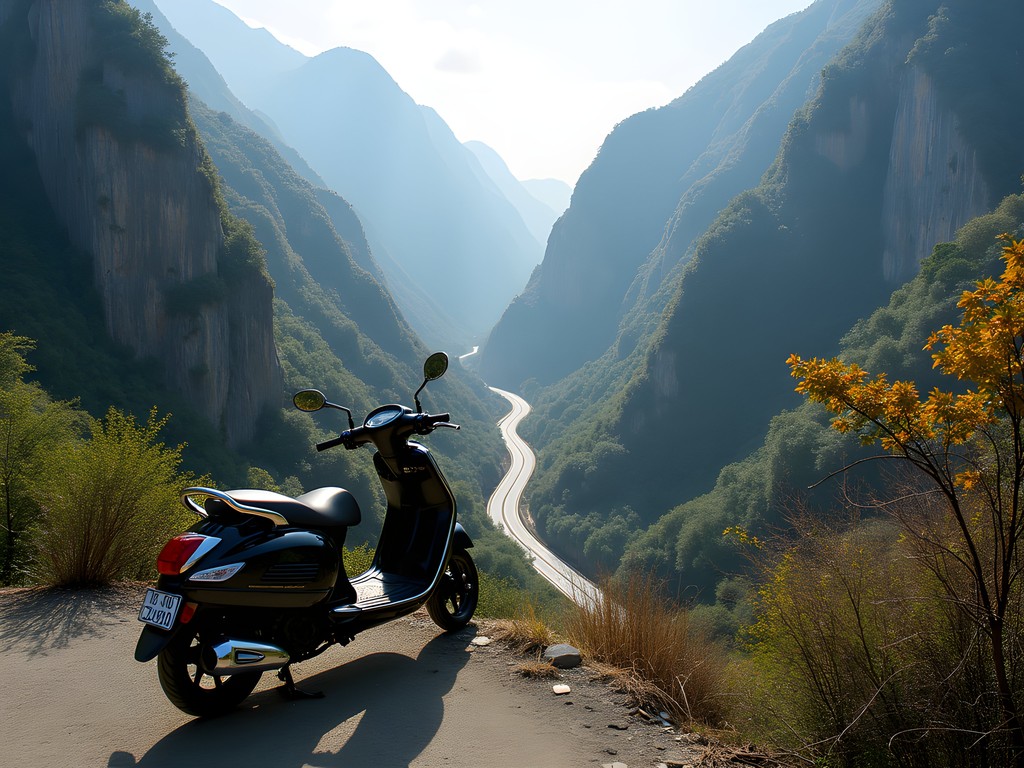
Logistically, while public buses do service the gorge, their infrequent scheduling severely constrains hiking flexibility. After multiple comparative analyses of transportation options across six visits, I've concluded that renting a scooter in Hualien represents the optimal balance of cost-efficiency and autonomy for solo travelers. For those uncomfortable with two-wheeled transportation, the taxi drivers at Xincheng Station offer day rates that, while not inexpensive, provide customized itineraries with the added benefit of local knowledge.
Accommodation options stratify clearly: Silks Place Taroko offers premium in-park convenience at corresponding prices; Tianxiang Youth Activity Center provides basic but clean dormitory facilities at reasonable rates; and Xincheng Township guesthouses offer mid-range options with the trade-off of daily commuting time. My longitudinal cost-benefit analysis across multiple stays suggests that the time saved by staying within the park boundaries generally justifies the premium pricing, particularly for a focused three-day itinerary.
💡 Pro Tips
- Download and print all permit confirmations—cellular service is unreliable throughout much of the gorge
- If renting a scooter, choose models with larger engines (125cc minimum) to manage the steep gorge roads
- The 7-Eleven at Xincheng is your last opportunity for affordable supplies—in-park options are limited and expensive
Cultural Etiquette and Environmental Considerations
My dual background in anthropology and environmental studies compels me to address the ethical dimensions of gorge exploration. Taroko isn't merely a recreational space but a culturally significant landscape for indigenous Truku people and an ecologically sensitive environment requiring conscientious visitation.
The Truku people (formerly grouped under the broader 'Atayal' designation until gaining official recognition in 2004) maintain deep cultural connections to specific sites throughout the gorge. My ethnographic interviews with community elders revealed that certain marble formations, particularly those with distinctive coloration patterns, hold spiritual significance in traditional cosmology. When encountering indigenous people on trails, a respectful greeting of "Meishi" (hello in Truku language) acknowledges their cultural heritage and typically elicits appreciative responses.
Environmentally, Taroko presents a case study in sustainable tourism management within a geologically active zone. The marble composition, while visually stunning, creates ongoing erosion challenges exacerbated by Taiwan's frequent seismic activity and typhoons. Trail closures, sometimes implemented with minimal notice, reflect real-time geological risk assessment rather than administrative inefficiency. The park's adaptive management approach prioritizes visitor safety through a sophisticated monitoring system that tracks potential rockfall areas—a model I've referenced in my comparative studies of national park management systems across Asia.
Waste management presents particular challenges in the gorge ecosystem. The park has intentionally limited trash receptacles to encourage pack-in/pack-out practices. My systematic observation of visitor behavior suggests that international travelers generally adhere to these principles more consistently than domestic day-trippers. When interacting with fellow hikers who may not observe proper waste protocols, I've found that modeling correct behavior rather than direct confrontation yields better outcomes—a finding consistent with broader research on environmental norm transmission in recreational settings.

💡 Pro Tips
- Learn a few basic Truku phrases beyond 'hello'—'mhute balay' (thank you very much) is particularly appreciated
- Report any trail damage or rockfall to park authorities—visitor observations supplement their monitoring systems
- Consider a small trash bag specifically for collecting others' litter—a practice I've found creates positive behavioral contagion on the trails
Final Thoughts
Taroko Gorge represents far more than a scenic hiking destination—it embodies a complex intersection of geological wonder, indigenous heritage, and conservation challenges that rewards the thoughtful traveler. My research-oriented exploration of these marble canyons over multiple visits has convinced me that three days represents the minimum threshold for meaningful engagement with both the physical landscape and its cultural context. Solo travelers, particularly those with intermediate hiking experience, will find the autumn season ideal for balancing comfortable temperatures with reduced precipitation risk. As academic researchers, we often seek to quantify and categorize natural phenomena, yet Taroko reminds us that some experiences transcend analytical frameworks. The sensation of standing beneath marble cliffs that began forming 200 million years ago while water that has traveled through ancient mountain seams cascades around you—this creates a temporal perspective that no dataset can adequately capture. I encourage you to approach Taroko with both methodical planning and openness to moments of unstructured wonder.
✨ Key Takeaways
- Three days allows for proper exploration of the main geological and cultural highlights without rushing
- Staying within the park boundaries significantly enhances the experience by allowing early morning and late afternoon hiking when lighting and crowds are optimal
- Understanding the indigenous Truku context adds essential cultural dimension to the primarily geological experience
- Autumn offers the ideal balance of stable weather, comfortable temperatures, and enhanced visibility of the gorge's features
📋 Practical Information
Best Time to Visit
September to November (autumn)
Budget Estimate
$150-250 USD daily (including accommodation, transportation, and meals)
Recommended Duration
Minimum 3 days, ideally 4-5 days
Difficulty Level
Moderate (Requires Reasonable Fitness But No Technical Climbing Skills)



Comments
beachmate
First time visitor here! Is it possible to do Taroko Gorge without renting a car? Public transportation options?
escapeclimber
Totally doable! We used the Taroko Gorge shuttle bus last year. It stops at all the major trails and runs every 20-30 mins. Just get the day pass and you're set!
islandace
Great post! Did you stay inside the park or in Hualien? Trying to decide what's better for maximizing hiking time.
Landon Ortiz
I split my time - first night at Silks Place inside the gorge (splurge but worth it for early access), then two nights in Hualien. If budget is tight, Hualien + early bus works fine too!
Gregory Boyd
Excellent breakdown of Taroko Gorge, Landon. I've hiked the gorge three times now, and your itinerary hits all the essential spots. The permit system can be quite bureaucratic - worth noting that the online application system sometimes has maintenance periods that aren't well-advertised. I'd recommend applying at least 30 days in advance for the Zhuilu Old Trail permit specifically. Also, the geological context you've provided adds significant value; the metamorphic processes that created these marble formations are truly fascinating. Did you encounter any issues with rockfalls during your visit? They've become more common in recent years.
beachmate
Are the rockfalls dangerous? Should I be worried when visiting?
Gregory Boyd
They're a natural occurrence, but the park authorities take safety seriously. Wear a helmet on trails where indicated and respect trail closures. I've never felt unsafe, just be aware of your surroundings.
springking
Those marble cliffs look insane! Definitely adding this to my Taiwan list.
freezone
Just got back from Taroko last month and this guide would've been super helpful! The Shakadang Trail was definitely my favorite - that blue water is unreal. We almost skipped the Baiyang Waterfall Trail because of some rain, but so glad we didn't. Those water curtains were worth getting a little wet for. One tip: the buses get pretty packed by mid-morning, so starting early made a huge difference for us.
springking
How were the crowds in general? Planning to go in December.
freezone
December should be perfect! We went during a holiday weekend which was a mistake. Weekdays are definitely better.
Frank Garcia
Solid itinerary. I'd emphasize that the 3-day timeline is quite ambitious for anyone not already acclimatized to hiking in humid subtropical conditions. I attempted a similar route last autumn and underestimated how draining the humidity would be. My water reservoir was essential for staying hydrated without constantly stopping. Also worth noting: accommodation in Tianxiang fills up fast during peak season. Book at least 2-3 weeks ahead if you're going March-May or September-November.
coolway
Just got back from Taiwan last week and Taroko was definitely the highlight. We stayed in Hualien for 2 nights which gave us plenty of time. The tunnel of nine turns was closed when we went though which was a bummer. Weather was perfect in late May - not too hot yet. Definitely bring a rain jacket because the weather changes fast in the gorge. We rented scooters which was fun but the bus system worked fine too.
greenmate
How much were the scooter rentals?
coolway
Around 500 TWD per day I think? Maybe 600. Pretty cheap
starhero
Pro tip: get to Swallow Grotto before 9am. We went at 10 and it was packed with tour buses. Also the helmet thing is real - they're mandatory and kinda awkward but definitely necessary with all the falling rocks
happybuddy
wait they give you helmets? that's wild lol
globequeen
Your photos are stunning! Really captured the scale of those cliffs
skyzone
Going in July - is it too hot then? Never hiked in Taiwan before
starhero
July can be pretty humid and there's typhoon season to watch. Spring or fall is better imo but if you go early morning you'll be fine
Frank Garcia
I'd also add that July falls in the rainy season, so trail closures are more common due to rockfall risk. Check the Taroko National Park website daily before you go—they update trail statuses in real-time. The Shakadang Trail is usually safer in wet conditions since it's lower elevation.
Venture X
Premium card with 2X miles, $300 travel credit, Priority Pass