


Disclosure: This article contains affiliate links. We may earn a commission from purchases at no extra cost to you, which helps our travel content.
The first time I visited Taroko Gorge, I did what every tourist does – snapped photos at the main lookouts, walked the popular trails, and called it a day. But after five visits to Taiwan (and counting), I've developed relationships with locals who've shown me a completely different side of this natural wonder. Last fall, I spent a week exploring Taroko's hidden corners, and let me tell you – the difference between the tourist experience and the local experience is like comparing convenience store kimbap to my grandmother's homemade version. There's simply no contest. This guide isn't about the standard Taroko checklist you'll find everywhere else. Instead, I'm sharing the insider knowledge I've gathered from local friends, experienced guides, and my own adventures going off the beaten marble path in one of Taiwan's most spectacular natural treasures.

Navigating Taroko Beyond the Tour Buses
If you've researched Taroko at all, you know about the shuttle buses that ferry tourists between the main attractions. They're convenient, sure, but they also ensure you'll experience Taroko on someone else's schedule, surrounded by selfie sticks and tour groups.
Instead, rent a scooter in Hualien (around 400 TWD/day) – it's the transportation method of choice for locals exploring the gorge. Just make sure you have an International Driving Permit before arriving in Taiwan. If you're not comfortable on two wheels, consider renting a car (1500-2000 TWD/day) or hiring a local taxi driver for the day (negotiate a rate of about 2500-3000 TWD).
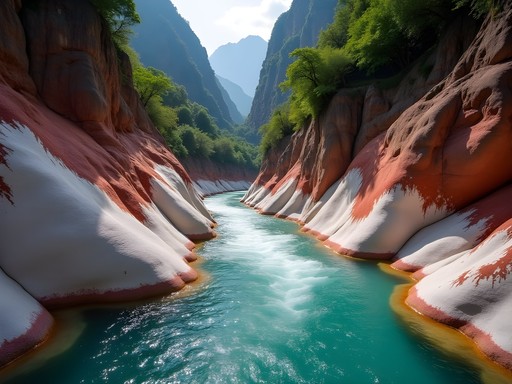
My friend Mei-Lin, who grew up in nearby Xiulin Township, taught me the golden rule of Taroko timing: arrive before 8 AM or after 4 PM. The tour buses operate primarily between 9 AM and 3 PM, so by shifting your schedule slightly, you'll experience the gorge's magnificent marble walls in relative solitude.
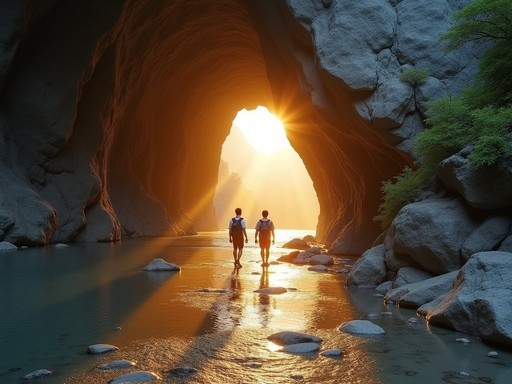
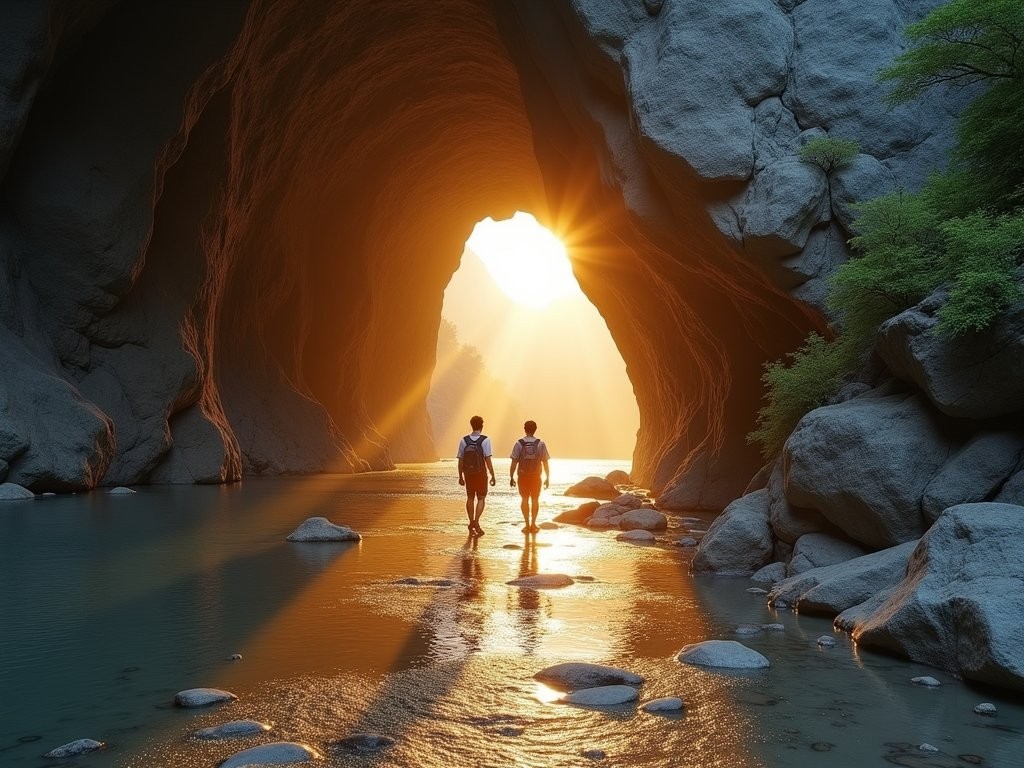
One of my favorite memories was riding my scooter through the tunnels near Swallow Grotto (Yanzikou) just before sunset. The golden light filtering through the cave openings created an almost mystical atmosphere, and I had the viewpoints entirely to myself. I captured the moment with my trusty mirrorless camera, which handles the dramatic light contrasts between dark tunnels and bright gorge views beautifully.
For those planning multiple days of exploration, consider staying at least one night within the park. The Silks Place Taroko offers luxury accommodations, but I prefer the simplicity and authenticity of the Tianhsiang Youth Activity Center, where you'll actually meet Taiwanese travelers rather than just international tourists.
💡 Pro Tips
- Rent a scooter to explore at your own pace, but remember you need an International Driving Permit
- Visit popular spots before 8 AM or after 4 PM to avoid crowds
- Download maps offline since cell service is spotty within the gorge
Hidden Trails That Locals Love
While tourists flock to the paved Shakadang Trail and the suspension bridges of the Baiyang Trail, locals head to lesser-known paths that offer equally stunning – if not more impressive – views without the crowds.
The Zhuilu Old Trail is technically on tourist maps but requires advance permits (apply online at the Taroko National Park website at least one week ahead). This trail follows an ancient hunting path of the Truku indigenous people along a sheer cliff 700 meters above the gorge floor. It's absolutely worth the effort to secure permits – the 3.1km trail offers the most spectacular views in the entire park.
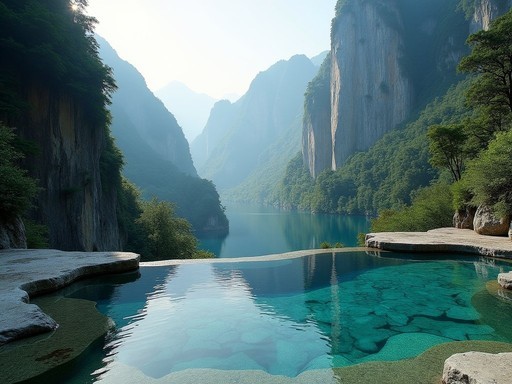
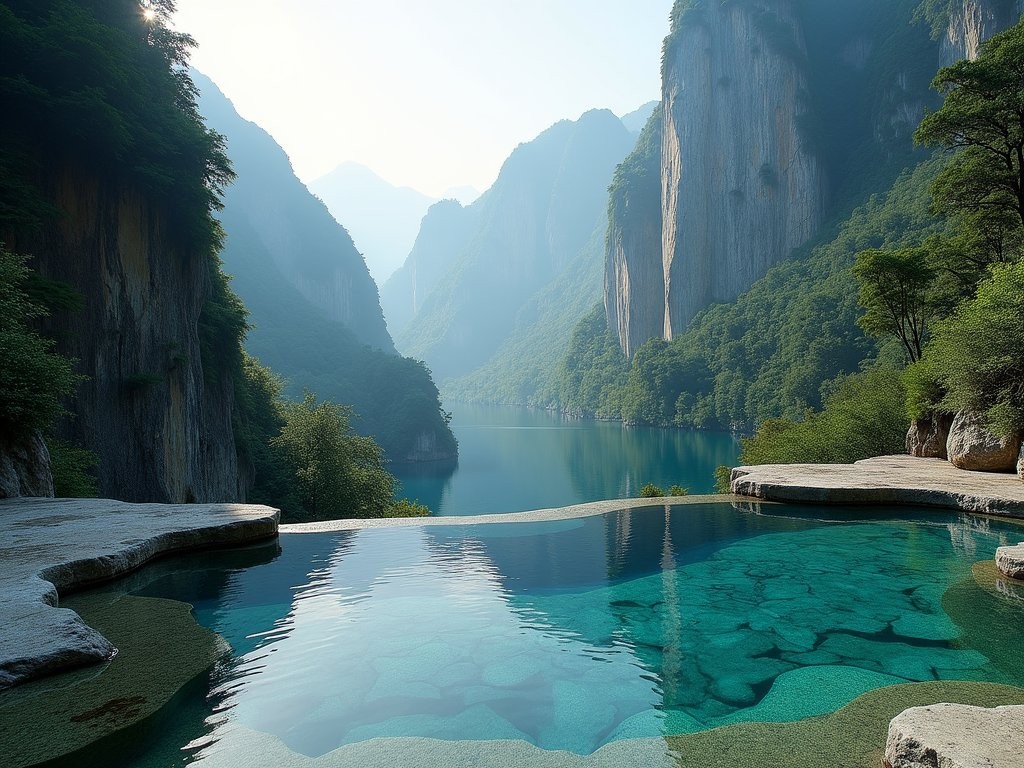
But here's a local secret: there's an unmarked trail near the Wenshan Hot Springs area that leads to a series of natural infinity pools overlooking the gorge. My local friend Chen showed me this spot during my last visit, and I was astonished that such a magnificent location wasn't overrun with visitors. The trail isn't maintained officially, so you'll need proper hiking boots – my waterproof hiking shoes were perfect for the sometimes slippery terrain.
Another hidden gem is the Dali-Datong Trail System, located in the eastern section of the park. Most tourists never make it this far, but the trail offers spectacular river views and connects several aboriginal villages where you can experience authentic Truku culture. I spent an afternoon learning traditional weaving techniques from an elder named Yudis, who spoke limited English but communicated beautifully through demonstration and patience.
For serious hikers looking for a full-day adventure, ask locals about the trail to Nanhu Mountain. It's not for the faint-hearted – you'll need to register with park authorities and potentially hire a guide – but the pristine forests and mountain views are worth every challenging step.
💡 Pro Tips
- Apply for Zhuilu Old Trail permits at least one week in advance
- Pack a water filter bottle for refilling at natural springs along lesser-known trails
- Learn a few basic Truku phrases to connect with indigenous villagers
Authentic Local Food Experiences
Forget the overpriced tourist restaurants near the park entrance. The real culinary treasures of Taroko region are found in small, family-run establishments that most visitors speed past without a second glance.
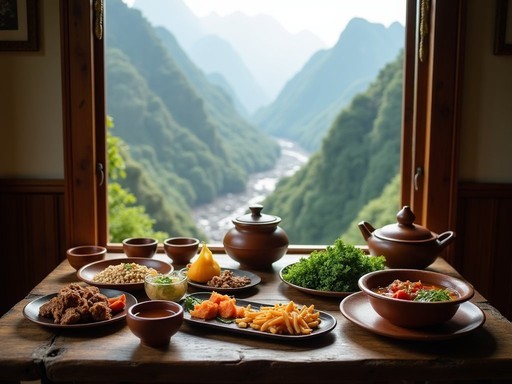
In Xiulin Township, just outside the park's eastern entrance, there's a small aboriginal-owned restaurant called 'Truku Gou' (written only in Chinese characters, so look for the wooden building with colorful woven textiles hanging outside). The mountain boar stew and millet wine are prepared using traditional Truku recipes passed down through generations. The owner, A-Ma, treated me like family by my second visit, insisting I try her special bamboo-steamed river fish that wasn't even on the menu.
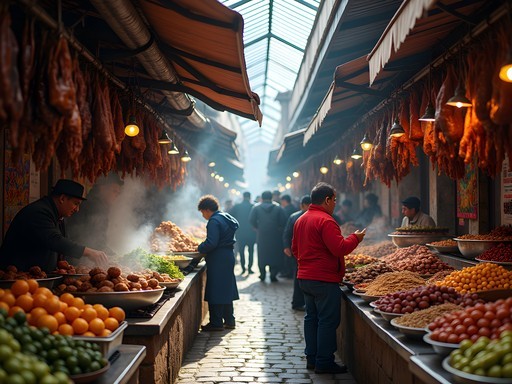
Inside the park itself, most visitors settle for convenience store meals or overpriced hotel food. Instead, pack a proper picnic with supplies from the Hualien Traditional Market (open early morning). The locals' favorite picnic spot is a flat rock area near the Lushui Trail – you'll recognize it by the small shrine tucked under an overhanging rock. I always bring my compact picnic blanket which folds down to pocket size but provides ample space for a feast with a view.
For coffee lovers, there's a secret most tourists never discover: a small coffee plantation in the hills above Tianxiang village. The owner, Mr. Lin, grows and roasts his own beans, producing a uniquely Taiwanese mountain coffee with subtle floral notes. His tiny café has no sign – just look for the house with coffee beans drying on bamboo mats in the front yard. One cup of his hand-dripped coffee while overlooking the gorge ruined me for Starbucks forever.
Don't miss the indigenous-style maqaw-spiced dishes available in the area. Maqaw is a native Taiwanese mountain pepper with a distinctive flavor somewhere between Sichuan pepper and juniper. The aboriginal-owned restaurants incorporate it into many traditional dishes, creating flavors you simply can't experience anywhere else in the world.

💡 Pro Tips
- Look for restaurants with Truku tribal flags or symbols for authentic indigenous cuisine
- Visit Hualien Traditional Market early morning for the freshest picnic supplies
- Ask for 'maqaw' seasoning to try the distinctive native Taiwanese mountain pepper

Sacred Spaces and Cultural Connections
Taroko isn't just about natural beauty – it's a deeply sacred place for the indigenous Truku people, whose ancestors have lived in these mountains for centuries. Most tourists completely miss the cultural significance of the sites they're photographing.
The name 'Taroko' itself comes from the Truku word 'Truku,' meaning 'magnificent and beautiful.' Throughout the gorge, you'll find small shrines and sacred sites if you know what to look for. Near the Eternal Spring Shrine (one of the few well-known spiritual sites), there's a lesser-known path leading to a traditional Truku prayer site marked by colored cloth tied to tree branches. My local friend Apay explained that these represent prayers and connections to ancestors who once hunted and lived in these mountains.
For a deeper cultural experience, time your visit to coincide with the annual Truku Harvest Festival, usually held in late October or early November. The exact dates vary by village, so check with the Hualien Cultural Affairs Bureau. During this time, villages near the gorge host traditional ceremonies, music performances, and share indigenous foods. As an outsider, approach with respect – always ask permission before taking photos of ceremonies or people.
One of my most meaningful experiences came from staying at a small indigenous-owned guesthouse in Xiulin Township. The owner, Iming, is a Truku elder who shares stories of the gorge's history while serving tea made from foraged mountain herbs. Through him, I learned about the resistance his grandparents mounted against Japanese colonizers in these very mountains – stories you won't find in any guidebook.
If you're interested in Truku crafts, skip the touristy shops and visit the workshop of master weaver Yudis in Fushi Village. Her intricate textiles use patterns that tell stories of the tribe's connection to the gorge. While her creations aren't cheap, they represent authentic cultural heritage rather than mass-produced souvenirs. I cherish the small woven bracelet she made for me, explaining each pattern represents different elements of the Taroko landscape.

💡 Pro Tips
- Approach sacred sites with respect and ask permission before taking photos of ceremonies or people
- Learn the phrase 'Mhute su ba' (Thank you) in the Truku language
- Visit during the Harvest Festival (October/November) for authentic cultural experiences
Wild Swimming and Secret Hot Springs
Taiwan's hot spring culture is renowned, but most tourists only experience the developed, commercial springs. In Taroko, locals know of several natural hot springs that offer a much more authentic experience – if you're willing to venture off the main road.
The Wenshan Hot Spring is technically on tourist maps but has been officially 'closed' since a typhoon damaged the area years ago. Locals, however, still access it via a small trail that branches off from the main path. The spring features several natural pools of varying temperatures right alongside the crystal-clear Liwu River. Arrive early (before 8 AM) to potentially have this paradise to yourself. I spent two blissful hours here one morning, alternating between the hot mineral waters and refreshing dips in the river.
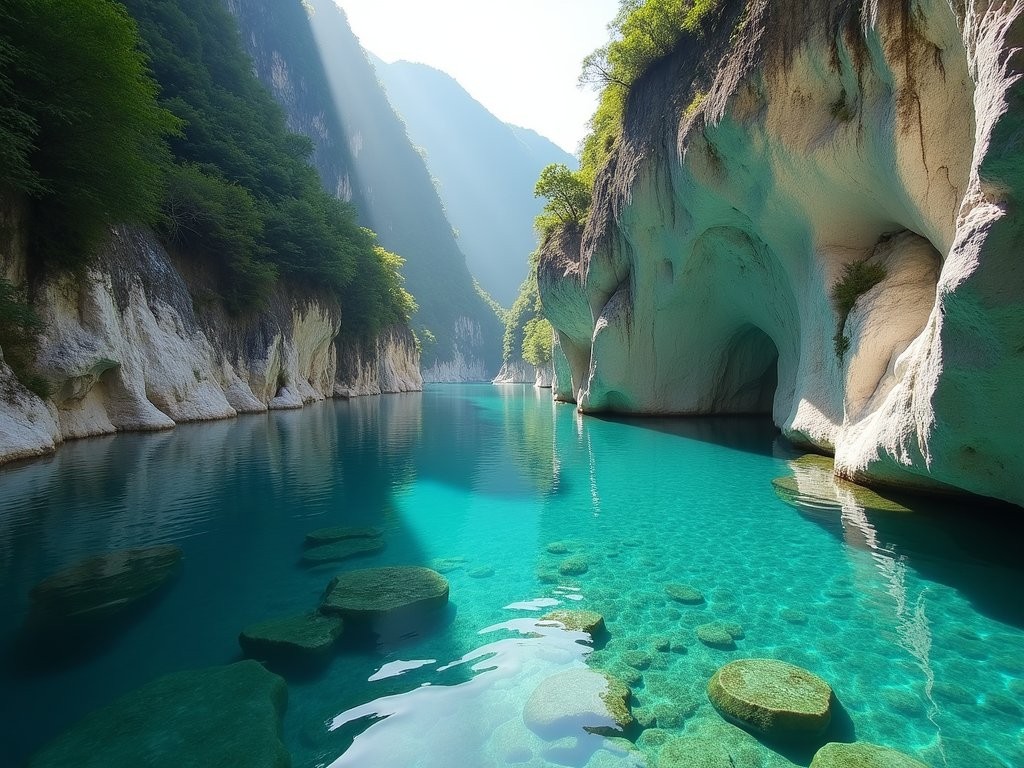
For the truly adventurous, there's a local secret I'm almost hesitant to share. About 2km past the Lushui Geological Exhibition Center, locals know of a trail leading down to a series of deep, turquoise swimming holes in the marble gorge. You'll need to scramble down some rocks, so proper footwear is essential – my water shoes provided perfect grip on slippery surfaces while being comfortable for both hiking and swimming.
The most magical hot spring experience, however, requires befriending a local guide. Near the aboriginal village of Daguan, there's a completely unmarked hot spring that locals call 'Yingri' (Eagle Day) Spring. It's on private tribal land, and you can only visit with permission from the village elders. My friend Chen introduced me to his uncle, who guided us there during my last visit. The spring emerges from a small cave and creates a natural hot pool overlooking the eastern edge of the gorge – possibly the most spectacular bathing view I've ever experienced.
A word of caution: Taiwan's mountains can experience sudden weather changes, especially in fall. Always check weather forecasts before venturing to remote swimming spots, and never enter the water during or after heavy rain when flash floods can occur. The power of water in the gorge is not to be underestimated – locals always check conditions carefully before swimming.
💡 Pro Tips
- Visit Wenshan Hot Spring before 8 AM to avoid crowds
- Pack quick-dry towels and water shoes for wild swimming spots
- Never enter gorge swimming holes during or after heavy rain
Stargazing and Night Adventures
Most visitors leave Taroko Gorge before darkness falls, missing out on one of its most spectacular offerings – the night sky. With minimal light pollution, the gorge becomes a natural planetarium after sunset.
The Taroko National Park Headquarters occasionally offers nighttime ecology tours where you can spot endemic wildlife like flying squirrels and owls, but these book up quickly with local school groups. Instead, I recommend creating your own night adventure with proper preparation.
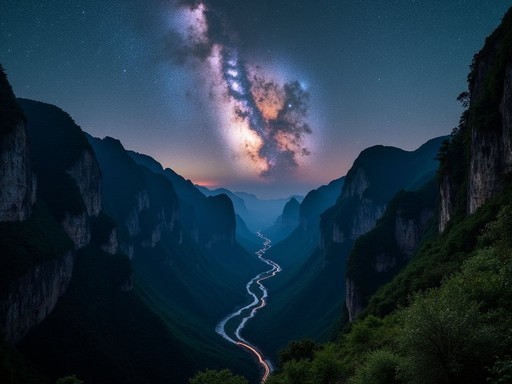
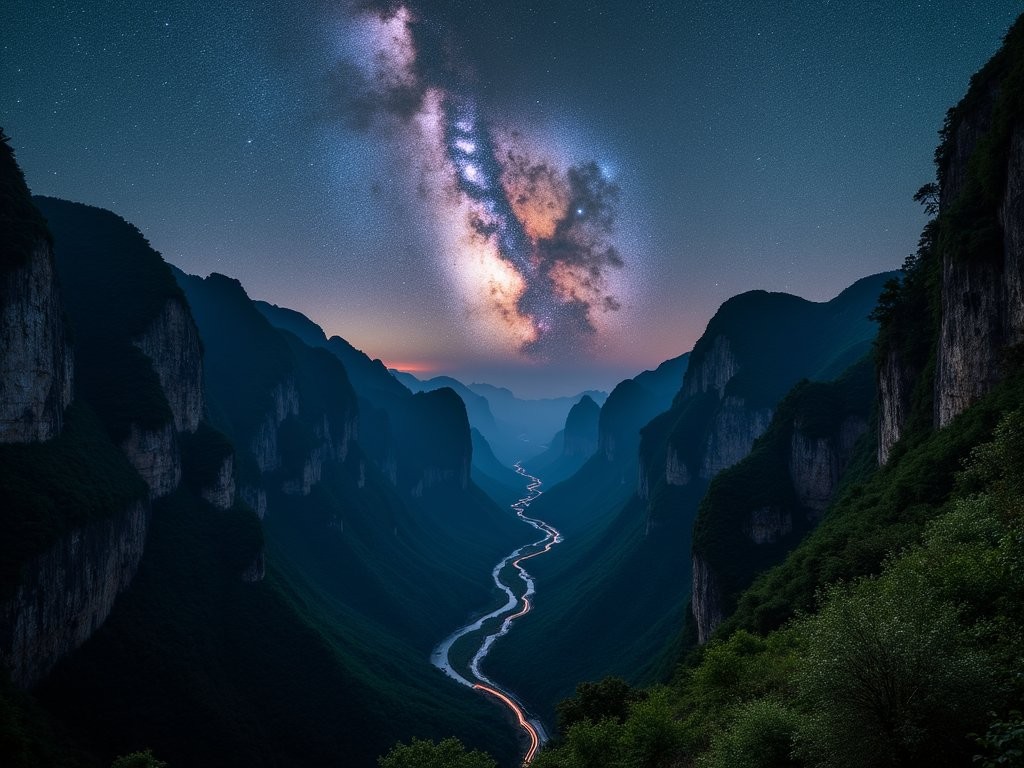
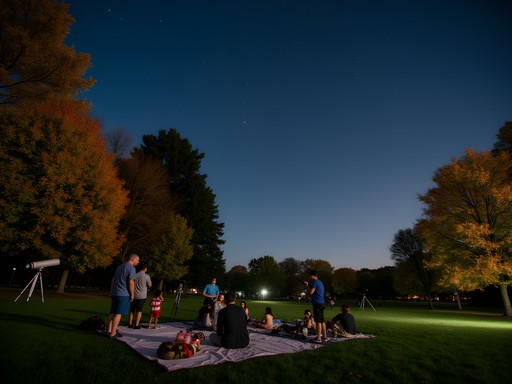
The best stargazing spot according to locals is the Baiyang Trail parking area, which offers a wide-open view of the sky framed by mountain silhouettes. During autumn, the Milky Way aligns perfectly with the gorge around 8-9 PM. A good headlamp is essential for navigating safely while keeping your hands free for photography or telescope setup.
If you're staying overnight in Tianhsiang, ask the staff about the 'Firefly Path' – a small trail behind the accommodation area where, in early fall, you can witness the magical display of thousands of fireflies illuminating the forest. This phenomenon usually peaks in September and early October.
For the truly adventurous, some local guides offer night hiking experiences to viewpoints above the gorge. My friend Huang, a certified mountain guide, took me on a pre-dawn hike to a viewpoint above Qingshui Cliff where we watched the sunrise transform the marble walls from ghostly white to brilliant gold. The experience of hiking by headlamp through the silent forest, then witnessing daybreak over the gorge, was nothing short of spiritual.
Safety note: Never attempt night hiking in Taroko without proper equipment and preferably local guidance. The terrain can be dangerous even in daylight, and wildlife like Formosan black bears, while rarely seen, are active at night. Always inform someone of your plans and expected return time.
💡 Pro Tips
- Bring a red-light headlamp to preserve your night vision for stargazing
- Download a star map app that works offline to identify constellations
- Book a local guide for safe night hiking experiences
Final Thoughts
Taroko Gorge reveals its true magic only to those willing to step away from the prescribed tourist experience. By waking up early, staying late, befriending locals, and venturing down unmarked paths, you'll discover a world of hidden swimming holes, authentic cultural connections, and breathtaking vistas that most visitors never know exist. My journey from tourist to temporary 'local' in Taroko has been one of the most rewarding travel experiences of my life. Each visit peels back another layer of this remarkable place, revealing deeper connections to both the landscape and the Truku people who have called these mountains home for generations. As you plan your own Taroko adventure, remember that the most memorable experiences rarely appear in guidebooks. Be respectful, be curious, and be willing to let go of your itinerary occasionally – the gorge has secrets it only shares with those patient enough to listen.
✨ Key Takeaways
- Visit popular spots before 8 AM or after 4 PM to experience them without crowds
- Connect with indigenous culture through local restaurants and artisans
- Explore beyond the main trails to discover hidden swimming holes and viewpoints
- Consider staying within or near the park for early morning and evening experiences
📋 Practical Information
Best Time to Visit
September to November (fall)
Budget Estimate
$75-150 USD per day including accommodations, food, and transportation
Recommended Duration
Minimum 3 days, ideally 5-7 days
Difficulty Level
Intermediate - Requires Some Hiking Ability And Comfort With Independent Travel




Comments
wanderlustking
Any tips for finding that hidden trail near Swallow Grotto? Going next week and would love to escape the crowds!
Connor Brown
Look for a small stone marker about 200m past the main Swallow Grotto viewpoint. The trail isn't marked on maps but starts behind a large boulder. Just be careful - it gets slippery after rain!
skyone
How many days would you recommend spending in the area to really do it justice?
nomadguide
Pro tip: rent a scooter in Hualien and go super early. Like 6am early. We had entire trails to ourselves
dreamzone
this is the way
Nicole Russell
Connor!! This post is everything! I did the typical tourist thing my first time too and felt like I missed something. Your point about befriending locals is SO important. I met this amazing family who runs a betel nut stand near the entrance and they invited me to their home for dinner - one of my best Taiwan memories! Also totally agree about the scooter rental. The freedom to stop wherever you want and explore those little side paths is incredible. Quick tip for anyone reading: bring a good rain jacket because weather changes FAST in the gorge. Got caught in a downpour on the Shakadang Trail and was so glad I had mine!
journeyseeker9514
This is EXACTLY what I needed!! Bookmarking this right now. The sacred spaces section really got me - I want to experience that cultural side, not just take selfies at viewpoints 📸
Jean Wells
Connor, this resonates deeply with my own experience. I've visited Taroko three times now, and the difference between tourist hours (10am-3pm) and early morning/late afternoon is striking. The light quality alone transforms the gorge completely. One observation: the local aboriginal culture aspect is often overlooked by visitors. I spent time in Tianxiang village speaking with Truku elders and learned so much about the gorge's spiritual significance. The food recommendations are spot-on too - that millet wine is potent! Would add that staying overnight in the gorge area rather than day-tripping from Hualien makes a huge difference in your ability to experience these quieter moments.
skyone
Where did you stay overnight? Looking for accommodation recommendations
journeyblogger410
Going there in March! Which hidden trails would you recommend for someone with moderate fitness? And how do you actually find them without a guide?
nomadguide
Xiaozhuilu Trail is amazing and not too hard. Ask at the visitor center, they're super helpful
journeyblogger410
Thanks! Will check that out
dreamzone
YES! The early morning thing is so true. Totally different vibe.
photovibes
WOW those shots of the gorge at sunrise are INCREDIBLE!!! The light hitting the marble cliffs just like that... pure magic! What camera setup did you use? The colors are so vivid without looking oversaturated. I'm heading there in November and definitely setting my alarm for 5am now!
Robert Moreau
Connor, this resonates so much with my own journey discovering Taiwan's hidden gems. I stayed at the Silks Place Taroko last year and the concierge there gave me similar advice about timing - arriving before 8am changed everything. The gorge in morning mist is absolutely ethereal. That aboriginal millet wine you mentioned? I brought a bottle back to Honolulu and it's still sitting on my shelf as a reminder of those sacred moments. The cultural connection piece you wrote about is so important - too many luxury travelers miss that entirely.
Connor Brown
Robert! Yes, the Silks Place staff really know their stuff. That millet wine is special, right? Glad you got to experience that deeper side of Taroko.
Venture X
Premium card with 2X miles, $300 travel credit, Priority Pass