Disclosure: This article contains affiliate links. We may earn a commission from purchases at no extra cost to you, which helps our travel content.
Nestled in the Cordillera Central mountains of the Dominican Republic lies Jarabacoa, a verdant paradise where urban design harmoniously blends with natural splendor. During my recent expedition to document community textile practices in the Caribbean, I found myself drawn to this mountain town's perfect balance of adrenaline-pumping adventure and sustainable community development. With Santiago just an hour away, Jarabacoa offers a refreshing counterpoint to the typical beach-centric Dominican vacation—a highland retreat where rushing rivers carve through emerald valleys and waterfalls cascade from breathtaking heights.

The Urban Planner's Guide to Jarabacoa's Layout
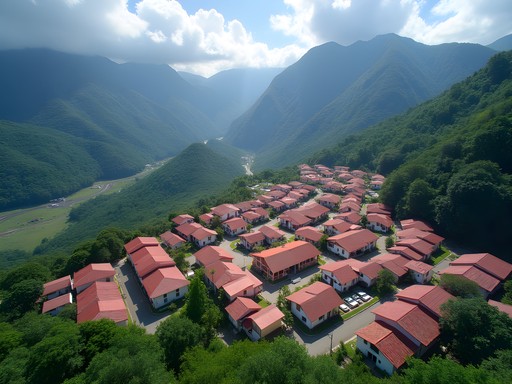
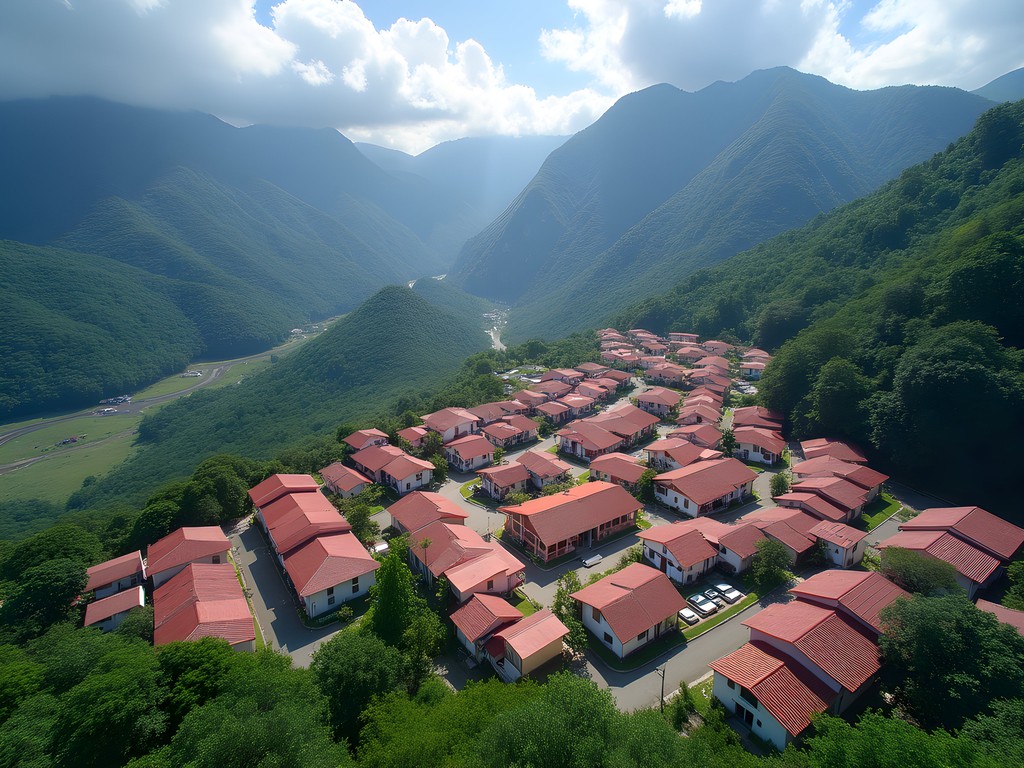
As a city planner, I'm immediately drawn to how Jarabacoa's settlement patterns follow the natural contours of the land. Unlike many tourist destinations that impose rigid grids onto mountainous terrain, Jarabacoa's development respects the topography—buildings nestled into hillsides rather than dominating them.
The town center radiates from a traditional Dominican square, with locally-owned shops and restaurants creating a vibrant community hub. What's particularly fascinating is how the adventure tourism infrastructure has been integrated without disrupting local life. Rafting companies, guide services, and eco-lodges operate from the periphery, creating an economic symbiosis rather than displacement.
I stayed at the Jarabacoa Mountain Hostel, a mid-range option with stunning valley views and a community-focused ethos. From my balcony, I could map the town's growth patterns while planning my adventures with their knowledgeable staff. For optimal navigation around town and to remote trailheads, I relied heavily on my offline GPS maps, which proved invaluable when cell service disappeared in the mountains.
💡 Pro Tips
- Book accommodation on the eastern edge of town for the best sunrise mountain views
- The central plaza hosts local markets on Wednesday and Saturday mornings—perfect for authentic textiles
- Most adventure outfitters are clustered on Calle Principal—compare prices before booking
Conquering the Yaque del Norte: Whitewater Rafting Paradise
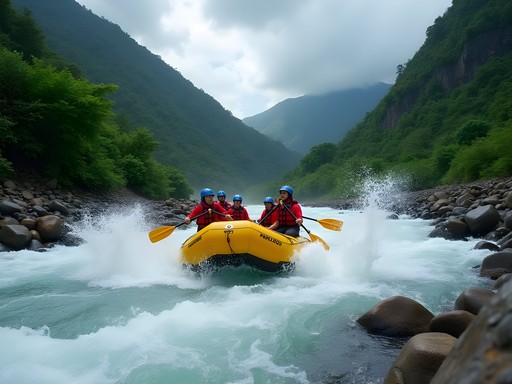
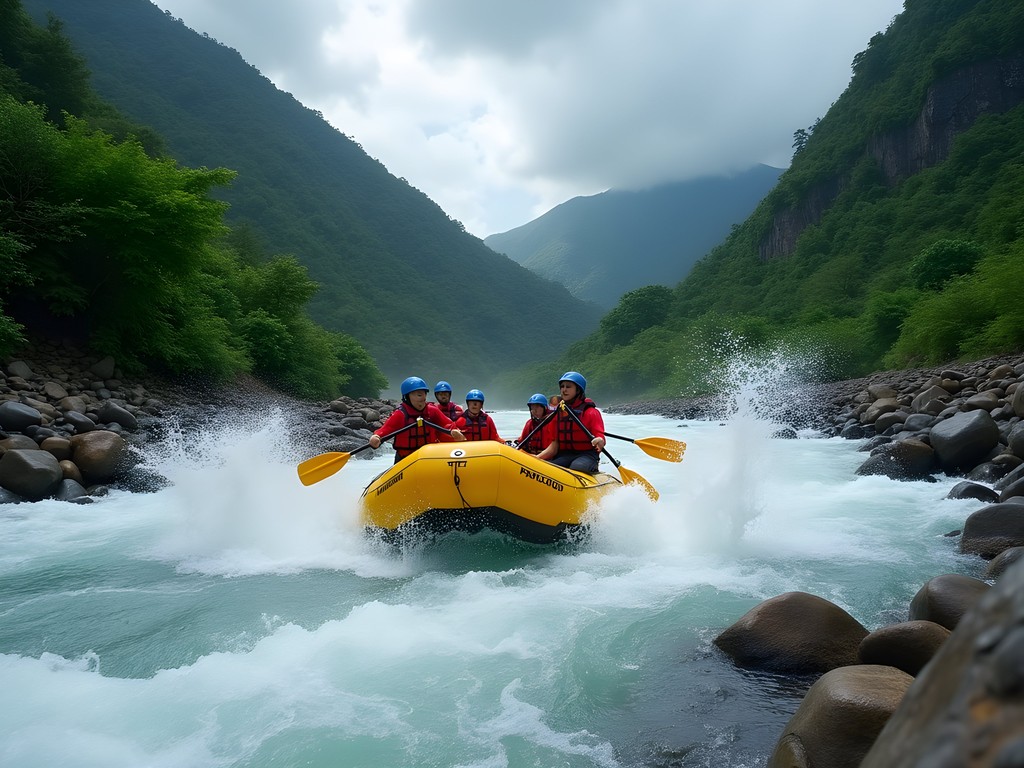
The Yaque del Norte River—the Dominican Republic's longest watercourse—cuts through Jarabacoa's landscape like a liquid highway, creating world-class rafting conditions that rival many more publicized destinations. What makes this river particularly fascinating from a hydrological perspective is how it changes character seasonally, offering Class II-III rapids during dry season and advancing to Class III-IV challenges after summer rains.
I booked a full-day expedition with Rancho Baiguate, whose guides demonstrated impressive knowledge of both safety protocols and the river's ecological significance. The rapids with names like 'The Washing Machine' and 'Mike Tyson' delivered precisely the adrenaline rush promised, but what truly captivated me were the moments between—floating through corridors of pristine forest where traditional farming practices still shape the landscape.
My waterproof action camera captured every heart-pounding moment while my quick-dry shorts proved essential for comfort throughout the day. Our guide pointed out several small textile workshops along the upper reaches of the river, where local artisans still use traditional methods to create distinctive Dominican fabrics—a perfect intersection of my professional interests and adventure pursuits.
💡 Pro Tips
- Book rafting trips early in your stay so you have flexibility to reschedule if water levels aren't ideal
- Bring a waterproof camera case or action camera—the views are too spectacular to miss
- Wear quick-dry clothing and secure water shoes—flip flops won't survive the rapids
Chasing Waterfalls: Salto Jimenoa and Salto Baiguate
The waterfall systems around Jarabacoa offer a fascinating study in how natural water features shape human settlement patterns. Historically, these falls powered mills and provided irrigation for mountain agriculture; today, they're centerpieces of a thoughtfully developed adventure tourism economy.
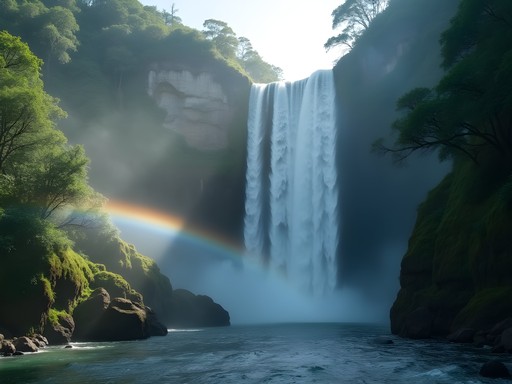
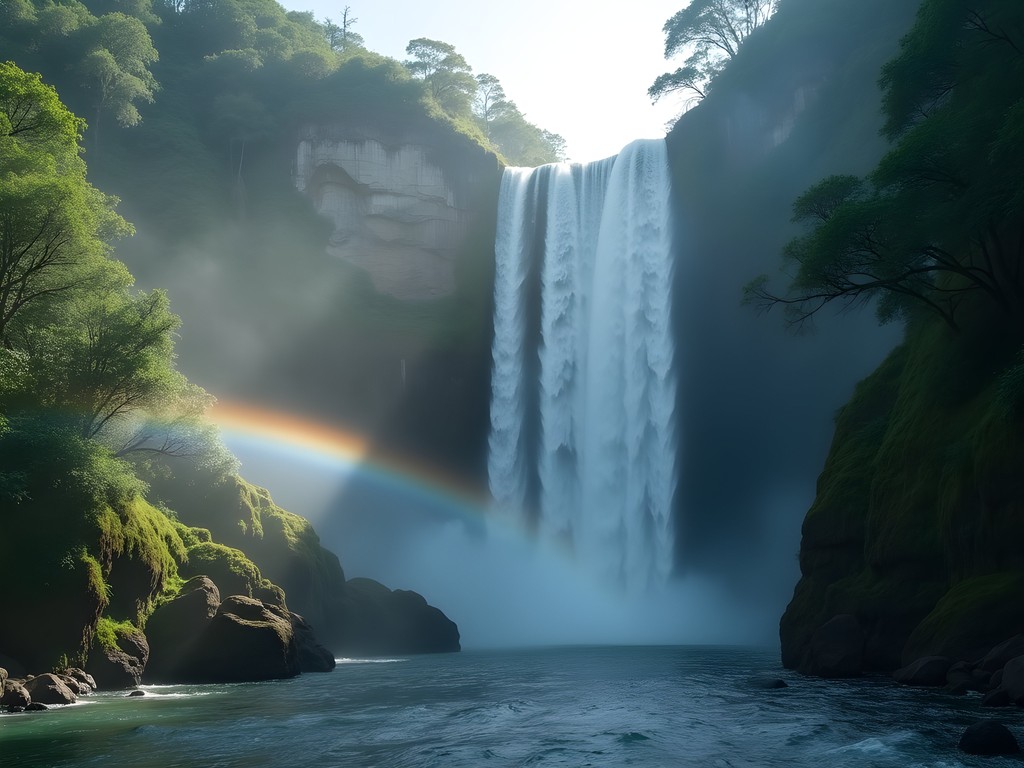
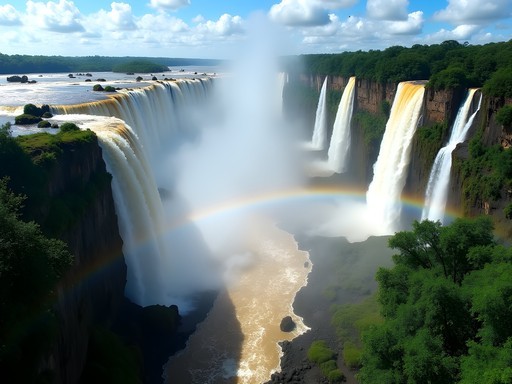
Salto Jimenoa I and II present contrasting experiences. Jimenoa I requires a challenging 45-minute hike down steep terrain, rewarding adventurers with a thundering 60-meter cascade that pounds into a swimmable basin. The trail design cleverly incorporates natural switchbacks that minimize erosion—an elegant solution to balancing access with conservation.
Salto Baiguate, closer to town, demonstrates how community management can protect natural resources. The local cooperative that administers access has implemented a visitor quota system and reinvests entrance fees into trail maintenance and local schools. I spent a full afternoon here sketching the intricate stonework of the viewing platforms, which incorporate traditional Dominican masonry techniques.
For these waterfall expeditions, my water sandals proved invaluable for navigating slippery rocks, while my dry bag kept my urban planning journal and sketching materials perfectly dry despite the constant spray.
💡 Pro Tips
- Visit Salto Jimenoa early morning for the best lighting and fewer crowds
- Bring small Dominican peso bills for entrance fees—they often can't make change
- Pack a lightweight towel and change of clothes for impromptu swimming opportunities

Mountain Biking the Cordillera Central Trails
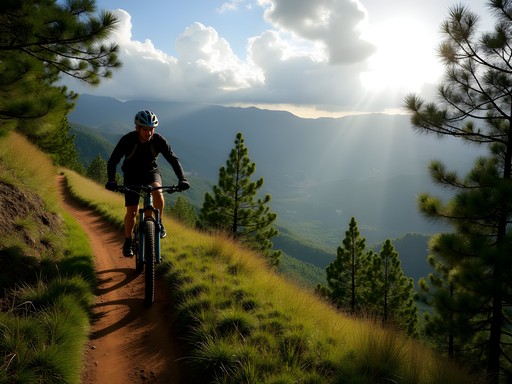
The trail network surrounding Jarabacoa offers a masterclass in sustainable recreational infrastructure. Unlike many mountain destinations where trails appear haphazardly, Jarabacoa's system shows evidence of thoughtful design that minimizes environmental impact while maximizing rider experience.
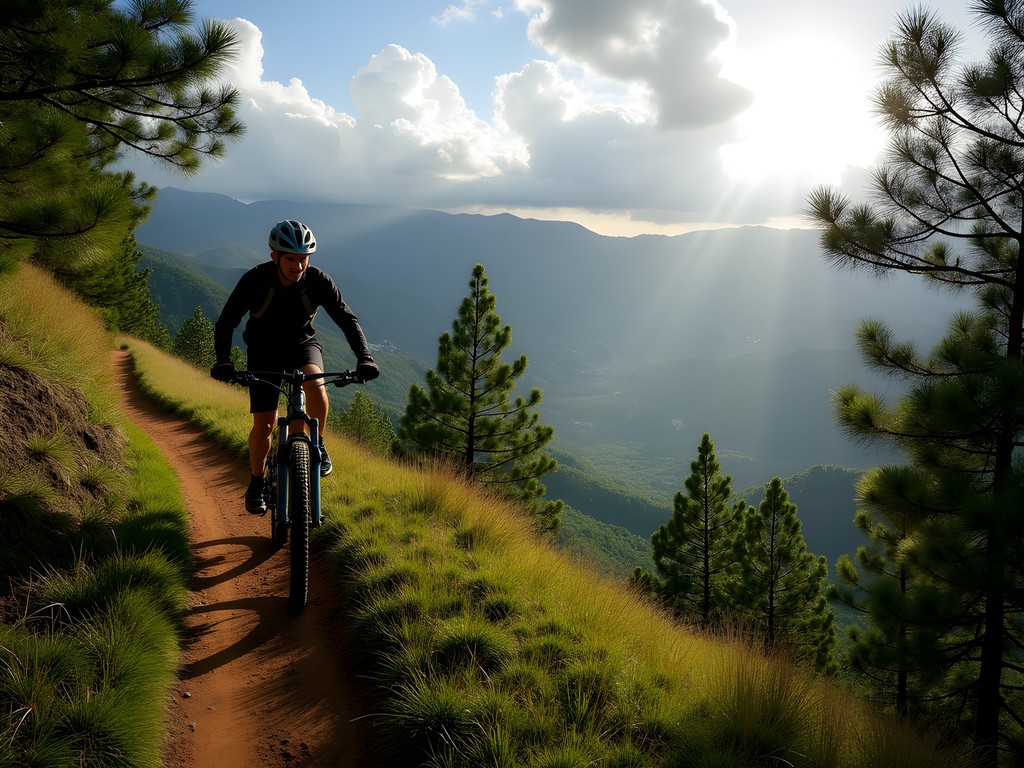
I rented a full-suspension mountain bike from Bike Jarabacoa and tackled the El Mogote route, a challenging 18km circuit that climbs through coffee plantations before descending through pine forests reminiscent of the American Northwest. The trail's construction—particularly water bars and reinforced switchbacks—demonstrates sophisticated erosion control techniques that protect the mountain ecosystem.
What particularly impressed me was how the trail network connects to traditional communities rather than bypassing them. Midway through my ride, I stopped at a small village where women were working traditional looms under open-air shelters. The textiles featured geometric patterns that echoed the mountain landscapes, using natural dyes sourced from local plants. This integration of adventure tourism with traditional craft economies represents exactly the kind of sustainable development model I document in my work.
For this adventure, my hydration backpack was essential for staying hydrated in the tropical heat, while my trail mix provided perfect nutrition for sustained climbing efforts.
💡 Pro Tips
- Hire a local guide for your first mountain biking expedition—unmarked trail junctions can be confusing
- Start rides early to avoid afternoon thunderstorms common in summer months
- Bring twice as much water as you think you'll need—the humidity makes dehydration a real concern
Paragliding: Aerial Perspectives on Mountain Development
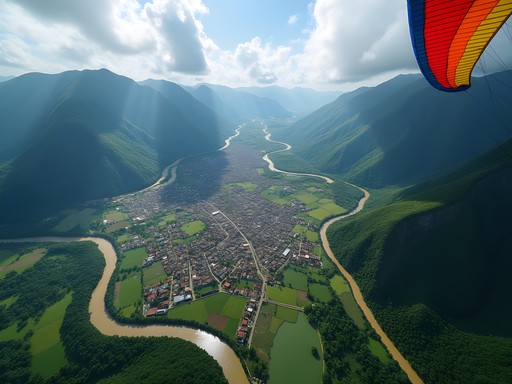
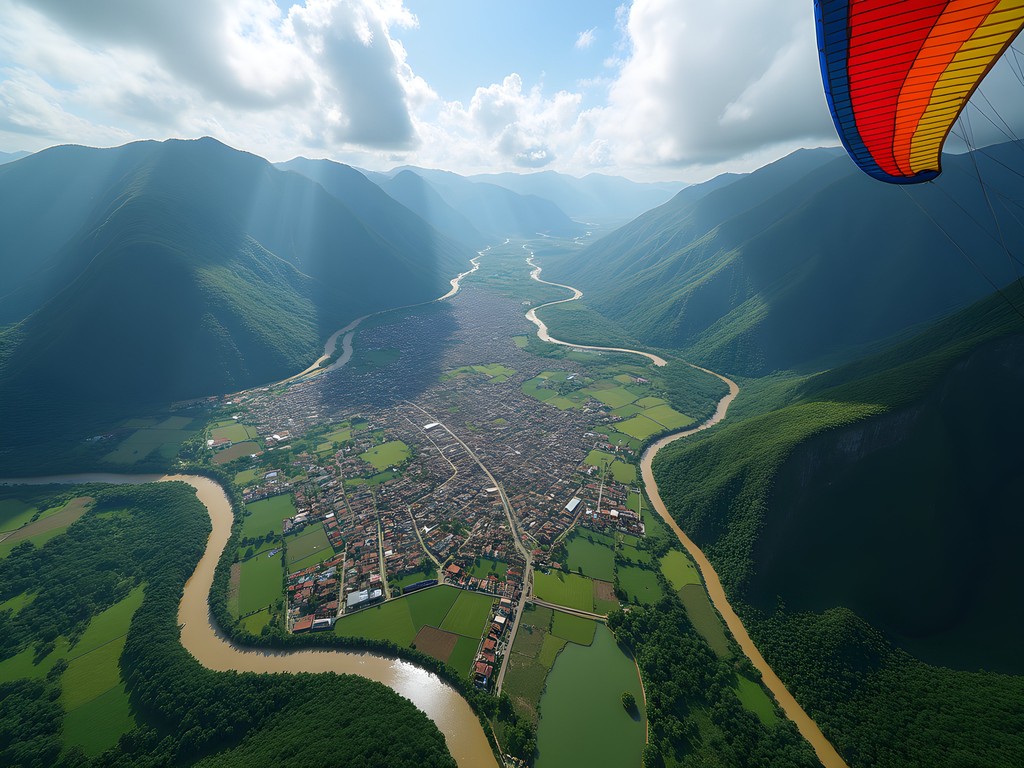
Paragliding offered me the most comprehensive view of Jarabacoa's development patterns—literally and figuratively. Taking off from the launch site at El Mogote mountain, I gained a bird's-eye perspective on how this mountain community has grown organically along river valleys while preserving critical ecological corridors.
I flew tandem with Fly Jarabacoa, whose chief pilot Miguel has been soaring these thermals for over two decades. As we spiraled upward on warm air currents, he pointed out how agricultural plots transition to forest at specific elevations—a traditional land use pattern that maintains watershed health while supporting local livelihoods.
From 800 meters above, the town's relationship with its rivers became strikingly apparent. Development clusters along accessible flatlands while maintaining respectful distance from flood zones—an intuitive form of resilience planning that many modern cities could learn from. I could also trace the network of trails connecting outlying communities, following ancient pathways that long predate tourism.
For this high-altitude adventure, my polarized sunglasses were crucial for reducing glare and enhancing visibility of terrain features. I also appreciated my insulated water bottle which kept water cold during the hot wait at the launch site.
💡 Pro Tips
- Book paragliding for your first morning in Jarabacoa to get oriented to the area's geography
- Wear layers—it gets surprisingly cool at higher altitudes despite the tropical location
- Bring a secure camera strap if you want to take photos—the landing can be bumpy
Final Thoughts
Jarabacoa represents something increasingly rare in our globalized world—a destination where adventure tourism strengthens rather than erodes local culture and traditional practices. As I packed my sketches of textile patterns and urban development notes, I reflected on how this mountain community has crafted a sustainable model worth studying. The town has embraced its identity as the Dominican Republic's adventure capital without sacrificing its agricultural heritage or cultural foundations.
For urban planners like myself, Jarabacoa offers valuable lessons in organic development that respects natural systems while creating economic opportunity. For adventure seekers, it delivers world-class experiences without the crowds of more publicized destinations. And for those interested in traditional crafts, the textile traditions persist alongside modern adventure infrastructure, creating a fascinating cultural tapestry.
As climate change threatens many tropical destinations, Jarabacoa's elevation provides a refreshing alternative to coastal heat—perhaps positioning it as an increasingly important model for sustainable mountain tourism in a warming world. Whether you come for the raging rapids, the thundering waterfalls, or the mountain trails, you'll leave with a deeper appreciation for how adventure and tradition can mutually reinforce community resilience.
✨ Key Takeaways
- Jarabacoa offers world-class adventure activities just one hour from Santiago
- The mountain climate provides a refreshing alternative to typical Dominican beach vacations
- Local textile traditions and sustainable community development enhance the adventure experience
- Summer brings ideal conditions for whitewater rafting with higher water levels
- The town's thoughtful development model balances tourism with environmental protection
📋 Practical Information
Best Time to Visit
May-August for optimal rafting conditions
Budget Estimate
$75-150/day including activities and mid-range accommodation
Recommended Duration
5-7 days
Difficulty Level
Advanced
Comments
George Hayes
We were in Jarabacoa during Holy Week (Semana Santa) last year and it was a completely different experience than what Nathan described - absolutely packed with domestic tourists! The upside was experiencing local celebrations, but the downside was hour-long waits at the waterfalls. If you want the peaceful experience described here, definitely avoid major Dominican holidays. Also worth noting: the mountain climate is surprisingly cool in the evenings - bring layers! We hired a local guide for a day hike to Pico Duarte (just the lower portion) and it was the highlight of our Dominican Republic trip. The kids still talk about eating fresh strawberries from roadside stands on the way back to town.
wildvibes
Good point about Holy Week! Same applies for Dominican Independence Day weekend in February - learned that the hard way!
dreamdiver
Just booked my trip for February after reading this! Can't wait to try the rafting!
Savannah Torres
Nathan, your urban planning perspective on Jarabacoa is so refreshing! We visited with our kids (8 and 11) last summer and were amazed at how the town balances tourism with local life. The central plaza was always buzzing with both tourists and locals in the evenings. For families reading this - the rafting companies are super safety conscious. Our kids did the beginner section and it was thrilling but not scary for them. The mountain biking trails have options for all levels too. We stayed at an eco-lodge on the outskirts of town and the night sounds of the forest were magical. December through March seems to be perfect weather-wise!
sunnyrider
How difficult is the hike to Salto Baiguate? My wife has knee issues but really wants to see waterfalls when we visit next month.
Savannah Torres
We did it with my mom who has similar issues! Salto Baiguate is actually the more accessible one - about 15-20 minute hike with some stairs but not too strenuous. Jimenoa is steeper with more uneven terrain. Hope that helps!
sunnyrider
Perfect, thanks Savannah! That's exactly what we needed to know.
springmate
Those waterfall pics are GORGEOUS! Adding this to my bucket list right now!
wildvibes
Just got back from Jarabacoa last month and the rafting on Yaque del Norte was INSANE! Level 3 rapids had me screaming but our guide Miguel was awesome. The waterfall hikes were perfect recovery activities afterward. Nathan, your tip about visiting Salto Jimenoa early morning was spot on - we had the place almost to ourselves for like an hour before the crowds showed up.
springqueen
Did you need any special gear for the rafting? Planning to go in January!
wildvibes
Just quick-dry clothes and water shoes! The rafting companies provide helmets, life vests and all the technical stuff. My water shoes were perfect for both rafting and waterfall hikes.
Timothy Jenkins
Excellent write-up, Nathan. I particularly appreciated your observations about how Jarabacoa's development has maintained authenticity. The town really does balance tourism with local culture remarkably well. I spent a week there documenting the agricultural cooperatives and was impressed by how adventure tourism revenue supports sustainable farming initiatives. For those interested in the cultural side, don't miss the local coffee plantations - many offer tours and the Dominican highland coffee is exceptional. The contrast between the adrenaline activities and the tranquil mountain villages makes for a wonderfully balanced trip.
greenguy
Adding this to my bucket list!
wanderlustwalker
The photos are gorgeous Nathan! Quick tip - if you're doing both waterfalls in one day, start with Baiguate first. It's further out and less crowded early. Then hit Jimenoa on the way back. We did the public transportation from Santiago and it was super easy and cheap.
travellife
Going there in March!! What's the weather like? Should I book the rafting in advance or just show up?
Timothy Jenkins
March is ideal - dry season with cooler temperatures in the mountains. I'd recommend booking rafting a day or two ahead, especially on weekends. The operators are quite professional and you'll get better rates if you arrange directly rather than through hotel concierges.
Venture X
Premium card with 2X miles, $300 travel credit, Priority Pass