
Disclosure: This article contains affiliate links. We may earn a commission from purchases at no extra cost to you, which helps our travel content.
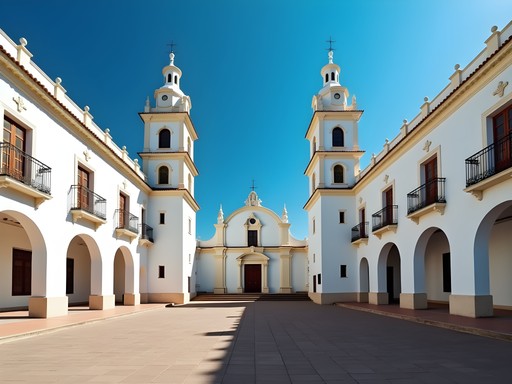
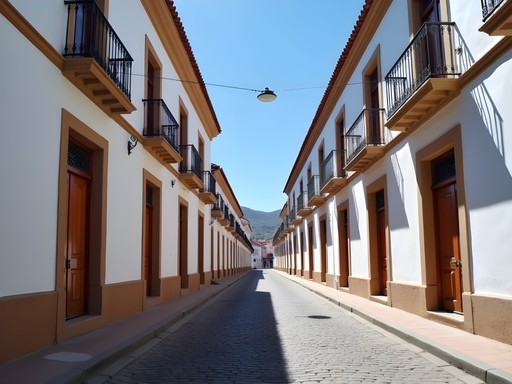
The moment I stepped onto the cobblestone streets of Sucre, I felt that familiar tingle of excitement I get when encountering exceptional craftsmanship. As someone who has spent a lifetime working with my hands, I've developed an eye for detail that extends far beyond engines and transmissions. Here in Bolivia's constitutional capital, nicknamed 'La Ciudad Blanca' (The White City), centuries of architectural mastery unfold before you in pristine white facades and intricate stonework that tell stories of colonial ambition, indigenous resilience, and cultural fusion. C'est magnifique!

The White Canvas of Sucre: A Mechanic's Appreciation for Structural Integrity
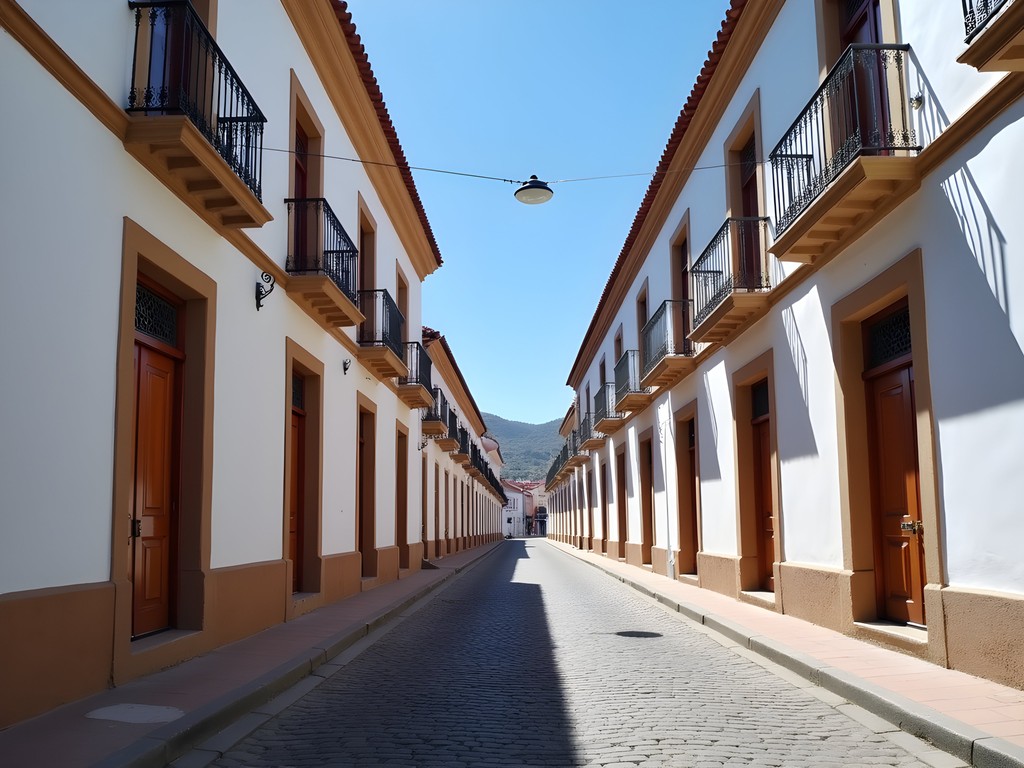
There's something about Sucre that resonates with my mechanical mind. Just as a perfectly tuned engine has a certain harmony, this UNESCO World Heritage city demonstrates architectural balance that has withstood the test of time. The mandatory white paint that gives the city its nickname isn't just aesthetic—it's practical protection against Bolivia's intense sun, reflecting heat and preserving the structures beneath.
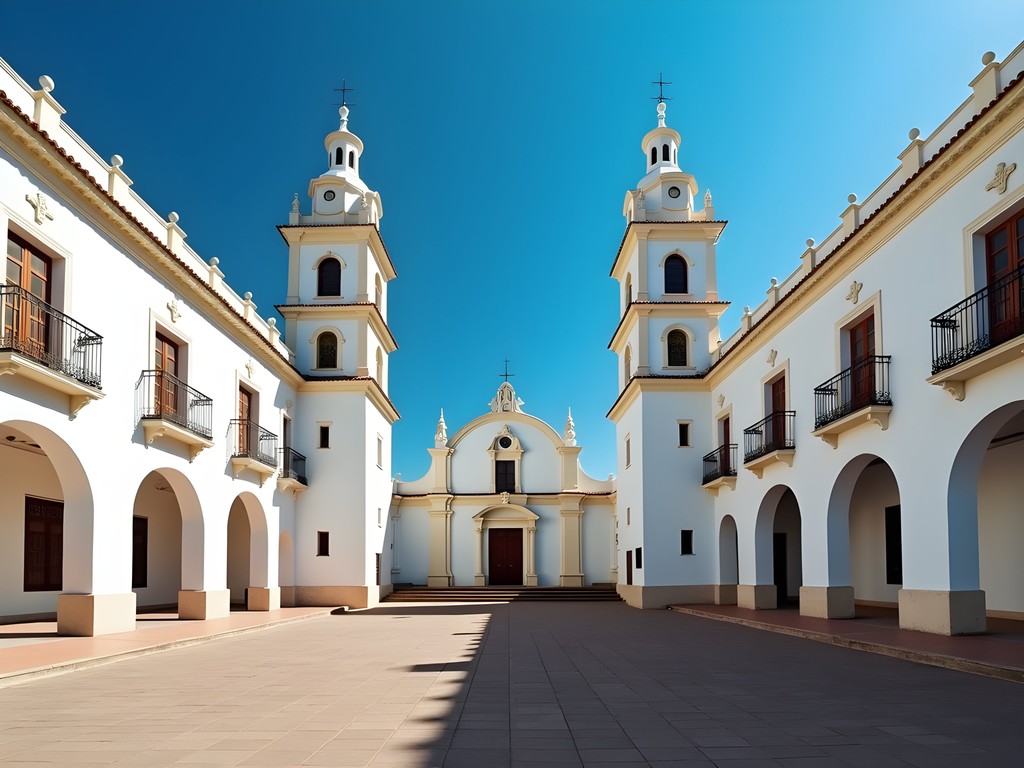
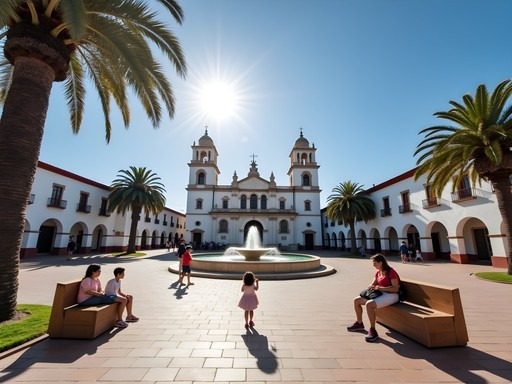
Walking through Plaza 25 de Mayo, the city's main square, I'm struck by how the Spanish colonial builders created structures that have remained standing for over 400 years. The Cathedral, with its clean lines and symmetrical facade, reminds me of the precision required when rebuilding a transmission—every element must be perfectly placed for the whole to function.
What fascinates me most is how these buildings have been maintained through centuries of earthquakes, political upheaval, and modernization. The craftsmanship speaks of a time when things were built to last, not unlike the vintage cars I sometimes restore back in my shop in Aurora. As I run my fingers along the cool stone walls, I can almost feel the hands of the stonemasons who shaped these blocks centuries ago.
💡 Pro Tips
- Visit Plaza 25 de Mayo early in the morning to appreciate the architecture without crowds and in the best light for photography
- Look for the subtle indigenous design elements integrated into colonial structures—a form of quiet resistance through art
- Bring a pocket magnifier to examine the intricate stonework details that are easy to miss
La Recoleta: Where Time Stands Still
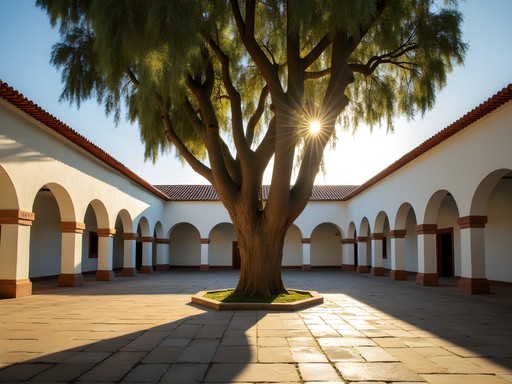
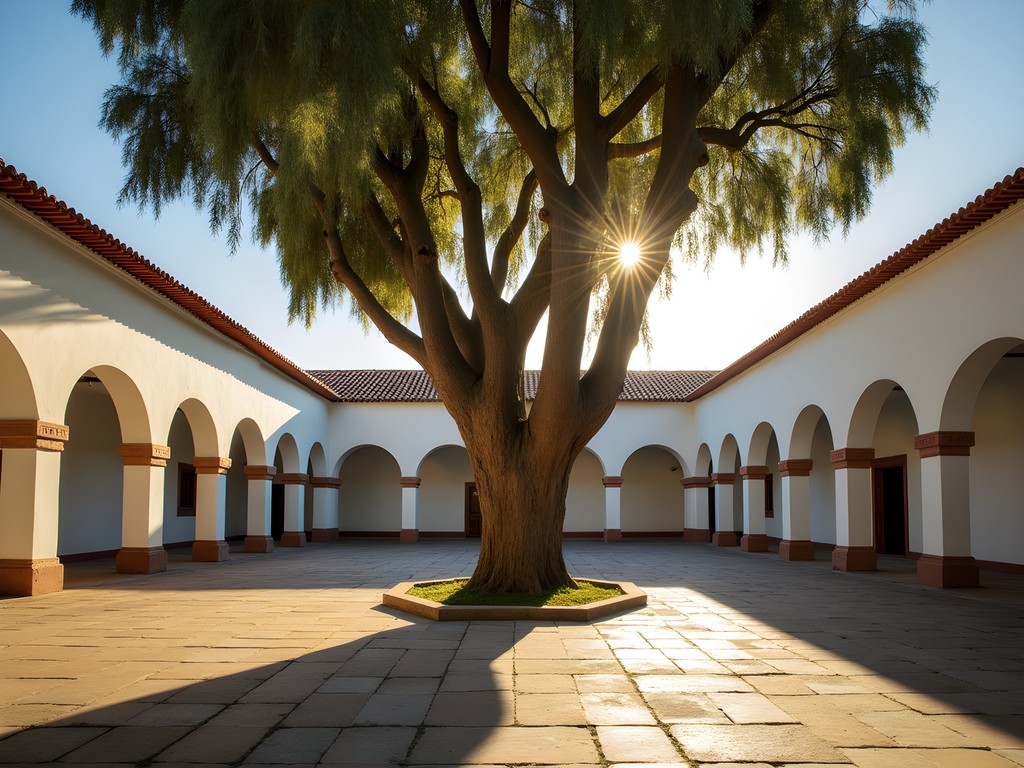
Perched on a hill overlooking the city, the Convent of La Recoleta offers both architectural wonder and breathtaking views. Founded in 1601, this complex has served as monastery, museum, and school throughout its long history. What draws me here repeatedly is the central courtyard with its ancient cedar tree—over 400 years old and still thriving, much like the city itself.
As someone who appreciates how machines evolve over time, I'm fascinated by the layers of history visible in La Recoleta. The original Renaissance design blends with later Baroque additions, creating a visual timeline of architectural styles. The worn stone steps, polished by centuries of footsteps, remind me of the well-worn tools I inherited from my father's repair shop in Paris—objects that carry the imprint of those who came before.
When exploring the convent's museum, I recommend using a portable LED light to illuminate the darker corners where some of the most interesting details hide. The craftsmen who built this place didn't have electric lights, but they understood how natural light would play across their stonework throughout the day—a consideration that modern architects often overlook.
💡 Pro Tips
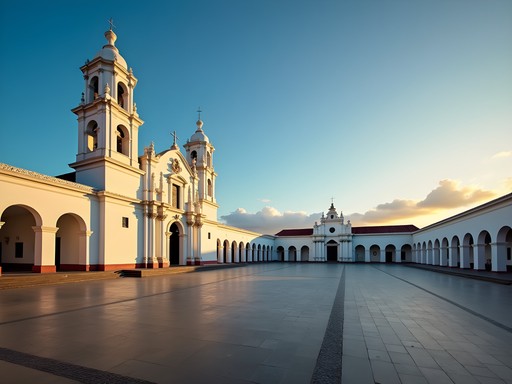
- Visit in late afternoon when the setting sun bathes the white walls in golden light
- Wear comfortable shoes with good traction—the cobblestone paths and worn stone steps can be slippery
- Set aside at least 2 hours to fully appreciate the convent, courtyard, and museum
Casa de la Libertad: The Birthplace of a Nation
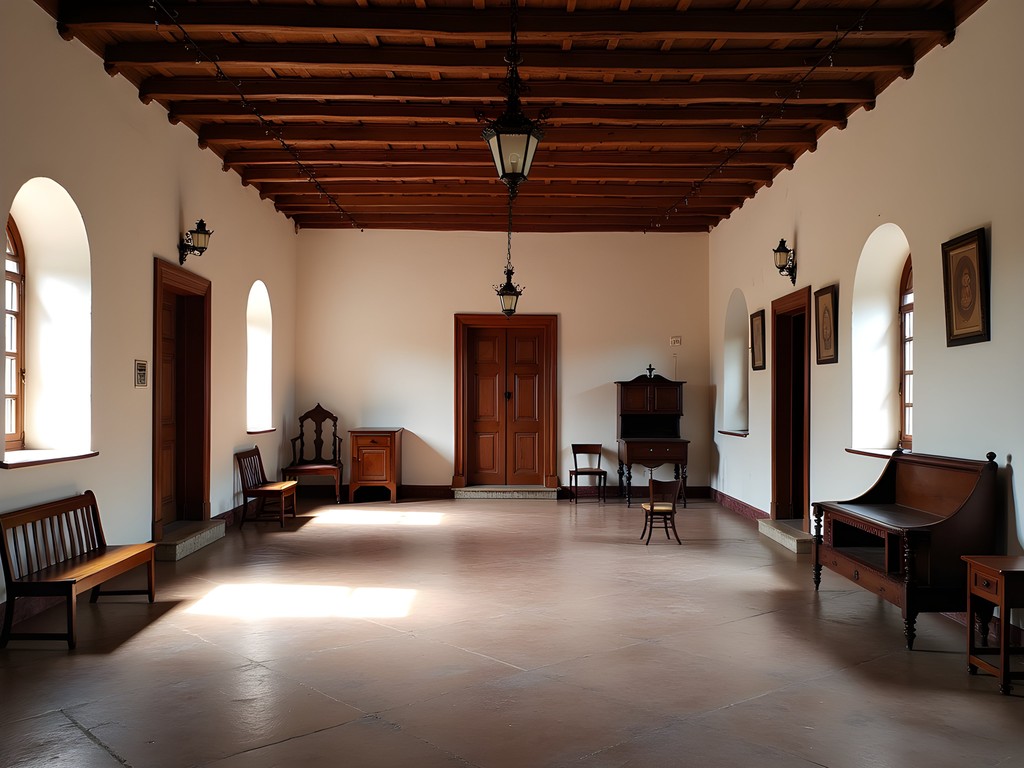
For those who appreciate the intersection of craftsmanship and history, Casa de la Libertad (House of Freedom) is non-negotiable. This unassuming building on Plaza 25 de Mayo is where Bolivia declared its independence in 1825. As a mechanic, I've always believed that understanding how something was built helps you appreciate what it has become—and this principle applies perfectly here.
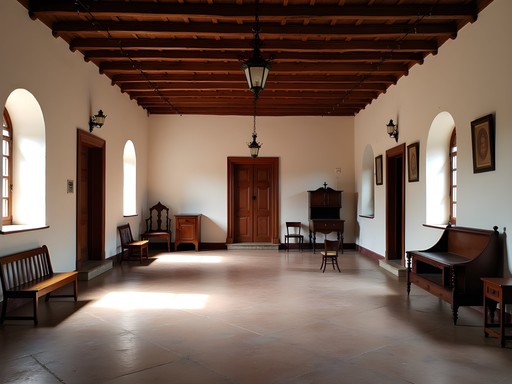
The building's exterior may seem modest compared to other colonial structures, but its significance is immeasurable. Inside, the meticulous woodwork of the ceiling beams and doorframes reveals the skill of colonial craftsmen working with hand tools that haven't changed much in design for centuries. The original assembly hall where the declaration was signed features an acoustic quality that still impresses—voices carry clearly without amplification, a testament to the builders' understanding of sound dynamics long before electronic assistance.
I found myself particularly moved by the original handwritten declaration of independence displayed under glass. Documents like these remind me of the old repair manuals my father kept—yellowed pages that contained essential knowledge passed down through generations. For preserving your own travel memories of these historical sites, I recommend a waterproof notebook that can withstand Sucre's occasional afternoon showers.
💡 Pro Tips
- Take advantage of the English-speaking guides available—their insights bring the historical significance to life
- Photography is restricted in certain rooms to protect historical documents, so bring a small pocket sketchbook to record impressions
- Visit on weekday mornings to avoid school groups and tour buses

Hidden Courtyards: The Soul of Sucre's Architecture
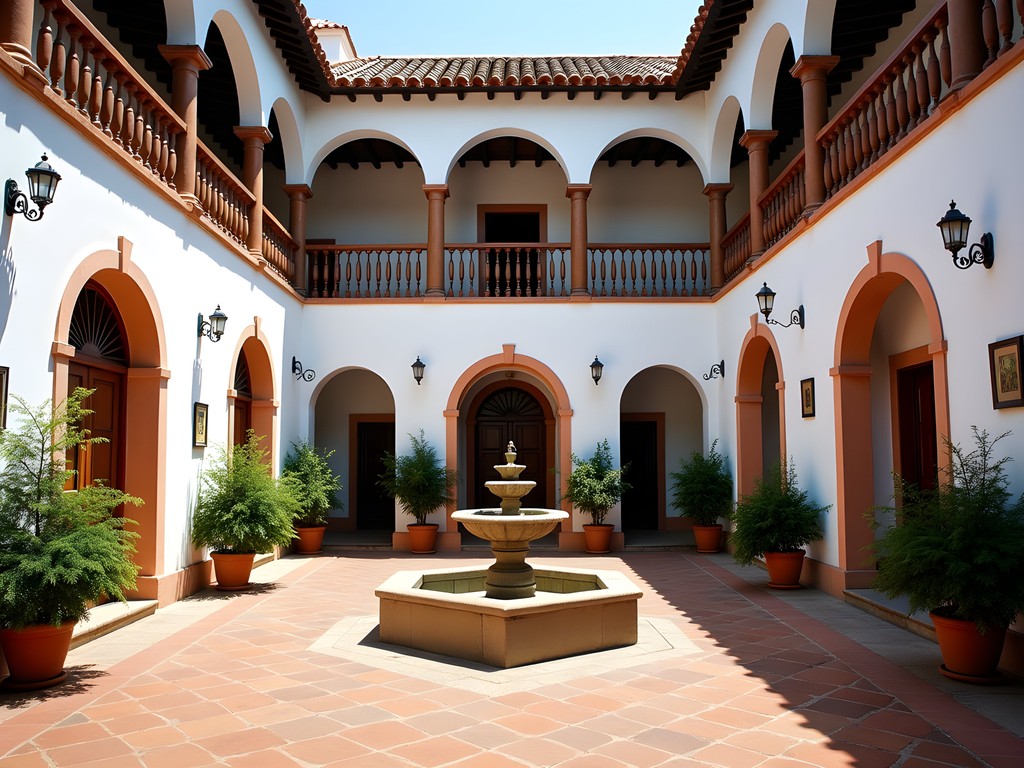
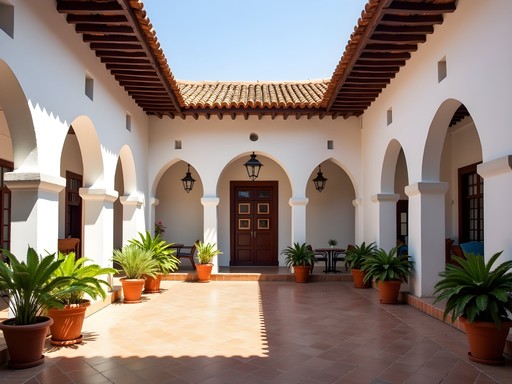
What truly sets Sucre apart from other colonial cities I've explored across Latin America is what lies behind those pristine white facades—the courtyards. Much like diagnosing an engine problem requires looking beyond the surface, appreciating Sucre's architecture means venturing through unassuming doorways into spectacular interior spaces.
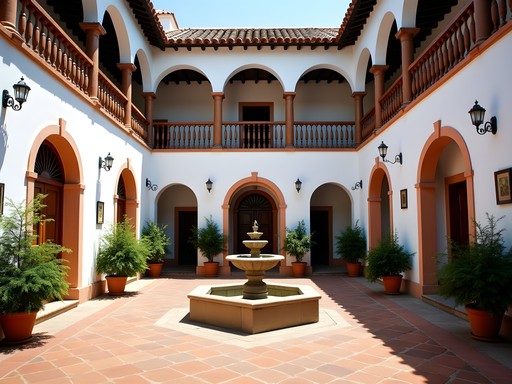
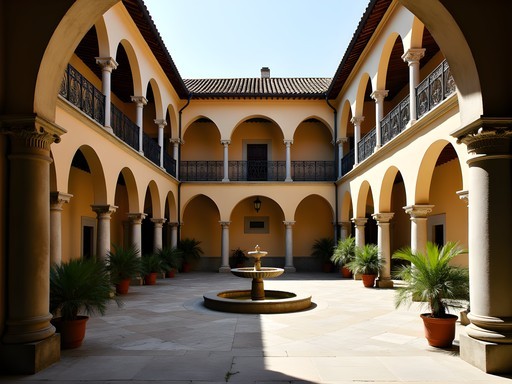
Many of Sucre's colonial homes follow a similar pattern: a modest entrance leading to a central courtyard surrounded by covered walkways and rooms. This design, brought by Spanish colonizers but adapted to local conditions, creates natural cooling and gathering spaces. It reminds me of how automotive designs evolve differently across cultures while serving the same fundamental purpose.
Some of these courtyards are now part of museums or hotels, while others remain private homes. The Museo de Arte Indígena ASUR occupies a beautifully restored colonial home where you can appreciate both the architecture and impressive textile collections. For those wanting to experience living in these historic spaces, I recommend staying at Villa Antigua Hotel. After long days of exploration, I found myself appreciating my portable espresso maker for enjoying morning coffee in these atmospheric courtyards—a small luxury that enhances the experience immeasurably.
💡 Pro Tips
- Many courtyards are accessible even if you're not staying at the hotel—simply ask politely if you can look around
- The best light for courtyard photography is midday when the sun illuminates these spaces from above
- Look for the water features—fountains and wells that were essential to colonial life and still function in many courtyards
Practical Tips for the Architectural Explorer
Exploring Sucre's architectural wonders requires some preparation, especially if you want to avoid the common tourist pitfalls. First, understand that Sucre sits at approximately 2,800 meters (9,200 feet) above sea level. While not as high as La Paz, the altitude can still affect your energy levels. I learned this the hard way when I attempted to climb all the bell tower stairs on my first day—quelle erreur!
The city's compact historic center means most sites are within walking distance, but comfortable shoes are essential on the uneven cobblestone streets. I've found that a collapsible water bottle is invaluable for staying hydrated without adding bulk to your daypack.
Sucre's weather can be deceiving—sunny mornings often give way to afternoon showers, especially during the rainy season (November to March). The sun at this altitude is intense even on cool days, so protection is essential. After getting sunburned on my first visit despite the mild temperatures, I now never explore without my packable sun hat.
Finally, timing is everything. Many museums and churches close between 12:00-14:30 for the traditional extended lunch break. Plan accordingly, using this time to enjoy Sucre's excellent cafés or photograph exterior details in the midday light.
💡 Pro Tips
- Purchase the combined ticket that gives access to multiple museums and sites at a discount
- Download offline maps before exploring, as internet service can be spotty in some areas
- Learn basic architectural terms in Spanish to better understand guides and information panels
Final Thoughts
As I pack my tools—both literal and metaphorical—to leave Sucre, I'm struck by how this city has transformed my understanding of colonial architecture. What began as an appreciation for technical craftsmanship has deepened into recognition of how these buildings embody cultural resilience, historical narrative, and human ingenuity.
In my travels across four continents, I've developed a theory: the places that move us most deeply are those where human craftsmanship harmonizes with cultural purpose. Sucre exemplifies this perfectly. The white city doesn't just preserve its colonial past—it lives within it, adapts it, and continues the conversation between different cultural traditions that began centuries ago.
For those who appreciate the beauty of things well-made, whether engines or edifices, Sucre offers a masterclass in architectural craftsmanship that rewards the patient observer. As we say in my father's workshop in Paris, 'Ce n'est pas la destination, c'est le voyage'—it's not the destination, but the journey. In Sucre, that journey takes you through layers of history, culture, and human creativity, all painted in luminous white against the blue Bolivian sky.
✨ Key Takeaways
- Sucre's UNESCO-protected colonial architecture offers insights into both Spanish colonial design and indigenous craftsmanship
- The city's compact size makes it perfect for walking exploration, with most major sites accessible within the historic center
- Look beyond the white facades to discover the hidden courtyards that reveal the true character of colonial architecture
📋 Practical Information
Best Time to Visit
April-October (dry season)
Budget Estimate
$30-50 USD per day
Recommended Duration
2-3 days
Difficulty Level
Easy

Comments
Ana Robinson
Nathan, your mechanic's eye for structural details really shines through here! I visited Sucre with my family last year and we were completely enchanted. My kids actually loved exploring those hidden courtyards you mentioned - it felt like a treasure hunt for them. We stayed near Plaza 25 de Mayo and would walk to La Recoleta every evening. The view at sunset from there is something I'll never forget. One tip for families: the Museo de los Niños Tanga Tanga is wonderful if you're traveling with little ones and need a break from all the colonial history. The blend of preserved architecture and everyday Bolivian life in Sucre is what made it so special for us.
smartphotographer
Good to know about the kids museum! Going with my nephew
smartphotographer
Amazing shots! What time of day did you shoot these? The lighting on those white buildings is perfect!
Ana Robinson
Early morning is magical in Sucre! The soft light on those white facades around 7-8am is incredible. Golden hour is stunning too.
smartphotographer
Thanks! Definitely setting my alarm early then haha
Jean Wells
Nathan, your mechanical perspective on these colonial structures offers a refreshing analytical lens that most travel blogs miss. I visited Sucre three years ago and was captivated by the architectural integrity despite centuries of seismic activity. Your section on La Recoleta particularly resonated - the way those 16th-century joints have held without modern reinforcement is remarkable. I'd recommend visitors bring a good architectural guidebook to fully appreciate the technical details you've highlighted. One addition: the San Felipe Neri Convent's rooftop provides another excellent perspective on the structural patterns of the colonial grid layout. Did you notice how the building orientations respond to the valley topography?
Nathan Mitchell
Jean, you've made my day with this comment! Yes, the seismic adaptations are fascinating - those builders knew their craft. San Felipe Neri was incredible - I spent a whole afternoon sketching the roofline transitions. You're absolutely right about the orientation patterns - they follow both solar considerations and respond intelligently to water drainage needs on the slopes. Would love to exchange notes sometime!
luckygal
Beautiful photos. The white buildings really pop!
winterfan
This looks amazing! How many days would you recommend staying in Sucre to properly explore the architecture? And is it easy to get around on foot?
Nathan Mitchell
Hi winterfan! I'd recommend at least 3-4 days to really appreciate Sucre's architectural treasures without rushing. The historic center is very walkable - I did everything on foot. The city sits in a valley though, so expect some uphill walks! For exploring further out, taxis are affordable and reliable.
winterfan
Thanks Nathan! That's super helpful. Adding it to my Bolivia itinerary for next year!
adventuremate
I visited Sucre last year and was blown away by the architecture too! Nathan's perspective as someone with mechanical expertise adds such a unique dimension to appreciating these buildings. The hidden courtyards were my absolute favorite - spent hours just wandering and discovering little architectural gems tucked away from the main streets. Did you check out Cafe Mirador? It has the most stunning view of those white rooftops.
Nathan Mitchell
Thanks adventuremate! I did visit Cafe Mirador - that panoramic view of the white city is unbeatable, especially late afternoon when the light hits just right. The owner also shared some fascinating stories about the building's restoration.
adventuremate
Oh that's awesome! I missed out on those restoration stories. Gives me a reason to go back!
roamseeker2885
Those white colonial buildings look amazing! Sucre wasn't on my radar before but it is now.
citydiver
Adding this to my Bolivia itinerary!
happyninja
Spent 5 days in Sucre last year and totally agree about those hidden courtyards. We stumbled into one by accident when looking for a cafe and it was like stepping back in time. The fountains, the colonial tiles, the wooden balconies - incredible. Also recommend the rooftop tour at La Recoleta for sunset views over the white city. Absolutely stunning and not many tourists know about it.
Douglas Bradley
Your mechanic's eye for structural detail really shines through here, Nathan. What struck me most about Sucre was how the Spanish colonial architecture adapted to indigenous building techniques - particularly in the use of local materials and the integration of pre-Columbian spatial concepts in those hidden courtyards you mentioned. The juxtaposition of European baroque facades with Andean construction methods creates something uniquely Bolivian. Did you notice the seismic reinforcement techniques in some of the older buildings? I'm curious how they compare to what you've seen in other colonial cities.
luckygal
Great point about the indigenous techniques!
Venture X
Premium card with 2X miles, $300 travel credit, Priority Pass