
Disclosure: This article contains affiliate links. We may earn a commission from purchases at no extra cost to you, which helps our travel content.
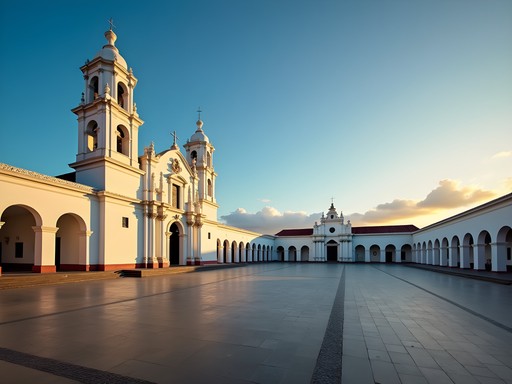
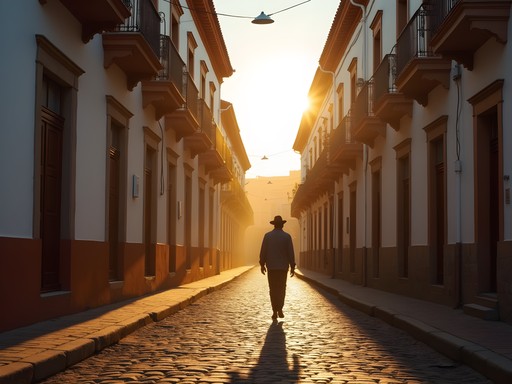
The morning light in Sucre arrives like a gentle whisper, casting a golden hue across the colonial white facades that give this Bolivian gem its nickname. At 2,810 meters above sea level, the UNESCO-protected 'White City' offers a photographer's playground of architectural elegance, indigenous culture, and Andean landscapes that have captivated my lens and heart. Having documented cultural traditions across five continents, I found myself drawn to Sucre's unique blend of Spanish colonial heritage and vibrant Quechua influences—a visual symphony waiting to be captured.

The Architectural Canvas of La Ciudad Blanca
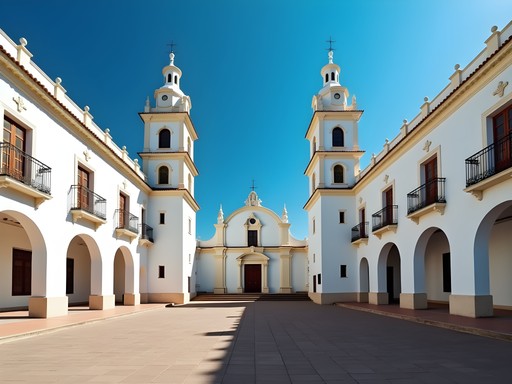
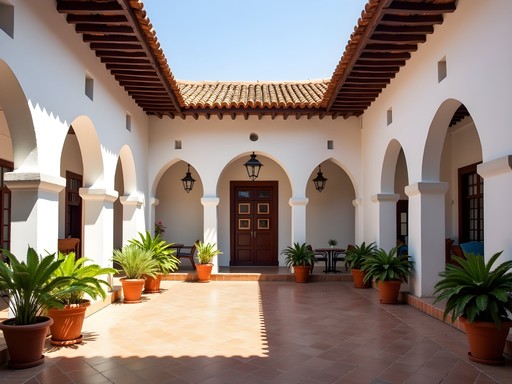
Sucre reveals itself as a meticulously preserved colonial masterpiece, where every whitewashed building tells a story of Bolivia's past. The city's historic center unfolds like pages from a 16th-century manuscript, with its grid-pattern streets leading to magnificent plazas and ornate churches.
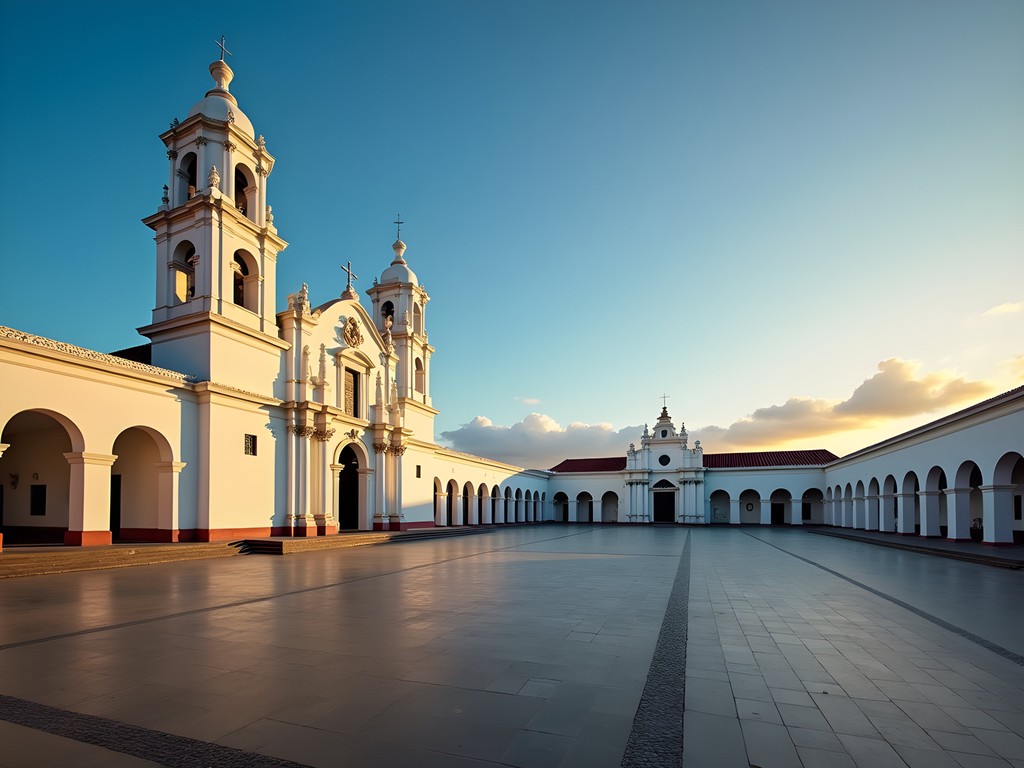
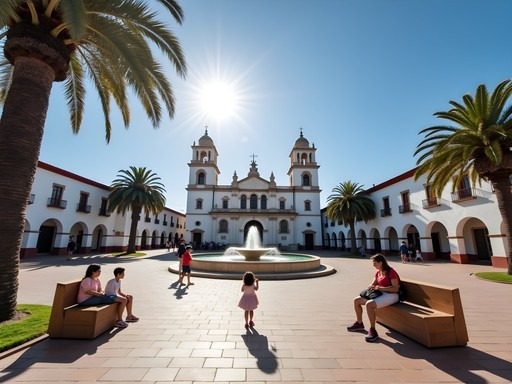
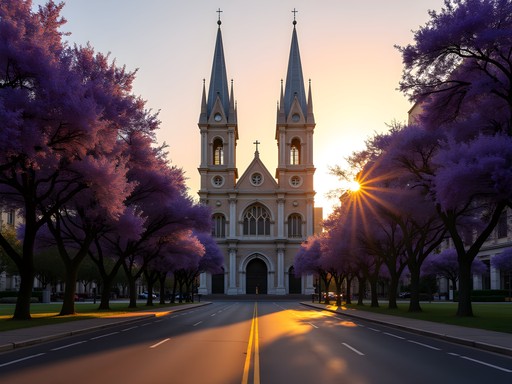
My mornings began at Plaza 25 de Mayo, the beating heart of Sucre. I'd arrive just after sunrise when the plaza was empty save for a few locals and the soft morning light perfectly illuminated the Metropolitan Cathedral's baroque façade. This golden hour transforms ordinary architectural details into extraordinary compositions—the play of light and shadow on the colonial buildings creates natural contrasts that require minimal post-processing.
For architectural photography here, I relied heavily on my tilt-shift lens to correct perspective distortion on the towering colonial buildings. If you're working with a standard lens, position yourself further back and shoot at a longer focal length to minimize distortion.
💡 Pro Tips
- Photograph the Metropolitan Cathedral between 7-8am for perfect light and minimal crowds
- Use a polarizing filter to enhance the contrast between Sucre's white buildings and the deep blue Andean sky
- Visit Casa de la Libertad during weekday mornings when tourist numbers are lower for unobstructed interior shots
Cultural Immersion Through the Viewfinder
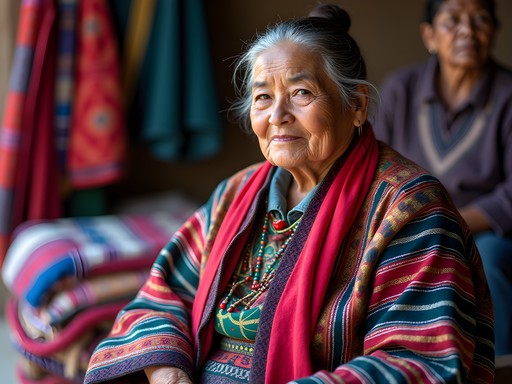
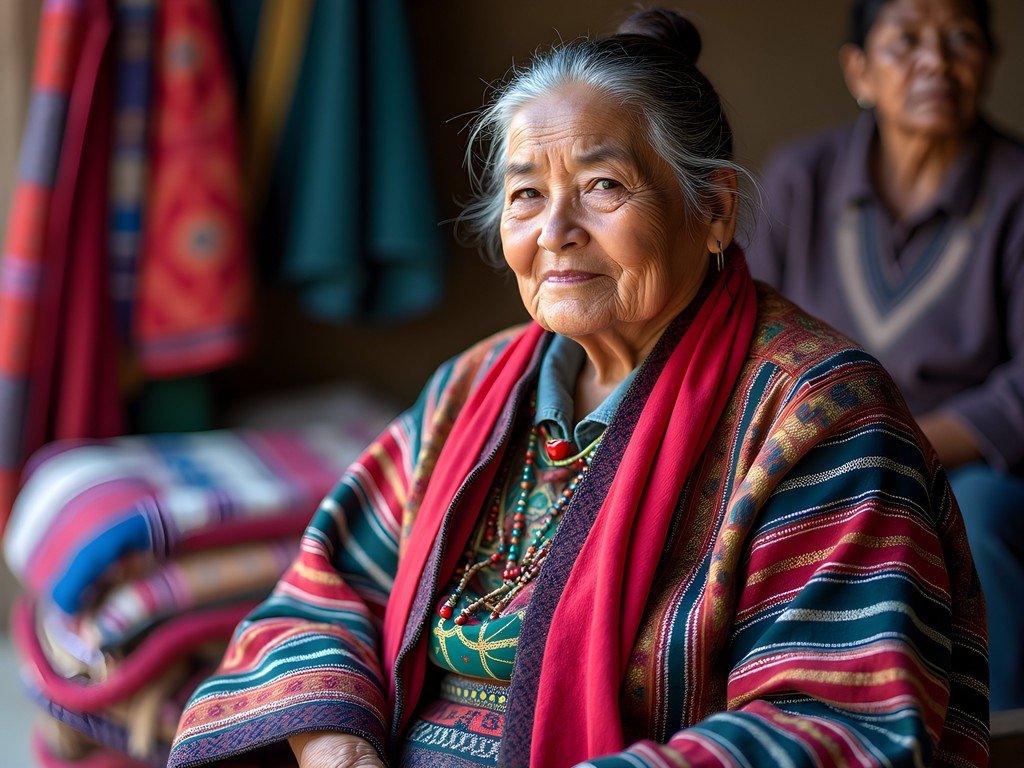
To truly capture Sucre's essence, one must venture beyond architecture into its living cultural tapestry. The Tarabuco Market, held every Sunday about 65km from the city center, became my weekly ritual. Here, indigenous Yampara people gather in traditional dress—the women in layered skirts with intricate embroidery, the men in their distinctive helmeted montera hats that echo Spanish conquistador headgear but have been reclaimed as symbols of indigenous pride.
I learned quickly that photography at markets requires both respect and connection. Before raising my camera, I spent time building rapport with vendors, purchasing small items, and explaining my artistic intentions. A few phrases in basic Quechua opened doors that remained closed to the hurried tourist. Many locals were not only willing but proud to be photographed once a connection was established.
For this cultural documentation, I kept my compact prime lens mounted most days. Its wide aperture allowed me to work in the often dim lighting of indoor markets while creating that beautiful separation between subject and the colorful but potentially chaotic backgrounds.
💡 Pro Tips
- Learn basic Quechua phrases like 'Sumaq p'unchay' (good day) and 'Ñawiykita hap'iyta munani' (may I take your photo)
- Purchase items from vendors before requesting photos—it builds goodwill and supports the local economy
- Avoid flash photography in markets; instead, use a fast lens and higher ISO settings
Chasing Light in the Surrounding Landscapes
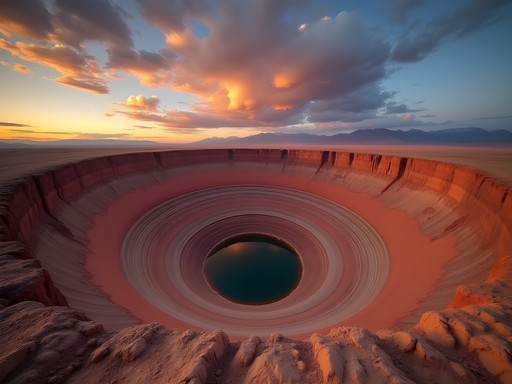
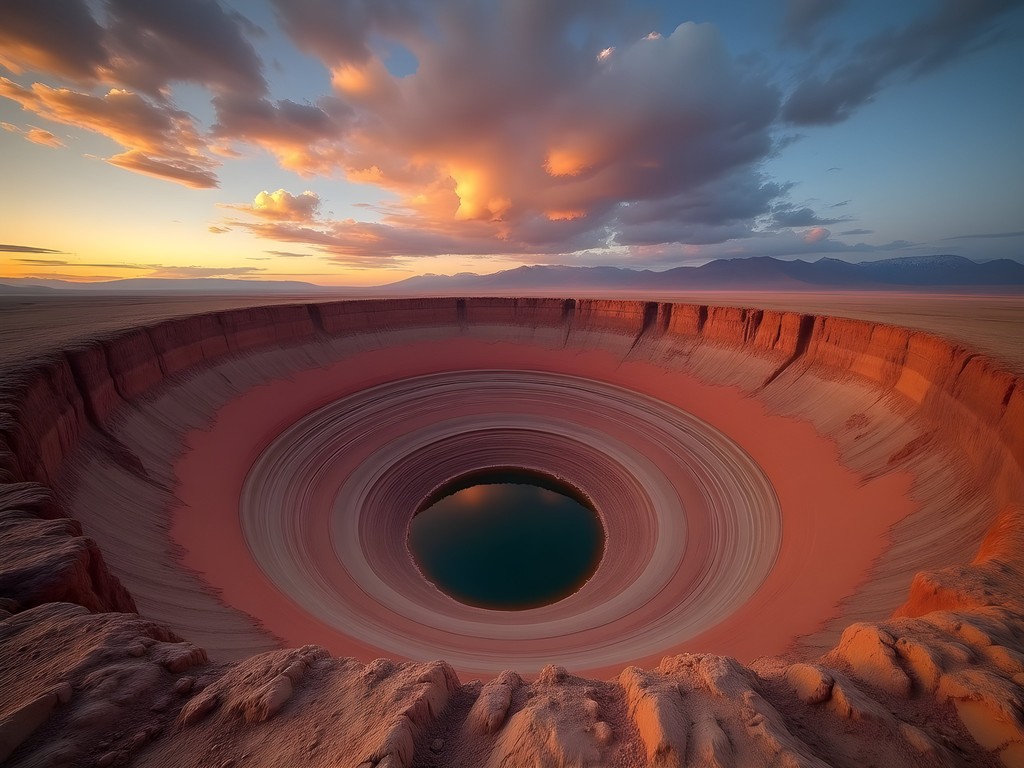
Sucre's beauty extends beyond its urban confines into the surrounding countryside, where the Andean landscape unfolds in dramatic fashion. One of my most memorable experiences was hiking to the Maragua Crater, a geological wonder about 30km from the city. The crater isn't actually the result of a meteor impact but rather a fascinating syncline formation created by erosion of concentric rock layers.
The journey to Maragua takes you through breathtaking scenery and past ancient dinosaur footprints preserved in vertical rock faces—a photographer's dream combining landscape and paleontological wonders. I spent three days exploring this area, sleeping in a basic homestay with a local family who showed me hidden viewpoints that aren't on typical tourist maps.
For this expedition, my weather-resistant backpack proved invaluable, protecting my gear through unexpected afternoon showers while providing easy access to equipment without having to fully unpack. I also relied heavily on my hiking gaiters during the muddy sections of trail—keeping my boots dry and allowing me to focus on composition rather than discomfort.
💡 Pro Tips
- Hire a local guide for Maragua Crater—they know exactly when the light hits the dinosaur footprints best
- Pack layers for dramatic temperature changes between day and night in the highlands
- Use a graduated neutral density filter to balance bright Andean skies with darker foreground landscapes

The Luminous Festivals of Sucre
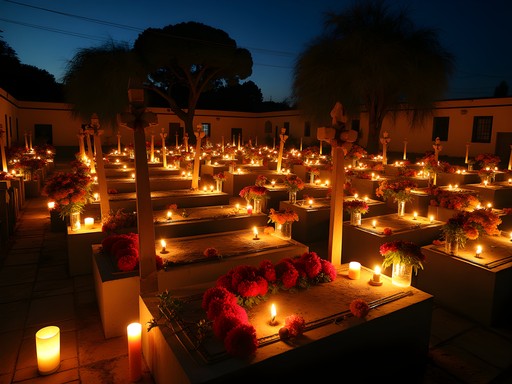
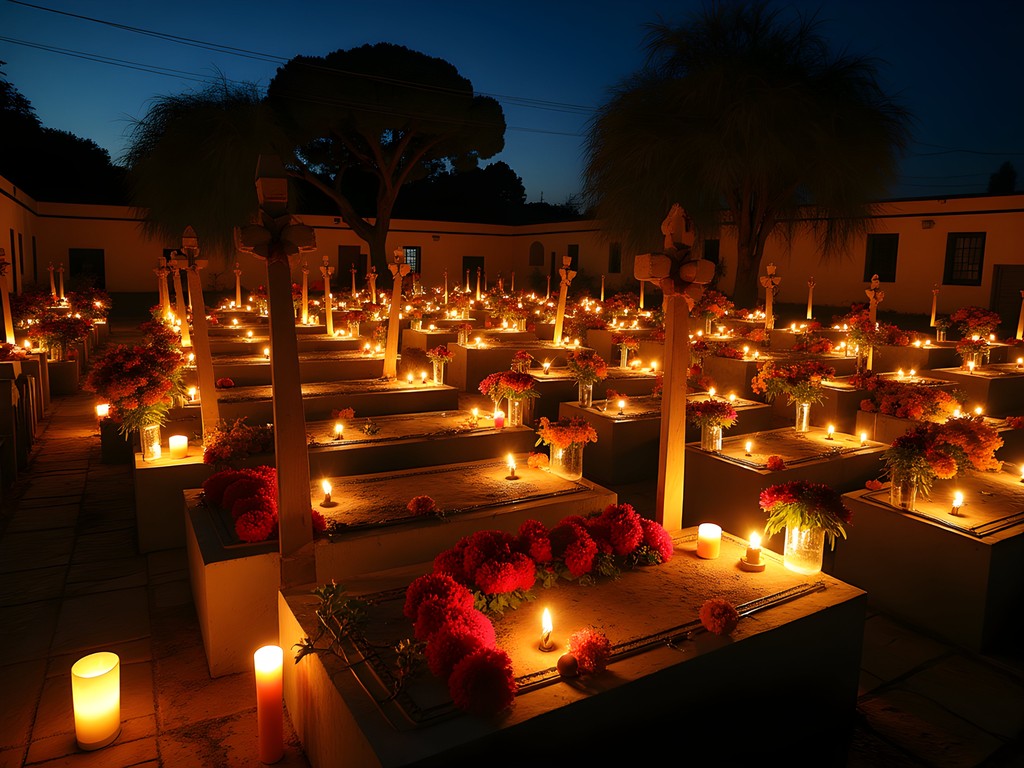
If you time your visit right, Sucre offers spectacular festivals that provide unparalleled photographic opportunities. I was fortunate to witness Todos Santos (All Saints Day) and Día de los Muertos (Day of the Dead) celebrations in early November, where the intermingling of Catholic and indigenous traditions creates visual narratives unlike anywhere else.
The cemeteries transform into vibrant spaces of remembrance, with families bringing offerings of food, drink, and flowers to departed loved ones. The contrast between solemn remembrance and colorful celebration creates a fascinating visual dichotomy. As an outsider documenting these deeply personal moments, I approached with particular sensitivity, always asking permission before photographing people at family graves.
For night photography during the candle-lit cemetery vigils, my compact travel tripod was essential for capturing the magical atmosphere without pushing ISO too high. I also found my light pollution filter surprisingly useful in Sucre—not for actual light pollution (which is minimal) but for balancing the warm candlelight with the deep blue of the early evening sky.
💡 Pro Tips
- Be respectful when photographing religious ceremonies—always observe first, shoot later
- Use a lens hood to prevent flare from candles and lanterns during evening festivals
- Consider converting festival images to black and white with selective color to emphasize emotional impact
Practical Photography Tips for Solo Travelers
Navigating Sucre as a solo photographer presents both freedoms and challenges. The city is relatively safe by South American standards, but camera equipment marks you as a tourist and potential target. I developed a routine of working with a single camera body and lens each day, carrying only what I needed in an unassuming anti-theft crossbody bag rather than an obvious camera bag.
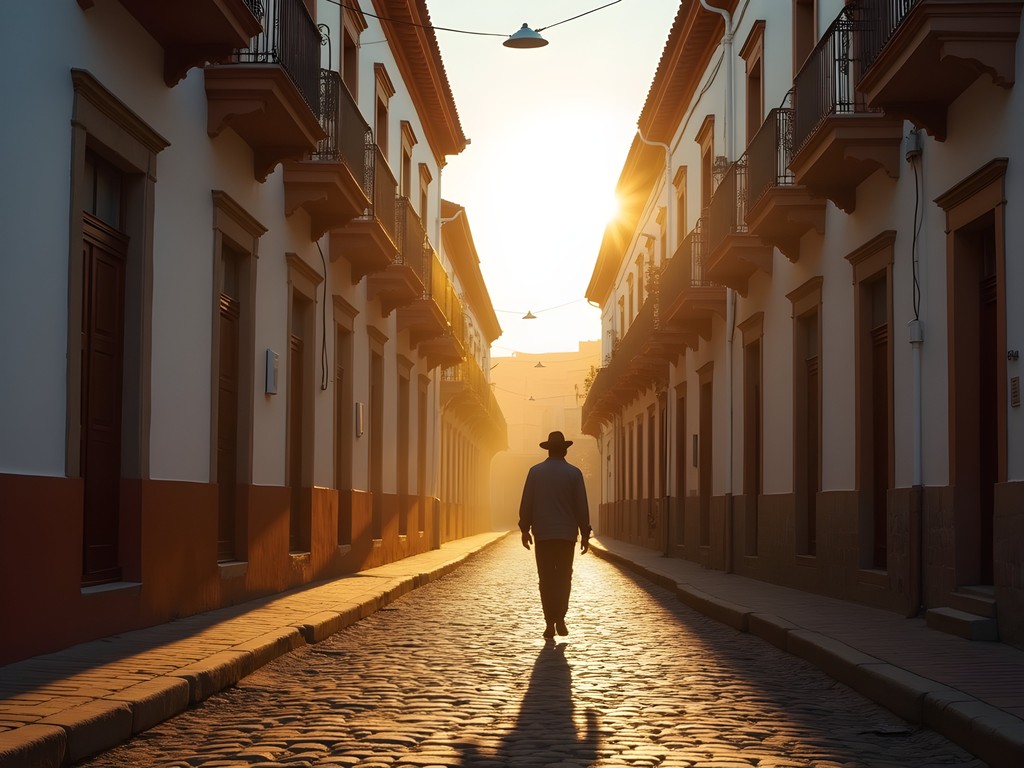
Mornings offered the best light and safest conditions for solo shooting. I'd begin at dawn, capturing the city as it awakened, then retreat to a café during harsh midday light to review images and plan afternoon locations. This rhythm allowed me to maximize productive shooting hours while minimizing risk.
While exploring more remote areas, I found my GPS communicator provided peace of mind, especially when venturing to places like Cal Orkco (the 'Wall of Dinosaur Footprints') where cellular coverage disappears. The ability to share my location and send messages if needed meant I could focus on creative work rather than safety concerns.
For those shooting with smartphones rather than dedicated cameras, I recommend the smartphone lens kit which dramatically improves the creative possibilities for mobile photography in Sucre's picturesque streets.
💡 Pro Tips
- Use a cross-body camera strap and keep your gear close, especially in crowded markets
- Back up photos daily to both physical storage and cloud services when you have WiFi
- Consider joining photography walking tours for safety in numbers while accessing unique vantage points
Final Thoughts
As I packed away my equipment on my final evening in Sucre, watching the sunset paint the white city in shades of amber and rose, I reflected on how this place had transformed both my portfolio and perspective. Sucre demands more than a casual glance—it rewards those who slow down, who wait for perfect light, who engage with locals beyond the superficial.
The city taught me that truly capturing a place means embracing its rhythms: rising with the morning church bells, resting during the sacred afternoon quiet, and venturing out again as the evening light softens the whitewashed walls. In documenting Sucre, I found myself documenting a conversation between colonial history and living indigenous traditions, between architectural preservation and cultural evolution.
If your camera leads you to Bolivia's White City, come with patience, respect, and curiosity. The images you create will be more than pretty pictures—they'll be windows into a place where time moves differently, where light has a character all its own, and where every photograph tells a story centuries in the making.
✨ Key Takeaways
- Sucre offers exceptional photography opportunities combining colonial architecture, indigenous culture, and Andean landscapes
- Building relationships with locals leads to more authentic and meaningful photographic opportunities
- The best images come from patience—waiting for perfect light and returning to locations at different times
- Respect cultural sensitivities, especially during religious ceremonies and at indigenous markets
📋 Practical Information
Best Time to Visit
April-October (dry season), with April-May offering ideal spring weather and fewer tourists
Budget Estimate
$30-50 USD per day including accommodation, food and local transportation
Recommended Duration
5-7 days minimum to explore the city and surrounding areas
Difficulty Level
Moderate Due To Altitude (2,810m) And Some Challenging Terrain For Landscape Photography


Comments
journeystar7354
Just got back from Bolivia and your guide was SPOT ON! The morning light in Sucre is exactly as you described - pure magic. We followed your tip about visiting the textile museum and got some incredible photos of the weavers at work. One addition I'd suggest: the rooftop of the Museo de Arte Indígena offers an amazing panoramic view that's perfect for sunset shots. Can't wait to see where you shoot next!
redphotographer
Just stunning work! The way you've captured the texture of those colonial buildings is incredible. What time of year did you visit? I'm wondering if the light is different during rainy season vs dry season?
Amit Sanchez
I visited during the dry season (May-October) which provides more consistent light for photography. The rainy season can offer dramatic skies but you'll need to be patient between showers. The light in August was particularly clear and crisp!
Claire Hawkins
Your photos brought back so many memories! We spent a week in Sucre last spring and it was one of our favorite stops in Bolivia. The white buildings really do glow differently depending on the time of day. We took our two kids to the Recoleta viewpoint for sunset and they loved watching the city turn pink. One tip for families - the Parque Bolivar has a great playground where kids can run around while you catch your breath from the altitude. The mercado central was also fantastic for photos, though it gets crowded around lunchtime. Did you make it to any of the nearby villages?
Casey Andersson
What a gorgeous photo essay on Sucre! I stayed at Hotel Boutique La Posada last year and waking up to those white-washed colonial buildings was like stepping into another era. For photographers visiting, I found early mornings (6-8am) offered the most magical light with the fewest people around. The central market is a kaleidoscope of colors against the white city backdrop, but always ask permission before photographing the local vendors. My favorite memory was capturing the sunset from Café Mirador - the entire city glows amber as the light hits all those white buildings. Simply breathtaking!
vacationadventurer
What camera settings did you use for the early morning shots? Heading there in May!
Claire Hawkins
Not Amit, but when we were there with the kids last year, I found that shooting around f/8 worked great for those street scenes. The light is incredible between 6-7am before it gets too harsh. My 5-year-old was surprisingly patient during those early morning walks!
vacationadventurer
Thanks! Super helpful
tripexplorer
Is it difficult to get to Sucre? I've been thinking about Bolivia but worried about the altitude and transportation options.
Amit Sanchez
There are regular flights from La Paz and Santa Cruz to Sucre's airport. The altitude (2,810m) is actually more manageable than La Paz! I'd recommend spending 1-2 days acclimatizing before doing any strenuous hiking in the surrounding areas.
Megan Martin
Amit, your photography truly captures the essence of Sucre! I was there last year on a business trip and extended my stay just to wander those beautiful colonial streets. For anyone planning a visit, I highly recommend timing your trip around one of the local festivals if possible. The contrast of colorful traditional clothing against the white architecture creates stunning photo opportunities. The Pujllay festival in March is particularly photogenic if you can make it then.
vacationadventurer
These photos are INCREDIBLE! The one of the local market with all the colorful textiles against the white buildings is my absolute favorite. Adding Sucre to my bucket list right now!
nomadmood
Heading to Bolivia next month! Is 3 days enough for Sucre or should I stay longer?
journeystar7354
I spent 5 days there last year and it was perfect! Don't rush it - the city has such a relaxed vibe and there's so much to photograph. Make sure to visit the viewpoint at La Recoleta during sunset!
nomadmood
Thanks for the tip! Will definitely add an extra day or two.
oceanlife
Beautiful photos! What camera setup did you use to capture those amazing golden hour shots of the white buildings?
Amit Sanchez
Thanks oceanlife! I used my Sony A7III with a 24-70mm f/2.8 lens for most of the architectural shots. The morning light in Sucre is absolutely magical - worth waking up early for!
redphotographer
That golden light on the white buildings is STUNNING! I've been shooting with my mirrorless camera and it's great for travel, but your shots make me want to upgrade!
Venture X
Premium card with 2X miles, $300 travel credit, Priority Pass