
Disclosure: This article contains affiliate links. We may earn a commission from purchases at no extra cost to you, which helps our travel content.
You know, there's something magical about stepping into a city that hasn't yet been overrun by tourism's heavy footprint. Pecs (pronounced 'paych') feels like Hungary's best-kept secret – a cultural treasure chest tucked away in the southwest corner of the country. As someone who's spent the last 15 years navigating the vibrant streets of Rio, I've developed a sixth sense for cities with authentic soul, and Pecs has it in spades. Last October, I found myself with a free weekend between business meetings in Budapest, and on a whim, I hopped on a train southbound. What followed were three days of wandering through millennia of layered history, from Roman ruins to Ottoman-era mosques to vibrant Zsolnay porcelain – all while barely opening my wallet. If you're looking to explore a European gem that delivers cultural richness without the crowds or costs of Prague or Vienna, grab your walking shoes and join me through the secret streets of Hungary's most underrated city.

Getting Lost in Pecs' Historic Center
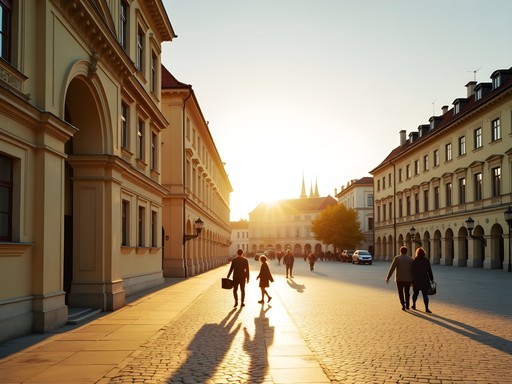
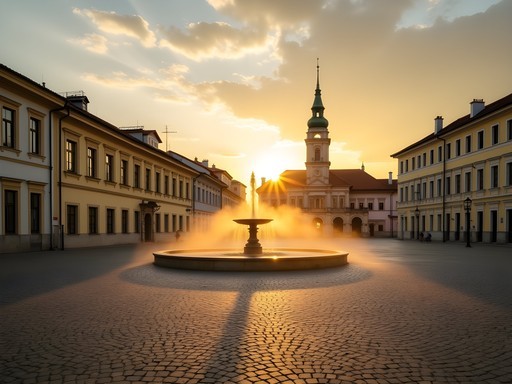
The heart of Pecs beats around Széchenyi Square, but don't make the mistake I nearly did by sticking only to the main plaza. My first morning, I arrived armed with a compact travel guide and a hastily downloaded offline map, but the best decision I made was putting both away after breakfast.
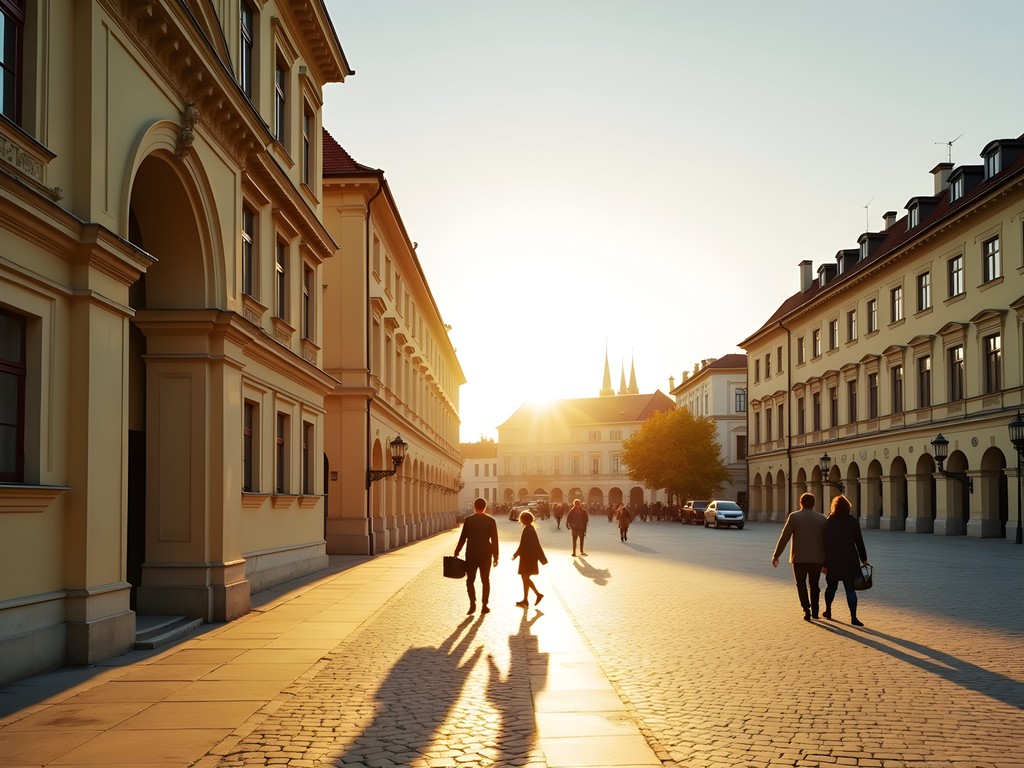
Instead, I followed my nose – literally – as the scent of freshly baked rétes (Hungarian strudel) pulled me down narrow, cobblestone alleys that don't appear on tourist maps. The historic center is wonderfully compact, making it impossible to get truly lost, but just disoriented enough to discover something unexpected.
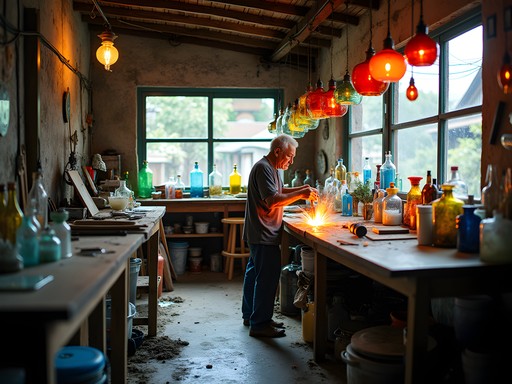
One such discovery was stumbling upon a tiny workshop where an elderly craftsman was hand-painting Zsolnay ceramics. Despite our language barrier – my Hungarian is limited to 'thank you' and 'another coffee, please' – he welcomed me in with animated gestures. For nearly an hour, I watched his weathered hands transform plain porcelain into vibrant art, using techniques passed down through generations.
The beauty of Pecs' historic center lies in these intimate moments that happen when you allow yourself to wander without agenda. The main attractions – the stunning cathedral, the former mosque-turned-church, the Roman necropolis – they're all worth visiting, but it's the spaces between them where you'll find the city's true character.
💡 Pro Tips
- Start exploring early (around 8am) before tour groups arrive
- The historic center is pedestrian-friendly, so comfortable walking shoes are essential
- Look for small wooden signs indicating artisan workshops – many welcome visitors
Culinary Time Travel: Ottoman Flavors Meet Hungarian Traditions
If there's one thing my years in Brazil taught me, it's that food tells the most honest stories about a place's history. In Pecs, that story is particularly fascinating due to the 150 years of Ottoman rule that left an indelible mark on the local cuisine.
My culinary adventure began at the compact but vibrant market hall near Kossuth Square. Unlike the touristy Central Market in Budapest, here I was the only foreigner amid locals haggling over paprika and fresh produce. An elderly woman noticed my curious glances at her basket of unusual mushrooms, and before I knew it, I was being lectured (through animated gestures and the few English words she knew) about proper mushroom selection.
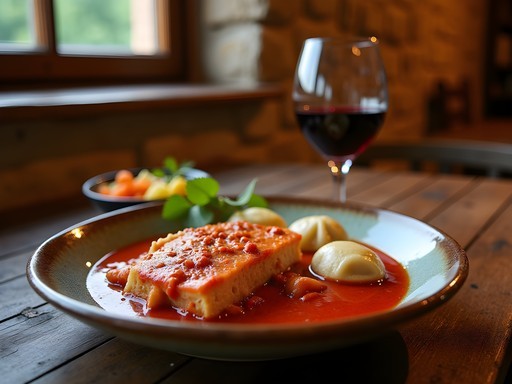
For lunch, I discovered Bagolyvár Étterem, a small restaurant housed in a 16th-century building. Here, I experienced the perfect marriage of Ottoman and Hungarian flavors in a dish called török mézeskalács – a honey-spiced bread that reminded me surprisingly of Brazilian pão de mel, though with distinctly different spices. The owner explained that many Hungarian dishes still carry subtle influences from Turkish occupation – the use of saffron, certain preparation techniques for meat, and even some pastry traditions.
Dinner presented another delightful discovery at Sárkány Étterem, where I tried catfish paprikash served alongside homemade noodles called nokedli. The chef, noticing my enthusiasm, invited me to return the next evening for an impromptu cooking lesson. I couldn't help but be reminded of my early days in Rio, learning to make feijoada from my ex's grandmother.
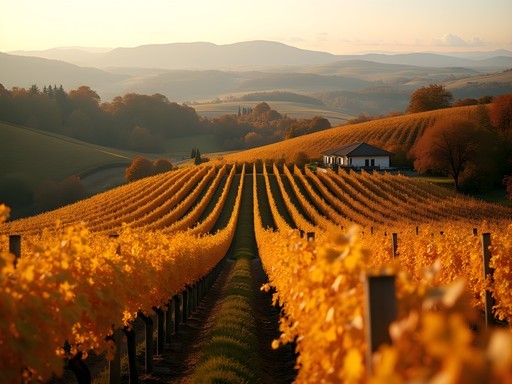
Before leaving Pecs, make sure to try the local wines from the Villány region just south of the city. I picked up a bottle of excellent Kékfrankos (Blaufränkisch) red wine for under $10 that would easily cost triple back in Rio.

💡 Pro Tips
- Visit the market hall before 10am for the freshest selection
- Look for restaurants displaying the 'Pécsi Ízek' (Flavors of Pecs) logo for authentic local cuisine
- Ask for wine recommendations – servers are passionate about promoting local vineyards
Underground Pecs: Roman Ruins to Wine Cellars
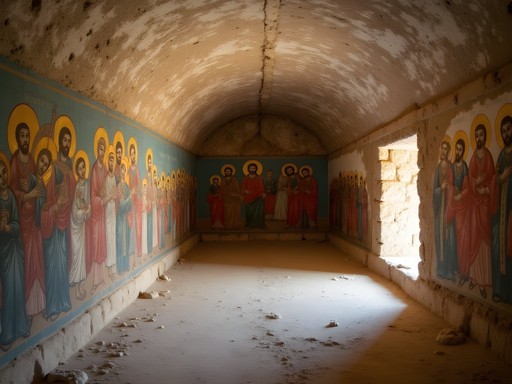
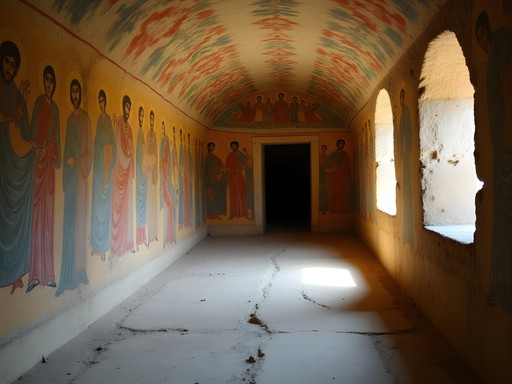
One of the most fascinating aspects of Pecs is how the city exists in layers – quite literally. My third day began with a visit to the Early Christian Necropolis, a UNESCO World Heritage site dating back to the 4th century. Descending underground, I found myself walking through remarkably preserved burial chambers adorned with early Christian murals depicting biblical scenes and symbols. What struck me wasn't just their age, but how they represented a pivotal moment when Roman culture began embracing Christianity.
After emerging back into daylight, I decided to explore more of Pecs' underground treasures. Armed with my compact travel flashlight (a must-have for urban exploration), I joined a small tour of the city's historic cellars. While Budapest might be famous for its ruin bars, Pecs has transformed many of its centuries-old underground spaces into wine cellars, galleries, and intimate performance venues.
The highlight was discovering a jazz concert scheduled that very evening in a 400-year-old cellar beneath Király Street. Sitting on stone benches worn smooth by generations, sipping local Cirfandli white wine while listening to Hungarian musicians incorporate traditional folk elements into contemporary jazz compositions – this was Pecs at its most magical.
What makes these underground spaces particularly special is how they connect different eras of the city's history. One cellar I visited had been originally excavated during Roman times, expanded during the Medieval period, used for wine storage by Ottoman officials, and finally converted into a small museum displaying artifacts from each era. It's this layered history that makes urban exploration in Pecs so rewarding – each narrow alley or unassuming doorway potentially leads to centuries of stories.

💡 Pro Tips
- Purchase tickets for the Necropolis a day in advance as they limit daily visitors
- Bring a light jacket even in fall – underground spaces maintain a cool temperature year-round
- Ask at your accommodation about evening cellar concerts – many aren't advertised online

Zsolnay Quarter: Industrial Heritage Reborn
If you've spent time in Budapest, you've likely admired the colorful tiled roofs adorning landmarks like Matthias Church without knowing their origin. Those distinctive ceramics come from Pecs' most famous export: Zsolnay porcelain. The former factory complex has been brilliantly reimagined as the Zsolnay Cultural Quarter, and it offers a completely different urban exploration experience from the historic center.
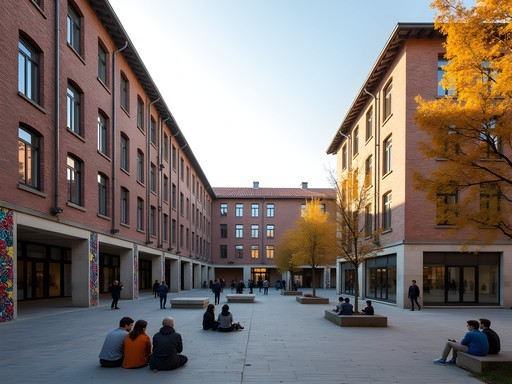
I dedicated my final afternoon in Pecs to wandering through this sprawling complex of renovated industrial buildings. The transformation reminded me of similar projects in Rio's port zone, though with a distinctly Hungarian aesthetic. Former workshops now house contemporary art galleries, design studios, and university departments focused on creative arts.
The highlight for me was the Gyugyi Collection, displaying over 600 magnificent Zsolnay ceramic pieces that showcase why this small Hungarian city gained international recognition during the Art Nouveau period. The iridescent glazing technique they developed, called eosin, creates an otherworldly metallic sheen that changes color depending on the viewing angle.
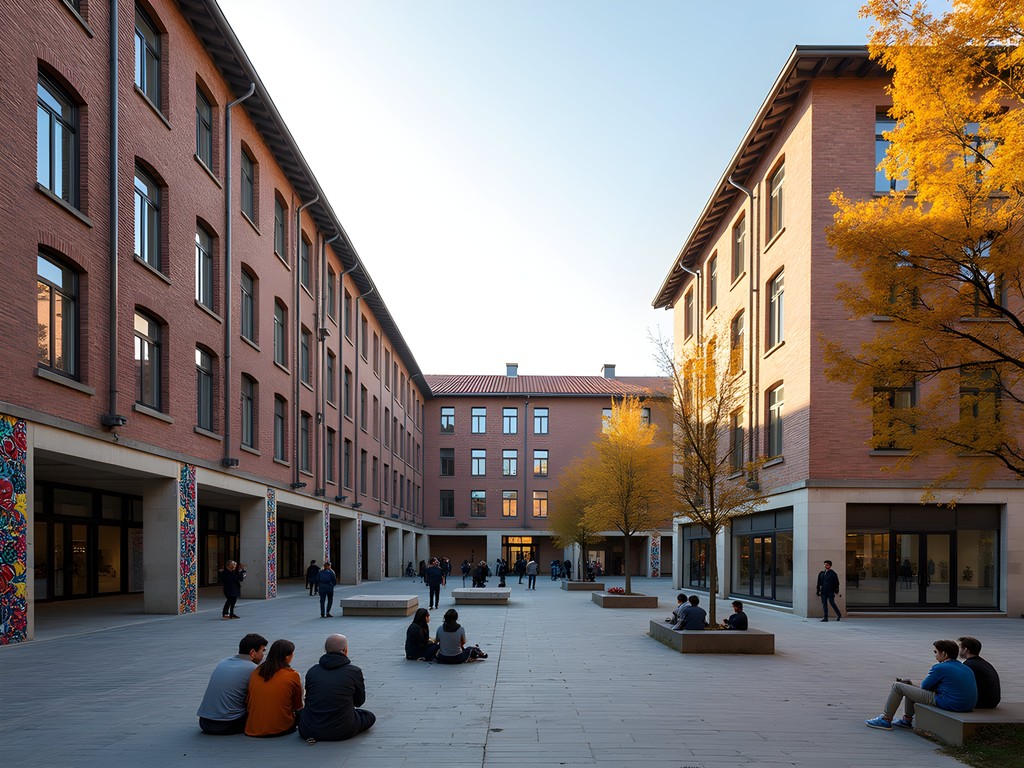
After exploring the exhibitions, I settled into the quarter's central plaza where students from the arts university were staging an impromptu dance performance. Sipping a perfectly made espresso from the quarter's artisanal café, I watched as contemporary creativity flourished in this thoughtfully repurposed industrial space.
What makes the Zsolnay Quarter special is how it bridges Pecs' proud manufacturing history with its current identity as a university town and cultural hub. It's not just a museum to past glories but a living, evolving space where new ideas take form – exactly the kind of authentic urban regeneration that too often gets lost in more touristy destinations.
💡 Pro Tips
- The Zsolnay Light Centre is worth the small entrance fee for its interactive displays
- Visit on weekday afternoons to see university students working in the open studios
- The quarter's café serves excellent coffee at half the price you'd pay in Budapest
Budget-Friendly Pecs: Experiencing Culture Without Breaking the Bank
As someone who regularly navigates between the economies of Brazil and Canada, I've become somewhat of an expert at finding value without compromising experiences. Pecs stands out as one of Europe's best deals for cultural travelers on a budget.
Accommodation in Pecs costs roughly half what you'd pay in Budapest. I stayed at a charming family-run pension just two blocks from Széchenyi Square for €35 per night, including a hearty breakfast of fresh bread, local cheese, and homemade apricot jam that reminded me of mornings at my grandmother's table in Kitchener.
One of my favorite budget discoveries was the unified museum ticket that grants access to five major museums for less than the price of two individual admissions. I purchased mine at the Csontváry Museum (housing works by one of Hungary's most distinctive painters) and used it over two days to visit collections I might have otherwise skipped.
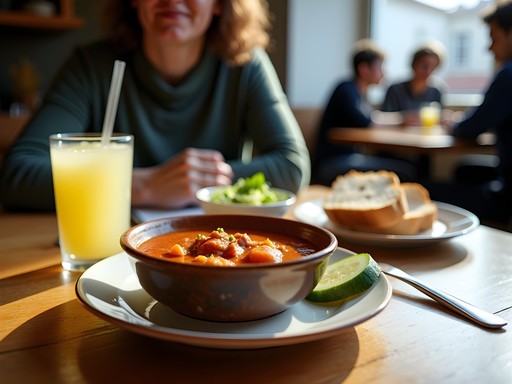
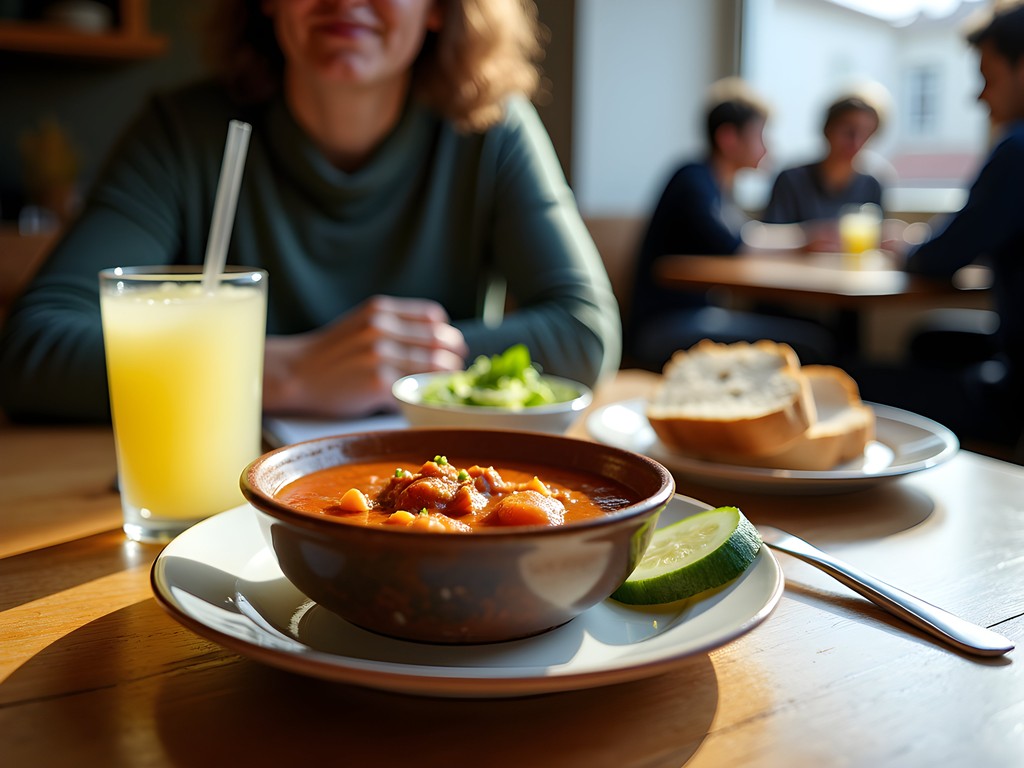
For lunch, I followed local university students to small eateries serving daily specials. My favorite was a tiny place called Blöró Bistro where €5 bought a substantial two-course meal with a glass of homemade lemonade. The portions were so generous that I often skipped dinner in favor of street food or picnic supplies from the market.
Pecs' status as a university town means there's always something happening for free or very little cost. One evening, I discovered students from the music faculty performing a chamber music concert in an open courtyard – the acoustics were phenomenal, and the price (free) couldn't be beaten.
Even souvenirs don't have to break the bank. Rather than purchasing expensive Zsolnay pieces, I found a local artisan creating ceramic magnets using similar techniques but at a fraction of the cost. These small treasures now adorn my refrigerator in Rio, sparking conversations about this special Hungarian city whenever friends visit for dinner.
💡 Pro Tips
- Purchase the unified museum ticket even if you only plan to visit two museums – it quickly pays for itself
- Look for 'menü' signs outside restaurants indicating fixed-price lunch specials
- Check bulletin boards near the university for free cultural events
Final Thoughts
As my train pulled away from Pecs' modest station, I found myself already planning a return visit – perhaps in spring when the surrounding Mecsek hills burst into bloom. This unassuming Hungarian city had worked its way into my heart in just three days, reminding me why I travel in the first place: to discover places that tell authentic stories through their streets, food, and people. Pecs offers that increasingly rare combination of rich cultural experiences without the crowds or commercialization that plague more famous destinations. Whether you're tracing two thousand years of history underground, savoring the Turkish-Hungarian fusion cuisine, or watching student artists breathe new life into industrial spaces, Pecs rewards the curious traveler willing to venture beyond the standard European circuit. Pack light, bring your walking shoes, and come with an open schedule – the secret streets of Pecs are waiting to be explored, one unhurried discovery at a time.
✨ Key Takeaways
- Pecs offers remarkable cultural richness at about half the cost of Budapest
- The compact historic center is best explored on foot without rigid itineraries
- The city's layered history – Roman, Ottoman, Habsburg, modern Hungarian – creates unique exploration opportunities
- Fall brings perfect temperatures, university energy, and fewer tourists
📋 Practical Information
Best Time to Visit
September to November
Budget Estimate
€150-200 for a weekend (accommodation, food, attractions)
Recommended Duration
2-3 days
Difficulty Level
Easy
Comments
backpackadventurer
Pro tip - get the Pecs Card if you're staying more than 2 days. Covers most museums and public transport. Saved me probably 30 euros. Also the university area has some cool street art that's not in any guidebooks, just wander around the back streets near the main campus.
globeseeker
Good to know, thanks!
Hannah Woods
Pecs completely surprised me when I passed through last spring. The hostel scene is small but solid - stayed at Nappali Hostel which had a great communal vibe. Budget tip: the local market near Kossuth Square has incredible prices on produce and street food. I survived on lángos and fresh pastries for days. The bus connections to Croatia are also really convenient if you're doing a Balkans loop. Tyler, did you explore any of the Mecsek hiking trails? I only did one short walk but the views over the city were stunning.
beachfan9624
Adding this to my list!
Jean Wells
Excellent write-up, Tyler. Pecs deserves far more attention than it receives. I spent four days there in 2024 and found the juxtaposition of Ottoman, Roman, and contemporary Hungarian culture particularly fascinating. The underground Roman burial chambers are exceptional - far less crowded than similar sites in Italy or Croatia. One recommendation: the thermal baths on the outskirts aren't mentioned in most guides but offer an authentic local experience. The wine cellars in Villány (30 minutes away) make for a perfect day trip if you have extra time.
beachfan9624
Did you need to book the wine cellars in advance?
Jean Wells
Some of the larger ones accept walk-ins, but I'd recommend booking ahead, especially on weekends. The smaller family-run cellars are more flexible.
photorider
What's the best spot for photography in the Zsolnay Quarter? Planning to visit in May and want to get some good shots of those ceramic details you mentioned.
backpackadventurer
Not Tyler but I was there last fall - the rooftops are insane! Go early morning for best light on the buildings
photorider
Thanks! Early morning it is
globeseeker
Never even heard of this place! Looks amazing
nomadguide
Just booked my tickets to Hungary and definitely including Pecs now! Any food spots I absolutely shouldn't miss?
Kimberly Murphy
Try Korhely Restaurant near the cathedral - amazing Hungarian-Ottoman fusion dishes and they have a lovely garden seating area!
wavetime
This looks so cool! What's the best time of year to visit? Would love to see those hills you mentioned in the conclusion!
Tyler Gutierrez
Late spring (May) or early autumn (September) are perfect - mild weather, fewer tourists, and the hills are either blooming or turning golden. Summer can get pretty hot in the city center!
Dylan Turner
Fascinating piece on Pecs. I visited last year while researching Hungary's secondary cities and found the cultural density remarkable for a city of its size. The juxtaposition of Ottoman, Habsburg, and modern Hungarian influences creates a uniquely layered urban experience. While Budapest rightfully attracts attention, Pecs represents a more refined, intellectual side of Hungarian culture. I particularly appreciated how the university's presence energizes the cafe scene - the coffee culture rivals Vienna's but at half the price. For anyone visiting, I'd recommend bringing a good pair of walking shoes as the historic center's cobblestones can be challenging but rewarding to explore. I used my travel guide which had excellent coverage of Pecs compared to other guidebooks that barely mention it.
springace
Those photos of the Zsolnay tiles are gorgeous! 😍
Venture X
Premium card with 2X miles, $300 travel credit, Priority Pass