
Disclosure: This article contains affiliate links. We may earn a commission from purchases at no extra cost to you, which helps our travel content.
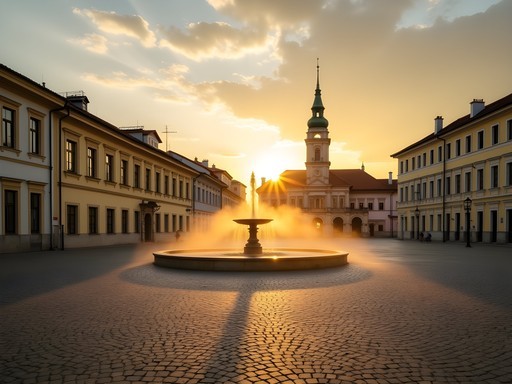
When I first stepped into Pecs, Hungary's fifth-largest city nestled against the slopes of the Mecsek Mountains, I wasn't prepared for how this underrated gem would capture my heart through my stomach. As someone who has explored culinary scenes from Oaxaca to Dubai, I can confidently say that Pecs offers one of Europe's most authentic yet undiscovered food experiences. The city's unique position at the crossroads of Mediterranean and Central European influences has created a culinary landscape as diverse as the architectural styles that line its streets. Fall transforms this university town into a feast for the senses - with grape harvests in full swing, chestnut festivals bringing communities together, and the warm, earthy aromas of paprika-infused dishes filling the air. Join me as we explore a weekend of gastronomic delights that perfectly balance tradition and innovation in Hungary's most multicultural city.

The Villány Wine Region: Hungary's Bordeaux
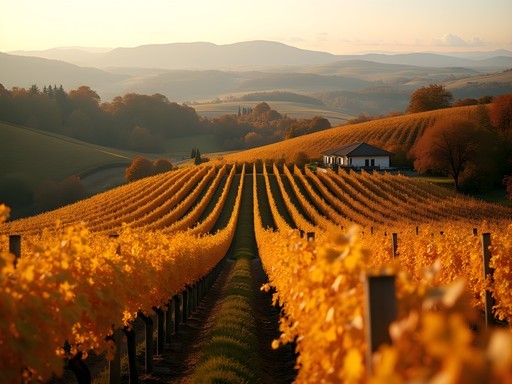
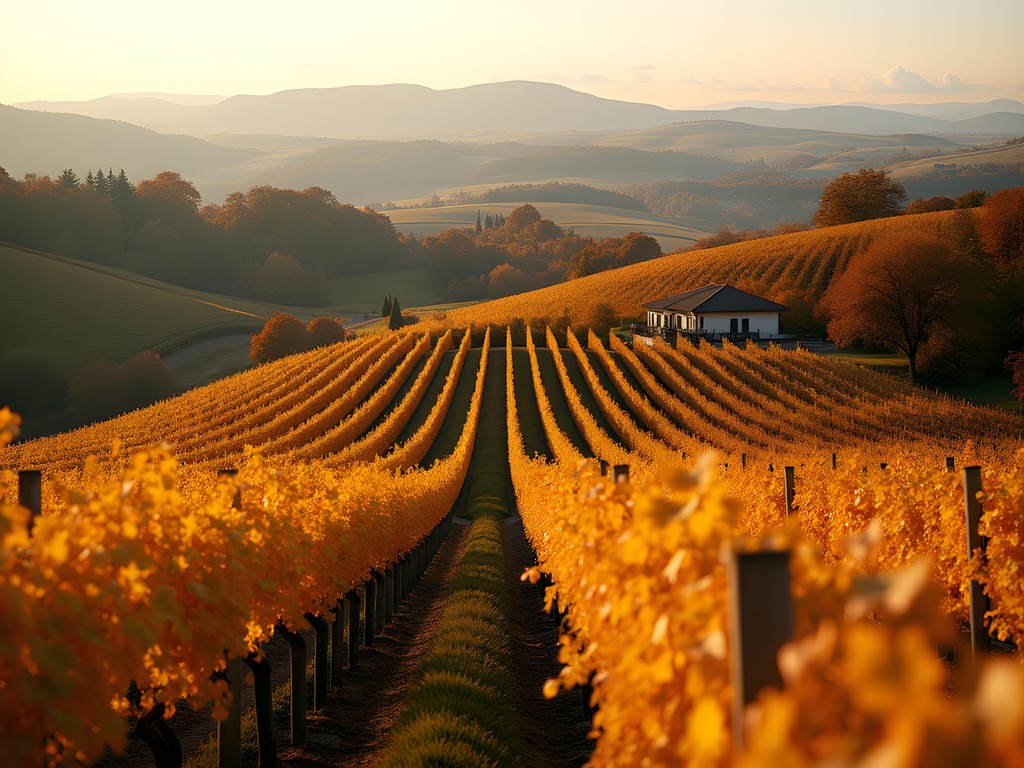
Just a short 30-minute drive south of Pecs lies the Villány wine region, often called 'Hungary's Bordeaux' for its exceptional red wines. Unlike the more internationally recognized Tokaj region, Villány remains relatively undiscovered by mass tourism, creating an experience that feels authentic and intimate.
My journey began at the Gere Attila Winery, a family-owned estate where traditional methods meet modern sustainability practices. The winery's stone cellar, cool and dimly lit, provided the perfect setting for a guided tasting of their award-winning Cabernet Franc and Portugieser varieties. What struck me most was the passionate explanation of how the region's unique microclimate - with more annual sunshine hours than almost anywhere else in Hungary - creates wines with distinctive character and depth.
For those seeking a more immersive experience, I highly recommend booking the wine picnic which includes transportation from Pecs, visits to three family wineries, and a traditional Hungarian picnic among the vineyards. The experience of enjoying freshly made körözött (Hungarian cheese spread) with still-warm bread while overlooking rows of autumn-hued vines creates memories that linger far longer than the wine itself.
As a lawyer who spends most days in fluorescent-lit courtrooms, there was something profoundly restorative about connecting with vintners whose families have worked the same land for generations. Their stories of perseverance through communist collectivization and eventual return to family ownership offered insights into Hungarian history that no museum could provide.
💡 Pro Tips
- Book winery visits in advance as many smaller producers have limited English-speaking staff
- Try the Kékfrankos (Blaufränkisch) variety - it's the region's specialty and pairs perfectly with local dishes
- Many wineries offer shipping services, so you don't need to worry about fitting bottles in your luggage
Market Morning: Pecs' Culinary Heartbeat
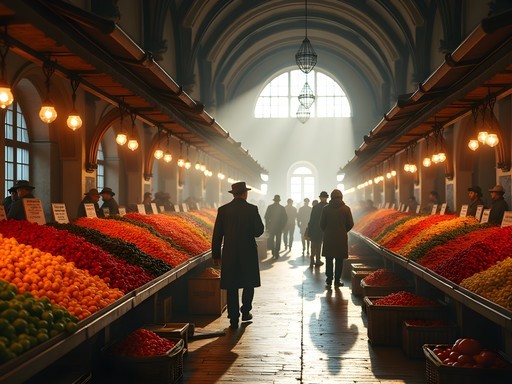
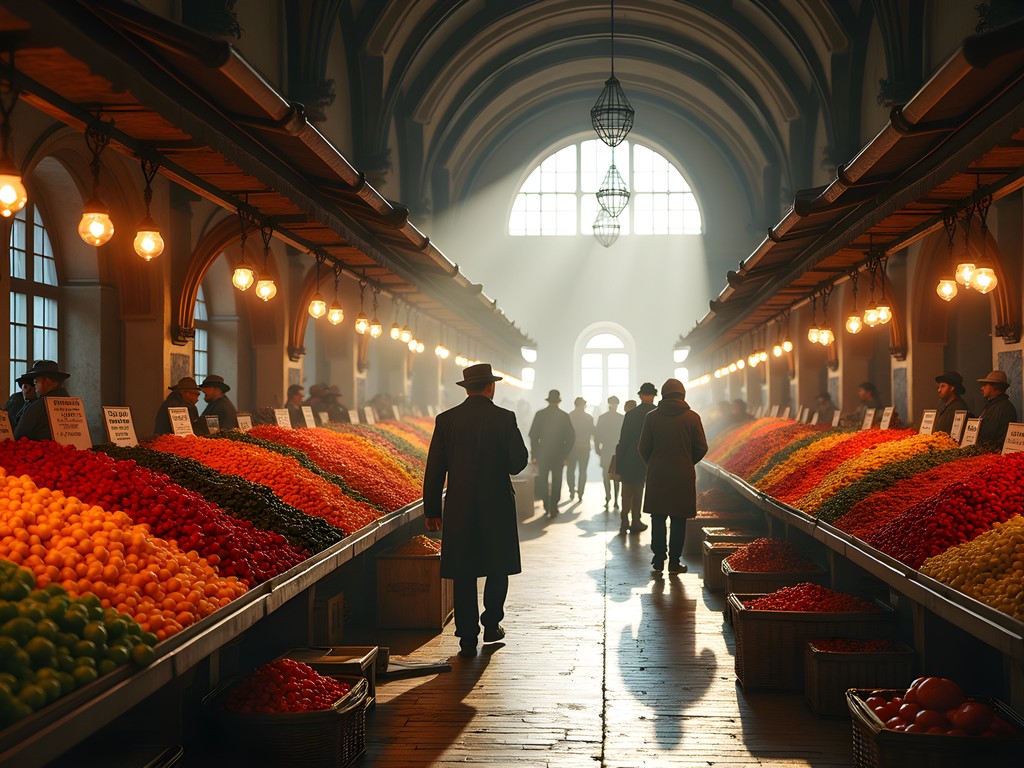
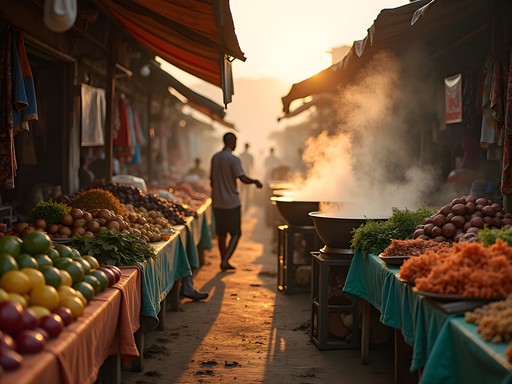
To truly understand a city's food culture, you must start where the locals shop. This philosophy led me to Pecs' Central Market Hall at 7 AM on a crisp Saturday morning. The 19th-century building with its wrought-iron details houses a microcosm of Hungarian food culture that reveals itself to early risers.
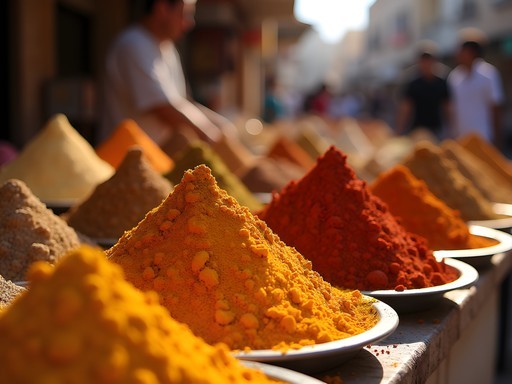
Navigating the market requires strategy. I began in the produce section, where farmers from surrounding villages displayed mushrooms foraged from the Mecsek Mountains alongside pyramids of glossy red paprika peppers. An elderly vendor, noticing my interest, handed me a slice of her homegrown apple with a smile that transcended our language barrier. This simple exchange exemplifies why I travel - connections formed through shared appreciation of something as fundamental as food.
The market's second level houses what quickly became my weekend ritual spot - small family-run eateries serving traditional Hungarian breakfast. At Marika's stall (look for the checkered tablecloths and perpetual line), I discovered the transcendent simplicity of properly prepared túrós csusza - pasta with cottage cheese, bacon, and sour cream. Watching Marika prepare each dish while bantering with regular customers provided a masterclass in both Hungarian cuisine and community building.
Before leaving the market, I made sure to purchase packets of the region's famous sweet paprika. Unlike the dusty versions found in American supermarkets, this freshly ground spice bursts with complex flavors ranging from sweet to smoky. I also picked up a handcrafted wooden spice box - a beautiful keepsake that now houses my growing collection of global spices and serves as a daily reminder of Pecs' vibrant market culture.
💡 Pro Tips
- Arrive early (before 8 AM) on weekends to see the market at its most authentic and avoid crowds
- Bring cash in small denominations as many vendors don't accept cards
- Look for products labeled 'házi' (homemade) for the most authentic local specialties
The Zsolnay Quarter: Where Culinary Arts Meet Visual Arts
Pecs' UNESCO-recognized porcelain heritage finds its home in the revitalized Zsolnay Cultural Quarter, where former factory buildings now house museums, galleries, and some of the city's most innovative restaurants. The juxtaposition of 19th-century industrial architecture with contemporary culinary creativity makes this area a must-visit for food enthusiasts.
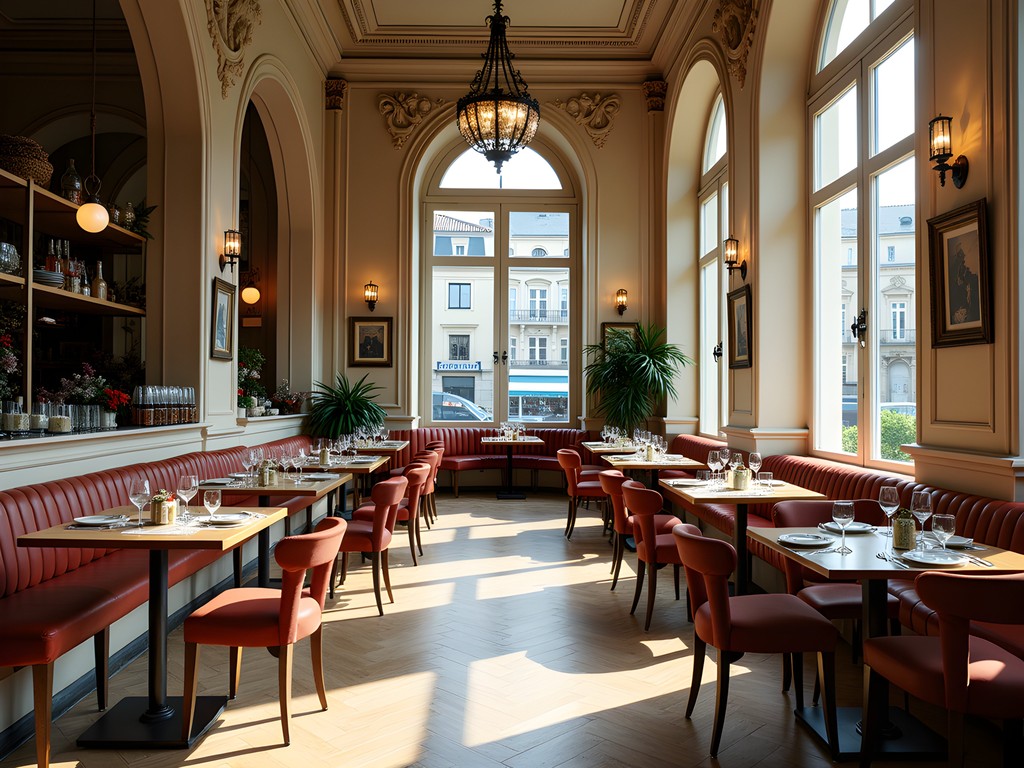
My exploration centered around Zsolnay Café, housed in the former residence of the Zsolnay family. The café's interior, adorned with original Zsolnay porcelain pieces, creates an atmosphere where you're simultaneously dining and museum-going. Their seasonal menu emphasizes local ingredients through a contemporary lens – I particularly recommend their pumpkin cream soup served in miniature Zsolnay porcelain cauldrons, a perfect marriage of the region's culinary and artistic heritage.
The quarter's pedestrian-friendly layout encourages post-meal wandering, which led me to discover a small chocolate atelier where a former pastry chef creates hand-painted bonbons infused with local flavors like Mecsek Mountain honey and Villány wine. Watching him carefully brush edible gold onto chocolate canvases reminded me how closely culinary and visual arts intertwine in Hungarian culture.
For those interested in bringing these experiences home, I recommend the Hungarian cookbook available at the quarter's beautifully curated bookshop. Unlike many tourist-oriented cookbooks, this volume provides authentic recipes with cultural context, making it possible to recreate Hungarian flavors with ingredients available internationally.
💡 Pro Tips
- Reserve a table at Zsolnay Café in advance for weekend brunches
- Check the quarter's cultural calendar as they often host food festivals and culinary workshops
- Many shops offer shipping for fragile Zsolnay porcelain pieces – a better option than risking damage in your luggage

Mecsek Mountain Harvest: Foraging and Farm-to-Table
My most memorable culinary experience in Pecs came unexpectedly through a chance conversation with my Airbnb host, who mentioned a local chef offering foraging expeditions in the Mecsek Mountains followed by a cooking class. As someone who believes that understanding ingredients in their natural environment deepens our appreciation of cuisine, I immediately signed up.
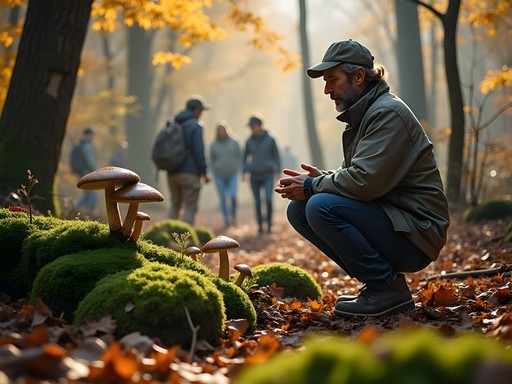
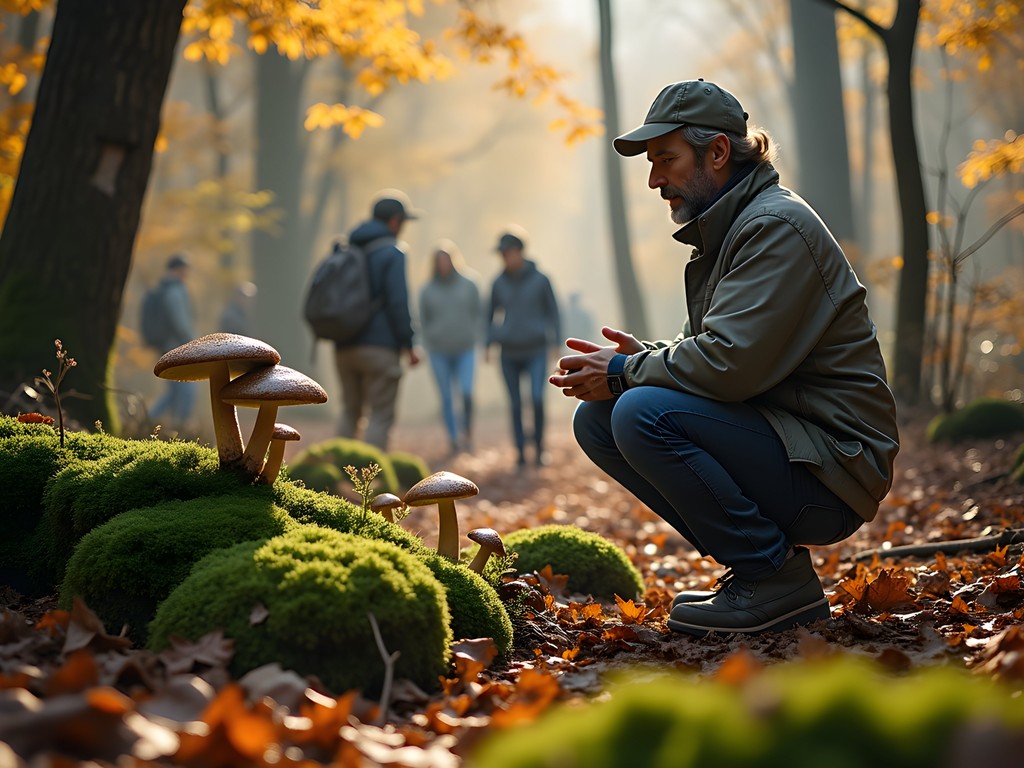
Chef Balázs, a former fine-dining chef who returned to his hometown to reconnect with traditional Hungarian foodways, led our small group through forest paths carpeted with fallen leaves. The three-hour expedition yielded wild mushrooms, rosehips, juniper berries, and wild herbs that would form the foundation of our meal. Balázs' knowledge of both culinary applications and folk medicine traditions associated with each plant provided context that transformed simple ingredients into cultural artifacts.
Back at his rustic teaching kitchen, we learned to prepare mushroom paprikás, a dish that perfectly captures the essence of Hungarian cuisine – simple ingredients transformed through technique and the judicious use of paprika. The experience of harvesting ingredients and then transforming them into a meal created a connection to place that no restaurant experience could match.
For those unable to join a foraging expedition, I recommend visiting the Sunday farmers' market in Kossuth Square, where many of these same forest ingredients appear alongside organic produce from surrounding farms. I particularly enjoyed sampling medvehagyma (wild garlic) products, a regional specialty that locals incorporate into everything from cheese to honey.
To capture these flavors at home, I invested in a high-quality paprika grinder which preserves the essential oils in paprika far better than pre-ground versions. This simple tool has revolutionized my home cooking, allowing me to bring a touch of Hungarian flavor to dishes from my own Mexican-American culinary heritage.
💡 Pro Tips
- Book foraging expeditions at least a week in advance and be prepared with sturdy walking shoes
- If you purchase wild mushrooms at markets, locals recommend sautéing with caraway seeds to enhance digestibility
- Many forest ingredients can be dried and transported home legally (but check customs regulations for your country)
Sweet Endings: Pecs' Café Culture and Pastry Traditions
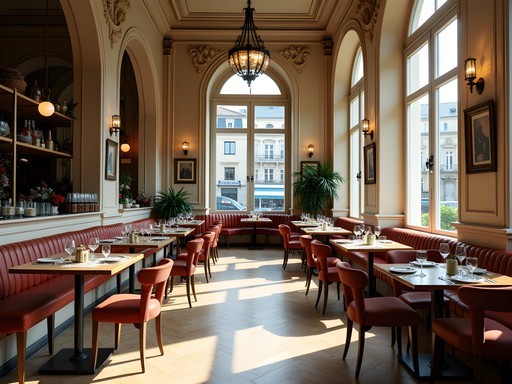
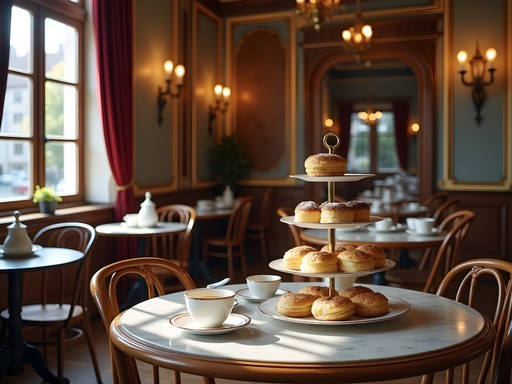
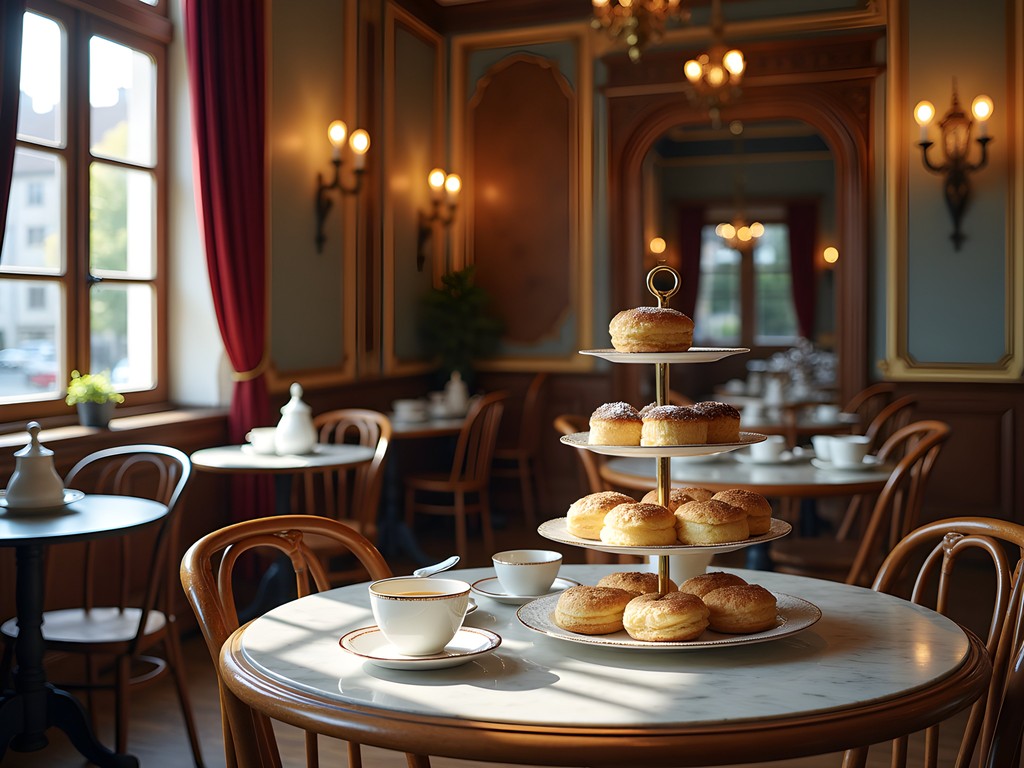
In a country renowned for its café culture, Pecs stands out for maintaining traditional coffeehouses that feel unchanged since the Austro-Hungarian Empire. These establishments serve as community living rooms where conversations flow as freely as the coffee, and where pastry-making reaches the level of high art.
Virgonc Café, located in a 200-year-old building near Széchenyi Square, became my daily afternoon retreat. The café's specialty, Pécsi szelet (Pecs slice), layers chocolate sponge cake with apricot jam and chocolate cream in a combination that perfectly balances sweetness and acidity. What makes this place special isn't just the quality of their pastries but the multigenerational clientele – I observed university students studying alongside elderly couples who've been visiting for decades.
For those interested in Hungary's Jewish culinary heritage, a visit to Nemes Café is essential. Their flódni – a traditional layered cake with poppy seeds, apple, walnut, and plum jam – offers insight into the once-vibrant Jewish community that contributed significantly to Pecs' cultural landscape before WWII. The current owner shared how her grandmother hid the recipe during the Holocaust, preserving this culinary tradition against overwhelming odds.
Coffee culture here isn't just about consumption but connection. I noticed locals rarely rush through their café visits, instead using these spaces for meaningful conversation. As someone who often grabs coffee to-go in my busy Philadelphia life, this intentional slowing down was perhaps the most valuable souvenir I brought home.
To recreate the Hungarian café experience at home, I purchased a Hungarian coffee set with the distinctive hand-painted designs that make Hungarian porcelain famous worldwide. Now, weekend mornings at home include the ritual of preparing coffee in this set, a small act that helps maintain the mindfulness I discovered in Pecs' café culture.
💡 Pro Tips
- Cafés are busiest between 3-5 PM; visit outside these hours for a more relaxed experience
- When ordering coffee, try 'melange' - the Hungarian version of cappuccino with a distinctive spice blend
- Many cafés offer 'sütemény válogatás' (pastry selection) - a perfect way to sample multiple specialties in one sitting
Final Thoughts
As my weekend in Pecs drew to a close, I found myself sitting in Széchenyi Square one last time, savoring a final kürtőskalács while watching locals go about their Sunday rituals. What struck me most about Pecs' culinary scene wasn't just the quality of food and wine, but how gastronomy here remains deeply connected to community, history, and place. Unlike destinations where tourism has created artificial food experiences, Pecs offers authentic culinary traditions that continue to evolve organically. For couples seeking a food-focused getaway that balances romance with cultural immersion, Pecs provides a perfect alternative to overcrowded European destinations. As you plan your own culinary adventure in this hidden Hungarian gem, remember that the most memorable experiences often come from slowing down, engaging with locals, and allowing yourself to be guided by both appetite and curiosity.
✨ Key Takeaways
- Pecs offers an authentic Hungarian culinary experience without the crowds of Budapest
- Fall is ideal for visiting, combining wine harvest, mushroom foraging, and comfortable temperatures
- The city's multicultural history creates a unique fusion of Central European and Mediterranean flavors
📋 Practical Information
Best Time to Visit
September to early November
Budget Estimate
$100-150 per day for accommodations, meals and activities
Recommended Duration
2-3 days
Difficulty Level
Easy
Comments
winterstar
YES!! I've been telling everyone about Pecs since I went last summer. The food scene is unreal and so affordable. That market is my happy place - bought the best paprika there and still using it months later. The kürtőskalács you mentioned... I dream about those 😍
sunsetbackpacker
Going there in March! How many days would you recommend spending in Pecs? I'm trying to figure out my itinerary and not sure if 2 days is enough or if I should do 3-4?
Savannah Torres
I did a long weekend (3 nights) and it felt just right! Two full days for the city and wine region, plus time to relax. You could do 2 days if you're tight on time though.
Sarah Powell
This is such a well-written piece on Pecs! As a solo traveler, I found the city incredibly safe and welcoming. What struck me most was how few tourists there were compared to Budapest - you really get an authentic Hungarian experience. The market you mentioned is perfect for solo travelers wanting to interact with locals. I'd add that the Mecsek Mountains offer some fantastic hiking trails if you have an extra day. The trail from Misina Peak gives you panoramic views of the entire region. Also, the thermal baths just outside the city are a hidden gem. Much quieter than the famous Budapest baths but equally rejuvenating.
globeace
Beautiful photos!
Oliver Duncan
Brilliant post, Savannah! Pecs completely surprised me too when I visited a few years back. The wine scene there is seriously underrated - those Villány reds rival anything I've had in more famous European wine regions, but at a fraction of the price. I stayed in a family-run guesthouse just outside the city and the breakfast spread every morning was incredible. Fresh bread, local cheeses, homemade jams. Hungary really knows how to do hospitality on a budget. Did you make it to any of the wine cellars carved into the hillsides? Absolutely worth the trip if anyone's planning to visit.
winterstar
those wine cellars sound incredible!! do you remember which ones you visited?
Sage Dixon
Savannah, this brings back memories! I did a wine tour through Villány three years ago and it was one of those experiences that completely changed how I thought about Hungarian wine. Most people only know Tokaji, but those full-bodied reds from Villány are seriously world-class. We stayed at a small family winery where the owner's grandmother cooked us the most incredible paprikash I've ever had. Did you get a chance to try any of the Cabernet Franc blends? Those were my favorite. Also, totally agree about the Mecsek foraging scene - it's having a real moment right now with the farm-to-table movement there.
sunnyphotographer
Which winery did you stay at? Looking for recommendations!
Sage Dixon
It was Gere Attila - small place but amazing hospitality. They do tastings and have a few rooms. Book ahead though, fills up fast in summer!
explorelife
How easy is it to get to the Villány wine region from Pecs? Did you rent a car or join a tour?
Savannah Torres
I joined a small group tour which was perfect! About 45 min drive. You could rent a car but then you can't enjoy the wine tastings as much 😉
explorelife
good point haha! thanks!
sunnybackpacker
omg this looks amazing!! adding pecs to my list right now
sunnyphotographer
That market photo is gorgeous! Adding Pecs to my list
Sage Dixon
Right?? The markets in Hungary are incredible. I spent a whole morning in Budapest's Great Market Hall last year and could have stayed all day.
sunnyphotographer
same! I love shooting markets anywhere I go
beachzone
Is October too late in the year to visit? Worried about weather but would love to see the harvest season.
wildadventurer
October is actually perfect! We went mid-October last year and caught the tail end of harvest. Weather was crisp but still pleasant for walking around. The autumn colors in the vineyards were incredible!
Venture X
Premium card with 2X miles, $300 travel credit, Priority Pass