



Disclosure: This article contains affiliate links. We may earn a commission from purchases at no extra cost to you, which helps our travel content.
Standing atop Lookout Mountain as the autumn sun casts long shadows across the Tennessee River Valley, I'm struck by how Chattanooga defies American urban stereotypes. This former industrial workhorse – once declared the 'dirtiest city in America' – has reinvented itself through thoughtful urban planning, creative placemaking, and a genuine commitment to sustainability. Having explored post-industrial revivals from Sheffield to Bilbao, I can confidently say: Chattanooga's renaissance is among the most remarkable urban transformations I've witnessed anywhere in the world.

The Riverfront Revival: Chattanooga's Urban Heart
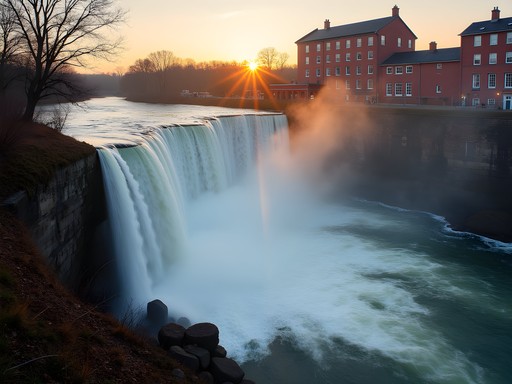
Chattanooga's rebirth pivots around its reconnection to the Tennessee River, transforming former industrial wasteland into vibrant public space. The 13-mile Riverwalk serves as the city's circulatory system, linking neighborhoods once severed by industrial barriers.
The Tennessee Aquarium anchors the waterfront district, its distinctive glass peaks mirroring the surrounding mountains. Unlike many urban aquariums that feel disconnected from their environment, this one celebrates the extraordinary biodiversity of the Tennessee River system – one of the world's most ecologically diverse freshwater ecosystems.
My favorite riverfront discovery was the Hunter Museum of American Art, perched dramatically on a bluff overlooking the water. The juxtaposition of its Edwardian mansion and sleek modern expansion perfectly symbolizes Chattanooga itself – a city honoring its heritage while boldly embracing the future. I spent hours exploring its collection, particularly drawn to works depicting America's changing relationship with its industrial landscapes.
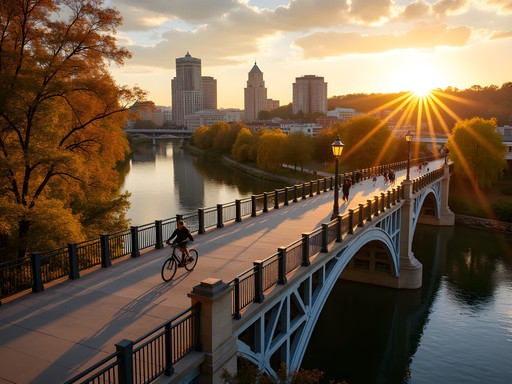
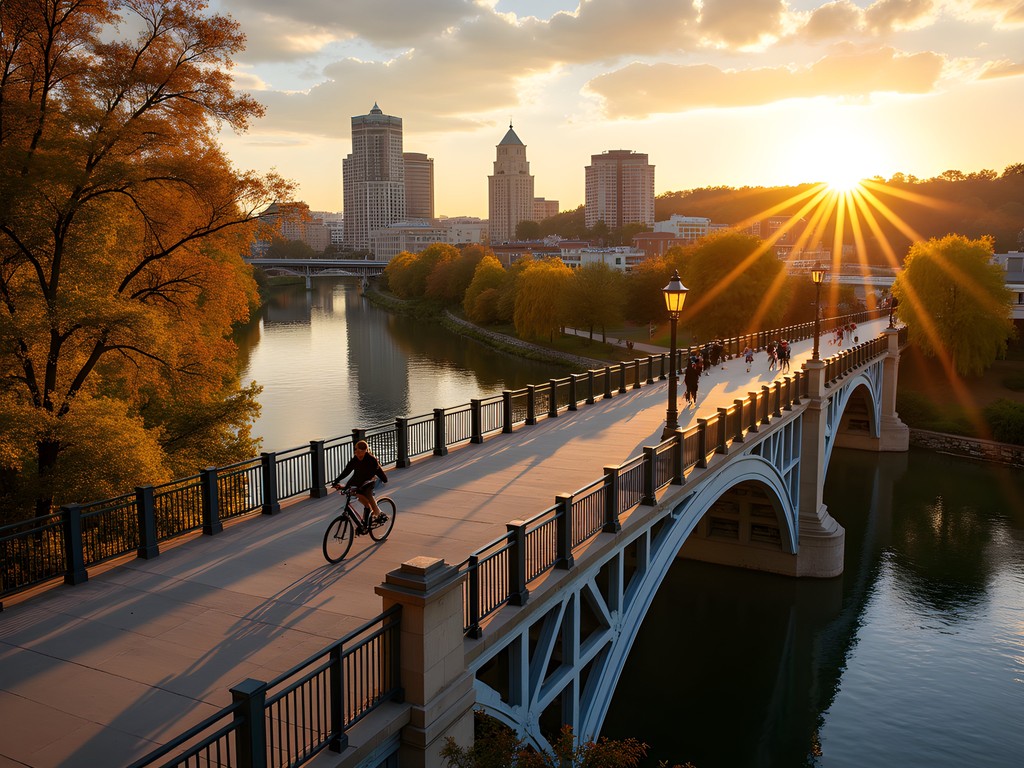
Capture the perfect riverside moments with a quality travel tripod. The golden hour light reflecting off the Tennessee River creates stunning photography opportunities, especially from the Walnut Street Bridge.
💡 Pro Tips
- Visit the weekly Sunday market at the riverfront for local crafts and food
- Take the free electric shuttle from the Chattanooga Choo Choo to the riverfront to avoid parking hassles
- For the best skyline views, cross the pedestrian-only Walnut Street Bridge at sunset
Ascending Lookout Mountain: Perspectives Old and New
No visit to Chattanooga is complete without ascending Lookout Mountain, and as someone who's documented cable cars worldwide, I was particularly excited to experience the Incline Railway – one of the world's steepest passenger railways with a breathtaking 72.7% grade at its most extreme point.
The 1895 funicular reminded me of Valparaíso's historic ascensores, though with distinctly American engineering flair. Watching the mechanical systems work as we climbed nearly 2,000 feet was mesmerizing. The wooden cars have been lovingly maintained, preserving their Victorian charm while meeting modern safety standards.
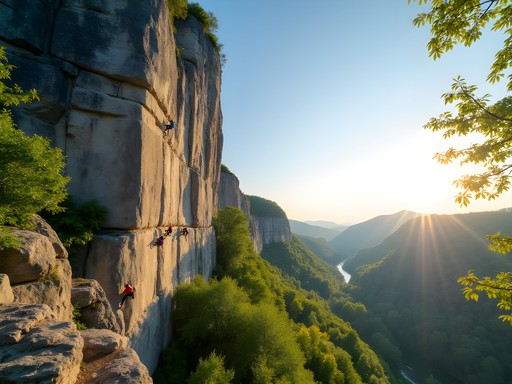
At the summit, Point Park offers sweeping views across seven states on clear days. The Civil War historical significance adds layers of meaning to the landscape – this mountain witnessed the famous 'Battle Above the Clouds' in 1863. Walking the well-maintained trails along the bluff edge, I contemplated how this geological feature has shaped human movement and settlement patterns for centuries.
For hiking these trails, I relied heavily on my hiking boots, which provided excellent grip on the occasionally steep and rocky terrain. And don't forget your reusable water bottle – the mountain hikes can be deceptively dehydrating, even in autumn's milder temperatures.

💡 Pro Tips
- Buy a combined ticket for Rock City, Ruby Falls and the Incline Railway to save about 20%
- Visit on weekdays to avoid crowds, especially during peak fall foliage season
- Take the St. Elmo Historic District trolley to the Incline Railway base station for a more atmospheric approach
The Southside: Industrial Bones, Creative Future
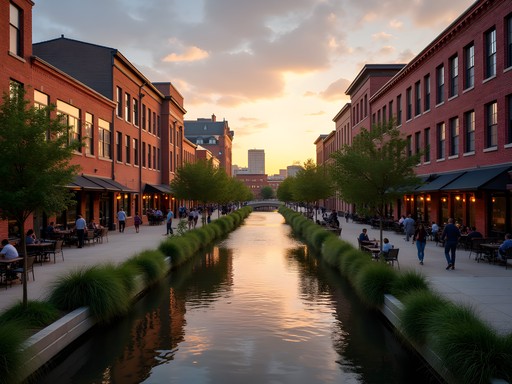
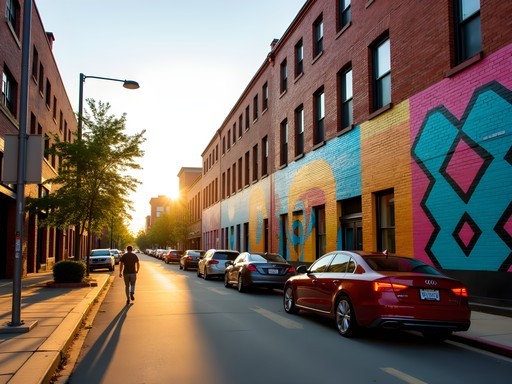
Chattanooga's Southside district exemplifies thoughtful adaptive reuse of industrial infrastructure. Once dominated by warehouses and factories, this neighborhood now pulses with creative energy while honoring its working-class roots.
The Chattanooga Choo Choo complex anchors the district, transforming the historic terminal station into a multi-use destination. The repurposed railway carriages now serving as unique hotel accommodations reminded me of similar projects I've documented in Scandinavia, though with a distinctly Southern American flavor.
What truly captivated me was the Stove Works, a former manufacturing facility now housing galleries, studios, and experimental exhibition spaces. During my visit, a site-specific sound installation occupied the cavernous main hall, the artist cleverly incorporating recorded industrial sounds from the building's past life.
The neighborhood's culinary scene reflects this same creative adaptation. At Alleia, housed in a former foundry, exposed brick walls and massive iron windows frame a dining room where locally-sourced Southern ingredients meet Italian techniques. The wood-fired oven – built from reclaimed materials found on-site – produces exceptional pizzas and roasted dishes.
To fully document this fascinating district, I relied on my mirrorless camera. Its excellent low-light performance was perfect for capturing the atmospheric interiors of repurposed industrial spaces without disturbing the ambiance with flash photography.

💡 Pro Tips
- Check the Stove Works calendar before visiting as exhibition spaces have irregular hours
- Many Southside galleries participate in First Friday art walks with extended evening hours
- Try the Main Street farmers market on Wednesdays for local produce and artisanal food products

Innovation District: Smart City Showcase
As someone who studies urban transformation professionally, Chattanooga's Innovation District particularly fascinated me. This 140-acre zone in the city center represents one of America's first designated innovation districts outside major coastal cities.
The district's development leverages Chattanooga's unique infrastructure advantage – the first citywide gigabit fiber network in the Western Hemisphere, affectionately dubbed 'The Gig.' This digital backbone has attracted tech startups, remote workers, and digital nomads to this mid-sized Southern city.
Edith's, a neighborhood café housed in a renovated 1950s building, serves as the district's unofficial community hub. During my visit, I witnessed impromptu collaboration sessions between entrepreneurs, city planners, and artists – the kind of cross-disciplinary interaction these districts aim to foster.
The most impressive aspect is how Chattanooga has approached innovation inclusively. The Enterprise Center, housed in the district's core, runs digital equity programs ensuring technological benefits extend to all residents. Their Tech Goes Home initiative particularly impressed me, providing hardware, connectivity, and digital literacy training to underserved communities.
For remote workers exploring Chattanooga, I recommend the laptop backpack I've been using. Its organized compartments kept my tech secure while exploring, and the padded straps remained comfortable even after long days documenting the city's transformation.

💡 Pro Tips
- Visit the Edney Innovation Center's open house events to connect with local entrepreneurs
- Check the schedule for free tech workshops offered at the public library branches
- The rooftop of the Tomorrow Building offers excellent workspace with city views (accessible with day pass)
Green Mobility: Connecting the City Sustainably
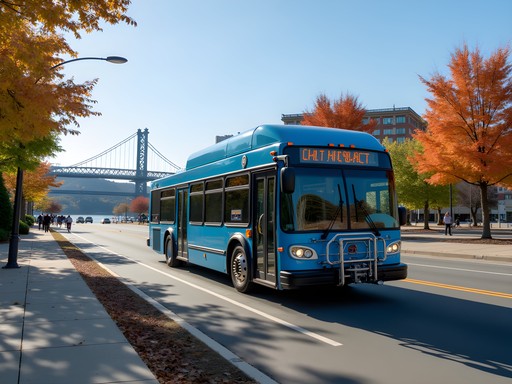
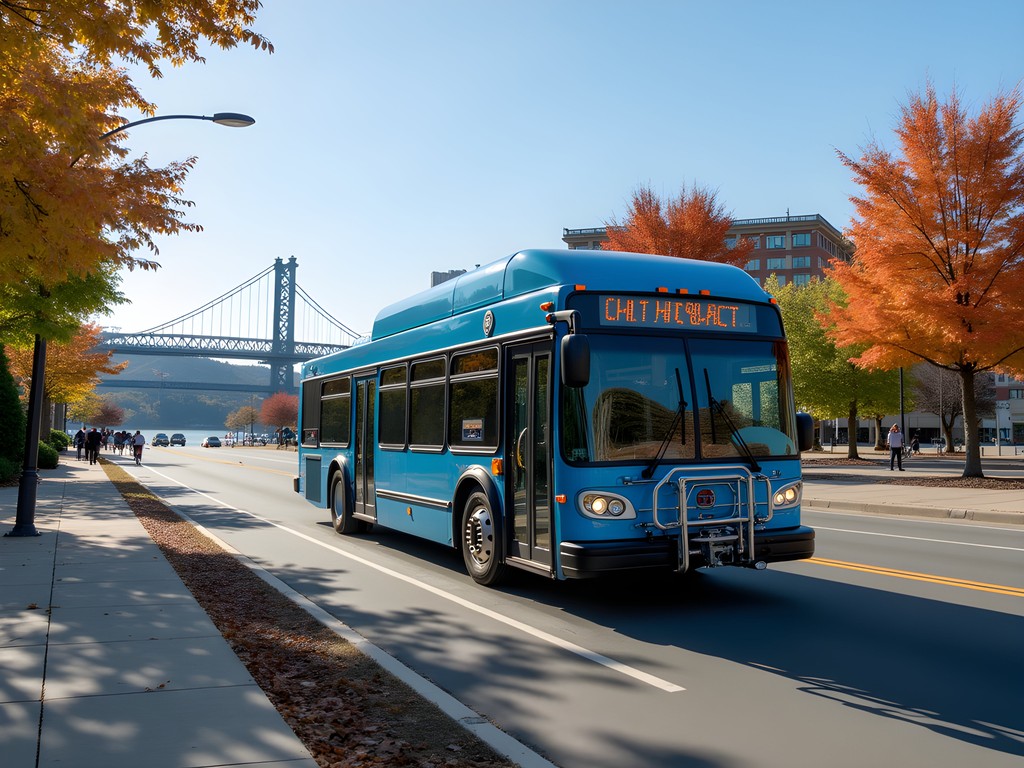
Chattanooga's approach to mobility reflects its commitment to sustainable urban development. The free electric shuttle connecting the riverfront to the Southside eliminated my need for a car during most of my stay – a rarity in mid-sized American cities.
The Bike Chattanooga system offers 400+ bicycles across 42 stations, making spontaneous cross-town journeys convenient. I particularly appreciated how the network integrates with the city's extensive greenway system, allowing car-free exploration beyond tourist districts.
What truly surprised me was discovering that Chattanooga pioneered electric shuttle buses in America, launching their system in 1992 when most cities still considered the technology experimental. This early adoption reflects the city's forward-thinking approach to urban mobility.
The most enjoyable transportation experience was the restored 1920s-era wooden boats operated by the Tennessee Aquarium. These quiet electric vessels provide river tours highlighting the city's history, ecology, and revitalization efforts from a unique vantage point.
For exploring the city's extensive outdoor trail network, I was grateful for my hiking daypack. Its hydration compatibility and comfortable fit made longer explorations along the Tennessee Riverwalk much more enjoyable, especially when venturing to more distant sections like the Stringer's Ridge urban wilderness area.
💡 Pro Tips
- Download the Bike Chattanooga app before arrival to streamline the rental process
- The free electric shuttle runs every 5-15 minutes from the Chattanooga Choo Choo to the Aquarium
- Purchase the 3-day visitor transit pass for unlimited access to all regular bus routes beyond the free shuttle zone
Final Thoughts
As my weekend in Chattanooga drew to a close, I found myself sitting at a riverside café, watching kayakers navigate the Tennessee River while tech workers collaborated at nearby tables. This scene perfectly encapsulated what makes this city so compelling – the seamless integration of outdoor recreation, industrial heritage, and forward-thinking innovation.
Chattanooga offers valuable lessons for post-industrial cities worldwide. Rather than erasing its manufacturing past or surrendering to decline, it has thoughtfully repurposed industrial infrastructure while investing in connectivity – both digital and physical. The result feels authentic rather than contrived, with each adaptive reuse project respecting the city's working-class roots.
While larger American cities often dominate urban exploration itineraries, Chattanooga demonstrates how mid-sized cities can deliver more manageable, intimate experiences while still offering world-class amenities. For couples seeking a weekend escape that balances outdoor adventure with cultural richness, this Tennessee gem deserves a prominent place on your travel radar. I'll certainly be returning to witness the next chapter in Chattanooga's remarkable transformation.
✨ Key Takeaways
- Chattanooga offers an excellent case study in post-industrial urban revitalization
- The compact city center is highly walkable, with free electric shuttles connecting major districts
- Fall offers the perfect combination of mild weather, stunning foliage on surrounding mountains, and fewer crowds
- The city balances outdoor recreation opportunities with a surprisingly sophisticated cultural scene
- Chattanooga's gigabit internet infrastructure makes it ideal for remote workers seeking a weekend workation
📋 Practical Information
Best Time to Visit
September-November for mild weather and fall foliage
Budget Estimate
$150-250 per day for couples (accommodations, meals, activities)
Recommended Duration
2-3 days
Difficulty Level
Easy



Comments
moonlover2600
Planning to visit with kids (8 and 11) this spring. Is the Innovation District interesting for children? Any family-friendly recommendations?
Jean Wells
The Creative Discovery Museum in downtown is excellent for children that age. Also, the Tennessee Aquarium is consistently ranked among the best in the US. My grandchildren were particularly fascinated by the Innovation District's interactive installations - there's a light and sound exhibit near the public library that responds to movement.
moonlover2600
Thank you so much! Adding those to our itinerary!
Savannah Walker
Jerry! You captured the essence of Chattanooga perfectly! I was there doing research for my adventure series last spring and was completely blown away. The outdoor adventures around the city are next-level - I spent a day rock climbing at Stone Fort (locals call it Little Rock City) just outside town, then paddleboarded right through downtown on the Tennessee River. The contrast between urban energy and natural beauty is what makes Chattanooga so special. For anyone visiting, I recommend bringing your hiking boots because the trails around Lookout Mountain are not to be missed, especially the one to Lula Lake Falls when it's open (they limit visitors so check their schedule).
greenone
The paddleboarding through downtown sounds amazing! Adding that to my list.
dreamvibes
Great post! Those sunset views from Lookout Mountain look incredible!
winterrider
Just got back from Chattanooga last week! The transformation is incredible - I remember visiting 15 years ago when the riverfront was nothing special. Now it's completely revitalized! We spent an entire afternoon just exploring the pedestrian bridge and waterfront parks. The Southside district was my favorite though - all those old warehouses turned into amazing restaurants and art spaces. Definitely try the bourbon bar in that converted railway building if you go!
Jean Wells
The adaptive reuse of industrial architecture in Chattanooga is quite remarkable. I documented similar transformations in Pittsburgh and Baltimore, but Chattanooga's scale makes it particularly accessible for visitors. Did you utilize their free electric shuttle system? It's an excellent example of their smart city initiatives.
winterrider
Yes! The electric shuttle was super convenient. Didn't need a car the whole weekend. Loved how it connected all the main areas.
urban_planner_guy
As someone who studies urban renewal, Chattanooga is such a fascinating case study. I visited last year specifically to see how they've transformed their riverfront from industrial wasteland to vibrant public space. The way they've integrated tech infrastructure while preserving historic buildings in the Southside is really impressive. Did you get a chance to talk to any locals about how they feel about the changes? Sometimes these urban renaissance stories have complicated impacts on long-time residents.
Jerry Kelley
Great point! I did speak with several locals who had mixed feelings. Many were thrilled about the economic opportunities and improved public spaces, but there are definitely concerns about rising housing costs pushing out long-time residents, especially in the Southside. The city seems to be trying to address this with some affordable housing initiatives, but it's an ongoing challenge like in many revitalized cities.
hiking_enthusiast
Love the photos from Lookout Mountain! The fall colors look amazing.
hikingtime
THIS PLACE IS AMAZING!! Just finished a week there and did every hike around Lookout Mountain. The Bluff Trail is absolutely epic - probably top 5 hikes I've done in the Southeast. Also the climbing scene is insane if you're into that. Sunset Rock at sunset (duh lol) was unreal. Can't believe I slept on this city for so long!!
wanderlustninja
Ok now I'm definitely going
familytraveler23
Great post! We're thinking about taking the kids (ages 8 and 10) to Chattanooga for fall break. Is the city kid-friendly? Any recommendations for family activities beyond Lookout Mountain?
coffeemate
Not the author but we took our kids last year! The Tennessee Aquarium is amazing for kids. Also the Creative Discovery Museum kept ours busy for hours. The riverfront has these cool interactive fountains too where kids can play in the water.
familytraveler23
Thanks so much! Adding those to our list. My kids love aquariums!
Sarah Powell
Excellent analysis of Chattanooga's transformation, Jerry. As someone who's studied urban revitalization patterns across the South, Chattanooga really stands out as a model. The deliberate investment in public spaces - particularly the riverfront and the pedestrian bridge - created the foundation for everything else. What impressed me most was how they balanced preservation of industrial heritage with modern development. The Southside neighborhood exemplifies this perfectly. I'd be curious to hear your thoughts on how sustainable this growth model is, especially as more remote workers discover the city and drive up housing costs.
happyfan
Going there next month! How many days would you recommend? Also is Lookout Mountain worth the hype or just touristy?
Sarah Powell
I'd say 3 days minimum. Lookout Mountain is definitely worth it - yes it's touristy but the views are legitimately stunning. Go early morning to beat crowds.
Venture X
Premium card with 2X miles, $300 travel credit, Priority Pass