

Disclosure: This article contains affiliate links. We may earn a commission from purchases at no extra cost to you, which helps our travel content.
There's something magical about cities where ancient and modern collide – where street art adorns colonial buildings and where prayers echo against smartphone clicks. After spending years documenting traditional farming methods across continents, my camera has increasingly turned toward urban landscapes that tell cultural stories just as rich as any countryside. Buenos Aires and Jerusalem might seem like unlikely companions for a single journey, but these two cities – one pulsing with Latin passion, the other layered with spiritual significance – offer photographers an extraordinary study in contrasts. This spring, I embarked on a two-week adventure splitting my time between these urban treasures, trading my usual wellies and garden gloves for comfortable walking shoes and extra memory cards. What follows is my guide to capturing the soul of these cities – where to point your lens, when to shoot, and how to respectfully document the vibrant human tapestry that makes each place unforgettable.

Preparing Your Photography Kit: What to Bring
Before we dive into the specific neighborhoods and hidden corners of these magnificent cities, let's talk gear. Urban photography requires a different approach than my usual farm documentation work, where I'm often capturing wide open spaces or macro details of plant life.
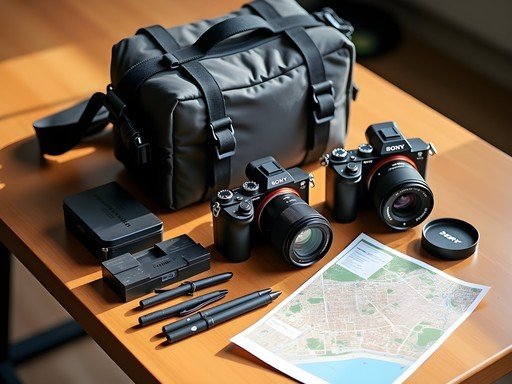
For exploring Buenos Aires and Jerusalem, I opted for a lighter setup than my full farm documentation kit. My trusty mirrorless camera served as my primary shooter – its full-frame sensor handled both bright Argentine sunlight and the golden stone of Jerusalem beautifully, while keeping weight manageable for all-day exploration. Rather than carrying multiple lenses, I primarily used a versatile zoom lens that covered everything from wide street scenes to moderate telephoto for architectural details.
Both cities involve significant walking, so comfortable shoes are essential, but equally important is a camera bag that won't strain your back or mark you obviously as a tourist. My camera backpack has been worth every penny – it doesn't scream 'expensive camera inside' while providing quick access and good protection. It's like a well-designed harvest basket – everything has its place and remains accessible without spilling out.
Don't forget extra batteries! Buenos Aires' vibrant neighborhoods like Palermo Soho will keep your shutter clicking constantly, while Jerusalem's dramatic lighting conditions might have you shooting more than expected. The heat in both locations (though different in character – Buenos Aires humid, Jerusalem dry) drains batteries faster than you might expect.

💡 Pro Tips
- Pack lens cleaning cloths – Buenos Aires can be dusty, while Jerusalem's desert environment means frequent cleaning
- Bring a lightweight tripod for blue hour shots in both cities – the light is magical but challenging
- Consider a polarizing filter for Jerusalem's intense sunlight and to manage reflections off the limestone buildings
Buenos Aires: Where Street Art Tells Stories
Buenos Aires breathes creativity from every corner, but nowhere is this more evident than in the neighborhoods of Palermo and San Telmo. Unlike the carefully preserved historical aesthetics of Jerusalem, Buenos Aires embraces artistic evolution through its ever-changing street art scene.
My first morning in Palermo Soho, I woke before dawn – a habit from farm life I can't seem to shake – and caught the neighborhood in that perfect blue light before the city fully wakes. The murals that cover building facades take on an almost mystical quality in this hour, their colors deepening before the harsh midday sun washes them out. This is when you'll capture images without crowds and with the most dramatic lighting.
The street art in Buenos Aires isn't random graffiti – it's commissioned, respected, and deeply political. Each piece tells a story about Argentine identity, history, or current social movements. In Palermo, seek out the works along Thames Street, where entire apartment buildings become canvases for stunning artistic expressions. For photographers, these make incredible backdrops that change seasonally as new works replace old ones.
San Telmo offers a different photographic experience. Here, colonial architecture frames modern life in a fascinating juxtaposition. Sunday's San Telmo Market is a photographer's dream – the warm light filtering through the old market hall illuminates antique vendors and tango dancers. However, I found the most compelling images came from visiting on quieter weekdays, when local life unfolds more naturally.
Don't miss the opportunity to photograph Buenos Aires' famous jacaranda trees if visiting in late October or November (their spring). The purple canopy against colorful buildings creates frames that almost look too perfect to be real – like the most vibrant companion planting scheme you could imagine for an urban landscape.

💡 Pro Tips
- Visit El Caminito in La Boca during mid-morning for the best light on the colorful buildings, but be respectful and aware of your surroundings
- Shoot Palermo's street art early morning or late afternoon to avoid harsh shadows and crowds
- Look for reflections in puddles after rain – Buenos Aires' street art creates stunning mirrored compositions
Jerusalem: Capturing Light and Faith
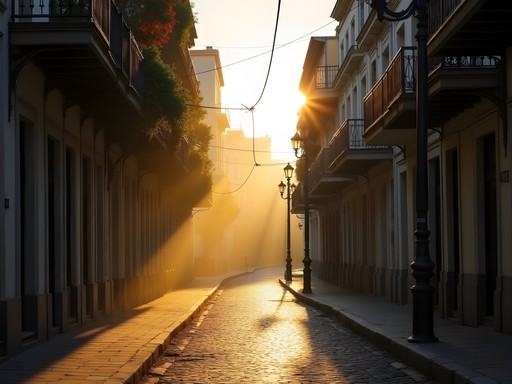
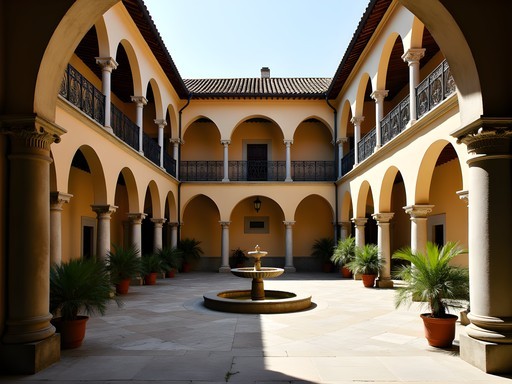
If Buenos Aires is a canvas of bold colors, Jerusalem is a study in light and texture. The ancient limestone that builds this city absorbs and reflects sunlight in ways that transform throughout the day, creating a photographer's playground of shadows, highlights, and golden hues.
The Old City demands different timing than Buenos Aires. Here, I found early morning (before 7 am) essential for capturing the narrow streets before they filled with visitors. The Western Wall plaza just after sunrise offers extraordinary light as the first rays hit the ancient stones. Similarly, the last hour before sunset – what photographers call the golden hour – bathes the entire city in a warm glow that seems to illuminate Jerusalem from within.
Unlike Buenos Aires' open expression, photography in Jerusalem requires cultural sensitivity and awareness. Always ask permission before photographing people, particularly in religious contexts. Many ultra-Orthodox Jewish communities prefer not to be photographed, while Muslim quarters have varying comfort levels with cameras. I found that spending time in a location first, perhaps buying something small from a local vendor or simply greeting people, opened more doors than immediately raising my camera.
The Mount of Olives provides the classic panoramic view of the Old City, but I discovered equally compelling compositions from less-visited vantage points. The Austrian Hospice rooftop in the Christian Quarter offers an intimate perspective of the densely packed Old City that few tourists discover. For a more modern contrast, the Mamilla Mall area shows the striking juxtaposition of ancient and contemporary Jerusalem.
For interior photography, particularly in churches and mosques where tripods aren't allowed, I relied heavily on my camera's image stabilization and higher ISO capabilities. The Church of the Holy Sepulchre, with its dramatic spotlights cutting through incense-filled air, creates particularly challenging but rewarding conditions for photographers willing to master manual settings.

💡 Pro Tips
- Use a wide-angle lens for Jerusalem's narrow streets and small spaces, but bring a mid-range zoom for details on ancient buildings
- Always carry a scarf or head covering for impromptu visits to religious sites where modesty is required
- Learn a few basic greeting phrases in Hebrew and Arabic – this simple gesture often makes the difference between being perceived as an intrusive tourist or a respectful visitor

People Photography: Approaching Strangers with Respect
The heart of urban photography isn't buildings or streets – it's people. Both Buenos Aires and Jerusalem offer extraordinary opportunities to document human stories, but they require different approaches.
In Buenos Aires, the porteños (locals) often embrace photography with theatrical flair. The tango dancers in San Telmo or Plaza Dorrego perform knowing cameras are present. However, the most authentic images come from building relationships first. I spent an afternoon at a local café in San Telmo, chatting with the barista in my limited Spanish. By my third visit, he was comfortable with me photographing his artful coffee preparations, resulting in images that captured both technical skill and personal pride.
Street performers in Buenos Aires generally welcome photography but appreciate a small tip in their hat or case. The Sunday markets are particularly rich with photographic opportunities – from antique dealers to impromptu tango shows – but always establish eye contact and receive a nod before shooting.
Jerusalem presents more complex cultural considerations. The city's diverse population includes communities with varying relationships to being photographed. I found the markets, particularly the Machane Yehuda Market (the 'shuk'), offered natural opportunities for people photography as vendors proudly displayed their goods. Starting conversations about produce – something my farming background made natural – often led to permission for portraits.
In both cities, I followed what I call the 'garden approach' to people photography: patience, careful observation, and respect for boundaries. Just as you wouldn't harvest before something is ready, don't rush to capture images before establishing some connection, however brief.
For candid street photography, I found my compact camera less intimidating than my larger setup. Its retro design and quiet operation allowed me to blend in more effectively while still capturing professional-quality images. When using a larger camera wasn't appropriate, my smartphone with its increasingly capable camera served as an excellent backup.

💡 Pro Tips
- Learn to ask 'May I take your photo?' in Spanish ('¿Puedo tomar su foto?') and in Hebrew ('Efshar letzalem otcha/otach?')
- If someone declines being photographed, respect their wishes immediately and thankfully
- Consider purchasing something small from vendors before asking to photograph them – it establishes a more balanced exchange
Processing Your Images: Honoring Two Different Worlds
Once you've returned home with memory cards full of urban treasures, the next challenge becomes processing these images in ways that honor the distinct character of each city. Just as different crops require different handling after harvest, Buenos Aires and Jerusalem demand different post-processing approaches.
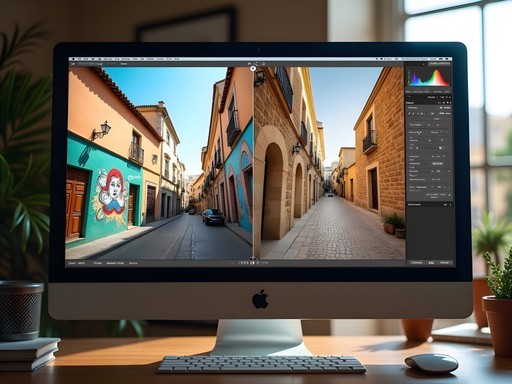
For Buenos Aires, I found that preserving and sometimes even enhancing the vibrant color palette was essential to capturing the city's spirit. The street art, colorful La Boca buildings, and even the quality of light has a warmth and saturation that defines the city's visual identity. I adjusted vibrancy carefully rather than applying heavy-handed saturation boosts, aiming to recreate what my eye experienced rather than creating an exaggerated version.
Jerusalem, by contrast, benefits from a more restrained approach that honors the subtle tonal variations in its limestone architecture. The city exists in shades of gold, cream, and warm gray that can easily be lost with overzealous editing. I found myself reducing contrast slightly while enhancing texture to showcase the ancient stonework that gives the city its character. Black and white conversions work beautifully for Jerusalem's Old City, particularly for images capturing the interplay of light and shadow in narrow alleyways.
Regardless of location, I've found that my photo editing software offers the perfect balance of powerful tools and intuitive interface for travel photography processing. Its ability to create different presets for different environments means I can quickly apply a consistent look to images from the same location while maintaining each city's unique visual identity.
One final note on editing: while I'm not above removing the occasional distracting element, I believe urban photography should fundamentally remain documentary in nature. The power of these images comes from their authenticity – showing these cities as they truly are, not as we might wish them to be. Just as in farming, there's beauty in the imperfect reality that no amount of artificial enhancement can improve upon.

💡 Pro Tips
- Create location-specific presets to maintain consistency across images from the same city
- Consider using graduated filters in editing software to balance bright skies with shadowed streets, particularly in Jerusalem's harsh midday light
- When editing people photos, be especially careful with skin tones – respect the natural diversity of complexions in both cities
Final Thoughts
As I returned to my quiet farm in Cork, sorting through thousands of images from these two remarkable cities, I was struck by how urban exploration with a camera lens had deepened my understanding of human connection to place – something I thought I'd only find in agricultural settings. Buenos Aires and Jerusalem may appear worlds apart, but both reveal how people shape spaces and how spaces shape people in return. Whether it's through vibrant street art or ancient stone walls, these cities invite photographers to document not just buildings and streets, but human stories unfolding against distinctive backdrops. If you're planning your own urban photography adventure to these cities, remember that your best images will come not just from technical skill, but from approaching each place with genuine curiosity and respect. Pack your camera, certainly – but also bring an open heart and patient spirit. The cities will reveal themselves to you, one frame at a time.
✨ Key Takeaways
- Morning golden hour in Buenos Aires is perfect for street art photography while Jerusalem's ancient stones come alive during sunset golden hour
- Both cities require different approaches to people photography, with cultural sensitivity being particularly important in Jerusalem
- Post-processing should honor each city's unique visual identity – vibrant colors for Buenos Aires, subtle stone textures for Jerusalem
- The most compelling urban photography captures the relationship between people and their environments, not just architectural features
📋 Practical Information
Best Time to Visit
Spring (March-May for Buenos Aires, April-June for Jerusalem)
Budget Estimate
$2,500-3,500 for two weeks excluding international flights
Recommended Duration
5-7 days in each city
Difficulty Level
Moderate


Comments
journeyone
Really inspiring post! I just got into photography and this makes me want to travel more.
redlegend
Been to both cities multiple times and this captures them perfectly. One tip I'd add for Jerusalem - get up EARLY for the best light and fewer crowds in the Old City. Like 5am early. The call to prayer at sunrise with that soft morning light is absolutely magical for photography. Also agree about the street art in BA - Palermo Soho and Villa Urquiza have some incredible murals that change pretty regularly, so even if you've been before there's always something new.
summermate
5am?? Wow that's dedication but probably worth it!
summermate
These photos are stunning! Adding both cities to my bucket list.
Douglas Bradley
Excellent comparison, Sakura. I found the lighting challenges in Jerusalem particularly interesting - that golden hour light hitting the Old City walls is unlike anywhere else I've photographed. Your point about approaching strangers respectfully really resonates. In ultra-Orthodox neighborhoods, I learned quickly that you need to ask permission first, sometimes even putting the camera away entirely. Buenos Aires felt much more open to street photography, though I still always tried to make eye contact and smile first. The cultural context really shapes how you can work as a photographer in these spaces.
journeyone
This is really helpful! I'm nervous about photographing people when I travel. Did you speak Spanish in BA?
Douglas Bradley
Basic Spanish definitely helps! Even just knowing 'puedo tomar una foto?' goes a long way. Most people were really friendly about it.
springhero
Love this post! Quick question - what lens did you use most in Buenos Aires? I'm heading there in a few months and trying to figure out if I should bring my 50mm or go wider for the street art stuff. The colors in your photos are incredible btw!
redlegend
Not Sakura but I'd say bring both if you can! The street art in Palermo needs wider angles but 50mm is perfect for candid portraits in San Telmo market.
springhero
Thanks! Yeah I'll probably just pack light and bring the 35mm as a compromise
Sophia Gomez
This really resonates with me! I spent three weeks in Buenos Aires for work last year and the way you captured the street art culture is spot on. One thing I'd add for anyone heading there - the golden hour light in BA is incredible but it happens LATE (like 7-8pm in summer). I made the mistake of planning sunset shoots too early my first few days. Also totally agree about approaching people respectfully for portraits. I found that in BA, if you buy something from a street vendor or sit at a cafe, people are much more open to being photographed. It becomes a natural exchange rather than just pointing a camera at strangers. Your section on Jerusalem has me wanting to go back - I only spent two days there and clearly missed so much!
citylover
ooh good tip about the golden hour timing! didn't know that
springvibes
Love the photos!
happymaster
Quick question - what camera did you use for the street art shots? I'm planning my first photography trip and trying to figure out what gear to bring without overpacking
Sophia Gomez
Not Sakura but I just got back from BA last month! Honestly you don't need anything fancy - I shot most of my street photography on a simple mirrorless with one prime lens. Keep it light so you can walk around all day. The neighborhoods like Palermo and San Telmo are SO colorful you can't really take a bad photo haha
happymaster
Thanks! That's really helpful, was stressing about bringing too much stuff
citylover
Wow this is amazing!! Buenos Aires is on my bucket list now 😍
journeyway
Just booked my trip to Buenos Aires! Can't wait to try these photo spots!
Venture X
Premium card with 2X miles, $300 travel credit, Priority Pass