

Disclosure: This article contains affiliate links. We may earn a commission from purchases at no extra cost to you, which helps our travel content.
The rhythm of Buenos Aires first called to me decades ago, long before my chaplaincy work or even my marriage. Something in the confluence of passion and melancholy that defines Argentine tango spoke to my Brazilian soul. Now, returning at 61 with weathered knees but an unwavering spirit, I find the city's heartbeat remains as intoxicating as ever. This autumn, I spent three soul-stirring days wandering Buenos Aires' most vibrant neighborhoods, where street art blooms like urban prayers and tango halls pulse with the city's lifeblood. What follows is my spiritual and physical journey through porteño culture—a path anyone with comfortable shoes and an open heart can follow, regardless of age or budget constraints. Join me as we explore how this magnificent city dances between tradition and rebellion, sacred and profane, all while keeping your wallet reasonably intact.

Day 1: San Telmo's Timeless Embrace
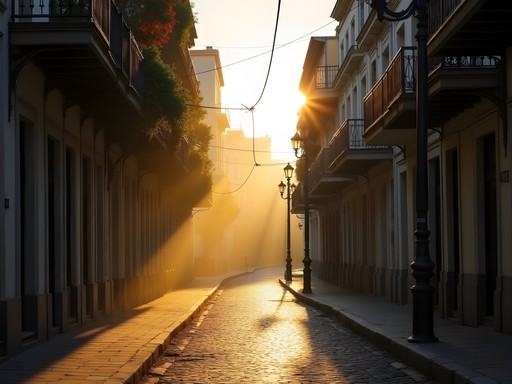
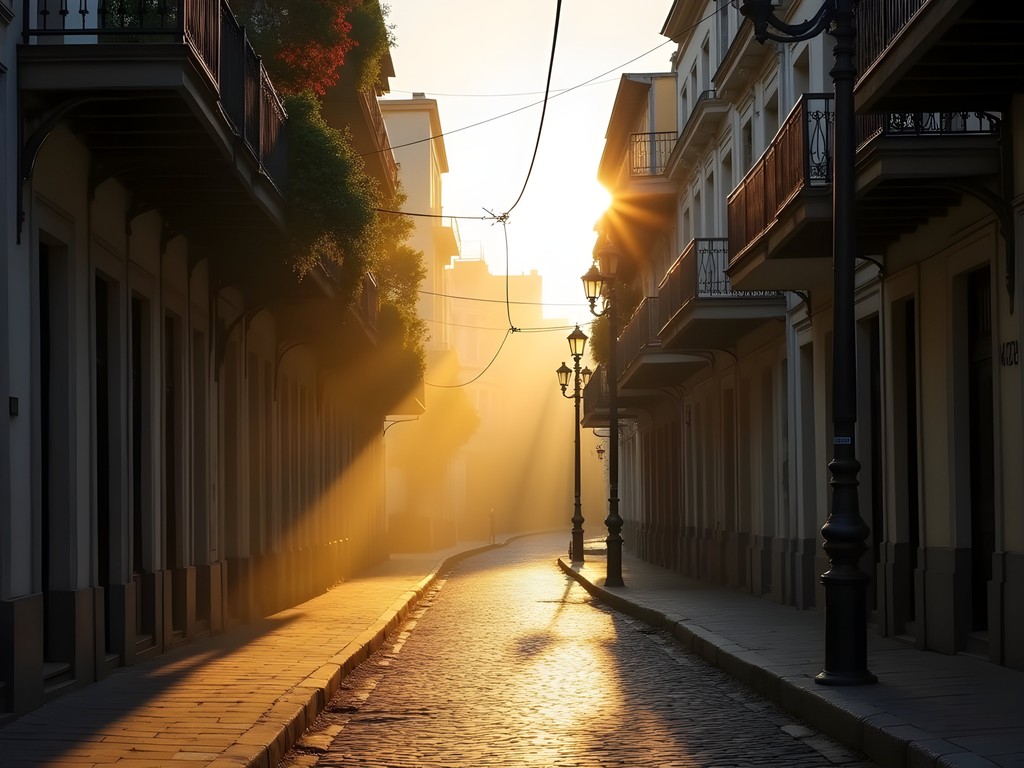
Morning light filters through the plane trees of San Telmo as I begin my pilgrimage in Buenos Aires' oldest neighborhood. This district speaks in whispers of colonial history while simultaneously shouting with contemporary creative expression—a beautiful contradiction that feels like prayer in motion.
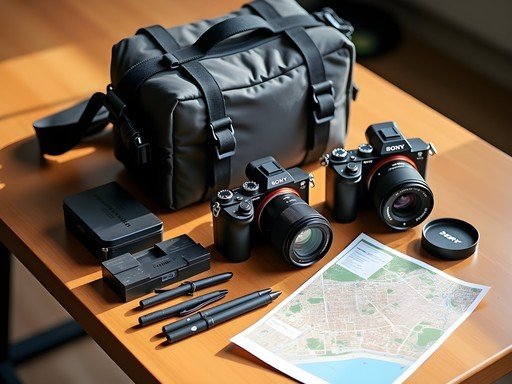
I start at Plaza Dorrego, where vendors are just setting up their antique wares. Though Sunday hosts the famous fair, weekdays offer a more contemplative experience. The square feels like a communal gathering space where time folds upon itself—19th-century buildings watching over 21st-century lives. I've learned to travel with my travel journal, which becomes both companion and confessional on solo journeys like this.
Following Defensa Street northward, I pause frequently to admire the murals that transform ordinary walls into canvases of social commentary. Unlike the commissioned street art in Palermo, San Telmo's works feel more spontaneous—urgent messages from the community's soul. A local guide once told me that during economic hardships, Buenos Aires' walls become the people's newspaper.
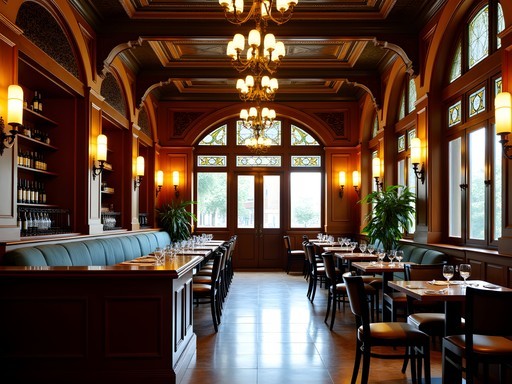
By afternoon, hunger leads me to Bar El Federal, a 150-year-old establishment where the wooden counters have absorbed generations of conversations. For under $10, I enjoy a simple lunch of empanadas and a cortado coffee. The waiters move with the unhurried confidence of those who understand that hospitality is a form of grace.
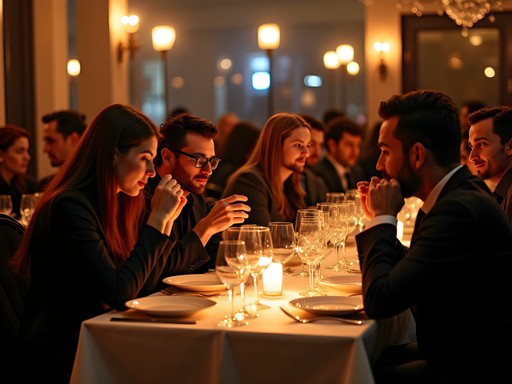
As evening approaches, I make my way to El Viejo Almacén, one of the neighborhood's traditional tango houses. While the dinner-and-show packages target tourists (around $70-90), a budget traveler's secret is to arrive after dinner for just the show or—better yet—seek out a milonga where locals dance. At 61, I no longer need to be the one dancing to feel the music's spiritual current moving through the room.
💡 Pro Tips
- Visit Plaza Dorrego on weekdays to avoid crowds and enjoy a more contemplative experience
- Many street art tours cost $25-30, but you can create your own route using free apps like BA Street Art
- For authentic milongas, check local listings at tangoportal.info—many have reduced entry fees before 10pm
Day 2: Palermo's Creative Revolution
If San Telmo represents Buenos Aires' nostalgic heart, Palermo embodies its progressive spirit. I begin my second day in Palermo Soho, where the morning ritual of cafés setting up sidewalk tables feels like a community awakening.
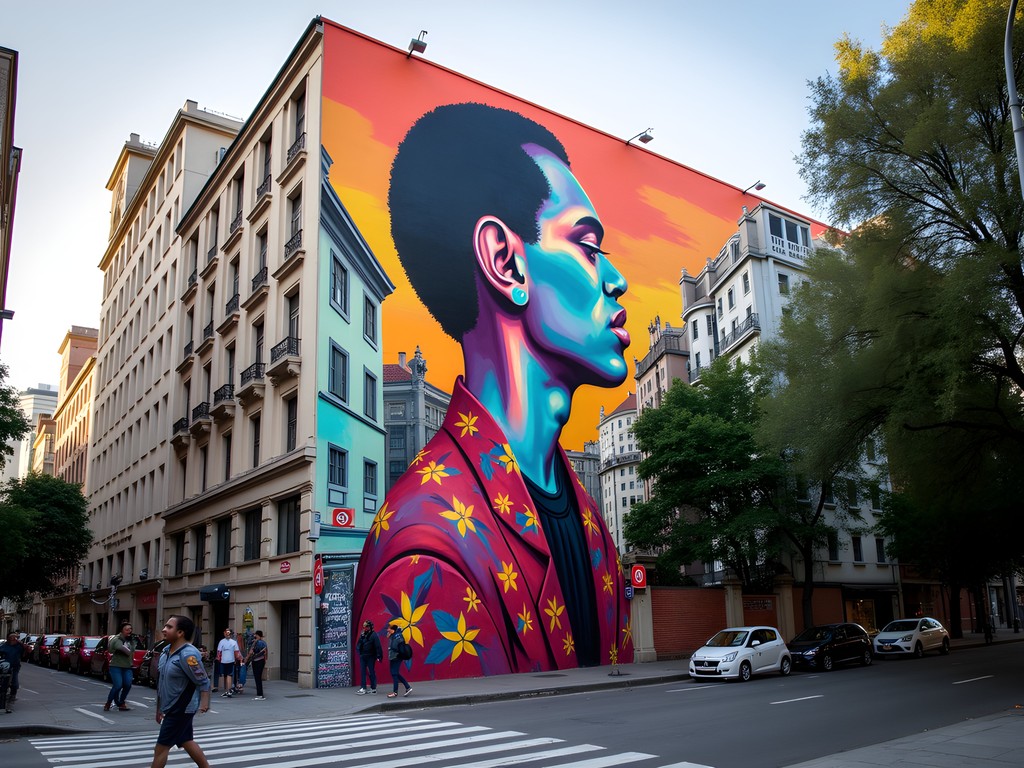
Palermo's street art scene differs dramatically from San Telmo's—here, massive commissioned murals transform entire building facades into breathtaking statements. The works feel more polished but no less authentic. My years ministering to hospital patients taught me that beauty arrives in many forms; sometimes it's raw and unfiltered, other times carefully composed. Both have their place in the spiritual landscape.
I follow Jorge Luis Borges' footsteps (the neighborhood's literary patron saint) through the tree-lined streets, using my travel guidebook to identify key murals while allowing myself the freedom to get pleasantly lost. After thirty years of marriage and a career helping others navigate life's difficult passages, I've learned that sometimes the most profound discoveries happen when we surrender our need for rigid itineraries.
For lunch, I seek out a 'precio fijo' menu at a neighborhood parrilla—these fixed-price lunch specials typically offer multiple courses for about $10-15. The portions are generous enough that I often save half for later, a budget traveler's strategy I've perfected over decades of solo exploration.
As afternoon shadows lengthen, I make my way to Palermo Hollywood, where former factories and warehouses have transformed into galleries, design shops, and film studios. Here, I discover a small speakeasy behind an unmarked door—my weakness for these hidden gems has followed me from New Orleans to Buenos Aires. Inside, the bartender crafts cocktails with the precision of a ritual specialist. Though slightly pricier than standard bars, the experience of watching these mixologists work feels worth the occasional splurge.
💡 Pro Tips
- Download the BA Plaster app for a self-guided tour of Palermo's best street art
- Look for 'precio fijo' lunch menus for the best value meals, typically served 12-3pm
- Many galleries in Palermo are free to enter—check opening hours as many close between 2-4pm for siesta
Day 3: La Boca's Rhythmic Soul
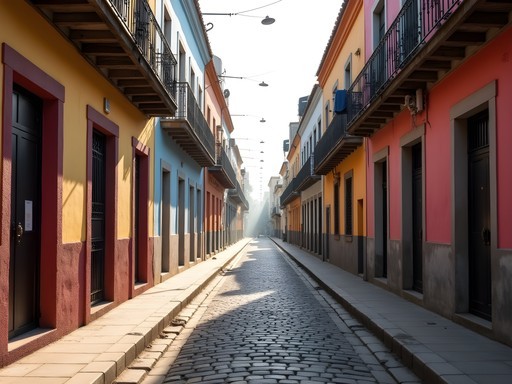
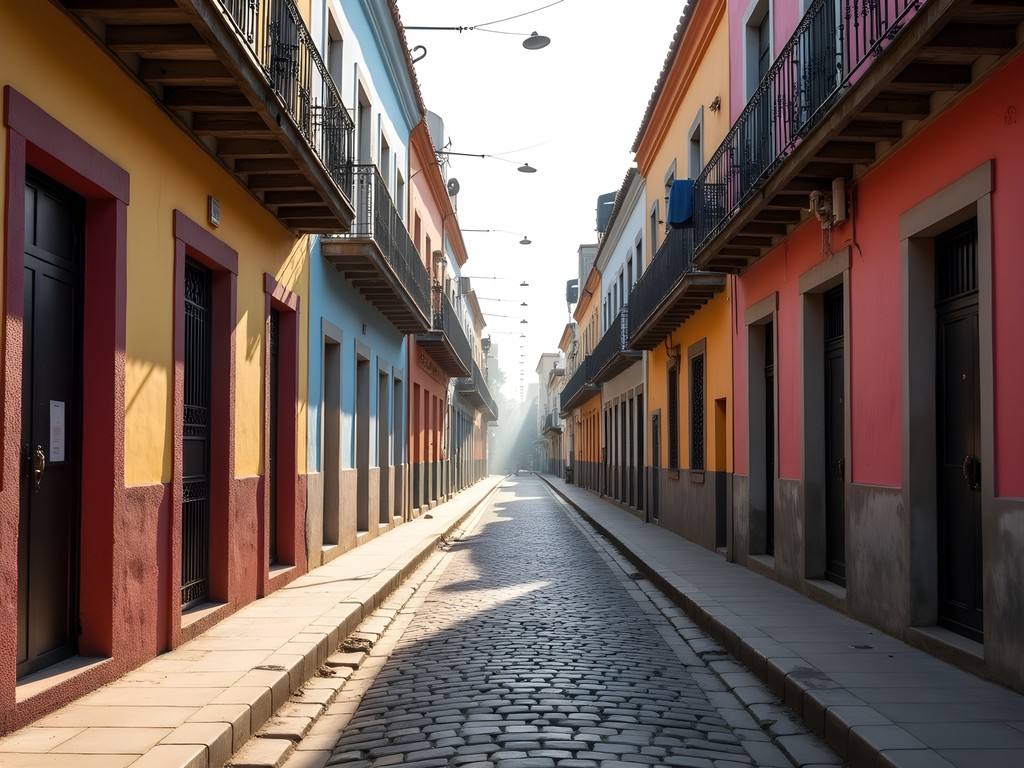
My final day begins in La Boca, where the city's working-class roots and immigrant history converge in a symphony of color. The famous Caminito street feels like a stage set—which it essentially is, having been created as a living museum to the neighborhood's Italian immigrant heritage. While undeniably touristy, there's something genuine in how the area celebrates its own performative nature.
I arrive early, before the tour buses, when residents are still hanging laundry and shopkeepers are setting up. This neighborhood demands a respectful awareness—its photogenic charm exists alongside real economic challenges. As a chaplain, I've learned that witnessing others' realities requires both appreciation and humility.
Wandering beyond Caminito's main drag reveals La Boca's authentic character. Here, street art takes on a different tenor—more political, more urgent. Murals depicting labor movements and economic justice remind me that art in Buenos Aires is never merely decorative; it's a visual conversation about the country's complex social landscape.
For lunch, I avoid the overpriced restaurants on Caminito and find a local bodegón a few blocks away. These unpretentious eateries serve hearty portions of home-style cooking at prices locals can afford. My meal of lentil stew with crusty bread costs less than $8 and provides both nourishment and cultural connection.
As afternoon approaches, I make my way back toward the city center, stopping at Usina del Arte, a former power plant transformed into a cultural center. Many travelers miss this architectural gem, but it often hosts free exhibitions and performances. I've found that carrying a lightweight foldable tote bag allows me to collect pamphlets, small art purchases, and other treasures without burdening my aging shoulders with a heavy daypack.
My day concludes at San Telmo's El Viejo Almacén for an evening milonga. Unlike the tourist-oriented shows, this authentic tango gathering feels like a sacred ritual. Couples of all ages navigate the dance floor with closed eyes, finding connection through shared movement. As a chaplain who has spent decades helping people find meaning in difficult moments, I recognize this dance as another form of spiritual practice—bodies in conversation with music, tradition, and each other.
💡 Pro Tips
- Visit La Boca in the morning (before 11am) for fewer crowds and better photography light
- Stay on main streets and be aware of your surroundings, especially when venturing beyond the tourist areas
- Many cultural centers like Usina del Arte offer free performances—check their online calendars before your trip

Finding Sacred Spaces in Secular Places
Between the structured destinations of my walking tour, I discovered Buenos Aires' true magic in unexpected moments of connection—what I've come to call 'secular sacred spaces.' These are the moments that transcend tourism and touch something deeper in our humanity.
One such moment occurred at a corner café in San Telmo, where an elderly couple who had clearly been dancing together for decades rose spontaneously when a particular tango played on the radio. Their impromptu dance, performed not for audience but for love of movement and memory, brought tears to my eyes. After thirty years of marriage myself, I recognized the intimate language of bodies that have grown old together.
Another sacred moment found me in Plaza de Mayo, where the Mothers of the Disappeared still march every Thursday afternoon, demanding justice for children lost during the military dictatorship. Their slow, deliberate circle around the plaza transforms political protest into ritual—grief made visible and collective. As someone who has counseled many through loss, I recognized the profound healing that comes from refusing to let suffering remain invisible.
For travelers seeking these deeper connections, I recommend carrying a pocket sketchbook. Even those without artistic talent (myself included) find that the act of sketching—rather than merely photographing—creates a different relationship with a place. It slows us down, asks us to truly see, and often invites conversation with curious locals.
These moments between destinations—the unexpected conversations, the chance encounters, the quiet observations—form the true pilgrimage of travel. At 61, I find myself less interested in checking attractions off a list and more attuned to these glimpses of authentic human experience. Buenos Aires offers them in abundance to those willing to slow their pace and open their hearts.

💡 Pro Tips
- Sit in plazas and cafés without your phone or guidebook—this openness invites conversation
- Learn basic Spanish phrases beyond tourist needs—being able to ask meaningful questions creates deeper connections
- Visit the Mothers of the Plaza de Mayo on Thursday afternoons to witness a powerful demonstration of memory and justice
Practical Tips for Mature Budget Travelers
At 61, with knees that sometimes protest and an energy level that isn't what it was in my thirties, I've developed strategies for experiencing Buenos Aires fully without exhaustion or financial strain.
First, embrace the siesta culture. While younger travelers might power through full days, I've found that adopting the local rhythm—active mornings, afternoon rest, and evenings that stretch into night—allows me to experience the city's vibrant nightlife without depleting my energy. My travel pillow transforms park benches and café corners into perfect napping spots during afternoon breaks.
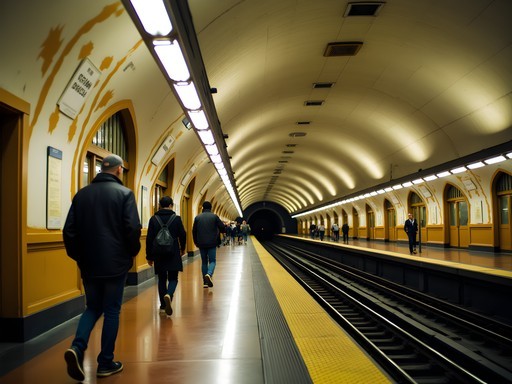
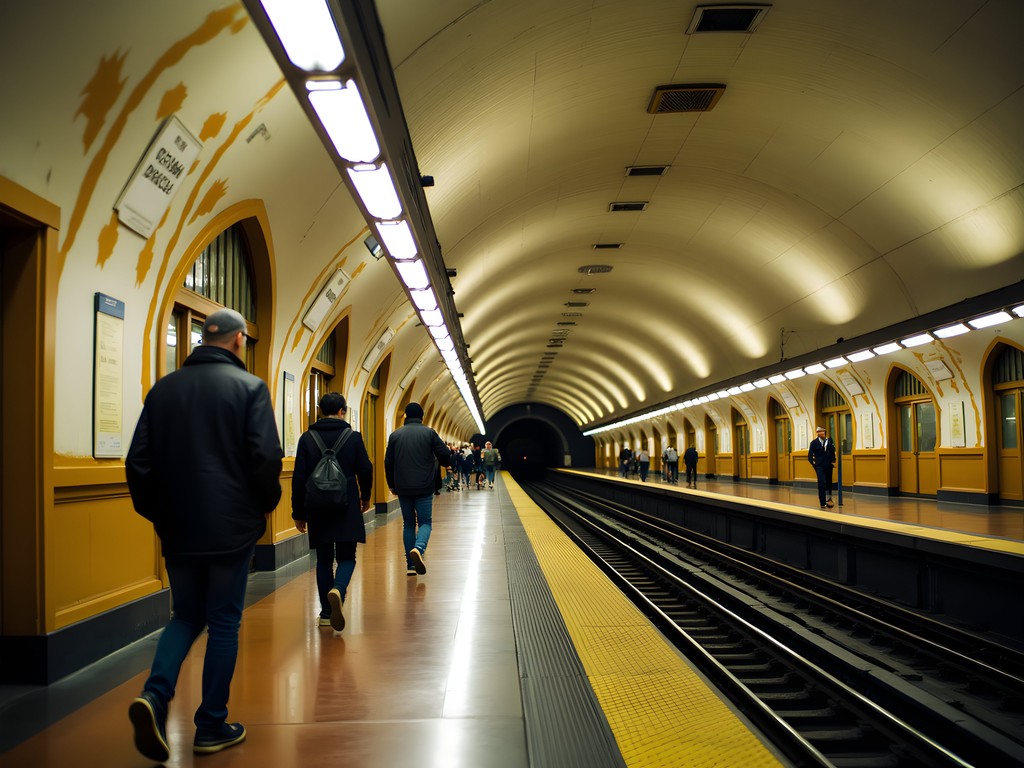
Second, invest in a SUBE card immediately upon arrival. This transit card works for buses and subways, providing significant savings over taxis. Buenos Aires' public transportation is extensive, though stations sometimes lack elevators. When my knees demand mercy, I supplement with occasional taxi rides, using the official Radio Taxi services rather than hailing from the street.
Third, seek out the city's free offerings, which are abundant. The Ecological Reserve provides peaceful walking paths along the river; numerous museums offer free admission on specific days; and many milongas have reduced-price or free entry before 10pm. The Buenos Aires government website maintains an updated calendar of free cultural events, from outdoor concerts to film screenings.
Fourth, connect with other mature travelers through resources like Facebook groups for solo travelers over 50 or specialized forums. I've found wonderful walking companions through these connections—people who appreciate a thoughtful pace and deeper cultural conversations.
Finally, consider staying in neighborhoods like Almagro or Villa Crespo rather than the more touristy Palermo or Recoleta. These areas offer lower accommodation prices while providing an authentic porteño experience. I found a lovely apartment through a local rental agency (rather than international platforms) that cost nearly 40% less than comparable options in more famous districts.
Remember that budget travel at our age isn't about deprivation—it's about prioritizing experiences that matter while minimizing unnecessary expenses. In Buenos Aires, the most meaningful connections often come without a price tag attached.
💡 Pro Tips
- Get a SUBE card immediately for public transit savings—available at subte stations and kiosks
- Download the BA Cómo Llego app for public transportation routes that account for mobility issues
- Many museums are free on Wednesdays or after specific hours—plan your cultural visits accordingly
Final Thoughts
As my three days in Buenos Aires draw to a close, I find myself sitting in a small plaza in San Telmo, watching evening light transform the cityscape into something approaching the divine. This city has offered me exactly what my spiritual practice and dance background have always sought—the sacred within the ordinary, movement as a form of prayer, connection across differences.
For those who follow this walking itinerary, remember that the true journey happens between the destinations I've outlined. Allow yourself to be diverted by music drifting from open windows, by unexpected street performances, by the rhythm of a city that refuses to separate art from daily life.
Whether you're 25 or 65, Buenos Aires welcomes those who approach with open hearts and comfortable shoes. May your journey through these vibrant streets reveal to you, as it did to me, that travel at its best is a form of devotion—to beauty, to human connection, and to the divine spark that dances through us all.
✨ Key Takeaways
- Buenos Aires offers rich cultural experiences for budget travelers of all ages
- Street art and tango provide windows into the city's soul beyond typical tourist attractions
- The most meaningful travel moments often occur in unexpected, unscheduled encounters
- Mature travelers can experience the city's vibrant nightlife by adapting to local rhythms
📋 Practical Information
Best Time to Visit
March-May (fall) or September-November (spring)
Budget Estimate
$50-75 per day excluding accommodation
Recommended Duration
3-5 days
Difficulty Level
Easy To Moderate (Some Cobblestone Streets And Steps)


Comments
redking
Pro tip for anyone going - download the BA Como Llego app for public transit directions. Total lifesaver. Also the street art scene changes constantly so what you see in these photos might be different murals by the time you visit, which is actually pretty cool. Each trip is unique.
tripguide
Thanks for this!! Downloading now
wanderlustlegend
OMG adding this to my bucket list RIGHT NOW! Never thought about Buenos Aires before but this looks amazing!!!
travelperson
Beautiful photos! That sunset shot from San Telmo is stunning.
Sarah Powell
Your photography really captures the texture of these neighborhoods, Willow. I'm curious about your approach to photographing street art - did you find the artists were generally open to having their work documented? I've been thinking about doing a similar cultural walking tour series and the ethics of street art photography is something I'm trying to navigate carefully. Also, practical question: did you do this all on foot or mix in subte/colectivos?
Willow Powell
Great question! Most of the large murals in Palermo are meant to be shared - they're commissioned pieces. I did ask when I saw artists working. Mixed walking with the subte for longer distances. The subway is clean and easy to navigate.
hikinglover
How walkable is it really? I'm pretty fit but wondering about safety walking between neighborhoods?
Willow Powell
Very walkable during daylight hours! I felt safe in all three neighborhoods. Just use normal city awareness - stick to main streets after dark, don't flash valuables. The distances are manageable but I did Uber between districts once or twice.
redking
Agree with Willow. Did the same route last year solo and never felt sketchy. Just avoid La Boca after sunset.
Sage Dixon
Willow, your writing about finding sacred spaces in secular places really resonated. I had a similar experience in Buenos Aires last year - there's something about the way porteños embrace both joy and sorrow that feels almost spiritual. Did you make it to the Recoleta Cemetery? I know it's touristy, but wandering those marble corridors at dusk felt like walking through a city within a city. The street art in Palermo has evolved so much too - every visit reveals new murals.
Willow Powell
Sage! Yes, Recoleta Cemetery was hauntingly beautiful. I almost included it but the post was already running long. That marble city metaphor is perfect.
tripguide
This is EXACTLY what I needed!! Planning my first trip to BA in March and your itinerary is perfect!!!
dreamseeker
La Boca is incredible! Did you catch any tango shows?
Willow Powell
Yes! There was a spontaneous performance in a San Telmo cafe that was absolutely magical. More authentic than the touristy dinner shows.
dreammate
Just got back from BA last week and this brought back all the feels! The cafe culture there is unreal - people just sit for HOURS. My advice: don't rush anything in Buenos Aires. The whole vibe is slow and intentional.
hikingblogger
How many days would you recommend?
dreammate
At least 5 days if you can! We did 4 and it felt rushed.
winterfan
Love the street art photos!
Venture X
Premium card with 2X miles, $300 travel credit, Priority Pass