



Disclosure: This article contains affiliate links. We may earn a commission from purchases at no extra cost to you, which helps our travel content.
The limestone karsts of Yangshuo rise from the mist like ancient sentinels, their reflections dancing on the surface of the Li River as the morning sun breaks through the clouds. Getting around this breathtaking corner of rural China might seem daunting at first, but I promise you – with a bit of preparation and a healthy sense of adventure, you'll be navigating these picturesque landscapes like a local in no time. After five visits to this magical region, I've compiled everything you need to know about transportation in Yangshuo without breaking the bank.

Getting to Yangshuo: The Gateway Options
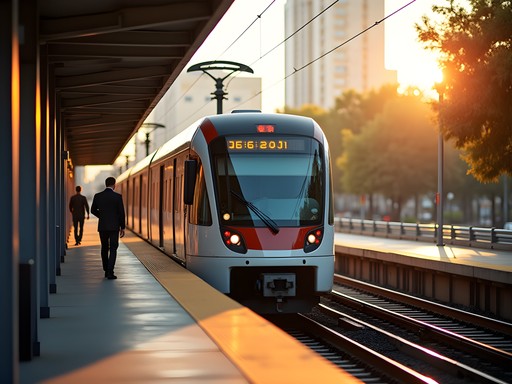
Most travelers arrive in Yangshuo via Guilin, which has both an airport (Guilin Liangjiang International) and a high-speed rail station. From Montreal, I typically fly into Hong Kong or Shanghai, then connect domestically to Guilin. The budget-conscious option I always recommend is taking the overnight train from major Chinese cities – you'll save on a night's accommodation while waking up to stunning scenery.
From Guilin to Yangshuo, you have three main options:
-
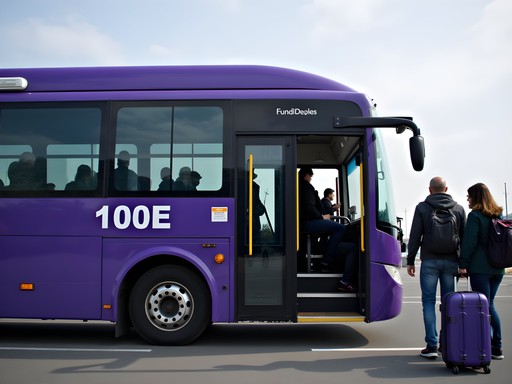
Direct Bus: The most straightforward option at ¥20-25 ($3-4 USD), departing from Guilin's South Bus Station every 30 minutes.
-
Li River Cruise: More expensive at ¥400+ ($60+ USD), but the iconic 4-hour journey through the karst mountains is breathtaking. I've done this twice and don't regret a yuan spent.
-
Private Transfer: If arriving late or with heavy luggage, consider a private driver for around ¥200-300 ($30-45 USD). I use DiDi (Chinese Uber) or ask my accommodation to arrange this.
Pro tip: Download a translation app before arriving. Even the basic free version has saved me countless times when communicating with drivers and ticket agents in rural areas where English is limited.

💡 Pro Tips
- Download transportation apps like DiDi and Baidu Maps before arriving in China
- Take screenshots of your destinations in Chinese characters to show drivers
- Consider buying a local SIM card at the Guilin airport for reliable maps and translation tools
Conquering Yangshuo by Two Wheels
Without question, renting a bicycle or e-bike offers the most rewarding way to explore Yangshuo and its surrounding villages. The flat valley floors contrasted with dramatic karst peaks create an almost surreal cycling landscape.
Standard bicycles cost ¥20-30 ($3-5 USD) per day from shops along West Street, while e-bikes (electric scooters) run ¥40-60 ($6-9 USD). My preference? Always the e-bike. The region's humid climate can make pedaling exhausting, and the extra range lets you reach distant attractions like the Yulong River and Moon Hill in a single day.
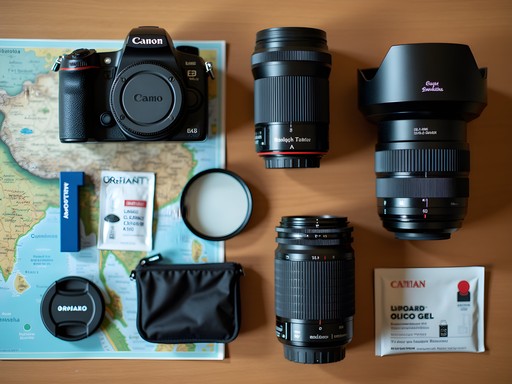
On my third visit, I discovered the joy of taking a waterproof daypack – absolutely essential during spring when afternoon showers can appear without warning. I've been caught in downpours while on my e-bike multiple times, and nothing ruins a day faster than soaked electronics and guidebooks.
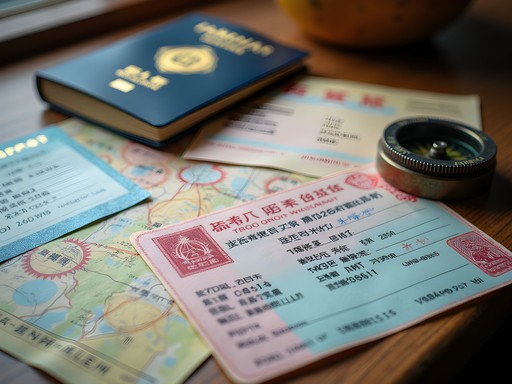
Most rental shops will ask to hold your passport as collateral, but I've successfully negotiated using a cash deposit instead (¥500-1000). Always thoroughly check your bike/e-bike before accepting it, taking photos of any existing damage to avoid disputes upon return.

💡 Pro Tips
- Rent early in the morning to secure the best quality e-bikes
- Ask your accommodation to write down your destinations in Chinese characters
- Download offline maps as cell service can be spotty in the countryside
Navigating the Rivers: Bamboo Rafts & Water Taxis
The waterways around Yangshuo offer both practical transportation and unforgettable experiences. Bamboo rafts (though now made of PVC pipes for durability) remain the iconic way to travel sections of the Li and Yulong Rivers.
For the Yulong River, head to the Gongnong Bridge embarkation point where a 1.5-hour journey costs ¥240-300 ($35-45 USD) per raft (seats two people). This is one experience where bargaining is expected – I've typically negotiated 20-30% off the initial asking price, especially during shoulder season.
The shorter Li River sections near Xingping are more budget-friendly at ¥150-180 ($22-27 USD). For the best experience, arrive early (before 9am) or late afternoon (after 4pm) to avoid the tour group crowds and capture the magical light for photographs.
While exploring these waterways, I've found a dry bag to be absolutely indispensable. The bamboo rafts sit low in the water, and splashing is inevitable – I learned this lesson the expensive way on my first trip when my smartphone suffered water damage.
For those seeking adventure off the beaten path, ask local boatmen about water taxi services between villages. For around ¥100-150, you can arrange private transport to remote sections not accessible by road, creating a unique experience few tourists ever discover.

💡 Pro Tips
- Negotiate bamboo raft prices firmly but respectfully
- Bring small bills as operators rarely have change
- Wear water shoes or sandals as you may need to wade through shallow water to board

Public Transportation & Budget Options
For the budget-conscious traveler, Yangshuo's local buses offer exceptional value. The green minibuses connect Yangshuo with surrounding villages and attractions for just ¥2-8 ($0.30-1.20 USD) per trip. These buses depart from the main station near the West Street entrance, though schedules can be irregular.
Bus #1 runs to Gongnong Bridge and the Yulong River area, while Bus #2 heads toward Moon Hill and the Assembling Dragon Cave. I've found that having a phrase book is invaluable when using local transportation, as drivers and fellow passengers are often eager to help but speak limited English.
For groups of 3-4 travelers, shared taxis become cost-effective at ¥50-80 ($7-12 USD) for trips to nearby attractions like the Big Banyan Tree or Moon Hill. Always agree on the price before departing and confirm whether the driver will wait for your return.
During my solo trips, I've found that joining forces with other travelers from my hostel or guesthouse is the sweet spot for transportation value. By sharing a taxi for half-day excursions, I've managed to visit multiple sites while keeping costs comparable to public buses but with significantly more flexibility.

💡 Pro Tips
- Take a photo of your accommodation's business card to show drivers for your return journey
- For public buses, have your destination written in Chinese characters
- Learn the Mandarin phrases for 'how much' (duōshao qián) and 'too expensive' (tài guì le) for negotiating fares
Day Trips Beyond Yangshuo
Some of my most memorable experiences in the region have come from venturing beyond Yangshuo proper. The ancient town of Xingping (兴坪), about 25km away, offers a glimpse into rural Chinese life relatively untouched by tourism, plus the iconic view featured on the 20 Yuan note.
To reach Xingping, take the direct bus from Yangshuo's main station (¥10, 45 minutes) or negotiate a taxi for around ¥80-100. For the adventurous, cycling there makes for an unforgettable day trip, though I recommend an early start to avoid the midday heat.
The Longji Rice Terraces (Dragon's Backbone) present a striking contrast to Yangshuo's karst landscape. Located about 80km from Yangshuo, they're accessible via a combination of buses or a direct tour. While organized tours run ¥280-350 ($40-50 USD), the DIY approach costs roughly half but requires more planning and patience.
For these longer journeys, I always bring my collapsible water bottle. It saves space when empty and helps reduce plastic waste – a growing concern in China's scenic areas. I also pack a travel pillow for those bumpy bus rides on rural roads; it's made countless journeys more comfortable, especially when I've scored a window seat for those panoramic countryside views.

💡 Pro Tips
- For Longji Rice Terraces, consider staying overnight to experience sunset and sunrise views
- When visiting Xingping, climb Laozhai Hill for the best photography vantage point
- Always carry toilet paper and hand sanitizer when using rural bus stations
Final Thoughts
As my e-bike hummed quietly along a narrow path between vibrant green rice paddies, an elderly farmer looked up from his work, smiled broadly, and waved with genuine warmth. These spontaneous connections – impossible from the window of a tour bus – exemplify why thoughtful transportation choices transform good trips into unforgettable ones.
Navigating rural China independently might initially seem intimidating, but the rewards are immeasurable. From the freedom of exploring hidden valleys by e-bike to the gentle rhythm of bamboo rafts on the Yulong River, how you move through Yangshuo shapes your entire experience of this remarkable region.
Whether you're a seasoned solo traveler or making your first venture into Asia, Yangshuo offers transportation options for every comfort level and budget. Embrace the occasional misadventure, practice patience, and remember that sometimes getting slightly lost leads to the most authentic discoveries. The limestone karsts have stood for millennia – they invite you to slow down, choose the scenic route, and create your own path through this extraordinary landscape.
✨ Key Takeaways
- E-bikes offer the best balance of cost, flexibility and range for exploring Yangshuo
- Budget travelers should utilize local green minibuses for incredible value
- Spring offers ideal weather for outdoor exploration with fewer crowds than peak summer
- Learning basic Mandarin transportation phrases significantly enhances your experience
- Consider combining transportation methods for the most comprehensive experience
📋 Practical Information
Best Time to Visit
March to May (spring) and September to November (fall)
Budget Estimate
$30-50 USD per day including accommodation and transportation
Recommended Duration
5-7 days
Difficulty Level
Moderate




Comments
Dylan Turner
Excellent breakdown of the transportation options. I'd add that while the budget routes are solid, the private car service from Guilin airport directly to Yangshuo (around 400-500 yuan) is worth considering if you're arriving late or traveling with family. Saves about 2 hours of hassle. The e-bike recommendation is spot-on - I rented one from Monkey Jane's and the battery life easily covered 40km of exploring. One logistical note: many hotels now require registration of your e-bike's number for insurance purposes, so keep your rental paperwork handy.
adventurechamp
Really cool guide, thanks for sharing!
sunnyperson
We did the public transportation too and it was actually great! Way cheaper than we expected. The bus from Guilin to Yangshuo was comfortable and only took about 90 minutes. One thing I'd add is to download maps offline because cell service got spotty in some of the rural areas we explored.
Fatima Sims
Jamie, this brings back memories! I spent two weeks in Yangshuo last year and that e-bike freedom you describe is absolutely real. One tip I'd add: download the Maps.me app before you go and grab the offline maps. Cell service gets spotty once you're deep in the countryside between villages. I got wonderfully lost one afternoon trying to find Moon Hill - ended up at a family's farm where they insisted I stay for lunch. Those unplanned moments are what made the trip unforgettable. The grandmother didn't speak a word of English, but somehow we communicated over homemade dumplings and lots of laughter.
exploreguy
That sounds amazing! Did you have translation apps that helped?
Fatima Sims
Google Translate camera feature was a lifesaver for reading signs and menus!
wanderlustchamp
This is so helpful! I'm planning my first solo trip to China and feeling nervous. Did you book the bamboo raft rides in advance or just show up? Also wondering if the public buses run frequently enough or if I should stick to e-bikes?
adventurechamp
You'll be fine! I just showed up for the bamboo rafts and got one within 20 mins. The buses are decent but e-bikes give you way more freedom to explore
oceanvibes
Love the photos! Yangshuo looks magical
wavegal
How's the e-bike battery life? Can you actually make it to the more distant villages and back on one charge?
Fatima Sims
Great question! I pushed mine pretty far - did about 45km in a day visiting Xingping and some remote villages. Got back with about 20% battery. Most rental places give you a fully charged bike, and the newer models easily handle 50-60km. Just don't go full throttle the whole time. Oh, and I kept my portable charger with me for my phone since you'll be taking tons of photos in those rice paddies!
wavegal
Perfect, that's exactly what I needed to know. Thanks!
Jean Wells
Excellent breakdown of the transportation options. I'd add one observation from my recent trip: the bus system has improved significantly since 2023. The Guilin-Yangshuo express buses now run every 20 minutes during peak season, and they've added USB charging ports. Cost is still around 20 RMB. For solo travelers on a budget, this beats the private transfers. The e-bike recommendation is spot-on though - that's the best way to explore the countryside villages that most tourists miss.
backpack_wanderer
Just returned from Yangshuo and your guide would have been SO helpful! We tried taking the public bus to Xingping and got completely lost. Ended up in some tiny village where nobody spoke English but an elderly lady invited us in for tea! Sometimes the transportation mishaps lead to the best memories. The water taxi back was stunning though - seeing those karsts from the river is a must-do.
springzone
That tea experience sounds amazing! Did you find the language barrier difficult to navigate overall?
backpack_wanderer
It was challenging but fun! I had a translation app which helped. The locals were incredibly patient and kind.
Oliver Duncan
Brilliant write-up, Jamie! The e-bike section brought back memories. I remember cruising through those rice paddies at sunset with absolutely no plan, just following random paths. Got completely lost near Moon Hill but stumbled onto this tiny village where an old woman invited me in for tea. Cost me nothing but gave me one of those travel moments you can't buy. The freedom of having your own wheels in that area is unbeatable.
Venture X
Premium card with 2X miles, $300 travel credit, Priority Pass