


Disclosure: This article contains affiliate links. We may earn a commission from purchases at no extra cost to you, which helps our travel content.
You know that moment when you're standing in a foreign bus terminal with your backpack, tired from an overnight journey, trying to decipher transportation options in broken Spanish? That was me last fall in Tarija, Bolivia's undiscovered wine paradise. After spending years chasing waves in Bali and Costa Rica, I decided to switch things up and explore South America's lesser-known wine region – a decision that led to one of my most authentic travel experiences yet. As a 50-year-old vegan surfer-turned-digital nomad, I've navigated my fair share of transportation challenges, but Bolivia's wine country presented unique hurdles that tested even my seasoned traveler skills. Whether you're considering a solo adventure through Bolivia's southern frontier or simply curious about this off-the-beaten-path destination, this guide breaks down everything you need to know about getting to and around Tarija without breaking the bank or losing your mind.

Getting to Tarija: The Long Haul Options
Let me start with the honest truth: getting to Tarija isn't exactly straightforward. Tucked away in Bolivia's southern region near the Argentine border, this wine paradise requires some determination to reach.
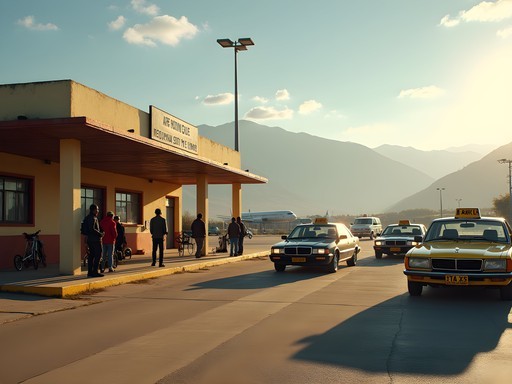
By Air: The fastest but most expensive option is flying into Capitán Oriel Lea Plaza Airport (TJA) from La Paz or Santa Cruz. When I visited, I snagged a one-way ticket from La Paz for about 700 BOB ($100 USD) on Boliviana de Aviación (BoA). The flight takes just over an hour, saving you days of travel compared to overland options. Pro tip: book at least 3-4 weeks in advance as these small planes fill up quickly, especially during wine harvest season.
By Bus: As a budget traveler, I initially planned to take the bus from La Paz to Tarija. However, after researching the bone-jarring 14+ hour journey on Bolivia's infamous roads, I opted to fly in and bus out. If you're braver than me, companies like Trans Copacabana and El Dorado offer overnight services for around 180-250 BOB ($25-35 USD). The buses from Sucre (8-10 hours) or Santa Cruz (12-14 hours) are slightly more manageable.
From Argentina: An interesting alternative I discovered from fellow travelers is crossing from Argentina. You can travel from Salta to the border town of Bermejo, then catch a collectivo (shared taxi) to Tarija. This route offers stunning scenery but requires patience with border procedures.

💡 Pro Tips
- Book flights at least 3-4 weeks in advance to secure the best prices
- For overnight buses, choose 'cama' (bed) or 'semi-cama' (reclining seat) options for comfort
- Download the TuRuta app for real-time bus schedules between major Bolivian cities
Navigating Tarija City: Local Transportation Hacks
Once you've made it to Tarija, getting around the city itself is surprisingly straightforward and affordable. The compact city center is walkable, which I appreciated as someone who prefers exploring on foot.
Micros (Public Buses): These colorful minibuses are Tarija's public transportation backbone. They cost just 2 BOB (about $0.30) per ride and cover most of the city. Routes are displayed on the windshield, but there's no official map. I quickly learned to ask locals which micro number goes to my destination. The buses can get crowded, especially during rush hour, but they're a fantastic way to experience local life.
Taxis: When I needed to transport my travel backpack or return from wine tastings, taxis were my go-to. Official taxis in Tarija have a taxi sign on top and registration numbers on the doors. Most trips within the city cost 10-15 BOB ($1.50-2.20), but always confirm the price before getting in. Unlike larger Bolivian cities, taxi drivers in Tarija rarely try to overcharge foreigners.
Ridesharing: To my surprise, Tarija has limited ridesharing options. While Uber isn't available, a local app called MoVi operates similarly. I downloaded it but found traditional taxis more reliable and just as affordable.
Renting Bicycles: My favorite discovery was Tarija's bicycle rental options. Several hostels and tour agencies offer bikes for around 50-70 BOB ($7-10) per day. The city's relatively flat terrain and light traffic make cycling a pleasant way to explore, especially when heading to nearby vineyards.

💡 Pro Tips
- Always carry small bills (2, 5, and 10 BOB) for micros and taxis
- Save your accommodation's business card with the address in Spanish to show taxi drivers
- Download maps.me or Google Maps offline maps as internet connectivity can be spotty
Wine Route Transportation: Exploring the Valleys
The real reason to visit Tarija is to explore its spectacular wine region, and figuring out how to navigate between vineyards was my biggest transportation challenge. After trying several approaches, here's what worked best:
Organized Wine Tours: The simplest option is joining an organized wine tour, which typically costs 200-350 BOB ($30-50) including transportation and tastings at 3-4 wineries. As a vegan traveler, I was pleased to discover that Tarija's wineries focus primarily on the wine itself rather than food pairings, making this an accessible option regardless of dietary preferences. Most tours depart from the central plaza around 9:30 AM.
DIY Wine Route: Being the independent traveler I am, I opted to create my own wine route using taxis. I negotiated with a taxi driver to take me to three wineries in the Valle de la Concepción for 200 BOB ($30) for the day. This gave me the flexibility to spend as much time as I wanted at each location. If you speak some Spanish, this is by far the best value approach.
Bicycle Wine Adventures: My absolute favorite day in Tarija was renting a mountain bike and cycling the wine route. Several shops near the central plaza rent decent bikes with helmets for about 70 BOB ($10) per day. I packed my hydration backpack with water, snacks, and my camera, then spent the day cycling between wineries. The terrain is mostly flat with some gentle hills, and the distance between most wineries is just 2-5km.
Public Transport Option: For the budget-conscious, you can catch the 'Valle' micro from Tarija's main terminal to Valle de la Concepción for just 5 BOB ($0.70). From there, some wineries are within walking distance, though others might require a taxi or considerable hiking.

💡 Pro Tips
- Book wine tours a day in advance during high season (March-May and September-November)
- If cycling, start early to avoid afternoon heat and potential thunderstorms
- Download the Ruta del Vino Tarija app for vineyard information and opening hours

Day Trips Beyond Wine Country
While Tarija's wine region gets most of the attention, the surrounding areas offer equally rewarding experiences. As someone who loves hiking and outdoor adventures, I made it a priority to explore beyond the vineyards.
La Angostura Reservoir: Just 12km from Tarija, this beautiful reservoir offers hiking, swimming, and water sports. Getting there is easy via the 'Angostura' micro from the main bus terminal (5 BOB, $0.70). The bus runs hourly from 7 AM to 6 PM. I spent a peaceful afternoon hiking around the lake's perimeter and enjoying the mountain views.
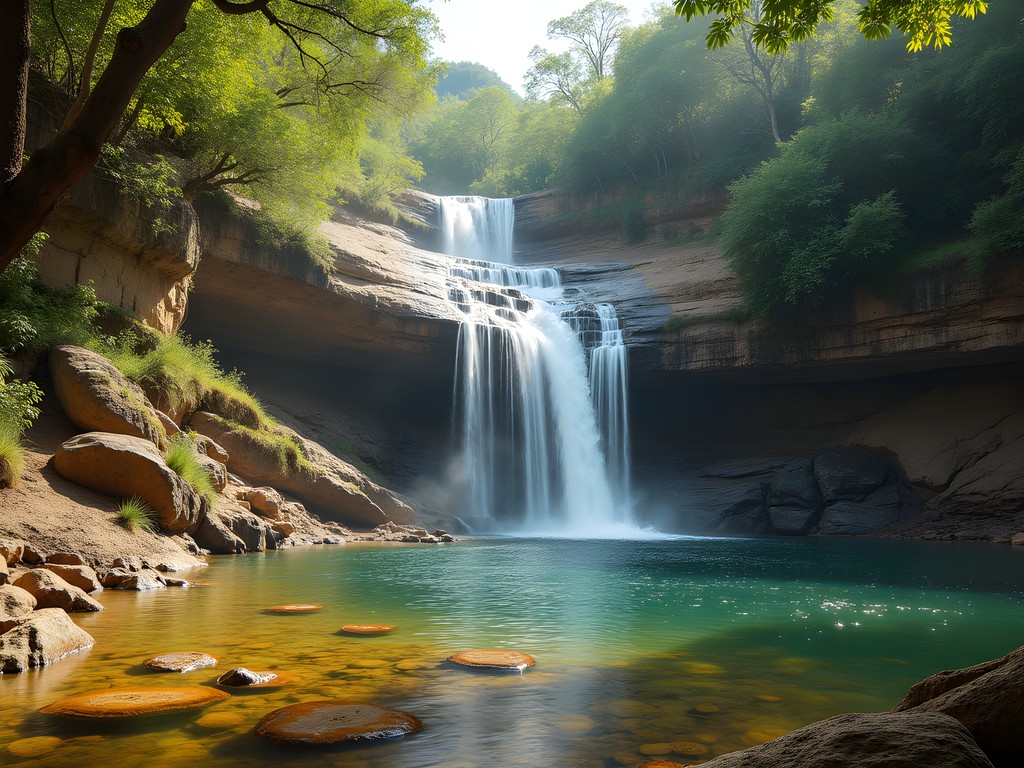
Coimata Waterfalls: These stunning cascades lie about 30km from Tarija. To reach them, take a taxi (negotiate around 150-180 BOB, $22-26 round trip including waiting time) or catch the San Lorenzo micro and hike the remaining 6km. The hike to the falls involves some moderate terrain, so I was glad I packed my hiking shoes which provided excellent traction on the sometimes slippery paths.
Sama Biological Reserve: For serious nature enthusiasts, this reserve about 60km from Tarija offers incredible biodiversity and hiking. There's no public transportation, so you'll need to join a tour (around 300 BOB, $45) or hire a private driver (400-500 BOB, $60-75). I joined three other travelers to split a taxi, making it much more affordable.
San Lorenzo: This charming colonial town is just 14km from Tarija and accessible via frequent micros (5 BOB, $0.70). Famous for its traditional architecture and local crafts, it makes for a perfect half-day trip. I particularly enjoyed the quieter pace after Tarija's bustling center.
One challenge with these day trips is the limited transportation schedule returning to Tarija. Most micros stop running by early evening, so plan accordingly or be prepared to negotiate a taxi ride back.
💡 Pro Tips
- Pack plenty of water and sun protection for day trips as shade can be limited
- Take screenshots of bus schedules or write down return times as they're not always posted
- Combine San Lorenzo with a visit to nearby wineries for an efficient day trip
Border Crossing: Continuing to Argentina
Many travelers combine Tarija with a trip to northern Argentina, which is exactly what I did. The proximity to the Argentine border makes Tarija an excellent jumping-off point for continuing south.
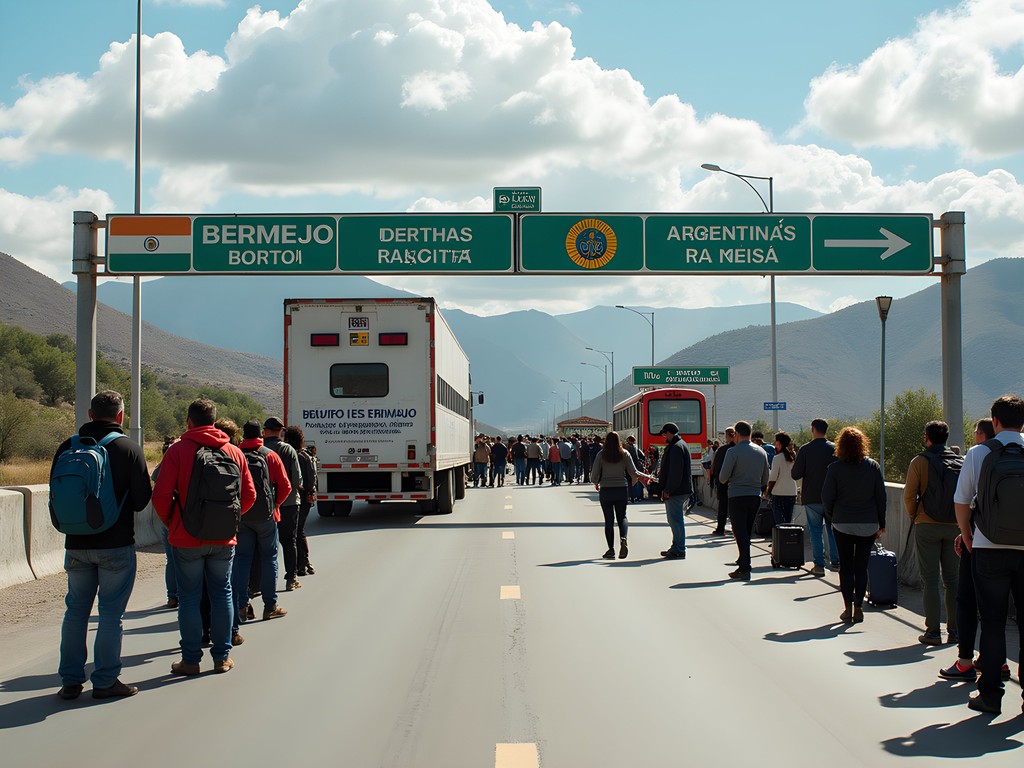
Bermejo Border Crossing: The most direct route is via Bermejo, about 3 hours from Tarija. Buses depart from Tarija's main terminal several times daily (50 BOB, $7). I caught the 8 AM bus, which got me to the border with plenty of time to complete formalities and continue to Salta, Argentina the same day.
The border crossing itself is relatively straightforward but can be time-consuming. You'll first exit Bolivia, walk across the international bridge, and then enter Argentina. As a US citizen, I didn't need a visa, but check requirements for your nationality before traveling.
La Quiaca/Villazón Crossing: An alternative route is heading to Villazón (6-7 hours from Tarija) and crossing into La Quiaca, Argentina. This is a busier crossing but offers more frequent transportation options on both sides.
Border Transportation Tips: Once across the border, transportation options change dramatically. Argentina has more comfortable buses but at higher prices. From Bermejo, shared taxis (remises) run to Orán, where you can catch buses to Salta or Jujuy. I found the travel money belt invaluable for keeping my passport, cash, and cards secure during the border crossing process.
One important note: currency exchange at borders typically offers poor rates. I withdrew Argentine pesos from an ATM in Tarija before crossing, which saved me about 10% compared to the exchange booths at the border.
💡 Pro Tips
- Arrive at the border early in the day to ensure you can continue your journey same-day
- Make copies of your passport and important documents before crossing
- Download the How to Bolivia app which has updated border information and common scams to avoid
Final Thoughts
Navigating Tarija and its surroundings might require more planning than your typical wine region tour, but that's precisely what makes it special. The transportation challenges create a natural filter that keeps this Bolivian gem authentic and uncrowded. Throughout my week exploring Tarija's valleys and vineyards, I was continually rewarded with genuine interactions, spectacular landscapes, and wine experiences that rival those costing ten times as much elsewhere. Whether you're cycling between family-owned vineyards, negotiating with a taxi driver in broken Spanish, or catching a local micro alongside Tarijeños, the journey itself becomes part of the adventure. As I've discovered in my 50s, sometimes the most rewarding travel experiences come when we embrace the complexity rather than seeking the convenience. So pack light, bring your sense of adventure, and prepare to discover Bolivia's best-kept secret – just don't tell too many people about it.
✨ Key Takeaways
- Flying to Tarija saves significant time but buses offer dramatic landscapes at a fraction of the cost
- Cycling is the most rewarding way to explore the wine route, offering flexibility and stunning views
- Local 'micro' buses provide the most budget-friendly transportation within Tarija and to nearby attractions
- Always carry small bills and confirm taxi prices before starting your journey
- Combining wine tourism with outdoor adventures offers the most complete Tarija experience
📋 Practical Information
Best Time to Visit
March-May (harvest season) or September-November (spring)
Budget Estimate
$30-50 per day including accommodation, transportation and activities
Recommended Duration
5-7 days
Difficulty Level
Moderate







Comments
springchamp
Quick question - is there Uber or anything like that in Tarija? Or strictly regular taxis?
Timothy Jenkins
No Uber there. Regular taxis or radio taxis you call through your hotel. Prices are reasonable though.
beachbuddy
Love this! Adding Tarija to my bucket list now!!
Claire Hawkins
We took our two kids (ages 6 and 9) to Tarija last March and honestly, the transportation was easier than expected. The taxis were spacious enough for car seats, and drivers were patient with us loading up. For the wine tours, we hired a private driver for the day through our hotel - cost about $60 USD but was worth it with children. He knew which bodegas had gardens where the kids could play while we tasted. The public buses Eric mentions would work great for couples or solo travelers, but with little ones, having that flexibility made all the difference.
vacationninja
Anyone know if there's an app for booking those buses in advance? Or do you just show up?
moondiver
Just show up. Bolivia isn't really big on booking apps yet
Timothy Jenkins
Excellent guide, Eric. I spent three weeks in Tarija last year and your tips about negotiating taxi rates for the wine valleys are spot on. One thing I'd add - the colectivos heading to Valle de la Concepción leave from a different terminal than most tourists expect. It's near the mercado central, not the main bus station. Saved me quite a bit compared to private taxis. The local drivers are incredibly friendly once you get chatting, and several offered to wait while I toured wineries.
vacationninja
Wait, so there's two different bus terminals? Which one do you use for getting TO Tarija from La Paz?
Timothy Jenkins
The main terminal (Terminal de Buses) is for long-distance routes. The colectivos I mentioned are just for local wine valley trips.
islandtime
Great post. Those overnight buses are no joke lol
springchamp
This is SO helpful!! Going to Tarija in September and was totally stressing about getting around. The wine route section is exactly what I needed!
moondiver
September is perfect timing, weather's great then
islandlife
Anyone know if it's possible to do the wine route by bicycle? I'm planning a trip for next spring and prefer to explore on two wheels when possible.
hikingway
I saw a few people doing it! The roads between the closer wineries aren't too bad. Just be prepared for some hills and bring plenty of water - it gets hot during the day!
islandlife
Perfect, thanks! That's exactly what I was hoping to hear.
springgal
Those local buses sound like an adventure! Not sure I'm brave enough to try them lol
Gregory Boyd
Just got back from Tarija last week and this guide would've saved me some headaches! One thing I'd add is that the minibuses (trufis) between wineries can be really inconsistent with their schedules. I ended up getting stranded at Campos de Solana for almost 2 hours. Definitely bring water and snacks if you're using public transport for the wine route. Also, I found having a decent Spanish phrasebook essential for the bus terminal - almost no English spoken there. I used my pocket translator which saved me multiple times when trying to confirm routes with drivers. The overnight bus from La Paz was quite comfortable though - spring for the cama seats if you can!
Gregory Boyd
Absolutely worth it! The wines are fantastic (especially the Torrontés) and much cheaper than you'd expect. Just plan for the transport challenges and you'll have a great time. The scenery alone is worth the journey.
dreamking
Thanks for the tips Gregory! Was the wine route worth the transportation hassle?
Venture X
Premium card with 2X miles, $300 travel credit, Priority Pass