
Disclosure: This article contains affiliate links. We may earn a commission from purchases at no extra cost to you, which helps our travel content.
Let me shoot straight with you – getting to Pyongyang isn't like rolling into any other capital city. After two decades hauling freight across America and five years exploring Asia's most controlled corners, I can tell you North Korea's capital demands preparation unlike anywhere else. No ride-sharing apps, no rental cars, and definitely no impromptu road trips. But for those willing to navigate the red tape and rigid structure, Pyongyang offers a glimpse into one of the world's most isolated societies – a place where transportation itself tells a profound story about the country.

Getting In: The Limited Pathways to Pyongyang
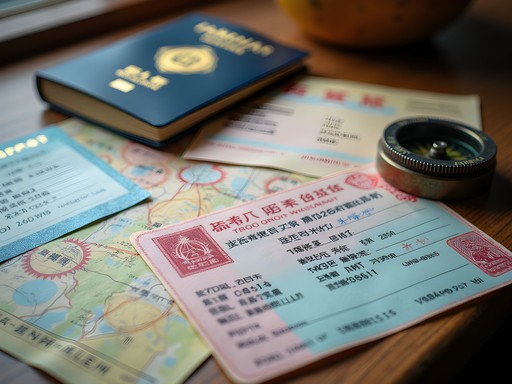
There are exactly two ways into North Korea: by air or by train, and both come with more paperwork than a cross-country hazmat haul.
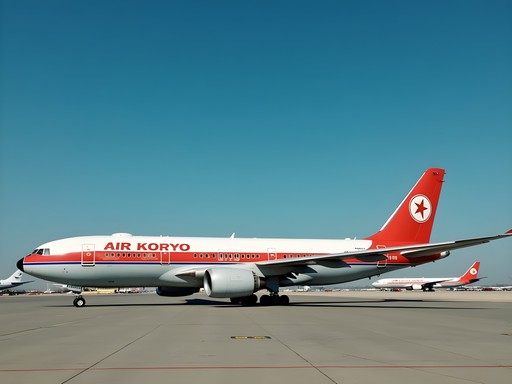
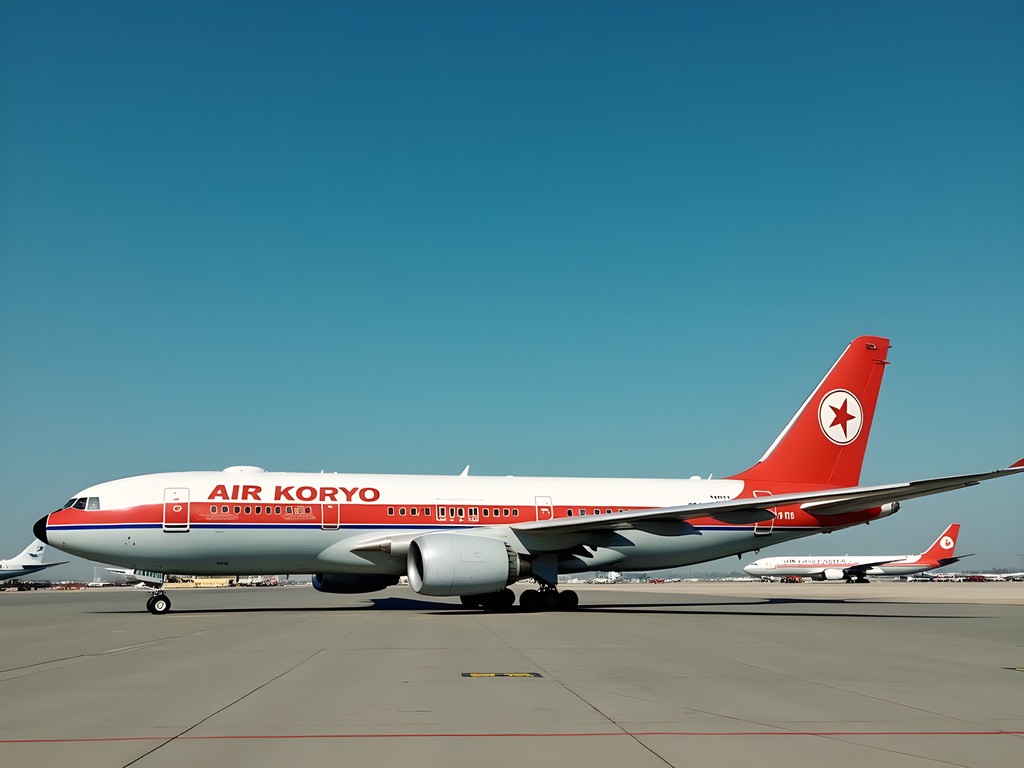
The most common route is flying Air Koryo from Beijing to Pyongyang on one of their Russian Tupolev aircraft. It's a bizarre time capsule experience – from the propaganda newspapers they hand out to the mysterious meat sandwich they serve (affectionately dubbed the 'Koryo Burger' by foreigners). Before you ask – no, you can't use your fancy noise-canceling headphones during the flight. Electronics rules are strict.
Your alternative is the train from Beijing through Dandong (China) to Pyongyang. It's a 24-hour journey that I personally prefer – you'll see the dramatic transition at the border, complete with thorough customs inspections where officials will check every digital item you're carrying. Make sure your travel adapters are easily accessible as they'll want to inspect those too.
Both entry methods require booking through authorized tour companies – you cannot just show up at the border. Period.
💡 Pro Tips
- Book your tour at least 3 months in advance to allow time for visa processing
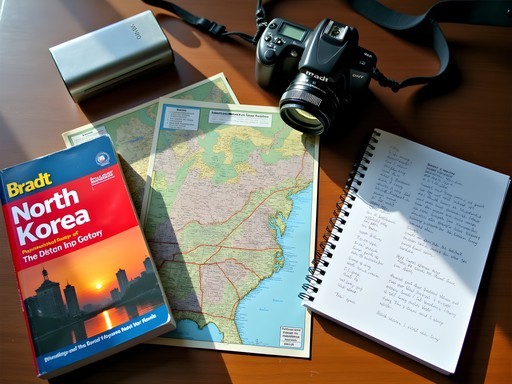
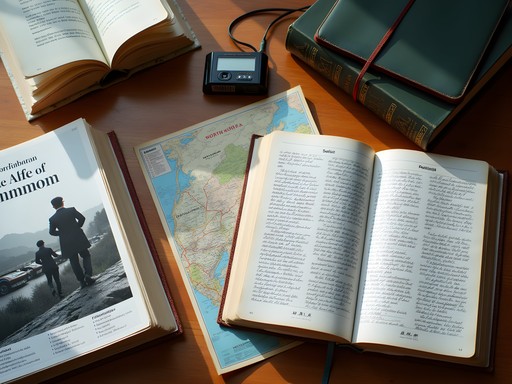
- Bring physical books and magazines for entertainment – your devices may be inspected or temporarily confiscated
- Pack a basic first aid kit including stomach remedies – medical facilities are limited
Mandatory Tour Groups: Your Only Option
Here's the deal – independent travel in North Korea doesn't exist. You must be accompanied by government-approved guides at all times. This isn't a suggestion; it's non-negotiable.
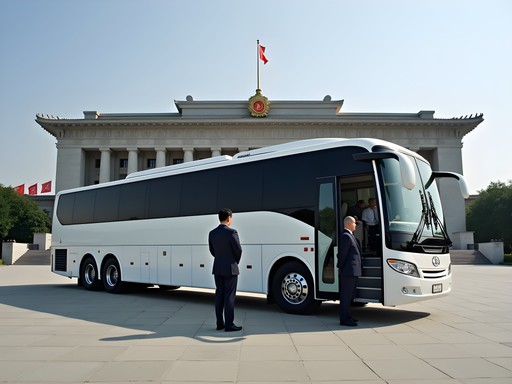
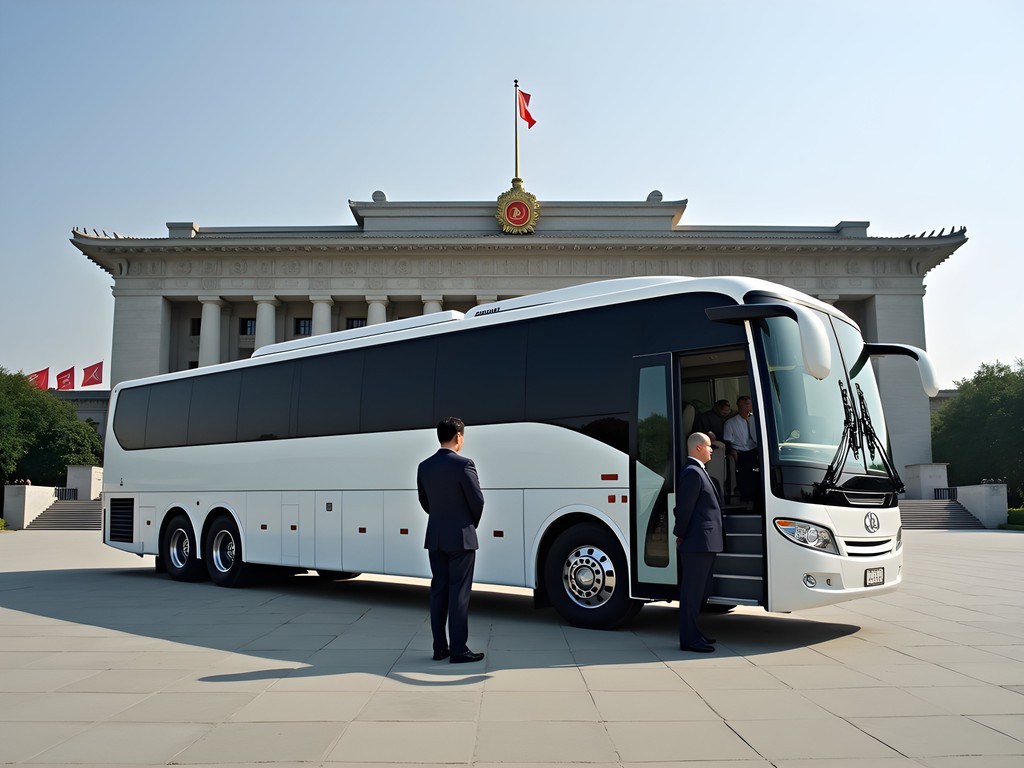
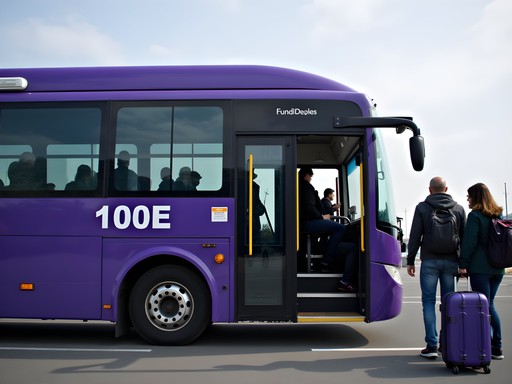
Your transportation will be arranged through your tour company, typically using dedicated tourist buses or vans that follow pre-approved routes. These vehicles are comfortable enough, though nothing fancy. During my three visits, I've found that groups of 15-20 typically get standard buses, while smaller groups might use minivans.
While touring, I recommend keeping a detailed travel journal. My waterproof notepad has been invaluable since electronics use is restricted in many areas. Plus, there's something special about physically writing down observations rather than typing them.
Your guides will be with you constantly – even in the hotel. This isn't because they're suspicious (though there's element of monitoring); it's their job to ensure you follow local customs and regulations. Build a good relationship with them – they control everything from bathroom breaks to photo opportunities.
💡 Pro Tips
- Learn basic Korean phrases – your guides will appreciate the effort and it builds goodwill
- Never wander off from your group – even short unauthorized detours can create serious problems
- Bring small gifts for your guides (cigarettes, chocolates, cosmetics) – establishing rapport makes for a better experience
Pyongyang's Metro: The Underground Museum
The Pyongyang Metro is hands-down the most fascinating public transportation system I've ever experienced – and that's saying something from someone who's ridden everything from Bangkok tuk-tuks to Bolivian death roads.
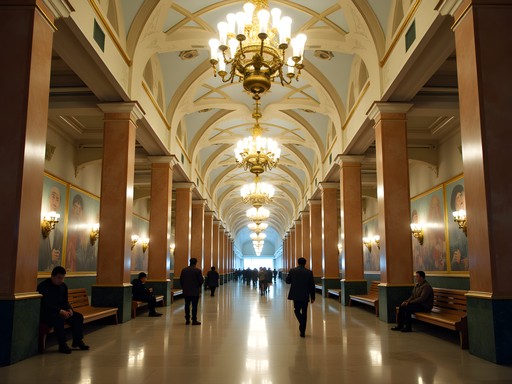
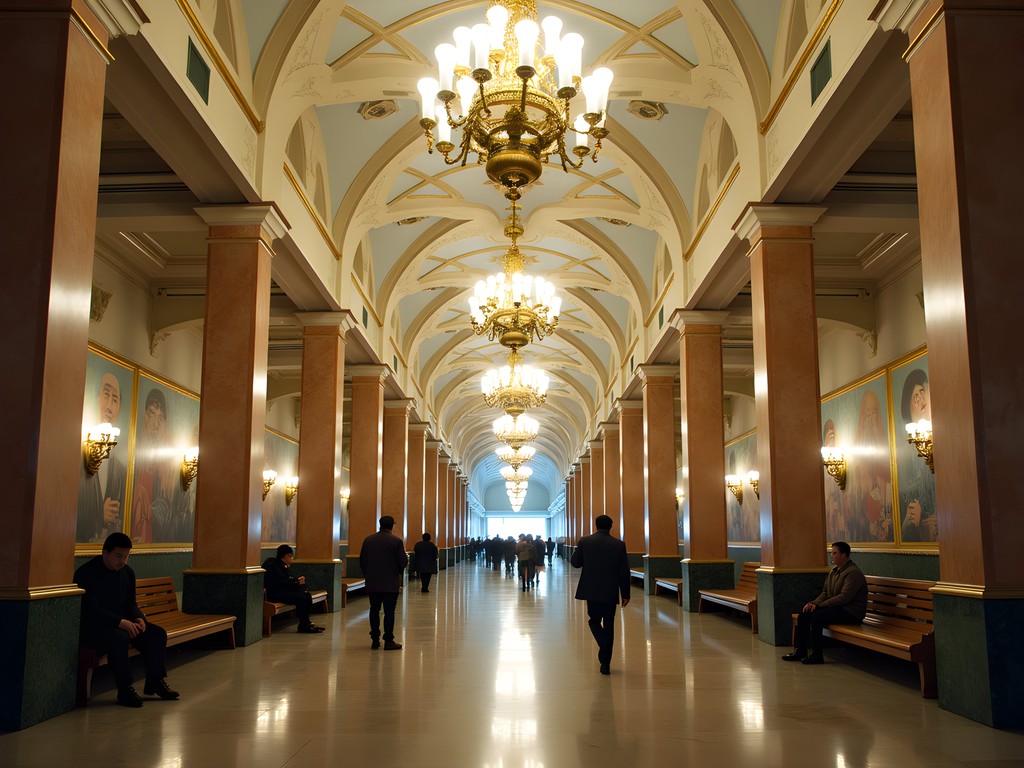
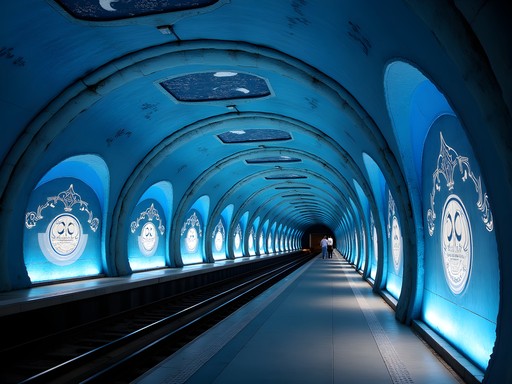
Descending 110 meters underground (one of the world's deepest systems), you're transported into stations that look like ornate palaces, complete with chandeliers, marble columns, and massive socialist murals. For years, tourists were only allowed to visit two showcase stations, but recent tours have expanded access to more of the system.
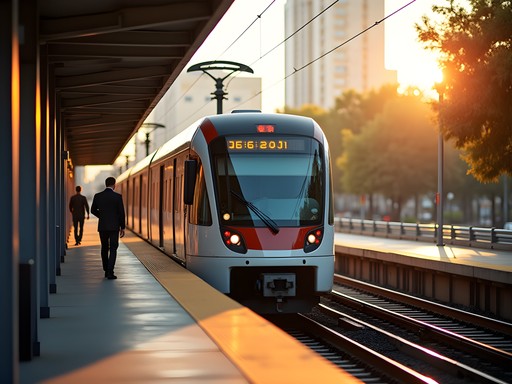
The trains themselves are vintage German subway cars from the 1970s, reportedly purchased from Berlin. They're maintained impeccably despite their age. During rush hour, the cars fill with locals reading newspapers or books – smartphone zombies don't exist here.
For capturing these incredible underground palaces, I recommend a compact light since flash photography can draw unwanted attention. The lighting is surprisingly good, but having a small boost helps capture the details in those incredible mosaics.
Despite being a showpiece, the metro is genuinely used by locals. Your minders will closely watch your interactions, but respectful nods and smiles are usually reciprocated.
💡 Pro Tips
- Purchase the special metro ticket as a souvenir – they're unique keepsakes
- Have small North Korean won ready for the ticket (guides can help exchange money)
- Stand on the right side of the escalators – these are among the longest escalator rides you'll ever experience

Walking Pyongyang: The Supervised Stroll
Walking around Pyongyang is possible but strictly regulated. Your guides determine where you can walk, when you can walk, and how fast you walk. This isn't a city where you can wander off for solo exploration.
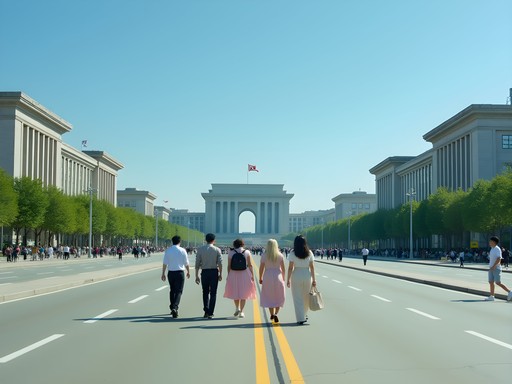
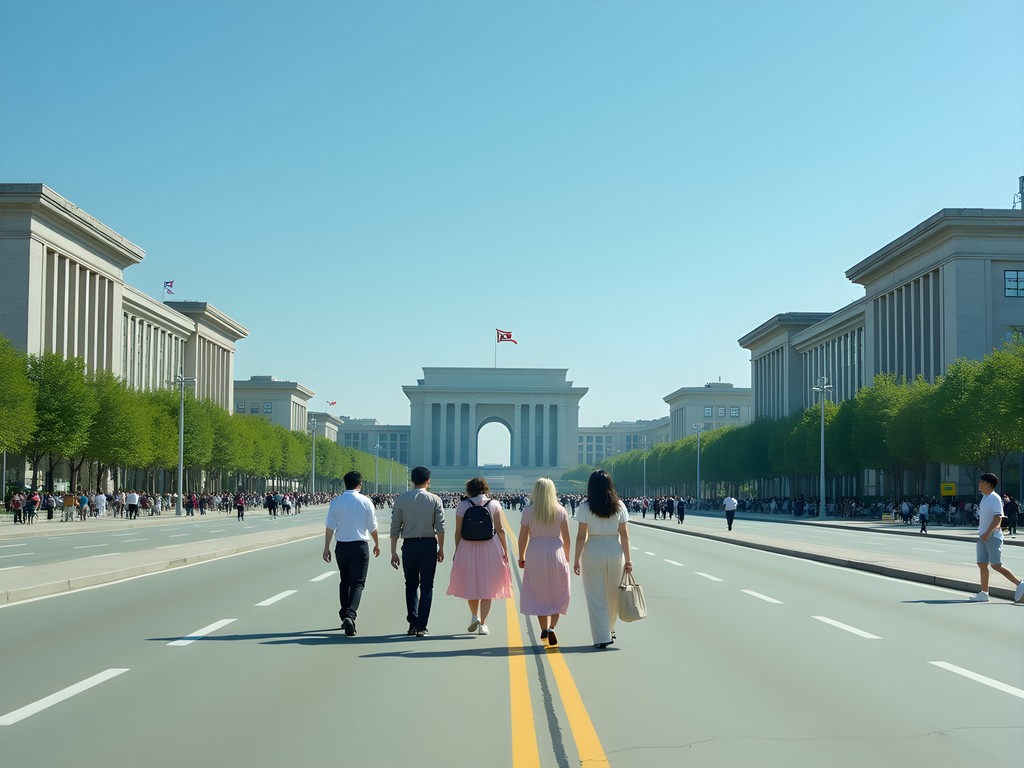
During my visits, I've noticed increasing flexibility for short walks between destinations, especially around Kim Il-sung Square and along the Taedong River. These moments provide rare glimpses into everyday life – children practicing for mass games, elderly folks playing board games in parks, and the occasional local on a bicycle.
Comfortable footwear is absolutely essential. I swear by my walking shoes which have supported me through countless miles of concrete plazas and monument visits. The city is surprisingly hilly in parts, and you'll be doing more standing than you expect while guides explain the significance of various landmarks.
Pyongyang's wide boulevards were designed for military parades, not pedestrians, so crossings can be intimidating. Always follow your guide's lead – traffic rules aren't what you're used to, and the occasional military vehicle expects absolute right-of-way.
💡 Pro Tips
- Bring a hat and sunscreen – many monument visits involve standing in open plazas with little shade
- Always ask before photographing people or military personnel – your guide will advise what's permitted
- Carry tissues or toilet paper – public restrooms rarely provide these
Emergency Transport and Contingency Planning
Let's talk straight – medical emergencies in North Korea are no joke. The local healthcare system isn't equipped to handle serious conditions, and medical evacuation is complicated by political realities.
Before traveling, comprehensive travel insurance that explicitly covers North Korea is non-negotiable. Many standard policies exclude it, so read the fine print. I use travel insurance which is one of the few that covers this region, though always verify current coverage before purchasing.
In a genuine emergency, your tour company works with your embassy (typically through the Swedish Embassy, which represents many Western nations in Pyongyang) to arrange evacuation – usually to Beijing. This process isn't quick, so bringing a personal medical kit with prescription medications you might need is essential.
Communication during emergencies is limited. There's no international cellular service, and internet access is non-existent for tourists. Your tour company is your lifeline, which is why choosing a reputable operator with experience handling emergencies is crucial. From my trucker days, I learned always having a backup plan – in Pyongyang, that means preventative health measures and choosing your tour company wisely.
💡 Pro Tips
- Register with your country's embassy before traveling (usually through the embassy in Beijing)
- Bring twice the medication you think you'll need for any chronic conditions
- Memorize blood type, allergies, and any critical medical information – language barriers can complicate emergency care
Final Thoughts
Navigating Pyongyang isn't just about physical movement – it's about understanding the complex dance of permissions, restrictions, and cultural expectations that govern every aspect of travel in North Korea. After three visits spanning nearly a decade, I can tell you the transportation experience has barely changed – still strictly controlled, still fascinating, still unlike anywhere else on earth.
Despite the limitations, there's something profound about experiencing a city where public transport is art, where traffic jams don't exist, and where every journey is a carefully orchestrated glimpse into a society that remains largely hidden from the world. The restrictions become part of the experience itself – a constant reminder of how differently life functions here.
If you decide to make this journey, go with open eyes and managed expectations. You won't have freedom of movement, but you'll witness a transportation system that tells a deeper story about North Korean society than any museum ever could. And isn't that glimpse behind the curtain why we travel to the world's most challenging destinations in the first place?
✨ Key Takeaways
- All visits to Pyongyang require booking through authorized tour companies – independent travel is impossible
- Transportation options are limited to approved tour vehicles and occasional supervised metro rides
- Prepare thoroughly for limited communication and medical infrastructure
- Respect the strict regulations – they're non-negotiable and your guides' jobs depend on your compliance
- Choose larger, established tour operators with proven emergency response capabilities
📋 Practical Information
Best Time to Visit
May-October, with September being ideal for National Day celebrations
Budget Estimate
$1,500-2,500 for a standard 5-day tour (excluding flights to Beijing)
Recommended Duration
5-7 days
Difficulty Level
Challenging


Comments
oceanking
Just got back from NK last month and this guide is spot on! The metro was definitely the highlight - felt like traveling back in time. One thing I'd add is that even though the transport is restricted, the conversations with guides can be surprisingly open if you build rapport over several days. Great article!
Hunter Thompson
Brilliant post that captures the surreal experience of Pyongyang transportation! I did the Beijing-Pyongyang train route last autumn and it was fascinating. Pro tip for anyone planning this journey: bring enough snacks and entertainment for the train - options are limited! The mandatory tour group experience is exactly as described - our guides were actually quite funny and personable, but there's zero chance of wandering off. The metro was my favorite part too - like traveling back in time to some alternate-universe Soviet masterpiece. Make sure you've got a compact camera that's easy to pull out quickly when they allow photos, as the opportunities can be brief!
skystar
Great article! I'm wondering about phone/internet access there. Were you completely disconnected during your visit, or is there some way to stay in touch with home?
islandwalker
When I went, we had to surrender our phones at the border. Some tours now offer limited local SIM cards, but no internet access - just local calls. Best to plan for being completely offline!
moonbackpacker1924
This brings back so many memories! The Pyongyang metro is absolutely stunning - like underground palaces! Our guide told us the chandeliers were imported from Czechoslovakia back in the day. One thing I'd add is that while you can't choose where to go, the guides are sometimes open to small requests if they fit within the approved areas. We asked to see a local food market and surprisingly they accommodated us. It was obviously curated, but still fascinating. The walking tours are indeed supervised, but I found them quite relaxed. Just don't try to wander off on your own - not worth the trouble it would cause!
islandwalker
I visited in 2022 and the metro was definitely the highlight! So ornate and unlike anything I've seen elsewhere. Just be prepared for the fact that you'll only see a small section of it - rumor has it that many stations are closed to tourists. The supervised walks were actually quite pleasant, though it's strange not being able to just pop into a shop on your own.
springpro
Those metro stations look incredible in your photos!
happyninja
I'm really curious - how much did your tour cost? And did you have any choice in what you got to see?
moonbackpacker1924
Not OP, but when I went in 2023, it was about €1500 for a 5-day tour from Beijing, all-inclusive. You can choose between different tour packages, but once you're there, the itinerary is pretty fixed. Some companies offer slightly more flexibility than others though!
Kimberly Murphy
Having visited Pyongyang last year, I can confirm everything Megan says about the transport situation. The metro was definitely a highlight - those chandeliers and murals are incredible! But yes, you're never truly 'exploring' on your own terms. Our guides were friendly but firm about where we could and couldn't go. The train from Beijing was an experience in itself - 24 hours of watching the landscape change while our documents were checked repeatedly. Worth experiencing once, but definitely not your typical city break!
springpro
Did you feel safe the whole time? I've always been curious.
Kimberly Murphy
Surprisingly yes! As long as you follow the rules (which they make very clear), it's actually quite safe. You're so closely supervised that there's little opportunity for anything to go wrong.
hikingseeker
Wow, what an eye-opening post! Never realized how complicated it is just to move around Pyongyang.
coffeemood
Is it true they don't let you keep your passport during the trip? That part makes me nervous!
Zoe Dixon
When I went, they collected our passports at the border and returned them when we left. It's standard procedure there, though definitely feels strange! They do give you a receipt, and I never heard of anyone having issues getting their passport back.
coffeemood
Thanks Zoe, that's reassuring to know!
Venture X
Premium card with 2X miles, $300 travel credit, Priority Pass