


Disclosure: This article contains affiliate links. We may earn a commission from purchases at no extra cost to you, which helps our travel content.
After three decades traversing remote locations for both work and pleasure, I can confidently say that reaching Nauru—the world's smallest island republic—tests even the most seasoned traveler's patience and planning abilities. This tiny phosphate rock in the Pacific Ocean, just 21 square kilometers in size, doesn't make it easy for visitors. But having recently taken my diving gear to explore its pristine reefs while documenting local stories about the 'pleasant island,' I've compiled everything you need to know about getting there and moving around this fascinating microstate.

Securing Your Flight to Nauru: A Strategic Operation
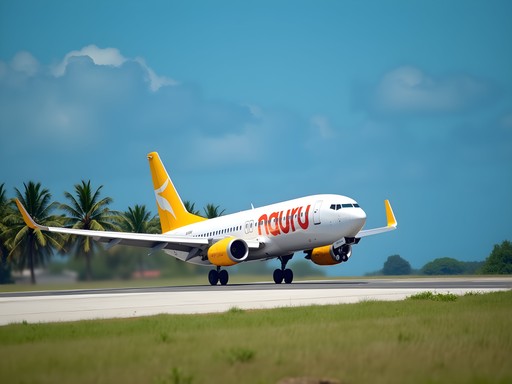
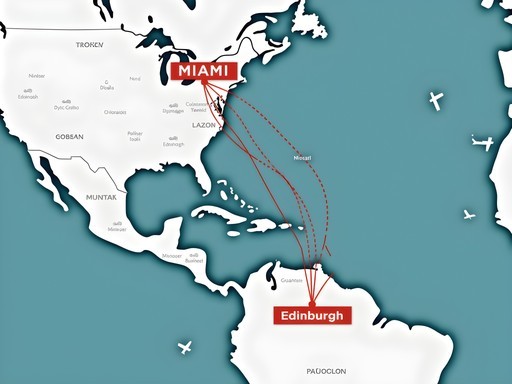
Let me be clear: reaching Nauru requires military-grade planning precision. Nauru Airlines (formerly Our Airline and Air Nauru) operates the only commercial flights to the island, primarily from Brisbane, Australia, with occasional services from Fiji, Kiribati, and the Marshall Islands. These flights typically operate just twice weekly, and schedules can change with minimal notice.
During my preparation, I learned the hard way that booking requires direct contact with the airline, as most online travel agencies don't list these routes. I recommend calling their Brisbane office directly and having backup dates ready. Flight cancellations aren't uncommon, so building buffer days into your itinerary is non-negotiable.
When packing for this journey, remember that baggage allowances are strict and excess charges steep. My luggage scale saved me from a $200 excess baggage fee when my diving equipment pushed me over the limit. Consider this essential if you're bringing specialized gear.
💡 Pro Tips
- Book flights at least 3 months in advance directly through Nauru Airlines
- Build 2-3 buffer days on either end of your trip to accommodate potential schedule changes
- Print all documentation including hotel confirmations, as digital copies can be insufficient
Entry Requirements and Arrival Procedures
Nauru's visa process reflects its unique political position and limited infrastructure. All visitors require a visa, which must be obtained before arrival by emailing the Nauru government directly. During my FBI years, I processed countless international documents, and I can tell you Nauru's requirements are surprisingly stringent for such a small nation.
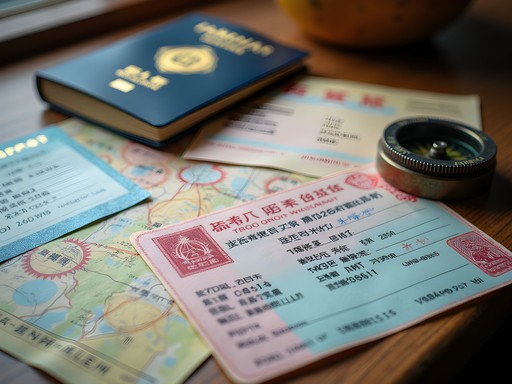
You'll need a sponsor or confirmed accommodation, a return ticket, and proof of sufficient funds. The visa costs approximately $50 USD and takes 1-2 weeks to process. I highly recommend using a document organizer to keep everything accessible—the humid climate and frequent document checks make this invaluable.
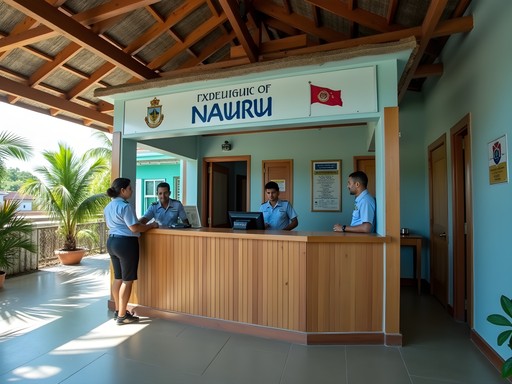
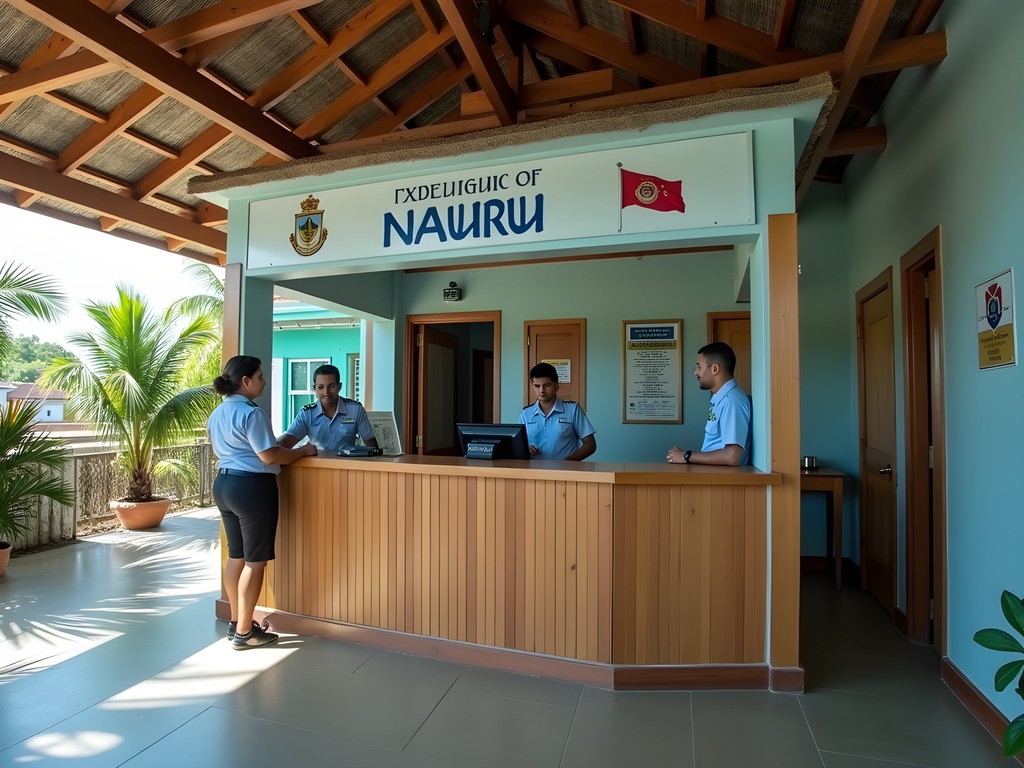
Upon arrival at Nauru International Airport (INU), prepare for a thorough but relatively efficient entry process. The single-room terminal processes one flight at a time, so while procedures aren't rushed, they're straightforward. Officials will verify your visa, accommodation details, and return flight information, so keep these documents readily accessible.
💡 Pro Tips
- Apply for your visa at least one month before travel
- Bring printed copies of all correspondence with Nauru immigration
- Have your hotel confirmation and return ticket information easily accessible
Navigating the Island: Transportation Options
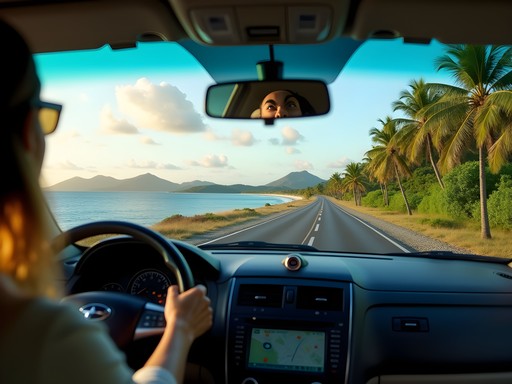
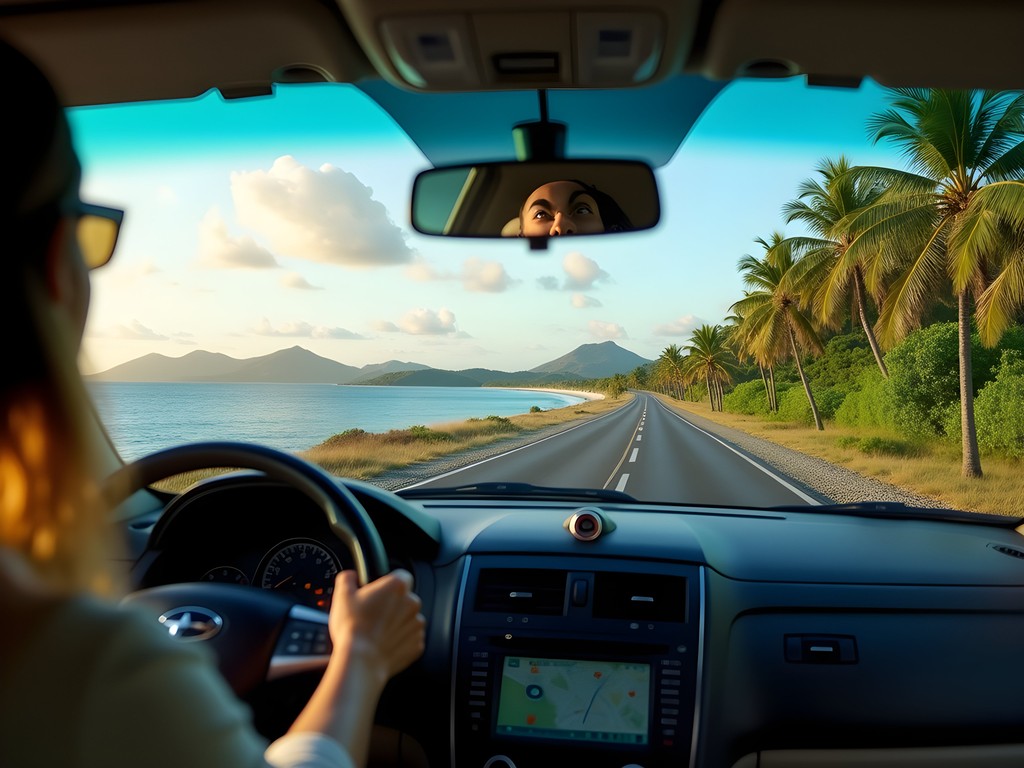
Once you've made it to Nauru, transportation options are refreshingly simple—because there are so few of them. The entire island can be circumnavigated by car in about 30 minutes via the 19km coastal road.
During my week exploring the island, I quickly realized that renting a vehicle is essential. There are only two car rental companies on Nauru, and vehicles are limited. I reserved mine through my hotel (Menen Hotel) two months in advance. Expect to pay about $70-90 USD per day for a basic but functional vehicle with air conditioning.
If you're comfortable on two wheels, scooters are also available for rent at roughly half the price. The coastal road is well-maintained, but inland roads to phosphate mining areas can be rough. My waterproof phone case proved invaluable when sudden tropical downpours hit while I was exploring the island's interior.
Taxis exist but operate informally. Your hotel can arrange one, but don't expect metered fares or regular availability. Agree on prices beforehand—a full island tour should cost about $50-60 USD. Walking is feasible for short distances, but Nauru's equatorial climate makes this uncomfortable for anything beyond a kilometer or two.
💡 Pro Tips
- Reserve a rental car at least 8 weeks before arrival
- Carry small Australian dollar bills for fuel purchases
- Download offline maps as internet connectivity is unreliable

Exploring Nauru's Interior and Hidden Spots
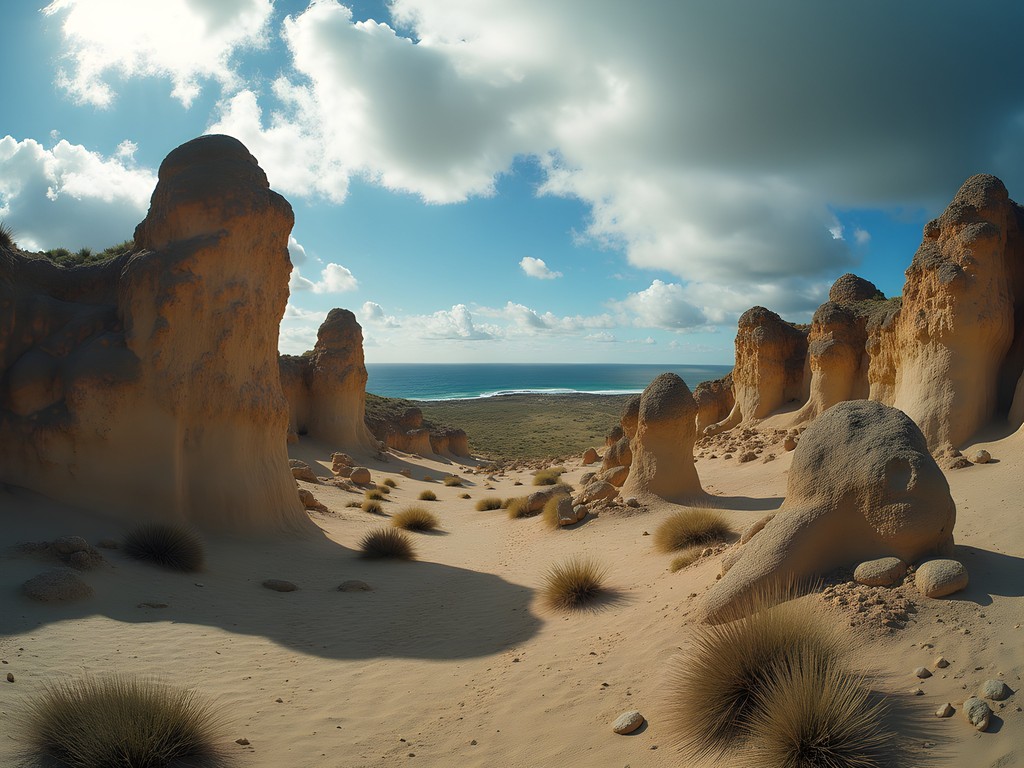
Nauru's phosphate mining history has created a surreal, almost lunar landscape in the interior known as 'Topside.' Accessing these areas requires both permission and appropriate transportation. My security background gave me an advantage in securing permits, but most visitors can arrange access through their hotel.
For these excursions, proper footwear is non-negotiable. My hiking boots provided the ankle support and traction needed to navigate the jagged limestone pinnacles safely. The terrain is genuinely treacherous in places, with abandoned mining equipment and deep pits scattered throughout.
Buada Lagoon, the island's only freshwater body, offers a stark contrast to the coastal scenery and deserves a visit. The Japanese guns from WWII near the airport and the former Australian detention center are also historically significant sites, though photography restrictions may apply at the latter.
For divers like myself, Nauru offers pristine, rarely-visited reefs. I brought my own equipment, but basic rental gear is available through a small operation near Anibare Bay. Before any water activities, I always use my tide watch to track tidal patterns, which is crucial for safe diving and shore access on Nauru's reef-ringed coastline.
💡 Pro Tips
- Obtain interior access permits through your accommodation
- Visit Buada Lagoon in the early morning for the best light and wildlife viewing
- Bring a high-quality water filter as bottled water is expensive and plastic waste disposal is problematic
Communication and Safety Considerations
My FBI training taught me that communication redundancy is critical in remote locations. Nauru's telecommunications infrastructure is functional but limited. The state-owned Digicel provides the only mobile service, and SIM cards can be purchased at the airport or in Aiwo district. Internet access exists but is expensive and unreliable—expect speeds reminiscent of the early 2000s.
Before arrival, I loaded my phone with a satellite messenger for emergency communications. This might seem excessive, but when I was exploring the remote eastern coastline and twisted my ankle, having reliable communication capability gave me significant peace of mind.
Safety-wise, Nauru is generally secure with minimal crime against tourists. However, medical facilities are extremely basic. The RON Hospital can handle minor injuries and illnesses, but anything serious requires evacuation to Australia or Fiji. Comprehensive travel insurance with evacuation coverage isn't optional—it's essential.
Water safety is another consideration. Currents around the island can be treacherous, and there are no lifeguards. Always ask locals about safe swimming areas, and never swim alone. My personal locator beacon comes with me on every water excursion—an investment that could literally save your life in remote locations like this.
💡 Pro Tips
- Purchase a local SIM card immediately upon arrival
- Download essential apps and maps before arriving as downloads are nearly impossible on local internet
- Register with your embassy before traveling to Nauru
Final Thoughts
Reaching and exploring Nauru demands patience, preparation, and a pioneering spirit. This isn't a destination for travelers seeking convenience or luxury, but rather for those who value authentic experiences in one of the world's least-visited nations. The logistical challenges of getting here have preserved an unfiltered glimpse into Pacific island life, complete with both its challenges and charms.
My background in security work has taught me that the most rewarding journeys often require the most careful planning. Nauru exemplifies this perfectly. From securing your rare flight to navigating the island's unique transportation landscape, every step requires forethought. But the reward—experiencing a nation that fewer than 200 tourists visit annually—is incomparable.
As you plan your own expedition to this fascinating microstate, remember that flexibility is your greatest asset. Schedules change, plans evolve, and embracing the unexpected becomes part of the adventure. Pack your patience alongside your passport, and Nauru will reveal its stories to you, just as it has to me.
✨ Key Takeaways
- Book flights and accommodation at least 3 months in advance
- Rent a vehicle immediately upon arrival to maximize exploration opportunities
- Bring essential safety equipment for remote areas and water activities
- Prepare for limited internet and communication options
- Build flexibility into your itinerary to accommodate Nauru's unpredictable transportation schedule
📋 Practical Information
Best Time to Visit
May to November (dry season)
Budget Estimate
$150-250 USD per day
Recommended Duration
4-7 days
Difficulty Level
Challenging






Comments
coolchamp
Thanks for sharing! Adding this to my bucket list
Kimberly Murphy
Brilliant guide Ryan! I've been researching Nauru for months and this is exactly the practical info that's missing everywhere else. The bit about booking flights 6+ months in advance is spot on - I made the mistake of waiting and ended up having to restructure my entire Pacific trip around available dates. Quick question though - you mentioned hiring bikes to get around, but is that really practical for the whole island or would you recommend just doing certain sections? The heat looks pretty intense in your photos! Also really appreciate the honesty about it not being a luxury destination - too many travel blogs gloss over the realities.
coolchamp
good point about the heat, i was wondering the same thing
starguy
wow didnt even know this place existed! how often do flights actually go there?
Kimberly Murphy
Only twice a week from Brisbane! That's what makes it so tricky to plan. I've been trying to work it into my Pacific island hopping route for ages.
wanderlustmaster
Really appreciate this guide. One thing I'd add - bring snacks from Australia if you're transiting through Brisbane. Food options on Nauru are limited and quite expensive. The island imports almost everything. Also the phosphate mining areas mentioned in the article are fascinating but can be dangerous to explore alone. I hired a local guide for $50 who showed me around safely and explained the history. Worth every cent.
Frank Garcia
Excellent breakdown of the logistics here. I attempted to visit Nauru last year but had to abort due to flight cancellations - your point about having flexible dates is crucial. What struck me most from researching this trip was how the limited flight schedule (only 2x weekly from Brisbane) essentially dictates your entire itinerary. For anyone planning this, I'd recommend building in at least a 2-day buffer on either end of your trip. Also worth noting that Nauru Airlines is the only carrier servicing the route, so there's zero competition on pricing. The entry requirements section is particularly helpful - the visa process is straightforward but does take time. One thing to add: download offline maps before you go. I had Maps.me app ready which would have been essential given the limited internet infrastructure.
wanderlustmaster
The flight cancellation thing is real! Mine got pushed back 3 days. Definitely need flexibility.
backpackchamp5368
Going there in August!! Any tips on where to stay? The hotel options look pretty limited online
dreamway2017
Great guide Ryan! I visited Nauru in 2023 and your section on transportation is spot on. The island is tiny so honestly you can walk most places if you're patient. I rented a bike from the Menen Hotel for like $10 a day which was perfect for getting around. The lack of public transport isn't really an issue when the whole island is only 21km around. The locals were super friendly and gave me lifts a few times when I was walking in the heat. Definitely bring cash though - hardly anywhere takes cards!
backpackchamp5368
bike rental is a great tip! did you feel safe cycling around?
dreamway2017
Yeah totally safe! Very little traffic and everyone drives slow. Just watch out for the heat midday.
redbackpacker
wow this sounds intense! how much did flights cost you roughly?? been wanting to tick off all pacific islands
wanderlustmaster
Not the author but I went last year - flights from Brisbane were around $1200 USD return. Book early though, they fill up fast!
redbackpacker
cheers mate! thats not as bad as i thought actually
Robert Moreau
Great guide, Ryan! I visited Nauru last year as part of my quest to visit every country in the Pacific. For anyone planning a trip: the flight situation is indeed tricky. I recommend building in at least 3-4 days of buffer time in your itinerary in case flights get delayed or rescheduled (which happens often). One thing to add about transport: while taxis are available, negotiating prices can be challenging. I found it easier to arrange a driver through my accommodation for the entire stay. Cost me about $60/day but it was worth having someone who knew all the hidden spots and could explain the island's fascinating history. The Japanese bunkers from WWII were a highlight - make sure to request special permission to visit as some are on private property. The locals were incredibly welcoming despite the tourism infrastructure being minimal. Bring plenty of cash as ATMs are unreliable and few places accept cards.
beachseeker
Robert - any restaurant recommendations? Or is it mostly just eating at the hotel?
Robert Moreau
Honestly, food options are limited. The Menen Hotel restaurant is decent. There's a Chinese restaurant in the main district that's surprisingly good. Otherwise, check out the small food stalls near the government buildings for local dishes. The fresh fish is amazing!
oceanlover
Those coral reefs look amazing! Is swimming safe all around the island?
Robert Moreau
Not all beaches are swimmer-friendly. Stick to Anibare Bay for the safest swimming. The currents can be strong elsewhere, and some areas have sharp coral close to shore. I stayed at the Menen Hotel (the only proper hotel on the island) and they arranged a local guide who showed me the best snorkeling spots. Worth every penny!
Venture X
Premium card with 2X miles, $300 travel credit, Priority Pass