

Disclosure: This article contains affiliate links. We may earn a commission from purchases at no extra cost to you, which helps our travel content.
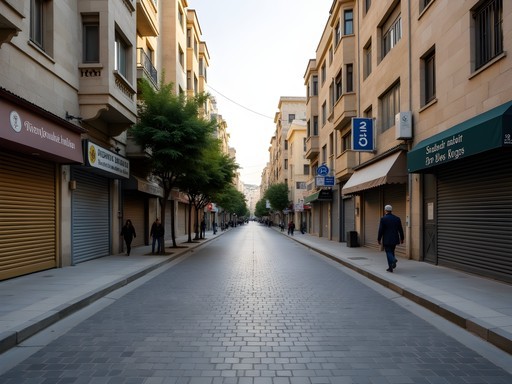
Standing at the Damascus Gate with my trusty travel backpack slung over my shoulder, I felt the familiar thrill of navigating a new city wash over me. Jerusalem—a city where ancient history and modern life collide at every corner—presents a fascinating transportation puzzle that's surprisingly accessible once you understand its pieces. As someone who's spent 25 years auditing complex systems, I found unexpected joy in decoding Jerusalem's transit network during my recent week-long solo adventure. Whether you're tracing the footsteps of history through narrow stone alleyways or zipping between neighborhoods on the sleek light rail, this 3,000-year-old city offers transportation options that accommodate both the budget-conscious traveler and those seeking convenience. Let me break down exactly how to get around this magnificent crossroads of civilization—with the precision of an auditor but the excitement of a traveler who still can't believe she traded spreadsheets for street maps at 53.

Jerusalem Light Rail: The Modern Spine of an Ancient City
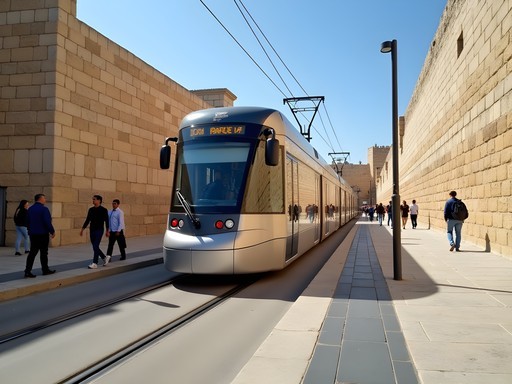
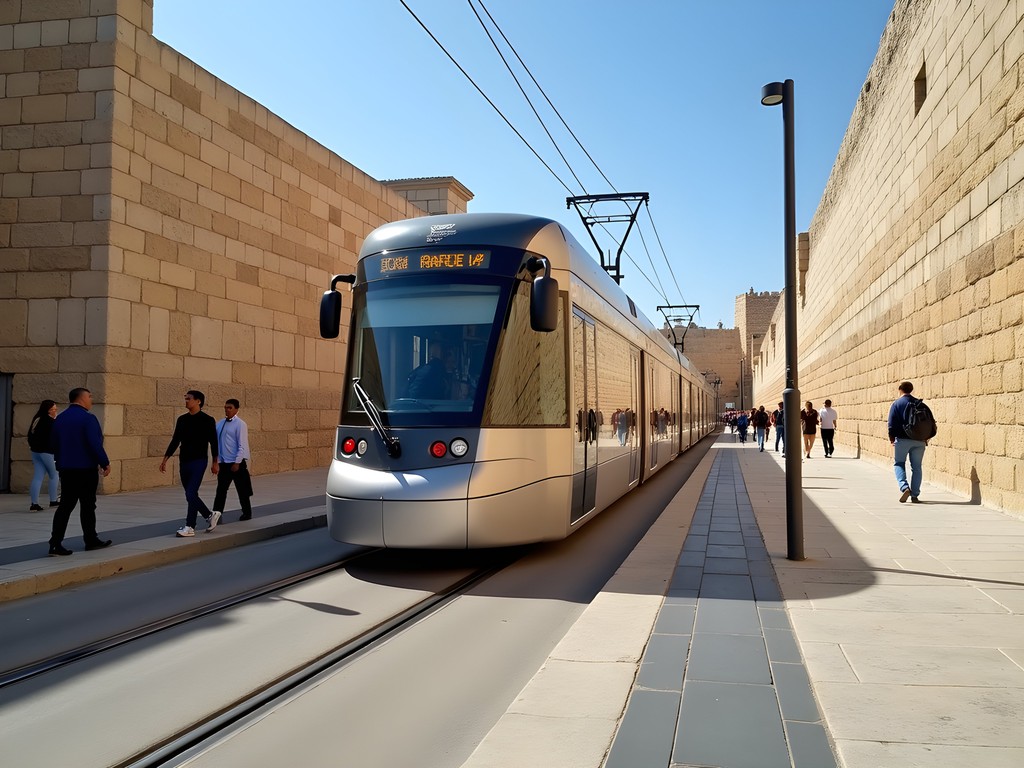
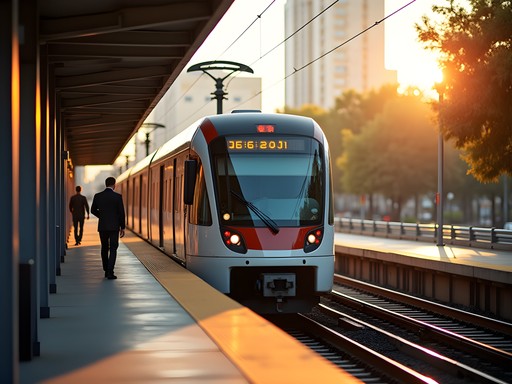
Jerusalem's light rail system might be the most efficient transportation revelation I've encountered in my travels across 27 countries. This single line (with a second under construction) cuts through the city like a clean audit trail, connecting east to west with remarkable efficiency.
Running from Mount Herzl to Heil Ha'Avir, the red line passes through key areas including the Central Bus Station, Mahane Yehuda Market, the Old City (City Hall stop), and the Palestinian neighborhood of Shu'afat. At just 6.5 NIS per ride (about $1.75 when I visited), it's remarkably affordable.
What struck me most was the cultural tapestry visible on each journey—Orthodox Jewish families, Palestinian workers, international tourists, and Israeli soldiers all sharing the same space. As someone who's spent decades analyzing patterns, this daily microcosm of Jerusalem's complex social fabric was fascinating to observe.
The trains run frequently (every 8-10 minutes during peak hours) and operate Sunday through Thursday from 5:30 am to midnight, Fridays until around 2:00 pm (before Shabbat), and resume Saturday evenings after Shabbat ends. Digital displays at each station show wait times in Hebrew, Arabic, and English.
Purchasing tickets is straightforward at station kiosks, though the interface switches between languages quickly—have your payment ready. I recommend buying a Rav-Kav card (reloadable transit card) immediately upon arrival if staying more than two days. The initial 5 NIS investment quickly pays off with discounted transfers between light rail and buses.
💡 Pro Tips
- Purchase a Rav-Kav card immediately upon arrival for seamless transfers between transportation modes
- Keep small bills handy as ticket machines don't always accept credit cards or large denominations
- During rush hour (7:30-9:00 am and 4:00-6:00 pm), expect crowded trains—consider adjusting your schedule if traveling with luggage
Navigating the Bus Network: Connecting the Dots
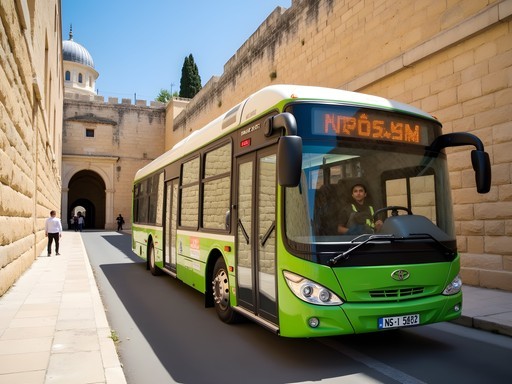
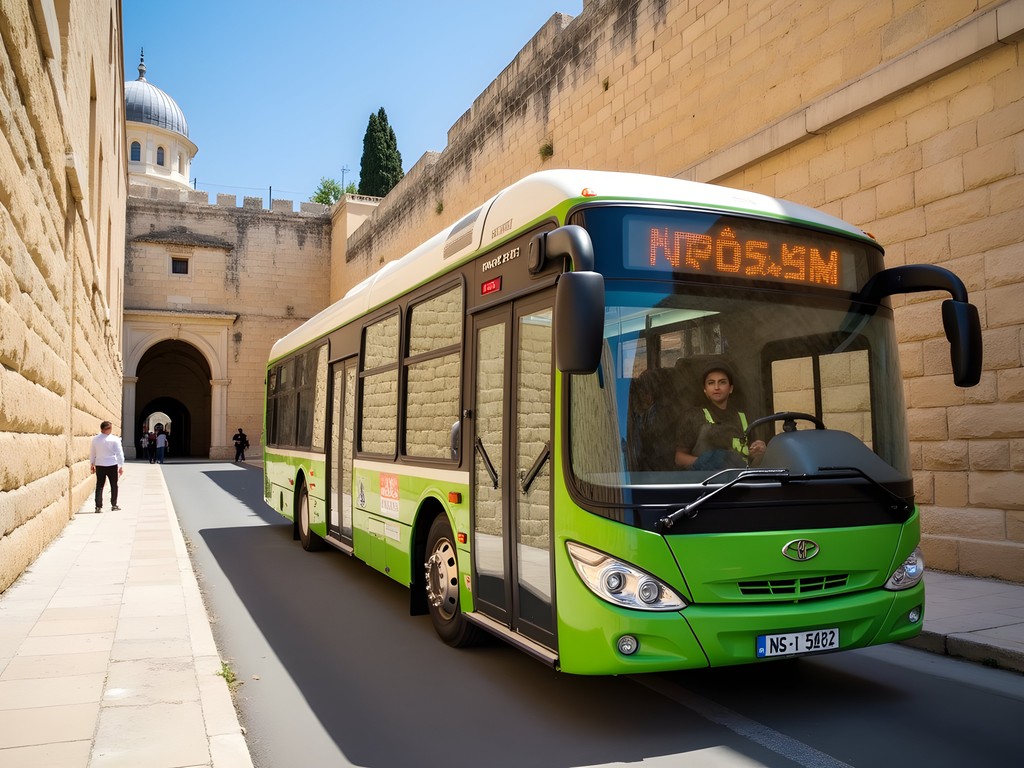
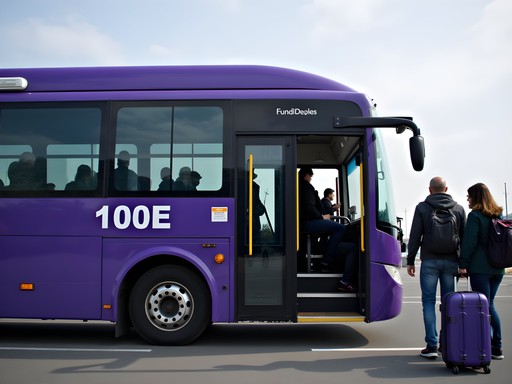
If the light rail is Jerusalem's spine, then its extensive bus network forms the city's circulatory system—complex but vital. Operated primarily by Egged, these green buses connect virtually every neighborhood and suburb with over 100 routes.
During my week exploring Jerusalem's tech museums and conservation initiatives, I quickly learned that Google Maps isn't always reliable here. Instead, I downloaded the Moovit app (a proud Israeli tech success story) which provided real-time updates and accurate route planning. As someone who appreciates precision, I found this app indispensable when navigating between distant sites like the Israel Museum and the Biblical Zoo.
Buses cost the same as the light rail (6.5 NIS) when using a Rav-Kav card, and transfers within 90 minutes are discounted. However, be prepared for two transportation realities: First, public transportation largely shuts down from Friday afternoon until Saturday evening for Shabbat. Second, some routes serve predominantly Jewish or Arab neighborhoods, and the atmosphere and language can change accordingly.
One particularly useful line is Bus 99, which operates as a tourist circuit with stops at major attractions. While not as frequent as regular routes, it provides a convenient overview of Jerusalem's diverse neighborhoods. For those planning extensive travel, consider purchasing a weekly unlimited pass (Hofshi-Hodshi) for 72 NIS—it quickly pays for itself if you're taking more than two trips daily.
When exploring Jerusalem's outskirts for conservation projects, I found my portable power bank essential for keeping my phone charged through long days of navigation and photography.
💡 Pro Tips
- Download the Moovit app before arrival for accurate bus information
- Sit near the middle doors on crowded buses for easier exits
- When traveling to East Jerusalem neighborhoods, confirm with the driver that the bus is going to your specific destination as routes sometimes change
Walking Jerusalem: The Ultimate Old City Experience
No transportation guide to Jerusalem would be complete without emphasizing that walking is not just an option—it's often the best way to experience the city, particularly in the Old City where vehicles cannot enter most areas.
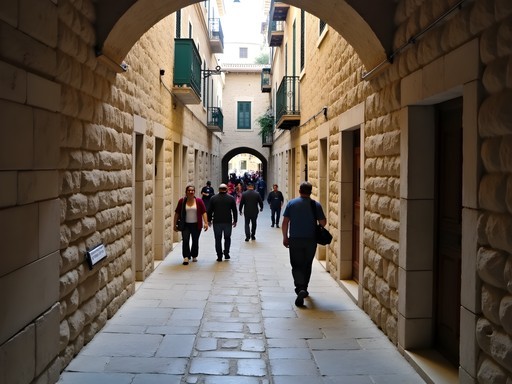
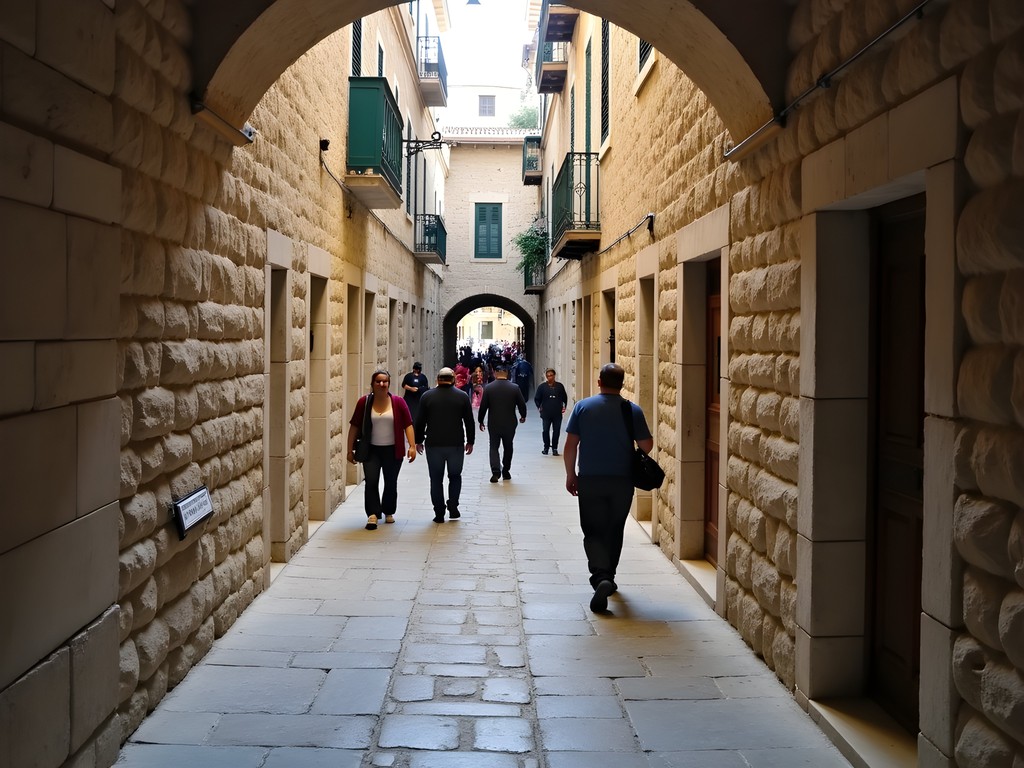
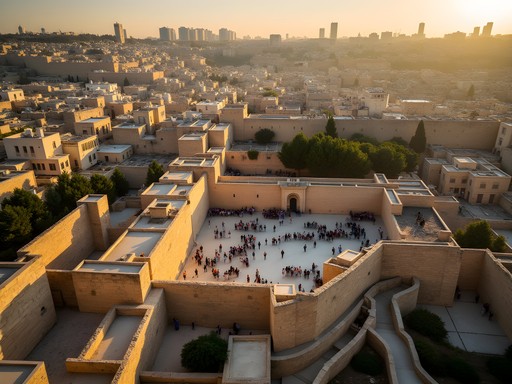
The Old City, spanning just 0.35 square miles, contains four quarters (Jewish, Muslim, Christian, and Armenian) connected by a labyrinth of narrow stone pathways that have been traversed for millennia. These ancient alleys, steps, and corridors cannot be navigated by conventional vehicles, making walking the only authentic way to experience this UNESCO World Heritage site.
During my exploration, I found myself constantly stopping to analyze the stone beneath my feet—worn smooth by countless pilgrims and traders over centuries. My background in auditing unexpectedly prepared me for tracking patterns in the Old City's seemingly chaotic layout. I began to recognize architectural cues that signaled transitions between quarters: Arabic inscriptions, Christian crosses embedded in walls, Armenian ceramic tiles, and mezuzahs marking Jewish homes.
Comfortable walking shoes are absolutely non-negotiable. I logged over 20,000 steps daily on my fitness tracker, climbing countless stairs and navigating uneven surfaces. The Old City's elevation changes are significant—Jerusalem is built on hills, after all—and you'll feel it in your calves by day's end.
For orientation, I recommend starting with a walking tour to understand the basic layout, then venturing out independently. The four main gates most useful for tourists are Damascus Gate (north), Jaffa Gate (west), Zion Gate (south), and Lions' Gate (east). I found myself using Damascus Gate most frequently as it connects directly to the modern city center and transportation hubs.
While walking, remain aware of your surroundings, particularly during Friday prayers or religious holidays when certain areas become crowded. Dress modestly throughout the Old City as a sign of respect to the various religious communities.
💡 Pro Tips
- Carry a physical map of the Old City—cell service can be spotty in narrow alleys
- Learn a few basic directional phrases in both Hebrew and Arabic
- The Old City is generally safe, but avoid isolated areas after dark, particularly as a solo female traveler

Taxis and Ride-Sharing: Navigating the Gray Areas
When Jerusalem's hills become too steep or distances too far, taxis provide a convenient alternative—though with some important caveats that my auditor's attention to detail quickly identified.
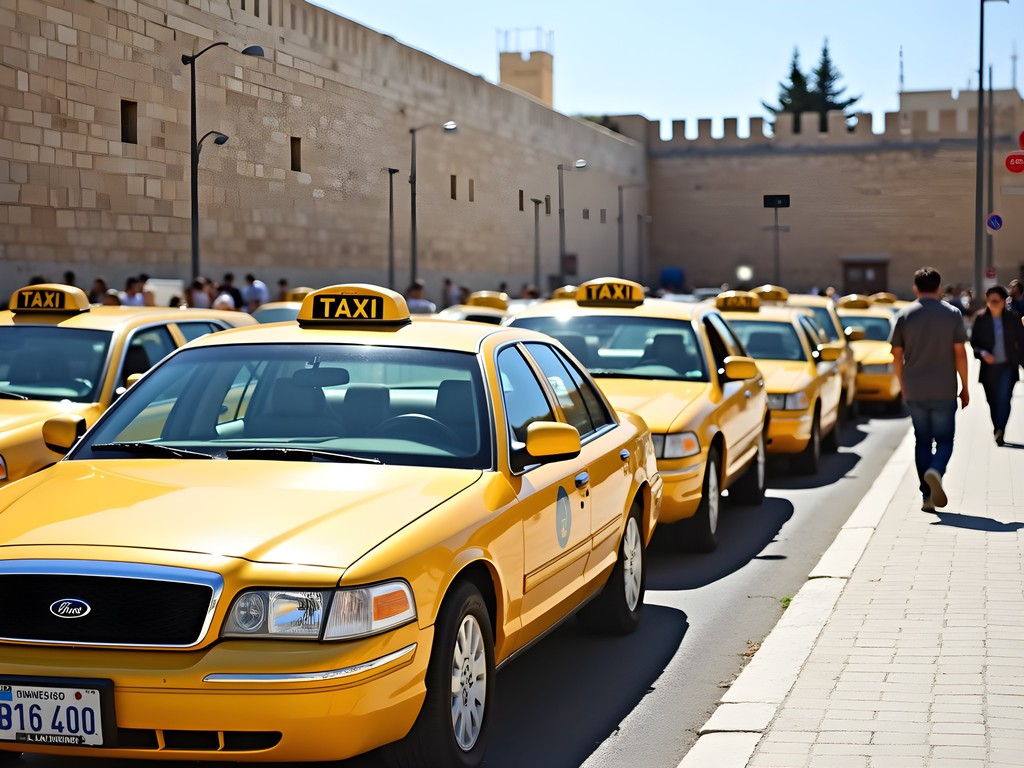
Jerusalem operates two distinct taxi systems: yellow metered taxis (moniot) and shared taxis called sheruts. The standard yellow taxis are everywhere and can be hailed on the street, called by phone, or found at designated taxi stands near major hotels and the Central Bus Station.
Here's where my financial background proves useful: always insist on using the meter (moneh) rather than negotiating a fixed price, which inevitably costs more. Starting fare is around 12 NIS, with approximately 3.5 NIS per kilometer. A ride from the Central Bus Station to the Old City should cost roughly 35-45 NIS. If a driver claims the meter is broken (a common ploy), politely decline and find another taxi.
Sheruts are shared minivans that run along fixed routes for a flat fee, offering a middle ground between buses and private taxis. The most useful for tourists is the #4 sherut, which runs along Jaffa Road similar to the light rail but continues operating during Shabbat—a crucial transportation option when other public transit shuts down.
Ride-sharing apps operate in a legal gray area in Jerusalem. Uber exists but only works with licensed taxis (essentially functioning as a taxi-hailing app). Gett is the local equivalent and works well for summoning a taxi with upfront pricing. I found it particularly useful when returning to my accommodation after late evenings watching local street performers in the German Colony neighborhood.
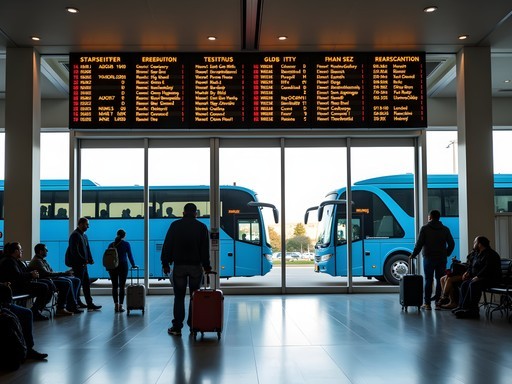
For transportation to and from Ben Gurion Airport (about 40 minutes away), the most economical option is the Nesher shared shuttle service (around 70 NIS), which drops passengers at their specific address. A private taxi to the airport will cost approximately 300 NIS—convenient but significantly more expensive.
💡 Pro Tips
- Save your accommodation address in Hebrew to show taxi drivers
- Have small bills ready for taxis as drivers sometimes 'cannot make change' for large denominations
- Pre-arrange airport transportation if traveling during Shabbat when options are limited
Day Trips and Intercity Travel: Exploring Beyond Jerusalem
While Jerusalem itself deserves your full attention, its position as a transportation hub makes it an excellent base for exploring other significant sites in Israel and the Palestinian Territories. As someone who values both cultural immersion and efficient planning, I found Jerusalem's connections to other destinations surprisingly straightforward.
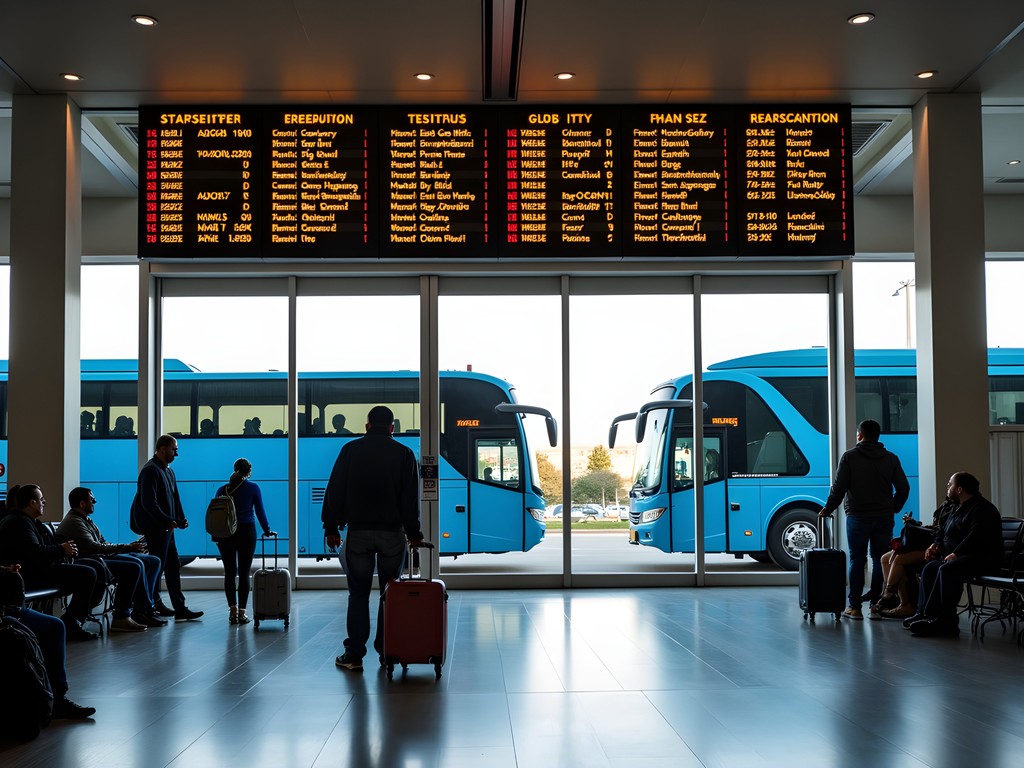
The Jerusalem Central Bus Station (CBS) serves as the main terminal for intercity buses operated by Egged. Located in the western part of the city, it's easily reached via the light rail. From here, frequent buses connect to Tel Aviv (approximately 45-60 minutes), the Dead Sea (1 hour), Masada (1.5 hours), and other major destinations.
For my day trip to the Dead Sea conservation areas, I caught the 486 bus from the CBS, which runs several times daily. At just 40 NIS each way, it's significantly more economical than organized tours. However, these intercity routes observe Shabbat restrictions, so plan accordingly if traveling Friday through Saturday.
For destinations in the Palestinian Territories like Bethlehem (just 10km south of Jerusalem), transportation becomes more complex. Arab buses to Bethlehem depart from the bus station near Damascus Gate. Bus #231 runs directly to Bethlehem for around 8 NIS, though you'll need to cross through a checkpoint. Alternatively, Palestinian shared taxis (different from Israeli sheruts) make this journey regularly.
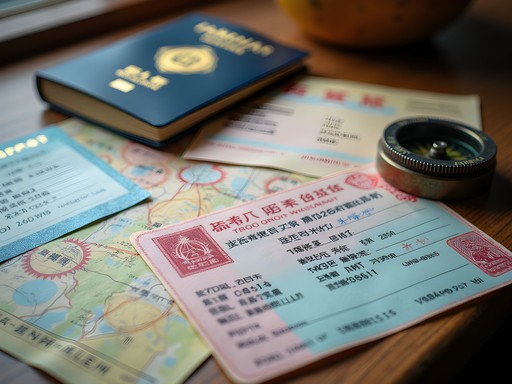
Before my trip, I invested in a quality travel wallet to keep my various tickets, currencies (both Israeli Shekels and some Jordanian Dinars for day trips), and identification secure and organized. When crossing checkpoints or borders, having documents readily accessible saved considerable time and stress.
For longer excursions to places like the Galilee region or Eilat, consider Israel Railways as an alternative to buses. While Jerusalem's historic Ottoman-era train station now serves as a cultural center rather than a functioning terminal, the modern Yitzhak Navon station connects to Tel Aviv in just 32 minutes via high-speed rail, with connections to other destinations.
💡 Pro Tips
- Purchase intercity bus tickets in advance during high season or holidays
- Carry your passport for day trips that might cross checkpoints
- Download the Israel Railways app for train schedules and mobile tickets
Special Considerations: Shabbat, Security, and Accessibility
Jerusalem's transportation system operates within unique parameters that reflect the city's religious significance and geopolitical reality. Understanding these special considerations saved me considerable time and frustration during my visit.
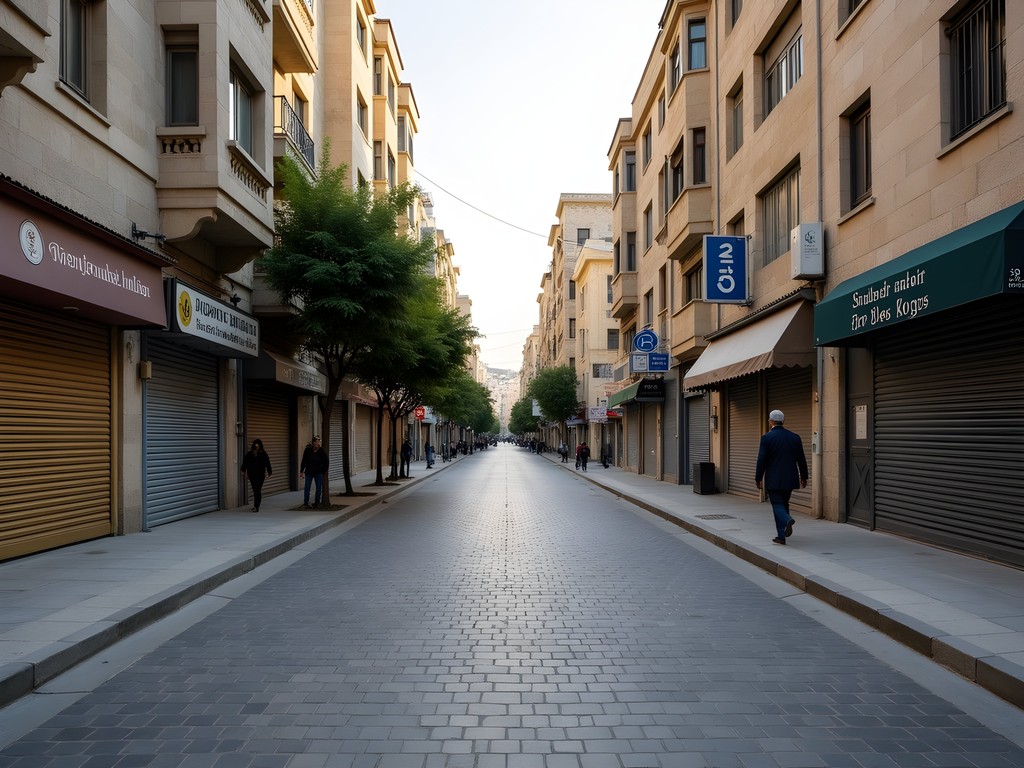
Shabbat Considerations The most significant transportation challenge for visitors is navigating Shabbat (from Friday sunset to Saturday sunset) when public transportation largely shuts down. The light rail, public buses, and many sheruts stop operating, transforming Jerusalem into a remarkably quiet city where walking becomes the primary mode of transportation.
During Shabbat, limited options include: - Private taxis (more expensive but readily available) - Arab buses and sheruts in East Jerusalem - Walking (the Old City is relatively compact) - Pre-arranged tours with private transportation
I strategically planned my visit to the Israel Museum (which remains open on Saturdays) during Shabbat, walking the 30 minutes from my accommodation rather than relying on transportation.
Security Awareness Security is visible throughout Jerusalem's transportation network. Bags are frequently checked when entering the Central Bus Station, and security personnel are present at light rail stops. During my visit, I observed that these checks were professional and efficient, rarely causing significant delays.
The anti-theft crossbody bag I brought proved perfect for Jerusalem—secure enough for crowded transit situations while allowing quick access to my transit card and phone for navigation.
Accessibility Considerations As someone with occasional knee pain after a hiking injury, I appreciated Jerusalem's efforts to improve accessibility despite its challenging topography. The light rail is fully accessible with level boarding, and newer buses have low floors and ramps. However, the Old City remains challenging for those with mobility limitations due to numerous stairs, uneven surfaces, and narrow passages.
Several areas have implemented creative solutions—the Western Wall plaza has an elevator, and some sections of the Cardo (ancient Roman street) now feature smooth pathways. For those with mobility concerns, I recommend contacting the Jerusalem Municipality's accessibility office for updated information on accessible routes and facilities.
💡 Pro Tips
- Plan accommodations within walking distance of key sites if your visit includes Shabbat
- Allow extra time for security checks when using the Central Bus Station
- Request the accessible entrance at major sites if needed—they often exist but aren't always obvious
Final Thoughts
Jerusalem's transportation system—like the city itself—is a fascinating blend of ancient and modern, sacred and secular, challenging and accessible. As I made my final journey on the light rail toward the Central Bus Station, I reflected on how navigating this city had become a metaphor for understanding Jerusalem itself: initially daunting but ultimately rewarding for those willing to learn its rhythms.
Whether you're tracing ancient footsteps through the Old City's narrow passages or zipping between neighborhoods on the modern light rail, Jerusalem offers transportation options for every need and budget. The key is flexibility—embracing walking as your primary mode, understanding Shabbat's limitations, and using the efficient public transit network when available.
As an auditor-turned-traveler who's explored transportation systems worldwide, I can confidently say that Jerusalem's unique blend of transportation options creates an accessible experience for solo travelers willing to do a bit of homework. Pack comfortable shoes, download the right apps, and prepare to be transported—both literally and figuratively—through one of the world's most extraordinary cities.
✨ Key Takeaways
- Jerusalem's light rail provides affordable, efficient transportation across the city's main axis
- Walking is essential for exploring the Old City's ancient alleyways where vehicles cannot enter
- Public transportation largely shuts down during Shabbat (Friday sunset to Saturday sunset)
- A Rav-Kav card is essential for seamless transfers between transportation modes
- With proper planning, Jerusalem can be navigated effectively on a modest budget
📋 Practical Information
Best Time to Visit
year-round (spring and fall offer most pleasant temperatures)
Budget Estimate
$40-60/day excluding accommodation
Recommended Duration
5-7 days
Difficulty Level
Moderate (Due To Hills And Limited Shabbat Transportation)



Comments
mountainhero
Just got back from Jerusalem last week and your guide is spot on! The light rail was our lifeline. We stayed near the Mahane Yehuda Market and took it everywhere. Walking through the Old City with my travel daypack was perfect - just big enough for water, snacks and a light jacket for when it cooled down in the evening. One thing I'd add is that Saturdays (Shabbat) change EVERYTHING transportation-wise. We didn't plan for that our first weekend and ended up walking way more than expected!
islandlife
Good point about Shabbat! Did you find enough places open to eat on Saturday?
mountainhero
The Muslim Quarter and East Jerusalem had plenty open! Also found a few secular spots in the German Colony neighborhood. Just required some planning ahead.
Jose McDonald
This guide is EXACTLY what I needed when I first visited Jerusalem! Walking the Old City was definitely my favorite way to explore. Pro tip for anyone going: download an offline map because the narrow streets can get confusing, especially around the Muslim Quarter. I ended up discovering this amazing hummus place near the Via Dolorosa just because I got lost! Also, the bus system intimidated me at first, but once I figured out the Moovit app, it was actually super convenient for reaching Mount Herzl and the Israel Museum. Allison, did you make it to the Ein Karem neighborhood? The bus ride there gives you amazing views of the Jerusalem hills!
Allison Mason
Yes! Ein Karem was magical - those hills and the quieter atmosphere make it feel worlds away from the bustle of the Old City. I should have mentioned it as a great day trip using the bus system. That hummus discovery sounds amazing - the best finds always happen when you're a little lost!
islandlife
Great guide! How safe is the light rail at night? Planning a trip in December and wondering if I should budget for taxis after dark instead.
Jose McDonald
I used the light rail at night several times last year and felt totally safe! Just normal city awareness, you know? The trains were pretty crowded until around 10pm which helped.
Allison Mason
Thanks for jumping in, Jose! @islandlife - I found the light rail safe even in evening hours. It's well-lit and usually has a good number of passengers. That said, if you're returning very late (after 11pm) or to less central areas, a taxi might give you more peace of mind. The Gett app works great for reliable taxis!
islandlife
Thanks both! That's super helpful. Will download Gett before I go just in case.
Sophia Gomez
Allison, this is such a helpful guide! I stayed near Mahane Yehuda Market last year and walked everywhere in the Old City. Your point about comfortable shoes is SO important - those cobblestones are no joke. I actually wore through my regular sneakers and had to buy new ones mid-trip. The walking really is the best way to experience those narrow alleys though. You catch so much that you'd miss from a vehicle. Did you try any of the shared sherut taxis? I was too intimidated but heard they're an experience!
Allison Mason
Yes! I took a sherut once from the central bus station - it's basically organized chaos but totally authentic. And agreed on the shoes - I learned that lesson the hard way on a previous trip 😅
sunsetwanderer4807
Going there in August! Is the light rail easy to figure out?
Sophia Gomez
Super easy! I was there last fall for a conference and the light rail was honestly the best part of getting around. Just get a Rav-Kav card at the station and you're set. The signage is in English too which helps. One tip - it doesn't run on Shabbat, so plan accordingly if you're there on weekends!
sunsetwanderer4807
Oh good to know about the weekend thing! Thanks!!
wanderguide
Great guide! The Damascus Gate photo is beautiful
sunnylegend
is it safe to use uber there?
waveking
Uber doesn't operate in Israel. Use Gett app instead, works exactly the same way and totally safe.
Bryce Diaz
Walking the Old City is absolutely the way to experience it, Allison nailed that. I spent three weeks there last year and honestly barely used transportation inside the walls. But here's something I learned the hard way: wear really good walking shoes. Those ancient stones are beautiful but brutal on your feet after hours of exploring. I switched to my hiking shoes after day two and it made all the difference. The Armenian Quarter to Mount Zion walk at sunset is incredible - barely any tourists and the light is perfect.
wanderguide
Mount Zion at sunset is underrated for sure
waveking
The light rail is solid but download the Moovit app before you go. It shows real-time bus arrivals which was clutch because the schedules at stops are sometimes only in Hebrew. Also pro tip - the #1 bus goes right to the Western Wall area and saved me so much walking when I was tired. Just make sure you have small bills or that Rav Kav card because drivers don't always have change.
Claire Hawkins
Allison, this brought back memories! We took our kids (7 and 9) to Jerusalem last spring and the light rail was a lifesaver. One thing I'd add for families: get the Rav Kav card at the airport if you can. We wasted our first morning trying to figure out where to buy tickets. Also, the buses completely stop for Shabbat which caught us off guard on Friday evening. We ended up walking back from the Mount of Olives with two tired kids - it became this unexpected adventure they still talk about! The Old City walks are magical but definitely not stroller-friendly if anyone's wondering.
sunnylegend
wait so nothing runs on saturdays?? how do you get around?
Claire Hawkins
From Friday evening to Saturday evening, yeah. Taxis still run but they're pricey. We just planned to stay in our neighborhood on Shabbat and walk everywhere.
Venture X
Premium card with 2X miles, $300 travel credit, Priority Pass