


Disclosure: This article contains affiliate links. We may earn a commission from purchases at no extra cost to you, which helps our travel content.
The humid air hit me like a warm embrace as I stepped off the plane in Guayaquil. Ecuador's largest city and bustling port isn't usually the first stop on most travelers' itineraries—many rush straight to the Galápagos or Quito—but this vibrant coastal hub deserves more than just a passing glance. After five visits to Ecuador, I've learned that mastering Guayaquil's transportation system is the key to unlocking the city's authentic charm without breaking the bank. Whether you're here for a weekend layover or using it as a base for coastal explorations, this guide will help you navigate like a local while keeping your mind and wallet at ease.

From Airport to City: Your First Ecuadorian Journey
José Joaquín de Olmedo International Airport sits just 5km from downtown Guayaquil, making your entry into the city refreshingly straightforward compared to many international destinations I've visited.
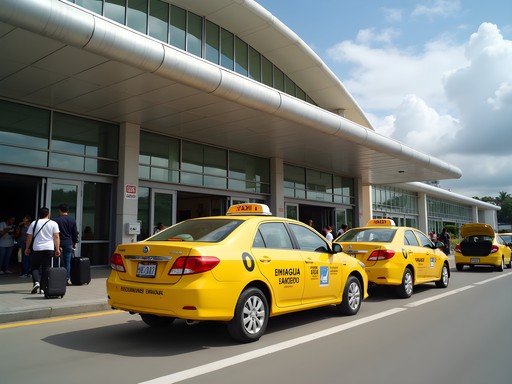
The official airport taxis (yellow with airport logos) are my recommended option for newcomers. They operate on fixed rates—expect to pay $5-7 to the downtown area or $7-10 to the popular Samborondón district. While slightly pricier than city taxis, the peace of mind is worth it after a long flight.
For the budget-conscious traveler, the public bus is a viable alternative. Exit the terminal, cross the parking area to the main road, and catch the blue Metrovía bus for less than $0.30. However, I don't recommend this with large luggage or late at night.
I always keep small bills handy for transportation in Ecuador. On my last visit, my travel wallet was perfect for organizing Ecuadorian currency while keeping it secure against my body—essential in busy transit areas.

💡 Pro Tips
- Have your accommodation address written down in Spanish to show drivers
- Official airport taxis are yellow with an airport logo—don't accept rides from unmarked cars
- Keep small bills ($1, $5) for taxis as drivers rarely have change for larger notes
Mastering the Metrovía: Guayaquil's Bus System
The Metrovía is Guayaquil's primary public transportation system—a network of dedicated bus lanes that cuts through traffic, making it both efficient and economical. At just $0.30 per ride, it's my go-to for daytime city exploration.
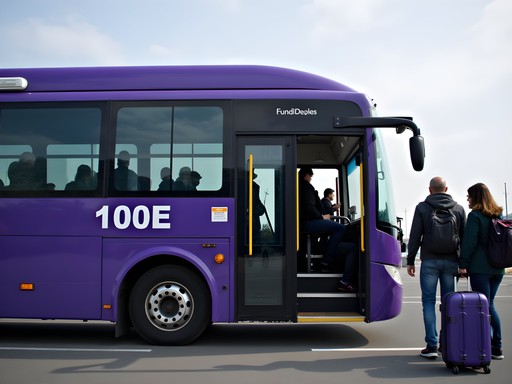
The system consists of three main trunks (troncales): Metrovía 1 (blue) runs north-south, Metrovía 2 (green) connects the bus terminal to downtown, and Metrovía 3 (purple) serves the northeast areas. Each has its own dedicated stations with turnstiles where you'll need to purchase a magnetic card.
During my first visit, I found the system intimidating, but I quickly learned to navigate using the free maps available at major stations. The buses run frequently from 5am until midnight, though they can get extremely crowded during rush hours (7-9am and 5-7pm).
For safety, I always wear my anti-theft crossbody bag when using public transportation. Its slash-proof straps and RFID-blocking pockets have given me peace of mind while navigating busy stations.
One morning, I hopped on the blue line to visit the colorful Las Peñas neighborhood. The bus was packed with locals heading to work, but the 15-minute ride saved me both money and time compared to sitting in taxi traffic.

💡 Pro Tips
- Buy a rechargeable Metrovía card at any main station if staying more than a day
- Keep your belongings close during rush hour when buses get extremely crowded
- Take a photo of the route map with your phone for easy reference
Taxis & Ridesharing: Navigating Like a Local
Yellow taxis are abundant in Guayaquil and provide a convenient option when the Metrovía doesn't reach your destination or when traveling at night. Unlike many Latin American cities I've visited, Guayaquil's taxis use meters (taxímetro), starting at $1.50 with approximately $1 per kilometer thereafter.
However, not all drivers activate the meter automatically. My go-to phrase is always, "¿Puede usar el taxímetro, por favor?" (Can you use the meter, please?). If they refuse, politely decline and find another taxi—there are plenty.
Ridesharing apps like Uber and Cabify also operate in Guayaquil and have become my preferred option for evening transportation. The fixed pricing and GPS tracking provide an added layer of security, especially when traveling solo. I've found drivers to be professional and vehicles generally newer than standard taxis.
During my last visit, I relied heavily on my portable WiFi hotspot to ensure I could always call a ride regardless of local cell service. The ability to connect multiple devices made it invaluable for checking routes and summoning rides throughout Ecuador.
For safety, I always share my ride details with a friend or family member using the app's share feature, and I verify the license plate before getting in. These small mindfulness practices have helped me navigate Guayaquil confidently as a solo female traveler.

💡 Pro Tips
- Always ask for the meter in taxis or agree on a price before starting your journey
- Look for taxis with the orange municipal registration number displayed on doors
- At night, use rideshare apps rather than hailing taxis from the street

Day Trips & Intercity Travel: Exploring Beyond Guayaquil
Guayaquil serves as an excellent base for exploring Ecuador's southern coast and highlands. The Terminal Terrestre (main bus terminal) is a massive transportation hub connected to the city center via the green Metrovía line.
For beach lovers, buses to coastal towns like Montañita (3 hours, $6-8) and Salinas (2 hours, $4-5) depart frequently throughout the day. I've made the journey to Montañita several times for surfing weekends—the buses are comfortable enough, though I always bring my inflatable travel pillow for longer journeys.
If you're heading to Cuenca in the highlands, the 4-hour journey offers spectacular mountain scenery. Companies like Transportes Azuay offer executive services with reclining seats and onboard bathrooms for around $12-15.
For closer excursions, the ecological reserve Cerro Blanco is just 16km west of the city. While public transportation options exist, I found hiring a taxi for the round trip (about $25-30 including waiting time) to be the most convenient option.
During rainy season (January-April), I always pack my quick-dry microfiber towel when taking day trips. It's been a lifesaver when caught in sudden downpours while waiting at outdoor bus stops or after a sweaty hike through the humid coastal forests.

💡 Pro Tips
- Arrive at least 30 minutes before departure for intercity buses
- Keep valuables on your person rather than in overhead storage on long-distance buses
- For popular beach destinations, buy return tickets in advance during holiday weekends
Walking & Mindful Exploration: The Slow Travel Approach
Despite Guayaquil's sprawling nature, several areas are perfectly suited for walking exploration. The Malecón 2000 riverfront promenade stretches for 2.5km along the Guayas River and is well-patrolled, making it ideal for mindful strolling at any time of day.
The colorful Las Peñas neighborhood with its 444 numbered steps leading up Santa Ana Hill offers both a cultural and physical journey. I start early in the morning to avoid both heat and crowds, taking time to appreciate the vibrant painted houses and panoramic city views.
Walking provides an opportunity to practice mindfulness—something I've integrated into my travels since that transformative sabbatical years ago. I often stop at small local cafes along my routes, like the wonderful spots on Calle Panamá, where connecting with locals has led to some of my most authentic Guayaquil experiences.
For longer walking days, my electrolyte tablets have been essential for staying hydrated in Guayaquil's humid climate. Just drop one in your water bottle and you'll avoid the dehydration headaches that can come from exploring in tropical heat.
While walking during daylight hours is generally safe in tourist areas, I practice standard urban awareness—keeping my phone tucked away, wearing my daypack on my front in crowded areas, and projecting confidence even when I'm not entirely sure where I'm going.

💡 Pro Tips
- Wear comfortable, breathable shoes for walking in the humid climate
- Carry a reusable water bottle—the tropical heat makes staying hydrated essential
- Download an offline map of Guayaquil to your phone for navigation without data
Final Thoughts
Navigating Guayaquil doesn't require a big budget or extensive planning—just a bit of mindfulness and willingness to embrace the local rhythm. From the efficient Metrovía to the ubiquitous yellow taxis, this coastal city offers transportation options to suit every comfort level and budget.
What I've come to appreciate most about Guayaquil isn't just its role as a gateway to Ecuador's more famous destinations, but how the journey through this vibrant port city becomes part of the adventure itself. Whether you're watching sunset from Santa Ana Hill after climbing those 444 steps, or sharing conversation with locals on a Metrovía ride, transportation here isn't just about getting from A to B—it's about the experiences along the way.
As with all my travels, I find that slowing down and approaching transportation mindfully transforms potential stress into opportunities for connection. So take a deep breath, embrace the warm coastal air, and allow yourself to move through Guayaquil with curiosity rather than hurry. The city reveals its true character not to those who rush through, but to those who journey mindfully. ¡Buen viaje!
✨ Key Takeaways
- The Metrovía bus system is the most economical way to navigate the city with rides costing just $0.30
- Official yellow taxis should use meters, starting at $1.50 with approximately $1 per kilometer
- Ridesharing apps like Uber provide added security for solo travelers, especially at night
- Terminal Terrestre connects Guayaquil to beach towns and highland cities with frequent, affordable buses
- Walking is ideal for exploring the Malecón 2000 and Las Peñas areas, with appropriate safety awareness
📋 Practical Information
Best Time to Visit
year-round (though May-December has less rainfall)
Budget Estimate
$30-50/day including transportation and budget accommodations
Recommended Duration
2-3 days
Difficulty Level
Easy





Comments
backpackchamp
Love the photos! Guayaquil is definitely on my list now
skyphotographer
Just got back from Ecuador and used this guide extensively! The Metrovía really is as efficient as you described. We saved so much money by using public transportation instead of taxis everywhere. The tip about getting the Metrovia card was gold - made things so much smoother. Also took a day trip to Churute Mangroves as you suggested and it was AMAZING for wildlife photography! The boat guides knew exactly where to find the howler monkeys. Thanks for making our Guayaquil experience so much better!
Megan Martin
Elizabeth, this is such a comprehensive guide! I'd add one tip for business travelers: the yellow taxis at the airport have a fixed rate system to different zones of the city, which is actually quite reasonable (around $5-8 to most central areas). I found this helpful when arriving with luggage after a long flight. Also worth noting that if you're heading to meetings in the business district near the riverfront, the water taxis are not just a tourist attraction - they're actually a great way to avoid traffic during rush hour! I used my travel translator which was invaluable for communicating with drivers when my Spanish failed me.
beachrider
Has anyone taken the buses from Guayaquil to Montañita? Is it as straightforward as the article suggests?
skyphotographer
Did that trip twice! Super easy from the main terminal. Buses run frequently and it's about 3 hours. Just keep an eye on your bags and you'll be fine.
beachrider
Perfect, thanks! Any particular bus company you'd recommend?
skyphotographer
CLP and Cooperativa Libertad Peninsular were both good in my experience. They leave pretty much every hour during the day.
globeninja
This is super helpful! I've been nervous about navigating Guayaquil but this makes it seem pretty straightforward.
Megan Martin
It really is easier than most people expect! I was there for a business conference last year and found the Metrovía surprisingly efficient.
globeninja
That's good to know! Did you feel safe using it at night?
Megan Martin
I stuck to taxis after dark, just to be safe. The Uber-like apps mentioned in the article worked great and weren't expensive!
Casey Andersson
Beautiful write-up, Elizabeth! While I usually opt for private transfers in South America, Guayaquil surprised me with how accessible it is. I did splurge on a driver for my day trip to Montañita, but used the Metrovía around the city and it was genuinely pleasant - air-conditioned, clean, and efficient. The malecón walk from the bus stop to my hotel along the riverfront became my favorite part of each day. There's something magical about watching the city wake up from those riverside cafés. For anyone doing the airport run, the official taxi desk inside the terminal is worth the small premium for peace of mind on your first day.
escapeseeker
YES to all of this!! Also pro tip - get a rechargeable bus card at any Metrovía station, saves you from fumbling for exact change every time. And the ferries across the river to Durán are like $0.25 and super fun for sunset views!
stardiver
We spent 4 days in Guayaquil last year and honestly the public transportation was way easier than expected. The Metrovía stations are clearly marked and the routes are pretty straightforward once you figure out the main terminals. One thing we loved was taking the bus out to the Parque Histórico - super cheap and gave us a real feel for the city. Only sketchy moment was a taxi driver who didn't want to use the meter, but we just got out and found another one.
Casey Andersson
The meter thing is so common! I always confirm they'll use it before getting in. Saves the awkward conversation later.
sunnyseeker
Going there next month, thanks for this!
dreamguide
Love this! Quick question - is the Metrovía safe to use at night? Traveling solo and a bit nervous about evening transport.
Elizabeth Coleman
I used it until about 9pm and felt fine, but I'd probably grab an Uber after that, especially solo. Just keep your belongings close during rush hour - it gets packed!
Venture X
Premium card with 2X miles, $300 travel credit, Priority Pass