

Disclosure: This article contains affiliate links. We may earn a commission from purchases at no extra cost to you, which helps our travel content.
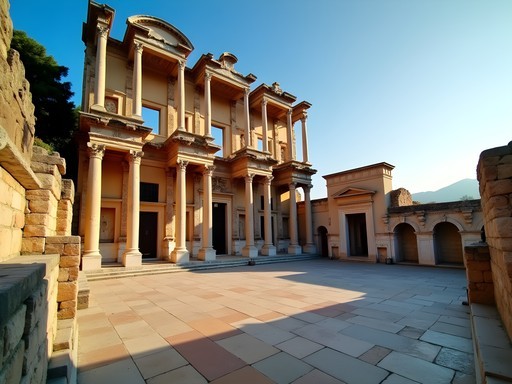
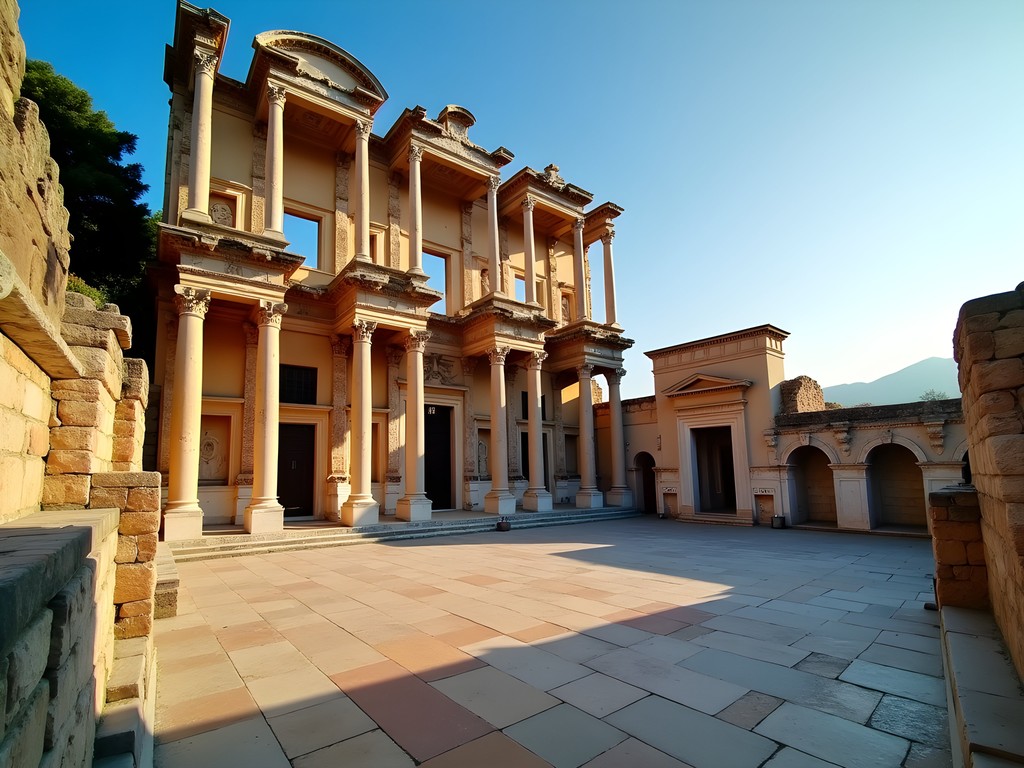
There's something profoundly humbling about standing amidst the columns of Ephesus one week and finding yourself beneath the canopy of Mount Apo's rainforest the next. After covering sporting events across continents for two decades, I've developed a certain rhythm to long-distance travel that feels almost like the strategic pacing of a test cricket match. This particular journey—from the marble-paved streets of ancient Turkey to the lush tropical landscapes of the Philippines—represents one of the more logistically challenging routes I've navigated. But like any worthwhile sporting contest, the most demanding matches often yield the most satisfying victories. Having recently made this exact journey while researching traditional Filipino martial arts and their connection to natural landscapes, I'm eager to share the transportation blueprint that allowed my traveling companions and I to seamlessly connect these two dramatically different worlds without exhausting our mid-range budget or our patience.

The Ephesus Starting Line: Getting Your Bearings
Most travelers to Ephesus begin their journey in either Izmir or Selçuk, with the latter serving as the more convenient basecamp. After arriving at Izmir Adnan Menderes Airport (ADB), which hosts regular flights from Istanbul and major European hubs, you'll need to make your way to Selçuk, just 18km from the ancient ruins.
During my visit last spring, I opted to stay in Selçuk rather than making a day trip from Izmir or Kuşadası. This decision proved invaluable—the town empties of tour groups by late afternoon, allowing for more authentic local interactions and early morning visits to the archaeological site before the crowds descend.
The IZBAN train from Izmir airport to Selçuk offers the most economical route (approximately 24 TL), though the schedule can be unpredictable. For greater convenience, especially when arriving with luggage, I recommend arranging a private transfer in advance. The 45-minute journey provides a perfect introduction to the Turkish countryside, with olive groves and agricultural fields stretching toward distant mountains—reminiscent, in some ways, of driving through parts of Wellington's surrounding farmland, though with distinctly Mediterranean vegetation.
Selçuk itself is wonderfully walkable, with most accommodations within easy reach of the town center. I found myself returning each evening to a small teahouse near St. John's Basilica, where local men gathered to play backgammon with the same strategic intensity I've observed at cricket matches in Wellington.
💡 Pro Tips
- Book accommodation in Selçuk rather than making a day trip—early morning access to Ephesus is worth it
- Purchase your Ephesus tickets online to avoid morning queues
- Carry Turkish lira for local transport and smaller establishments that don't accept cards
The Long-Haul Leg: Turkey to the Philippines
The journey from Turkey to the Philippines represents the most challenging segment of this itinerary. There are no direct flights from Izmir to the Philippines, making Istanbul your necessary first connection point. Turkish Airlines operates multiple daily flights between Izmir and Istanbul, with the journey taking roughly an hour.
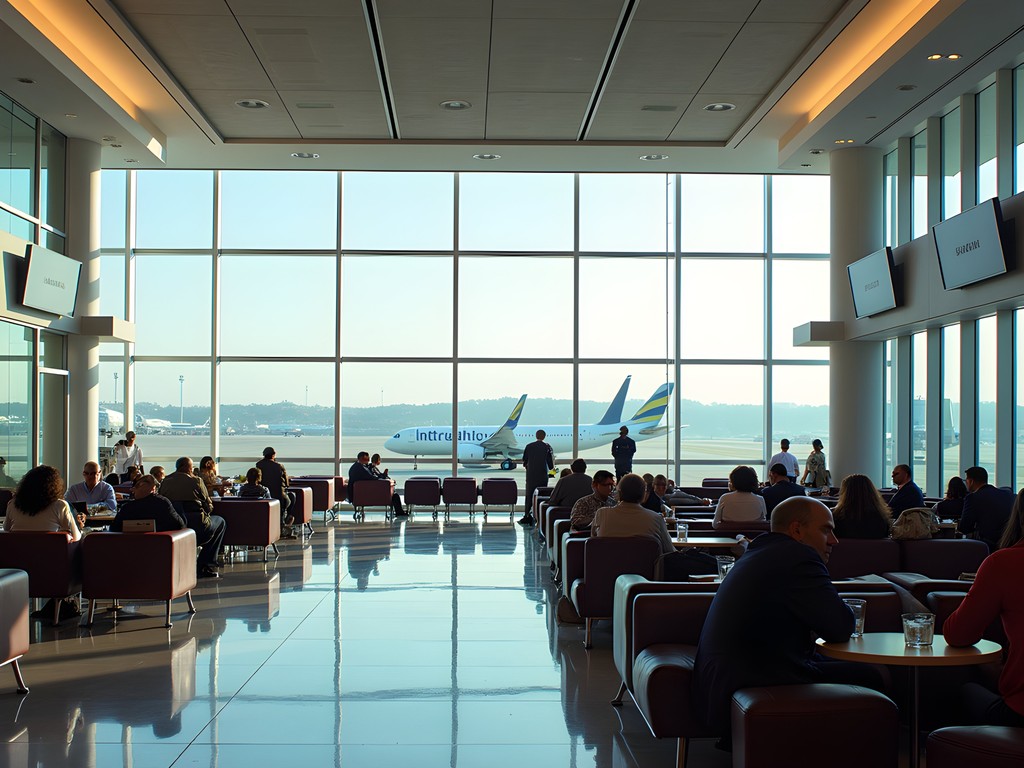
From Istanbul, you'll need to board a long-haul flight to Manila. During my journey, I opted for the Turkish Airlines route with a reasonable layover in Istanbul. This allowed me time to utilize the airport lounge, which proved invaluable for refreshing between flights. The Istanbul-Manila leg spans approximately 12 hours—comparable to some of my flights covering cricket tournaments across Asia, though considerably more comfortable in Turkish Airlines' economy plus seating.
Upon reaching Manila's Ninoy Aquino International Airport, you'll need to navigate to your domestic connection to Davao. Philippine Airlines and Cebu Pacific both offer multiple daily flights on this route. Having experienced both carriers, I found Philippine Airlines marginally more reliable for connections, though Cebu Pacific often offers more competitive pricing.
The domestic terminal transfer in Manila can be notoriously time-consuming. I recommend allowing at least four hours between your international arrival and domestic departure. Manila's traffic rivals anything I've encountered in my travels covering sports tournaments—even the infamous Mumbai congestion during IPL season pales in comparison.
One strategy that served me well: pack a comprehensive travel organizer to keep your documents, adapters, and electronics accessible during the lengthy journey. The ability to quickly produce the right document or charge a device between flights proves remarkably valuable during these multi-stage journeys.
💡 Pro Tips
- Book flights as a single itinerary when possible to protect yourself if connections are missed
- Allow at least 4 hours for connection in Manila—the terminal transfer and immigration can be extremely slow
- Download entertainment and work materials before departure as in-flight WiFi can be unreliable
Arriving in Davao: Navigating the Gateway to Mindanao
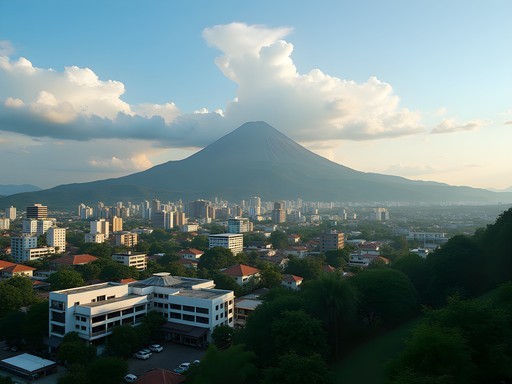
Francisco Bangoy International Airport (DVO) serves as Davao City's primary gateway. Upon landing, you'll immediately notice the contrast with Turkey—the warm, humid air carries the scent of tropical vegetation, and the pace feels decidedly more relaxed than Istanbul's constant motion.
Davao's airport is relatively small and manageable, though immigration procedures can move slowly during peak hours. Having your hotel information and onward plans readily available will expedite the process. The airport lies approximately 15km from downtown Davao, with the journey taking 30-45 minutes depending on traffic conditions.
Transportation options from the airport include prepaid taxis (safest and most straightforward), metered taxis, and various ride-hailing services like Grab (Southeast Asia's equivalent to Uber). Based on my experience traveling with my wife, I recommend the prepaid taxi option for couples—rates are fixed, removing any concern about route manipulation, and vehicles are generally newer and air-conditioned.
Davao City serves as an excellent base for exploring the surrounding region, including Mount Apo (the Philippines' highest peak) and the Philippine Eagle Center. The city itself maintains a reputation as one of the safest in the Philippines, though standard travel precautions remain advisable.
I found Davao's central location reminiscent of Wellington's position as a gateway to New Zealand's natural wonders—a convenient urban hub surrounded by remarkable ecological diversity. For couples planning excursions beyond the city, I strongly suggest investing in a quality dry bag. The tropical climate brings sudden downpours, and having your electronics and documents protected proved invaluable during our rainforest treks near Mount Apo.

💡 Pro Tips
- Use prepaid taxis from Davao airport to avoid negotiating fares
- Download the Grab app before arrival as an alternative transport option
- Exchange some currency at the airport for immediate needs, but seek better rates in the city

Local Transportation: Navigating Both Worlds
The transportation contrasts between Ephesus and Davao create a fascinating study in cultural approaches to movement. In Ephesus and surrounding Selçuk, transportation centers around dolmuş (shared minibuses), taxis, and your own two feet. The archaeological site itself is exclusively pedestrian, requiring comfortable walking shoes and plenty of water—the Mediterranean sun can be unforgiving, particularly in late spring.
For exploring the broader Ephesus region, including sites like the House of the Virgin Mary or Şirince village, hiring a local driver for the day offers the most efficient solution. Many guesthouses in Selçuk can arrange this service at reasonable rates (approximately 600-800 TL for a full day, depending on negotiation skills).
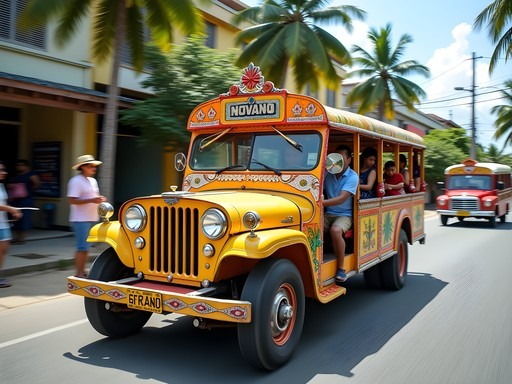
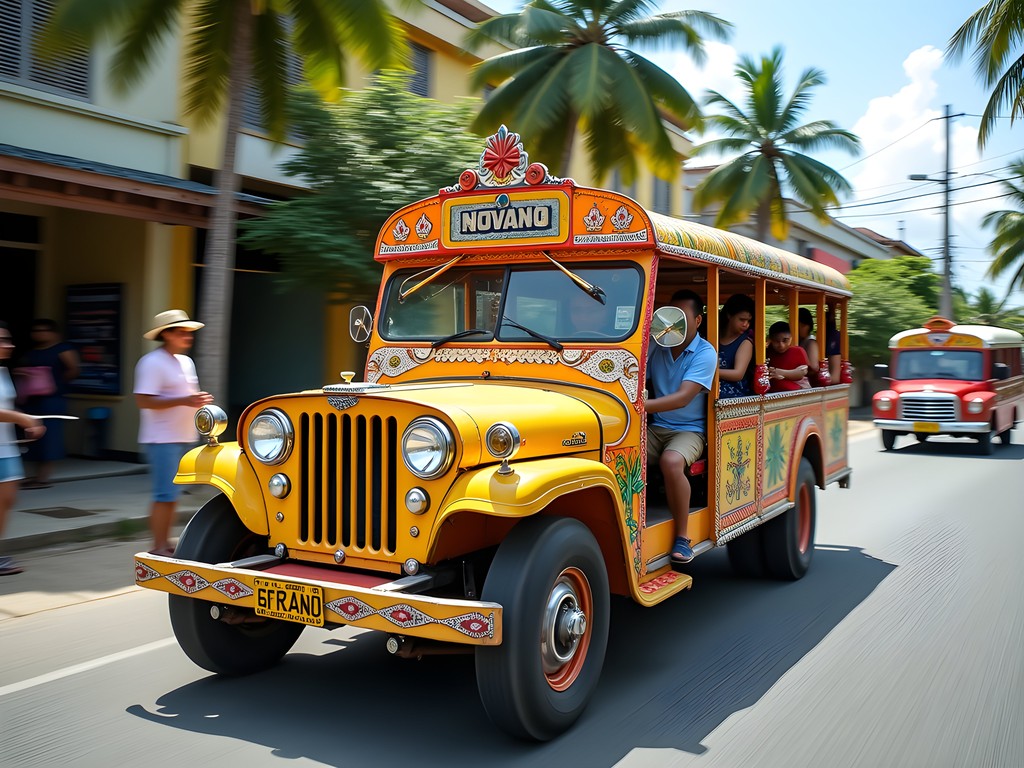
Davao, conversely, presents a more diverse transportation ecosystem. Jeepneys—the Philippines' iconic converted jeeps—serve as the backbone of public transportation, supplemented by tricycles (motorcycles with sidecars) for shorter distances. For couples seeking more comfort, Grab services provide air-conditioned cars with fixed pricing.
During my time researching traditional Filipino martial arts in villages outside Davao, I found hiring a local driver with knowledge of rural roads invaluable. Unlike the well-marked highways near Ephesus, some of Mindanao's most rewarding destinations lie at the end of unmarked dirt roads where navigation apps surrender to local knowledge.
For day trips to Mount Apo or the Philippine Eagle Center, tour operators in Davao offer packaged excursions, though independent travelers can arrange transportation through their accommodation. I particularly recommend investing in a quality anti-theft daypack for urban exploration in both regions—its discreet profile and security features protected my camera equipment and travel documents while navigating crowded markets and transportation hubs.
💡 Pro Tips
- Learn basic phrases in both Turkish and Filipino (Cebuano is widely spoken in Davao) to navigate local transport
- Negotiate taxi fares in advance when meters aren't used
- Photograph your hotel's business card or location on a map to show drivers if language barriers arise
Bridging Ancient and Modern: Cultural Navigation Tips
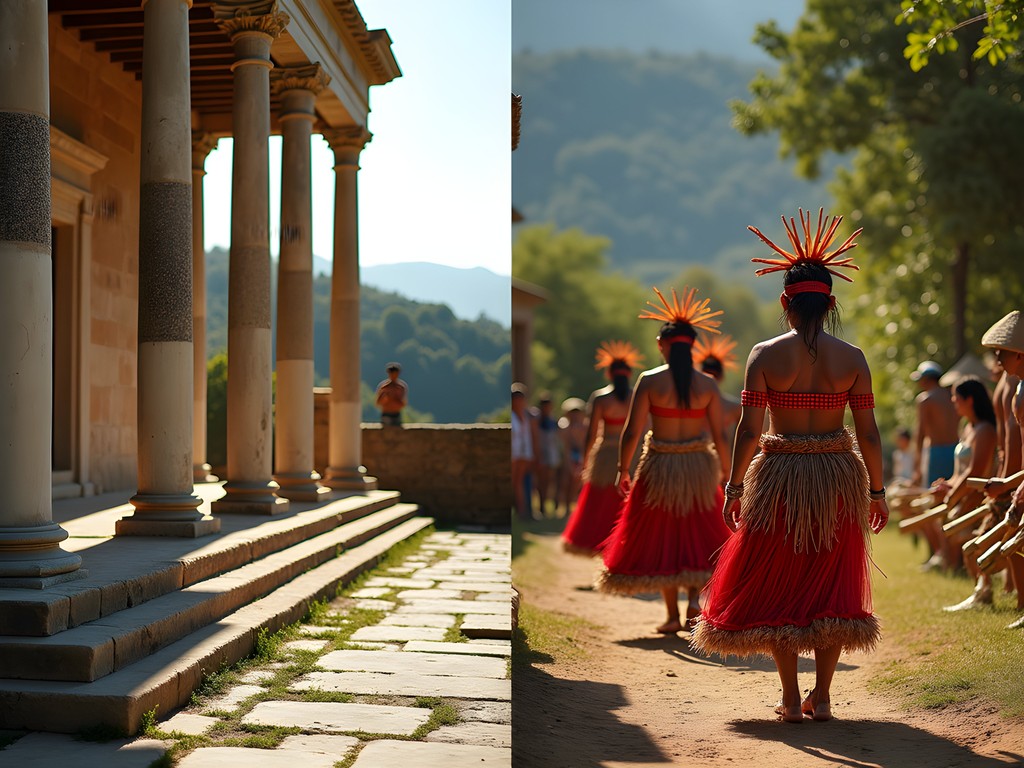
Beyond physical transportation, navigating the cultural shift between Turkey and the Philippines requires its own form of mental mobility. In Ephesus, you'll encounter a predominantly Muslim culture with European influences, while Davao presents a uniquely Filipino blend of Malay, Spanish, American, and indigenous traditions.
In both locations, respectful dress when visiting religious sites remains essential. For Ephesus and surrounding historical areas, modest clothing that covers shoulders and knees is appropriate, particularly when visiting still-active religious sites like the House of the Virgin Mary. Women may need headscarves for certain locations, though this is less strictly enforced in Turkey's western regions than elsewhere in the country.
Davao's tropical climate demands different practical considerations—lightweight, breathable clothing provides comfort, though modesty remains important when visiting churches or rural communities. During my research into traditional martial arts practices, I found that approaching cultural differences with respectful curiosity opened many doors.
Language presents another consideration. In Turkey's tourist regions, English is widely spoken, though learning basic Turkish phrases demonstrates respect. In Davao, English is common in hospitality settings, while Cebuano (rather than Tagalog) serves as the predominant local language.
Time perception differs dramatically between these cultures as well. Turkey generally operates on more structured scheduling, while the Philippines embraces a more fluid approach to time—something I've observed in cricket-playing nations across South Asia as well. Adopting a flexible mindset when transitioning between these environments will serve travelers well.
For couples navigating these cultural shifts, I recommend packing a compact language guide for both destinations. Digital translation apps work well in urban centers but prove less reliable in areas with limited connectivity—precisely the places where communication becomes most crucial.
💡 Pro Tips
- Dress modestly when visiting religious sites in both countries
- Learn basic greetings in both Turkish and Cebuano
- Adjust your expectations regarding punctuality when moving from Turkey to the Philippines
Final Thoughts
The journey from Ephesus to Davao represents more than merely traversing physical distance—it's a passage between distinctly different cultural and historical worlds. As you transition from ancient marble pathways to lush tropical forests, the transportation challenges become part of the narrative that enriches your experience. For couples willing to navigate the logistical complexities, the reward is a profound appreciation for humanity's diverse approaches to civilization—from the architectural precision of Greco-Roman design to the organic harmony of Filipino indigenous traditions. Like the most memorable sporting contests I've covered throughout my career, this journey demands preparation, adaptability, and respect for different rule sets. Yet in that challenge lies its greatest value: the opportunity to witness how dramatically different cultures have responded to their unique environments while sharing fundamentally human aspirations. I invite you to embrace both the ancient wisdom of Ephesus and the vibrant ecological richness of Davao—connected not just by air routes and transit points, but by your own willingness to bridge worlds.
✨ Key Takeaways
- Plan for at least 48 hours of total transit time between destinations
- Build flexibility into your itinerary to accommodate potential delays
- Research cultural norms for both locations before departure
- Consider splitting the journey with a stopover in Istanbul or Manila
📋 Practical Information
Best Time to Visit
March to May (spring)
Budget Estimate
$3,500-5,000 USD per couple for 2 weeks
Recommended Duration
14 days (5 in Turkey, 7 in Philippines, 2 for transit)
Difficulty Level
Advanced


Comments
Jean Wells
An interesting juxtaposition of destinations that highlights the contrasting transportation infrastructures of developing versus developed tourism sites. I've documented similar disparities in my travels across Southeast Asia. For Ephesus visitors, I'd add that the site gets unbearably hot between 11am-3pm during summer months, so plan accordingly. The Davao portion of your guide is particularly valuable as reliable transportation information for Mindanao is still surprisingly scarce online. One correction: the ferry schedule from Samal Island has actually changed recently - the last ferry now departs at 8pm rather than 7pm on weekdays. This gives visitors that extra hour to enjoy sunset dinners at the beach resorts.
Amit Sullivan
Thanks for that ferry schedule update, Jean! Really appreciate the additional information.
Taylor Moreau
Excellent guide, Amit. Having traveled this route several times for business conferences, I'd add that the Turkish Airlines connection through Istanbul is indeed the most reliable option. One caution for business travelers: Davao's airport WiFi is spotty, so arrange your transport beforehand or have a local SIM ready. For those wanting to visit Mount Apo from Davao, permits must be arranged several days in advance - something I learned the hard way on my first visit. The cultural whiplash between these destinations is precisely what makes this journey so enriching.
smartwalker
Taylor - did you need a guide for Mount Apo or can you hike independently with just the permit?
Taylor Moreau
A guide is mandatory for Mount Apo - it's strictly enforced. The guide fees are reasonable though, around 2000-3000 PHP per day depending on your route and group size.
coolmate
Great tips on the jeepneys in Davao. Those things are wild!
smartwalker
LOVE THIS POST! I've been to both places (separately) and never thought about combining them! The contrast between ancient history and tropical wilderness is genius. The Library of Celsus and then Eden Nature Park would be my perfect week! Did you find language barriers to be an issue in either place? My Turkish is non-existent but I found most people in tourist areas spoke English.
springhero
Never thought of combining these two destinations but it actually makes a lot of sense for a history-to-nature journey. How many days would you recommend for each place to really soak it all in?
backpackdiver
OMG this is EXACTLY the guide I needed!!! Planning my first big international trip and somehow decided on these two destinations (history buff + want to see Philippine eagles!). The transportation breakdown is SUPER helpful! Did you feel the language barrier was difficult in either place?
Amit Sullivan
Glad it helps! In Ephesus, most tourism workers speak decent English, and I found Google Translate helpful for other situations. In Davao, English is widely spoken so communication was actually easier there. The Philippine eagle sanctuary is amazing - you'll love it!
Hayden Butler
What a journey, Amit! I did something similar last year but took a different route. For anyone planning this trip, I highly recommend breaking it up with a 2-day stopover in Singapore or Hong Kong. Makes the journey much more manageable and adds another destination to your itinerary. For the Ephesus portion, I found hiring a private guide was worth every penny - the historical context they provide transforms those ancient stones into vivid stories. My travel pillow was a lifesaver on those long flights between continents!
backpackdiver
Did you find Davao safe? Been hearing mixed things about Mindanao but really want to visit!
Hayden Butler
I felt completely safe in Davao City itself. It's actually one of the safest cities in the Philippines with very strict security. Just do your research before venturing to more remote areas of Mindanao and check current travel advisories.
smartdiver
Those Ephesus photos are stunning! Added to my bucket list.
beachmood
I did Ephesus last year and was blown away. The Library of Celsus is even more impressive in person than in photos. Never made it to Davao though. How would you compare the food scenes between the two places? Turkish cuisine is hard to beat!
citylover
Great post! I'm planning to do a similar trip next spring. How did you handle the time difference between Turkey and the Philippines? Any jet lag tips for such a long journey?
Amit Sullivan
Thanks! The 5-hour time difference was challenging. I tried to adjust by staying awake during daylight hours at my destination and drinking plenty of water during the flight. Also, I spent a day in Istanbul before the long-haul flight which helped break up the journey.
citylover
That layover idea is smart! I'll try to plan something similar. Thanks!
Venture X
Premium card with 2X miles, $300 travel credit, Priority Pass