

Disclosure: This article contains affiliate links. We may earn a commission from purchases at no extra cost to you, which helps our travel content.
The boundary between Botswana and Zambia isn't merely a line on a map – it's a living, flowing entity called the Chobe River. Last summer, I found myself drawn back to this liquid lifeline of southern Africa, this time with a different purpose: to explore how families can experience the transformative power of river safaris while contributing to conservation efforts. After my first solo expedition here three years ago documenting water conservation initiatives, I knew I needed to return to showcase how this ecosystem offers one of Africa's most accessible yet profound wildlife experiences for travelers of all generations. There's something fundamentally different about encountering Africa's iconic wildlife from the water – the perspective shifts, both literally and figuratively. The quiet approach of a boat safari creates wildlife viewing opportunities impossible to replicate in a land vehicle, and the gentle rhythm of river life creates natural moments of connection between family members that I've rarely witnessed elsewhere.

Why River Safaris Transform Family Travel
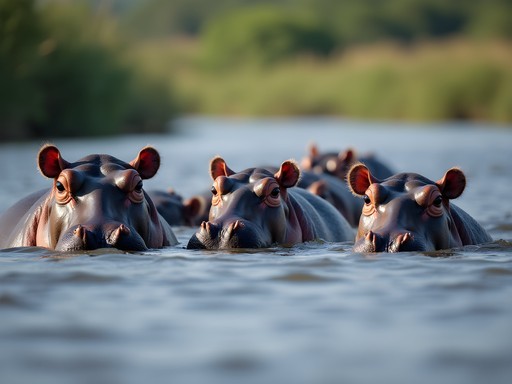
Traditional game drives certainly have their place in the safari experience, but river safaris along the Chobe offer something uniquely suited to family adventures. The boats create a natural containment for younger travelers while eliminating the fatigue that can come with bumpy land cruisers. Children who might grow restless scanning distant horizons for wildlife find immediate engagement with the river ecosystem – from fish eagles diving for prey to hippos surfacing just yards away.
During my week navigating these waters, I observed families developing a shared language of discovery. Parents who had planned elaborate surprise reveals watched as their children spotted elephants approaching the shoreline before anyone else. Teenagers who had been glued to devices back home became the family photographers, capturing crocodiles sunning on sandbars and baboons performing acrobatics in riverside trees.
The unique positioning of the Chobe – forming a natural border between nations – also creates teachable moments about conservation that transcends political boundaries. Wildlife doesn't recognize these human demarcations, and neither do the environmental challenges facing the region.
"The river doesn't know it's crossing countries," explained Tumi, our Botswanan guide whose knowledge of the ecosystem was matched only by his patience with the endless questions from the nine-year-old twins on our boat. "The animals teach us that borders are human inventions."
For capturing these magical moments, I relied on my waterproof camera – essential equipment for any river safari where spray and splashes are part of the experience. The camera's underwater capabilities also allowed me to capture fascinating split-level shots showing life above and below the waterline.

💡 Pro Tips
- Book morning boat safaris for the best light and wildlife activity
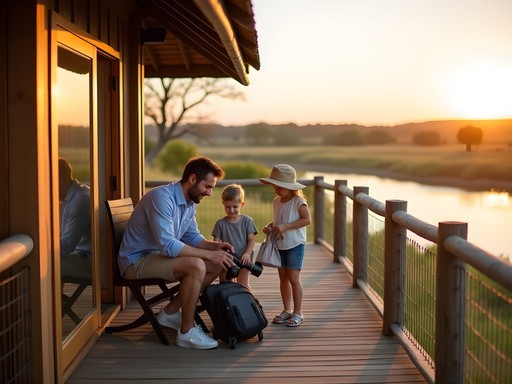
- Pack binoculars for each family member – even children – to maintain engagement
- Choose boats with shade structures; midday sun on the water is intense
Selecting the Right River Safari Experience
The Chobe River offers a spectrum of safari experiences that range from half-day excursions to multi-night floating accommodations. For families, this flexibility is invaluable, allowing you to tailor the experience to your children's ages, interests, and attention spans.
Day cruises operate from both the Botswanan town of Kasane and various Zambian lodges near Kazungula. These typically run 2-3 hours and provide an excellent introduction to river wildlife. However, I strongly recommend booking private boats when possible – the ability to linger when your children are engaged or move on when interest wanes makes all the difference.
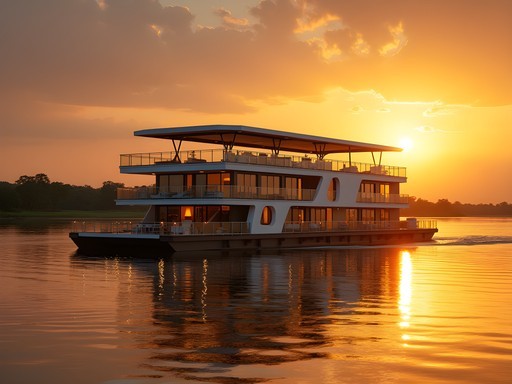
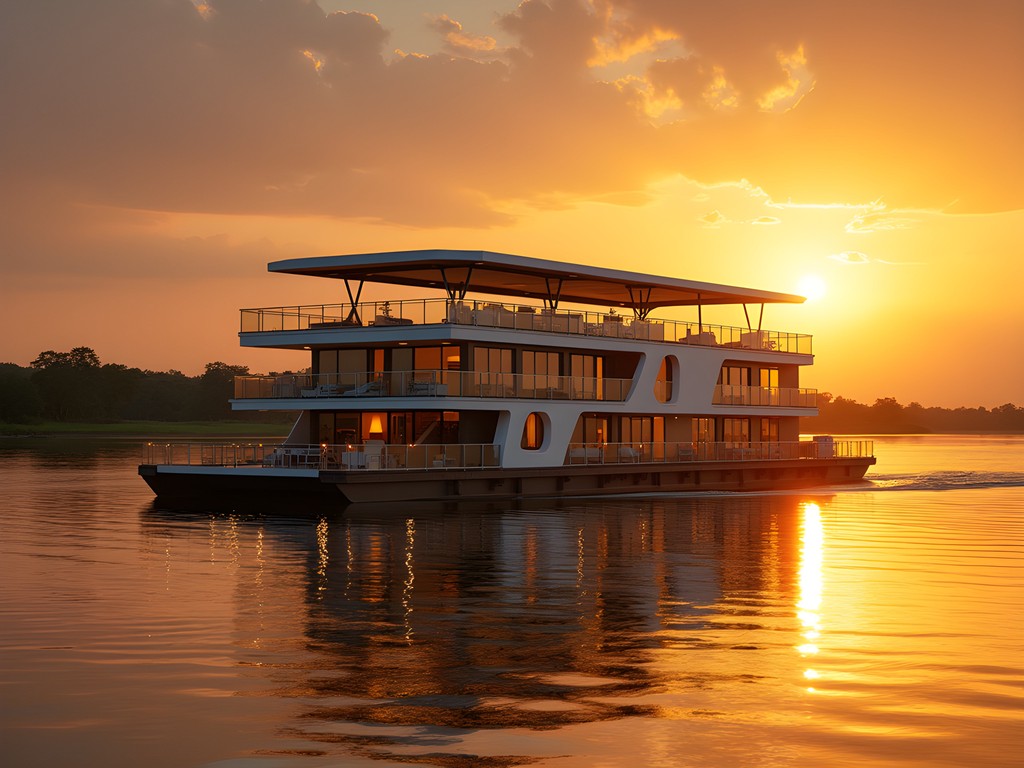
For those seeking deeper immersion, houseboats and floating lodges represent the pinnacle of Chobe River experiences. During my week, I split time between land-based accommodations and three nights aboard the Zambezi Queen, a floating boutique hotel that redefines luxury safari experiences. Falling asleep to the sounds of hippos grunting and waking to elephants bathing outside your window creates memories that will outlast any theme park vacation.
"We thought three nights might be too long on the water with our kids," shared Catherine, a mother of three from Toronto whom I met aboard. "Now we're wondering if a week would have been enough. They haven't asked for their tablets once."
For families with older children or teens interested in photography, consider specialized photography boats with swivel chairs and camera mounts. These stable platforms allow for capturing extraordinary wildlife images, even for beginners. I was particularly impressed with the camera stabilizer that several parents had brought for their teenagers – allowing them to capture professional-quality video even with smartphone cameras.
💡 Pro Tips
- Book private boats for family safaris to customize your experience
- Consider splitting your stay between land lodges and water accommodations
- For multi-day houseboats, choose those with family cabins and dedicated guides
Wildlife Encounters from Water Level
The true magic of Chobe River safaris lies in the perspective. Viewing wildlife from water level creates an intimacy impossible to achieve in traditional vehicles. Elephants appear even more massive, crocodiles more prehistoric, and the intricate social behaviors of hippo pods become a fascinating daily soap opera for observant families.
During the summer months (November-March), the river becomes a critical water source as seasonal pans dry up inland. This concentration of wildlife creates extraordinary viewing opportunities, though you'll need to balance this against occasional afternoon thunderstorms and higher temperatures.
One morning, our boat quietly approached a sandy bank where a pride of lions had come to drink. The cubs, seemingly unaware of our presence, played at the water's edge while adults kept watchful eyes on both their offspring and the surrounding area. We maintained a respectful distance, engines off, drifting silently. The family of four sharing our boat that day – including twin seven-year-old boys who had been bouncing with energy minutes before – sat in perfect stillness, understanding instinctively the privilege of the moment.
"This is why we came to Africa," whispered their father, a sentiment I've heard echoed countless times along these waters.
Beyond the iconic megafauna, the river teems with over 450 bird species that add color, movement and song to the experience. Many guides are excellent at engaging children in bird identification, turning it into a rewarding game that develops observation skills. I was particularly impressed by one guide who created personalized checklists for the children on our boat, complete with spaces for them to draw what they saw.
For optimal wildlife viewing, I never travel without my binoculars – the perfect balance of magnification and field of view for river safaris, with excellent low-light performance for dawn and dusk excursions.

💡 Pro Tips
- Morning and late afternoon offer the best wildlife viewing and photography light
- Bring field guides appropriate for children's ages to enhance engagement
- Pack neutral-colored clothing – bright colors can distract wildlife

Conservation Through Connection
My professional work in conservation has taught me that meaningful protection of natural resources requires emotional connection – people protect what they love. This principle guides my approach to family travel recommendations, especially in ecologically sensitive areas like the Chobe.
The river forms not just a political boundary but also a conservation corridor of international importance. During our journey, we visited community-based conservation projects on both sides of the river that are supported by tourism revenue. In Botswana, the Chobe Enclave Conservation Trust demonstrates how sustainable tourism creates alternatives to poaching and habitat destruction. On the Zambian side, the Kazungula Environmental Education Program uses river experiences to teach local children about their natural heritage.
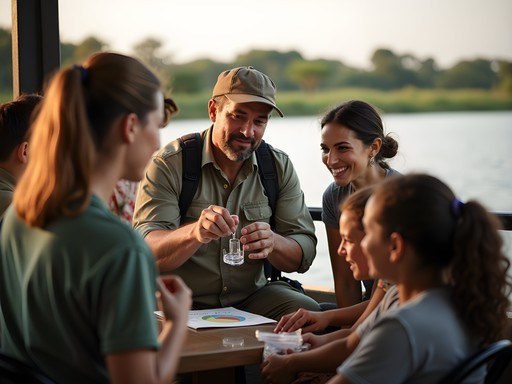
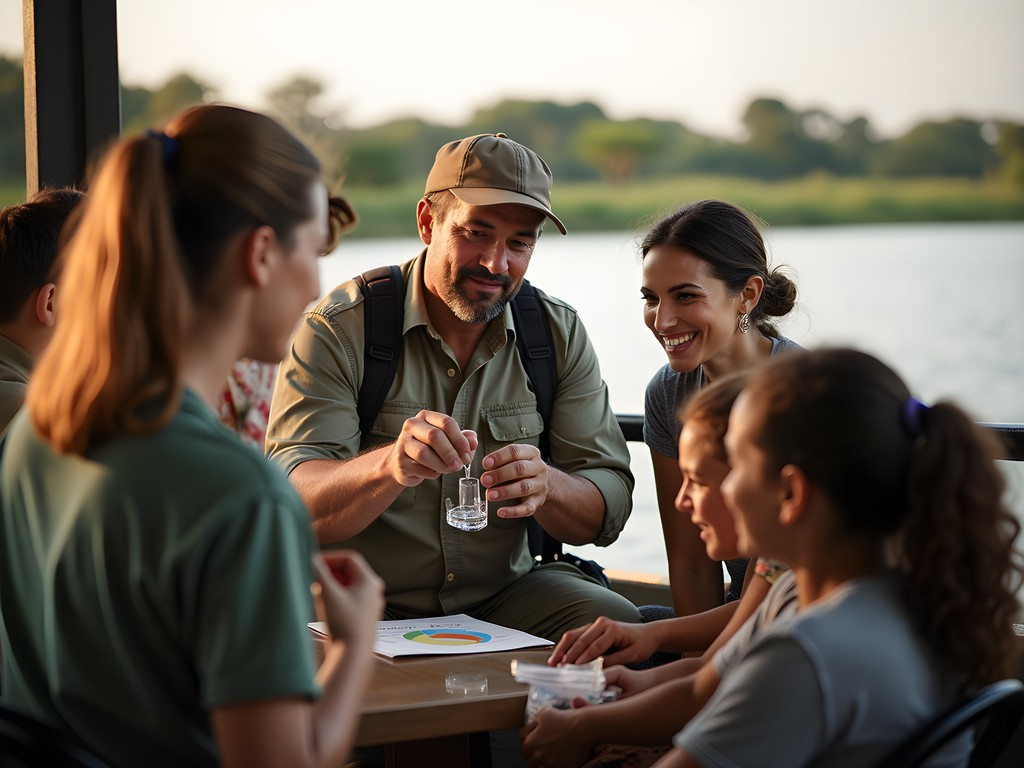
Many river operators now incorporate age-appropriate conservation activities into family safaris. Children can participate in water quality testing, bird counts, or wildlife monitoring that contributes to actual research databases. These citizen science opportunities transform passive observation into active participation in conservation.
I was particularly moved by one afternoon spent with a Zambian family who had never before experienced a river safari in their own country. Through a program sponsored by several lodges, local families are invited aboard during slower periods. Watching the children's faces as they encountered their first elephant from the water – a perspective previously available only to foreign tourists – reinforced my belief that conservation must include local communities as primary beneficiaries.
"When my children see these animals this way, they understand why people come from all over the world to our home," explained their father, a teacher from a nearby village. "Now they will grow up wanting to protect what makes our place special."
💡 Pro Tips
- Research operators with strong conservation credentials and community involvement
- Ask about age-appropriate conservation activities for children
- Consider adding visits to community projects to your river safari itinerary
Practical Considerations for Family River Safaris
Planning a Chobe River safari with family requires thoughtful preparation to maximize enjoyment across generations. The good news is that river safaris are generally more accessible and comfortable than land-based game drives, making them ideal for families with younger children or older travelers with mobility concerns.
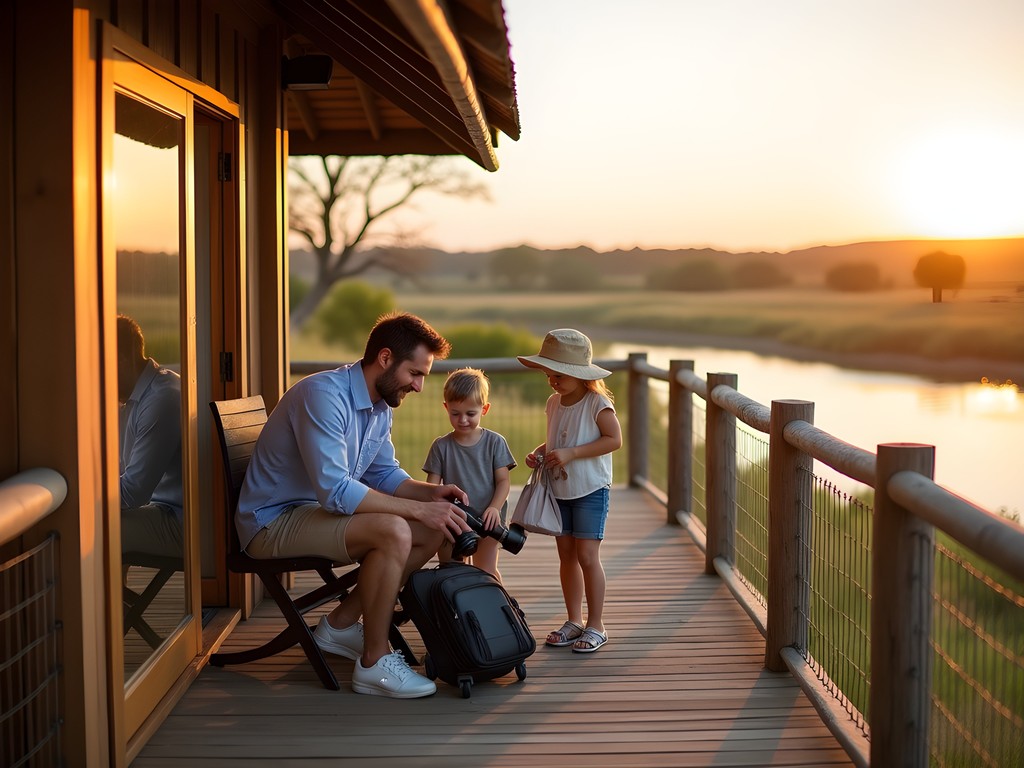
Accommodation choices significantly impact the experience. For families with younger children, I recommend splitting your stay between a land-based lodge with a pool (crucial for midday downtime) and a few nights on the water. The Chobe Game Lodge on the Botswana side offers an excellent family program with dedicated guides for children, while the Zambezi Queen and its smaller sister houseboats, the Chobe Princesses, provide floating luxury with family cabins.
Packing requires careful consideration of the unique environment. Beyond the obvious safari essentials, river-specific items make a significant difference. During summer months, temperatures regularly exceed 90°F (32°C), and the water reflection intensifies sun exposure. My sun protection became the most borrowed item among families on our boat – containing reef-safe sunscreen, zinc stick for sensitive areas, and cooling aloe gel for inevitable overexposure.
Malaria prevention deserves serious attention when traveling with children. The Chobe region is a malaria zone, particularly during summer months. Consult with a travel medicine specialist well before departure, as some prophylactics require advance dosing. Additionally, pack long-sleeved, lightweight clothing for dawn and dusk excursions when mosquitoes are most active.
Connectivity varies dramatically between accommodations. Most land lodges offer limited WiFi, while river vessels often have minimal or no connectivity. In my experience, families who embrace this digital detox report it as a highlight rather than hardship – though managing expectations with teenagers beforehand is advisable.
Finally, consider the border logistics. Many itineraries include activities on both the Botswana and Zambia sides of the river, requiring multiple border crossings. Ensure all family members have appropriate visas (including KAZA visas if available) and sufficient passport validity. Some operators handle these formalities seamlessly; others leave families to navigate bureaucracy themselves.
💡 Pro Tips
- Request family cabins on houseboats that connect or are near each other
- Pack multiple sets of binoculars to avoid sharing disputes between siblings
- Consider motion sickness remedies even for those not normally affected
Final Thoughts
As our final evening on the Chobe drew to a close, I found myself on the upper deck of our houseboat with several families who had become unexpected companions on this journey. While the children pointed out constellations appearing in the darkening sky, parents shared quiet reflections on the week's experiences. The consensus was unanimous – the river had worked its transformative magic on them all. The Chobe doesn't just offer a safari; it offers a recalibration of what matters. Watching wildlife from water level reminds us of our place in the natural order – neither dominant nor insignificant, but deeply connected. If you're considering a family adventure that balances luxury with authentic wilderness, that educates while it entertains, that creates space for both excitement and reflection – the waters between Botswana and Zambia await. The river has stories to tell, if only we take the time to listen.
✨ Key Takeaways
- River safaris offer a more comfortable, contained wildlife viewing experience ideal for families with children of various ages
- The perspective from water level creates unique wildlife encounters impossible to replicate in land vehicles
- Splitting time between land lodges and floating accommodations provides the most comprehensive Chobe experience
- Summer months offer concentrated wildlife but require additional sun and malaria precautions
📋 Practical Information
Best Time to Visit
May-October (dry season) for concentration of wildlife; November-March (summer) for bird watching and newborn animals
Budget Estimate
$800-1,500 per person per day for luxury houseboat accommodations; $150-300 per person for day cruises
Recommended Duration
5-7 days minimum, ideally split between river and land accommodations
Difficulty Level
Intermediate - Suitable For Families With Children, But Requires Some Preparation For Heat, Sun Exposure And Occasional Rough Water


Comments
Taylor Moreau
Lovely piece, Hayden. I visited Chobe in 2019 and completely agree about the conservation angle - seeing wildlife from water level creates such a different perspective. One tip for families: the sunset cruises are spectacular but can get quite chilly on the water once the sun drops. We learned this the hard way! The morning safaris offered better wildlife activity anyway, particularly for birding enthusiasts. The fish eagles alone made it worthwhile.
Hayden Butler
Excellent point about the temperature drop! Should have mentioned that. And yes, the morning light is absolutely magical for photography too.
backpackmood
This looks amazing! Quick question - did you see more wildlife from the boat than on land safaris? Trying to decide which to prioritize.
Hayden Butler
Great question! Honestly, they're completely different experiences. On the river you get incredible close-ups of elephants bathing and hippos, but land safaris give you better big cat sightings. I'd do both if you can swing it!
backpackmood
Perfect, thanks! Will try to fit both in.
sunnystar9476
Going in August! Can't wait
summerlegend
What camera gear did you bring? I'm worried about water damage but also want good zoom for wildlife shots.
Hayden Butler
I brought my standard DSLR with a 70-300mm lens and kept it in a dry bag when not shooting. The boats are stable enough that you don't really worry about falling in, but spray is definitely a concern. A lens cloth is essential!
Megan Martin
Great resource for travelers considering this region. From a logistics perspective, I'd emphasize the importance of booking river safaris during the dry season (May-October) when wildlife congregates along the river. The wet season offers different experiences but can be less reliable for sightings. Also worth noting: most operators require advance booking during peak season (July-September), so don't expect to arrange everything on arrival. The conservation angle you touched on is particularly relevant right now with increased tourism pressure on the region.
vacationninja
We're planning a trip for next year with our two kids (7 and 10). Did you find the river safaris were engaging enough for younger kids? My worry is they'll get bored if we don't see animals right away. Also any recommendations on which side to stay – Botswana or Zambia?
Hayden Butler
Your kids will love it! The river is incredibly active – we rarely went more than 15 minutes without seeing something. Plus the boat movement keeps things interesting. I stayed on the Botswana side (better infrastructure) but did day trips into Zambia. Check out the section in the post about family travel – I cover this in detail!
Douglas Bradley
Excellent write-up, Hayden. I visited Chobe in 2024 and your point about wildlife encounters from water level really resonates. The behavioral dynamics you observe from a boat versus a land vehicle are completely different – particularly with elephants who are far more relaxed near water. One thing I'd add for families: the smaller boats (8-10 passengers) offer much better photography opportunities and more personalized guiding than the larger party boats. Worth the extra cost if you're serious about wildlife observation.
sunnystar9476
Good tip about the smaller boats! Did you book directly or through a tour company?
Douglas Bradley
I booked directly through the lodge I was staying at in Kasane. They had their own boats which made logistics much easier.
islandwanderer
This looks INCREDIBLE!! Adding to my bucket list right now. I've never done a safari before but this seems like such an amazing way to experience wildlife. The photos are stunning!!
mountainpro
How long were the river safari trips? Trying to figure out if we can fit this into our itinerary or if we need a full day?
Hayden Butler
Most half-day trips are 3-4 hours, but I'd recommend the full-day or sunset cruises if you have time. You see way more wildlife when you're not rushed!
mountainpro
perfect thanks!
photolife7399
Amazing shots of the hippos!
Venture X
Premium card with 2X miles, $300 travel credit, Priority Pass