

Disclosure: This article contains affiliate links. We may earn a commission from purchases at no extra cost to you, which helps our travel content.
When I first landed in Bologna six years ago, I expected a quick two-day stopover before heading to Florence. Two weeks later, I was still using this incredible city as my base camp for daily adventures across Northern Italy. What started as convenience quickly became strategy—Bologna isn't just Italy's culinary capital and home to the world's oldest university; it's also the country's most underrated transport hub that can transform a budget student adventure into an epic exploration of Italy's northern treasures.

Why Bologna is Northern Italy's Perfect Student Hub
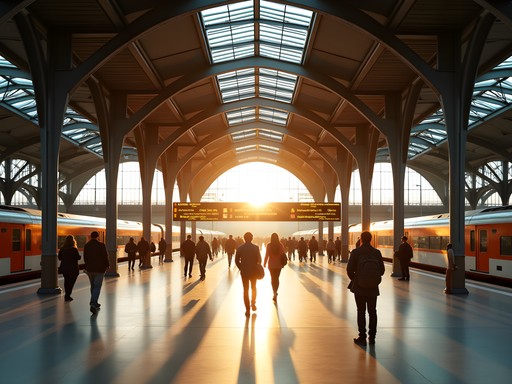
As someone who's crisscrossed Italy more times than I can count, I've learned that where you base yourself can make or break both your experience and your budget. Bologna sits at the crossroads of Italy's high-speed rail network, offering unparalleled connectivity that most tourists overlook while flocking to the usual suspects.
Unlike Florence or Venice where tourism has driven prices through the roof, Bologna remains refreshingly authentic and affordable. With the massive student population from the University of Bologna (founded in 1088!), the city caters to budget-conscious travelers without sacrificing quality. You'll find reasonably priced accommodations, €1.50 espressos, and filling pasta meals for under €10—a rarity in Northern Italy's more famous destinations.
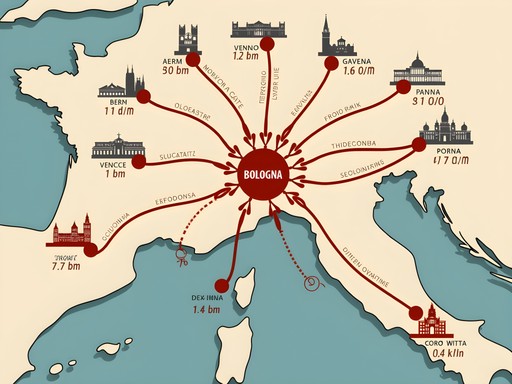
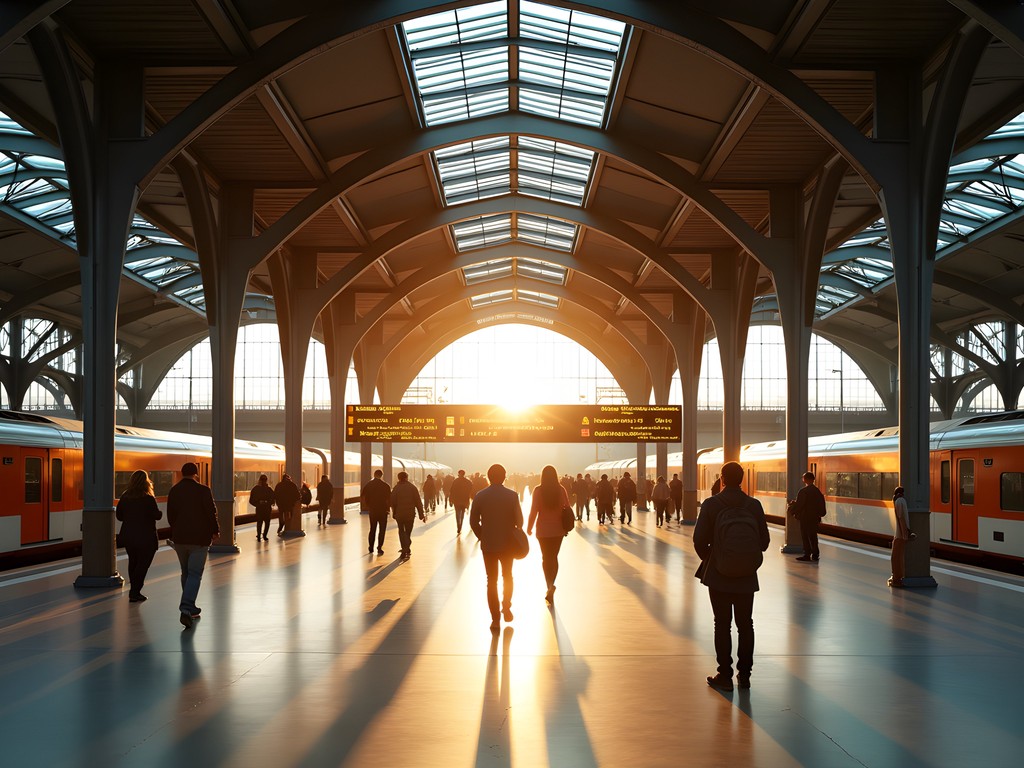
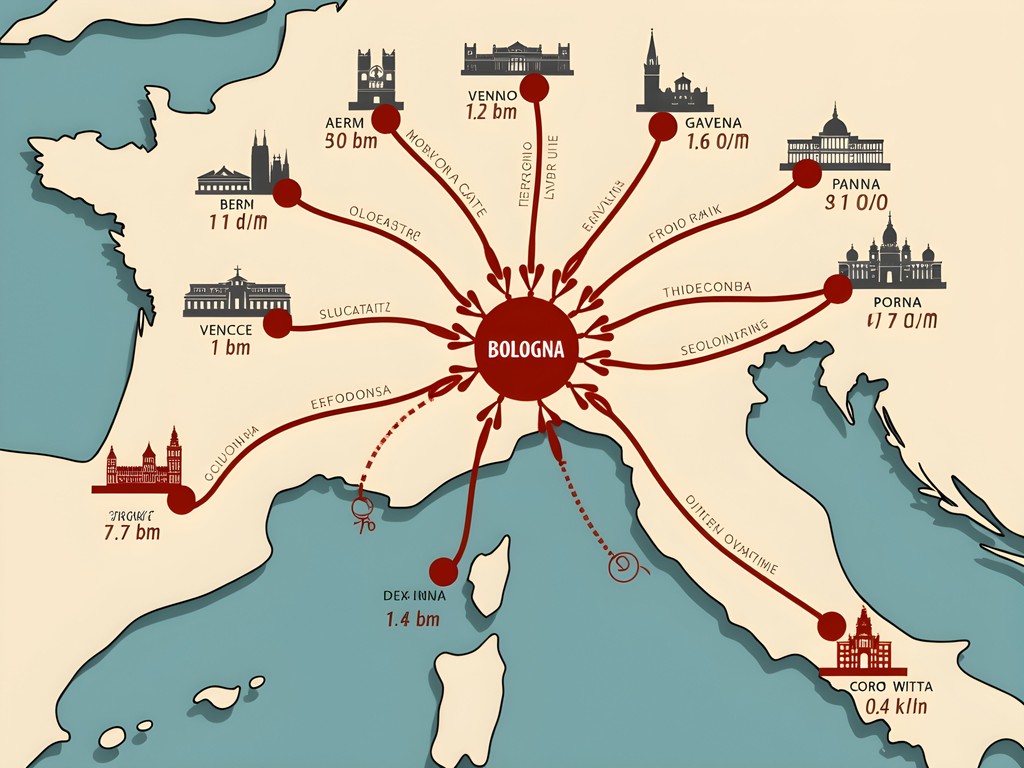
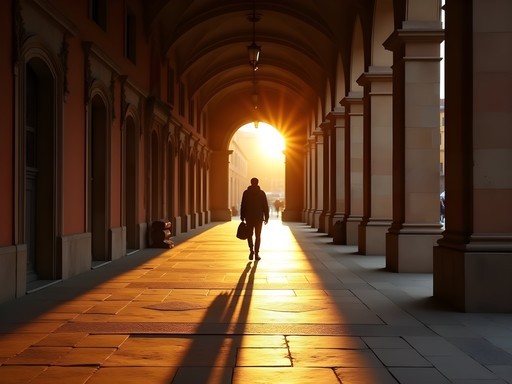
The city itself deserves at least 2-3 days of exploration with its 40km of stunning porticoes, the iconic Two Towers, and the massive Piazza Maggiore. But its real superpower is positioning—within 30-90 minutes by train, you can reach Venice, Florence, Verona, Parma, Modena, Ferrara, and even Milan. This makes it possible to day-trip to multiple bucket-list destinations without changing hotels or lugging your backpack across the country.
💡 Pro Tips
- Stay near the train station for early morning departures (Via Indipendenza area)
- Purchase a Trenitalia Rail Pass if planning 4+ city day trips
- Download the Trenitalia app for real-time updates and digital tickets
Mastering Bologna's Transport Networks
Bologna's transportation system is remarkably student-friendly once you understand its quirks. The city center is compact enough to explore on foot—I logged over 20,000 steps daily without even trying—but for venturing further or making early train connections, you'll want to master the bus system.
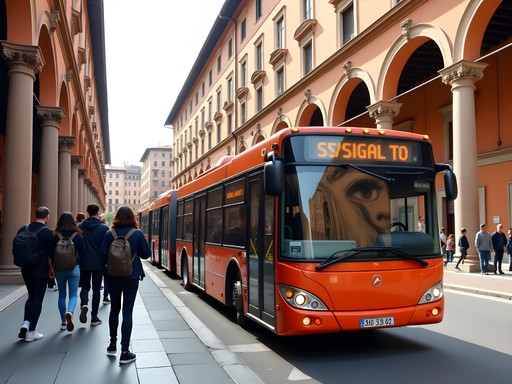
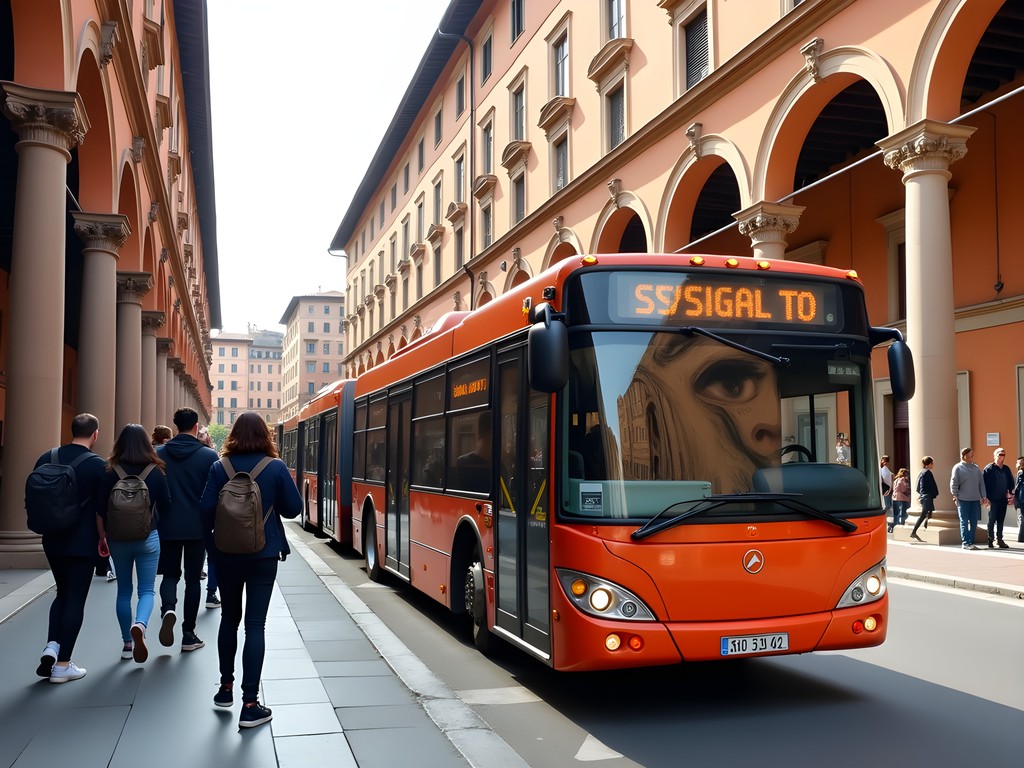
The city bus network uses a zone-based ticket system. A single urban ticket (€1.50) is valid for 75 minutes, while day passes (€6) offer excellent value. Download the 'Roger' app to purchase mobile tickets and track real-time bus arrivals—this saved me countless times when rushing to catch early trains to Venice.
For tracking train schedules and booking tickets, nothing beats having reliable connectivity. After trying several options over my years traveling through Italy, I've found the portable wifi hotspot to be indispensable. It allows me to check train schedules on the go, book last-minute tickets when plans change, and avoid the exorbitant roaming charges from my UK provider.
When heading to the station with luggage, give yourself extra time—Bologna's sidewalks get crowded, especially under the porticoes. If you're staying more than a 15-minute walk from the station, the buses labeled 'Stazione Centrale' are your friends for those early departures.
💡 Pro Tips
- Purchase bus tickets at 'Tabacchi' shops (look for the T sign) to avoid the driver surcharge
- Validate bus tickets immediately upon boarding in the yellow machines
- Regional trains don't require seat reservations, but high-speed trains do
Day-Tripping Across Northern Italy
Using Bologna as your base camp opens up an incredible menu of day-trip options that would otherwise require multiple hotel changes and the hassle of dragging luggage from city to city. Here's how I structured a recent two-week adventure:
Florence (35 minutes): The Renaissance capital is just a 35-minute high-speed train ride away. Leave Bologna by 8 AM, and you'll beat the worst crowds at the Uffizi. I learned to book my museum tickets online and pack my trusty collapsible water bottle to stay hydrated while waiting in the inevitable lines.
Venice (90 minutes): The early train gets you to Venice before the cruise ships disgorge thousands of visitors. I found that bringing a waterproof phone pouch was essential for navigating with Google Maps during unexpected acqua alta (high water) episodes without risking my phone.
Modena & Parma (30 minutes each): These gastronomic powerhouses are perfect half-day trips. In Modena, tour the traditional balsamic vinegar producers; in Parma, sample the authentic prosciutto and parmigiano. I always pack a insulated food container to bring back temperature-sensitive food treasures.
Ravenna (1 hour): Often overlooked, this city houses some of the world's most spectacular Byzantine mosaics. The regional train fare is just €7.35 each way, making it one of the best value day trips in Italy.
Verona (50 minutes): Romeo and Juliet's city is charming beyond the touristy balcony. I recommend visiting on Mondays when many Florence and Venice attractions are closed.
💡 Pro Tips
- Book high-speed trains at least a day in advance for significant discounts
- For regional trains, purchase multiple tickets at once to avoid queuing each morning
- Consider less-visited destinations like Ferrara and Ravenna for crowd-free experiences

Budget-Friendly Accommodation Strategies
Finding affordable accommodation in Bologna requires some insider knowledge, especially during the academic year when 90,000+ students fill the city. After multiple stays, I've developed a strategy that consistently saves me money while keeping me connected to transport options.
First, look beyond the immediate city center. The neighborhoods of Bolognina and San Donato are just 15-20 minutes from the center by bus but offer significantly cheaper options. During my last stay, I found a charming Airbnb in Bolognina for €40/night that would have cost €70+ near Piazza Maggiore.
University bulletin boards and Facebook groups like 'Bologna Rent' sometimes list short-term student sublets during holiday periods—perfect for the budget traveler who doesn't mind basic accommodations. I once scored a two-week sublet from a student heading home for Christmas break at just €25/night.
Hostels in Bologna offer exceptional value compared to other Northern Italian cities. I particularly recommend We_Bologna and Dopa Hostel for their excellent locations near transport. For longer stays, bring your own travel sheet to ensure comfort regardless of the accommodation's bedding quality.
If you're planning to cook to save money (a wise choice in the food capital of Italy), look for accommodations with kitchen access. I always travel with a spice kit filled with my essential seasonings—this transforms even the most basic pasta into something special without requiring a fully-stocked kitchen.
💡 Pro Tips
- Book accommodations near bus lines 25, 30, or 38 for easy access to the train station
- Consider university residence halls during summer months (June-August) for budget options
- Look for places with kitchen access to save on food costs
Student-Friendly Food Strategies While On The Move
Bologna is nicknamed 'La Grassa' (The Fat One) for good reason—the food here is incredible. But eating well while constantly moving between cities requires strategy, especially on a student budget.
The secret to balancing culinary experiences with budget constraints is knowing where and when to splurge. I dedicate about 25% of my food budget to memorable meals and save on the rest through strategic choices.
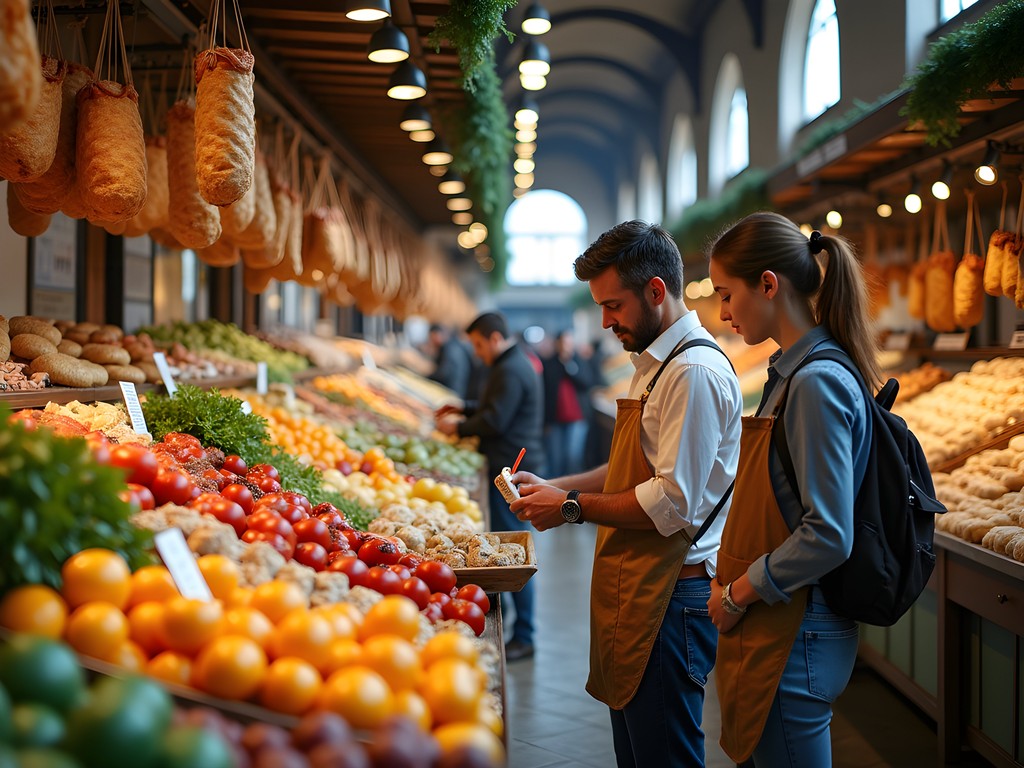
Train station food in Italy is surprisingly decent but overpriced. Instead, I've made it a habit to visit local markets like Mercato delle Erbe or Mercato di Mezzo in Bologna to assemble picnic supplies before day trips. My packable daypack folds into a tiny pouch when not needed but expands to hold a day's worth of supplies when I'm preparing for a long journey.
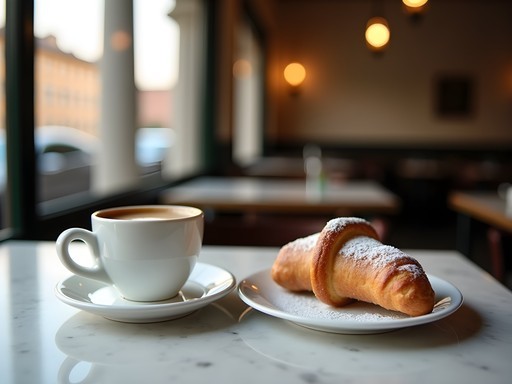
For breakfast, skip hotel offerings and do as the locals do: stand at a cafe counter for coffee and a pastry. You'll pay about €2.50 versus €5+ if you sit down. My morning ritual includes a caffè and cornetto at Caffè Terzi before catching early trains.
Lunch is where you can save significantly. Many restaurants offer 'pausa pranzo' (lunch break) specials for students and workers. In Bologna, seek out 'osterie' like Osteria dell'Orsa where pasta dishes cost €8-10 even in this culinary capital.
Staying hydrated is essential when exploring, but bottled water costs add up quickly. I always travel with my water filter bottle which lets me safely refill from any public fountain in Italy, saving both money and plastic waste.
💡 Pro Tips
- Look for 'Menu Fisso' or 'Menu del Giorno' for fixed-price lunch specials
- Visit university areas for student-priced meals (Via Zamboni in Bologna)
- Shop at local supermarkets like Conad or Coop for train picnic supplies
Final Thoughts
After countless trips across Northern Italy, I've come to appreciate Bologna not just for its own considerable charms, but as the strategic cornerstone that makes ambitious, budget-friendly exploration possible. By establishing this terracotta-hued city as your base camp, you're setting yourself up for a richly varied Italian experience without the logistical headaches or financial strain of constant hotel-hopping.
The beauty of this approach is its flexibility—you can follow the weather, avoid weekend crowds by timing your visits strategically, or even make spontaneous decisions based on your energy levels each morning. There's something deeply satisfying about returning to the same café after a day exploring Venice, where the barista remembers your order and asks about your adventure.
As someone who's worked with young people throughout my career, I'm convinced that this hub-and-spoke travel method creates space for the kind of meaningful experiences that transform a simple vacation into something more profound. So grab your Italian phrasebook, book that affordable room in Bologna, and prepare to experience Northern Italy's treasures in a way most travelers never will. La vita è un viaggio, non una destinazione—life is a journey, not a destination.
✨ Key Takeaways
- Bologna offers unmatched train connectivity to Northern Italy's major destinations
- Basing yourself in one city saves money on accommodation and reduces logistical stress
- Student discounts and budget strategies can cut costs by 30-40% compared to traditional city-hopping
📋 Practical Information
Best Time to Visit
September-October or April-May
Budget Estimate
€50-70 per day including accommodation, food, and transport
Recommended Duration
Minimum 7 days, ideally 14 days
Difficulty Level
Easy

Comments
tripmaster
Really helpful post, thanks for sharing!
Amit Sullivan
Bologna holds a special place in my heart. I spent three weeks there in 2019, and like you Erik, I kept extending my stay. What struck me most was how the city maintains its authentic character despite the steady flow of students and travelers. The porticoes become your companions, sheltering you from rain and summer heat alike. I'd add that Sunday mornings in Bologna have a particular magic - the city slows down, locals fill the cafes, and you can wander the quiet streets before catching an afternoon train to Ravenna. The mosaics there are worth the trip alone.
roamseeker
Love the photos! Bologna is so underrated.
hikingbuddy
Quick question - is it better to book trains in advance or just buy tickets day-of? First time doing Italy and kinda overwhelmed.
Amit Sullivan
For the high-speed trains (Frecciarossa, etc.) definitely book ahead - prices go up closer to departure. Regional trains are fixed price so you can buy those anytime. I keep the Trenitalia app on my phone and it makes everything easier.
Megan Martin
Great post, Erik! I've been advocating for Bologna as a hub for years. One tip I'd add for your readers: invest in a regional train pass if you're doing multiple day trips. The Emilia-Romagna regional pass can save serious money if you're hitting Modena, Parma, and Ferrara. Also, the early morning trains to Venice are significantly cheaper and less crowded than mid-morning departures.
skyclimber
Thanks for the tip about the regional pass! Didn't know that existed.
beachwalker
We did Bologna as our base last spring and it was brilliant. The train connections are insane - Venice in 90 minutes, Florence in 40, even Milan is doable. Plus the food scene is way better than Florence IMO and prices are more reasonable. Only downside was our Airbnb was pretty far from Centrale station so factor that in when booking.
tripmaster
How far is too far from the station? Looking at places now.
beachwalker
We were about 25 min walk which was fine most days but annoying with luggage. I'd say stay within 15 min walk or near a good bus line.
skyclimber
This is exactly what I needed! Heading there in March.
journeychamp
This blog post literally saved our Italy trip!!! We changed all our plans after reading this and used Bologna as our base instead of Venice. SO MUCH CHEAPER and we actually loved the vibe of Bologna more than the touristy places. The food markets were incredible and we took day trips to 5 different cities. Pro tip: get the multi-day train passes if you're planning lots of day trips. Thanks Erik for sharing this insider knowledge!!!
sunnyhero
Just booked my flights to Bologna for January after reading this!!! So excited to use your tips! Anyone know if winter is a good time to visit? Will the trains still run regularly to other cities?
Gregory Boyd
Trains run year-round on the same schedule, though occasional delays happen during heavy fog. Bologna is actually quite atmospheric in winter - fewer tourists and the porticoes protect you from rain. Pack layers, as indoor heating varies widely between establishments.
beachadventurer
Erik, any recommendations for budget accommodations near the train station that aren't too sketchy? Planning to return in January!
Venture X
Premium card with 2X miles, $300 travel credit, Priority Pass