

Disclosure: This article contains affiliate links. We may earn a commission from purchases at no extra cost to you, which helps our travel content.
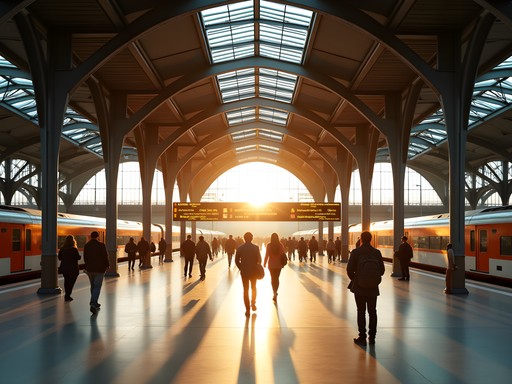
The first time I stepped off the train at Bologna Centrale, I was hit by that familiar rush of adrenaline—not unlike the feeling before responding to an emergency call. But this was the good kind of adrenaline. Bologna's terracotta skyline stretched before me, promising both ancient wisdom and modern adventure in equal measure. As someone who's navigated everything from remote Canadian wilderness to crowded Tokyo subway stations, I can tell you that Bologna offers something special: a perfectly walkable medieval core wrapped in efficient public transport connections that can launch you into the heart of Emilia-Romagna's treasures. During my week here last summer, I discovered that Bologna isn't just Italy's gastronomic capital—it's also an incredibly accessible hub for budget-conscious solo travelers who want to experience the soul of northern Italy without the logistical headaches or tourist crowds of Rome or Florence.
Getting Your Bearings: Bologna's Layout & First Impressions
Bologna's structure feels almost like the human circulatory system—a central heart (Piazza Maggiore) with vital arteries extending outward in a medieval web that somehow makes perfect sense once you're in it. The city is framed by its original gates and encircled by viale (boulevards) that follow the path of its ancient walls.
When I arrived, I immediately purchased a Bologna Welcome Card from the tourist office at Piazza Maggiore. At €25 for the PLUS version, it included museum entries and a walking tour, but most importantly for navigation purposes, it came with unlimited public transportation for 48 hours. If you're staying longer, consider the ordinary urban bus ticket (€1.50 for 75 minutes) or a day pass (€6).
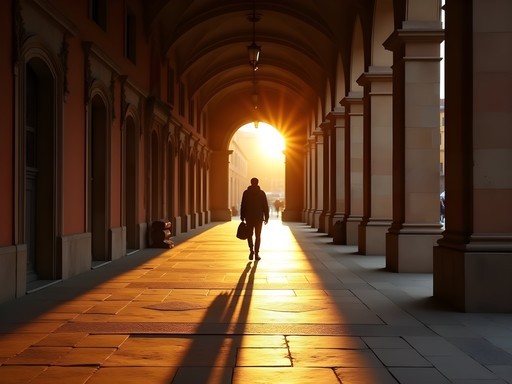
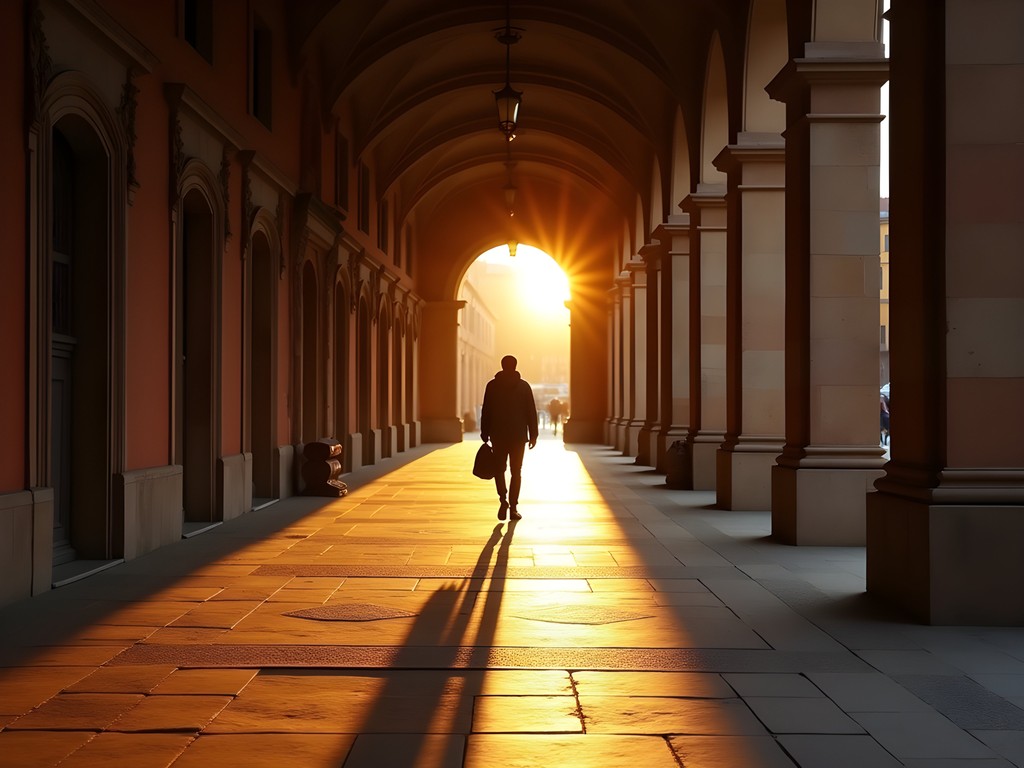
What struck me immediately about Bologna was how the porticoes—those magnificent covered walkways—create a protective embrace around pedestrians. As someone who's tended to enough injuries from unexpected weather, I appreciated how these architectural features shelter you from both summer sun and sudden downpours. There are over 40 kilometers of these porticoes throughout the city, many dating back to the 11th century, creating what feels like a sacred geometric pattern across the urban landscape.
My first evening, I oriented myself the way I do in any new location—finding the highest point. In Bologna, that's the Torre Asinelli, one of the famous Two Towers. The 498 steps are worth every labored breath for the panoramic view that helps you understand Bologna's layout: the historic center, the university district to the east, and the rolling Apennine foothills beyond.
💡 Pro Tips
- Purchase a Bologna Welcome Card on your first day for the best value
- Download the 'Roger' app for real-time bus information and mobile ticketing
- Look for the city's main streets that radiate from Piazza Maggiore like spokes on a wheel
Mastering Bologna's Bus System
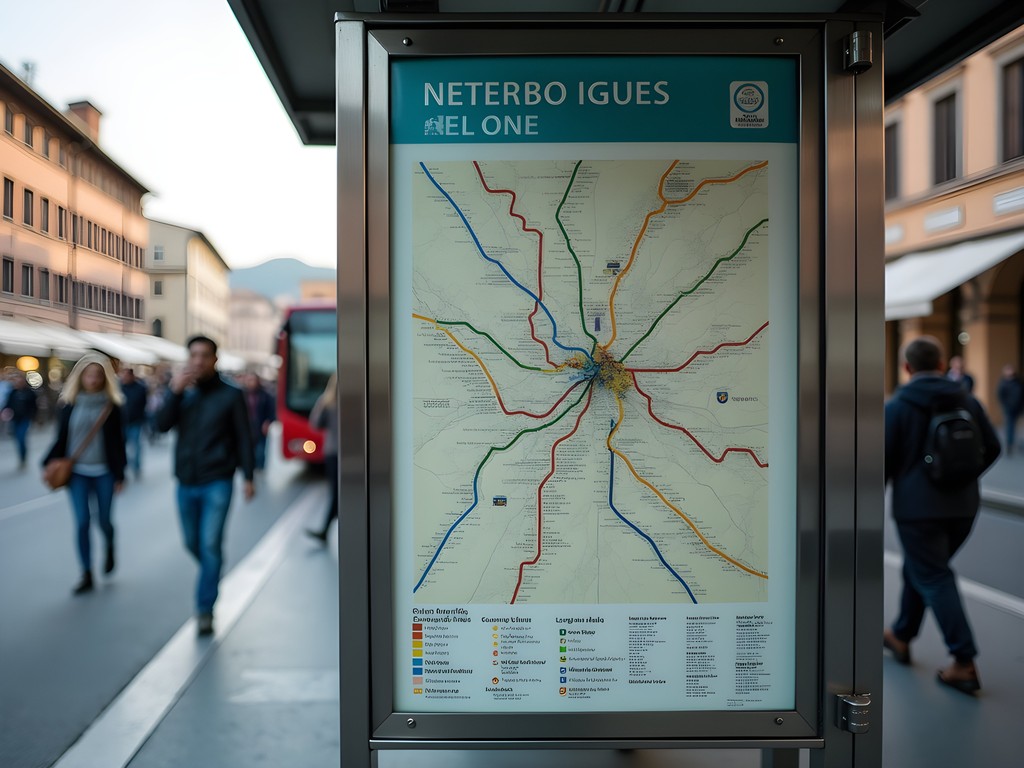
Bologna's bus network initially reminded me of a patient with a complex medical history—intimidating at first glance, but manageable once you understand the underlying patterns. The city operates on a hub-and-spoke system, with many routes converging at the main train station (Bologna Centrale) and Piazza Maggiore.
The primary bus company, TPER, runs an extensive network that can get you virtually anywhere in the city. During my stay, I quickly learned that buses labeled with a 'C' prefix are circular routes—perfect for getting your bearings. The C1 runs clockwise around the city center, while the C2 goes counterclockwise.
For ticket validation, Bologna uses a simple system: upon boarding, insert your ticket into the yellow validation machine. The machine stamps the time, and your ticket remains valid for 75 minutes. This allows for transfers between buses within that timeframe—a system that feels beautifully efficient to someone who's worked in emergency services where every second counts.
One evening, after exploring the University Quarter (the oldest university in the Western world!), I found myself further from my accommodation than expected as dusk settled. The pocket flashlight I always carry came in handy for reading the bus schedule at a dimly lit stop. It's compact enough to fit in any pocket but powerful enough to illuminate bus maps and schedules when needed.
A word of caution about Bologna's buses: they stop running earlier than you might expect (around midnight), with limited night buses on weekends. As someone who's worked plenty of night shifts, I found this adjustment necessary to remember. If you're planning a late dinner—which is common in Bologna where restaurants often don't fill until 9 PM—check the return schedule or be prepared to walk.
💡 Pro Tips
- Purchase tickets in advance at tabacchi shops (look for the blue 'T' sign) to avoid delays
- Buses 11 and 25 connect the train station to the city center and run frequently
- Download the 'TPER Bologna' app to track buses in real-time and plan routes
Walking Bologna: The Porticoes & Secret Paths
If Bologna's bus system is its circulatory system, then walking its portico-lined streets is like following its neural pathways—more intimate, revealing subtle connections and hidden patterns. The historic center is compact enough that most attractions are within a 25-minute walk of each other, making it perfect for exploration on foot.
The UNESCO-protected porticoes create what feels like sacred architecture—spaces that transform walking into a meditative practice. As someone with Mi'kmaq heritage, I'm drawn to spaces where natural elements and human design create harmonious patterns. Bologna's porticoes, with their rhythmic columns and the play of light and shadow, evoke that same sense of moving through a sacred space.
During my summer visit, these covered walkways provided blessed relief from the intense Italian sun. I noticed locals instinctively navigating from one shaded portico to another across the city, a practice dating back centuries. My water bottle was my constant companion—the insulation kept water cool for hours even in the summer heat, and its durable design has survived countless adventures from Peruvian mountains to Bologna's cobblestone streets.
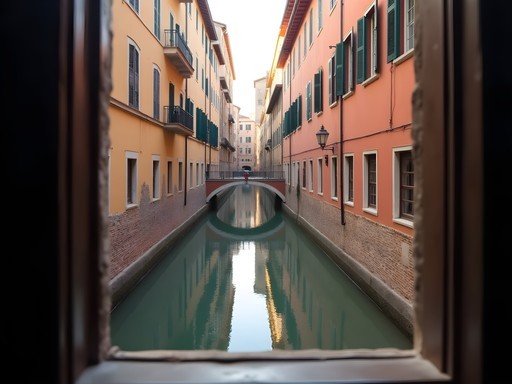
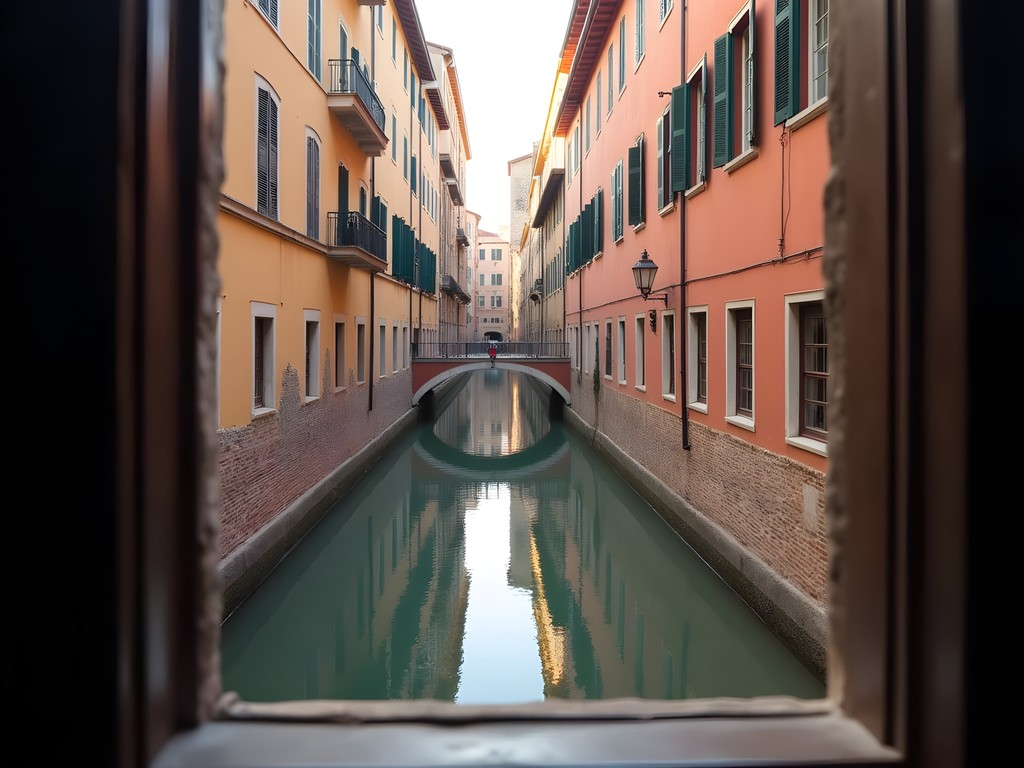
Bologna rewards those who venture off the main streets. One morning, I followed a narrow alley near Via Piella and discovered the city's hidden canals—remnants of when Bologna had a network of waterways similar to Venice. The small window on Via Piella offers a perfect glimpse of this secret side of Bologna, framing canal waters reflecting the warm colors of medieval buildings.
For those with medical conditions affected by heat or mobility issues, note that Bologna's historic center contains some elevation changes. The walk to San Luca Sanctuary, with its famous 3.8km portico (the longest in the world), includes a gradual but persistent climb. I witnessed several tourists struggling with this ascent in the summer heat, reminding me of heat exhaustion cases I've treated as an EMT. If you're making this journey in summer, start early, stay hydrated, and take advantage of the shaded porticoes.
💡 Pro Tips
- Use the 'Le Due Torri' (Two Towers) as your primary landmark when navigating the historic center
- Discover Bologna's hidden canals by finding the 'window' on Via Piella
- Walk the porticoes in early morning or evening to experience them with fewer tourists

Day Trips from Bologna by Train
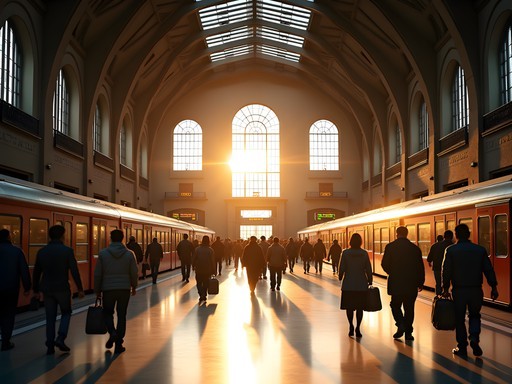
Bologna sits at the crossroads of northern Italy's rail network like a central node in a neural pathway, making it the perfect base for exploring the Emilia-Romagna region and beyond. The high-speed trains (Frecciarossa) can whisk you to Florence in 35 minutes or Milan in an hour, but the regional connections reveal the true soul of this area.
During my week in Bologna, I used the city as my base for several day trips, purchasing tickets from the user-friendly machines at Bologna Centrale station. For budget travelers, regional trains offer incredible value—most destinations within Emilia-Romagna cost between €5-15 round trip.
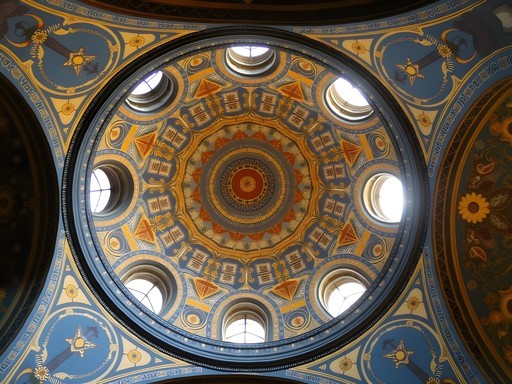
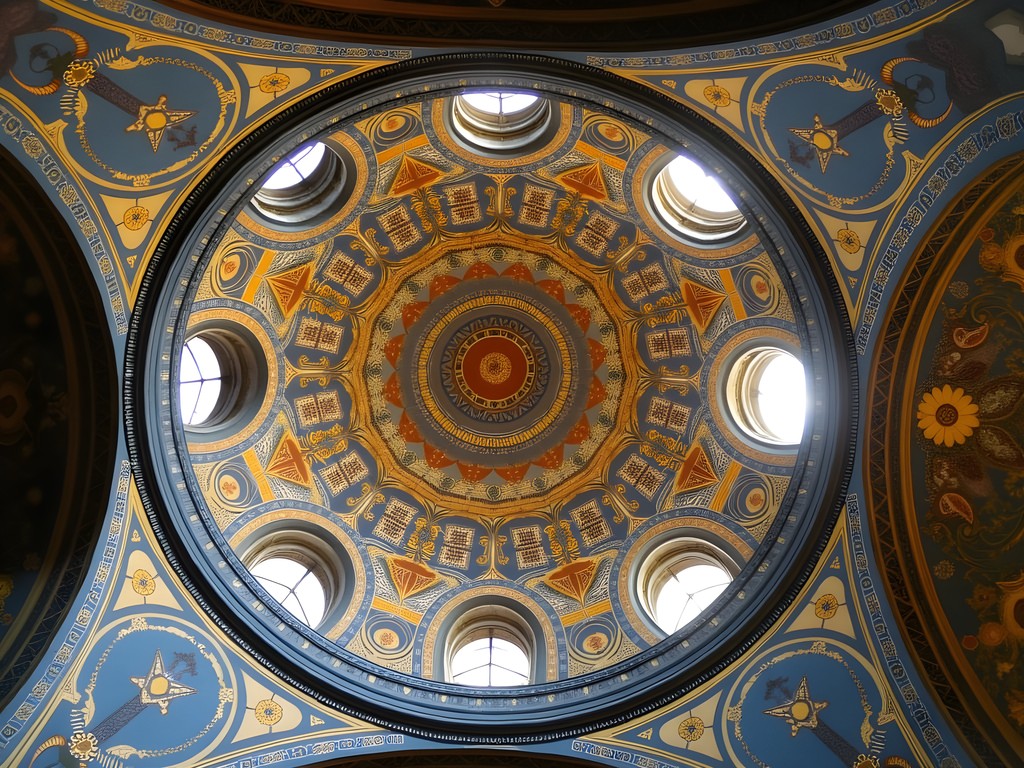
My first excursion was to Ravenna, just an hour away by regional train (€7.35 each way). As someone fascinated by sacred geometry and healing spaces, Ravenna's Byzantine mosaics were a revelation—geometric patterns and gold tesserae creating rooms that seem to pulse with an ancient energy. The octagonal Baptistery of Neon contains some of the most stunning sacred geometry I've encountered in my travels.
Modena, just 25 minutes from Bologna by regional train (€4.10 each way), offers the perfect contrast to Bologna's medieval density. Its Romanesque cathedral and spacious piazzas feel like taking a deep breath after the intensity of Bologna's narrow streets. Here, I discovered the connection between traditional balsamic vinegar production and wellness—the aging process in wooden barrels creates compounds with surprising antioxidant properties, something the locals have intuited for centuries before modern science confirmed it.
For a more unusual day trip, I took the train to Dozza (requiring a train to Imola and then a short bus ride). This tiny village is essentially an open-air gallery, with murals covering building facades. Walking through Dozza feels like moving through a living art installation, with the medieval castle housing the Regional Enoteca where you can sample local wines.
Before any day trip, I packed my day bag essentials: water, snacks, and my travel journal for capturing observations and sketching architectural details that catch my eye. As an EMT, I'm trained to document precisely, and this habit carries into my travels—noting the quality of light in Ravenna's basilicas or the acoustic properties of Modena's cathedral.
💡 Pro Tips
- Purchase regional train tickets from the machines at Bologna Centrale to avoid long lines
- Validate your ticket before boarding in the small green machines near the platforms
- Consider the combined train+bus tickets for destinations like Dozza or Brisighella
Budget-Friendly Transportation Hacks for Solo Travelers
As someone who's stretched an EMT's salary to fund adventures across four continents, I've become adept at maximizing transportation value while minimizing cost. Bologna offers several opportunities for budget-conscious solo travelers to navigate efficiently without breaking the bank.
First, consider where you stay carefully. I chose a small guesthouse near Via Indipendenza, within the historic center but just a 15-minute walk from the train station. This strategic location eliminated the need for daily bus tickets to reach the center and positioned me perfectly for day trips.
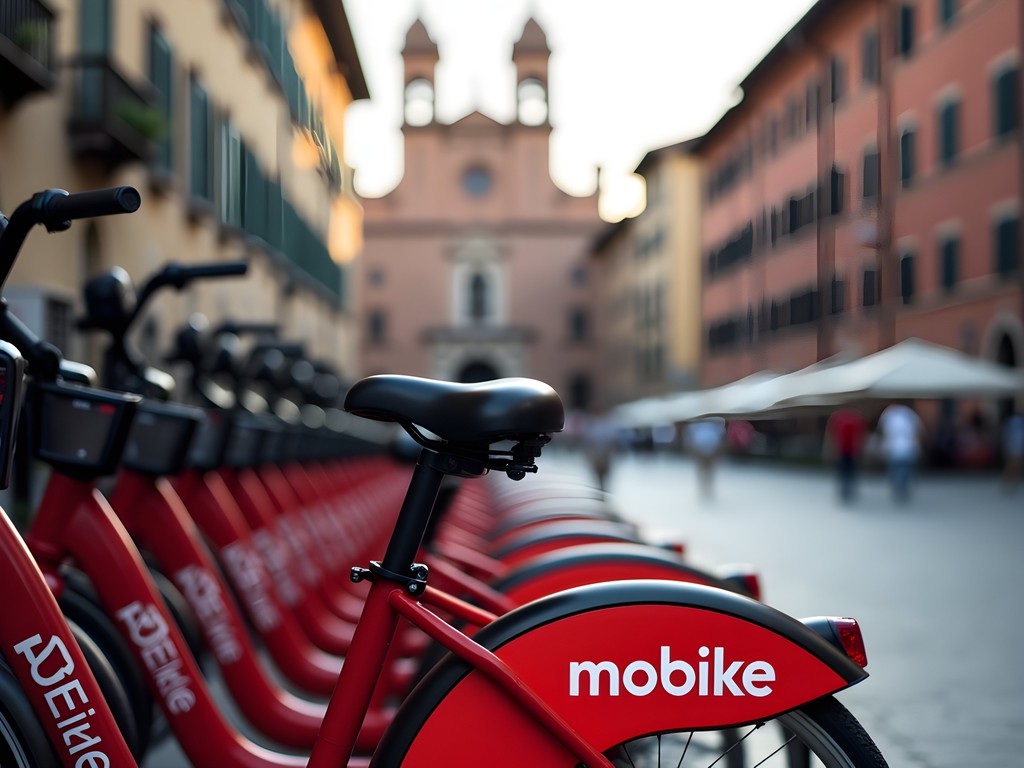
For exploring Bologna itself, the city offers a bike sharing service called 'Mobike' that's remarkably affordable. After downloading the app and registering with a €1 fee, rides cost just €0.30 per 20 minutes. The system uses GPS-tracked bikes that can be picked up and dropped off anywhere within the service area—perfect for quickly crossing from one side of the center to the other.
If you're planning multiple day trips, investigate the 'Emilia Romagna Mi Muovo' pass, which offers unlimited regional train travel for 3, 7, or 30 days. The 3-day pass costs €40 and quickly pays for itself if you're making 2+ regional journeys.
For solo female travelers concerned about late-night transportation, Bologna offers a 'Pink Taxi' service with reduced rates for women traveling alone after 9 PM—a service I appreciated as someone often returning from evening explorations. Just call and request a 'taxi rosa.'
During my stay, I discovered that many of Bologna's museums offer free entry on the first Sunday of each month. I aligned my visit to take advantage of this, then used the savings to splurge on a food tour—because you can't visit Bologna without properly experiencing its culinary traditions!
For longer stays, consider the prepaid SIM card which gives you data access throughout Italy and the EU. Having reliable maps and translation services on my phone saved me countless times—whether finding alternate bus routes during a transportation strike or translating obscure regional train announcements.
💡 Pro Tips
- Book accommodations within the historic center to minimize transportation costs
- Use the 'Mobike' bike sharing service for quick cross-city journeys
- Take advantage of free museum entry on the first Sunday of each month
Final Thoughts
As I boarded my train leaving Bologna, I found myself reflecting on how this city's transportation systems mirror its approach to life—practical yet infused with centuries of wisdom, efficient without sacrificing beauty. Whether you're wandering under ancient porticoes, catching regional trains to mosaic-filled churches, or simply sitting in Piazza Maggiore watching the city's pulse, Bologna offers a rare balance of accessibility and authenticity. The city teaches us that sometimes the most meaningful journeys happen at walking pace, where we can absorb the patterns and rhythms that have sustained communities for centuries. As both an EMT and a traveler with indigenous roots, I've come to believe that how we move through a place affects how we heal and grow from the experience. Bologna, with its human-scaled streets and connections to the surrounding landscape, offers a template for mindful movement that nourishes both body and spirit. I hope your journey through this remarkable city leaves you as it left me—moving more slowly, observing more deeply, and connecting more authentically with both ancient wisdom and present joy.
✨ Key Takeaways
- Bologna's compact historic center is best explored on foot under its UNESCO-protected porticoes
- The TPER bus system efficiently connects all parts of the city with affordable tickets and passes
- Regional trains make Bologna the perfect base for exploring Emilia-Romagna's cultural treasures
- Strategic accommodation choices can significantly reduce your transportation costs
📋 Practical Information
Best Time to Visit
Late spring (May) or early fall (September-October)
Budget Estimate
€50-70/day including accommodation, food, and transportation
Recommended Duration
5-7 days
Difficulty Level
Easy
Comments
Amit Sullivan
Sage, this brings back wonderful memories. I spent a week in Bologna in 2024 and your description of the city's transportation mirroring its approach to life really resonates. There's something about the rhythm of that place - practical, yes, but with such soul. I found myself walking everywhere just to stay under those endless porticoes. The walk up to San Luca at sunset became my daily ritual. For anyone reading this, don't skip the smaller hill towns accessible by bus - Dozza with its painted walls is only 40 minutes away and feels like a secret the guidebooks forgot.
luckyqueen
is bologna good for first time italy travelers? or should we do rome/florence first
nomadstar
totally agree! we did bologna first and loved it
Sage Dixon
Bologna is actually perfect for first-timers! It's way less overwhelming than Rome, easier to navigate than Florence, and you get authentic Italian life without the tourist crowds. Plus you can do Florence as a day trip from Bologna if you want both!
nomadstar
Going there next month!! This is so helpful thank you
Casey Andersson
Sage, this is such a comprehensive guide! I stayed at the Grand Hotel Majestic last year and your walking routes are spot-on. The porticoes really are Bologna's secret weapon—I remember one afternoon when it started absolutely pouring, and I just kept strolling through the city completely dry. For day trips, I'd also recommend Ravenna if anyone has an extra day. The Byzantine mosaics are stunning and it's only an hour by train. The regional trains are comfortable and punctual, which made planning multiple day trips stress-free.
backpackace
YES!! Bologna was amazing, we walked everywhere and the food omg the food. Did the Modena day trip you mentioned and it was perfect. Super easy train ride!
luckyqueen
how long did you spend in modena? thinking of doing that too
backpackace
We did like 5 hours? Enough to see the main stuff and have lunch. Could've stayed longer honestly
bluehero
YES! Bologna is so underrated compared to Florence and Venice. The public transit there is honestly a breeze once you figure it out. And walking under those porticoes when it's raining? *Chef's kiss* One of my favorite Italian cities hands down.
starclimber
Really cool!
Sophia Gomez
Your section on the porticoes brought back so many memories! I was in Bologna for a conference last spring and ended up walking everywhere just because those covered walkways made it impossible to get lost (or wet!). The walk up to San Luca was absolutely worth the leg workout. One thing I'd add for business travelers—the bus from the airport is super reliable and way cheaper than a taxi. I caught it at 6am without any issues.
backpackace
Good to know about the airport bus!! Was wondering about that
escapegal
how much are the bus tickets? planning a trip in fall
Sage Dixon
Last time I was there they were €1.50 for a single ride, but you can get a day pass for around €5. Totally worth it!
escapegal
thanks!!
summerwalker
How long would you recommend for Bologna? Trying to figure out if 2 days is enough or if we should do 3.
bluehero
3 days if you can swing it! That way you can do a day trip and still have time to really explore the food scene. The markets alone are worth a full morning.
Venture X
Premium card with 2X miles, $300 travel credit, Priority Pass