
Disclosure: This article contains affiliate links. We may earn a commission from purchases at no extra cost to you, which helps our travel content.
The first time I navigated between Bilbao and San Sebastian, I was armed with nothing but a dog-eared map and broken Spanish phrases from my childhood. Twenty years and countless Basque Country visits later, I've perfected the art of traversing this stunning 100-kilometer stretch of northern Spain. Whether you're drawn to Bilbao's industrial-chic transformation and the gleaming curves of the Guggenheim, or San Sebastian's perfect crescent beaches and world-class pintxo scene, the journey between these two Basque jewels is as rewarding as the destinations themselves. From budget-friendly bus connections to scenic coastal drives that will have you pulling over every fifteen minutes for another jaw-dropping photo, I'll walk you through every transportation option with the practical details that guidebooks often miss. Consider this your road map to the soul of Basque Country, where each journey becomes part of the story.

Bus Connections: The Budget Traveler's Best Friend
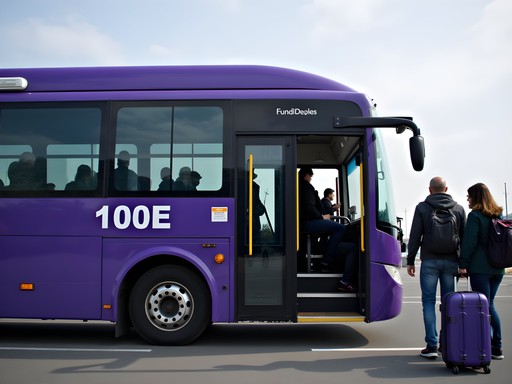
If there's one thing I've learned from my years crisscrossing the Basque Country, it's that the regional bus network deserves far more credit than it typically receives. The PESA and ALSA bus services connecting Bilbao and San Sebastian are nothing short of remarkable for solo travelers watching their euros.
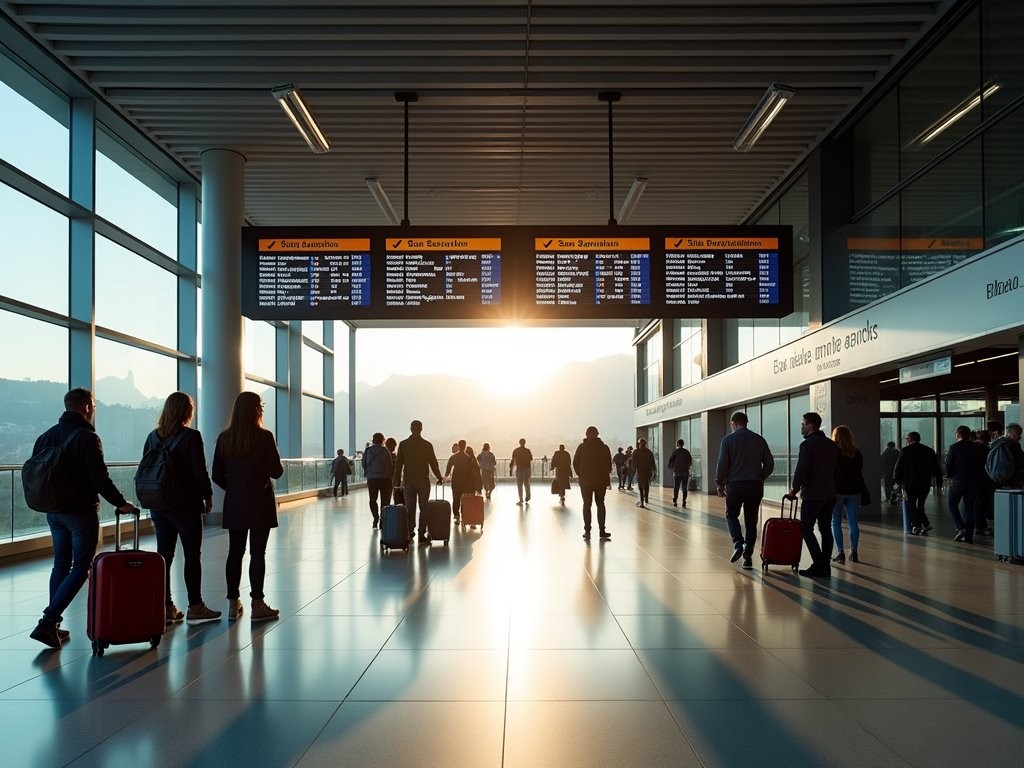
The journey takes approximately 1 hour and 15 minutes on the direct express services, with buses departing hourly from early morning until late evening. What continually impresses me is the punctuality – a refreshing departure from some of Spain's more relaxed transportation timetables. Tickets hover around €7-8 one-way, making this by far the most economical option.
The buses themselves offer surprising comfort. The PESA coaches feature reclining seats, air conditioning that actually works (a blessing during those unexpected Basque heatwaves), and free WiFi that's reliable enough to upload your Guggenheim photos to Instagram. Most buses also offer USB charging ports at each seat – perfect for keeping your portable charger topped up for the next leg of your journey.
I particularly recommend grabbing a seat on the right side when traveling from Bilbao to San Sebastian (or left when going the opposite direction) to catch glimpses of the coastline. While the highway doesn't hug the shore the entire way, there are several stretches where the Cantabrian Sea unfolds dramatically below.
Tickets can be purchased online through the PESA or ALSA websites, but I've never had trouble buying them at the station just before departure except during peak summer weekends or local holidays. Both cities' bus stations are centrally located and well-connected to local transportation networks.
💡 Pro Tips
- Buy bus tickets online during summer high season to guarantee your seat
- Arrive 15 minutes early as boarding closes promptly
- Buses labeled 'Directo' skip small towns, saving 20-30 minutes of travel time
Train Travel: Comfort with a View
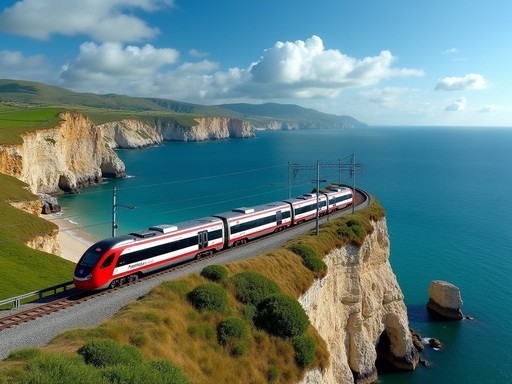
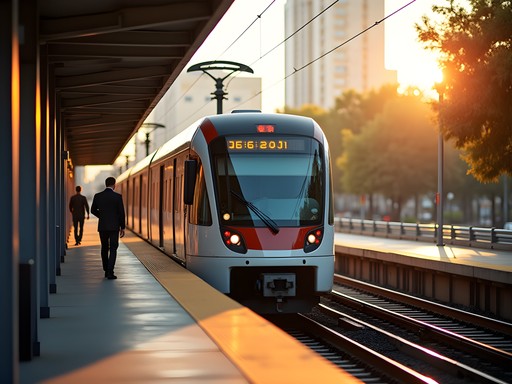
The Euskotren narrow-gauge railway connecting Bilbao and San Sebastian offers what might be the most scenic public transportation option between these cities, albeit with a significant time trade-off. Unlike the direct buses, the train journey takes approximately 2.5-3 hours and requires a transfer in Amara station.
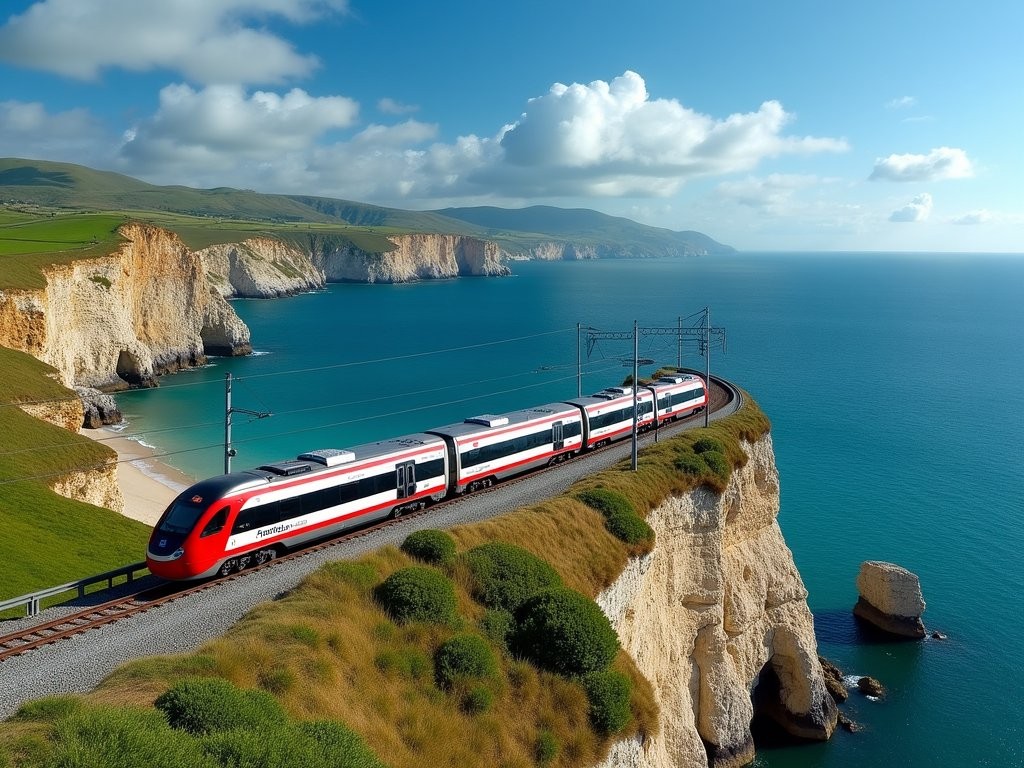
What the train lacks in speed, it more than makes up for in views. The route meanders through the lush Basque countryside, passing through charming fishing villages and offering spectacular glimpses of the rugged coastline that you simply won't see from the highway. The section between Deba and Zumaia in particular has been featured in numerous films and television shows (most notably as Dragonstone in Game of Thrones) for its dramatic flysch formations.
Tickets cost around €7-8 each way – comparable to the bus but with twice the journey time. For photography enthusiasts like myself, this is time well spent. I never board without my camera cleaning kit to ensure my lens is spotless for those fleeting coastal shots through the window.
The trains themselves are modern, clean, and equipped with comfortable seating, though amenities are more basic than on long-distance trains – there's no café car or WiFi. The real luxury here is the panoramic windows and the rhythm of the journey itself.
One particularly appealing aspect of the train option is that both the Bilbao (Atxuri station) and San Sebastian (Amara station) terminals are located closer to the old towns than their respective bus stations. This can save you additional local transportation costs upon arrival.
💡 Pro Tips
- Download the Euskotren app for real-time schedules and platform updates
- Sit on the right side (Bilbao to San Sebastian) for the best coastal views
- Consider breaking your journey in Zumaia to explore the famous flysch formations
Driving the Coastal Route: The Photographer's Dream
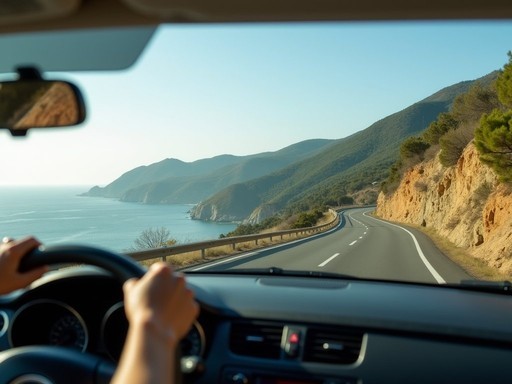
If time flexibility and photographic opportunities rank high on your priority list, renting a car and taking the coastal route between Bilbao and San Sebastian might just be the highlight of your Basque Country adventure. I've driven this route dozens of times, and it never fails to leave me breathless.
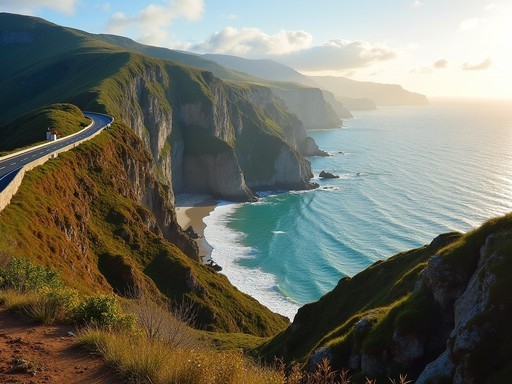
While the direct AP-8 motorway will get you from city to city in just over an hour, I strongly recommend taking the longer BI-631 and N-634 coastal roads, which transform the journey into a day-long expedition through some of Spain's most spectacular landscapes.
The route takes you through the UNESCO Urdaibai Biosphere Reserve, where the Mundaka estuary creates an ever-changing canvas of colors as the tide ebbs and flows. Further along, the fishing village of Lekeitio offers the perfect lunch stop with its picturesque harbor and the walkable island of San Nicolás (accessible only at low tide).
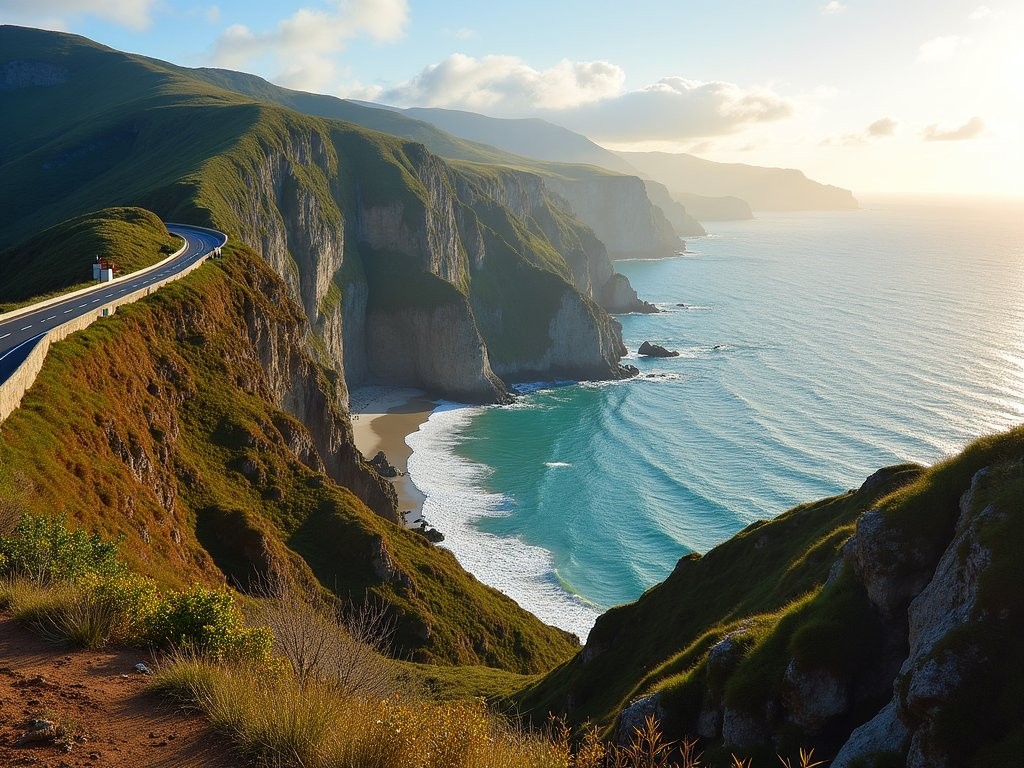
Perhaps the most photogenic stretch comes as you approach Zumaia, where the Flysch Route reveals millions of years of geological history in dramatic cliff formations. I typically pack my travel tripod for these stops – the stability is essential for capturing the intricate details of the layered rock formations, especially in the golden hour light.
Rental cars are readily available at Bilbao Airport or in the city centers of both Bilbao and San Sebastian. Expect to pay around €40-70 per day depending on the season and vehicle type. Parking can be challenging and expensive in both cities (particularly San Sebastian), so I recommend using peripheral parking lots and public transportation once you've reached your destination.
The coastal drive, while only about 100km in total, can easily consume an entire day if you make the most of the stops along the way – and trust me, you'll want to.
💡 Pro Tips
- Fill up on gas before leaving the cities as stations are sparse along the coastal route
- Download offline Google Maps or use a GPS as cell service can be spotty in remote coastal areas
- Visit Getaria for the best grilled fish in the region – the perfect midway lunch stop

BlaBlaCar: The Social Option
For solo travelers seeking both economy and local connection, BlaBlaCar has become my secret weapon for traversing the Basque Country. This ridesharing platform connects drivers who have empty seats with passengers heading in the same direction, creating a win-win of shared costs and cultural exchange.
The Bilbao-San Sebastian route is particularly active on BlaBlaCar, with dozens of rides offered daily at various times. The journey typically costs between €5-10, making it competitive with bus prices but often with the advantage of door-to-door service rather than station-to-station.
Beyond the practical benefits, BlaBlaCar offers something buses and trains simply cannot – authentic local interaction. Some of my most insightful conversations about Basque culture, politics, and hidden local spots have happened during these shared rides. Just last year, a ride with a local chef led me to a tiny, unmarked asador in the hills outside San Sebastian that I never would have discovered otherwise.
The platform's verification system, reviews, and profiles help ensure safety and compatibility. I always look for drivers with numerous positive reviews and complete profiles. As a solo female traveler, I occasionally opt for female drivers when traveling alone, though I've never experienced any safety issues in all my years using the service in Spain.
The one downside is that schedules can be less predictable than commercial transportation, and last-minute cancellations do occur. For this reason, I wouldn't recommend relying on BlaBlaCar if you have a tight schedule or early morning flight to catch.
Before using BlaBlaCar in Spain, download the app and set up your profile completely, including a photo and brief bio. Spanish users typically appreciate knowing a bit about who they'll be sharing their car with. A few basic Spanish phrases go a long way, though many Basque Country residents speak excellent English.

💡 Pro Tips
- Book 1-2 days in advance for the best selection of rides
- Message the driver before booking to confirm exact pickup/dropoff locations
- Check if the driver plans to take the coastal route or highway if scenery is important to you
Cycling for the Adventurous
For those with strong legs and an adventurous spirit, cycling between Bilbao and San Sebastian offers an unforgettable journey through the heart of Basque Country. This isn't a route I'd recommend for casual cyclists – the approximately 100km distance combined with significant elevation changes demands proper preparation and equipment.
The most rewarding route follows the EuroVelo 1 Atlantic Coast Route, which is partially completed through the Basque Country. While not entirely on dedicated cycling paths, it utilizes secondary roads with lighter traffic and offers strategic connections to some of the region's most spectacular coastal sections.
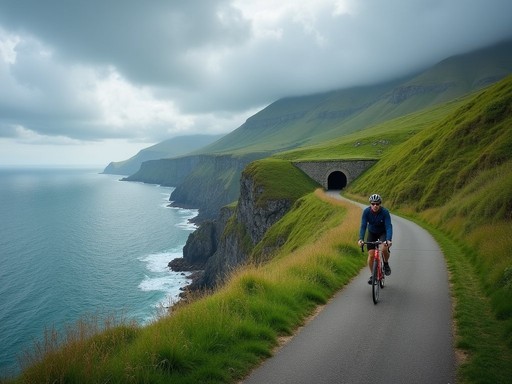
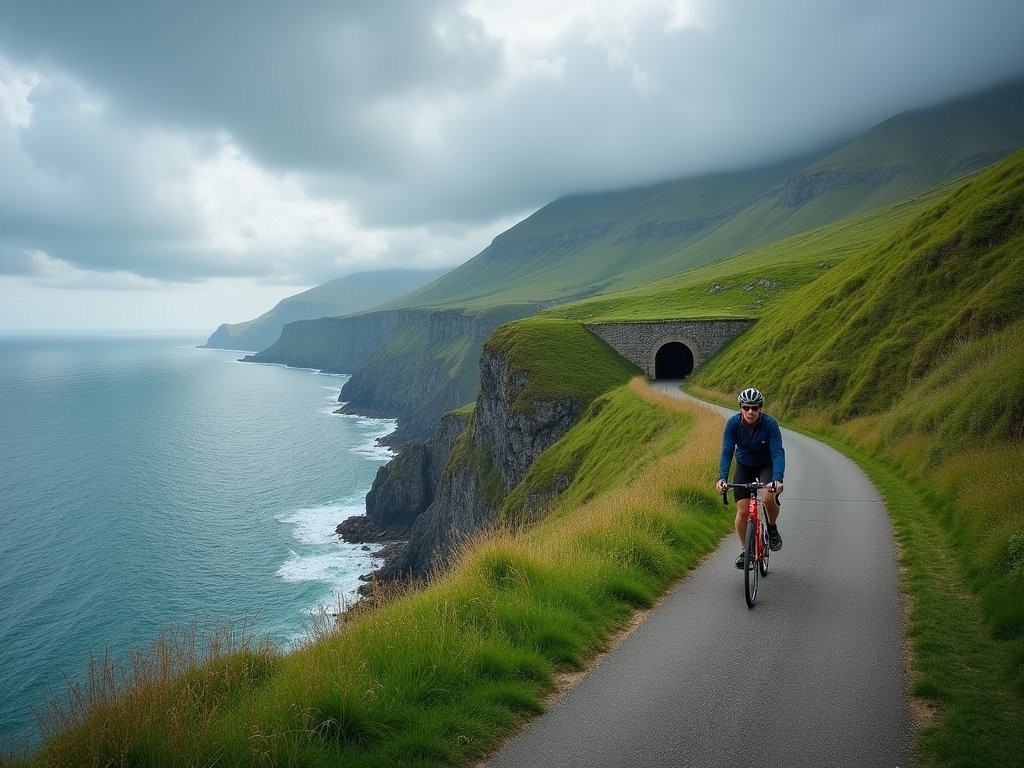
My personal favorite segment runs from Deba to Zumaia along a converted railway line, now a perfectly graded cycling path with tunnels and bridges offering extraordinary coastal perspectives that even car travelers miss. This section forms part of the longer Coastal Route (GR-121), which serious cyclists can follow for much of the journey.
Before undertaking this adventure, I strongly recommend investing in proper gear. My cycling panniers have survived countless Basque Country journeys, remaining waterproof through the region's notoriously unpredictable rain showers. The rugged construction has protected my camera equipment even on the bumpier sections of route.
Both Bilbao and San Sebastian offer excellent bicycle rental options, with many shops providing touring bikes properly equipped for multi-day journeys. Expect to pay around €30-40 per day for quality touring bicycles. Many rental companies also offer one-way options (pickup in Bilbao, dropoff in San Sebastian) for an additional fee, typically around €50.
For those who prefer assistance with the region's challenging hills, e-bike rentals have become increasingly available, though at a premium price (€50-70 daily). The battery range is generally sufficient for the entire journey if managed carefully.
The cycling route can be comfortably completed in one long day (6-8 hours of riding) by experienced cyclists, but I recommend breaking it into two days with an overnight in Lekeitio or Deba to fully appreciate the coastal towns along the way.
💡 Pro Tips
- Check weather forecasts carefully – the Cantabrian coast is notorious for rapid weather changes
- Download the Komoot or Wikiloc app for detailed cycling routes with elevation profiles
- Consider shipping your main luggage ahead to your San Sebastian accommodation to cycle with just essentials
Final Thoughts
The journey between Bilbao and San Sebastian represents everything I love about travel – the opportunity to choose your own adventure, whether that's the efficiency of a direct bus, the panoramic leisure of a coastal train, the freedom of a winding road trip, the cultural connection of a shared ride, or the physical challenge of a coastal cycle. Each transportation mode reveals a different facet of the Basque Country's personality, from its dramatic coastlines to its hidden villages. After twenty years of traversing this route, I'm still discovering new perspectives and untold stories along the way. Whatever method you choose, remember that in the Basque Country, the journey itself is a destination worth savoring. Pack your camera, bring your sense of adventure, and allow yourself the flexibility to be captivated by unexpected discoveries. The road between these two magnificent cities holds as many treasures as the endpoints themselves.
✨ Key Takeaways
- Buses offer the most economical and frequent connections (hourly, €7-8, 75 minutes)
- The Euskotren provides spectacular coastal scenery but takes nearly 3 hours with a transfer
- Driving the coastal route allows for stunning photography stops but requires a full day to appreciate
- BlaBlaCar rideshares combine affordability with authentic local connections
- Cycling the route is challenging but rewards with exclusive perspectives of the coastline
📋 Practical Information
Best Time to Visit
year-round, though May-June and September offer ideal weather with fewer crowds
Budget Estimate
€7-70 depending on transportation method chosen
Recommended Duration
1-2 days (allowing for stops along the coastal route)
Difficulty Level
Easy For Public Transport Options, Moderate For Self-Driving, Challenging For Cycling


Comments
Douglas Bradley
Great comprehensive breakdown here. From a practical standpoint, I'd add that the bus frequency really matters depending on your schedule - PESA runs hourly most of the day, but the train (Euskotren) can have longer gaps, especially on Sundays. I tracked my actual transit times last fall: bus averaged 1h 15min door-to-door from my hotel in Bilbao to Parte Vieja, train was about 2h 30min with the transfer at Ermua. The train's definitely more scenic and comfortable, but if you're on a tight itinerary, the direct bus wins. Also worth noting - if you're doing day trips to both cities from one base, San Sebastian makes more sense as your hub. Better accommodation options and easier access to French Basque Country if you want to explore further.
sunsetclimber
Just came back from Basque Country last month! We took the bus and it was super easy and cheap. The views weren't as dramatic as I expected but honestly we were so tired from exploring Bilbao we just napped most of the way lol. San Sebastian was amazing though - definitely stay a few days if you can!
Amit Sullivan
Wonderful guide, Evelyn! I've made this journey probably a dozen times over the years, and your breakdown really captures the essence of each option. The train journey through the green Basque hills always reminds me why I fell in love with this region. One memory that stands out - I once shared a BlaBlaCar ride with a local chef who gave me recommendations that led to some of the best meals of my life in Donostia. Those spontaneous connections are what travel's all about. For first-timers, I'd say take the bus one way and train back - you get the best of both worlds without breaking the bank.
springninja
That's such a cool idea about doing different transport each way!
cityrider2493
Has anyone done this trip in winter? Planning to visit in January and wondering if the coastal drive is still worth it or if weather makes it less enjoyable?
Riley Griffin
We did it last February! The coastal drive is still stunning - moody skies and dramatic waves. Just be prepared for rain and check road conditions. The plus side is way fewer tourists and you can actually get tables at all the famous pintxos places without waiting!
cityrider2493
That's great to hear! Did you need snow chains or anything for the car?
Riley Griffin
No snow chains needed on the coastal route - it rarely snows there. The mountain passes inland might be different though!
coolclimber8398
Love the photos!
travelseeker
Anyone know if the bus accepts credit cards or is it cash only? Heading there in a few weeks and trying to figure out how much cash to carry.
Amit Sullivan
The PESA buses accept cards at the station, but if you're buying directly from the driver it's hit or miss. I'd recommend booking online beforehand - saves the hassle and you're guaranteed a seat during busy periods.
photomood
Did the coastal drive last summer and Evelyn's right - it's absolutely stunning for photography. We stopped at Getaria for lunch and the views were incredible. One tip: leave early morning to avoid traffic and get better light. The whole drive took us about 3 hours with stops but could easily do it in 90 min straight through. Worth taking your time though!
coolclimber8398
Did you rent a car in Bilbao or San Sebastian?
photomood
Bilbao airport - prices were better and easier to pick up right when we landed
springninja
This is SO helpful!! Going in April and was totally confused about transport options 😊
sunsetclimber
You're gonna love it! The pintxos alone are worth the trip
Hunter Thompson
Tried the BlaBlaCar option mentioned in the article last month and it was brilliant! Met a local Basque guy who gave me the inside scoop on all the best pintxos bars in San Sebastian (Bar Nestor's tortilla is life-changing, trust me). Cost me half what the bus would have and made a friend in the process. For solo backpackers, this is definitely the way to go if you're comfortable with a bit of spontaneity. Just make sure you book a day or two ahead during peak season as the popular routes fill up quickly!
cityguide
Just a heads up for anyone planning this trip - the train scenery is beautiful but the schedule can be limited. Check the RENFE website ahead of time as some days only have 3-4 departures. We almost got stuck in Bilbao because we didn't plan ahead!
roamtime
Good point! The ALSA buses run much more frequently if you need flexibility.
Venture X
Premium card with 2X miles, $300 travel credit, Priority Pass