


Disclosure: This article contains affiliate links. We may earn a commission from purchases at no extra cost to you, which helps our travel content.
The transition from the acacia-dotted savannas of Tanzania to the azure waters of the Philippine archipelago represents more than just a geographic shift—it's a journey through contrasting ecosystems that share surprising ecological parallels. As a marine biologist with a penchant for cultural immersion, my recent month-long expedition across these two remarkably different worlds revealed how climate change creates similar challenges for both terrestrial and marine biodiversity. What began as a research trip evolved into a profound solo adventure that connected scientific inquiry with human stories across hemispheres.

Tanzania: Where Conservation Meets Culture
My Tanzanian journey began in Arusha, where I spent two nights acclimating while preparing my field equipment. The city pulses with a vibrant energy—markets overflow with colorful kitenge fabrics and the aroma of kahawa (coffee) wafts from small cafés. As someone who appreciates a proper brew, I was delighted to discover Tanzania's rich coffee heritage rivals that of my previous research sites in Colombia.
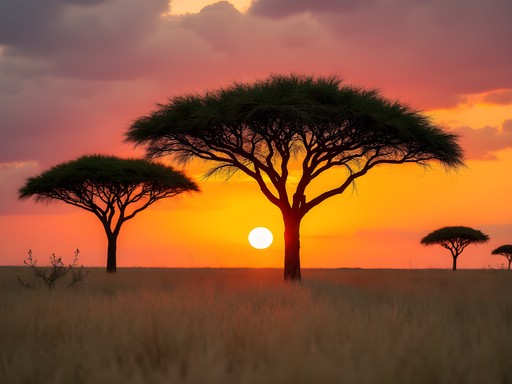
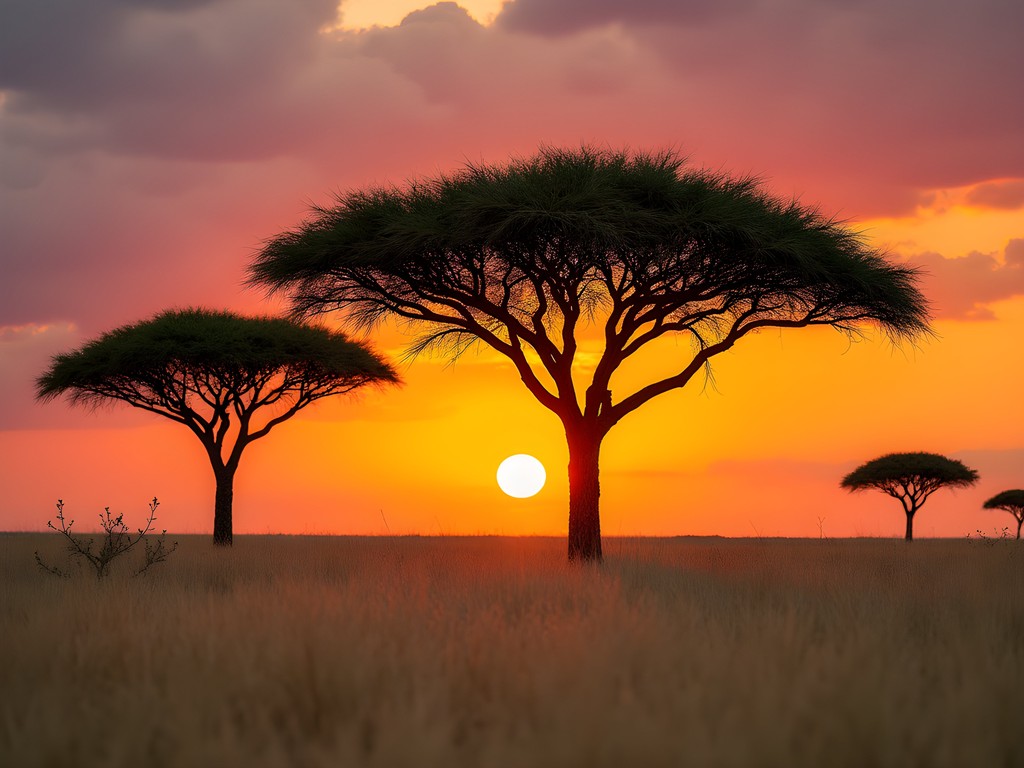
The transition to Serengeti National Park was jarring yet magnificent. My first game drive revealed an ecosystem far more complex than textbooks suggest—the intricate dance between predator and prey playing out across landscapes that shift from dusty plains to acacia woodlands. I stayed at a mid-range tented camp where canvas walls allowed the sounds of the wilderness to become my nightly soundtrack. The staff, primarily from local Maasai communities, shared traditional ecological knowledge that often paralleled scientific understanding but with generations of observational data I couldn't access in academic journals.
In Ngorongoro Conservation Area, I witnessed a remarkable integrated conservation model where Maasai communities continue traditional pastoralist practices alongside wildlife protection efforts. This coexistence—though not without tensions—offered valuable lessons in sustainable ecosystem management that I've rarely encountered elsewhere. Each evening, I documented observations using my waterproof field notebook, which proved invaluable during unexpected downpours.
💡 Pro Tips
- Learn basic Swahili phrases—locals genuinely appreciate the effort and it opens doors to deeper cultural exchanges
- Book accommodations with community ties for authentic experiences and to ensure tourism benefits local populations
- Rise early for game drives—wildlife is most active at dawn, and the golden light creates stunning photography conditions
Bridging Continents: The Conservation Connection
The 24-hour journey from Dar es Salaam to Manila offered crucial reflection time on the ecological parallels between these seemingly disparate regions. Both face significant climate change impacts—drought cycles intensifying in Tanzania's savannas mirror the increasing storm severity threatening Philippine coral systems. My layover in Doha allowed me to transfer data from my portable hard drive to cloud storage, ensuring my research observations remained secure.
I've found that extended solo travel demands mental preparation as much as logistical planning. During long transit periods, I rely on my noise-canceling headphones to create a bubble of calm where I can process experiences and prepare mentally for the next destination. The ability to block external stimuli while listening to recorded interviews with Tanzanian conservation officers helped me synthesize observations before diving into a completely new cultural context.
My research focuses on how traditional ecological knowledge complements scientific approaches to conservation challenges. The transition between these countries highlighted how indigenous communities in both regions have developed adaptive strategies responding to environmental changes—strategies that modern conservation efforts increasingly recognize as valuable. This bridge between formal science and generational knowledge remains underexplored territory that my work attempts to document before it disappears.

💡 Pro Tips
- Schedule buffer days between major destination changes to process experiences and avoid travel burnout
- Use transit time productively by organizing research notes and photo documentation
- Create digital backups of important documents and research before changing countries
Philippines: Diving into Marine Conservation
Landing in Manila felt like entering another dimension after Tanzania's expansive horizons. The urban density initially overwhelmed my senses, but I quickly transitioned to Cebu and then Malapascua Island, where my marine research would begin. This tiny island—barely two kilometers long—has become a global hotspot for marine conservation due to its resident thresher shark population.
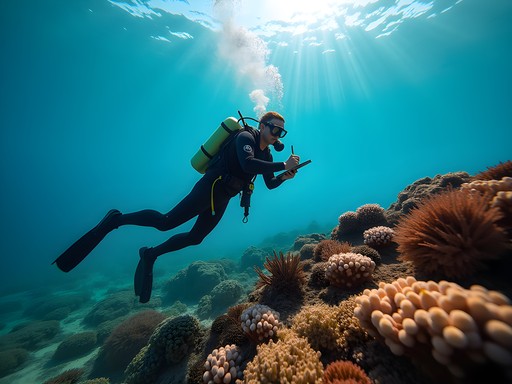
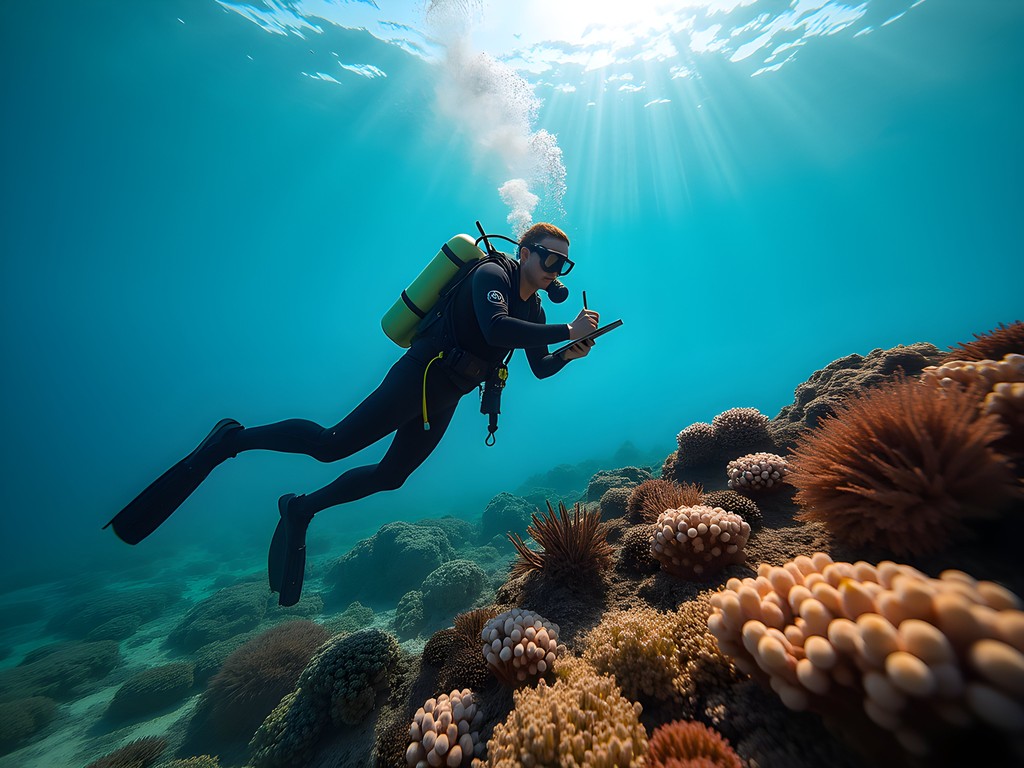
My accommodations at a locally-owned dive resort struck the perfect balance between comfort and authenticity. For ₱2,500 per night (~$45 USD), I secured a basic but clean bungalow steps from the beach. The real investment went toward diving—I conducted daily underwater surveys of coral health using my underwater dive slate to document observations. Malapascua's dive community exemplifies collaborative conservation—local fishermen-turned-divemasters work alongside marine biologists, combining traditional knowledge with scientific monitoring.
The contrast between terrestrial and marine research methodologies became immediately apparent. While my Tanzania work involved vast distances and sporadic wildlife encounters, Philippine marine research meant intimate, prolonged observation in confined underwater spaces. I spent hours documenting coral bleaching patterns and fish population dynamics around Gato Island, a marine sanctuary where fishing has been prohibited through community-led initiatives.
For specialized underwater work, my dive computer proved essential for tracking depth profiles while monitoring reef health across varying conditions. The ability to download this data later helped correlate environmental factors with observed ecosystem changes.
💡 Pro Tips
- Support community-based marine protected areas by hiring local guides who understand the ecosystem intimately
- Learn basic Tagalog or Cebuano phrases—underwater communication is limited, so building rapport before dives is crucial
- Pack reef-safe sunscreen as conventional formulations damage coral—I recommend mineral-based options with non-nano zinc oxide

Sustainable Solo Travel Across Hemispheres
Navigating these contrasting destinations as a solo female researcher presented unique challenges and unexpected rewards. In Tanzania, I initially worried about safety during solo game drives, but found that hiring knowledgeable local guides not only enhanced security but provided invaluable contextual understanding. Similarly, in the Philippines, connecting with women-led diving collectives created both safety networks and research partnerships.
Sustainable travel practices became non-negotiable across both destinations. My collapsible water bottle eliminated hundreds of potential plastic bottles throughout the journey. I've found that visible sustainability practices often spark meaningful conversations with locals facing environmental challenges firsthand.
Language learning remains central to my travel philosophy. While English is widely spoken in both countries, investing time in basic Swahili and Tagalog vocabulary facilitated connections impossible otherwise. My pocket translator device helped navigate complex conservation terminology when my vocabulary reached its limits. This technological assistance, combined with genuine effort to learn phrases, consistently opened doors to community knowledge.
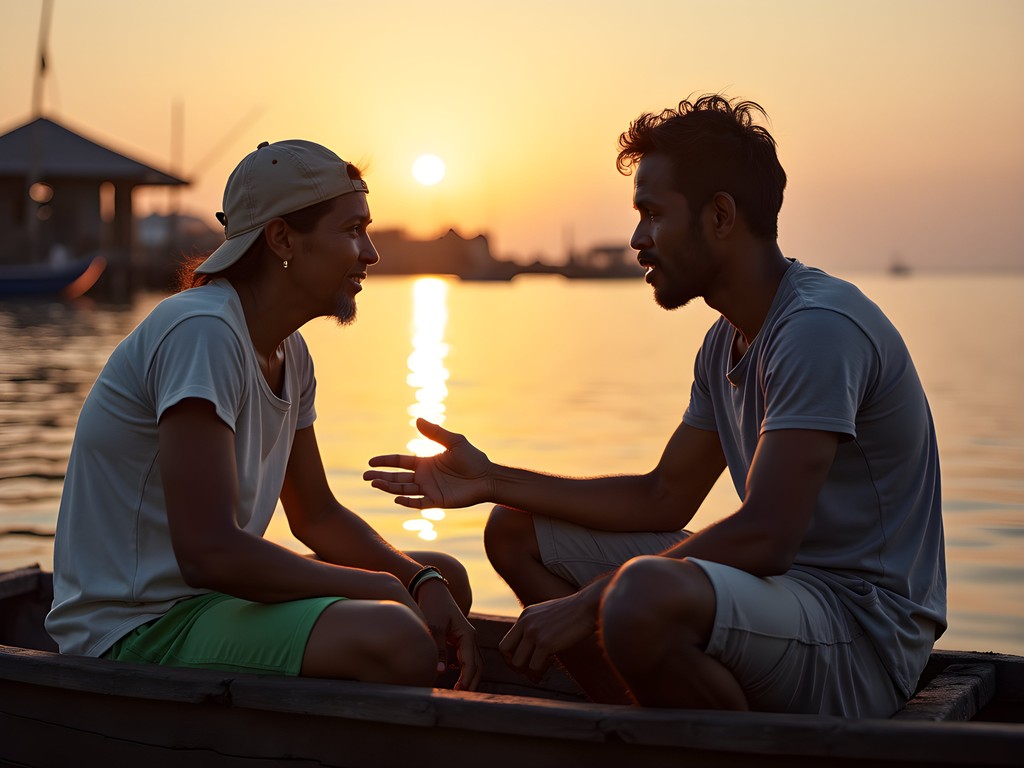
The most profound aspect of bridging these destinations was recognizing how climate vulnerability creates shared experiences across vastly different ecosystems. A Maasai elder describing changing rainfall patterns used remarkably similar language to a Filipino fisherman explaining shifting fish migration—both communities adapting to changes they didn't cause but must navigate daily.
💡 Pro Tips
- Connect with local conservation organizations for volunteer opportunities that provide deeper understanding of environmental challenges
- Travel with minimal plastic by bringing reusable items—small efforts multiply when practiced consistently
- Document local adaptation strategies to climate change—these stories deserve amplification
Final Thoughts
This month-long journey between Tanzania and the Philippines reinforced my conviction that effective conservation requires bridging scientific methodology with traditional ecological knowledge. The savanna and the reef—ecosystems separated by thousands of miles—face parallel challenges that demand collaborative solutions. As solo travelers, we have unique opportunities to connect these disparate worlds through thoughtful engagement and documentation.
For those considering similar cross-ecosystem journeys, I encourage embracing the discomfort of transition. The cognitive dissonance of moving between dramatically different environments forces perspective shifts that reveal unexpected connections. My research continues to explore these parallels, particularly how indigenous communities develop climate adaptation strategies that modern science is only beginning to understand.
Whether you're drawn to terrestrial wildlife or marine ecosystems, the most valuable insights often emerge at the intersection of scientific inquiry and cultural immersion. Pack your curiosity alongside your equipment, and remember that the most meaningful data often comes from conversations rather than instruments.
✨ Key Takeaways
- Conservation challenges transcend ecosystems—similar climate impacts affect both savanna and reef environments
- Traditional ecological knowledge complements scientific research in both Tanzania and the Philippines
- Solo travel between contrasting destinations creates unique opportunities for comparative insights
- Community-based conservation initiatives show the most promise in both regions
📋 Practical Information
Best Time to Visit
Tanzania: June-October (dry season); Philippines: November-May (dry season)
Budget Estimate
$3,000-5,000 for one month including flights, accommodations, and research activities
Recommended Duration
Minimum 3-4 weeks to meaningfully experience both countries
Difficulty Level
Advanced







Comments
cityblogger
Going to Tanzania next month! So excited now
skymaster
This is inspiring! I've never done anything like this before. What was your total budget roughly? And did you book everything in advance or just wing it?
Avery Andrews
Tanzania is pricier due to safari costs—budget around $150-200/day including park fees. Philippines is much cheaper, maybe $50-70/day. I booked safaris and first few nights in advance, rest was flexible!
Taylor Moreau
Excellent piece, Avery. I've been fortunate to visit both destinations multiple times for conservation conferences, and your observation about the parallels in community-based conservation models is astute. The Philippines' marine protected area networks have become case studies in effective management. One practical note for readers: if you're serious about the conservation angle, consider timing your Tanzania visit during the dry season (June-October) when wildlife viewing is optimal, while Philippines diving is fantastic year-round, though November-May offers the best conditions. The logistics of combining these destinations are actually quite manageable with proper planning.
dreamwalker2905
Was Tanzania safe for solo female travel? This would be my first big solo trip and kinda nervous
Avery Andrews
Absolutely! I felt very safe. Stick to established tourist areas, use registered safari companies, and trust your instincts. The people are incredibly welcoming.
beachbackpacker
Did it solo too, you'll be fine! Just book accommodation in advance and don't wander around at night in cities
journeybackpacker
Love the photos!
Hunter Thompson
Brilliant post, Avery! I absolutely loved the connection you drew between terrestrial and marine conservation. Did the Serengeti last year and the guide work happening there is genuinely world-class. The community involvement aspect you mentioned is spot on—it's not just about protecting wildlife, it's about creating sustainable livelihoods. Haven't made it to Philippines yet but after reading this, Palawan is definitely moving up my list! How was the diving compared to East African coast?
Avery Andrews
Thanks Hunter! Philippines diving is on another level honestly—the biodiversity is insane. Zanzibar has great diving too but Philippines has more variety. You'll love Palawan!
skyking
How long did you spend in each country? Trying to figure out if I can do both in 3 weeks total?
Avery Andrews
I did 2 weeks in each! 3 weeks is tight but doable if you pick 2-3 key spots per country. Skip the long overlands and fly between main destinations.
skyking
Thanks! That helps a lot
beachbackpacker
This is amazing! Did both these destinations last year and totally get what you mean about the contrast.
sunsetclimber
Love the photos!
Megan Martin
Avery, I really appreciate how you've framed this journey through the conservation lens rather than just another destination checklist. I did a similar Tanzania trip last year focusing on community-based tourism around Arusha, and the parallels you've drawn with marine conservation in the Philippines are fascinating. How did you find the logistics of solo travel in both countries? I found Tanzania surprisingly easy to navigate independently, but I'm curious about your Philippines experience, especially getting between islands.
Avery Andrews
Thanks Megan! Philippines inter-island travel can be tricky - I relied heavily on local ferries and the occasional flight. Cebu Pacific had good deals. Tanzania was definitely more straightforward with the safari circuit.
Venture X
Premium card with 2X miles, $300 travel credit, Priority Pass