
Disclosure: This article contains affiliate links. We may earn a commission from purchases at no extra cost to you, which helps our travel content.
There comes a time in every designer's life when we need to disconnect from the carefully curated spaces we create and immerse ourselves in the ultimate designer—nature herself. After years of planning family-friendly itineraries and balancing everyone else's needs, I decided it was time for me. A full month, solo, spanning the sleek modernity of Seoul—my birthplace country's vibrant capital—to the primordial wilderness of Kakadu National Park in Australia's Northern Territory. Eoneusae (finally), at 48, I embarked on this journey of contrasts: from meticulously designed urban landscapes to untamed natural splendor. This adventure wasn't just about seeing new places; it was about rediscovering the design inspiration that first captivated me as a young girl in Busan and has fueled my interior design practice in St. Louis for decades. Join me as I share how this solo expedition across hemispheres reconnected me with both my Korean heritage and the timeless aesthetics of one of Earth's oldest landscapes.

Seoul: Rediscovering My Roots Through Modern Design
Landing in Seoul felt both foreign and familiar—the city of my heritage, yet one I've only visited sporadically since establishing my life in America. I chose to begin my journey here deliberately, to ground myself in the aesthetic influences that unconsciously shape my design work before venturing into Kakadu's primeval landscapes.
I booked a sleek apartment in Gangnam through Airbnb Plus, selecting a space that beautifully blended traditional Korean elements with contemporary minimalism—sliding paper doors alongside smart home technology, and a small courtyard with carefully arranged stones reminiscent of traditional gardens.
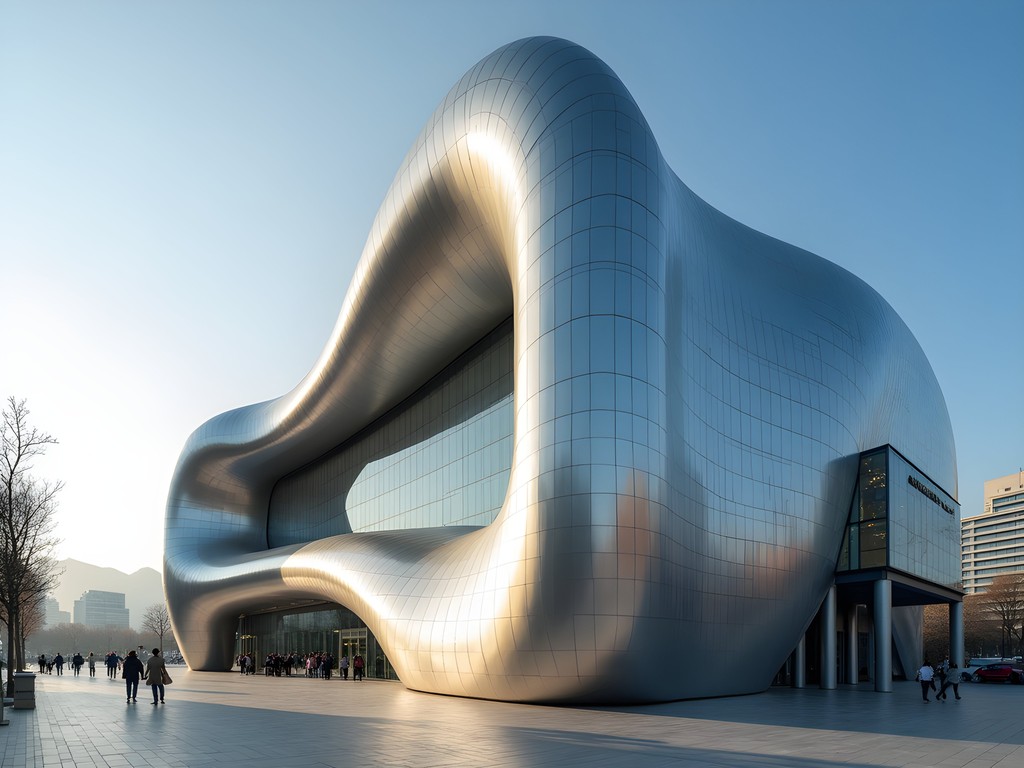
My first week was devoted to Seoul's design districts. Dongdaemun Design Plaza, with its fluid Zaha Hadid architecture, offered endless inspiration in its curved spaces and innovative exhibitions. The juxtaposition of ultra-modern design against Seoul's ancient palaces created a visual dialogue that I found myself photographing obsessively for future client presentations.
For solo travelers seeking authentic design experiences, I recommend venturing beyond the typical tourist path to Seongsu-dong, Seoul's answer to Brooklyn. This former industrial area has transformed into a haven for independent designers and artisanal workshops. I spent hours in converted factories housing everything from handcrafted ceramics to experimental furniture designers pushing the boundaries of form and function.
Perhaps most meaningful was my visit to Bukchon Hanok Village, where I arranged a private workshop on traditional hanji paper-making. The tactile experience of creating something with techniques passed down through generations connected me to my Korean ancestry in ways that simply observing never could.
💡 Pro Tips
- Book accommodations in different Seoul neighborhoods to experience the city's diverse design aesthetics
- Visit Dongdaemun Design Plaza early on weekday mornings to avoid crowds and truly appreciate the architecture
- Arrange private workshops in traditional crafts for deeper cultural immersion than standard tours offer
Cultural Immersion: Beyond Seoul's Glossy Surface
While Seoul's contemporary design scene captivated me professionally, I was determined to experience the cultural depth that informs Korean aesthetics. I arranged a five-day detour from the capital to stay at a traditional Buddhist temple in the mountains through the Templestay program.
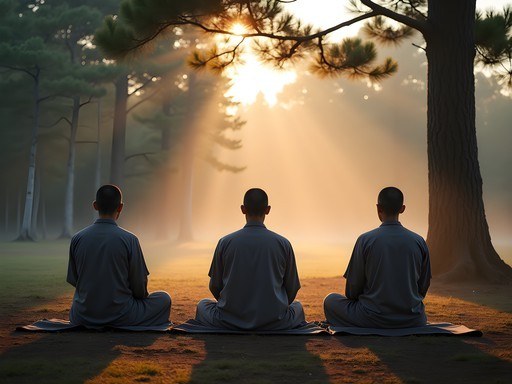
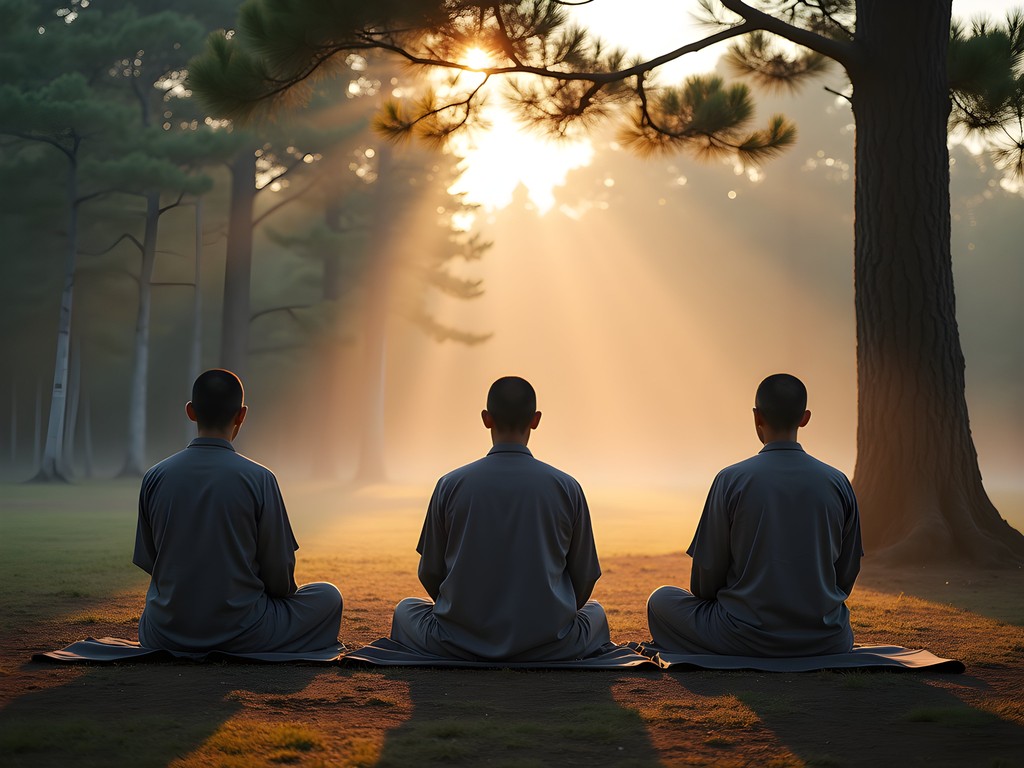
At Woljeongsa Temple, nestled among ancient pine forests, I traded my designer wardrobe for simple cotton robes and embraced the monastic schedule—waking before dawn for meditation, participating in ceremonial meals, and learning the philosophical principles that underpin Korean spatial concepts like madang (courtyard) and kan (the space between things).
The minimalism practiced here wasn't the trendy, curated sparseness of design magazines but a deeply intentional emptiness that creates space for contemplation. As an interior designer constantly filling spaces, this experience of intentional emptiness was profoundly reorienting.
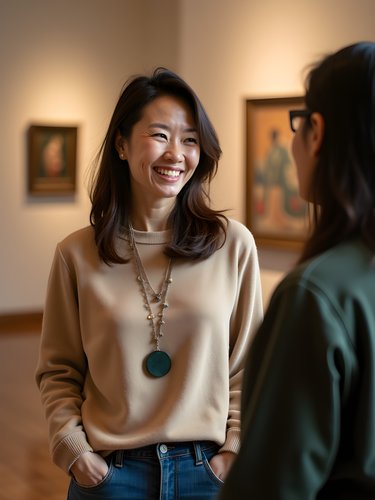
Returning to Seoul, I viewed the city through transformed eyes. I sought out spaces of contrast—places where tradition and innovation conversed rather than competed. The National Museum of Modern and Contemporary Art became my sanctuary, particularly its installations examining Korean identity in a globalized world.
For solo female travelers in Korea, I found an unexpected resource in pocket wifi, which proved essential not just for navigation but for translating signs and menus in real-time through my phone camera. This technological bridge allowed me to venture confidently into non-tourist neighborhoods where English is limited but cultural experiences are rich.
My most treasured Seoul memory came from an impromptu invitation to join a family's Chuseok preparations after I admired their traditional hanbok clothing in a market. This glimpse into authentic Korean home life—the careful arrangement of ritual objects, the generational knowledge passed through food preparation—reminded me why I became a designer: to create spaces where human connection flourishes.
💡 Pro Tips
- Reserve temple stays at least one month in advance as the most authentic locations have limited spaces
- Learn basic Korean phrases related to design and aesthetics to engage more deeply with local artisans
- Visit neighborhoods during local festivals for spontaneous cultural exchanges rarely found in guidebooks
Transitioning Worlds: From Urban Korea to Australia's Outback
The contrast couldn't have been more dramatic—from Seoul's precision-engineered skyline to Darwin's laid-back frontier atmosphere. I deliberately scheduled two transition days in Darwin to decompress and adjust to Australia's rhythm before venturing into Kakadu.
Darwin surprised me with its multicultural character and tropical sensibility. At the Museum and Art Gallery of the Northern Territory, I discovered Indigenous Australian art that resonated deeply with my designer's eye—the sophisticated use of negative space, the storytelling embedded in visual patterns, and color palettes drawn directly from the land.
I stayed at a boutique hotel overlooking the Arafura Sea, where the design thoughtfully incorporated indigenous influences without appropriation—something I've strived for in my own practice when drawing inspiration from Korean traditions.
Preparation for Kakadu required a complete mindset shift. Seoul demanded stylish functionality; Kakadu required practical durability. I invested in a quick-dry travel outfit that balanced protection with breathability for the tropical climate. My interior designer's obsession with organization served me well as I packed my waterproof daypack with essentials for wilderness exploration.
The night before departing for Kakadu, I joined a sunset harbor cruise where I met Indigenous guides who shared stories of the region's creation. They spoke of Kakadu not as wilderness to be conquered but as a living cultural landscape—a perspective that would fundamentally reshape my experience in the national park.
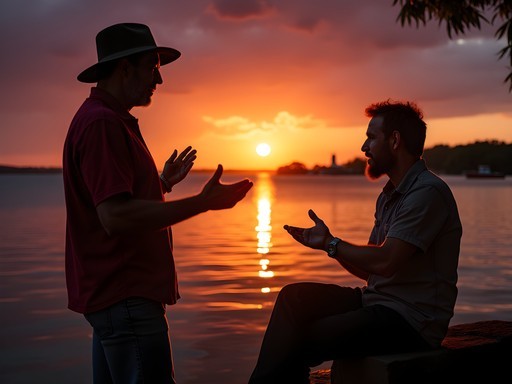
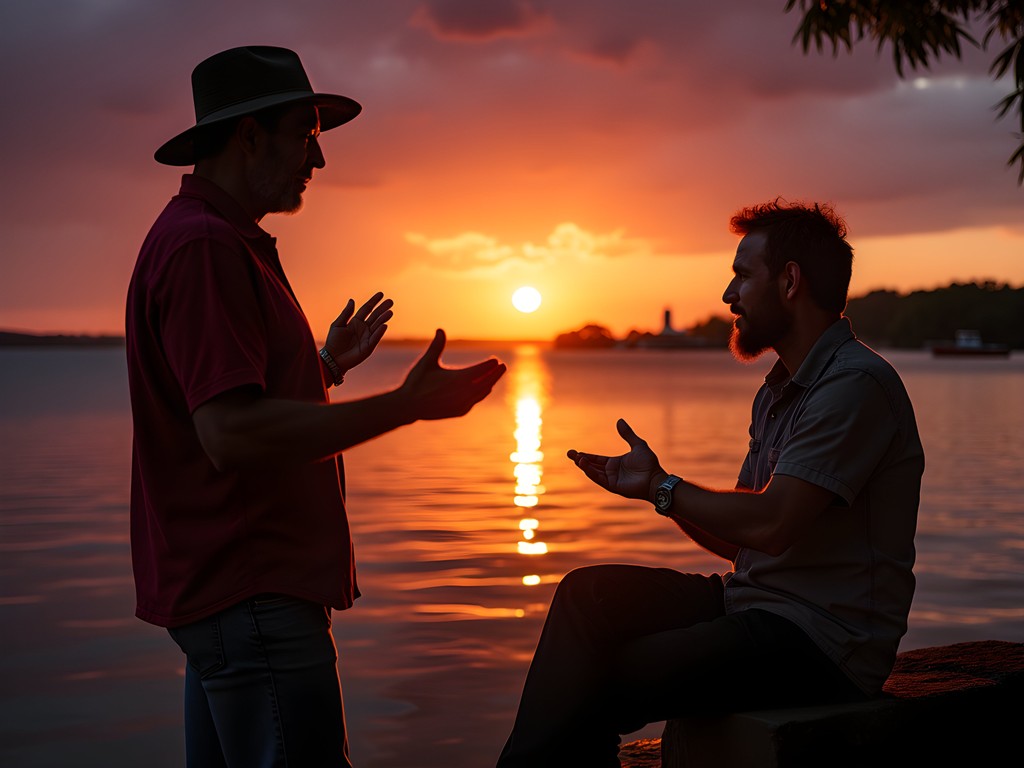
"You must watch and listen first," advised my guide Emma, a Bininj woman whose family had lived in the region for countless generations. "The land will speak to you, but only if you're patient enough to hear it." As someone who makes her living articulating design visions to clients, the prospect of silencing my analytical mind to simply receive the landscape felt both challenging and necessary.
💡 Pro Tips
- Schedule buffer days when transitioning between dramatically different destinations to adjust your mindset and expectations
- Visit local museums before wilderness adventures to understand the cultural context of the landscapes you'll explore
- Connect with indigenous guides in Darwin who can provide cultural context before visiting Kakadu

Kakadu: Finding Design Inspiration in Ancient Landscapes
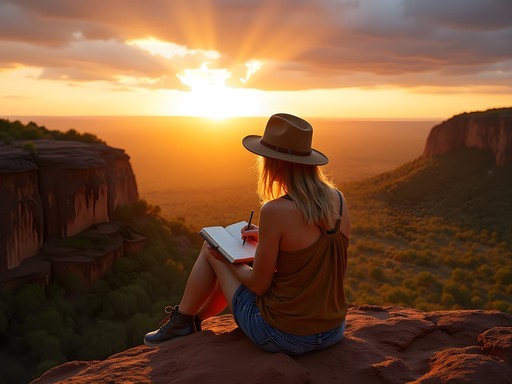
Entering Kakadu National Park felt like stepping back in time—not by centuries, but by millennia. As a designer accustomed to working with precise measurements and controlled environments, the sheer scale and wildness initially overwhelmed me. This was a landscape that defied human attempts at organization, yet revealed its own profound order the longer I observed.
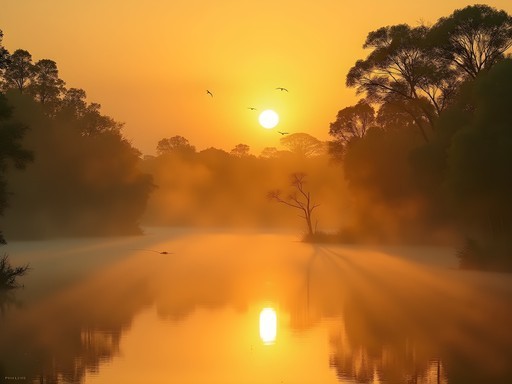
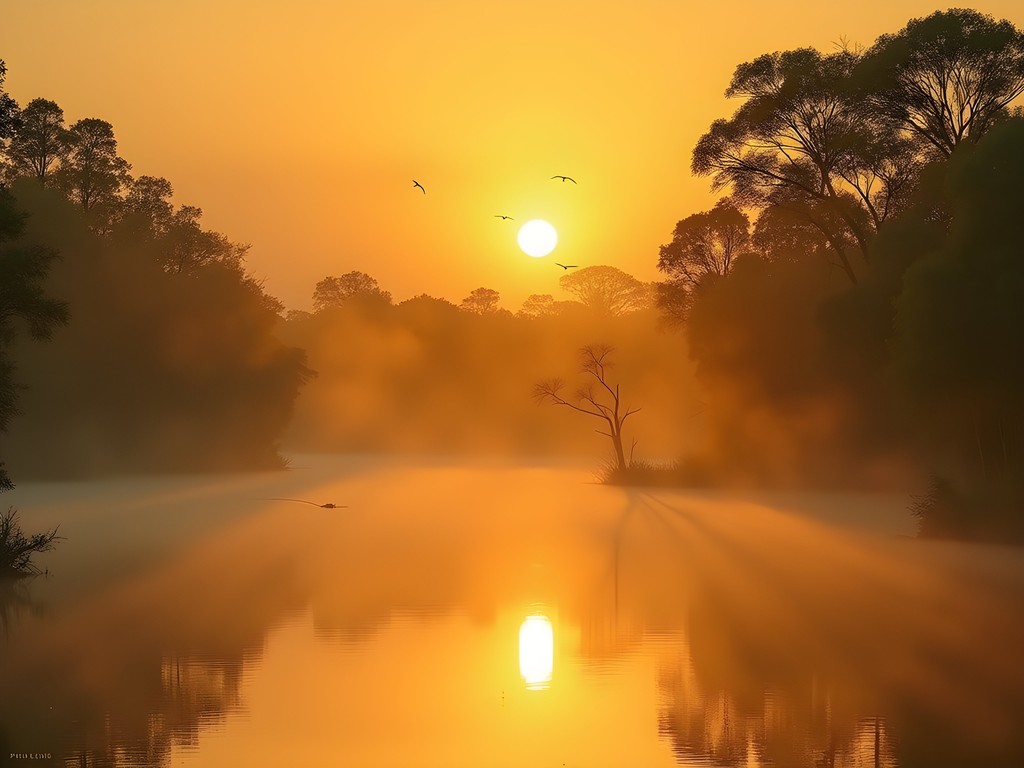
I based myself at Cooinda Lodge for the first week, taking guided tours before gradually venturing into more remote areas. The Yellow Water Billabong cruise at dawn became my daily ritual—watching mist rise from ancient waters while crocodiles glided silently beneath our boat and jabirus stalked the shallows with prehistoric elegance.
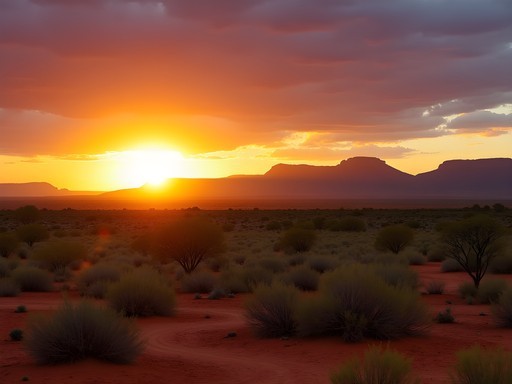
What struck me most was Kakadu's natural color palette—ochres, umbers, and siennas that shifted with changing light. These weren't the trendy colors of seasonal design catalogs but enduring hues that have defined this landscape for thousands of years. I found myself collecting small samples of earth (where permitted) and documenting color combinations that would later influence my design projects back in St. Louis.
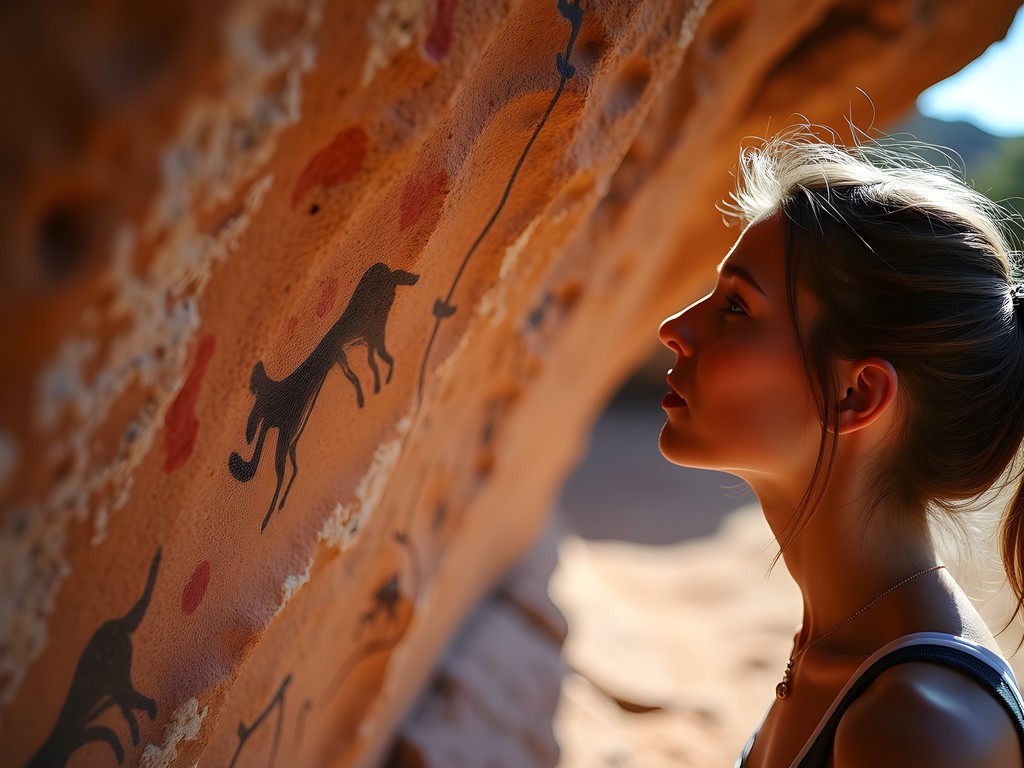
The highlight of my Kakadu experience was a specialized cultural tour to view ancient rock art at Ubirr and Nourlangie. As my Aboriginal guide interpreted the layered paintings—some dating back 20,000 years—I recognized sophisticated visual storytelling techniques that contemporary designers still employ. The X-ray style depictions of animals revealed an understanding of form and function that transcended mere decoration.
"These aren't just pretty pictures," my guide explained. "Each image carries knowledge—about seasons, animal behavior, human responsibilities to country." As a designer who strives to create spaces that support human flourishing, this integration of beauty and practical wisdom resonated deeply.
For solo travelers in Kakadu, safety becomes a primary consideration. I invested in a satellite communicator, the emergency beacon, which provided peace of mind during remote hikes while allowing me to share my journey with friends back home. The device proved invaluable when unexpected storms altered my plans during a three-day guided walk through Kakadu's stone country.
💡 Pro Tips
- Book accommodations within the park to experience dawn and dusk when wildlife is most active and light is most dramatic
- Take specialized art tours with Aboriginal guides rather than general tours to understand the cultural significance of the landscapes
- Carry a physical color reference chart to accurately document natural color combinations for future inspiration
Solo Female Travel: Navigating Cultural and Natural Extremes
Traveling solo as a mid-life woman between such contrasting destinations presented unique challenges and unexpected advantages. In Seoul, my Korean heritage gave me a cultural foundation, but my American mannerisms sometimes created confusion. I learned to navigate this in-between space, using it as an opportunity to connect with locals curious about my story.
Korean society's emphasis on family and group activities initially made solo dining uncomfortable—until I discovered the pojangmacha (street food tents) where solo diners are common and conversation flows easily between strangers sharing tables. These became my evening ritual, places where I could process each day's inspirations while enjoying authentic tteokbokki and listening to locals' stories.
In Kakadu, being a solo female traveler actually opened doors. Rangers and guides took special interest in ensuring I experienced the park deeply, often sharing insights they might not volunteer to larger groups. My professional background in design led to fascinating conversations with Aboriginal artists about the relationship between natural environments and human creativity.
Safety concerns required different approaches in each location. In Seoul, I relied on the city's excellent public transportation and pedestrian infrastructure, often exploring late into the evening in well-lit districts. For Kakadu, I joined guided small-group excursions for more remote areas while exploring accessible sites independently during peak hours.
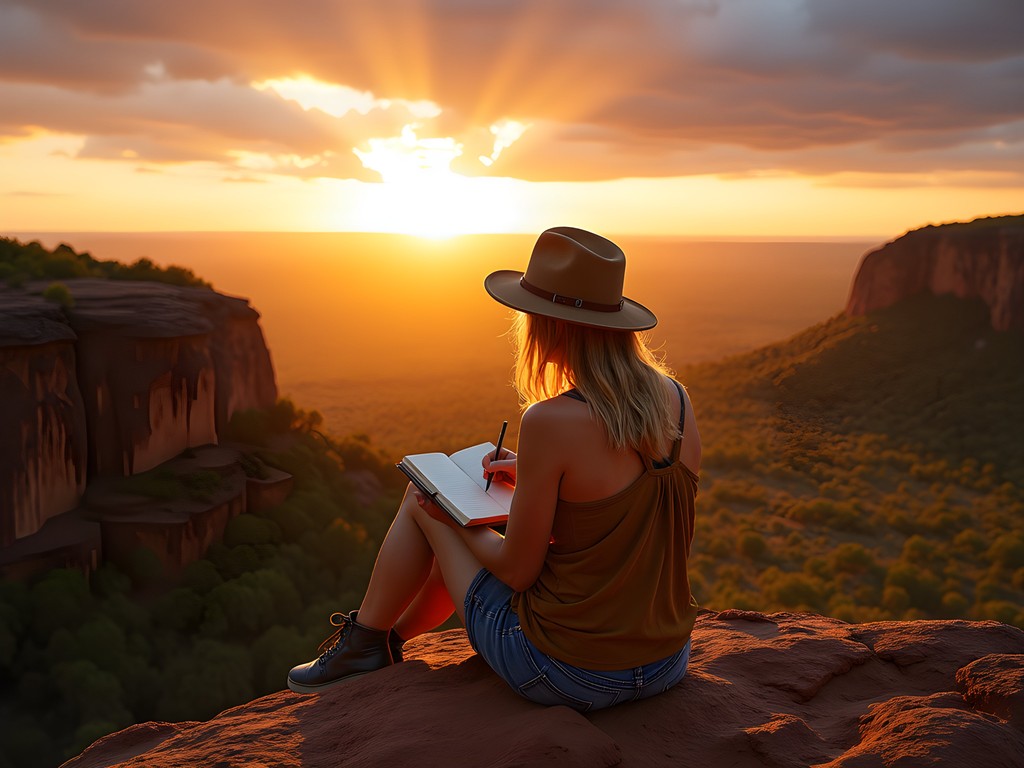
The most valuable travel tool across both destinations was my travel journal, where I not only documented experiences but sketched design elements and color combinations that caught my eye. This analog practice of recording observations by hand connected me more deeply to each place than digital photography alone could achieve.
The greatest gift of solo travel at this stage of life was the freedom to follow my curiosity without compromise. When I discovered a ceramics exhibition in Seoul that resonated with my design sensibilities, I could spend an entire day there. When a particular billabong in Kakadu captivated me with its changing light, I could return at different times to observe how the landscape transformed.
💡 Pro Tips
- As a solo female traveler, schedule video calls with family during transitions between major destinations for both safety and sharing your journey
- In Seoul, look for restaurants with counter seating where solo dining is normalized rather than awkward table service
- For Kakadu, connect with other solo travelers at lodge communal spaces to potentially share guided tour costs
Final Thoughts
This month-long journey from Seoul's meticulous urban design to Kakadu's ancient wilderness has profoundly transformed both my design practice and personal perspective. The contrasts between these destinations—one shaped by centuries of human refinement, the other by millennia of natural processes—offered complementary lessons in balance, purpose, and authenticity. I returned to St. Louis with earth pigments from Kakadu and textile patterns from Seoul that have already influenced my latest design projects, but more importantly, with a renewed appreciation for spaces that tell authentic stories. Solo travel at this stage of life isn't merely about seeing new places; it's about rediscovering yourself through fresh contexts. Whether you're contemplating your first solo adventure or seeking new inspiration for creative work, I encourage you to embrace destinations that challenge your established patterns. As we say in Korean, yeohaeng-eun gileul yeoleojubnida—travel opens the path. Where will your path lead?
✨ Key Takeaways
- Contrasting urban and wilderness destinations provides richer design inspiration than similar environments
- Cultural immersion experiences like temple stays offer deeper understanding than conventional tourism
- Solo travel allows for professional development opportunities that group travel often can't accommodate
📋 Practical Information
Best Time to Visit
April-May for both destinations (spring in Seoul, early dry season in Kakadu)
Budget Estimate
$6,000-8,000 USD for one month including flights, accommodations, and guided experiences
Recommended Duration
Minimum 3 weeks (10 days Seoul, 10 days Kakadu, plus transition time)
Difficulty Level
Moderate To Challenging (Urban Navigation In Seoul, Remote Wilderness In Kakadu)
Comments
journeylegend
Did you find the culture shock intense going from Seoul to outback Australia? Planning something similar
Priya Lewis
Honestly yes! But that was part of what made it so powerful. I'd recommend giving yourself at least a day or two in Darwin to decompress before heading into Kakadu. The pace shift is wild but amazing.
journeylegend
good tip, thanks!
Hunter Thompson
Absolutely brilliant post, Priya! I've done Seoul a few times but never thought about pairing it with Kakadu - what a genius combination. The design angle is fascinating too. I'm curious about the logistics though - did you fly Seoul to Darwin direct or route through Sydney/Melbourne? And how long did you spend in Kakadu itself? I've been wanting to get up to the Top End for ages but always wondered if it's doable as a solo traveler without your own vehicle. The wet season timing must have been spectacular for the waterfalls!
Priya Lewis
Thanks Hunter! I routed through Sydney with a couple days stopover. Spent 5 days in Kakadu and joined a small group tour for some of it - totally doable solo! The waterfalls were absolutely worth the wet season humidity.
Hunter Thompson
Perfect, cheers for that! Definitely adding this to my 2027 plans 🙌
greenlegend
wow this sounds incredible! love the contrast
Priya Lewis
Thank you! The contrast was exactly what I needed creatively 😊
explorerider
Your journey from hyper-urban to ancient wilderness is exactly why I travel. Nothing resets perspective better!
Nicole Russell
Priya, this post really resonated with me! I've been to Seoul twice but never made it to Australia. The way you describe finding design inspiration in Kakadu's ancient rock art is beautiful. Did you do the Kakadu portion on a tour or completely solo? I'm planning my own Australia trip and trying to figure out the logistics for the Northern Territory - it seems pretty remote for solo travel!
Priya Lewis
Nicole! I did it solo but rented a 4WD in Darwin. Some of the Aboriginal cultural tours are amazing - I'd recommend booking those in advance. Happy to share more details if you DM me!
Nicole Russell
That would be amazing, thank you! Sending you a message now.
Bella Johansson
What a beautiful contrast in your journey, Priya! It reminds me of when I was in my 40s and took a similar disconnection trip from Hong Kong to Tasmania. There's something about that urban-wilderness transition that recalibrates your soul. For anyone inspired by this post - don't overthink the planning. Sometimes the best experiences come from letting go of the itinerary. I found that Seoul's public transport is incredibly foreigner-friendly (just download Naver Map), while Kakadu requires more preparation. If you're on a budget like I always am, consider visiting Kakadu during shoulder season (May or September) - fewer crowds, lower prices, and still amazing weather.
wanderqueen
Thanks for the shoulder season tip, Bella! Did you need a 4WD for Kakadu or can you get by without one?
Bella Johansson
You can see the main sites without 4WD, but you'll miss some gems. I rented one for just 2 days of my week there - best compromise!
wanderlife
I did Seoul last year and absolutely loved it! The design scene there is incredible - so many hidden cafes and galleries in Samcheong-dong. Never thought about pairing it with Kakadu though, that's such a unique combo. How was the culture shock going from super connected Seoul to the remote outback? I'm always nervous about those really isolated places but your photos make it look incredible.
Priya Lewis
The shock was real! Went from 5G everywhere to basically no signal. But honestly that disconnection was exactly what I needed. Samcheong-dong is the best btw!
sunsetphotographer
Those sunset shots at Ubirr are breathtaking! What camera setup did you use? The colors you captured in both the Seoul cityscapes and Kakadu landscapes have such different but equally vibrant qualities.
summerlover
This sounds amazing! How long did you spend in each place?
Priya Lewis
Thanks! I did 2 weeks in Seoul and surrounding areas, then about 10 days in Kakadu. The contrast was wild!
summerlover
Cool, thanks!
adventureking7617
Really appreciated how you contrasted Seoul's design elements with Kakadu's natural architecture. I did a similar journey last year (though Tokyo instead of Seoul) and was struck by how the precision of Japanese design made me appreciate the seeming chaos of nature even more. The transition is jarring but in the best possible way. Did you have any trouble adjusting to the heat difference? The humidity in Kakadu nearly killed me after Tokyo's air conditioning everywhere.
travelwalker
The heat in Kakadu is no joke! I drank like 5 liters of water daily when I was there in November.
Venture X
Premium card with 2X miles, $300 travel credit, Priority Pass