

Disclosure: This article contains affiliate links. We may earn a commission from purchases at no extra cost to you, which helps our travel content.
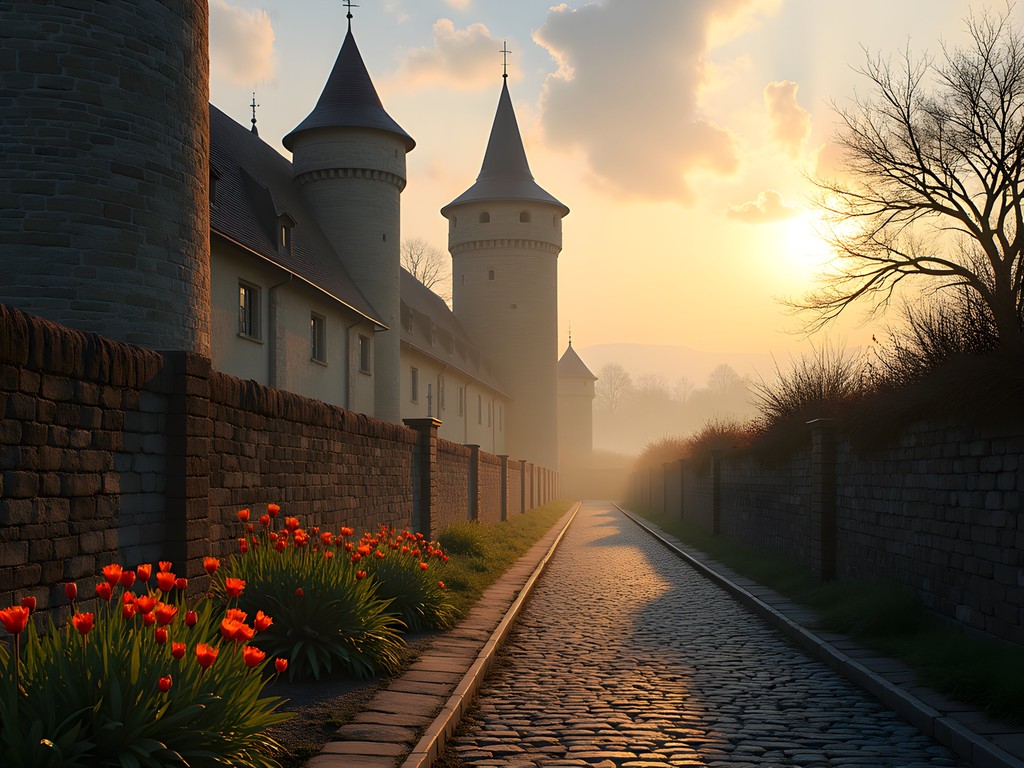
There's something uniquely satisfying about standing alone on ancient cobblestones as dawn breaks over a medieval town, the engineering of centuries past revealing itself in the early light. That's exactly what I experienced during my recent spring weekend in Rothenburg ob der Tauber, a remarkably preserved medieval town in Bavaria that operates like a perfectly calibrated timepiece. While many visitors arrive by the busload for day trips, spending a weekend solo allowed me to appreciate both the intricate craftsmanship and the underlying systems that have kept this walled city functioning for over 700 years. As an electrical engineer with a passion for how things work, I found myself equally captivated by the mechanical marvels of the Medieval Crime Museum as I was by the town's legendary Schneeballen pastries. This guide shares my methodical approach to experiencing Rothenburg as a solo traveler, including when to visit the popular spots to avoid crowds and which lesser-known corners reveal the true maker spirit of this Bavarian gem.

Planning Your Solo Rothenburg Adventure
Approaching Rothenburg requires the same precision I apply to circuit design—careful planning yields optimal results. I chose to visit in mid-April, when the spring flowers were beginning to bloom but before the summer tourist surge. This timing proved ideal, as the town was lively enough to feel vibrant but not so crowded that I couldn't enjoy moments of solitude along the wall walk.
I flew into Frankfurt and took the train to Rothenburg, a journey of approximately 2.5 hours with one connection. The German rail system operates with impressive efficiency—a refreshing experience for an engineer who appreciates systems that function as designed. From Rothenburg's train station, it's a 10-minute uphill walk to the old town, though taxis are available if you're traveling with luggage.
For accommodations, I selected Hezelhof Hotel, a family-run establishment housed in a 16th-century building that has been thoughtfully modernized while preserving its historical elements. The structural adaptations fascinated me—medieval timber frames supporting modern amenities without compromising the building's integrity. My room overlooked a quiet courtyard, providing a peaceful retreat after days of exploration.
Before arrival, I downloaded the Rothenburg city map to my tablet, which proved invaluable for navigating the winding streets. I also recommend downloading the DB Navigator app for German train schedules and Google Translate with the German language pack for occasional communication needs.
💡 Pro Tips
- Book accommodation within the walled city for the full experience—prices drop significantly Sunday through Thursday nights
- Consider the Rothenburg Card (€10.50) for museum discounts if you plan to visit several attractions
- Pack comfortable walking shoes with good traction—cobblestones can be slippery, especially in morning dew
The Engineer's Guide to Rothenburg's Medieval Marvels
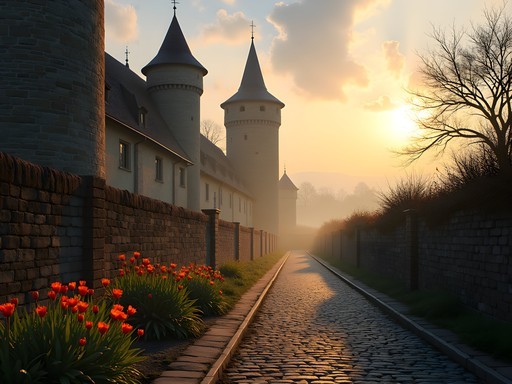
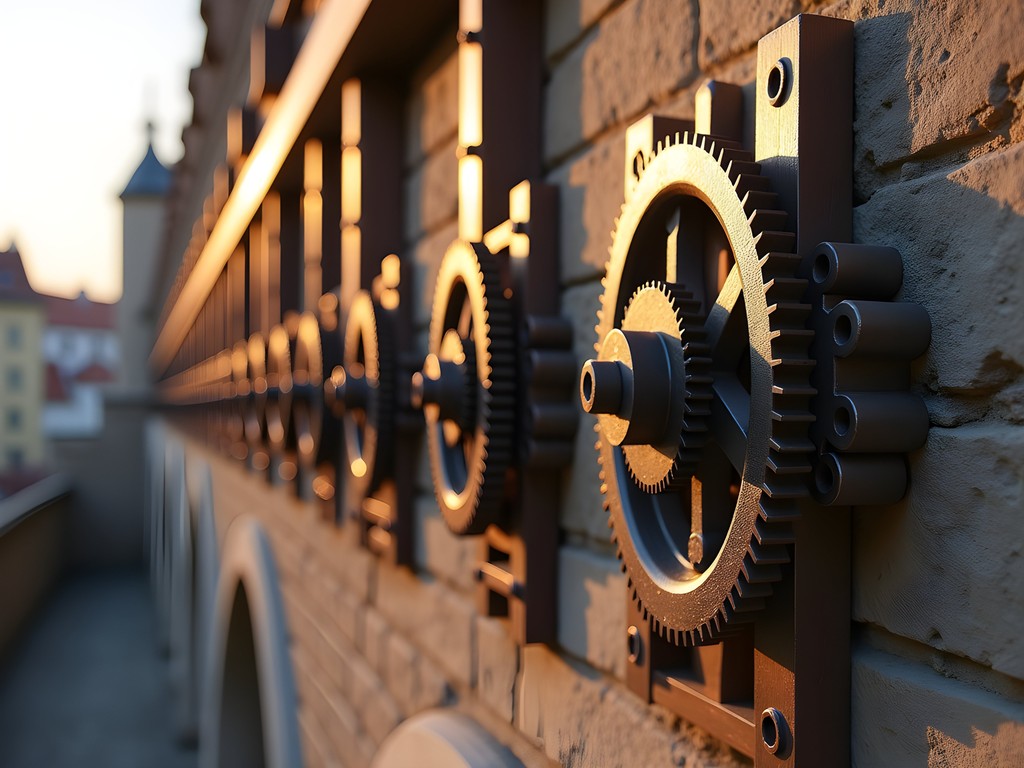
As someone who spends his professional life designing electrical systems, I found myself drawn to the ingenious medieval engineering solutions throughout Rothenburg. The town's defensive wall system is essentially a 14th-century circuit board—each component serving a specific function in a larger security network. I recommend beginning your exploration with the Tower Trail (Turmweg), a 2.5-mile walk that follows the complete circuit of walls, offering access to several climbing towers for different perspectives.
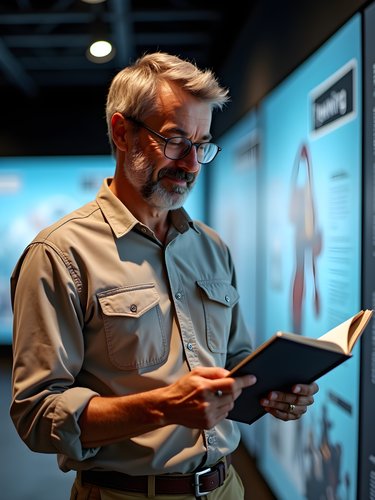
The Medieval Crime Museum (Mittelalterliches Kriminalmuseum) was a highlight for my analytical mind. Rather than focusing solely on the macabre aspects of medieval justice, I appreciated the exhibition on the evolution of legal systems and the mechanical ingenuity of the security devices. The museum houses an impressive collection of locks and keys that demonstrate remarkable precision manufacturing for their era. Allow at least two hours here if you're interested in technical details.
For those who appreciate mechanical systems, the Rothenburg Museum houses the Rothenburg Passion, a 10-meter-long woodcarving with moving parts created by Erhard Baunach (1460-1540). The precision of the wooden gears and levers that animate this medieval masterpiece is remarkable—essentially a mechanical computer programmed to tell a story centuries before electronics.
I spent one morning at St. Jakob's Church examining the sun's path through the stained glass windows—essentially a medieval light programming system that illuminates different biblical scenes throughout the day depending on the sun's position. The famous Heiligblut Altar (Holy Blood Altar) by Tilman Riemenschneider demonstrates precision carving that rivals modern CNC capabilities, all accomplished with hand tools in the early 1500s.
💡 Pro Tips
- Visit the Medieval Crime Museum when it opens at 10 AM to study the intricate lock mechanisms before crowds arrive
- Bring a small flashlight to examine construction details in dimly lit areas of the town wall
- The tower at Rödertor offers the best technical view of the defensive systems
Craftsmen Workshops and Maker Spaces
What truly sets Rothenburg apart for me wasn't just its preservation but its living tradition of craftsmanship. Unlike many tourist destinations where traditional crafts have become mere performances, Rothenburg maintains working artisans who combine historical techniques with modern innovation—a parallel to my own work bridging electrical engineering principles with contemporary applications.
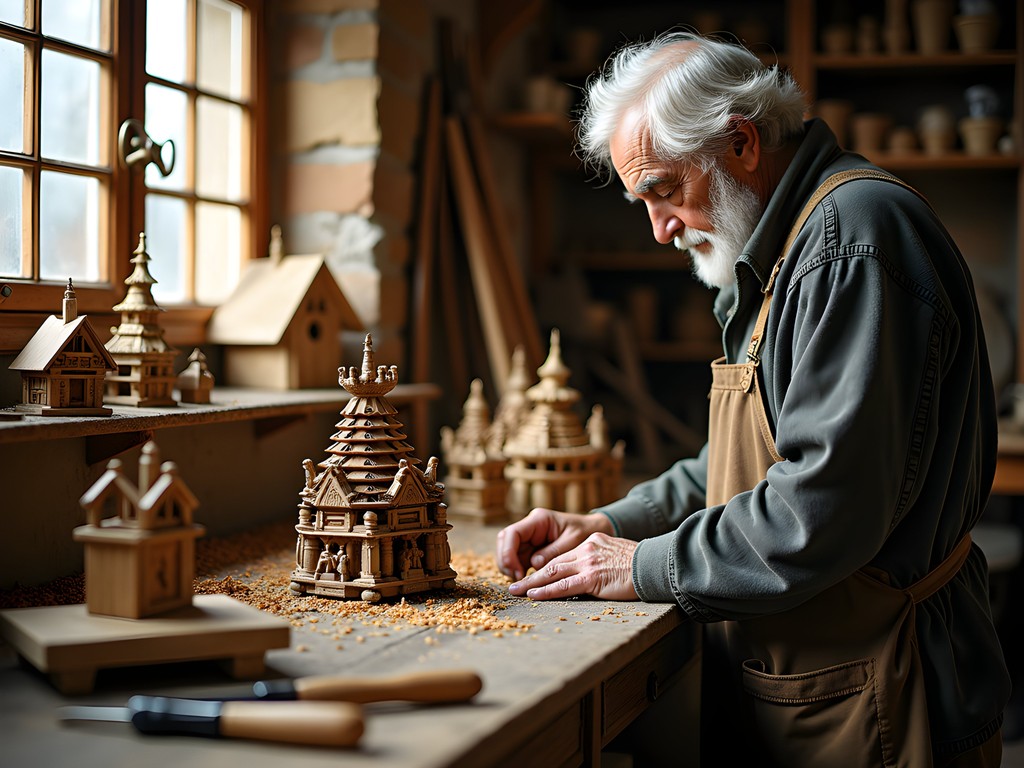
The highlight of my visit was discovering Käthe Wohlfahrt's Christmas Village, which goes far beyond a simple Christmas store. In the workshop area (often overlooked by tourists rushing through the retail section), you can observe artisans hand-painting ornaments and crafting mechanical Christmas pyramids. The precision gearing in these traditional wooden carousel structures creates a perfect thermal convection system—heat from candles rises to turn intricately balanced blades. I spent nearly an hour discussing the design principles with a craftsman named Dieter, who explained how they've subtly modified traditional techniques to improve reliability while maintaining authentic appearances.
For those interested in metalwork, seek out Friedrich Steinbach's workshop near the Plönlein corner. This third-generation blacksmith creates both traditional and contemporary pieces, and if you visit during morning hours (8-10 AM), you can often observe the forging process. Friedrich allowed me to examine his hand-built propane forge system that maintains medieval aesthetics while incorporating modern temperature controls—an elegant balance of old and new technologies.
I also recommend visiting the Rothenburg Handwerkerhaus (Craftsman's House), a preserved 13th-century home showing how tradespeople lived and worked. The building itself is an educational experience in medieval construction techniques, with exposed timber framing revealing how these structures have remained standing for centuries. The workshop areas demonstrate how craftsmen maximized natural light through strategic window placement—an early form of energy-efficient design.
For capturing these experiences, my trusty compact camera proved ideal—its low-light capabilities allowed me to photograph workshop details without flash, while its unobtrusive size didn't disrupt the artisans at work.
💡 Pro Tips
- Visit workshops early in the morning when artisans are often more willing to discuss their craft before tourist groups arrive
- Learn a few German phrases related to craftsmanship—artisans appreciate visitors who show genuine interest
- Ask permission before photographing in workshops, and consider purchasing small items from craftsmen whose work you admire

Solo Dining Experiences in Medieval Surroundings
Dining alone while traveling requires a methodical approach—finding establishments where solo patrons feel comfortable while experiencing authentic local cuisine. In Rothenburg, I developed a system that worked remarkably well for each meal type.
For breakfast, I alternated between my hotel's offering and Café Einzigartig, a small bakery where I could observe the morning preparation of traditional pastries. Their process for laminating dough for Butterhörnchen (German croissants) follows techniques virtually unchanged for centuries, creating perfectly consistent results through practiced precision rather than modern machinery.
Lunch presented an opportunity for efficiency—I opted for standing at traditional Bratwurst stands like those near the Market Square. The local Franconian-style sausages are served on small rolls with mustard, allowing for a quick, economical meal while observing daily life. The stand near the Rathaus has operated continuously since 1945 and sources sausages from a local butcher using a recipe documented since the 1800s.
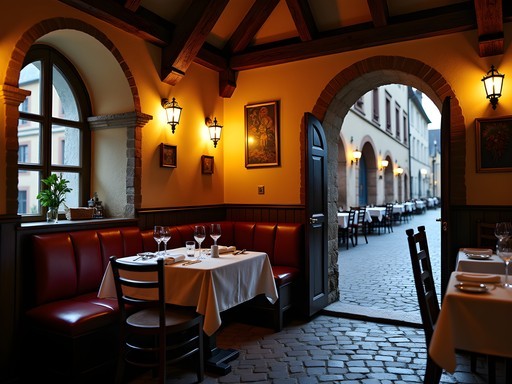
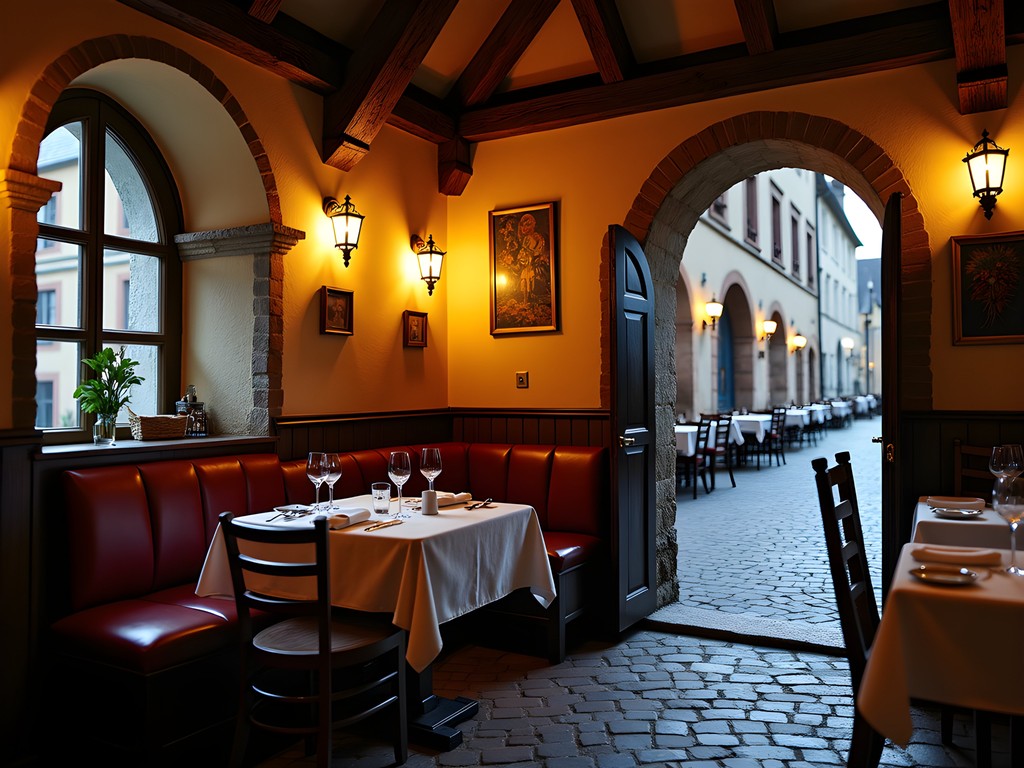
For dinner, I discovered that arriving at restaurants between 5:30-6:00 PM (early by German standards) allowed me to secure prime solo seating positions with minimal awkwardness. Altfränkische Weinstube proved ideal for solo dining, with its small wooden booths providing natural privacy. Their Franconian wine flight pairs perfectly with Schäufele (traditional pork shoulder)—the server explained how the meat's preparation process hasn't changed in over 200 years, with precise cooking times based on weight rather than modern temperature probes.
For capturing food memories without being conspicuous, I used my smartphone gimbal for quick, stable shots that didn't disturb other diners. This compact device stabilizes smartphone photography in low-light restaurant conditions while being much less intrusive than traditional camera equipment.
Perhaps my most memorable meal came from an unplanned encounter. While photographing dawn light on the walls, I met Klaus, a local baker delivering fresh bread throughout the old town. After a brief conversation about the thermal properties of traditional brick ovens versus modern alternatives, he invited me to visit his bakery to see the 5 AM bread preparation. Watching the precision timing of the sourdough process—a biological system operating on principles unchanged for centuries—was a highlight of my trip and resulted in the best Bauernbrot (farmer's bread) I've ever tasted.
💡 Pro Tips
- Reserve dinner tables even as a solo traveler—request a window seat or counter position for comfortable solo dining
- Learn basic German food vocabulary—servers appreciate the effort and provide better recommendations
- Visit the weekly farmers market (Thursday mornings) to sample regional specialties from producers
Beyond the Crowds: Strategic Timing for Solo Exploration
Rothenburg's popularity means certain areas become congested with tour groups, particularly between 10 AM and 4 PM. As an engineer, I approached this challenge systematically, mapping tourist flow patterns to maximize my solitary exploration.
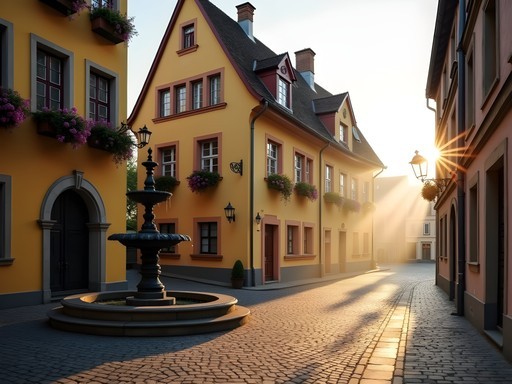
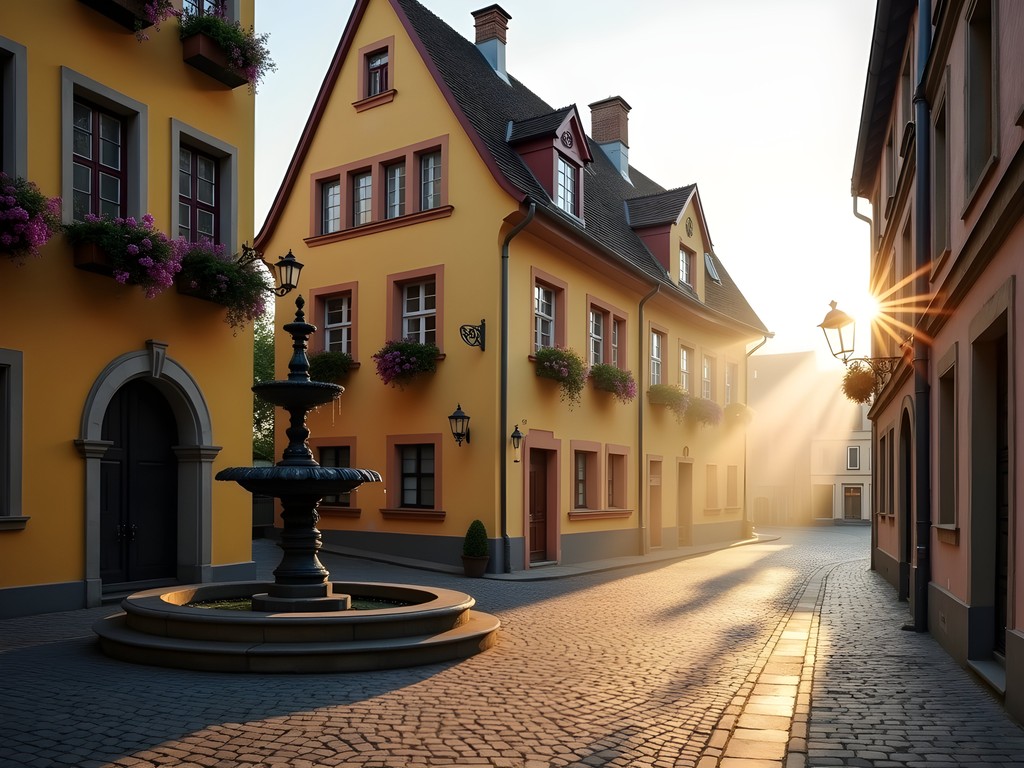
The famous Plönlein corner (the iconic view featured on countless postcards) becomes nearly impossible to photograph without crowds during peak hours. My solution was simple: set an alarm for 5:30 AM. Arriving at 6:15 AM provided perfect morning light and complete solitude. I used my travel tripod for long-exposure shots capturing the subtle morning mist without a single tourist in frame. This compact tripod collapses to just 40cm, making it ideal for travel photography without adding significant weight to my daypack.
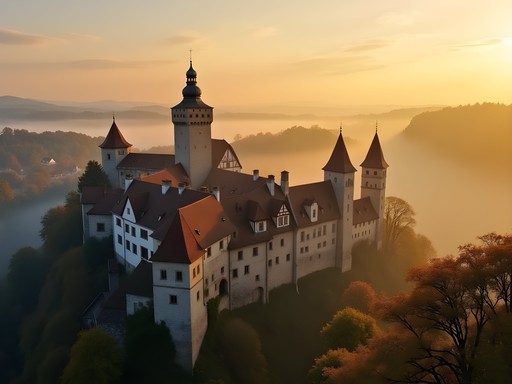
For the town walls, I discovered an inverse relationship between distance from entry points and tourist density. Most visitors walk only a short section near the main gates. By accessing the wall at Klingengasse and walking counterclockwise, I encountered progressively fewer people, with several sections completely empty even during midday. The northeastern sections offered uninterrupted views across the Tauber Valley, perfect for contemplative moments.
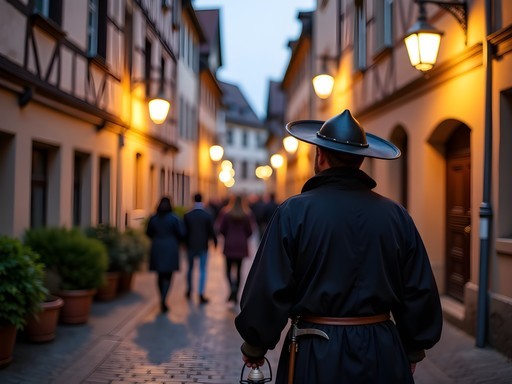
The Night Watchman's Tour is justifiably popular but draws large crowds. Instead, I booked the lesser-known Tower Trail tour (available Tuesday and Friday evenings), which provides access to normally closed tower interiors. Our small group of six explored the mechanical workings of the medieval clock tower and defensive systems with detailed explanations of the engineering principles that have kept these mechanisms functioning for centuries.
For a truly solitary experience, I highly recommend the garden path that runs outside the eastern walls. This trail follows the original moat line and provides unique perspectives of the defensive architecture while being overlooked by most visitors. In spring, the path was lined with blooming wildflowers, and I spent a peaceful afternoon sketching the structural elements of the walls from angles rarely seen in photographs.
The Burggarten (Castle Garden) becomes remarkably peaceful after 5 PM when day-trippers depart. The geometric precision of the garden design reflects medieval concepts of order and proportion—an early example of mathematical principles applied to landscape architecture that still functions beautifully today.
💡 Pro Tips
- Visit popular photography spots within 30 minutes of sunrise for empty scenes and optimal lighting
- Save indoor museums for midday when tour groups congest the streets
- Explore the area outside the walls—most tourists never venture beyond the fortifications
Final Thoughts
Rothenburg ob der Tauber operates like a perfectly preserved medieval machine, its gears and components working in harmony across centuries. As a solo traveler with an engineer's eye, I found profound satisfaction in decoding its systems—from defensive walls to craftsmen's techniques—without the distractions of companionship. The town rewards methodical exploration and technical curiosity, revealing layers of innovation beneath its fairytale appearance. While group tours rush through taking identical photos, the solo traveler can engage deeply with both the town's mechanics and its makers. Whether you're analyzing the structural integrity of half-timbered buildings or discussing forge temperatures with local blacksmiths, Rothenburg offers intellectual stimulation alongside its obvious beauty. I encourage you to approach your visit with both precision and patience—rise early, stay late, and don't hesitate to ask questions about the 'how' behind the 'what' you're seeing. The true Rothenburg reveals itself to those willing to look beyond the surface.
✨ Key Takeaways
- Solo travel in Rothenburg allows for deeper technical appreciation of medieval engineering and craftsmanship
- Strategic timing (early mornings, evenings, and shoulder seasons) provides solitary experiences even in this popular destination
- Engaging with local artisans reveals the living traditions behind the preserved facades
- The town rewards methodical exploration beyond the main streets and typical tourist paths
📋 Practical Information
Best Time to Visit
April-June and September-October
Budget Estimate
€120-200 per day including accommodation, meals and activities
Recommended Duration
2-3 days
Difficulty Level
Easy


Comments
Hunter Thompson
James, your post captures exactly what makes Rothenburg special for solo travelers! I backpacked through Germany last year and spent 3 days here. Walking the complete wall circuit at sunrise was my highlight - took about 2 hours with stops for photos. The engineering aspects you mentioned about the defensive design blew my mind - especially how the gates are angled to prevent battering rams. One tip for other solo travelers: most tour groups arrive around 10am and leave by 4pm, so early mornings and evenings are magical. The Medieval Crime Museum is surprisingly fascinating too - worth the entrance fee!
sunnyfan
The Crime Museum freaked me out a bit, but in a good way! Those torture devices... yikes!
moonlover
Going to Rothenburg next month as a solo traveler! Any recommendations for places to eat where you don't feel awkward dining alone? Also, is the Night Watchman's Tour worth it?
Hunter Thompson
The Night Watchman's Tour is absolutely worth it! One of the best city tours I've ever done - informative but also really entertaining. As for solo dining, try Zur Höll (oldest house in town) - they have a small bar area where solo diners fit right in. I used my pocket translator when chatting with the older locals there - they have amazing stories!
moonlover
Thanks for the tips! Will definitely check out Zur Höll and book the Night Watchman's Tour!
sunnyfan
I visited Rothenburg last summer and completely agree about the early morning magic! Got up at 5:30am one day and had the whole town practically to myself. The way the light hits those medieval buildings when nobody else is around is something special. Did you try the schneeballen pastries? I became slightly obsessed with the cinnamon ones. Your engineer's perspective on the town planning is fascinating - never thought about medieval cities that way before!
moonlover
Were the schneeballen worth trying? I've heard mixed reviews!
sunnyfan
They're definitely a love-it-or-hate-it thing! Very crunchy and not too sweet. The traditional ones are plain, but I preferred the flavored varieties.
Hunter Thompson
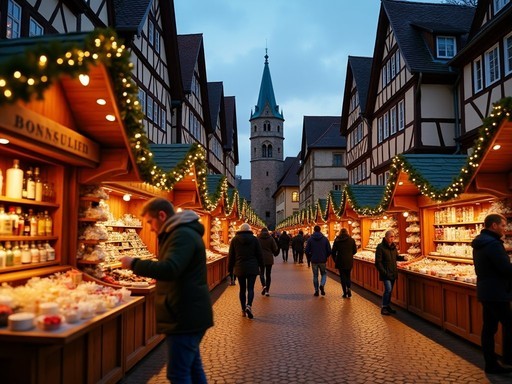
The schneeballen are tourist traps in my opinion! But the medieval architecture is the real deal. James, your tip about visiting the craftsmen workshops was spot on - I spent hours watching a woodcarver near the market square. Much better than fighting crowds at the Christmas market!
sunsetwalker
Your section on solo dining really helped me during my visit last month! I was nervous about eating alone but that medieval tavern you recommended - Zur Höll - was perfect. The staff didn't rush me and I could enjoy my meal while sketching the interior. One tip for others: I found breakfast at Café Einzigartig ideal for solo travelers - they have these window seats where you can people-watch while enjoying amazing pastries. Also walked the complete wall circuit early morning like you suggested - best decision ever! The engineering of those defensive structures is mind-blowing when you consider when they were built.
James Andersson
So glad to hear you had a great experience! Those window seats at Café Einzigartig are indeed perfect for people-watching. And yes, the wall circuit is incredible - did you notice how the defensive angles were calculated to eliminate blind spots? Medieval military engineering at its finest!
nomadseeker
Thanks for this! I'm planning my first solo trip to Germany and Rothenburg is on my list. Your engineer perspective is really interesting - I never thought about medieval towns that way. Quick question: did you feel safe walking around alone at night? I'm a bit nervous about traveling solo for the first time. Also wondering if English is widely spoken or if I should brush up on my German?
James Andersson
Rothenburg is incredibly safe, even late at night. It's a small town with lots of tourists. Most people in hotels, restaurants, and shops speak English well. Basic German phrases are appreciated but not necessary!
mountainmaster
any budget accommodation recommendations for solo travelers?
nomadseeker
Not OP but I stayed at the hostel near the train station last year. Basic but clean and met other solo travelers there. About 30 euros a night.
Riley Griffin
Love this perspective on solo travel in Rothenburg! We visited as a family of four, but I can see how magical it would be alone. Your point about the craftsmen workshops really resonates - we spent an afternoon watching a blacksmith work and my kids were mesmerized. There's something about seeing traditional skills practiced in the actual medieval setting where they originated. The Christmas Museum was also a hit with us, though I imagine it might be a skip for some solo travelers unless you're really into ornaments. The Käthe Wohlfahrt shop is tourist-heavy but kind of unavoidable!
islandseeker3714
Is it easy to get there from Munich? Never been to Germany before
Riley Griffin
Train connections are straightforward! We took our family from Munich last year - about 3 hours with one change in Steinach. The regional trains are comfortable and the journey through Bavaria is beautiful.
Douglas Bradley
Great breakdown of the medieval architecture, James. I visited Rothenburg in 2024 and was similarly struck by how the engineering principles are still visible. The town fortifications are a masterclass in defensive design. One thing I'd add for solo travelers: the Night Watchman tour is worth doing even if group tours aren't usually your thing. It's entertaining but also genuinely informative about how medieval towns functioned as systems. The guide explains the social infrastructure in a way that really brings the stones to life.
James Andersson
Absolutely agree about the Night Watchman tour! I almost skipped it but glad I didn't. Perfect blend of entertainment and education.
dreamqueen
How many days would you recommend for solo travelers? Trying to plan my itinerary
starlife
2 days is perfect imo, one full day to explore
James Andersson
I'd say 2 days minimum. One day for the main sights and wall walk, another to really explore the workshops and just wander without a plan. The town reveals itself slowly.
Venture X
Premium card with 2X miles, $300 travel credit, Priority Pass